
Review · VALENCIA
Valencia: Essentials and World Heritages Sites Walking Tour
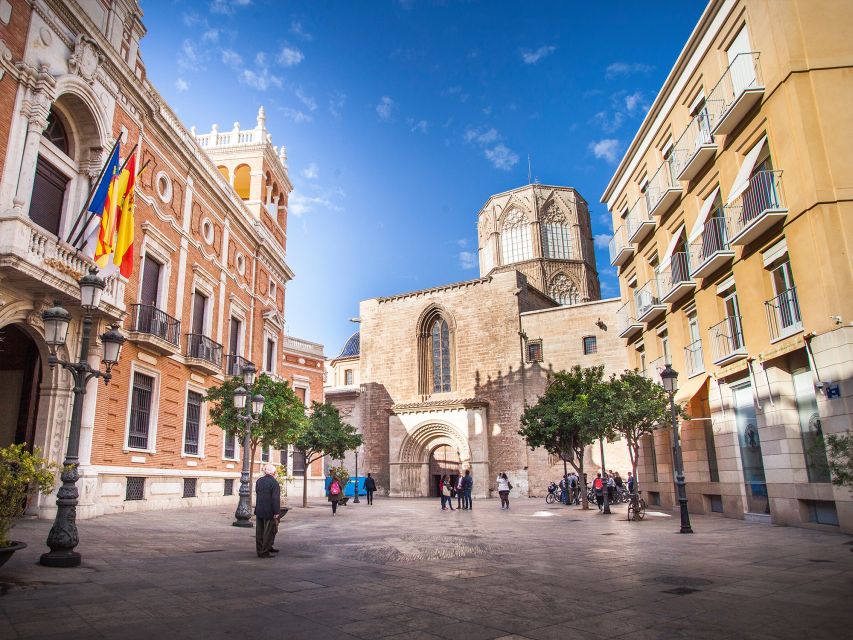
Valencia’s old town is a busy puzzle of Roman, medieval, and modern stories, and this tour puts the pieces together in two hours. The real focus is the city’s three UNESCO-recognized cultural treasures: the Silk Exchange, the Water Tribunal, and the Fallas festival.
I like the tour’s practical route from Estación del Norte through the old center, and I like that the Silk Exchange entrance is included. Guides such as Gabor, Maria, Sara, and Sofi are often praised for clear English, good local advice, and a friendly pace.
The main limitation is time. Two hours gives you a useful first look, not a full visit to Valencia’s museums and churches. City Hall is open to tour groups only on working days and may close for official events, so the indoor stops can change.
Key points to know before you book
- The Silk Exchange is the tour’s standout interior, with admission included when the monument is open.
- The route links three UNESCO cultural traditions, including the Water Tribunal and Fallas, not just buildings.
- The meeting point is easy to reach, at the Tourism Hub inside Estación del Norte beside Xàtiva metro station.
- Guides are consistently praised for clear English, useful restaurant advice, and a warm, personal manner.
- The pace suits many ages, with several stops close together and no long transfer between sights.
- City Hall access depends on the calendar, so do not treat that stop as guaranteed.
Why this two-hour walk works well in Valencia
Valencia is large enough to feel scattered on a first visit. The old town, market, cathedral, Silk Exchange, railway station, and newer districts all sit within reach of one another, but it is easy to walk past an important doorway without understanding why it matters.
This tour gives you a map in your head. You start at the North Station, then move through the central historic area with a guide explaining how Valencia changed over more than 21 centuries. That broad sweep is useful because the city is not defined by one period. Roman foundations, medieval trade, civic power, religious buildings, and living local traditions all appear in a fairly compact area.
I would book it near the start of a Valencia stay. Several guides use the walk to suggest places to eat and sights to see later, and that advice has practical value. One guide, Gabor, even recommended Armonia for paella to a family who asked for a local meal. Suggestions are never guaranteed, but the tour gives you a chance to ask personal questions instead of relying only on a map.
The tour costs $21 per person. That is a fair price when the included Silk Exchange admission is available, especially if you want context rather than a quick photo stop. City Hall admission is also included according to opening, adding value on days when that interior can be visited.
More History Walking Tours in Spain
- Barcelona: Tapas Walking Tour with Food, Wine, and History
★ 4.8 · 4,261 reviews - Barcelona Tapas Walking Tour: Food, Wine & History
★ 4.5 · 1,928 reviews - Madrid Historical Walking Tour
★ 5.0 · 721 reviews
Meeting at Estación del Norte
The tour begins at Valencia’s Estación del Norte, the main railway station. Look for the Tourism Hub in the west tower, which is on the right when you face the station. The address is Carrer de Xàtiva, 24, on the ground floor.
The station is a sensible meeting point for first-time visitors. Xàtiva is the nearest metro station, so you can reach it without crossing the whole center on foot. It also gives the walk a memorable starting marker: Valencia’s ornate railway station is itself one of the city’s notable modernist buildings.
Arrive with comfortable shoes and a little spare time. The route is not described as strenuous, and several people found the distances manageable, but it remains a walking tour over city streets. Summer sun can be strong, and one guide made a point of choosing shady places for explanations. That is helpful, though the amount of shade depends on the time and route.
Group size can vary. Some departures have been small, including tours with only two or three participants. A small group makes it easier to ask questions and hear the guide clearly. You should not assume every departure will be private, but the reported experience suggests that intimate groups are possible.
From the station to Valencia’s civic center
The first part of the walk helps you understand Valencia as a living city rather than a collection of old façades. Your guide points out major squares, public buildings, and the connections between the station, City Hall, the market, and the medieval center.
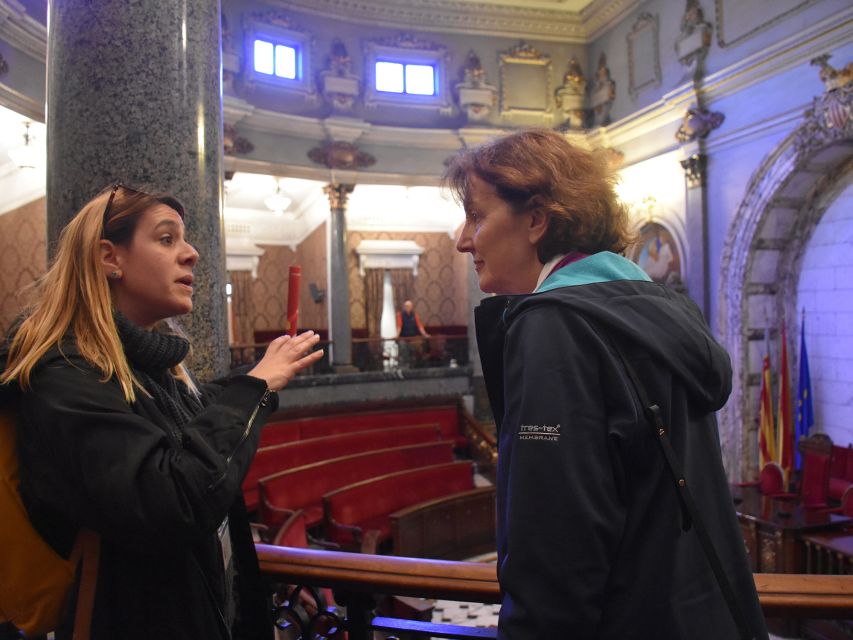
City Hall is an important stop because it represents the city’s civic power. On working days, the guided visit can include the building’s interior, and the entrance fee is included when access is available. An official event can close the building, however, so you should regard this as a conditional part of the itinerary.
That caveat matters if you are booking mainly for the interior. Ask at the start of the tour if City Hall access is operating that day. If it is closed, the guide can still explain the building and its role, but you will not receive the same indoor visit.
The route also passes through plazas and central streets where the old and modern city meet. This is where a good guide adds the most value. You can see a square on your own, but a clear explanation of its use, age, and connection to Valencia’s development turns a passing view into something you can remember.
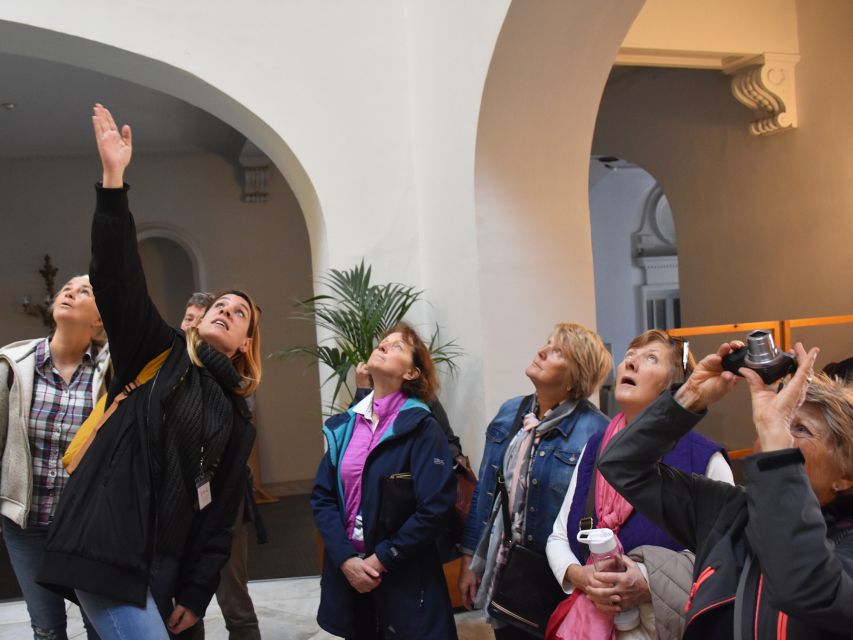
Past guides have included Gabor, Maria, Sara, Sofi, Carlos, Belen, Eugenia, and Paulina. The names vary by departure. The strongest pattern is not one particular guide but the style of guiding: clear English, an easy pace, answers to questions, and recommendations for the rest of your stay.
The Central Market and everyday Valencia
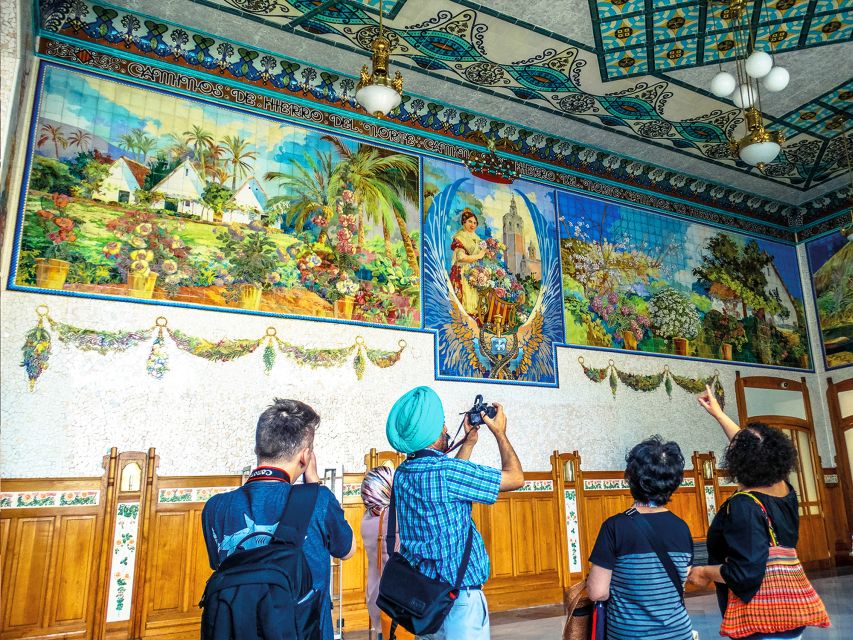
The Central Market area brings the tour back to daily life. It is not only a handsome historic setting but also a place where food, shopping, and local routine meet. The tour does not promise a food tasting, so you should not book it expecting a market meal or a cooking demonstration.
What you do get is useful orientation. Your guide can place the market within the old center and point out how it fits with nearby landmarks. This helps you return later on your own, perhaps with more time to browse.
I like this stop because it prevents the tour from becoming a parade of monuments. Valencia’s culture is also found in what people buy, eat, and do each day. The guide may also offer suggestions for paella or other local food, but restaurant advice is an extra benefit rather than a formal part of the tour.
The market area can be busy, and street noise may make it harder to hear. Stay close to the guide, especially if the group is larger. The walk is in English, so good listening matters in crowded streets.
Same old streets, another chapter:
- Madrid Essential: Historic Center, Plaza Mayor & Royal Palace
★ 5.0 · 6,416 reviews - Sevilla Food Tour: Tapas, Wine, History & Traditions
★ 5.0 · 3,468 reviews - Valencia Old Town Tour with Wine & Tapas in 11th Century Historic Monument
★ 5.0 · 3,234 reviews - Madrid Tapas & Taverns Small Group Food & History Tour
★ 5.0 · 2,664 reviews
Entering the Lonja de la Seda
The Lonja de la Seda, or Silk Exchange, is the clearest architectural prize on the walk. Your admission is included according to the monument’s opening schedule, so you can go inside rather than viewing only the exterior.
The building connects Valencia with the medieval silk trade and the commercial power that followed it. Inside, the stone columns and formal trading spaces show that commerce in Valencia was once conducted with serious ceremony. The guide explains what you are seeing and why the building matters, which is far more useful than simply photographing its dramatic interior.
This is the stop where the tour’s $21 price makes the most sense. Admission saves you from arranging a separate visit, and the explanation gives the building a place in Valencia’s economic story. The Lonja is not just an attractive Gothic monument. It shows how trade shaped the city and why Valencia developed such confidence in its public buildings.
Allow for a possible change of plan. An event can close the Silk Exchange during the scheduled visit. In that case, the operator may send you the ticket so you can enter independently in the afternoon, or try to exchange it for another museum or monument ticket of the same value. That is a reasonable solution, but it means the group visit and live explanation inside the Lonja cannot be guaranteed.
If the Silk Exchange is your main reason for booking, check the day’s access when you arrive. If you are happy with a wider introduction to Valencia, the backup arrangement makes the risk easier to accept.
Understanding the Water Tribunal
The Water Tribunal is one of the tour’s most unusual subjects. It represents Valencia’s long tradition of managing irrigation water through a public community process. That may sound dry on paper, but it is a good example of how local customs can carry as much cultural importance as a famous building.
The tribunal is presented as one of Valencia’s three UNESCO-recognized cultural attractions. The other two discussed on the walk are the Silk Exchange and Fallas. This gives the tour a wider purpose: you learn not only about what you can enter, but also about traditions that continue to shape the city’s identity.
The tour does not promise a full tribunal hearing or a special event. Instead, your guide explains its place in Valencia’s past and present. That distinction is important. You are booking cultural interpretation, not a scheduled performance.
I find this part particularly useful because many city walks focus only on architecture. Here, you get a look at how Valencia organized one of its most important resources. It also gives you a better sense of why local customs matter to residents.
Fallas, fire, and temporary art
Fallas is Valencia’s famous annual festival of large temporary artworks, fire, and fireworks. The tour explains the festival as part of the city’s cultural heritage, even if you visit outside the festival season.
Do not expect to see the full festival during this two-hour walk. Fallas is seasonal, and the experience described here is an explanation of its role in Valencia. Your guide can connect the tradition to the city’s public life and help you understand why temporary art and controlled destruction can be treated as cultural heritage.
This is another reason the tour works better as an introduction than as a list of photo stops. You leave with a framework for understanding Valencia’s festivals, civic customs, and historic buildings. If your visit overlaps with Fallas, you will still need separate time for the festival itself.
Finishing near the cathedral
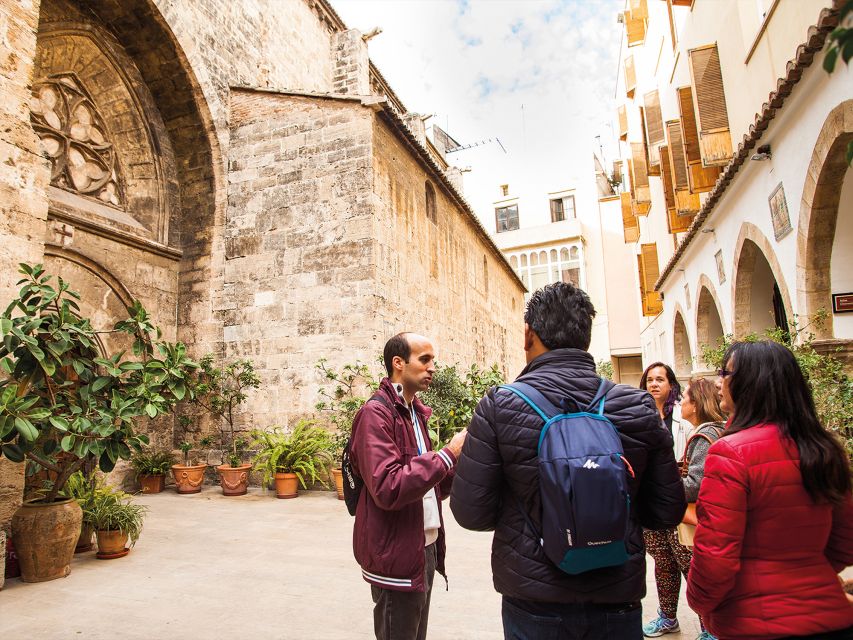
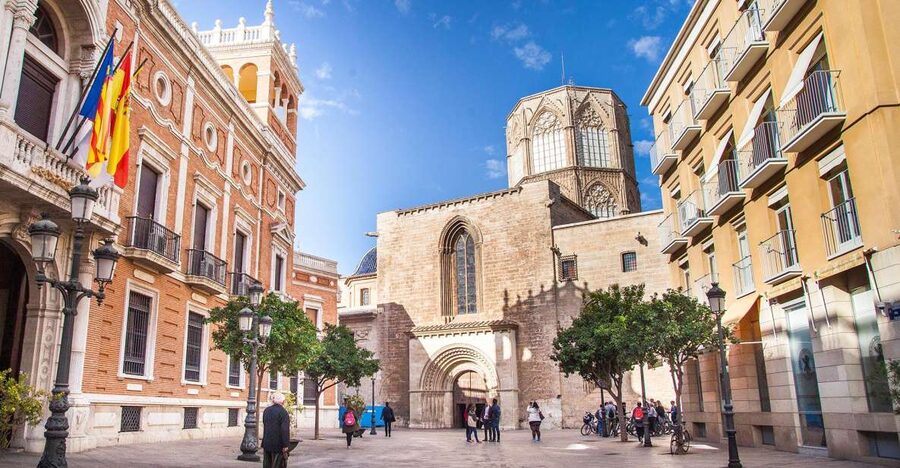
The route finishes at or near Valencia Cathedral, after passing through the old center. The cathedral is an essential landmark, but entry inside is not listed as part of this tour. Your guide can explain its place in the city and help you decide if you want to return for a separate visit.
Ending here makes practical sense. The cathedral area is central, so you can continue exploring on foot after the tour. You might use the remaining day for the cathedral, nearby streets, or a return visit to the market and Silk Exchange.
The tour does not attempt to give every sight equal time. That is a benefit and a limitation. You get a fast, connected introduction, but you should not expect long interior visits or detailed art history at every stop.
The guides and the pace
The most praised part of this experience is the guiding. Gabor is often described as friendly, patient, and full of useful information. Maria is praised for clear explanations and a steady pace. Sara receives similar praise for her enthusiasm, local insight, and ability to answer questions. Sofi, Carlos, Belen, Eugenia, and other guides have also led warmly received departures.
You cannot choose a particular guide from the information provided, so book for the route and format rather than a named person. The names do show the range of guides used by Turiart and the kind of experience you may receive.
English is the stated tour language. If you want to change to another group language, it depends on space and carries an extra €5 per person. That makes it worth choosing your language carefully when booking.
Several guides adjust the walk to the group. They answer questions, explain details at a comfortable speed, and offer suggestions for later sightseeing. The best reports describe the tour as interesting without feeling rushed. Still, two hours requires a brisk overview. If you want long pauses for photos or detailed time inside each monument, you may find it too quick.
Who should book this Valencia walk?
I would recommend it to a first-time visitor who wants a clear introduction before exploring alone. It also suits anyone with a short stay, since the route covers City Hall, plazas, the market area, the Silk Exchange, and the cathedral zone in one compact outing.
It is a good choice for families and older visitors who prefer a guided pace and short stretches between major stops. The tour is wheelchair accessible, though historic streets and monument access can still depend on conditions at the specific site.
You will get the most from it if you ask questions. Ask about paella, Fallas, the Water Tribunal, or places to visit after the walk. The guides are a major part of the value, and a conversation can make the two hours feel more tailored.
I would look elsewhere if you want a full museum tour, a food experience, a private departure guaranteed in advance, or a deep visit to the cathedral. This is a broad old-town orientation with selected interior access, not an all-day cultural program.
Booking details that affect the value
The price is $21 per person, and you can reserve now and pay later. Free cancellation is available up to 24 hours before the start time for a full refund, which is useful if your Valencia plans are still moving.
The tour lasts two hours. Starting times vary, so check availability for your date. The guide is live and the stated language is English.
The Silk Exchange and City Hall admissions are included when those monuments are open. If the Silk Exchange closes for an event, the operator may provide an afternoon ticket for independent entry or offer another monument ticket of equal value. If City Hall is closed because of an official event or because it is not a working day, the indoor visit may not happen.
That makes the tour good value for most visitors, but not because every listed interior is guaranteed. You are paying for the guide, route, historic context, and the chance to enter key sites when open. Think of the admission as an added benefit that depends on the day.
Should you book it?
Book this tour if you want to get your bearings fast, understand Valencia’s three UNESCO cultural traditions, and see the old center with an English-speaking guide. The Silk Exchange admission, central meeting point, useful local tips, and consistently praised guiding make $21 a sensible spend.
Choose a different experience if you prefer to wander alone, spend an hour inside one monument, or focus mainly on food. For most first visits, I would schedule this early in the stay, wear comfortable shoes, and use the final recommendations to plan the rest of your time in Valencia.
FAQ
Where does the tour meet?
Meet at the Tourism Hub inside Valencia’s Estación del Norte, in the west tower on the ground floor at Carrer de Xàtiva, 24. Xàtiva is the nearest metro station.
How long does the tour last?
The walking tour lasts two hours.
What language is the tour in?
The stated live tour language is English. Changing to a different language group depends on availability and costs an additional €5 per person.
Is the Silk Exchange entrance included?
Yes, the entrance fee to the Silk Exchange is included according to the monument’s opening schedule.
Is City Hall included?
City Hall admission is included when the building is open for the guided visit. The guided City Hall visit takes place on working days, except when an official event is taking place.
What happens if the Silk Exchange is closed?
The operator may send you the ticket so you can enter independently in the afternoon, or may try to exchange it for a ticket to another museum or monument of the same value.
Is the tour wheelchair accessible?
Yes, the activity is listed as wheelchair accessible.
Can I cancel or pay later?
You can reserve and pay later. You can also cancel up to 24 hours in advance for a full refund.
Latest history tours reviewed in Spain
- Barcelona Historic Guided Tour★ 4.8 · 24 reviews
- Essential Madrid: Walking Tour of the Historic Center★ 4.7 · 58 reviews
- Discover the fascinating Alcazaba: History and unique views★ 4.8 · 30 reviews
- Cordoba: Segway Tour historic center★ 4.5 · 21 reviews
- Private Jewish Heritage Journey by Barcelona Dreaming★ 4.8 · 383 reviews
- Cartagena: Ancient Roman Walking Tour with Entry Tickets★ 4.5 · 89 reviews
- Caceres: Highlights, History and Jewish Quarter Walking Tour★ 4.7 · 20 reviews
- Bilbao Historical Tour in small group★ 4.7 · 52 reviews
Valencia History Tours, compared.
Valencia Old Town Tour with Wine & Tapas in 11th Century Historic Monument
Read our review →

Valencia’s Greatest Food, History & Culture Tour
Read our review →Browse the lists this tour appears in