
Review · PORTO
3-Hour Porto Jewish Heritage Walking Tour with Local Guide
Porto’s Jewish past is not laid out in one grand museum. Much of it was erased, renamed, or built over. This three-hour walk helps you read the clues that remain, from the cathedral and old Jewish quarters to a medieval gate and hillside viewpoints.
I like the way the tour connects Jewish history with Porto’s merchant trade and daily city life. I also like the small-group format, especially when Ricardo, Pablo, Pedro, or another well-prepared local guide can answer questions and use old documents or photographs to make vanished places easier to picture. The drawback is clear: there is little Jewish architecture left to see, and the route includes steep streets, cobbles, and stairs.
Key points to know before you book
- The story is told through traces: You visit former Jewish quarters, memorial sites, gates, fountains, and viewpoints rather than a preserved Jewish district.
- Guides make the difference: Ricardo is often praised for his detailed research and clear explanations, while Pablo and Pedro are also noted for their enthusiasm and strong command of the subject.
- Porto’s hills are part of the tour: Bring comfortable shoes and expect uphill walking, stairs, and potentially slippery surfaces in wet weather.
- You see more than Jewish history: The route also explains Porto’s medieval growth, merchant trade, religious power, and the Portuguese Inquisition.
- The tour costs $36.30: For three hours with a professional local guide, that is fair value if you want context that you would probably miss on your own.
- It is a walking history lesson, not a synagogue visit: The Porto Synagogue and Porto Jewish Museum are not included.
Why Porto’s Jewish story needs a walking tour
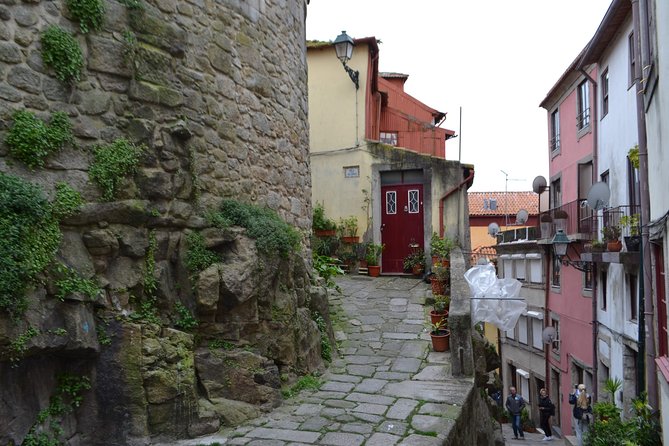
Porto is easy to admire at street level: tiled churches, medieval lanes, the Douro, and steep views. Its Jewish past takes more work. You are often looking at an ordinary street or a church wall while your guide explains what once occupied the site.
That makes the guide especially important. Ricardo is repeatedly singled out for bringing documents, photographs, and lesser-known details. His approach appears to go beyond a quick list of dates. He connects Jewish life to the wider story of Portugal, including trade, forced conversion, persecution, and the loss of communal memory.
The subject is also tied closely to Porto’s physical shape. The city’s old Jewish quarters existed both inside and outside the medieval walls. You move between those areas while learning how Jewish merchants helped establish Porto’s commercial life in Portugal’s early years.
Do not expect a preserved medieval synagogue or a row of clearly marked Jewish homes. The experience is about reconstruction. A gate, a street line, a memorial, or a view across the old city can carry the story when the original buildings are gone.
More History Walking Tours in Portugal
- Lisbon: History, Stories and Lifestyle Walking Tour
★ 4.8 · 10,902 reviews - Porto: Historic City Center Walking Tour
★ 4.7 · 1,172 reviews - Porto: Historical Center Walking Tour
★ 4.8 · 898 reviews
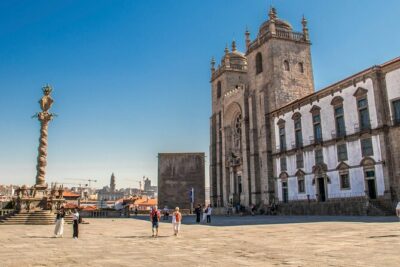
Starting at Porto Cathedral
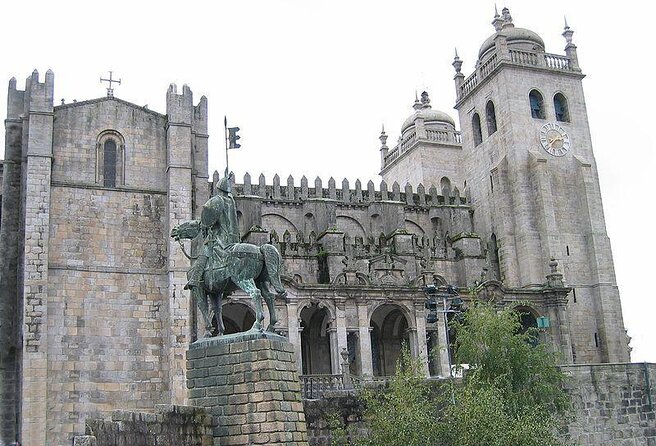
The meeting point is Terreiro da Sé, beside Porto Cathedral. This is a sensible place to begin because the cathedral gives your guide a strong setting for explaining the city’s early religious and civic power.
You spend about 10 minutes at the cathedral. Admission for the tour is free, and the focus is not a lengthy interior visit. Instead, you hear how Jewish people fit into Porto’s early development and merchant networks.
Starting here also puts you in the upper part of the historic center. That matters physically. The walk begins at a high point and later moves through the city’s slopes, so you should not think of this as a flat stroll along the river.
Arrive early. Porto Cathedral sits in a busy, historic area where streets and viewpoints can make a map harder to follow than expected. One person who missed the meeting point had trouble getting there by bus and found the map confusing. The guide tried to help by phone, but direct transport to the cathedral or an advance look at the location is the safer plan.
Ribeira Square and the old Jewish quarter
One of the first main stops is Praça da Ribeira, where you spend roughly 15 minutes learning about the old Jewish quarter. This is one of the route’s most useful moments because Ribeira is now one of Porto’s best-known riverfront areas, not a place most people would immediately connect with Jewish history.
Your guide helps you picture the medieval city beneath the current streets. You learn where the community lived, how the quarter related to the city walls, and how Jewish commercial activity fit into the life of Porto.
This section is more about explanation than surviving architecture. You will not find a fully preserved quarter waiting for you. That can disappoint visitors who expect visible Jewish buildings, but it is also the reason the tour has value. Without someone pointing out the location and explaining its purpose, the site can look like another attractive part of old Porto.
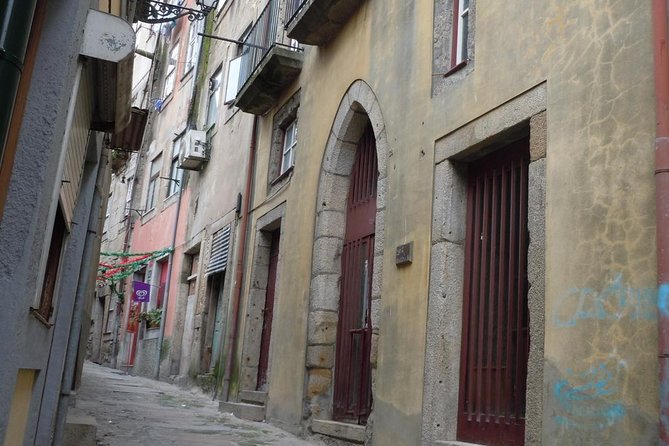
The walk also gives you a useful introduction to the city’s lower streets. From here, the route moves through places where Jewish communities left traces or where later religious and civic changes helped cover them.
São Bento da Vitória and the weight of memory
At Mosteiro de São Bento da Vitória, the guide spends about 10 minutes discussing a memorial and the surrounding history. The stop adds a different layer to the walk. You are no longer looking only at where Jewish residents lived. You are also considering how later institutions and public memory shaped what remained visible.
This is where the story of the Portuguese Inquisition becomes central. Your guide explains how Jewish people were persecuted and how attempts were made to erase or suppress their role in Portugal’s past.
The value here lies in the connection between place and power. A church, monastery, or memorial is not just a photo stop. It can show how the city’s official religious story came to dominate the older record.
The exact amount of detail will depend on your guide. Ricardo is described as especially thorough, with a strong grasp of Jewish history in Porto and Portugal. Other guides, including Pablo, are praised for making difficult material approachable and engaging. If you enjoy asking questions, this is likely one of the stops where the three-hour length pays off.
More Jewish Heritage Tours in Portugal
- Lisbon Jewish Heritage and History – Private Tour Van
★ 5.0 · 294 reviews - Porto: Jewish Heritage Walking Tour
★ 4.7 · 266 reviews - Lisbon: Jewish History Tour of Lisbon
★ 4.8 · 84 reviews
Postigo do Carvão and medieval Porto
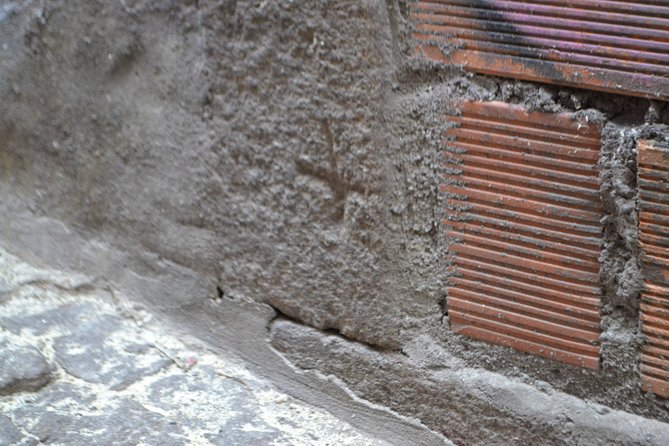
Postigo do Carvão is a short stop of about 10 minutes. This gate offers a direct connection to medieval Porto and to the defensive walls that shaped life in the old city.
The gate is important because it helps you understand how confined urban neighborhoods once worked. Your guide explains the relationship between the walls, access points, commerce, and Jewish quarters. You may also hear about a gate that once opened onto a medieval ghetto, where Jewish people were confined.
This is a good place to slow down and look at the city as a medieval settlement rather than simply a scenic old town. The walls controlled movement, trade, and security. They also helped separate communities.
Again, the physical evidence is limited. The gate is not a complete Jewish site, and there is no guarantee that every visitor will find a dramatic architectural remnant. Its importance comes from the explanation attached to it.
Nossa Senhora da Vitória and the city’s altered story
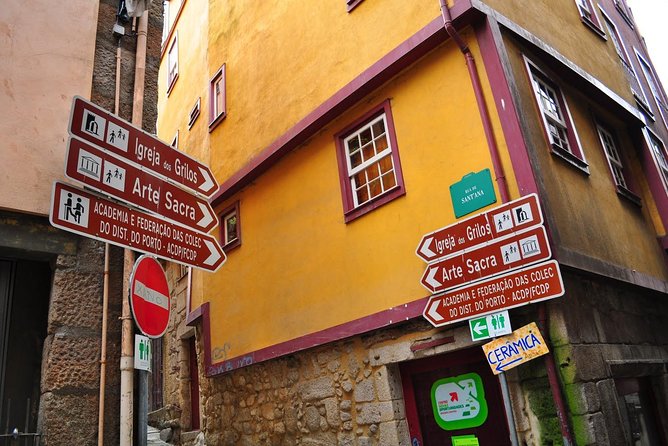
The Igreja Paroquial de Nossa Senhora da Vitória is another 10-minute stop connected with a memorial. Your guide uses the site to add detail to the account of Jewish life, persecution, and the later rewriting of Porto’s story.
The stop works best for people who want context. If you are interested only in surviving Jewish buildings, this may feel thin. If you want to understand how a city can lose visible evidence of an entire community, it becomes more meaningful.
The tour’s central lesson is that absence itself can be historical evidence. The lack of old Jewish structures is not proof that the community was small or unimportant. It reflects conversion, persecution, destruction, rebuilding, and the long habit of telling Porto’s history through a narrower religious lens.
That is also why the guide’s preparation matters so much. A well-researched explanation can turn a plain-looking location into a place with several layers of meaning.
Passeio das Virtudes and Porto’s hillside views
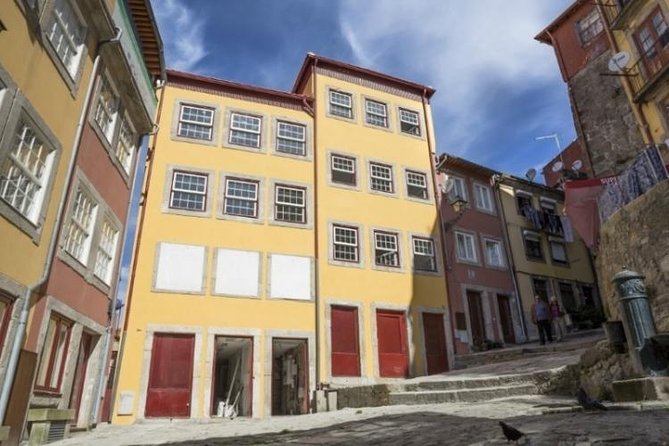
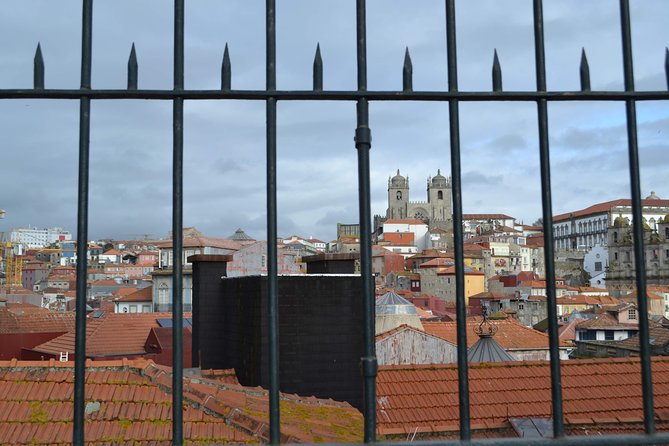
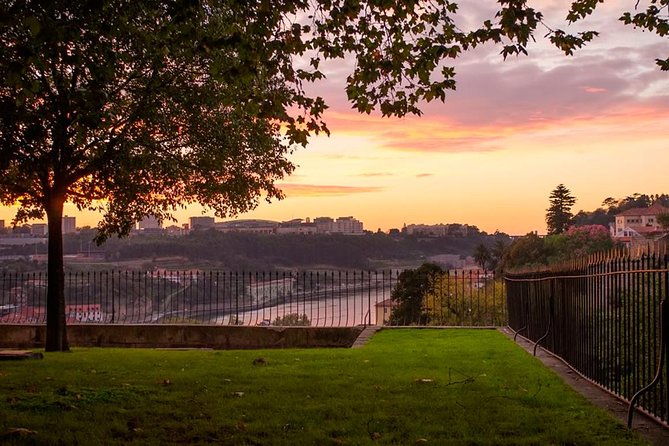
Passeio das Virtudes is one of the most scenic parts of the walk. You spend around 10 minutes taking in the view from this hillside promenade, with medieval Porto spread below and the Douro area nearby.
The view gives your legs a break and helps you understand the city’s steep shape. It also makes a useful pause after the heavier material about persecution and forced erasure.
I like this part because it keeps the tour from becoming a string of indoor-style lectures delivered outdoors. You are moving through the city, seeing how neighborhoods connect, and using the slopes and river as part of the historical setting.
The route is not easy walking, though. The old streets can be steep, and the cobbles may become slippery in rain. Good shoes are not optional advice here. Wear something with a firm sole, and dress for changing weather because the tour operates in all conditions unless poor weather leads to cancellation.
Chafariz da Porta do Olival and Miradouro da Vitória
Chafariz da Porta do Olival is another short historical stop, lasting about 10 minutes. The fountain and former gate area help place the old city’s boundaries on the ground. Your guide explains what the area meant in earlier centuries and how it relates to Porto’s changing neighborhoods.
The final viewpoint, Miradouro da Vitória, is described as a quieter place to see the city. It is a fitting ending because the tour has gradually moved from enclosed quarters and defensive walls to broad views over Porto.
These stops are not major attractions in the usual sense. You come for the story, not for a long visit or an elaborate monument. The payoff is learning to notice small signs that you might otherwise walk past.
The published end point is Passeio das Virtudes, while the route also includes Ribeira Square earlier in the walk. Check the precise finishing point when you book so you can plan your next stop. No hotel pickup or drop-off is included.
The guides: Ricardo, Pablo, Pedro, and the human factor
The strongest part of this experience is the guide. Ricardo receives especially warm praise for his research, enthusiasm, humor, and ability to keep a group involved for three hours. He is not Jewish, but he has studied the subject closely and brings documents and images to help explain what no longer survives.
Pablo is described as passionate and able to make the subject fun. Pedro is praised for taking time with explanations and for linking Jewish history with the wider story of Porto and Portugal. Another guide, José, is noted for offering ideas about other places to visit and eat, although one account appears to confuse Porto with Lisbon, so I would not rely on every stray detail without checking your guide’s advice.
The practical point is simple: this is a guide-led interpretation tour. The personality and preparation of the guide shape the experience more than the individual stops do.
You should feel free to ask questions. The route is designed for people who want more than dates and names, and several guides are described as patient and willing to explain difficult subjects clearly.
What $36.30 buys you
At $36.30 per person, the price is reasonable for a three-hour walking tour with a professional local guide, especially if you are interested in Jewish history or want a stronger understanding of Porto’s medieval center.
You are paying for interpretation, not admission fees. The stops are free, and the Porto Synagogue and Porto Jewish Museum are excluded. That means the value depends on how much you want the historical explanation.
For a private group, the experience can make more sense if you want to ask many questions or move at your own pace. For a shared tour, the group is generally limited to 10 people, although the general capacity information allows up to 20, so confirm the expected size before booking.
Morning and afternoon departures give you some flexibility. I would choose the morning if you want to use the guide’s route to orient yourself in Porto at the start of your visit. An afternoon walk can work well if you prefer a slower first morning, but allow extra time to reach the cathedral.
The tour is commonly booked well ahead, with an average booking lead time of about 42 days. That suggests you should reserve early if your Porto dates are fixed.
Who should book this Porto walking tour?
This tour suits you if:
- You want Jewish history connected to Portuguese political, commercial, and religious history.
- You are comfortable walking uphill on cobbled streets and climbing stairs.
- You enjoy learning from a guide more than entering a series of major attractions.
- You are willing to look for traces and absences rather than expecting preserved Jewish buildings.
- You want a small group or private format and value time for questions.
It is less suitable if you have limited mobility, dislike steep streets, or want a synagogue and museum visit included. The tour requires good physical fitness, and rain can make the route harder.
Service animals are allowed, and the walk is near public transportation. Smart-casual clothing is requested, but comfortable footwear and weather protection matter more.
Should you book it?
Book this tour if you want to understand a part of Porto that is easy to miss and you appreciate a careful guide-led explanation. Ricardo’s preparation is a major draw, and the route combines old quarters, medieval gates, memorials, and fine city views.
Skip it if you need visible Jewish architecture at every stop or if three hours of hills and stairs sounds tiring. The experience asks you to imagine much of the past, since little of the physical community remains.
For the right visitor, $36.30 is a fair price for a focused lesson in Porto’s Jewish past and the forces that tried to erase it. Wear good shoes, find the cathedral in advance, and come ready to look closely.
FAQ
Where does the Jewish heritage walking tour begin?
The tour begins at Porto Cathedral, at Terreiro da Sé, 4050-573 Porto, Portugal.
Where does the tour finish?
The listed end point is Passeio das Virtudes, 4050 Porto, Portugal. Ribeira Square is also one of the stops on the route.
How long does the tour last?
The walking tour lasts about three hours.
How much does the tour cost?
The listed price is $36.30 per person.
Is the Porto Synagogue included?
No. A visit to the Porto Synagogue is not included.
Is the Porto Jewish Museum included?
No. A visit to the Porto Jewish Museum is not included.
Is this a private tour?
A private option is available. If you book a shared tour, the group is generally limited to 10 people, while the general activity information gives a maximum capacity of 20. Confirm the group size when booking.
Is the walk physically demanding?
Yes. The route includes stairs, steep streets, hills, and cobbled surfaces. You should have a strong level of physical fitness and wear comfortable shoes.
What happens if the weather is poor?
The tour operates in all weather conditions, so you should dress appropriately. If poor weather causes cancellation, you will be offered another date or a full refund. Free cancellation is available up to 24 hours before the start time.
More Three-Hour Tours in Portugal
- Berlin: 3-Hour World Heritage Cruise to Potsdam
★ 4.5 · 1,569 reviews - Edinburgh: 3-Hour Historical Walking Tour in Italian
★ 4.7 · 734 reviews - 3-Hour Atlanta Beltline Food, Street Art and History Tour
★ 5.0 · 345 reviews - Bucharest: 3-Hour Dark History Tour with a Local
★ 4.9 · 301 reviews
Latest history tours reviewed in Portugal
- From Albufeira: Wine Tasting & Historic Silves Tour★ 4.9 · 421 reviews
- From Albufeira: Historical Algarve Region Tour★ 4.7 · 585 reviews
- Faro: Private & Flexible Walking Tour in Historic Center★ 4.5 · 52 reviews
- Lisbon on a Tuk Tuk Tour: History & Viewpoints★ 4.9 · 204 reviews
- Évora: Private & Flexible Walking Tour in Historic Center★ 4.7 · 73 reviews
- Porto: Douro Valley History & Wine Tour with Cruise & Lunch★ 4.6 · 433 reviews
- Coimbra: Private & Flexible Walking Tour in Historic Center★ 4.9 · 92 reviews
- Monsanto and Historical Villages Tour – 3 Options Available★ 5.0 · 23 reviews
Porto History Tours, compared.

Douro Valley: Historical Sites, Wine Experience, Lunch & Cruise
Read our review →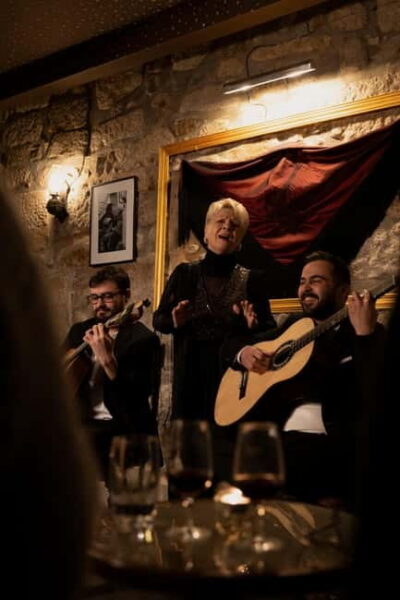
Porto: An Intimate Fado Show in a Historical Tavern
Read our review →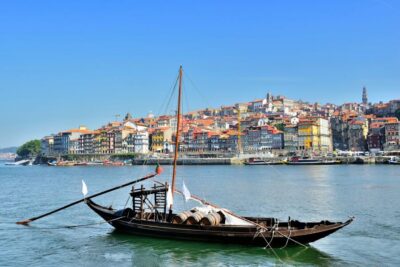
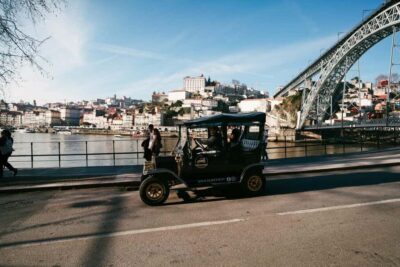
Porto: Private Tour of the Historic City in a Ford T Car
Read our review →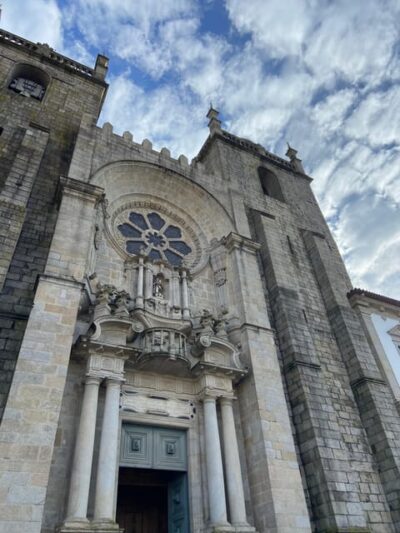
Historic Porto by Private Electric Tuk Tuk to Top Landmarks
Read our review →
Porto Guided Tour to the Historical Center on a Tuk Tuk
Read our review →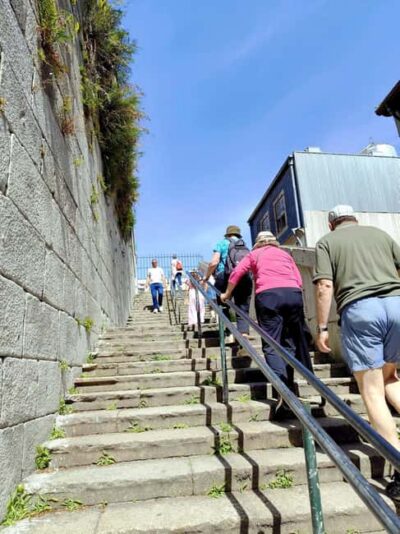
Browse the lists this tour appears in