Review · PORTO
Porto: Historical Center Walking Tour
Porto reveals itself best on foot, especially in the medieval lanes of Sé, where steep streets, worn stone, and sudden river views make the city feel more like a lived-in neighborhood than an open-air museum. This three-hour walk links the main sights with stories about Portugal’s rulers, religion, architecture, politics, and everyday life.
I like two things here: the guide keeps the pace human, with short pauses on Porto’s hills, and the ending gives you more than a quick photo stop. You finish with Port wine, bread, and olive oil, plus practical suggestions for the rest of your stay. The main drawback is the terrain. Porto is hilly, and this is not a gentle stroll for anyone with limited mobility or low fitness.
Key points at a glance
- Sé’s narrow medieval streets: Begin in Porto’s oldest-feeling quarter, where the route turns through small alleys and steep lanes.
- São Bento and Lello Bookshop: See the country’s celebrated train station and one of Portugal’s oldest bookstores.
- Clérigos and city views: Walk past Porto’s best-known tower before looking across the center, river, and Vila Nova de Gaia.
- Story-led guiding: Pedro, Gregorio, and other guides use humor, local stories, and Portuguese history to keep the walk moving.
- A useful tasting finish: Port wine, bread, and olive oil provide a relaxed close to the tour.
- Optional Virtudes picnic: Choose the picnic version for wine, cheese, ham, fruit, pastries, and a Portuguese picnic blanket.
Why this three-hour walk works as a first look at Porto
At $41 per person, this is not the cheapest way to see Porto’s center. It is a fair price if you want a local guide to connect the sights instead of simply pointing them out. You are paying for three hours of walking, interpretation, a tasting, and a route that covers several areas you might otherwise visit as disconnected stops.
I especially like the way the experience moves between big landmarks and small streets. Porto’s famous buildings are easy to find on a map. The harder part is understanding how the cathedral quarter, shopping streets, nightlife areas, churches, viewpoints, and riverfront relate to one another. A guide gives you that mental map early in your stay.
The walk is conducted in English, and the guides named in the feedback include Pedro, Gregorio, and Niro. Pedro receives especially strong praise for his storytelling, pacing, humor, and ability to answer questions on subjects ranging from the Salazar era to housing costs and royal history. Gregorio is also described as witty, clear, and good at adjusting the walk to the group.
I would book this near the beginning of a Porto visit. The route gives you a useful orientation, and the suggestions at the end can help you choose where to eat, drink, or continue sightseeing.
More History Walking Tours in Portugal
- Lisbon: History, Stories and Lifestyle Walking Tour
★ 4.8 · 10,902 reviews - Porto: Historic City Center Walking Tour
★ 4.7 · 1,172 reviews - 3-Hour Porto Jewish Heritage Walking Tour with Local Guide
★ 4.5 · 396 reviews
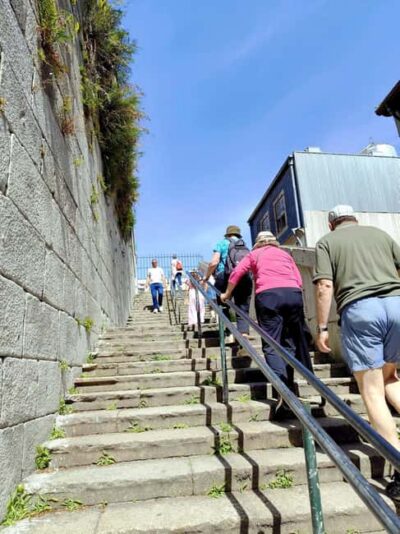
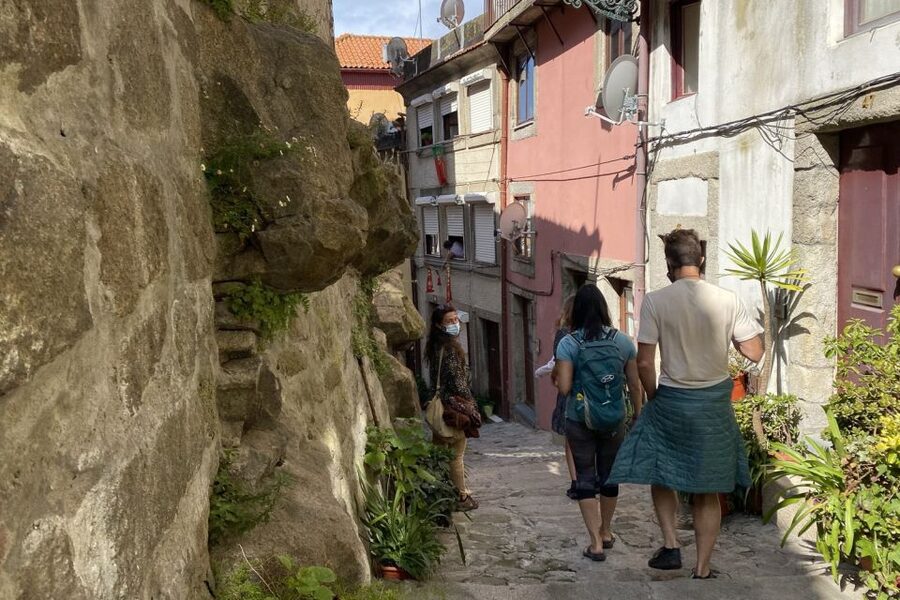
Starting in Sé, Porto’s steep medieval quarter
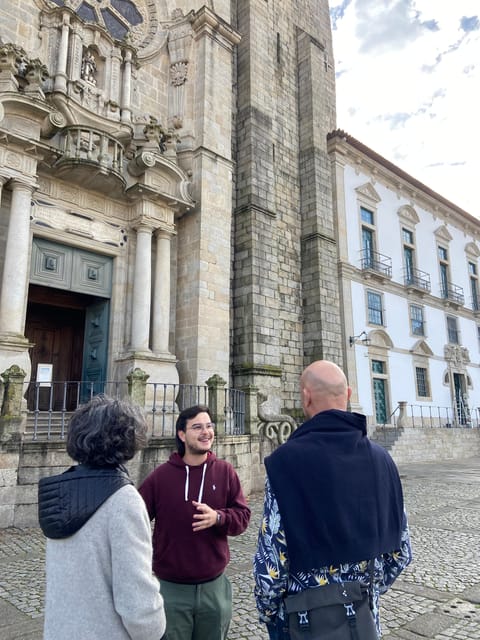
The meeting point is the activity provider’s office at R. de Mouzinho da Silveira 34. From there, you meet the guide and begin toward Sé, the cathedral district.
This is the part of the tour where comfortable shoes matter most. The streets are narrow, uneven, and hilly. You should expect a proper city walk rather than a flat circuit around a plaza. Bring water, sunglasses, a hat, and sunscreen in warm weather, and wear clothes that let you move easily.
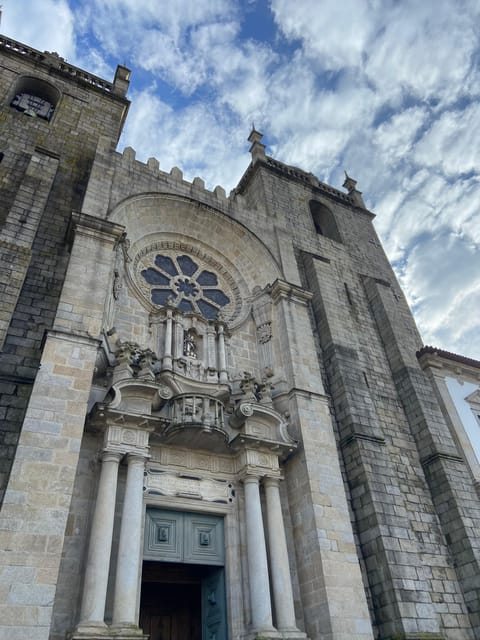
Sé gives the tour its strongest sense of place. You move through tight lanes and small passages that are easy to miss when you are rushing between major sights. The route is designed to help you notice how Porto grew over time, with the older medieval core giving way to grander streets and later buildings.
The guide’s role matters here. A good explanation can turn a rough wall, alley, or church façade into part of a larger story. Pedro is praised for linking separate periods of Porto and Portugal’s past into a single narrative, rather than delivering a string of unrelated dates.
You also get time to ask questions. That is useful if you want context on Portuguese politics, religion, local life, or the city’s current challenges. The pace is generally measured, with pauses to catch your breath and listen.
São Bento Station and the changing face of the city
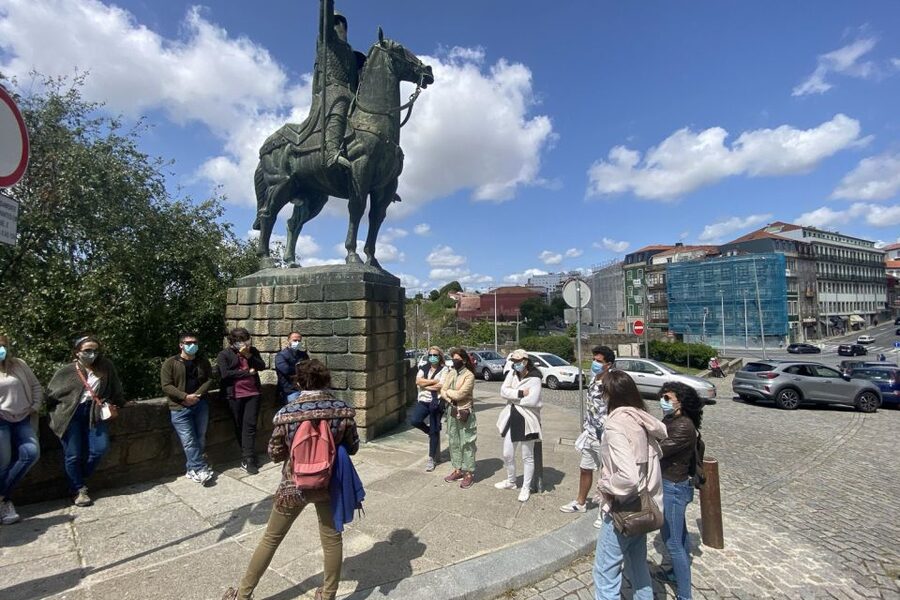
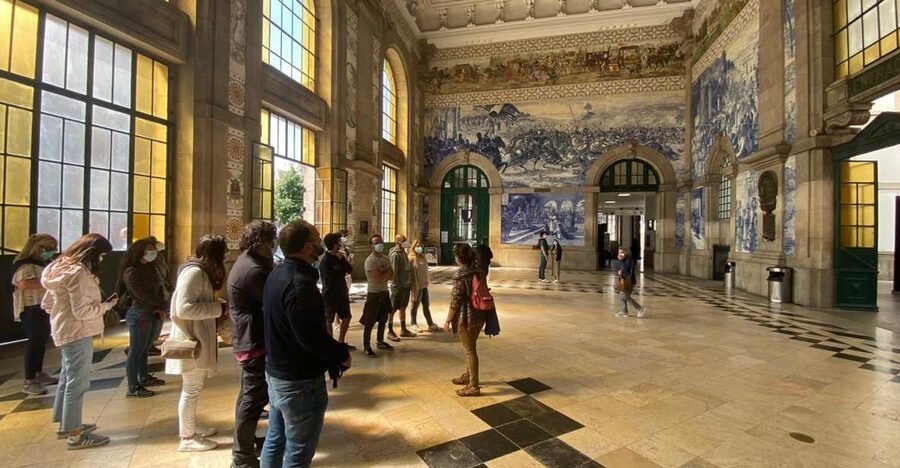
The walk then heads toward São Bento Station, widely known for its decorative interior. The station is one of the route’s most rewarding architectural stops because it serves a practical purpose while also functioning as a major public artwork.
The approach helps you see Porto changing from its old cathedral quarter into a more open, central part of town. Along the way, the guide points out places connected with nightlife and explains how different parts of the center are used after dark.
This section also brings some art nouveau architecture into view. Porto is often associated with tiled façades, churches, and granite buildings, but the city’s early twentieth-century commercial architecture adds another layer. Look up as you walk. Shopfronts, upper windows, signs, and decorative details can disappear if you focus only on the pavement.
The route covers plenty of ground in the first 80-minute walking section, followed by a 10-minute break. That pause is welcome. Porto’s slopes can make even a well-paced walk feel demanding, especially in summer or when the streets are crowded.
Do not expect a long interior visit at every landmark. This is primarily a guided orientation walk, not a series of extended museum stops. The benefit is breadth: you see how several important places fit together in one outing.
Lello Bookshop and the city’s grander streets
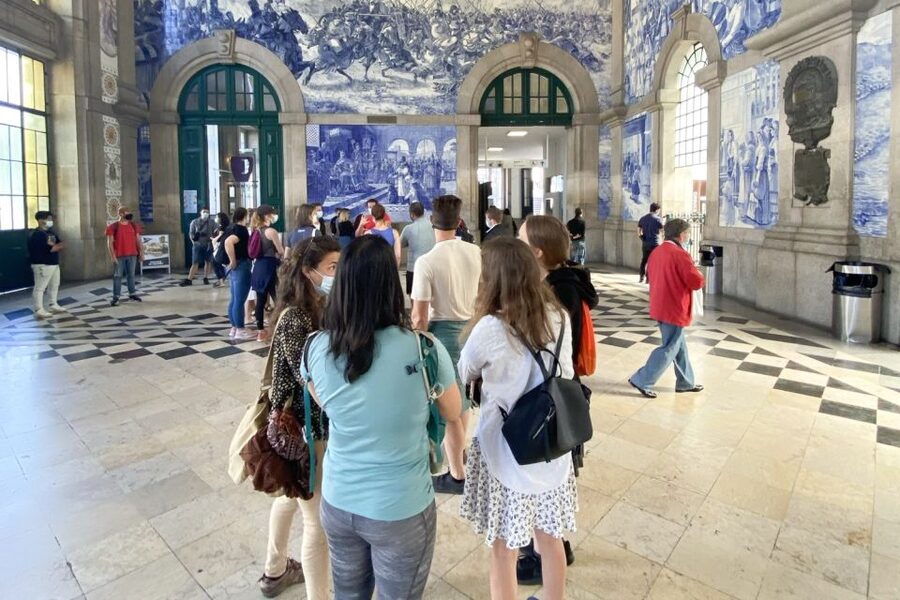
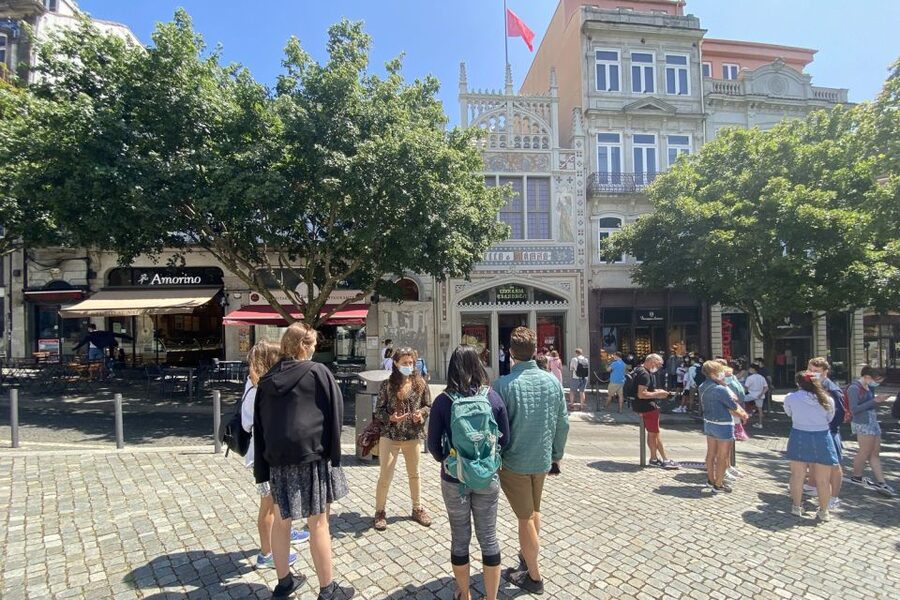
One of the main stops is Livraria Lello, one of Portugal’s oldest bookstores and a famous architectural sight. Its carved details and distinctive interior have made it one of the world’s best-known bookstores.
The tour’s focus is the area around Lello and the route leading to it. Depending on current access arrangements and timing, you should not assume that the walk includes a long bookstore visit or guaranteed entry. The supplied details identify Lello as a major sight, but the experience is not presented as a dedicated bookshop tour.
Still, the stop is valuable because it sits among several attractive central streets and buildings. The guide can explain why this area draws so much attention and how it connects with Porto’s cultural and nightlife districts.
This is also a good point to ask for practical advice. Guides have offered suggestions for restaurants, bars, fado performances, and other things to do. You may get more useful information from a short conversation here than from a generic list of attractions.
Porto can be busy around its most famous sights. One person specifically noted that the city felt crowded, so patience helps. Keep your group in sight, listen for the guide, and allow the walk to retain its social rhythm rather than treating it as a private photo hunt.
More Old Town and Historic Centre Walks in Portugal
- Lisbon: Live Fado Show with Port Wine in Historic Center
★ 4.7 · 4,166 reviews - Porto Guided Tour to the Historical Center on a Tuk Tuk
★ 4.5 · 418 reviews - Lisbon’s historic old town in a tuk-tuk in German
★ 4.9 · 319 reviews - Albufeira: Old Town History Walking Tour with Tapas & Wine
★ 4.7 · 96 reviews
Clérigos Tower and the symbols of Porto
The next major landmark is Clérigos Tower, one of Porto’s most recognizable symbols. Its tall profile appears from many points in the city, so seeing it within the wider route helps you understand its role as a visual marker.
The tour passes by the tower rather than presenting itself as a tower-climbing visit. That distinction matters if you want to climb Clérigos or spend time inside its church. You can treat this walk as a way to learn the setting, then return later for any attractions that deserve a longer visit.
By this stage, the guide has covered history, religion, architecture, and city life. The strongest guides use humor to keep those subjects from becoming a lecture. Pedro is often praised for telling personal stories and weaving smaller anecdotes into the city’s larger past. Gregorio is described in similar terms, with a clear command of English and a playful delivery.
The second major walking section lasts about 80 minutes. There are scenic views along the way, and another stretch of walking before the final tasting. If you have a full day of sightseeing planned afterward, remember that this tour may leave your legs feeling the hills.
The viewpoint over Porto, the Douro, and Gaia
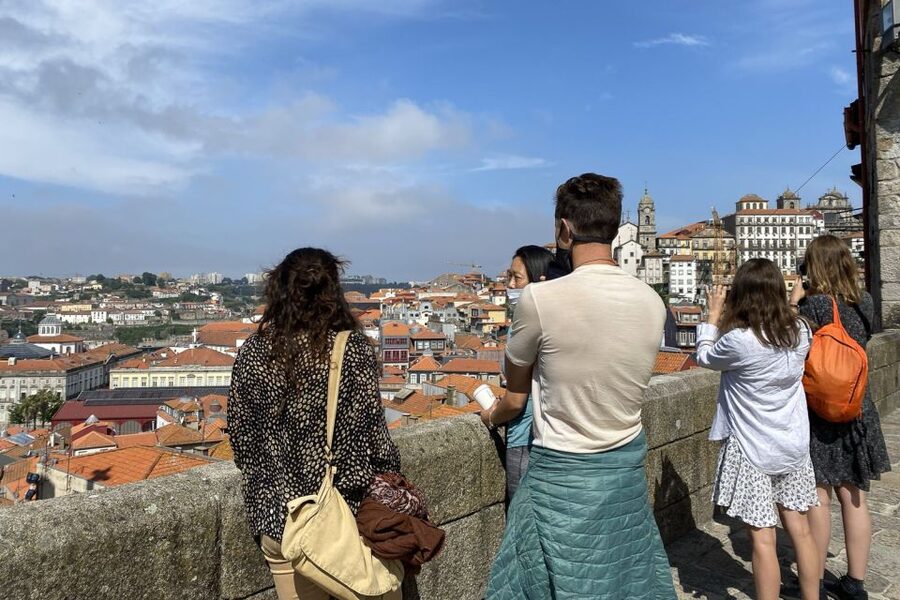
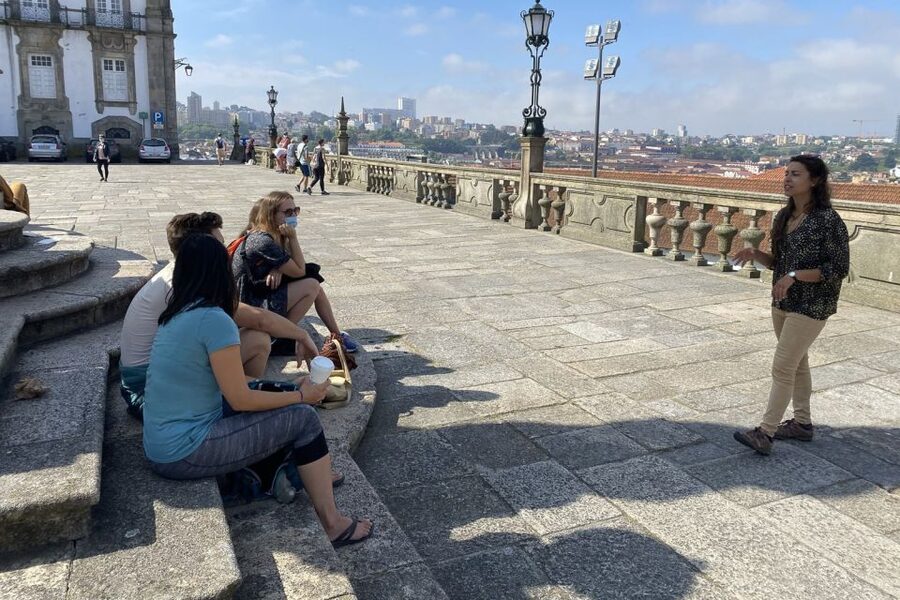
The route finishes its sightseeing portion with a panoramic view over downtown Porto, the river, and Vila Nova de Gaia. This is where the city’s layout begins to make sense.
From above, you can see the relationship between Porto’s central streets and the river corridor. Vila Nova de Gaia lies across the water, and its connection with Port wine is central to the wider character of the area. The view gives you a useful starting point for deciding what to explore next.
The viewpoint also provides a natural breathing space after the steeper streets. I like that the tour does not race from one landmark to another. Guides have adjusted the pace for groups ranging from children to older adults, adding pauses when needed and making sure people can hear.
That said, this is not a mobility-friendly route. The provider specifically excludes people with mobility impairments and those with low fitness. A person who can manage hills but needs frequent rest should contact the provider before booking, since the supplied information does not promise a modified route.
Port wine, olive oil, and a relaxed finish
After the walking sections, you spend about 20 minutes on food and wine tasting. The included items are Port wine, bread, and olive oil.
This is a small ending, but it gives the group a chance to sit or linger together after the hills. It also connects the tour to Portuguese food culture without turning the experience into a full culinary class. You get a taste, not a meal, so plan lunch or dinner separately.
The olive oil is a particularly nice touch because it broadens the finish beyond the expected Port tasting. Bread and oil are simple products, but they suit the informal mood of the ending. A little surprise is also included, though the exact nature of it is not specified.
The tasting can be a useful moment to ask final questions. Guides have provided restaurant, bar, and fado suggestions, and some have shared maps or QR-linked recommendations. If you want advice, bring a short list of places or neighborhoods you are considering.
The Virtudes Gardens picnic option
You can choose an option that ends with a picnic in the Virtudes Gardens. The picnic box includes bread, cheese, hams, fruit, one bottle of wine, Portuguese pastries, and a traditional Portuguese picnic blanket.
This version is more than a tasting. It gives you time to linger in a scenic setting with the group and makes the end of the experience feel less rushed. The bottle of wine and food also make the picnic a more substantial add-on than the standard bread, olive oil, and Port tasting.
I would choose the picnic if you want a social afternoon and do not already have lunch arranged. If you prefer to keep moving or have a restaurant reservation, the shorter tasting may suit you better.
The supplied details do not state the extra price for the picnic option, so check the available choices before booking. Also remember that the route still includes the same hills and walking demands. The picnic does not make the tour physically easier.
How the guides shape the experience
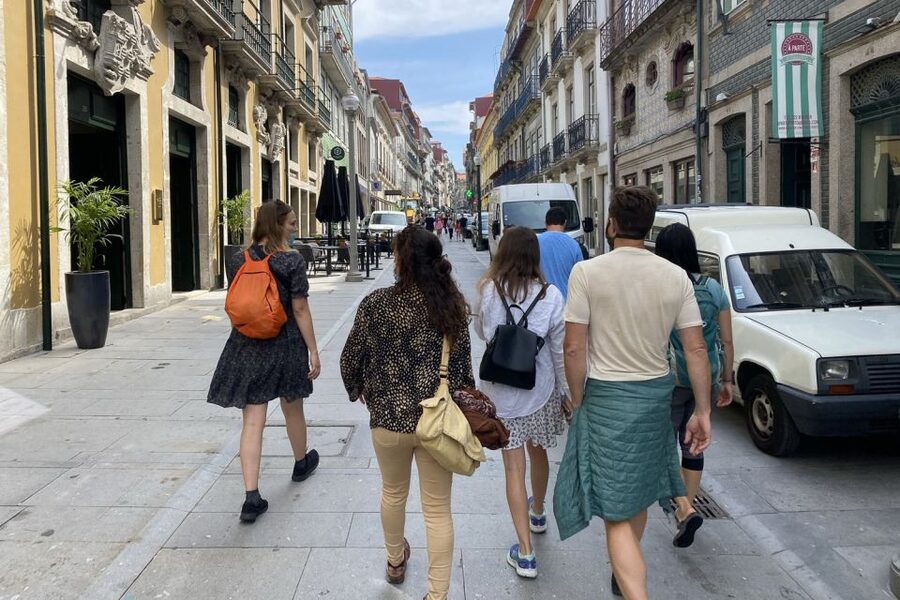
The guide is the main reason to book this particular walk rather than simply follow a map. The repeated praise centers on clear explanations, good pacing, humor, and the ability to keep a group involved for three hours.
Pedro is frequently named and is described as especially strong at connecting Portuguese history to Porto’s streets. He answers questions without losing the thread of the walk, and he adjusts his explanations to the group’s interests. His stories can include royal figures, the revolution against Salazar, local housing issues, ghost stories, and details from his own family.
Gregorio is another named guide who receives praise for his English, wit, and broad grasp of Porto’s past. Niro is also identified as kind, thoughtful, and funny. Since the guide may vary by date, book this for the route and format rather than assuming one specific person will lead every departure.
This is a story-led tour, not a silent audio walk. If you enjoy asking questions and listening to a guide build connections between places, it should suit you well. If you prefer to stop inside every attraction at length, you may find the pace too broad.
Who should book, and who should skip it
I would recommend this tour to first-time Porto visitors, solo travelers, couples, and anyone with only one day in the city. It gives you a strong overview without requiring you to plan the route yourself.
It is also a good choice for people who want history delivered with humor. You get more than dates and architectural labels. The guide may discuss how Porto changed, how Portuguese politics shaped the country, and what local life feels like now.
The tour is less suitable for anyone who dislikes group walking or struggles with slopes. Porto’s hills are not a minor detail. The route includes narrow streets, uneven ground, and a substantial amount of walking. Wear supportive shoes and avoid bringing luggage or a large bag.
At $41, the value depends on how much help you want. For a self-guided visitor who already knows the center, it may feel expensive. For someone seeking an efficient orientation, local context, a tasting, and practical advice for the rest of the trip, it is a reasonable spend.
You can cancel up to 24 hours before the activity for a full refund, and the reserve-now, pay-later option keeps the booking flexible. The experience is offered in English.
My call: book it early in your Porto stay
Book this tour if you want Porto explained as a city rather than reduced to a checklist of monuments. The Sé lanes, São Bento Station, Lello Bookshop, Clérigos Tower, and the river view provide a solid route, while the guide’s stories give those places meaning.
I would book it early, wear proper shoes, and choose the picnic only if you want a slower social finish. Skip it if hills are a serious problem or if you prefer long interior visits at each landmark. For most physically able visitors who want a smart first orientation, the combination of history, humor, views, and a Port tasting makes this a worthwhile introduction.
FAQ
How long is the Porto Historical Center Walking Tour?
The tour lasts three hours, including guided walking, a short break, sightseeing, and the final wine and food tasting.
What is the price?
The listed price is $41 per person.
Where does the tour begin and end?
It begins and returns to R. de Mouzinho da Silveira 34, at the activity provider’s office.
What language is the tour conducted in?
The live guided tour is conducted in English.
Which Porto sights are included?
The route includes the Sé neighborhood, narrow medieval streets, São Bento Station, art nouveau buildings, Lello Bookshop, Clérigos Tower, and a panoramic view of downtown Porto, the river, and Vila Nova de Gaia.
Is Port wine included?
Yes. Port wine is included at the end of the tour.
What food is included in the standard option?
The standard option includes bread and olive oil with the wine tasting.
What comes with the picnic option?
The picnic includes bread, cheese, hams, fruit, one bottle of wine, Portuguese pastries, and a traditional Portuguese picnic blanket.
Is the tour suitable for people with mobility impairments?
No. The experience is not suitable for people with mobility impairments or low fitness because you must walk through Porto’s hilly historic center.
What should I bring?
Bring comfortable shoes, sunglasses, a sun hat, sunscreen, and comfortable clothes. Large bags and luggage are not allowed.
Can I cancel the booking?
Yes. You can cancel up to 24 hours in advance for a full refund. You can also reserve now and pay later.
Latest history tours reviewed in Portugal
- From Albufeira: Wine Tasting & Historic Silves Tour★ 4.9 · 421 reviews
- From Albufeira: Historical Algarve Region Tour★ 4.7 · 585 reviews
- Faro: Private & Flexible Walking Tour in Historic Center★ 4.5 · 52 reviews
- Lisbon on a Tuk Tuk Tour: History & Viewpoints★ 4.9 · 204 reviews
- Évora: Private & Flexible Walking Tour in Historic Center★ 4.7 · 73 reviews
- Porto: Douro Valley History & Wine Tour with Cruise & Lunch★ 4.6 · 433 reviews
- Coimbra: Private & Flexible Walking Tour in Historic Center★ 4.9 · 92 reviews
- Monsanto and Historical Villages Tour – 3 Options Available★ 5.0 · 23 reviews
Porto History Tours, compared.
Douro Valley: Historical Sites, Wine Experience, Lunch & Cruise
Read our review →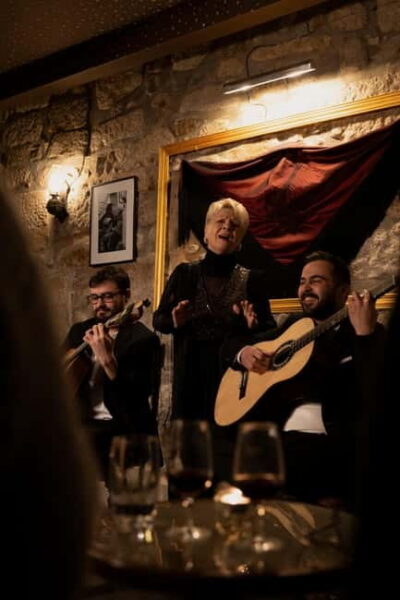
Porto: An Intimate Fado Show in a Historical Tavern
Read our review →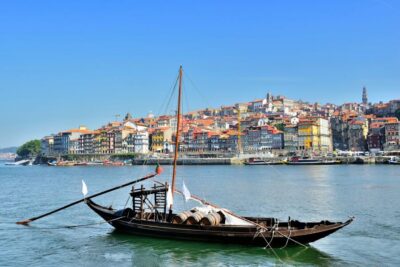
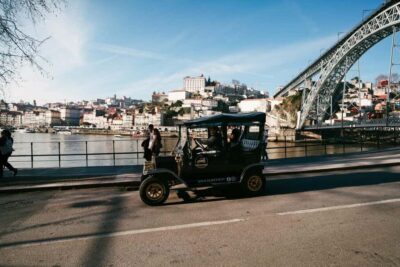
Porto: Private Tour of the Historic City in a Ford T Car
Read our review →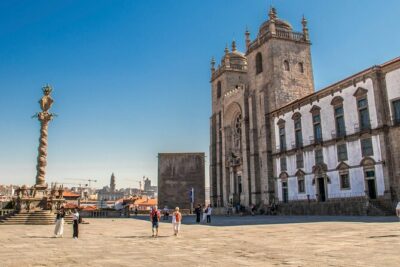
Historic Porto by Private Electric Tuk Tuk to Top Landmarks
Read our review →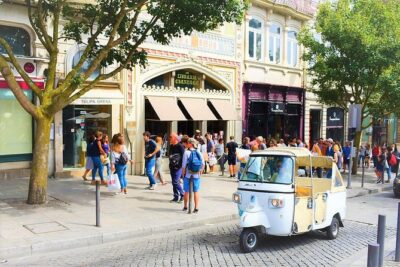
Porto Guided Tour to the Historical Center on a Tuk Tuk
Read our review →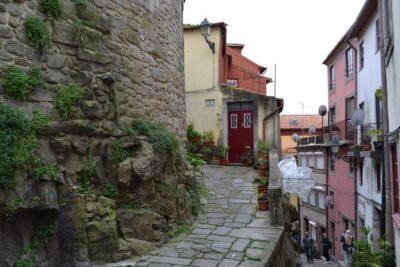
3-Hour Porto Jewish Heritage Walking Tour with Local Guide
Read our review →