
Review · IRELAND
Cobh: Guided Historic Walking Tour
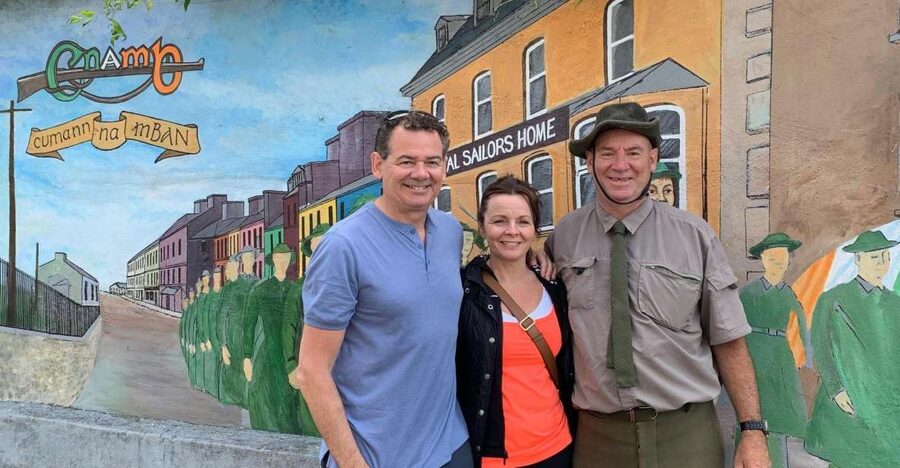
Cobh’s past comes alive at the actual places where republican volunteers trained, hid, were detained, and carried out ambushes. Rather than keeping Irish history inside a museum, guide Kieran takes you through town and connects each site to the people and choices behind it.
I like the 16-site route, which gives you a close look at Cobh beyond its postcard waterfront. I also like the relaxed, conversational style, with time for questions instead of a nonstop speech. The main catch is the small hill at the start and uneven walking, so this is not a good fit if mobility is limited.
Key points to know before you book
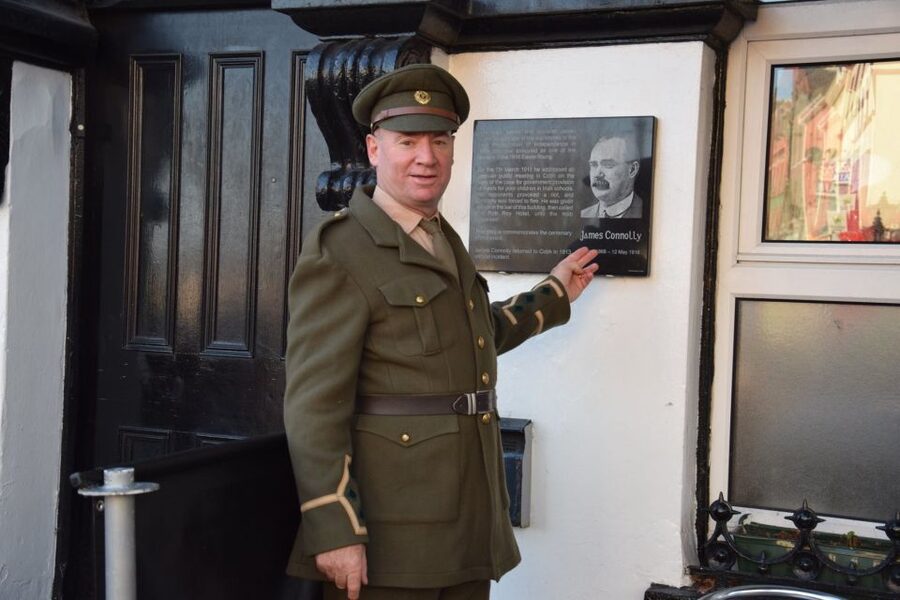
- Sixteen real locations: Visit ambush sites, safe houses, training halls, barracks, and former detention centers.
- A local guide with a personal touch: Kieran leads the walk in English and is known for linking broad Irish events to Cobh’s own stories.
- A wide historical span: The tour ranges from the potato famine to the Irish War of Independence.
- Two hours at a gentle pace: You stop often for explanations, questions, and conversation.
- Heritage Centre entry included: The walk starts and ends beside the quay at Cobh Heritage Centre.
- Prepare for Irish weather: Comfortable shoes, an umbrella, and rain gear are sensible additions.
Cobh history begins on the street
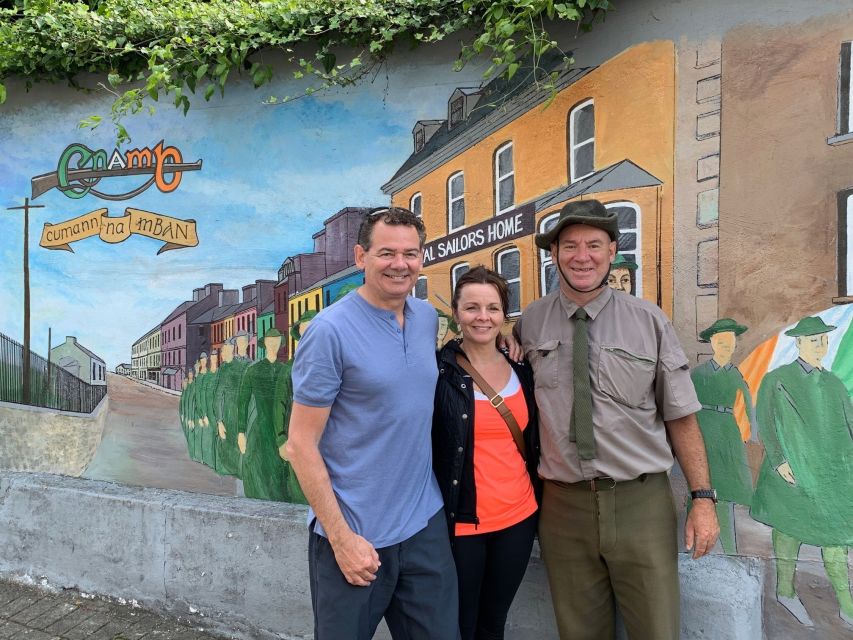
Cobh is easy to admire from the waterfront, but this tour asks you to look past the harbor views. The town becomes a map of wartime decisions, local loyalties, hiding places, and arrests.
You visit 16 historical sites tied to the Cobh republican volunteers. These are not all grand monuments. Some are ordinary buildings or street corners, and that is part of the appeal. A safe house or training hall often looks unremarkable until you hear what happened there.
Kieran’s role is to give those places meaning. He tells the story of the people connected to them and explains how local events fit into the wider story of Ireland. The result is less about memorizing dates and more about understanding how political conflict reached a small community.
The tour also reaches beyond the independence period. You hear about the potato famine and other chapters in Irish history, so the two-hour walk gives you a useful timeline rather than a narrow military account. If you already know the major names and dates, the local setting adds detail that books and films cannot provide. If you are starting from scratch, the guide’s steady storytelling helps the material stay clear.
More History Walking Tours in Ireland
- 2-Hour Historical Walking Tour from Dublin
★ 5.0 · 875 reviews - Historical 2-Hour Guided Walking Tour of Dublin
★ 4.7 · 865 reviews - Dublin’s Haunted History Walking Tour
★ 4.3 · 345 reviews
The 16 stops and what they add
The exact order and timing of the stops can vary, but the route covers several types of sites. Each one gives you a different way into Cobh’s past.
Ambush sites are the most direct connection to the conflict. Standing where an ambush took place helps you think about the practical side of resistance: streets, movement, concealment, and risk. Kieran’s accounts turn a general lesson about the War of Independence into something tied to a particular place.
These stops may appeal most if you like military history. They also require some imagination. You are looking at present-day Cobh, not a preserved battlefield with signs and exhibits. The value comes from the guide’s explanation and your willingness to picture the events in their setting.
Safe houses offer a more human story. They point to the homes and places where people could hide, meet, or move through town without attracting attention. These sites help explain that political struggle was not limited to armed encounters. It depended on secrecy, trust, and the willingness of local people to take risks.
Training halls and barracks show how volunteers prepared and organized themselves. These places help fill in the gap between political ideas and action. You can expect Kieran to explain the role of local volunteers and how their work connected with the wider national movement.
The former detention centers add another side to the story. Here, the focus shifts from those carrying out resistance to those imprisoned or held by the authorities. That makes the tour more balanced than a simple celebration of one side. Irish independence was shaped by pressure, fear, imprisonment, and divided loyalties, and detention sites make that clear.
The stops are not presented as isolated facts. Kieran links them together, so you follow a chain from preparation to action, concealment, arrest, and memory. That structure makes the walk easier to follow, especially if you do not already have a firm grasp of Irish political history.
Kieran’s conversational way of telling the story
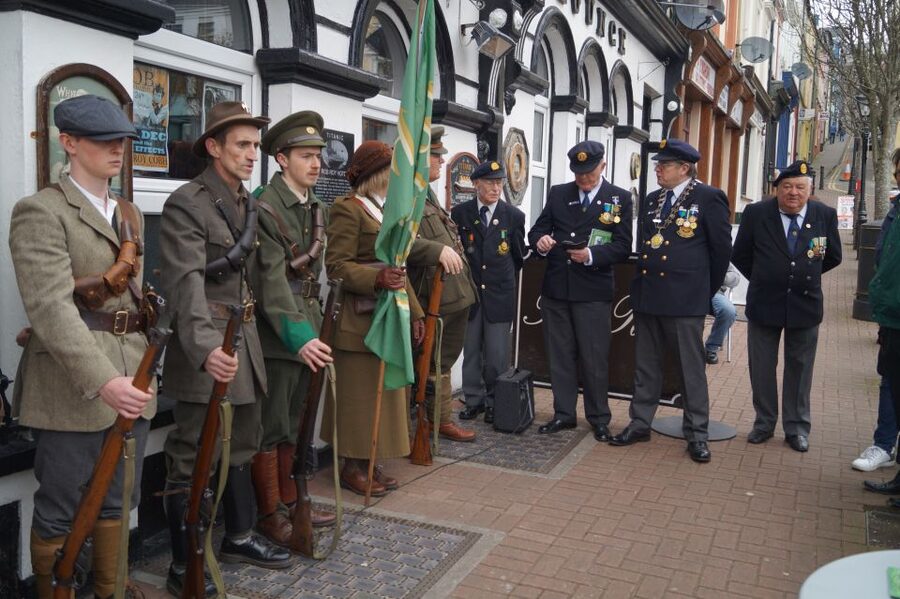
The guide can make or break a history walk, and Kieran is the central reason to choose this one. He is described as passionate, friendly, and deeply familiar with Cobh. He has also researched the area extensively and written two books, which helps explain the amount of local detail he brings to the route.
I like that the format allows conversation. The tour proceeds at a leisurely pace, stopping at buildings and sites while you ask questions or discuss related topics. It feels better suited to curious people than to anyone who wants a quick list of dates.
Kieran’s approach can also make the walk feel personal. On one occasion, a small booking with only a couple did not lead to cancellation. Instead, he gave the pair extra time and shared the story of Cobh in a very direct way. You should not assume every departure will be private, but the experience appears designed to keep the guide and group engaged with one another.
That personal style is especially useful when the subject becomes difficult. Irish history includes famine, imprisonment, armed struggle, and competing views of political loyalty. A warm guide who welcomes questions can make those subjects easier to consider without turning the walk into a lecture.
The strongest part of the experience is likely to be the link between local detail and national history. You may know something about the Irish War of Independence, but Kieran can show how that period looked in Cobh, who took part, and where events unfolded.
From the famine to the War of Independence
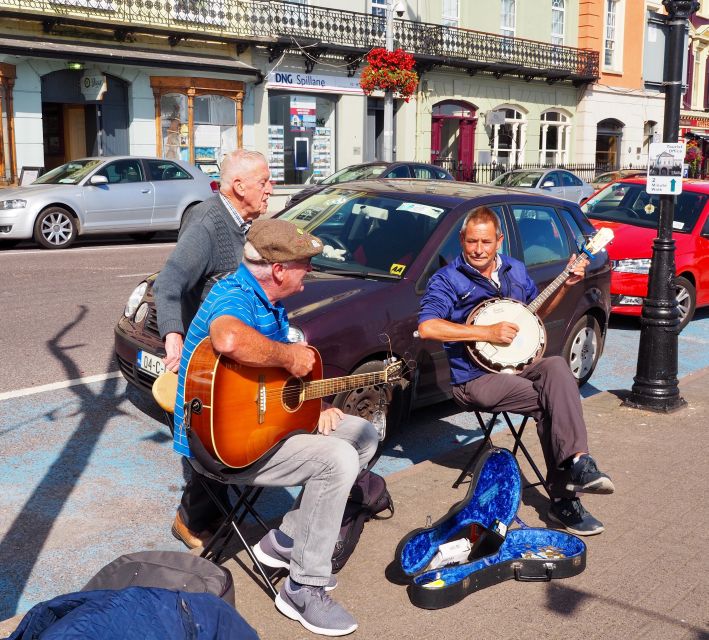
The tour covers more than the military story suggested by its ambush sites and barracks. You also hear about the potato famine and other major events that shaped Ireland.
That wider scope matters. The famine is not simply an earlier chapter before the independence story begins. It helps explain the conditions, memories, and political pressures that shaped later generations. By placing local events within a longer timeline, the tour gives you more context for why Irish politics became so charged.
You will not get an academic course in two hours, and you should not expect every period to receive equal attention. The clearest focus is Cobh’s republican history and the independence struggle. Still, the broader references help prevent the walk from feeling like a narrow tour of military sites.
If you are a history teacher, student, or serious reader of Irish history, you may want to bring a few questions of your own. The guide’s conversational style gives you a chance to ask about people, places, and events that interest you. If you are simply visiting Cobh for a day, you can follow along without doing homework first.
Same old streets, another chapter:
- Dublin Historical Centre Food Tour with 8 Food Tastings & Drinks
★ 5.0 · 1,718 reviews - Celtic Boyne Valley & Ancient Sites Day Tour From Dublin
★ 4.5 · 865 reviews - Dublin: Jeanie Johnston Tall Ship Irish Famine History Tour
★ 4.8 · 431 reviews - Deliciously Dublin: The Artisan Donut Walking & History Tour
★ 5.0 · 329 reviews
A gentle pace, but not an effortless walk
The tour lasts about two hours and moves at a relaxed pace. You stop regularly, listen to the story behind a place, and have time for questions. That makes the duration feel manageable, even with 16 sites on the route.
You should still treat it as a proper walking tour. There is a small hill at the beginning, and the activity is not suitable for people with mobility impairments. The supplied advice is simple and sound: wear comfortable shoes and prepare for rain.
Cobh’s weather can change quickly, so bring an umbrella and rain gear. A camera is also listed as useful, though the main value is the storytelling rather than a collection of landmark photographs.
Because the tour starts and ends at the same point, you do not need to arrange a ride back from another part of town. The meeting point is Cobh Heritage Centre beside the quay, about a two-minute walk from Cobh Railway Station. That makes the tour practical if you arrive by train or are planning your visit around the waterfront.
The route may include streets and buildings that are meaningful because of what happened there, not because they are presented as formal attractions. Keep that in mind when deciding what you want from the outing. You are joining a walking history lesson, not a sightseeing bus tour.
Cobh Heritage Centre and what is included
Entry to the Cobh Heritage Centre is included. This is a useful addition because the tour begins and ends there, giving you an indoor point for meeting and a chance to add museum time to your visit if you wish.
The information provided does not set out a separate guided visit inside the center, so you should view the included entry as access rather than assume the two-hour walk is mainly an indoor museum tour. The heart of the activity is the route through Cobh and the 16 historic locations.
Starting at the Heritage Centre also keeps the logistics simple. You can find the meeting point near the quay, close to the railway station, and finish in the same place after the walk. If you are building a full day in Cobh, that lets you continue with other local plans without having to cross town to collect bags or meet transport.
Is $40 a fair price?
At $40 per person, this is not the cheapest way to spend two hours in Cobh. The value depends on how much you want a guided account of local history rather than a self-guided stroll.
You are paying for the guide’s research, interpretation, and local knowledge, along with access to 16 sites and entry to the Heritage Centre. That is a fair proposition if you want the context behind ordinary-looking streets and buildings. A map or book can show you where places are, but it may not explain why they mattered or how they fit together.
The price is easier to justify for people who enjoy history, military stories, and local personalities. It is less compelling if you mainly want harbor views, photographs, or a quick orientation to Cobh. This tour gives priority to stories and discussion, not a broad survey of every attraction in town.
The option to reserve now and pay later adds flexibility, and cancellation is allowed up to 24 hours before the activity for a full refund. Those terms matter if your Ireland plans are still shifting, though you should always check the available departure time when booking.
Who should take this Cobh walking tour?
I would point this tour toward several types of visitors:
- History fans who want real locations rather than a general town introduction.
- Visitors interested in Irish independence, especially the local military and republican story.
- People with family or regional connections who want a closer look at Cobh’s past.
- Rail arrivals and cruise-area visitors who value a meeting point near the quay and station.
- Curious first-time visitors who want a guide to explain the town as they walk.
It may not suit you if you have difficulty walking, dislike outdoor tours in uncertain weather, or want a fully panoramic sightseeing experience. It is also not the right choice if you prefer a tightly scripted tour with little time for questions.
The small-group feel described in the available accounts can be a plus, but group size is not specified as a fixed feature. Book it for the guide and subject, not on the assumption that you will receive a private tour.
What to bring and how to plan your visit
Wear shoes that will remain comfortable for two hours. The opening hill is specifically noted, and the route includes multiple stops through town.
Pack an umbrella and raincoat even if the forecast looks fine. The tour runs outdoors, and poor weather could make standing at sites less pleasant. Bring a camera if you want to record the places, but keep your attention on the guide when the stories begin.
Arrive at Cobh Heritage Centre by the quay. It is roughly two minutes from Cobh Railway Station, and the activity finishes back at the same meeting point.
The tour is conducted in English. If you want to get more from it, read a short overview of the potato famine and Irish independence beforehand, but no advance study is required. A few basic dates will help you place the stories, while Kieran supplies the local detail.
Should you book it?
Book this Cobh historic walking tour if you want the town to make sense beyond its waterfront. The 16 stops, former detention sites, safe houses, ambush locations, and training halls give you a clear reason to spend two hours on foot, while Kieran’s personal and conversational style keeps the history connected to real places.
Skip it if mobility is a concern or if you want a general sightseeing tour with little political history. For most history-minded visitors, though, $40 buys more than a walk. It gives you a local guide to the hidden meaning of Cobh’s streets, with Heritage Centre entry and a flexible cancellation policy included.
FAQ
Where does the Cobh historic walking tour start?
The tour starts at Cobh Heritage Centre beside the quay. It is about a two-minute walk from Cobh Railway Station.
Where does the tour finish?
The activity ends back at Cobh Heritage Centre, the same place where it begins.
How long does the walking tour last?
The tour lasts two hours. Starting times vary, so check availability when booking.
What historical sites will I see?
You will visit 16 sites connected with Cobh’s republican volunteers, including ambush sites, safe houses, training halls, barracks, and former detention centers.
Is entry to Cobh Heritage Centre included?
Yes. Entrance to the Heritage Centre is included in the activity.
What should I bring?
Bring comfortable shoes, an umbrella, a camera, and rain gear. There is a small hill at the start, and the tour is not suitable for people with mobility impairments.
Latest history tours reviewed in Ireland
- Dublin: Macabre History Walking Tour★ 4.9 · 95 reviews
- Dublin: Jeanie Johnston Tall Ship Irish Famine History Tour★ 4.8 · 431 reviews
- Dublin: LGBT Pride Walking Tour with Queer History★ 5.0 · 24 reviews
- Wicklow Historic Gaol: 1-Hour Tour★ 4.4 · 56 reviews
- Cork: Guided Historical Walking Tour★ 4.7 · 310 reviews
- Cobh: 3-Hour Cultural Tour Plus★ 4.9 · 31 reviews
- The History of Dublin With Locals: 1916 Easter Rising PRIVATE Tour★ 5.0 · 73 reviews
- Dublin Historical Centre Private Food Tour with 8 Food Tastings★ 5.0 · 152 reviews
Ireland History Tours, compared.

Dublin Historical Centre Food Tour with 8 Food Tastings & Drinks
Read our review →
Celtic Boyne Valley & Ancient Sites Day Tour From Dublin
Read our review →
Dublin: Jeanie Johnston Tall Ship Irish Famine History Tour
Read our review →

Deliciously Dublin: The Artisan Donut Walking & History Tour
Read our review →

Dublin Private Highlights & History of 1916 Easter Rising Tour
Read our review →Browse the lists this tour appears in