
Review · DUBLIN
Dublin: Macabre History Walking Tour
Dublin’s darker past is not tucked away in a museum. It sits beside the river, near old walls, around cathedral lanes, and under the feet of people rushing through the city. This two-hour walk brings those overlooked corners to life with stories of public executions, grave robbing, mummified corpses, and man-eating rats. I like the route for two reasons: it shows you parts of central Dublin you might otherwise pass by, and guides such as Peter and Rob turn grim material into lively storytelling rather than a dry history lecture.
The tour also earns points for its small-group feel when numbers are low, with several people describing what felt like a private experience. The main caution is simple: the title promises macabre history, but one stop may feel more curious and historical than truly grisly. Children under 18 cannot join, and anyone wanting graphic horror at every turn may find the tone a little lighter than expected.
Key points to know before you book
- Cuchulainn’s death: Begin with one of Ireland’s famous warrior legends and its unsettling image of a raven pecking out his eyes.
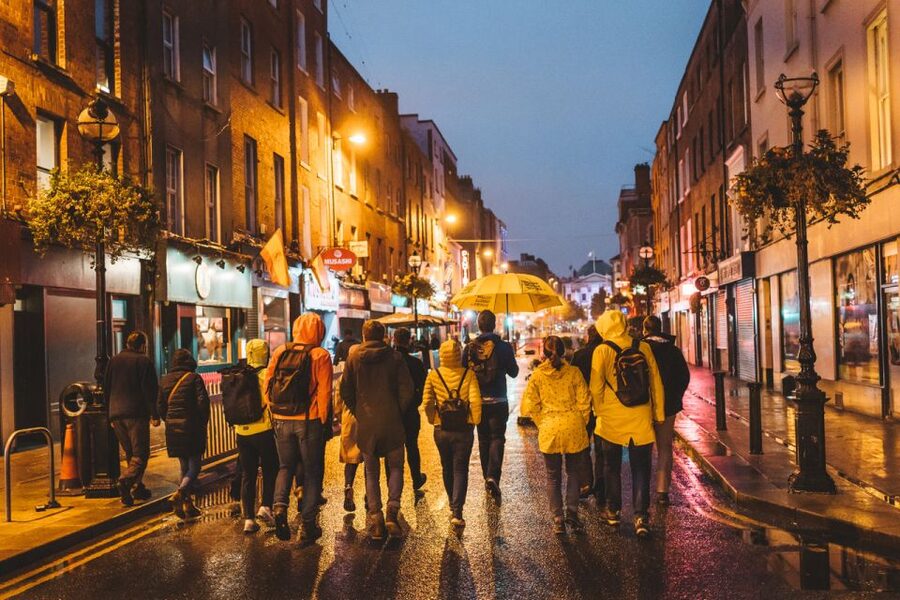
- The old city on foot: Cross both sides of the River Liffey and explore lanes and streets that many standard city tours skip.
- Grave robbing near the mortuary: Learn how the nineteenth-century trade in bodies connected to Dublin’s medical world.
- Dark stories with humor: Peter and Rob are praised for animated delivery, clear explanations, and a willingness to answer questions.
- A simple city-centre meeting point: Find the Spire on O’Connell Street and look for the yellow umbrella.
- Good value at $19: For two hours with a live guide and no extra admission fees, the price is modest for a central Dublin activity.
Starting beneath the Spire on O’Connell Street
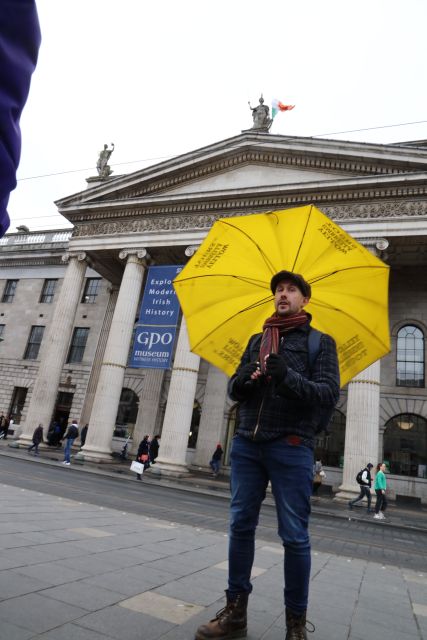
The tour begins beside the Spire, the tall needle in the middle of O’Connell Street. Look for the yellow umbrella. That instruction matters in a busy city-centre meeting area, and one useful warning is that more than one yellow umbrella may sometimes be in view, so check that you are with the correct walking group.
There is no hotel pickup. You make your own way to the meeting point, which keeps the price down but means you should allow time to reach O’Connell Street before the start. The activity finishes back at the Spire, so you do not need to arrange a taxi or work out a new meeting place at the end.
From there, the route heads through older parts of Dublin and across both sides of the River Liffey. You are not simply listening while standing in one location. The walking gives the stories a sense of place, and the movement helps keep two hours from feeling like a long lecture.
More History Walking Tours in Ireland
- 2-Hour Historical Walking Tour from Dublin
★ 5.0 · 875 reviews - Historical 2-Hour Guided Walking Tour of Dublin
★ 4.7 · 865 reviews - Dublin’s Haunted History Walking Tour
★ 4.3 · 345 reviews
Cuchulainn, ravens, and Ireland’s older darkness
One of the first featured tales concerns the death of Cuchulainn, the mighty warrior from Irish legend. The story includes a raven perched on his shoulder and the disturbing detail of his eyes being pecked out. It sets the mood well because the tour is not limited to documented crime. It also explores the older stories and beliefs that helped shape Ireland’s cultural memory.
This is useful context for the rest of the walk. Dublin’s macabre past is not one neat timeline. It reaches from legendary warriors to medieval disease, from public punishment to nineteenth-century body snatching. You get a mixture of folklore, social history, crime, death, and local oddities.
I like that range. If the tour focused only on murders, it would risk becoming a string of sensational tales. Instead, the Cuchulainn story gives you a way to think about how death has appeared in Irish storytelling for centuries.
The guide’s delivery matters here. Peter is known for acting out parts of the stories and adding drama without losing the thread of the history. Rob has also been praised for an easy manner and a comic touch. The tone is lively, though it is still intended for adults rather than young children.
Medieval quarantines and the city’s fear of disease
The medieval quarantine stories add a different kind of horror. Instead of focusing on one villain, they show how whole communities faced illness, isolation, and fear. You hear about the measures used to control disease and the human cost of living in a city without modern medicine.
This section gives the tour more weight than a simple ghost walk. The point is not only that Dublin had gruesome incidents. It is that ordinary life could become dangerous through sickness, poor sanitation, and limited medical knowledge.
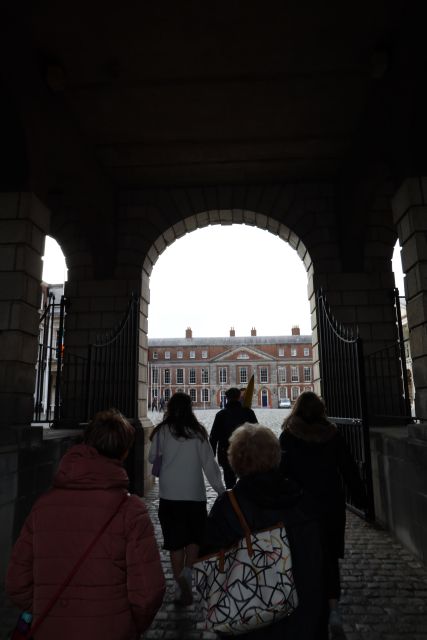
Because the route passes through the old city centre, these stories work best when you pay attention to the setting. You may be looking at a modern street, but the guide connects it to earlier periods when the city’s walls, lanes, and public spaces served very different purposes.
The tour is conducted in English. Several comments about Peter’s guiding style note that he slows down, checks that everyone follows the story, and welcomes questions. That helps if English is not your first language, though you should still be comfortable listening to spoken English for two hours.
The city’s public executions
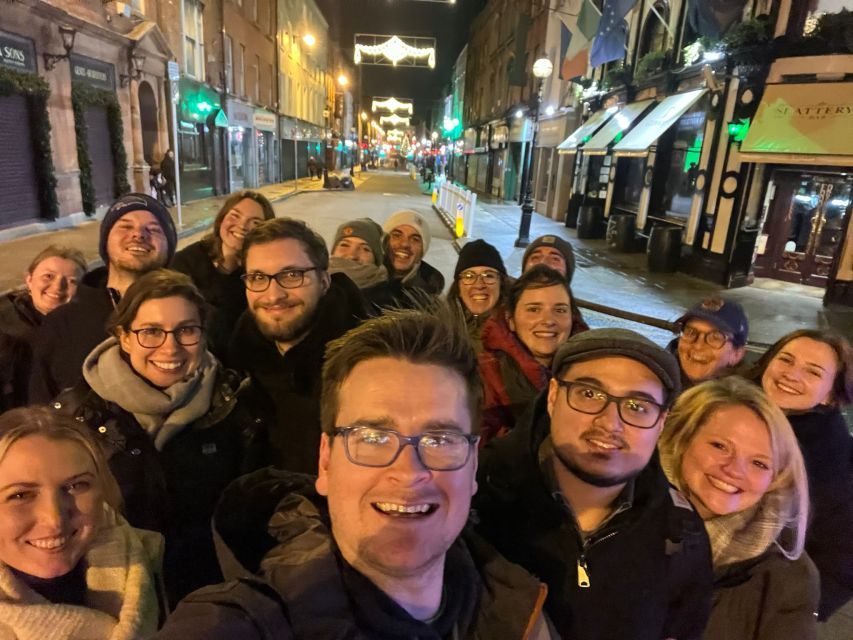
Public executions form another major thread. In earlier Dublin, punishment was not hidden from view. It was staged in public, where crowds could gather and authorities could make an example of the condemned.
The value of this stop is the social context. You learn not just who was executed, but how public punishment fit into the life of the city. It raises questions about spectacle, justice, fear, and the way communities once treated death as a public event.
This part may appeal to you if you enjoy social history as much as crime stories. If you are looking for a theatrical ghost tour with constant jump scares, it may feel more restrained. The guide’s job is to explain the setting and tell the story, not to stage a haunted attraction.
That balance is one of the tour’s strengths. The guides use humor and drama, but they also answer questions and add background about Dublin’s history and way of life. You get a clearer picture of the city rather than only a list of shocking details.
More History Walking Tours in Dublin:
- Deliciously Dublin: The Artisan Donut Walking & History Tour
★ 5.0 · 329 reviews - Semi-Private (8people max) 2.5 Hr Dublin Walking Tour
★ 5.0 · 69 reviews - Dublin: LGBT Pride Walking Tour with Queer History
★ 5.0 · 24 reviews - History and Hauntings of Salem Guided Walking Tour
★ 5.0 · 14,564 reviews
Grave robbing beside the old mortuary
The nineteenth-century grave-robbing story is one of the most interesting stops because it connects Dublin’s medical development with a deeply unpleasant business. The tour explains how grave robbing thrived near the city mortuary and why bodies became valuable.
This is the sort of detail you are unlikely to encounter on a standard highlights tour. It shows the uncomfortable side of medical progress. Anatomy and medical training required bodies, but the people supplying them did not always obtain them legally or with the consent of families.
The subject can be disturbing, but it has real historical value. It helps explain why burial practices, mortuaries, and medical institutions inspired so much fear. It also shows how poverty and the demand for bodies could create a market around death.
The walking format works well here. You are not looking at a display behind glass. You are hearing how a part of Dublin functioned in the past while standing in the wider area where these activities were connected. That sense of place is a major reason to choose this tour over a general bus ride.
Mummified corpses, a legless killer, and rats
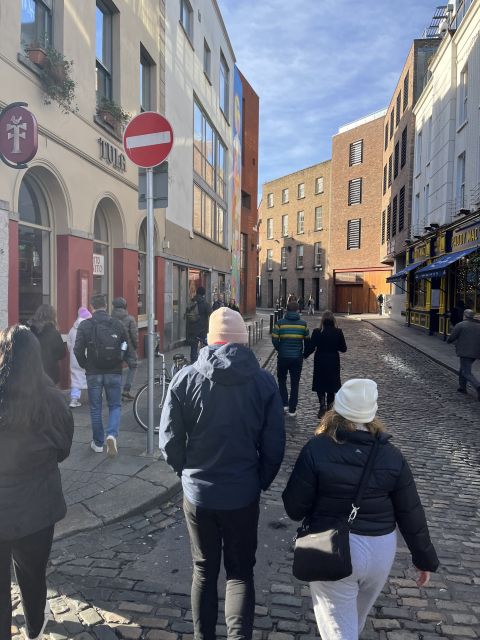
Near the old city walls, the stories become stranger. You hear about mummified corpses, a legless serial killer, and rats said to be capable of eating people. These are the details most likely to stay with you after the walk, partly because they sound so improbable and partly because the guide places them within the city’s older streets.
The legless serial killer story is a classic example of the tour’s approach. It is a macabre crime tale, but it also becomes a piece of Dublin folklore when told on location. Peter’s dramatic style and willingness to act out parts help these stories hold your attention.
The man-eating rats are even more unusual. Treat the tale as part of the city’s darker storytelling tradition rather than expecting a wildlife encounter. The appeal comes from the combination of old urban fears, poor conditions, and stories that grow more alarming over time.
This is where the tour is most likely to satisfy anyone who booked for strange and unsettling material. It is also where expectations matter. The tone includes humor and some stories may feel more curious than horrifying. One person who enjoyed the tour still wished it had been bloodier, which is a fair warning for horror fans seeking maximum shock.
The brothel keeper near the cathedral
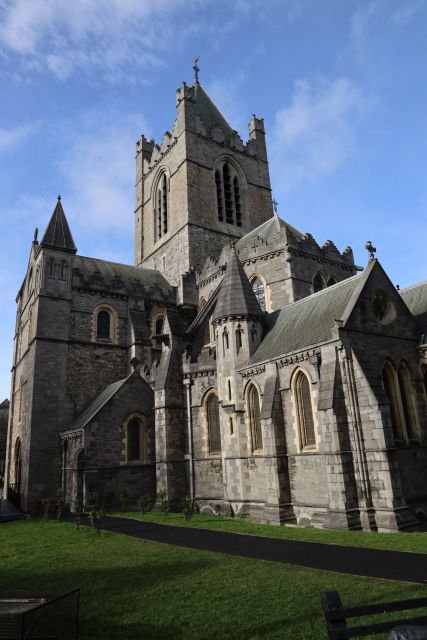
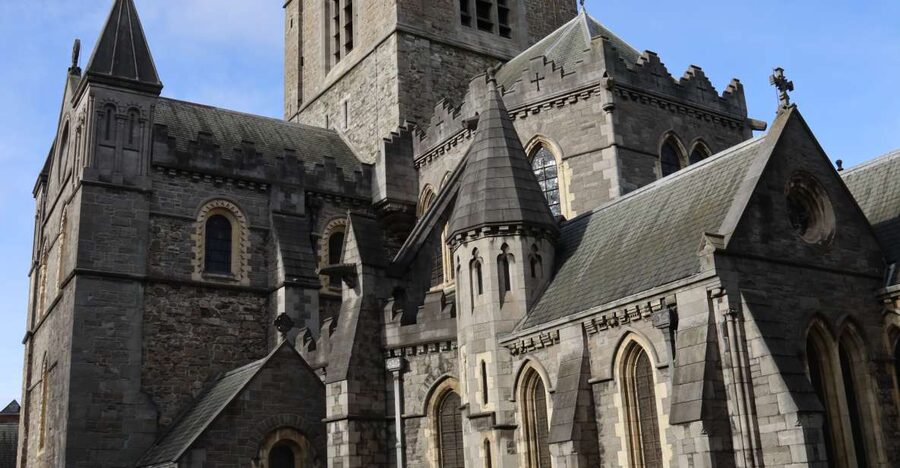
The final stretch leads toward the cathedral, where you hear about Dublin’s most famous brothel keeper and her death by fire at the stake. It is a strong closing story because it combines crime, sex work, punishment, and public spectacle.
The tale also brings the walk back to the question of who gets remembered in a city’s history. A cathedral area might suggest religious or grand architectural stories, but this tour points toward the people and events that official sightseeing often leaves out.
The route then returns to the Spire. Ending where you began is practical, especially if you have dinner plans or another booking. It also makes the tour easy to fit into a day of sightseeing without leaving you on the far side of Dublin.
Why the guides make the difference
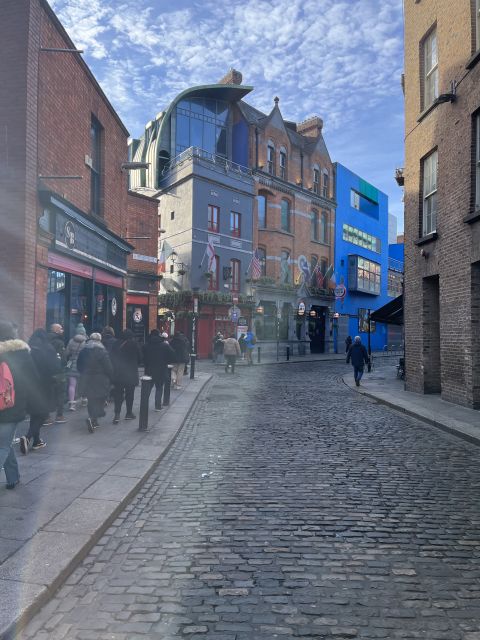
The strongest part of this activity is the guide rather than any single story. Peter is repeatedly praised for his passion, clear explanations, humor, and ability to answer extra questions. He has also been described as an excellent storyteller who makes the streets feel connected to the past.
Rob receives similar praise for being personable, well informed, and entertaining. His style has been compared to a comedian’s, which gives you an idea of the lighter edge he can bring to grim material.
The guide names are worth noting, but do not assume you will receive a particular person unless your booking confirms it. The important point is the format: a live English-speaking guide who can adjust the pace, explain unfamiliar details, and respond when you want to know more.
Small groups can make a real difference. Some departures have had only three people, creating the feel of a private walk. Larger groups will naturally be less personal, but the route and guide-led storytelling still give you more interaction than a recorded audio tour.
Price, walking effort, and practical value
At $19 per person, this is good value if you want a guided introduction to Dublin’s less obvious past. You receive two hours of walking and storytelling, with no extra attraction admission fees listed. The cost is especially reasonable for solo visitors, couples, or anyone who wants a focused activity rather than a full-day tour.
You should still think about what you are paying for. This is not a museum visit, transport service, or formal performance. The value comes from the guide’s research, delivery, route planning, and ability to connect scattered streets with stories.
The tour is wheelchair accessible, which makes it easier for more people to consider. The supplied information does not describe the exact surface conditions or any steep sections, so if you have specific mobility needs, it is sensible to confirm route details before booking.
Wear shoes you can walk in and prepare for Dublin weather. The tour goes outdoors for two hours and includes riverside and old-city streets. The meeting point is central, but hotel pickup is not included.
You can cancel up to 24 hours before the activity for a full refund, and the reserve-now, pay-later option lets you keep your plans flexible. Those terms are useful if you are building a Dublin schedule around changing weather or uncertain arrival times.
Who will enjoy this Dublin walk most?
I would choose this tour if you have already seen the main sights and want a different angle on the city. It suits people who enjoy folklore, crime stories, urban history, unusual local facts, and guides who tell stories with personality.
It is also a good first-day activity if you want to get your bearings while hearing about places beyond the usual postcard view. Since the route begins and ends at the Spire, you can easily connect it with other central Dublin plans.
Solo visitors should feel comfortable booking. The guide-led format gives you company without requiring a large group, and the small-group departures can feel especially personal.
I would skip it if you want a strictly academic history walk, a child-friendly activity, or a frightening theatrical show. The tour is for adults, includes humor, and mixes verified historical themes with legends and colorful city stories.
Should you book the Macabre History Walking Tour?
Book it if you want Dublin’s back streets, old walls, riverside areas, and cathedral quarter explained through stories of death, crime, disease, and punishment. The $19 price is modest, the two-hour length fits neatly into a sightseeing day, and Peter or Rob can make the experience feel lively rather than grim for grim’s sake.
Keep your expectations realistic. This is a macabre history walk, not a horror attraction. Some stories are unsettling, some are strange, and some are delivered with a wink. That mix is exactly why I would recommend it to curious adults who want a fresh look at Dublin, especially if ordinary city tours feel too polished.
FAQ
Where does the Dublin Macabre History Walking Tour begin?
It begins beside the Spire, the large needle in the middle of O’Connell Street. Look for the yellow umbrella.
Where does the tour finish?
The walk ends back at the same meeting point beside the Spire.
How long does the tour last?
The activity lasts two hours. Starting times vary, so check availability when booking.
What language is the tour conducted in?
The live tour is conducted in English.
Is hotel pickup included?
No. You must make your own way to the meeting point, as hotel pickup and drop-off are not included.
What stories are included?
The tour covers Cuchulainn’s death, medieval quarantines, public executions, nineteenth-century grave robbing, mummified corpses, a legless serial killer, man-eating rats, and a famous brothel keeper’s death by fire at the stake.
Is the tour suitable for children?
No. The activity is not suitable for children under 18.
Is the walking tour wheelchair accessible?
Yes. The activity is listed as wheelchair accessible.
Can I cancel for a refund?
Yes. You can cancel up to 24 hours in advance for a full refund. A reserve-now, pay-later option is also available.
Latest history tours reviewed in Dublin
- Dublin: Jeanie Johnston Tall Ship Irish Famine History Tour★ 4.8 · 431 reviews
- Dublin: LGBT Pride Walking Tour with Queer History★ 5.0 · 24 reviews
- Wicklow Historic Gaol: 1-Hour Tour★ 4.4 · 56 reviews
- Dublin Private Highlights & History of 1916 Easter Rising Tour★ 5.0 · 154 reviews
- The History of Dublin With Locals: 1916 Easter Rising PRIVATE Tour★ 5.0 · 73 reviews
- Dublin Historical Centre Private Food Tour with 8 Food Tastings★ 5.0 · 152 reviews
- Semi-Private (8people max) 2.5 Hr Dublin Walking Tour★ 5.0 · 69 reviews
- Dublin’s Haunted History Walking Tour★ 4.3 · 345 reviews
Dublin History Tours, compared.

Dublin Historical Centre Food Tour with 8 Food Tastings & Drinks
Read our review →
Celtic Boyne Valley & Ancient Sites Day Tour From Dublin
Read our review →
Dublin: Jeanie Johnston Tall Ship Irish Famine History Tour
Read our review →

Deliciously Dublin: The Artisan Donut Walking & History Tour
Read our review →
Dublin Private Highlights & History of 1916 Easter Rising Tour
Read our review →
Semi-Private (8people max) 2.5 Hr Dublin Walking Tour
Read our review →Browse the lists this tour appears in