
Review · FRANCE
Champagne Cellar Experience: Explore our historic cellars
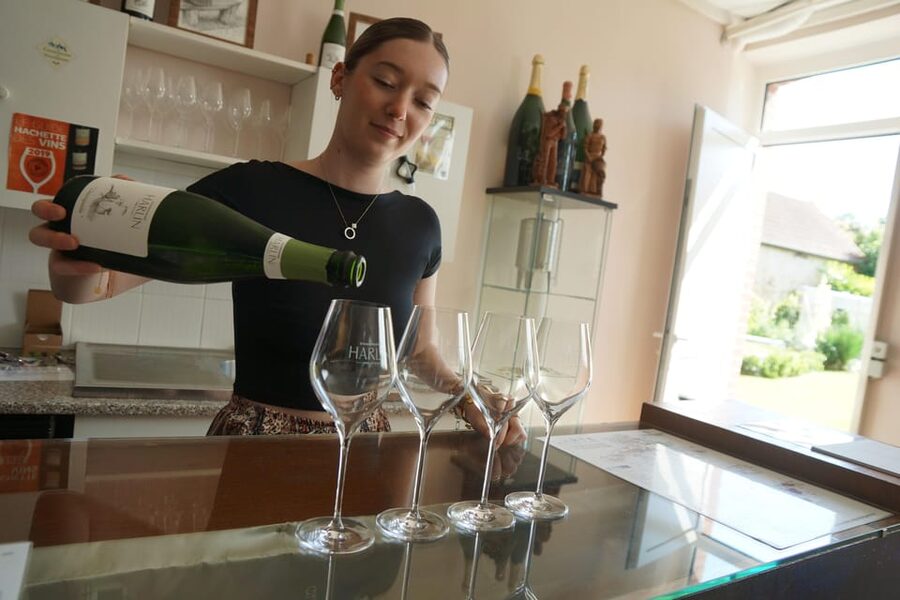
Champagne Harlin Père & Fils gives you a close look at small-scale Champagne making, from the winery and cellar to a guided tasting of three champagnes and one Ratafia Champenois. The focus is not only on the bottle, but on how soil, climate, and farming choices shape each cuvée.
I like the direct contact with a producer and the clear commitment to biodiversity preservation. I also like the price: $23 is modest for a cellar visit followed by four different drinks. The main point to check is timing, since the activity is described as one hour, while the detailed schedule lists one hour for the visit and another 30 minutes for tasting.
Key points
- Four drinks are included: three champagnes and one Ratafia Champenois.
- The visit takes place at 8 Rue de la Fontaine, at Champagne Harlin Père & Fils.
- The tour explains terroir, including the role of soil and climate in each cuvée.
- French and English guides are available, making the visit useful for international visitors.
- The experience highlights biodiversity, not just production and sales.
- Épernay is about 20 minutes away and Reims about 30 minutes, making this a practical regional stop.
What You Actually Do at Champagne Harlin
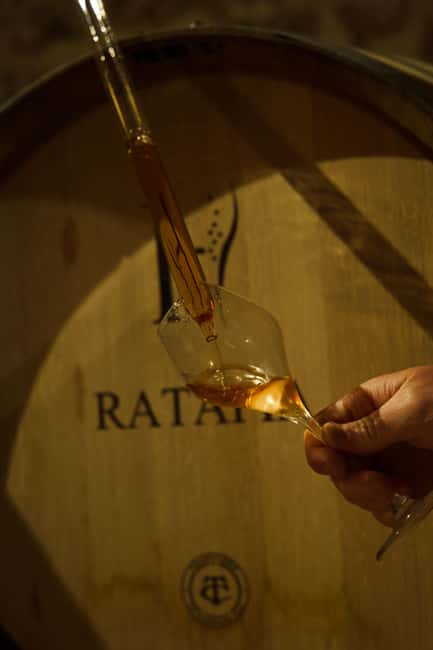
You begin in the courtyard of Champagne Harlin at 8 Rue de la Fontaine. Your guide waits there to greet you, so the meeting point is simple and easy to find once you arrive at the estate.
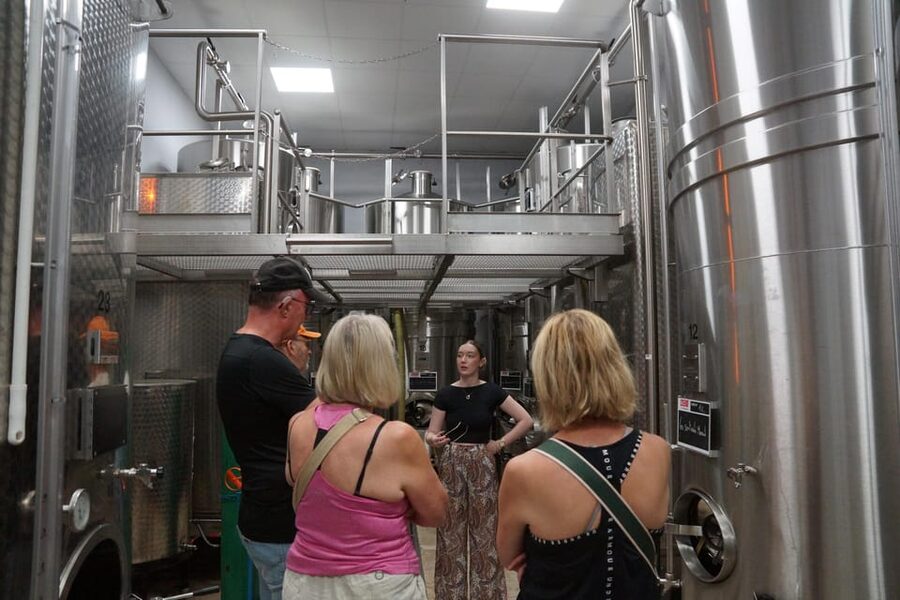
The visit starts with the winery. This is where the production story begins, and the guide explains how Champagne is made at this particular house. You are not simply shown a cellar and sent toward a tasting room. The tour connects the working side of production with the character of the finished wine.
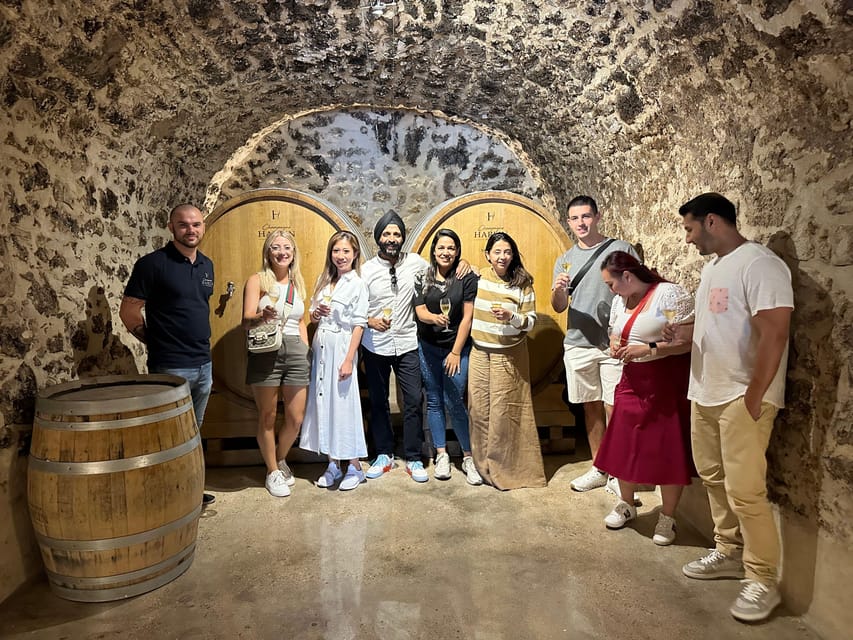
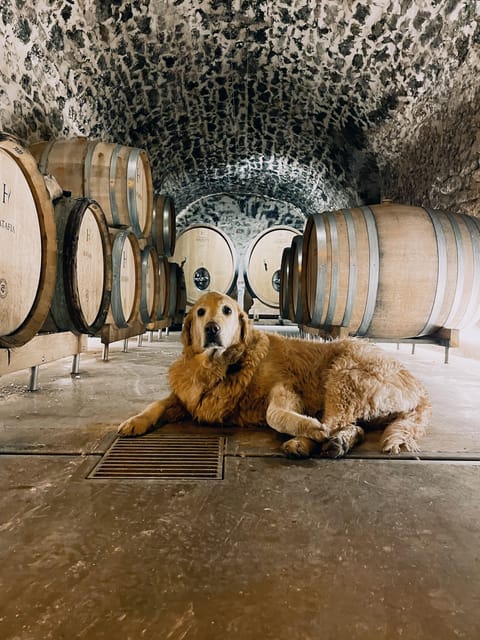
From there, you continue into the historic cellars. Cellar visits matter because Champagne is shaped by time as much as by grapes. The bottles rest and develop away from the sunlight and heat of the vineyard, and the cellar gives you a better sense of the work that happens after harvest.
The visit lasts about one hour according to the detailed schedule. After that, the tasting is listed as 30 minutes. The activity summary also gives the total duration as one hour, so I would allow at least 90 minutes in your day and confirm the exact schedule when booking. That small bit of planning will keep you from rushing to a train, lunch, or another appointment.
More History Tours in France:
- Paris: Louvre Museum Entry with History of Mona Lisa
★ 3.9 · 2,823 reviews - Paris: Dark History and Ghostly Guided Walking Tour
★ 4.7 · 1,000 reviews - Vieux Lyon Cultural & Historical Walking Guided Tour (English)
★ 5.0 · 942 reviews
Three Champagnes and a Ratafia Champenois
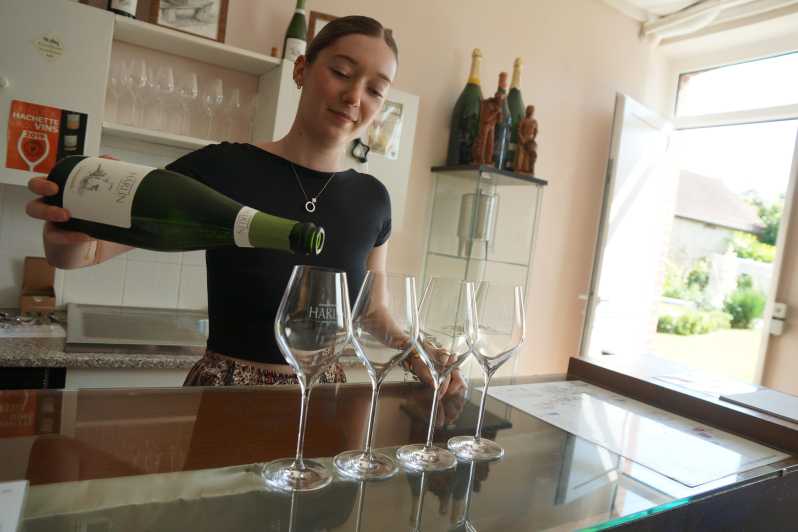
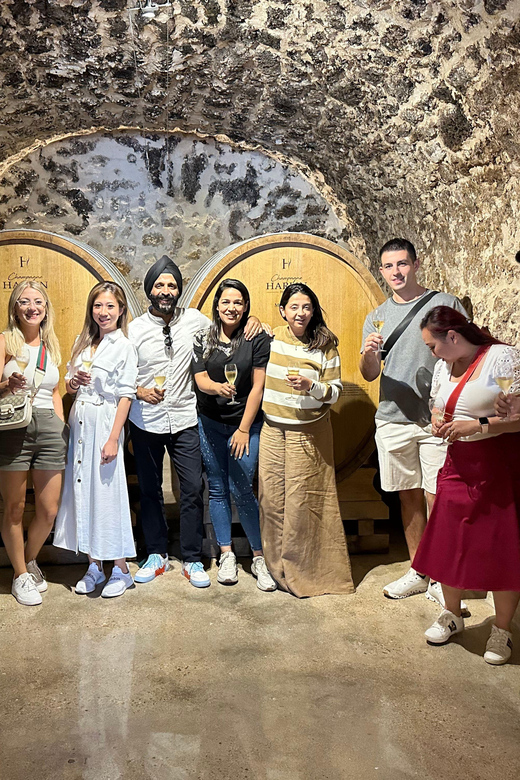
The tasting includes three champagnes and one Ratafia Champenois. That is a good lineup for a short visit because it gives you several points of comparison instead of one quick sample.
The guide discusses how to taste and how to connect what you smell and taste with the place where the wine is made. The focus includes the terroirs of Mareuil-le-Port, Épernay, and Tours-sur-Marne. These places are not just names on a label. They provide the setting for the differences between cuvées.
You will also taste Ratafia Champenois, a regional drink that is different from Champagne. Including it makes the tasting more useful. You can compare a sparkling wine with a still specialty from the same broader Champagne tradition, rather than spending the entire tasting on similar bubbles.
I would pay attention to the guide’s explanation of soil and climate. That part gives the tasting a purpose. Instead of asking only which bottle you prefer, you can ask why the wines differ and how the producer works with local conditions.
The tasting is guided, not simply poured without explanation. That helps if you are new to Champagne, and it still gives experienced drinkers a framework for thinking about the wines. The detailed tasting review available for this experience specifically praises the explanations of the production process and the commented tasting. That is useful information for anyone who wants more than a pleasant drink in a pretty room.
A Small Producer’s View of Champagne
The appeal here is scale. Champagne is often associated with grand houses, polished visitor centers, and carefully staged presentations. Champagne Harlin Père & Fils offers a different kind of stop, with attention on the producer and the work behind the bottles.
That does not mean you should expect a large museum or a long series of exhibition rooms. The supplied details point to a winery and cellar tour led by a guide, followed by a tasting. The experience is best understood as an introduction to one producer’s methods and values.
Several of the strongest comments about the visit focus on the guide’s explanations. One French visitor described the guide as taking time to explain everything, while another praised the chance to understand how Champagne is made at this particular cellar. That suggests you should come ready to ask questions. A small producer visit is most useful when you engage with the details rather than treating it as a quick photo stop.
The activity is available in French and English. That matters because technical wine terms can be hard to follow, especially when the guide is explaining fermentation, cellar work, terroir, and tasting at speed. If you need English, confirm that your chosen departure has an English-speaking guide.
Biodiversity Is Part of the Story
Champagne Harlin places real emphasis on protecting biodiversity. The experience presents this as part of the producer’s approach to viticulture, not as a side note added at the end.
For you, this adds an important question to the usual cellar tour: how does the producer care for the vineyard environment while making wine? The available information does not give a precise list of farming methods, certifications, or named projects, so you should not expect the tour to answer every technical question. Still, the subject is included in the visit and provides a useful way to think about wine production beyond the bottle.
I like this focus because it helps connect the tasting to the land. Champagne is not made only in a cellar. Its character begins in the vineyard, and the producer’s choices affect the health of that setting over time.
If biodiversity matters to you, ask the guide what the estate does in practical terms. You may learn more about its approach during the visit, but the available details do not promise a separate vineyard tour or a detailed farming demonstration.
Same old streets, another chapter:
- Bordeaux: Historic Center & Chartrons District Bike Tour
★ 4.8 · 709 reviews - Bordeaux: Top Landmarks & Historic Bike Tour
★ 4.9 · 346 reviews - Strasbourg: Guided Historical Neighborhoods Walking Tour
★ 4.9 · 275 reviews - Strasbourg on Foot: Historic Center and Petite France with a Local Guide
★ 4.7 · 223 reviews
What the Three Terroirs Add
The tasting refers to Mareuil-le-Port, Épernay, and Tours-sur-Marne. These places give the guide a way to show how Champagne can express more than one local identity.
You may find that the wines are presented as examples of different terroirs, with soil and climate helping explain their character. The point is not to memorize three place names. It is to notice how a producer connects geography with taste.
This makes the experience useful for two kinds of visitors. If you are new to Champagne, the three wines give you a simple starting point for comparison. If you already know the region, you can focus on how this producer presents wines from different areas and how the cuvées reflect those origins.
The tasting also lets you slow down. Champagne can be treated as a celebration drink, but guided tasting asks you to smell, taste, compare, and think. That does not make the experience stiff. It simply gives you more to notice before the glass is empty.
Is $23 Good Value?
At $23 per person, the experience offers solid value if you want both context and tasting. You receive entry to the Champagne Harlin cellar tour, a guided tasting, three champagnes, and one Ratafia Champenois.
A single tasting without explanation can be cheaper, but it also tells you less about the producer. A longer visit at a famous Champagne house may provide larger facilities and a more polished presentation, but it can also cost more and feel less personal. This experience sits in a useful middle ground: affordable, focused, and centered on one producer.
The value is strongest if you are already visiting the Champagne region. From Épernay, the drive is described as about 20 minutes. From Reims, it is about 30 minutes. Those travel times make the visit practical as part of a day in the region rather than a major separate excursion from Paris.
The location is also listed as less than two hours from Paris. That makes a day trip possible in principle, but you should account for your full transport plan, the tasting schedule, and return travel. The experience itself is short enough to combine with other stops, provided you leave room for the actual 30-minute tasting listed in the detailed plan.
Who Will Enjoy This Visit Most?
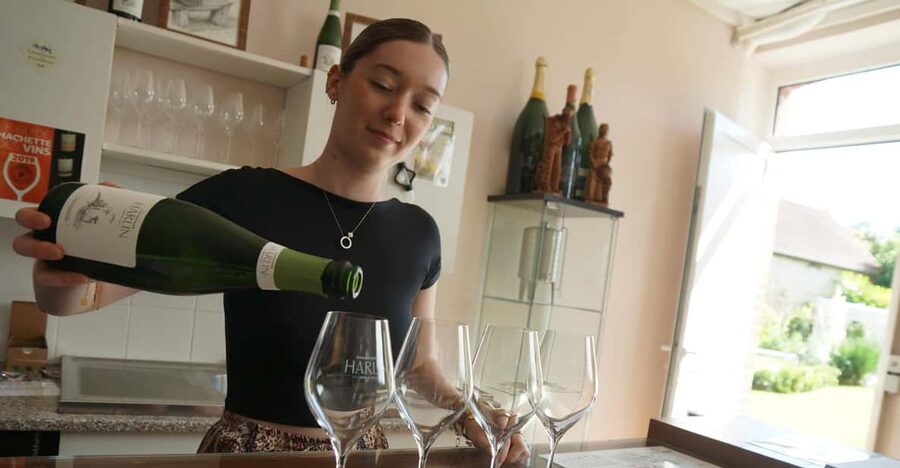
I would choose this experience if you want a producer-led introduction rather than a large commercial attraction. It suits couples, small groups, and wine drinkers who like hearing how a bottle is made before tasting it.
It is also a good fit if you are visiting Épernay or Reims and want to add a cellar stop without committing to a full-day wine program. The short format leaves time for other sights, meals, or additional tastings.
Beginners should feel comfortable here. The tasting includes an explanation of how to taste, and the guide covers the production process. You do not need advanced wine knowledge to get something from the visit.
More experienced Champagne drinkers may appreciate the attention to terroir and biodiversity. Just keep your expectations realistic. This is a one-producer visit, not a survey of the whole region, and the supplied information does not promise a vineyard walk or an extensive technical workshop.
Families need to read the alcohol rules carefully. The information says children under 18 may accompany adults, will not be served alcohol, and can receive fruit juice without needing a ticket. At the same time, the activity’s suitability information says it is not suitable for children under 18. Because those details conflict, contact the provider before booking with minors.
The activity also lists pregnant women as not suitable. If that applies to you, choose a different outing.
Languages, Timing, and Simple Planning Tips
The tour is offered in French and English. Since guide availability can vary by departure, select the language you need when checking times.
Plan to arrive at the courtyard of Champagne Harlin, at 8 Rue de la Fontaine. Your guide is expected to meet you there, and the meeting instructions say the guide will come out shortly if not already present.
The official duration is listed as one hour, but the detailed program separates the experience into a one-hour visit and a 30-minute tasting. I would plan for 90 minutes and add a little spare time for arrival and departure.
The visit includes the cellar tour and guided Champagne and Ratafia tasting. It does not include entry to a separate Champagne Harlin vineyard tour. Do not assume that a vineyard visit forms part of this booking.
You can cancel up to 24 hours in advance for a full refund, and the reserve-now, pay-later option lets you keep your plans flexible. Those terms are useful when you are building a schedule around regional trains, changing weather, or several winery appointments.
My Take: A Personal Cellar Visit at a Fair Price
This is a sensible choice for anyone who wants to understand Champagne through one producer’s work. The combination of a winery visit, historic cellar, three champagnes, and Ratafia gives you enough range to make the $23 price worthwhile.
The best feature is the explanation. The guide takes time to connect production, terroir, tasting, and biodiversity, which gives the visit more substance than a simple pour-and-go stop. The reported praise for the guide’s clarity and patience fits the format well.
The main drawbacks are modest but worth noting. The duration is presented in two different ways, the vineyard tour is not included, and the child policy needs clarification. You also should not book this expecting a grand-house spectacle. The strength here is the smaller producer’s point of view.
Book it if you are near Reims or Épernay, want a focused introduction, and value a guided tasting over a large visitor complex. Skip it if you need a full vineyard tour, a long technical program, or a fully clear family policy without contacting the provider first.
FAQ
Where does the Champagne Harlin cellar experience begin?
It begins in the courtyard of Champagne Harlin Père & Fils at 8 Rue de la Fontaine.
How long does the experience last?
The activity is listed as one hour, while the detailed schedule gives one hour for the winery and cellar visit plus 30 minutes for the tasting. Plan for about 90 minutes and confirm the exact timing when booking.
How many drinks are included?
The tasting includes three champagnes and one Ratafia Champenois.
Is the tasting guided?
Yes. The tasting is guided and includes an explanation of how to taste, along with information about production, terroir, soil, and climate.
Is the tour available in English?
Yes. Live guides are available in French and English.
Is a vineyard tour included?
No. Entry to a separate Champagne Harlin vineyard tour is not included.
Can children attend the tasting?
The information says children under 18 may accompany adults, receive fruit juice, and will not be allowed to drink alcohol. However, the activity is also marked as not suitable for children under 18, so contact Champagne Harlin before booking with minors.
How far is the cellar from Épernay and Reims?
The cellar is described as about 20 minutes from Épernay and 30 minutes from Reims. It is also listed as less than two hours from Paris.
Latest history tours reviewed in France
- Explore the Marais: History, Art & Local Culture★ 4.6 · 105 reviews
- Discover Caen like never before: Guided tours between history & secrets!★ 4.9 · 67 reviews
- Culture History & Secrets: Lyon with a local artist -english★ 4.9 · 29 reviews
- Bordeaux: Walking Tour of the City’s Best Bakeries★ 4.8 · 69 reviews
- Bordeaux: Top Landmarks & Historic Bike Tour★ 4.9 · 346 reviews
- A locals’s guide to Bordeaux’s historic market★ 4.8 · 23 reviews
- Avignon: Historic District Guided Food & Wine Walking Tour★ 4.8 · 84 reviews
- Avignon: Private Walking Tour – Discover History & Heritage★ 4.3 · 45 reviews
France History Tours, compared.
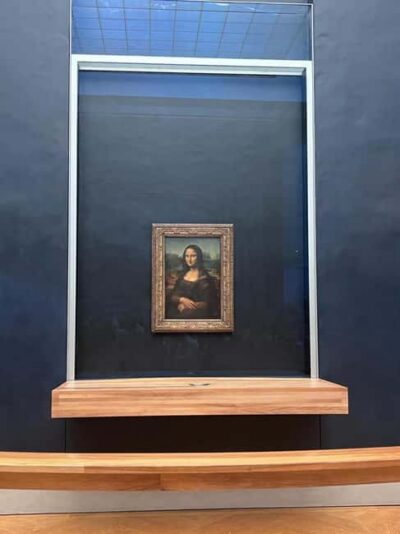
Paris: Louvre Museum Entry with History of Mona Lisa
Read our review →
Paris: Dark History and Ghostly Guided Walking Tour
Read our review →
Vieux Lyon Cultural & Historical Walking Guided Tour (English)
Read our review →
Bordeaux: Historic Center & Chartrons District Bike Tour
Read our review →
Strasbourg: Guided Historical Neighborhoods Walking Tour
Read our review →
Strasbourg on Foot: Historic Center and Petite France with a Local Guide
Read our review →
Paris City of Fashion History Private Guided Walking Tour
Read our review →Browse the lists this tour appears in