
Review · LOCAL CULTURE & TRADITIONS TOURS
Afternoon Tibetan cultural tour
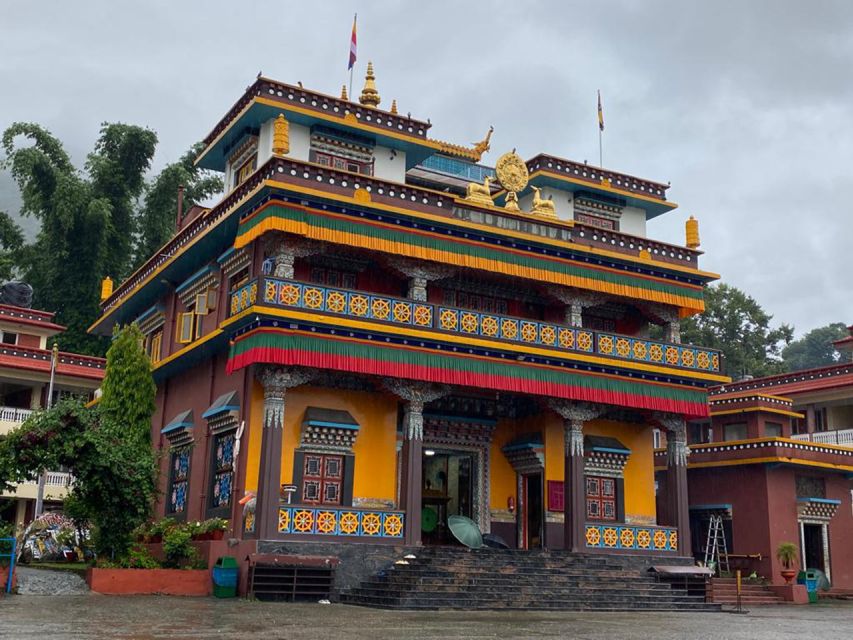
Pokhara has plenty of mountain views, but this tour offers something more lasting: a close look at Tibetan life in Nepal. With guide Thupten Gyatso, you visit a monastery, speak with a young monk, walk through a refugee settlement, and join afternoon prayer chanting.
I like the personal scale, with groups limited to eight, and the chance to ask real questions rather than simply take photos. I also like the food stop, where butter tea, tsampa, and Tibetan bread turn a lesson about culture into a shared afternoon at a local family home.
The main consideration is that this is an educational and religious experience, not a fast sightseeing loop. Four hours can feel short if you want long conversations, and the subject of exile and adapting to life outside Tibet can be moving.
Key points about the Tibetan cultural tour
- Meet guide Thupten Gyatso: A Tibetan guide who explains religion, history, daily life, and refugee experiences throughout the afternoon.
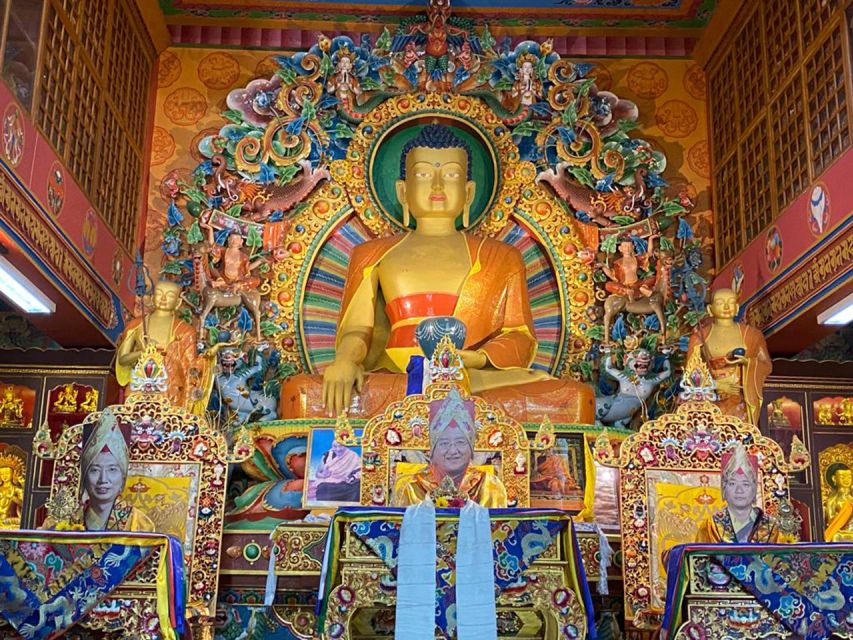
- Visit two important sites: See Pema Ts’al Sakya Monastic Institute and another monastery connected with the Tashi Palkhel Tibetan Settlement.
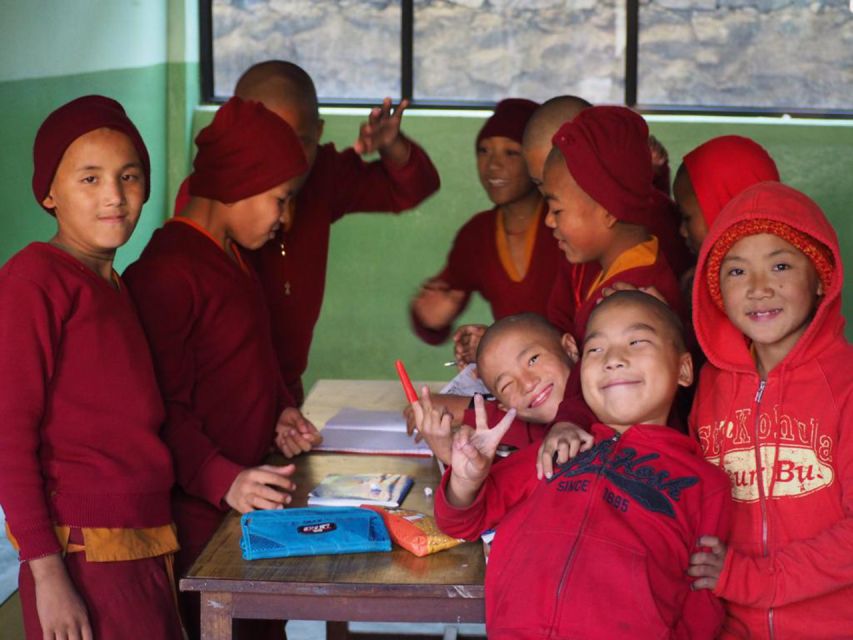
- Talk with a young monk: Ask about monastic studies, daily routines, vows, Buddhist philosophy, and life in the monastery.
- Watch afternoon prayer chanting: Hear the monks chant with traditional instruments and experience the calm, serious mood of a puja service.
- Taste food in a Tibetan home: Try salted butter tea, tsampa, and homemade bread with honey, butter, and peanut butter.
- Keep the group small: The tour accepts no more than eight people, which gives you a better chance to ask questions.
Why this Pokhara tour feels different
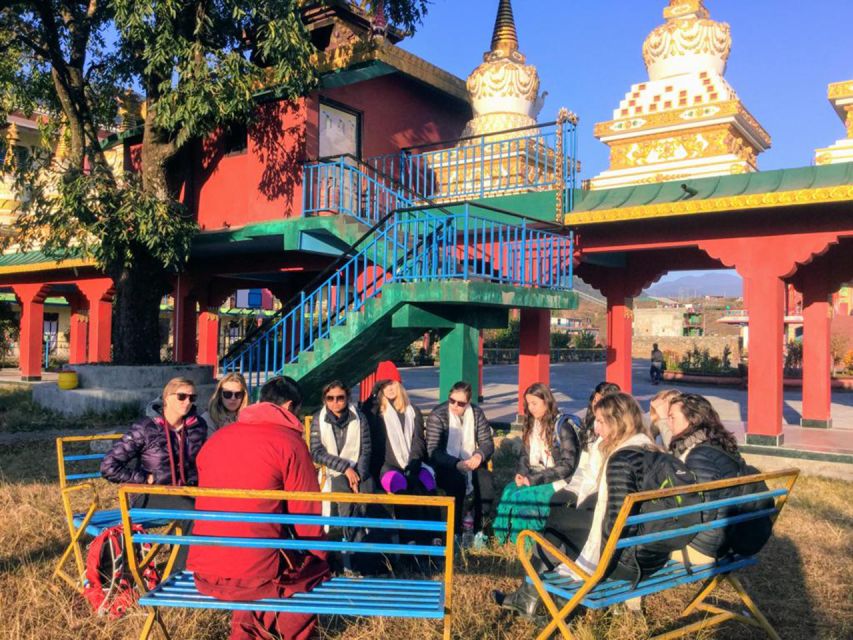
This experience is built around conversation. You are not simply shown a monastery and sent back to the vehicle. Thupten Gyatso talks about Tibetan customs, Buddhist symbols, education, the experience of refugees in Nepal, and the importance of preserving language and identity.
That makes the tour a good choice if you want context for what you see. A prayer wheel becomes more than a colorful object. A stupa is not just a photogenic structure. Prayer flags, butter lamps, chanting, and the clockwise movement around religious sites all carry meaning that is easy to miss on your own.
Thupten’s role matters here. He is Tibetan and closely connected to the culture he presents, so his explanations include both general Buddhist ideas and personal insight into Tibetan life. His English is described as clear, and he keeps the drive and walking portions filled with stories rather than treating transport as dead time.
You should expect a serious tone at points. The tour covers the lives of Tibetan people living outside Tibet, the effort to maintain traditions, and the challenges of building a future in Nepal. It is thoughtful rather than purely entertaining, but it still has warm, social moments, especially during the tea and food visit.
More Local Culture and Traditions Tours in the world:
- Amsterdam Food and Cultural Tour with Tastings
★ 5.0 · 4,315 reviews - Sevilla Food Tour: Tapas, Wine, History & Traditions
★ 5.0 · 3,468 reviews - Tromsø: Reindeer Camp and Sami Cultural Tour with Lunch
★ 4.7 · 3,326 reviews
Starting from Lakeside in Pokhara
Pickup and drop-off are provided for hotels in the Lakeside area. If your hotel is elsewhere, an additional transport charge applies based on its location, so check this before booking.
The tour lasts four hours in the afternoon. The exact starting time depends on availability, and pickup times should be confirmed when you reserve. A small group of up to eight people is useful here. You will have more room to hear the guide, ask questions, and take part in the conversations without competing with a large crowd.
The drive is part of the introduction. Thupten uses the journey to explain Tibetan history, Buddhism, and the refugee experience, giving you some background before you reach the monasteries. That helps you arrive with questions in mind instead of trying to understand every symbol at once.
Mineral water is included. Pickup and transport are limited to the Lakeside zone unless you pay the extra fee for another location.
Pema Ts’al Sakya Monastic Institute
The first main stop is Pema Ts’al Sakya Monastic Institute, with about an hour set aside for the visit, walking, sightseeing, and a guided explanation.
This is where the tour begins to connect Buddhist ideas with the physical setting. Thupten explains the role of prayer wheels, prayer flags, stupas, and other signs that shape everyday religious practice. You learn why people move around sacred spaces in a particular direction and how visual symbols communicate beliefs without written explanation.
The visit is not presented as a quick photo stop. You have time to walk, listen, and notice details. The institute also provides the setting for one of the tour’s strongest moments: a conversation with a young Buddhist monk.
Speaking with a young Buddhist monk
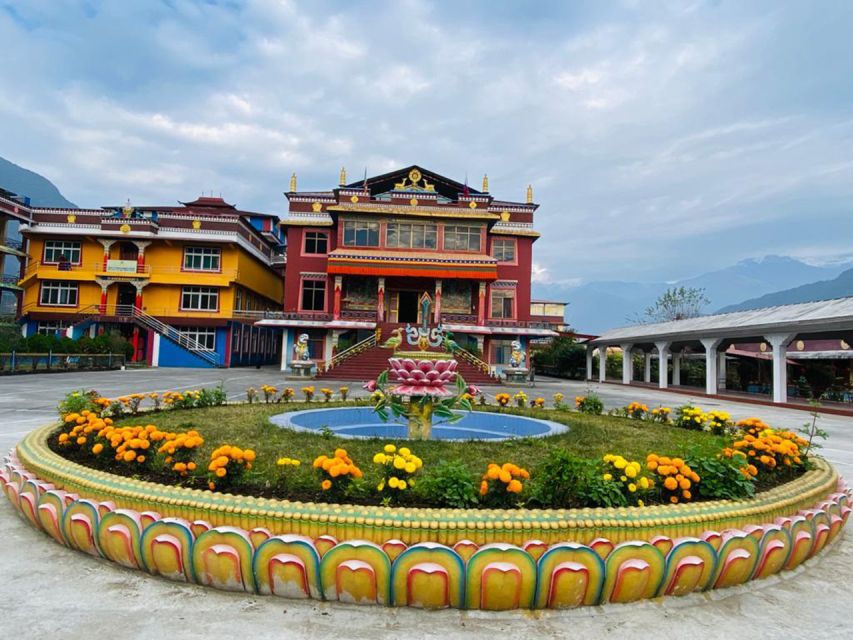
The monk conversation is a major reason to choose this tour. You can ask about monastic life, studies, daily activities, vows, and Buddhist philosophy. Several of the tour’s strongest moments come from this direct exchange, especially when visitors ask about education and what it means to grow up within a monastic institute.
The conversation is more useful than a short staged greeting. You can ask questions in your own words, and the focus is on understanding the monk’s life rather than treating him as a photo subject. Topics may include the structure of his studies and the way monks spend their time, with Buddhist debate and philosophy among the subjects that have particularly interested past participants.
You should still approach the meeting with respect. This is a working religious institution, not a performance venue. The experience is at its best when you listen carefully and allow the conversation to develop.
For anyone curious about how Buddhist education differs from ordinary schooling, this may be the most valuable part of the afternoon. It gives you a human connection to ideas that can otherwise feel abstract.
More History Tours in the world:
- New York City: American Museum of Natural History Ticket
★ 4.5 · 15,447 reviews - History and Hauntings of Salem Guided Walking Tour
★ 5.0 · 14,564 reviews - Colosseum: Underground and Ancient Rome Tour
★ 4.7 · 12,691 reviews - Lisbon: History, Stories and Lifestyle Walking Tour
★ 4.8 · 10,902 reviews
Walking through Tashi Palkhel Tibetan Settlement
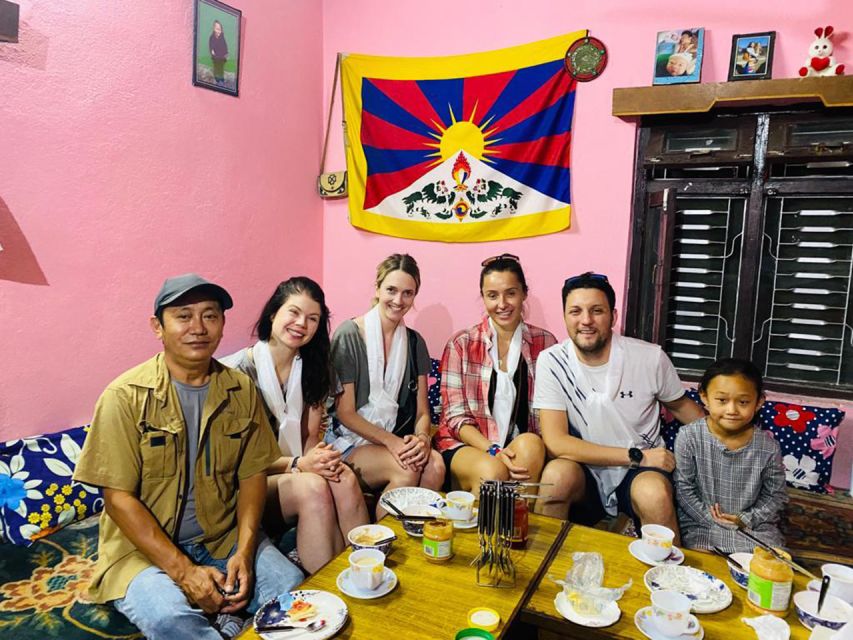
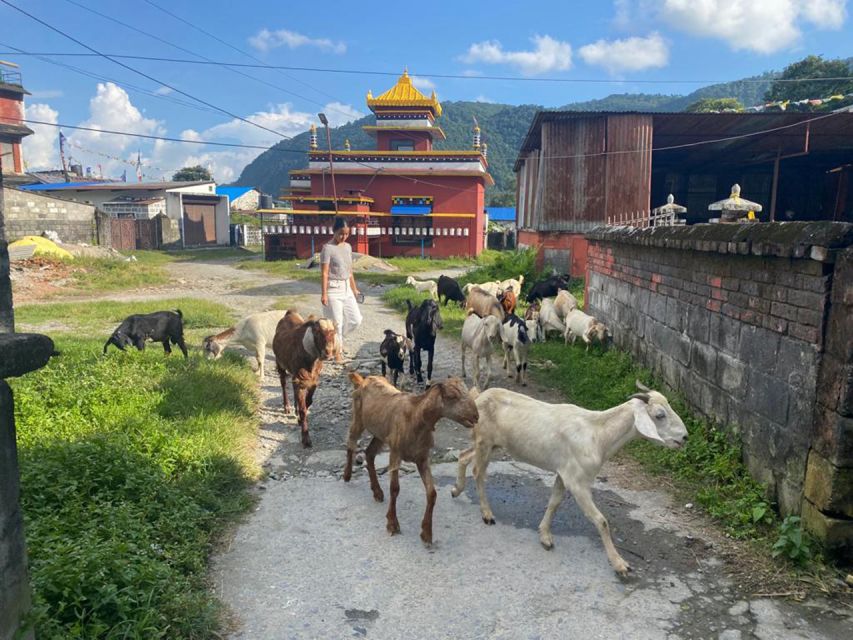
The tour then continues to Tashi Palkhel Tibetan Settlement, where roughly two hours are devoted to visiting, walking, guided explanations, food tasting, tea, and time with a local family.
The settlement gives you a look at Tibetan life in Nepal beyond monastery walls. Thupten explains how people have worked to preserve their language, religious practice, cultural identity, and customs after leaving Tibet. He also discusses the practical challenge of adapting to a different country while keeping older traditions alive.
This is a useful distinction. You are not being shown an isolated museum display. You are visiting a living community, where religious customs, family life, education, and food remain connected. The settlement visit can help you understand why cultural preservation matters so much to Tibetan people in exile.
The walk also gives you a chance to see Buddhist symbols in their everyday setting. Prayer wheels, stupas, flags, and butter lamps are not separate items in a collection. They are part of the rhythm of community life. Thupten explains what they mean and how people use them.
The settlement is also where the subject becomes more personal. Stories about displacement and starting again can be difficult, especially if you expect a light afternoon outing. That emotional weight is not a flaw, but you should know the tour asks you to think beyond architecture and scenery.
Afternoon chanting at the monastery
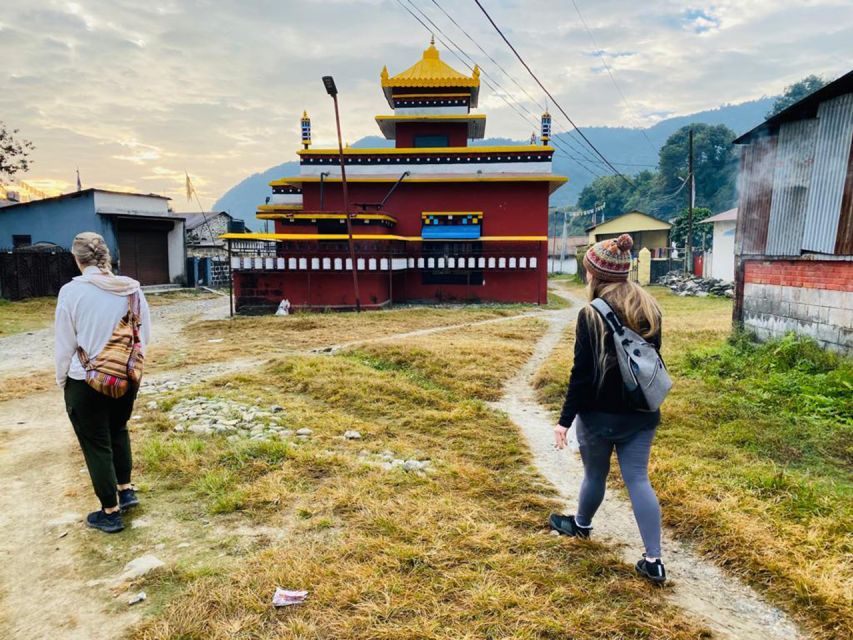
A second monastery visit includes afternoon group prayer chanting with the monks. You listen to the chanting and the accompanying instruments, and you may feel the vibration of the voices through the room.
This is a quiet, sensory part of the experience. The sound is different from ordinary sightseeing, and it gives you a direct sense of Buddhist practice in progress. The point is not to participate as a practitioner. You observe the prayer service and learn what it means within monastic life.
The service may be the most peaceful part of the tour, but it also requires patience. The timing of a religious service does not follow the pace of a standard attraction, and you should be prepared to sit or stand quietly and give the monks space.
Thupten explains the setting before and after the chanting, which helps you understand what you are hearing. Without that context, the instruments and repeated prayers might seem mysterious. With it, the ceremony becomes easier to follow and appreciate.
Butter tea, tsampa, and Tibetan bread
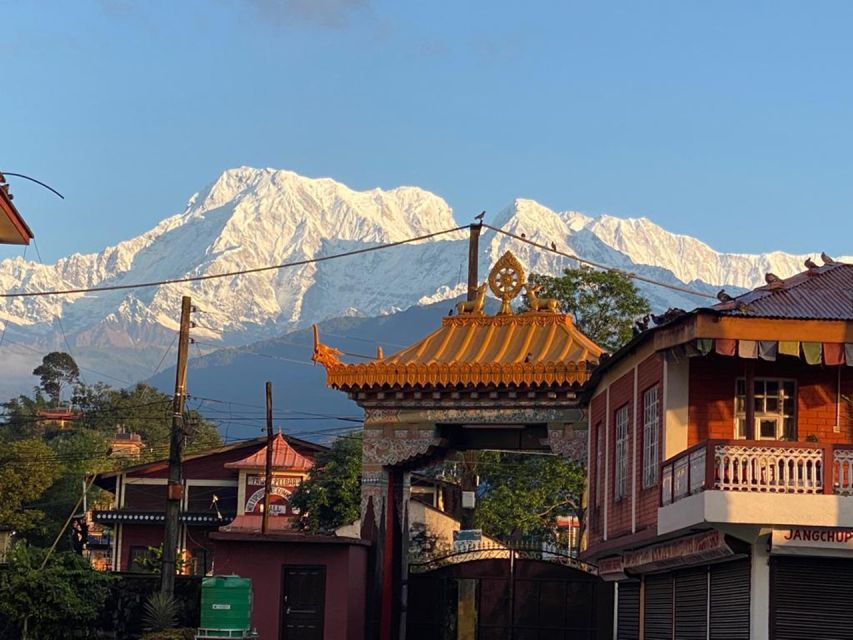
The food stop takes place at a local Tibetan family home. You taste traditional salted butter tea, tsampa made from roasted barley flour, and homemade Tibetan bread served with honey, butter, and peanut butter.
Butter tea is not sweet tea. Its salty, buttery flavor may surprise you, especially if you expect a familiar cup of milk tea. Tsampa is also more than a snack. It is a simple staple made from roasted barley flour, and trying it helps connect food with the high-altitude culture from which it comes.
The bread and spreads make the tasting easier for cautious eaters, while the tea and tsampa offer something more distinctive. The guide introduces the food and explains aspects of Tibetan home life, so this is not just a meal added at the end for convenience.
I would avoid planning a large meal immediately after the tour. The food is described as an afternoon snack, but the combination of bread, spreads, tea, and tsampa can be filling. More important, rushing off to dinner would cut short the relaxed conversation that makes this stop special.
Sharing food inside a family home also changes the mood of the tour. After the formal setting of a monastery and the serious subject of exile, you get a warmer, more ordinary view of community life.
What makes Thupten Gyatso important to the experience
The guide is central to the value of this tour. Thupten Gyatso is a Tibetan native with a strong personal connection to the places and traditions he explains. He does not simply list dates or define religious objects. He connects customs to identity, education, family life, and the experience of Tibetans living in Nepal.
His storytelling is one of the most praised parts of the experience. He is described as friendly, patient, passionate, and well organized, with clear English and a willingness to take questions. That matters because Buddhism and Tibetan political history can be complex, and a rushed or vague explanation would leave you with little more than photographs.
You may also find the conversation turning toward the Dalai Lama, Buddhist philosophy, values, and the meaning of cultural survival. Those discussions are a key part of the tour, not an optional extra.
The guide’s personal passion can make the afternoon feel more heartfelt than a standard commercial excursion. It can also make the subject feel intense. If you prefer a neutral, detached tour with little discussion of politics or religion, this may not be your best match.
Is four hours enough?
Four hours works well for an introduction. You get two monasteries, a settlement walk, a monk conversation, a prayer service, and Tibetan food without committing an entire day.
It is not enough for long visits at every stop. The monastery and settlement portions each have a planned rhythm, and the guide must keep the group moving. If you want extended discussion, more time with community members, or a slower look at every religious symbol, a longer tour would suit you better.
Several people who enjoyed the afternoon also wished they had chosen the full-day version. That is useful advice if your main interest is Tibetan culture and you have extra time in Pokhara. The half-day option is better for fitting a focused cultural experience between other plans.
The schedule also depends on the afternoon prayer service and transport. Treat the tour as a concentrated introduction rather than a complete study of Tibetan Nepal.
Price and practical value at $56
At $56 per person, the price is reasonable if you value access and interpretation rather than only transport and sightseeing. The cost includes an English-speaking Tibetan guide, Lakeside pickup and drop-off, monastery visits, the settlement visit, the monk conversation, prayer chanting, local food tasting, and mineral water.
The strongest value comes from the human access. A vehicle ride to a monastery is easy to arrange, but arranging a respectful conversation with a monk and a visit to a Tibetan family home would be much harder on your own. Thupten’s explanations also turn the places into a connected story.
A group limit of eight helps protect that value. You are less likely to lose the conversation in a crowd, and the guide can respond to individual questions. The transport is also rated highly, and punctual pickup is important when a four-hour tour has several planned stops.
Remember the extra transport charge if you stay outside Lakeside. The tour is not suitable for children under five or wheelchair users. Those limits are worth checking before you pay.
Free cancellation up to 24 hours before the start and reserve-now, pay-later booking make it easier to fit the experience into a changing Pokhara schedule.
Who should book this experience?
You should consider it if you want:
- A serious introduction to Tibetan Buddhism and Tibetan life in Nepal
- Direct conversation with a monk
- A small group rather than a large coach tour
- A guide with personal Tibetan roots
- A local food experience in a family home
- A closer look at refugee life and cultural preservation
- A peaceful religious ceremony instead of another standard attraction
It suits curious adults, students of religion, culturally minded visitors, and anyone who wants to understand more about the communities around Pokhara. It also works well for people who have read about Tibet but want a more personal connection to the subject.
It may not suit you if you want a relaxed food outing, a photography-only excursion, or a tour with little walking and no serious discussion. The experience includes religion, history, identity, and exile, so come ready to listen.
Should you book the Tibetan cultural tour?
I would book this tour if you have four free hours in Pokhara and want something more thoughtful than another scenic stop. The best parts are the monk conversation, Thupten Gyatso’s explanations, the prayer chanting, and the food shared in a Tibetan home.
Choose the half-day version if you want a focused introduction. If Tibetan culture becomes a major interest during your visit, ask about a longer option. Either way, book with the right expectations: this is a small, personal lesson in Tibetan life, with food and monastery visits woven into the story.
FAQ
How long does the Tibetan cultural tour last?
The tour lasts four hours, including transport from the Lakeside area and visits to the monasteries and Tibetan settlement.
Where does pickup take place?
Pickup and drop-off are included for hotels located in Pokhara Lakeside. Hotels outside the Lakeside area may require an additional transportation fee.
Which places does the tour visit?
The tour visits Pema Ts’al Sakya Monastic Institute and Tashi Palkhel Tibetan Settlement, including another monastery in the settlement area.
Will I speak with a Buddhist monk?
Yes. The experience includes a conversation with a young Buddhist monk about monastic life, studies, daily activities, and Buddhist philosophy.
Can I attend Buddhist prayer chanting?
Yes. You attend afternoon group prayer chanting with monks at a monastery and hear the accompanying instruments.
What Tibetan food is included?
The food tasting includes salted butter tea, tsampa made from roasted barley flour, and homemade Tibetan bread with honey, butter, and peanut butter.
What language is the tour conducted in?
The tour is conducted in English with a live English-speaking guide.
Is the tour suitable for children or wheelchair users?
The tour is not suitable for children under five or wheelchair users.
Latest history tours reviewed in the world
- From Athens: Explore Ancient Corinth & Charming Nafplion★ 4.6 · 102 reviews
- From Athens: Explore Ancient Greece 4-Day Tour★ 4.7 · 73 reviews
- From Athens: Ancient Olympia Full-Day Private Tour★ 4.8 · 22 reviews
- From Albufeira: Wine Tasting & Historic Silves Tour★ 4.9 · 421 reviews
- From Albufeira: Historical Algarve Region Tour★ 4.7 · 585 reviews
- From Alexandria: Full-Day Guided Tour of Historical Sights★ 4.5 · 54 reviews
- Franklin: Ghost Tour in Historic Franklin★ 4.8 · 65 reviews
- Freiburg: Exciting City Tour with sightseeing and history★ 4.3 · 103 reviews
Local Culture & Traditions Tours, compared.

Amsterdam Food and Cultural Tour with Tastings
Read our review →
Sevilla Food Tour: Tapas, Wine, History & Traditions
Read our review →
Tromsø: Reindeer Camp and Sami Cultural Tour with Lunch
Read our review →
Half Day Dominican Republic Cultural Tour : Small Group
Read our review →
Ultimate Melbourne Walking Tour: History, Laneways & Culture
Read our review →
Tromsø: Sámi Reindeer Sledding and Sami Cultural Tour
Read our review →
Kyoto Gion: 2-Hour Geisha Culture & History Walking Tour
Read our review →
Marrakech Historical and Cultural Tour – Half Day City Tour
Read our review →Browse the lists this tour appears in