
Review · DUBLIN
2-Hour Historical Walking Tour from Dublin
Dublin’s story comes alive on this compact walk, which links Trinity College, the old parliament, Viking Dublin, the Four Courts, Christ Church Cathedral, and Dublin Castle. You get much more than a string of photo stops: guides such as Jody, Eoin, John, and Colm explain how religion, invasion, law, and politics shaped the city.
I like the small maximum of 25 people, which makes it easier to hear the guide, and the fact that every guide is a history postgraduate. I also like the modest $22.98 price, especially since the walk covers major landmarks without filling your whole day. The main caution is that this is a serious history lesson. If you prefer light sightseeing, the political detail may feel heavy, and the walk can run beyond two hours.
Key points to know before booking
- Meet at the Grattan statue: The starting point is opposite Trinity College’s front gate, not at the college gates themselves.
- Expect Irish history, not just city trivia: The talk reaches from Viking Dublin to the Civil War, Catholic emancipation, and modern political issues.
- Book of Kells entry is extra: You visit Trinity College and hear about the manuscript, but admission is not included.
- The walk covers major central sights: Trinity College, Temple Bar, Wood Quay, the Four Courts, Christ Church Cathedral, City Hall, and Dublin Castle are all part of the route.
- Good value at $22.98: You pay for the guide’s expertise rather than a package of admissions, so the low price works best if you want context.
- Wear comfortable shoes and bring rain gear: Dublin weather can be cold, wet, and windy, and you will be outdoors for most of the two hours.
Why this walk works as a first Dublin activity
I like taking a city history walk early in a trip. Dublin’s buildings can look handsome without telling you why they matter. A guide gives you the background before you return to Trinity College, Dublin Castle, or Christ Church on your own.
This tour is built around connections. Trinity College introduces Ireland’s oldest university and its Book of Kells. The Bank of Ireland brings in the old Protestant parliament. The Four Courts explains the split over the 1921 treaty and the Civil War. Dublin Castle then ties the city to British rule and the transfer of power in 1922.
That broad approach is the tour’s greatest strength. You are not simply told that a building is old. You learn who used it, who was excluded, and how the building fits into Ireland’s long struggle over religion, government, and independence.
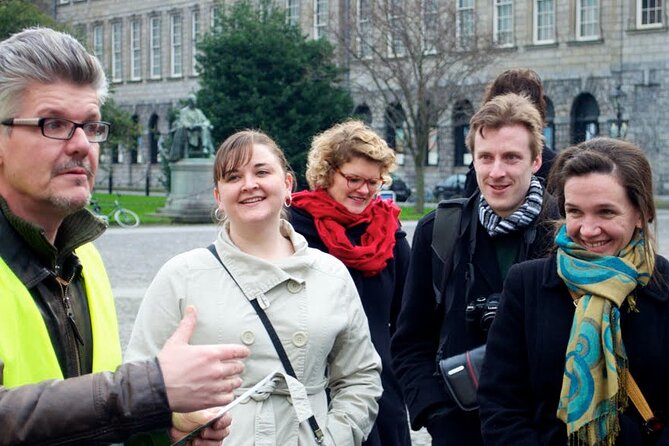
The guides have different personalities, but the strongest comments point to the same qualities: clear speaking, strong command of the subject, humor, and enthusiasm. Jody is described as an animated storyteller, while Eoin is praised for making a rainy morning worthwhile. John is noted for giving an especially useful introduction to the city, and Colm adds songs and stories to the historical material.
You should pay close attention. The guide may move quickly through several centuries, and one guide is said to cover 5,000 years of Dublin’s past in a few minutes before returning to the details at each stop. That gives you a useful framework, but it also means this is not a casual stroll where you can tune out and simply admire the buildings.
More History Walking Tours in Ireland
- Historical 2-Hour Guided Walking Tour of Dublin
★ 4.7 · 865 reviews - Dublin’s Haunted History Walking Tour
★ 4.3 · 345 reviews - Deliciously Dublin: The Artisan Donut Walking & History Tour
★ 5.0 · 329 reviews
Trinity College and the Book of Kells
The walk begins at the Henry Grattan Monument, also called the Grattan statue, on College Green. This is opposite the front gate of Trinity College. That detail matters. Do not wait at the gates and assume the guide will find you there.
Trinity College was founded in 1592 and is Ireland’s oldest university. The guide outlines its place in Irish education and politics before discussing the Book of Kells, an eighth-century manuscript of the four Gospels written in Latin.
You enter the campus area, but the Book of Kells ticket is not included. That is a useful distinction when comparing this tour with a paid Trinity College visit. The walk gives you the historical setting and explanation, while you decide separately if the manuscript and its exhibition deserve extra time and money.
I like this beginning because it gives the group an immediate sense of Dublin’s layered identity. Trinity is an active university, a landmark, and a symbol of Ireland’s religious and intellectual past. The guide can explain that setting before you spend time inside the library exhibition on your own.
The Bank of Ireland and the old parliament
The next stop is the Bank of Ireland, a neoclassical building completed in 1729. It originally served as Ireland’s colonial parliament, which was abolished by the Act of Union in 1800.
This is one of the places where the tour moves beyond attractive architecture. The building represents Protestant Ascendancy, the period when political power in Ireland rested heavily with the Protestant ruling class. Understanding that imbalance helps explain later campaigns for Catholic rights and Irish self-government.
You stop here for about ten minutes, so expect an explanation from the street rather than a long interior visit. That short pause keeps the route moving, but the subject itself is dense. If you want every political term explained at length, you may wish the guide had more time. If you like seeing how a building reflects power, this is a valuable stop.
Temple Bar beyond the nightlife
Temple Bar is now one of Dublin’s best-known districts, but the guide focuses on its recent transformation. The narrow streets were once marked for demolition before being repurposed as Dublin’s Cultural Quarter in the 1990s.
That detail gives you a more useful way to view the area. Temple Bar is not simply an old quarter that survived untouched. Its current identity came from a modern decision to preserve and reuse a district that had faced demolition.
The stop lasts about ten minutes. You will not get a full restaurant or pub guide, and this tour is not designed around nightlife. Instead, you learn how city planning and cultural branding changed the area. I appreciate that contrast because it keeps the walk from treating every old-looking street as an unchanged relic.
More History Walking Tours in Dublin:
- Dublin: Macabre History Walking Tour
★ 4.9 · 95 reviews - Semi-Private (8people max) 2.5 Hr Dublin Walking Tour
★ 5.0 · 69 reviews - Dublin: LGBT Pride Walking Tour with Queer History
★ 5.0 · 24 reviews - History and Hauntings of Salem Guided Walking Tour
★ 5.0 · 14,564 reviews
Viking Dublin at Wood Quay
At the Wood Quay Amphitheatre, the story reaches back to the Viking city founded around AD 840. Archaeological excavations in the 1980s uncovered extensive remains from that settlement.
This stop helps explain why Dublin developed where it did and why the city’s earliest story cannot be told only through English rule or modern independence. Viking Dublin was a real urban settlement, not just a footnote before later medieval buildings appeared.
The stop is brief, around ten minutes, but it gives the guide a chance to explain the archaeological work and the city beneath the modern streets. You might find this especially helpful if you plan to explore Dublin’s medieval quarter afterward.
The Four Courts and the Civil War
The Four Courts is Ireland’s legal headquarters and one of the most politically charged points on the route. The building is linked to the Civil War that began in June 1922, when supporters and opponents of the December 1921 treaty came into conflict.
The treaty had ended the War of Independence from 1919 to 1921, but it also split the independence movement. That disagreement led to armed conflict among people who had recently fought on the same broad side.
This is where the tour’s political focus becomes clearest. The guide does not stop at dates and names. The explanation connects law, the treaty, and the painful division that followed independence. If you want a simple, cheerful overview of Dublin, this section may feel intense. If you want to understand why Irish politics carries such strong historical memory, it is essential.
The stop lasts about twenty minutes, one of the longer pauses. That extra time is useful because the subject cannot be reduced to a single sentence. Guides such as Jody and Eoin appear particularly effective at making these complicated events easier to follow, but you still need to listen closely.
Christ Church Cathedral and the English invasion
Christ Church Cathedral is described as Dublin’s oldest cathedral, dating to 1030. It was rebuilt in stone in the 1170s by Strongbow, a central figure in the original English invasion of that period.
The cathedral brings religious and military history together. Its age gives you a physical connection to medieval Dublin, while Strongbow’s role opens the larger story of English involvement in Ireland.
The stop is around ten minutes. Entry is not listed as part of the tour, so expect to hear the story from outside rather than receive a cathedral admission. That keeps the cost down, though you may want to return separately if you wish to see the interior.
Christ Church is also listed as the end point, at Christchurch Place in the Wood Quay area. At the same time, City Hall and Dublin Castle appear later in the published sequence of stops. Because those details do not line up perfectly, I would confirm the exact walking order and finish point when you book or meet the guide.
City Hall and Daniel O’Connell
City Hall adds a different kind of historical figure to the route. Inside is a statue of Daniel O’Connell, Dublin’s first Catholic Lord Mayor, elected in 1840.
O’Connell led the successful campaign for Catholic Emancipation in 1829, which ended anti-Catholic laws. That achievement explains his nickname, The Liberator, and gives you a clear example of political change achieved through organized campaigning rather than armed revolt.
This stop is a good counterpoint to the Four Courts. Instead of focusing on military conflict and civil division, the guide can show how legal and political pressure changed public life. The subject also helps explain why religion is so central to Irish history.
Dublin Castle and the Dubh Linn
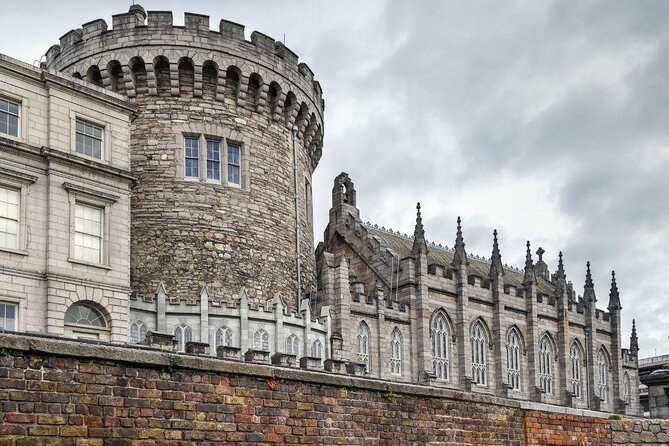
Dublin Castle was built by King John in 1204 and served as the seat of British administration until 1922. It also occupies the area associated with the Dubh Linn, or Black Pool, from which Dublin takes its name.
That makes the castle a strong final landmark for the story. You move from the medieval English presence to the long period of British administration and then toward the political changes that created the Irish state.
The site is important, but the ten-minute stop is short. You will get orientation and historical context, not a full castle tour. If the guide ends at Christ Church as stated, Dublin Castle may come before the final cathedral stop, so confirm the order on the day.
What the two-hour pace feels like
The advertised duration is about two hours, but several sessions have lasted two and a half hours. That can be good news if you value detail, but it matters if you have a timed booking afterward.
The route is described as a decent-length walk rather than a difficult hike. You should have moderate physical fitness, and comfortable shoes are a wise choice. There are regular stops, but you remain outdoors for much of the experience.
Dublin weather can change quickly. People have enjoyed the walk in freezing, rainy, and windy conditions, but that does not mean you should rely on luck. Wear layers, bring waterproof protection, and keep your hands free for listening and taking photos.
A group of up to 25 is large enough to create some distance between you and the guide. The positive side is the low price. The practical side is that you should stay close, especially on busy city streets, and speak up if you cannot hear.
Price, value, and what is not included
At $22.98 per person, this is priced as an affordable orientation walk. You are paying for the guide’s time and expertise, not entrance tickets. The Book of Kells is specifically excluded, and no other admission is included in the supplied details.
I think the value is strongest if you want context for the rest of your Dublin visit. A history postgraduate can connect eight stops into one story in a way that a self-guided stroll may not. The price is also low enough to leave room in your budget for the Book of Kells, Dublin Castle, or Christ Church if you decide to visit inside.
The value is weaker if you want a relaxed cultural walk with only a few facts at each site. The tour spends real time on colonial rule, Protestant Ascendancy, Catholic rights, the treaty, and the Civil War. Those subjects are central to Dublin’s story, but they are not light entertainment.
The experience is offered in English and uses a mobile ticket. Confirmation is provided at booking, and service animals are allowed. Public transport is nearby, which makes the central meeting point practical.
Who should book this Dublin walk?
I would choose this tour if you enjoy history, want a clear introduction to Dublin, or are visiting Ireland for the first time and want help making sense of later sights. It is also a good fit for older children and teenagers who can follow a detailed talk, though younger children may lose interest.
I would not choose it if you dislike political history, need a firm two-hour finish, or want to spend time inside each landmark. The walk is best treated as a guided framework. Afterward, you can return to the places that caught your interest and explore them at your own pace.
The operator offers free cancellation if you cancel at least 24 hours before the start time. Changes or cancellations inside that window are not refunded.
My verdict: a strong history-first introduction
Book this walk if you want to understand why Dublin’s buildings matter, not simply photograph them. The mix of Trinity College, Viking archaeology, the Four Courts, Christ Church, and Dublin Castle gives you a useful route through Ireland’s religious, colonial, legal, and political past.
Go in expecting a history postgraduate to lead the conversation. Guides including Jody, Eoin, John, and Colm have different styles, but the experience depends on careful listening and a willingness to follow a lot of information. For $22.98, that is a fair trade for a strong first orientation to Dublin, as long as you dress for the weather and confirm the meeting point at the Grattan statue.
FAQ
How long does the walking tour last?
The advertised duration is approximately two hours. Some sessions have lasted two and a half hours, so avoid scheduling another fixed activity immediately afterward.
Where does the tour begin?
It begins at the Henry Grattan Monument, also called the Grattan statue, on College Green opposite Trinity College’s front gate.
Does the tour begin at the Trinity College gates?
No. The stated meeting point is the Grattan statue opposite the front gate, not the gates themselves.
Where does the tour end?
The stated end point is Christ Church Cathedral at Christchurch Place, Wood Quay, Dublin. Dublin Castle also appears in the listed stops, so you should confirm the exact route and finish point with the guide.
Is entry to the Book of Kells included?
No. Entry to the Book of Kells is not included in the tour price.
What language is the tour offered in?
The tour is offered in English.
How large can the group be?
The maximum group size is 25 people.
What level of fitness is needed?
A moderate level of physical fitness is recommended. You should also wear comfortable shoes for the city walk.
Are service animals allowed?
Yes. Service animals are allowed.
Can I cancel for a full refund?
Yes, if you cancel at least 24 hours before the experience start time. Cancellations or changes made less than 24 hours in advance are not refunded.
More Two-Hour Tours in Dublin
- 2-Hour Gettysburg Battlefield Guided History Bus Tour with a National Park Guide
★ 4.5 · 2,201 reviews - Kyoto Gion: 2-Hour Geisha Culture & History Walking Tour
★ 5.0 · 1,186 reviews - 2 Hour LoDo Historic Walking Tour in Denver
★ 5.0 · 1,106 reviews - Málaga: 2h Walking Historical Tour–Art, Culture and Legends
★ 4.9 · 341 reviews
Latest history tours reviewed in Dublin
- Dublin: Macabre History Walking Tour★ 4.9 · 95 reviews
- Dublin: Jeanie Johnston Tall Ship Irish Famine History Tour★ 4.8 · 431 reviews
- Dublin: LGBT Pride Walking Tour with Queer History★ 5.0 · 24 reviews
- Wicklow Historic Gaol: 1-Hour Tour★ 4.4 · 56 reviews
- The History of Dublin With Locals: 1916 Easter Rising PRIVATE Tour★ 5.0 · 73 reviews
- Dublin Historical Centre Private Food Tour with 8 Food Tastings★ 5.0 · 152 reviews
- Semi-Private (8people max) 2.5 Hr Dublin Walking Tour★ 5.0 · 69 reviews
- Dublin Private Highlights & History of 1916 Easter Rising Tour★ 5.0 · 154 reviews
Dublin History Tours, compared.

Dublin Historical Centre Food Tour with 8 Food Tastings & Drinks
Read our review →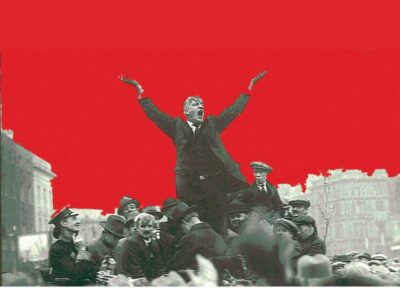
Historical 2-Hour Guided Walking Tour of Dublin
Read our review →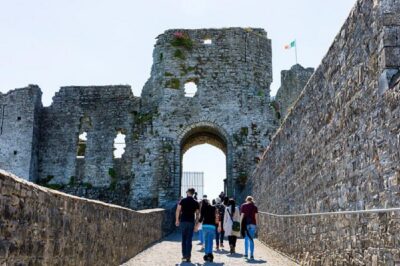
Celtic Boyne Valley & Ancient Sites Day Tour From Dublin
Read our review →
Dublin: Jeanie Johnston Tall Ship Irish Famine History Tour
Read our review →

Deliciously Dublin: The Artisan Donut Walking & History Tour
Read our review →
Dublin Private Highlights & History of 1916 Easter Rising Tour
Read our review →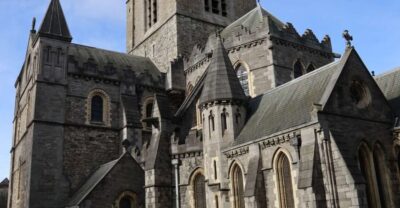
Browse the lists this tour appears in