
Review · LOCAL CULTURE & TRADITIONS TOURS
Bishkek : City Tour (History, Architects, Statues & Culture)
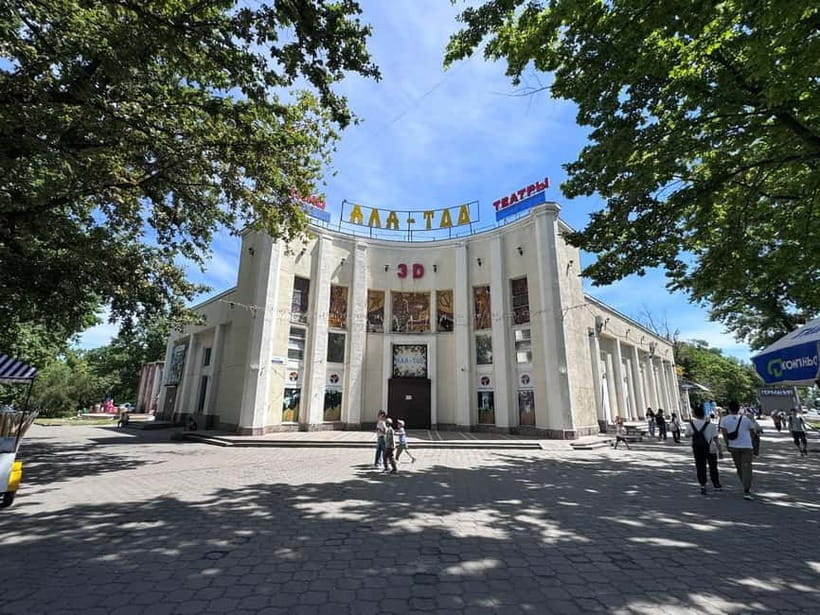
Bishkek’s city center is a lesson in layers: nomadic Kyrgyz identity, Soviet planning, national heroes, and modern statehood all share the same broad avenues and public squares. This 2.5-hour walk links the city’s best-known monuments, from the giant flag at Ala-Too Square to Lenin, Manas, Victory Square, and the government buildings.
I like the clear start and finish at Ala-Too Square, which makes this easy to fit into your first day. I also like the human touch from guides such as Alex, Anna, Sofia, and Talgat, who have been praised for good storytelling, local recommendations, and patient explanations.
The main consideration is value. At $29 per person, the price is reasonable for a private or small-group introduction, but you are paying mainly for guiding and interpretation rather than entry to museums or a long list of included attractions. One visitor felt the local price was high for a two-hour walk, especially for a group of two.
What makes this Bishkek walk useful
- Ala-Too Square begins and ends the route, so you can find your way back without arranging transport.
- The Kyrgyz flag and Manas Statue explain national identity, not just city geography.
- Soviet monuments, Lenin, mosaics, and government buildings show how Bishkek changed through the Soviet period and after independence.
- Victory Square and the Friendship of Peoples monument add political and social context to the walk.
- Guides offer practical follow-up advice, including local hotels, public transport, food, other cities, and natural places near Bishkek.
- English and Russian tours are available, with private groups offered.
Starting under the Kyrgyz flag at Ala-Too Square
The tour begins at Ala-Too Square, the central meeting point in Bishkek. It is a sensible place to start because many of the city’s major public buildings, statues, and ceremonial spaces are within walking distance.
Your guide introduces the Kyrgyz flag and explains its place in national life. The tour also covers nomadic traditions and the role of Kyrgyz identity after the country’s Soviet period. This gives the rest of the walk a useful frame. You are not simply ticking off monuments. You are learning why different figures and symbols share the same public space.
Expect roughly 20 minutes here, including a short safety briefing and orientation. The broad square is easy to walk across, but you should still wear comfortable closed-toe shoes. The route is outdoors, and the experience works best when you are ready to keep moving.
More Local Culture and Traditions Tours in the world:
- Amsterdam Food and Cultural Tour with Tastings
★ 5.0 · 4,315 reviews - Sevilla Food Tour: Tapas, Wine, History & Traditions
★ 5.0 · 3,468 reviews - Tromsø: Reindeer Camp and Sami Cultural Tour with Lunch
★ 4.7 · 3,326 reviews
Kurmanzhan Datka and the story of a national figure
The stop at the Kurmanzhan Datka Statue adds a Kyrgyz perspective to a route that otherwise includes many Soviet-era landmarks. Her monument helps shift the focus from state architecture to the people and leaders tied to Kyrgyz history.
Your guide explains the meaning of the statue and its place in the country’s story. This is one of the points where a good guide matters most. The details can turn a quick photograph into a better understanding of Kyrgyz society and the importance of leaders outside the Soviet system.
The scheduled visit lasts about 20 minutes. That is enough time for explanation and photographs without making the stop feel drawn out.
The State History Museum and the limits of a walking tour
The State History Museum appears early in the route, with about 10 minutes allocated to the stop. This is primarily an outside introduction rather than a full museum visit, since entrance fees are not included and the tour is designed around walking through the city.
That distinction matters. If you want to spend serious time with exhibitions, you will need a separate visit and likely more time than this tour allows. Here, the value comes from hearing how the museum fits into the city center and how its subject connects to the monuments you see later.
The tour also refers to the National Museum of Fine Arts among Bishkek’s central cultural buildings. Depending on the exact route and timing, you may see or discuss it from outside. Do not book this experience expecting extended indoor museum visits.
Victory Square and public memory
Victory Square is one of the more meaningful stops. Its memorial setting connects Bishkek with the Soviet memory of the Second World War and the sacrifices associated with it.
The planned visit lasts about 15 minutes. Your guide can explain the symbolism and place the monument within the Soviet story of Kyrgyzstan. This is a useful counterpoint to the national symbols at Ala-Too Square. One part of the walk focuses on Kyrgyz identity, while another shows how Soviet history still appears in the center of the capital.
The square is also a reminder that monuments are not neutral decoration. Their design, location, and official ceremonies tell you what earlier governments wanted people to remember.
More History Tours in the world:
- New York City: American Museum of Natural History Ticket
★ 4.5 · 15,447 reviews - History and Hauntings of Salem Guided Walking Tour
★ 5.0 · 14,564 reviews - Colosseum: Underground and Ancient Rome Tour
★ 4.7 · 12,691 reviews - Lisbon: History, Stories and Lifestyle Walking Tour
★ 4.8 · 10,902 reviews
Opera and Ballet Theater, fine arts, and Soviet design
The Opera and Ballet Theater is scheduled as a 10-minute stop. Its architecture gives you another view of Bishkek’s public face, this time through a cultural institution rather than a political monument.
The route is especially useful if you enjoy buildings as much as statues. You will see how Soviet-era city planning used theaters, museums, government offices, and broad civic spaces to present a particular image of culture and progress.
The tour also highlights Soviet mosaics connected with a 100-year celebration. These mosaics are easy to miss if you walk through Bishkek without context. They are not always the city’s most famous sights, but they help you notice the visual language of the Soviet period: public art placed on buildings, large symbolic scenes, and messages intended for everyone passing by.
Because the route depends on walking and outdoor explanations, the exact amount of time spent with the mosaics may vary. If they are a priority for you, ask the guide at the start to include as many as possible.
Lenin’s statue and the Kyrgyz Soviet period
The Vladimir Lenin Statue brings the Kyrgyz Soviet Socialist Republic, often abbreviated as KSSR, into the conversation. This part of the tour is valuable because Bishkek’s Soviet past is still physically present, not locked away in a history book.
Your guide explains the political background and the way Soviet power shaped the city. You can expect about 15 minutes at the Lenin stop. The point is not simply to identify a familiar figure. It is to understand why Soviet monuments remain part of the urban setting and how Kyrgyzstan’s past continues to influence public spaces.
This section may appeal most to visitors who want political and architectural context. If you prefer only food, markets, and scenic views, the concentration of monuments and state buildings may feel formal. The tour is built around civic history.
Friendship of Peoples, the White House, and Parliament
The Stele of Friendship of Peoples is another stop with a strongly Soviet theme. Its message concerns cooperation among the many peoples of the former Soviet Union. Your guide connects it to the country’s past and to the way public monuments represented unity.
From there, the walk continues toward the White House, the Government of the Kyrgyz Republic, and Jogorku Kenesh, the national parliament. These buildings help you see Bishkek as a capital rather than simply a collection of parks and statues.
The White House stop is listed at about 10 minutes, while the Friendship of Peoples monument receives around 15 minutes. These are brief visits, but they create a clear sequence: public square, national memory, Soviet ideology, and present-day government.
You should expect explanations from the outside rather than a tour inside government buildings. Entrance fees are not included, and the experience is centered on public spaces.
Returning to the Manas Statue
The Manas Statue receives one of the longer scheduled stops, about 20 minutes. That makes sense. Manas is central to Kyrgyz cultural identity, and the statue gives your guide room to explain the epic tradition and its meaning for the country.
This is also a useful final stop because it brings the route back to Kyrgyz culture after so much Soviet-era architecture. You have seen Lenin, Victory Square, Soviet mosaics, and government buildings. Manas helps reconnect the city to older traditions and the nomadic life discussed at the beginning.
The walk then returns to Ala-Too Square. Ending where you began is practical. You can continue exploring on foot, use public transport, or ask your guide for advice about restaurants, hotels, nearby natural sites, or other Kyrgyz cities.
What the guides add to the experience
The strongest part of this tour is the guide’s ability to make a short route feel like a connected story. Alex is repeatedly praised for clear explanations, a friendly manner, and practical help. Anna is described as particularly warm and engaging, with a talent for bringing Kyrgyz history and culture to life. Sofia is known for humor and clear stories about monuments, while Talgat has been appreciated for helpful advice both in Bishkek and beyond.
The guide names may change, so you should not book on the assumption that you will receive one specific person. Still, the pattern is clear: the experience depends heavily on the individual leading it.
This is not a self-guided audio walk. Ask questions. If you want more detail about politics, architecture, local life, or travel outside Bishkek, say so. Guides have offered suggestions for local food, hotels, public transport, natural areas, and other cities in Kyrgyzstan. That extra advice can be especially useful at the beginning of a longer trip.
Timing, weather, and walking comfort
The tour lasts about 2.5 hours and covers central Bishkek on foot. It is not presented as a difficult hike, and the route is described as comfortable for walking, but city walking still means uneven pacing, outdoor exposure, and limited opportunities to sit.
Comfortable shoes are essential. Closed-toe shoes are recommended, and large luggage or oversized bags are not allowed. Bring only what you need for the walk.
Weather can affect the experience. A guide has adjusted the start time during heavy rain, and another tour continued despite rain without becoming too long. Heat can also make the route harder, so check the starting time and dress for the forecast. If the weather is poor, contact the provider through WhatsApp before setting out.
The tour is offered in English and Russian. Private groups are available, which may suit you if you want to ask many questions or set a more personal pace.
Is $29 a fair price?
At $29 per person, this is a fairly accessible introduction to Bishkek, especially if you are new to the city and want a guide to connect the main sights. The price includes the guide, public transportation, and recommendations for hotels, local areas, and further travel.
It does not include entrance fees, personal purchases, insurance, or a meal. The listed route is mainly an outdoor walking tour, so the price is paying for interpretation rather than admissions.
For one person or a small private group, I see the value in getting a quick orientation and useful advice at the beginning of a Kyrgyzstan trip. For two people, the total becomes $58, and one visitor felt that was high by local standards for two to two and a half hours of walking. That is a fair concern if you are comparing the price with the cost of exploring Bishkek independently.
I would book it for the guide’s context, not for the number of stops. You can photograph many of these monuments without paying for a tour. What you cannot easily recreate is the explanation of the flag, Soviet period, national figures, mosaics, government buildings, and local customs in one connected walk.
Who should book this tour?
I would recommend it if you have just arrived in Bishkek and want to understand the city before exploring alone. It is also a good fit if you enjoy architecture, public art, political history, and stories about national identity.
The tour suits first-time visitors who want practical suggestions for the rest of Kyrgyzstan. It can also work well for a short stay, since the route covers many central sights in a single morning or afternoon.
You may want to skip it if you dislike outdoor walking, want extended museum time, or are looking for mountain scenery. This experience stays in the city center and gives only recommendations for natural places rather than visiting them.
The provider lists the tour as unsuitable for people with altitude sickness and people over 95 years old. If you have mobility, health, or weather concerns, ask for details before booking.
FAQ
Where does the tour start and finish?
It starts at Ala-Too Square and returns to Ala-Too Square at the end.
How long does the tour last?
The tour lasts approximately 2.5 hours.
What language is the tour offered in?
The tour is available in English and Russian.
Is the tour private?
Private groups are available. The exact group arrangement should be confirmed when you book.
Are museum entrance fees included?
No. Entrance fees are not included in the price.
What should I bring?
Bring comfortable closed-toe walking shoes. Large bags and oversized luggage are not allowed.
Can I cancel the booking?
You can cancel up to 24 hours in advance for a full refund. The tour also allows you to reserve now and pay later.
Should you book the Bishkek city tour?
Book it if you want a short, guided explanation of Bishkek’s central monuments and Soviet-era architecture, especially on your first day. The strongest reason to go is the storytelling and practical advice from guides such as Alex, Anna, Sofia, and Talgat, not simply the sightseeing list.
At $29 per person, it offers solid orientation for many visitors, though the value is less convincing if you only want photographs or are traveling on a very tight local budget. Wear good shoes, ask for the mosaics, and use the final minutes to gather advice for the rest of your Kyrgyzstan trip.
Latest history tours reviewed in the world
- From Athens: Ancient Olympia Full-Day Private Tour★ 4.8 · 22 reviews
- From Athens: Explore Ancient Corinth & Charming Nafplion★ 4.6 · 102 reviews
- From Athens: Explore Ancient Greece 4-Day Tour★ 4.7 · 73 reviews
- From Albufeira: Wine Tasting & Historic Silves Tour★ 4.9 · 421 reviews
- From Albufeira: Historical Algarve Region Tour★ 4.7 · 585 reviews
- From Alexandria: Full-Day Guided Tour of Historical Sights★ 4.5 · 54 reviews
- Freiburg: Exciting City Tour with sightseeing and history★ 4.3 · 103 reviews
- From Abu Dhabi: Grand Mosque, Royal Palace& Heritage Village★ 4.6 · 197 reviews
Local Culture & Traditions Tours, compared.

Amsterdam Food and Cultural Tour with Tastings
Read our review →
Sevilla Food Tour: Tapas, Wine, History & Traditions
Read our review →
Tromsø: Reindeer Camp and Sami Cultural Tour with Lunch
Read our review →
Half Day Dominican Republic Cultural Tour : Small Group
Read our review →
Ultimate Melbourne Walking Tour: History, Laneways & Culture
Read our review →
Tromsø: Sámi Reindeer Sledding and Sami Cultural Tour
Read our review →
Kyoto Gion: 2-Hour Geisha Culture & History Walking Tour
Read our review →
Marrakech Historical and Cultural Tour – Half Day City Tour
Read our review →Browse the lists this tour appears in