
Review · BRUGES
Historical Walking Tour: Legends of Bruges
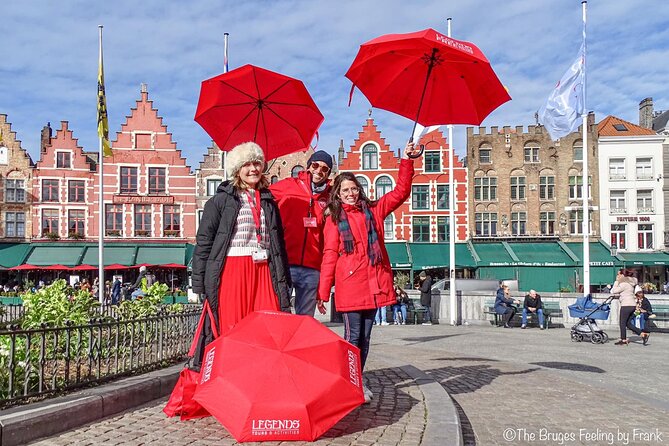
Bruges is easy to admire and surprisingly easy to misunderstand. Its canals, stepped roofs, and handsome squares can feel like a perfect picture set, but the Legends of Bruges tour explains the medieval arguments, trade deals, beer business, church power, and local characters behind the scenery. In about two hours and 15 minutes, you walk from Markt to Burg Square with stops at the city’s key landmarks.
I like the way the route covers a lot without requiring an entrance ticket at every stop. I also like the strong guide-led storytelling, especially when a local guide such as Louis, Victoria, Martin, Sander, or Wouter adds personal detail and humor. The main drawback is that this is still a brisk city walk, and cold or wet weather can make the experience harder, especially with a toddler or anyone who needs frequent breaks.
Key points at a glance
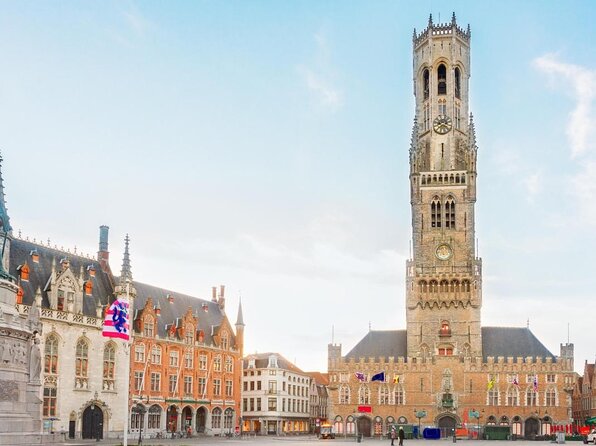
- Eleven central stops in one walk: The route links Markt, the Belfort, Minnewater Lake, the Beguinage, major churches, old trade squares, and Burg.
- Stories behind the pretty views: Expect tales about French rule, Emperor Maximilian, Bruges’ beer trade, swans, tanning, and the city’s nickname, the Fools of Bruges.
- Excellent first-day orientation: The walk gives you a useful map of Bruges and points out places to revisit on your own.
- Very low advertised price: At $3.62 per person, it offers striking value, though tips are recommended and form an important part of the guide’s compensation.
- English guide, maximum 24 people: The group may be fairly intimate, though a smaller group allows more questions and easier listening.
- A weather-sensitive experience: You are outside for the whole route, so shoes, warm layers, and a weather check matter.
Why this Bruges walk works so well for a first visit
The best thing about this tour is its shape. It does not park you in one square and lecture at you. Instead, it threads through Bruges, using each landmark as a doorway into a different part of the city’s past.
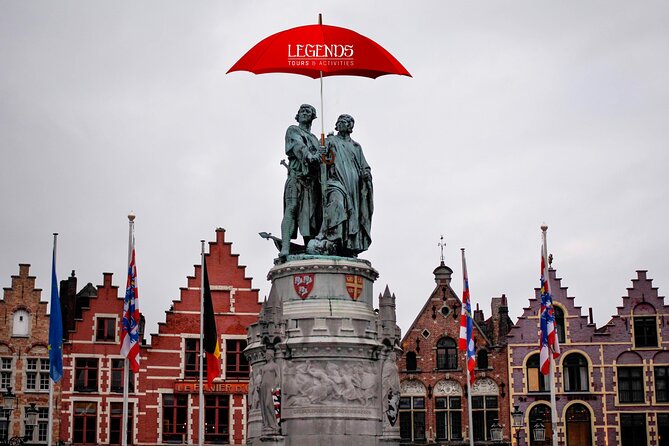
You begin at Pieter de Coninck en Jan BreydelMarkt, the large square beside the Markt. From there, the walk heads through the historic center and finishes at Burg Square. That start-to-finish route matters because you get your bearings while seeing how the main parts of old Bruges fit together.
I would take this tour early in your stay. The guides often give practical suggestions about where to eat, where to buy chocolates, and what else to see. You can then return to the places that catch your eye instead of wasting time wandering in circles.
The route is also a good match for a short stay. If you have only one day in Bruges, you will see the main sights without spending much of your limited time deciding which lane to follow next.
More History Walking Tours in Belgium
- Historical Walking Tour: Legends of Antwerp
★ 5.0 · 1,837 reviews - Historical Walking Tour: Legends of Gent
★ 5.0 · 1,761 reviews - Brussels: Historical Walking Tour with Chocolate & Waffle Tasting
★ 5.0 · 1,165 reviews
Markt and the Belfort: Bruges as a trading power
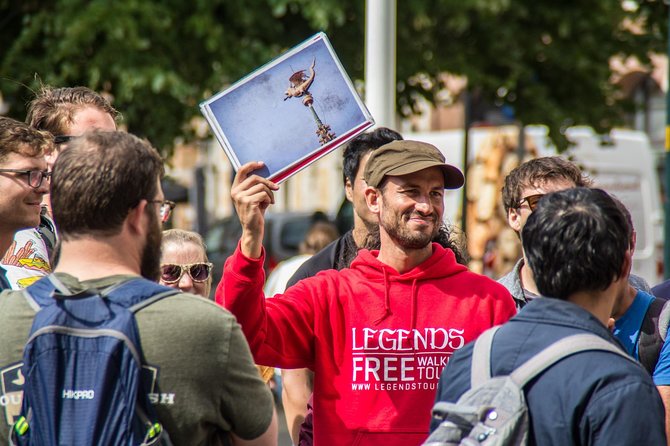
The first stop, Markt, introduces Bruges as a medieval trading hub. This is more useful than simply hearing the names of old buildings, because the city’s wealth explains much of what you see later: large public squares, costly churches, powerful merchant families, and grand civic buildings.
The guide also explains the uneasy relationship between Bruges and the French king. That political tension gives the city’s polished appearance a sharper edge. Bruges was not just a quiet canal town. It was a wealthy place with its own interests, proud citizens, and reasons to resist outside control.
The Belfort stop focuses on the halls behind the bell tower and its role in medieval city life. You do not get a tower admission ticket as part of this walk, so do not confuse the tour’s Belfort visit with climbing the tower. One useful tip is to buy tower-climbing tickets early in the day if you plan to go up separately.
The guide’s explanation helps you see the Belfort as more than a fine photograph. It was tied to civic power, public warning, and the daily running of a medieval city. The visit lasts about 10 minutes, so expect an explanation from outside or in the halls rather than a long interior tour.
Gruuthusemuseum and Sint-Janshospitaal: wealth and care
At the Gruuthusemuseum, the story shifts from city politics to private wealth. This former city palace belonged to a powerful Bruges family that held a monopoly in part of the beer trade. That detail is a good reminder that wealth often came from control of ordinary goods, not just from noble titles.
The stop is brief, about 10 minutes, and focuses on the palace, the family, and the commercial world that paid for such a residence. If you want to explore the museum’s collections properly, plan a separate visit. The walking tour gives you context, not a full museum experience.
Next comes Sint-Janshospitaal, one of the oldest surviving hospitals in the world. The guide presents it as a cornerstone of medieval society, which helps you understand the building as both a historic institution and an architectural sight.
This is one of the stops where a good storyteller makes a real difference. You are not only looking at old walls. You are learning how a city cared for the sick and how charitable institutions shaped medieval life. The stop lasts around 10 minutes, so again, treat it as an introduction rather than a full museum visit.
The Beguinage: a quieter side of Bruges
The Princely Beguinage Ten Wijngaarde brings a change of pace. After the public squares and political buildings, the route moves into a more restrained setting where women lived together for more than 800 years.
The beguinage is described as the biggest of its kind in the world. Your guide explains the community and takes you through its picturesque spaces, but you should keep in mind that this remains a working historic place, not a stage set. Quiet behavior is appropriate.
I like this stop because it gives Bruges a human scale. Medieval Europe is often presented through kings, merchants, and wars. The beguinage points toward daily life, religious devotion, community, and the choices available to women who lived outside ordinary marriage and family structures.
The scheduled stop is about 10 minutes. That is enough to understand why the place matters, though you may want to pause longer after the tour if the calm atmosphere appeals to you.
Same old streets, another chapter:
- Brussels: Historical Tour with Chocolate & Waffle Tasting
★ 4.8 · 1,206 reviews - THE Storytelling Tour of Bruges | First Day Must | History & Tips
★ 5.0 · 925 reviews - Historical Walking Tour: The Story of Bruges – by Legends
★ 4.7 · 483 reviews - Antwerp: Historical Walking Tour in the Old City
★ 4.8 · 373 reviews
De Halve Maan and the story of Bruges beer
Outside De Halve Maan Brewery, the guide tells the story behind Bruges’ nickname, the Fools of Bruges. The explanation connects local character, beer, and the city’s often difficult relationship with authority.
You also see a piece of the beer pipeline that runs beneath Bruges. It is a particularly useful detail because it links an old local industry with a modern engineering solution. Instead of treating beer as a souvenir, the tour shows how brewing has long been part of the city’s identity and practical life.
This is not a brewery tour, and the itinerary does not include a tasting or a brewery admission. If you want that, you will need to arrange it separately. Still, the 10-minute stop adds a welcome bit of humor and gives you a story to remember when you see Bruges beer on a menu.
Some guides also include a complimentary chocolate sample during the walk. That extra is not guaranteed by the stated itinerary, so think of it as a pleasant possibility rather than a promised feature.
Minnewater Lake and the swans of Bruges
At Minnewater Lake, also called the Lake of Love, the guide explains why swans appear on Bruges’ canals. This is the sort of small local story that makes a city more memorable than a list of dates and building names.
The stop also covers Bruges’ conflict with Emperor Maximilian of Austria. Again, the point is not simply to admire the water and stone bridges. You learn how local politics, imperial power, and civic pride shaped the city.
The 15-minute stop is one of the longer pauses on the route. That gives the guide time to connect the scenery with the story, and it gives you a chance to take photographs without feeling rushed.
The lake area can also be a relief after the denser central streets. At the same time, it leaves you exposed to the weather. Bring a rain layer in unsettled conditions, and wear shoes that can handle roughly two hours of walking on old city surfaces.
Our Lady’s Church and Bruges’ great art
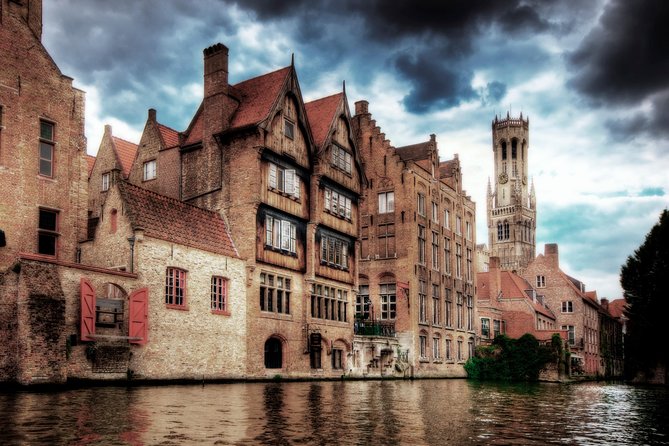
Onze-Lieve-Vrouwekerk, or the Church of Our Lady, is one of the tour’s major artistic and architectural stops. Its brick tower is the second tallest brick tower in the world, and the church contains Michelangelo’s Madonna and Child as well as the tombs of the last Dukes of Burgundy.
The guide’s 10-minute explanation helps you decide if you want to return for a longer look. That is important because a brief outdoor explanation cannot replace time inside the church. You will hear why the building matters and what to look for, then you can choose whether to pay for entry or set aside time later.
The stop also shows how Bruges gathered art and power in its churches. The Michelangelo work is a major draw, while the ducal tombs connect the church to the Burgundian rulers who helped shape the region.
I would mark this place on your personal return list, especially if religious art, medieval rulers, or brick architecture interest you.
Groeningemuseum garden and the old Tanner’s Square

The route then passes through the garden of the Groeningemuseum. Flemish masters are represented in the museum, but this walking stop is limited to about five minutes and does not promise a full museum visit.
That short pause is still useful. It gives you a visual introduction to one of Bruges’ key art institutions and helps you decide if you want to return for the paintings. If you are serious about Flemish art, do not expect the walking tour to cover the galleries in detail.
At Huidenvettersplein, the old Tanner’s Square, you hear about the unpleasant business of greasing animal skins and turning them into leather. The smellier side of medieval commerce is often left out of pretty city tours, so this stop adds welcome realism.
The square also shows how trades were grouped within the medieval city. Leather production was useful, profitable, and far from glamorous. Knowing that makes the tidy historic streets feel less like decoration and more like the remains of a working town.
Burg Square: finishing at Bruges’ political heart
The final stop is Burg Square, reached after passing the old Fishmarket. This is the political heart and birthplace of Bruges, so it makes sense as the tour’s ending point.
Ending here is practical. You are still in the center, close to other major sights, restaurants, and streets worth exploring on your own. The guide can leave you with a clearer sense of how the city developed from a local settlement into a major medieval center.
The final explanation lasts about 15 minutes, giving the guide time to tie together the themes from the walk: trade, religion, civic power, local pride, and conflict with rulers. It is also a useful place to ask final questions before you continue sightseeing.
The guides make the difference
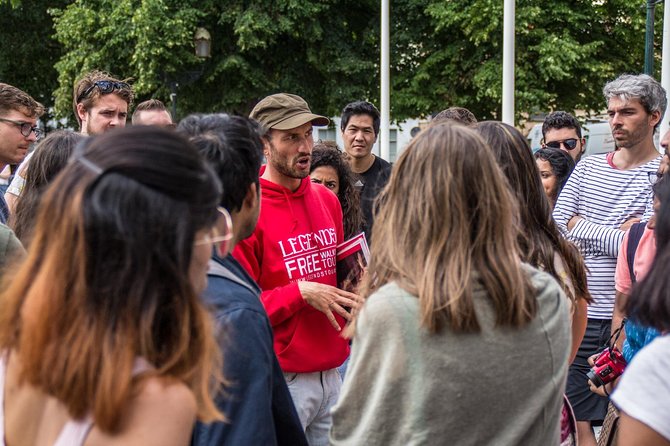
The strongest praise for this experience focuses on the guides’ storytelling, humor, clear English, and affection for Bruges. Louis is described as a Bruges-born guide whose stories and love for the city made the past feel immediate. Victoria is praised for mixing historical detail with personal flair and humor.
Martin receives repeated approval for an entertaining and detailed walk, while Sander is noted for answering questions and using visual aids. Wouter, Willem, Thomas, Erik, Emiel, Patrick, Celine, Sam, Nicholas, and others are also named positively for their warmth, local tips, humor, and ability to keep the group engaged.
That list comes with one practical caution: you cannot assume which guide you will receive. A very small group can make a major difference. One group of four had plenty of room for questions, while the maximum size is 24 people. A larger group may feel less personal, especially in noisy squares.
There was also one serious service failure involving a guide who did not appear at the meeting point. It seems to be an exception within the otherwise strong response, but it is still worth knowing before you book. Arrive at the correct Markt meeting point with your confirmation details ready, and allow a little time to identify the group.
Price, tipping, weather, and walking effort
At $3.62 per person, this is an unusually cheap way to get a guided introduction to Bruges. The listed price includes fees and taxes, but tips are recommended. One important piece of context is that guides may have to pay to conduct the tour, so I would budget a fair tip if the guide gives you a useful, engaging morning or afternoon.
The value is especially strong because the tour covers 11 stops and does not add admission charges at each one. The trade-off is that this is an overview. You receive explanations at the Belfort, church, museums, and brewery, but you do not receive a full museum visit, tower climb, brewery tour, or chocolate tasting as standard inclusions.
The tour is offered in English and accepts mobile tickets. Confirmation arrives at booking. Service animals are allowed, public transportation is nearby, and most people can take part, but you should be prepared for a sustained walk.
The experience requires good weather. If poor weather forces cancellation, you are offered another date or a full refund. You can cancel for a full refund up to 24 hours before the start time, but cancellations or changes inside that window are not refunded or accepted.
Who should book the Legends of Bruges tour?
I would choose this tour if you are visiting Bruges for the first time, have limited time, or prefer a human guide to a phone app. It suits couples, families with older children, solo visitors, and anyone who wants the main sights placed in historical order.
It is also a smart first activity because the route gives you ideas for the rest of your stay. You can return to the Church of Our Lady, climb the Belfort, visit the Groeningemuseum, or spend longer at the Beguinage.
I would hesitate if you want a slow photography walk, a full interior tour, or a detailed treatment of social and cultural life. One participant wanted more attention to those subjects, and the schedule leaves only 5 to 15 minutes at each stop. The tour gives you a strong framework, but you will need to explore further for depth.
Should you book it?
For the price, route, and guide-led stories, I think this is a smart introduction to Bruges. The best guides make the city’s trade, politics, churches, beer, and local legends easy to remember, and the end point at Burg Square leaves you well placed for the rest of your day.
Book it early in your stay, wear comfortable shoes, and do not treat the low price as a reason to skip the tip. Choose another activity if the forecast is poor or if you need a fully indoor experience. For most first-time visitors, though, this walk delivers a useful map of Bruges and enough good stories to make the city’s beautiful streets mean more.
FAQ
How long does the Legends of Bruges tour last?
The walking tour lasts approximately 2 hours and 15 minutes.
What language is the tour offered in?
The tour is offered in English.
Where does the tour start?
It starts at Pieter de Coninck en Jan BreydelMarkt, 8000 Brugge, Belgium.
Where does the tour finish?
It ends at Burg Square, at Burg 15, 8000 Brugge, Belgium.
What sights are included in the route?
The route includes Markt, the Belfort, Gruuthusemuseum, Sint-Janshospitaal, the Princely Beguinage Ten Wijngaarde, De Halve Maan Brewery, Minnewater Lake, Onze-Lieve-Vrouwekerk, the Groeningemuseum garden, Huidenvettersplein, and Burg Square.
Are entrance tickets included?
The tour lists all fees and taxes as included, but the stops are guided visits to the locations rather than separate admission visits to each museum, church, tower, or brewery. A separate ticket is needed for activities such as climbing the Belfort tower.
How large can the group be?
The maximum group size is 24 people.
Can I cancel for a refund?
Yes. You can cancel at least 24 hours before the start time for a full refund. Cancellations or changes made less than 24 hours before the start time are not refunded or accepted.
What happens if bad weather cancels the tour?
If poor weather causes cancellation, you are offered a different date or a full refund.
Latest history tours reviewed in Belgium
- Brussels: Museum Art & History Entry Ticket★ 4.5 · 58 reviews
- Brussels on Foot: Historic Center with a Local Guide in 2 hours★ 4.3 · 36 reviews
- Brussels: BELvue Belgium History Museum Entry Ticket★ 4.6 · 27 reviews
- Bruges: History, Chocolate and Beer Walking Tour★ 4.9 · 65 reviews
- Unforgettable Bruges: Sightseeings, History and Tasting.★ 4.3 · 27 reviews
- Bruges: Historical Walking Tour with Food Tasting★ 3.6 · 22 reviews
- Bruges: Nightly Tales and Untold History Walking Tour★ 4.9 · 154 reviews
- Antwerp: Private 3-Hour Historical Sightseeing Walking Tour★ 4.8 · 70 reviews
Bruges History Tours, compared.
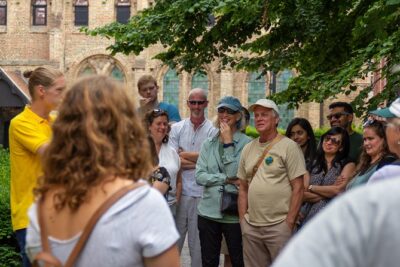
THE Storytelling Tour of Bruges | First Day Must | History & Tips
Read our review →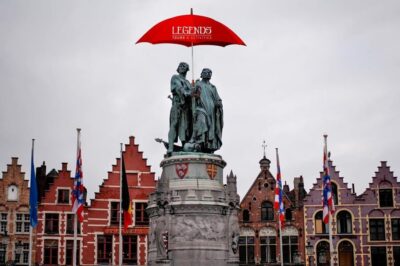
Historical Walking Tour: The Story of Bruges – by Legends
Read our review →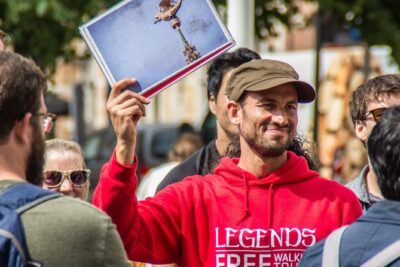
Private Historical Tour: The Highlights of Bruges
Read our review →
Bruges: Nightly Tales and Untold History Walking Tour
Read our review →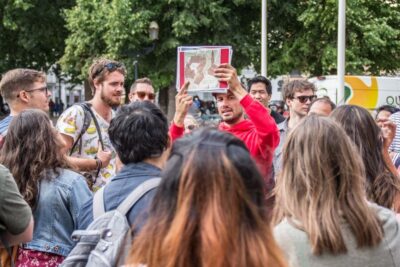
Bruges: History, Chocolate and Beer Walking Tour
Read our review →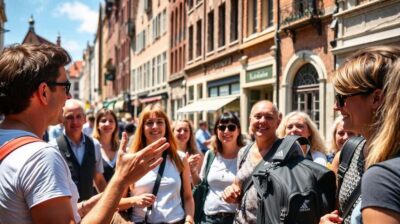
Bruges: Historical Walking Tour with Food Tasting
Read our review →Browse the lists this tour appears in