
Review · MUMBAI
Mumbai: South Mumbai Heritage Walking Guided Tour
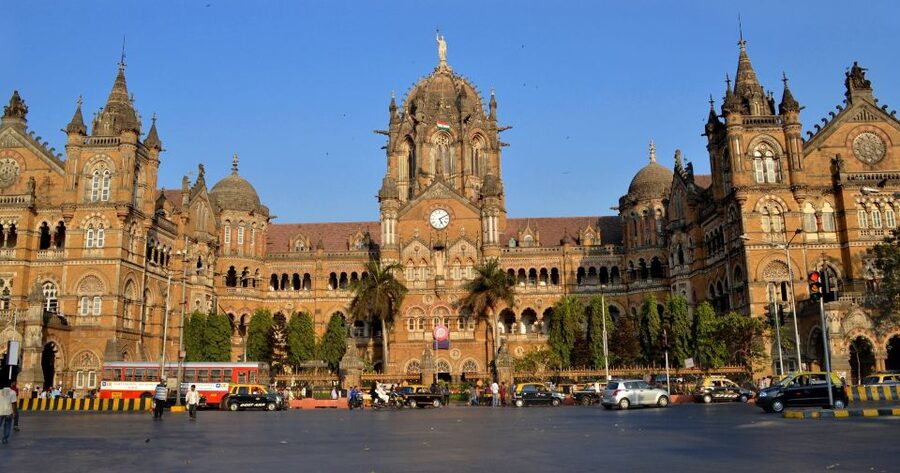
South Mumbai packs an astonishing amount of history into a walkable stretch of city. In about three hours, this tour takes you from Chhatrapati Shivaji Terminus through the old colonial center, past grand civic buildings and churches, and on toward the Gateway of India and the Taj Mahal Palace.
I like the way the walk connects famous sights rather than treating them as isolated photo stops. I also like the human touch: guides such as Sanika, Krishna, Ketan, Abhi, and Alan have been praised for answering questions, adjusting the conversation, and explaining Mumbai in a personal way. The main consideration is simple: this is a walking tour in a dense city, so you should be comfortable spending several hours on foot and dealing with the noise, traffic, and heat of South Mumbai.
Key points to know before you book
- CST begins the story with a spectacular railway station: You see one of India’s grandest public buildings and a UNESCO World Heritage Site.
- The route links major landmarks in one outing: Town Hall, St. Thomas’ Cathedral, Flora Fountain, the university, High Court, Kala Ghoda, Watson’s Hotel, the Taj Mahal Palace, and the Gateway of India are all included.
- The guides are the heart of the experience: Sanika, Krishna, Ketan, Abhi, Alan, Alkama, and others are singled out for warmth, enthusiasm, and strong local knowledge.
- You get architecture and social history together: The walk explains styles, decorative details, colonial planning, and the role these buildings still play in city life.
- The tour is listed at $28 per person: That is fair value if you want context and conversation instead of simply passing these sights on your own.
- Plans stay flexible: You can reserve now and pay later, with a full refund available when you cancel at least 24 hours in advance.
Why this three-hour walk works so well
South Mumbai is the part of the city where history is easiest to read in the streets. Railway architecture, government buildings, churches, libraries, hotels, art spaces, and public squares sit close together. You can cover a great deal on foot, but the buildings make more sense when someone explains who built them, why they were placed there, and how Mumbai changed around them.
That context is the real reason to book. You could photograph CST, Flora Fountain, and the Gateway of India on your own, but you might miss the details that link them. The tour focuses on architectural styles, planning features, ornament, and the social story behind the stone and iron.
It also gives you an early orientation to South Mumbai. Several people specifically describe the walk as a good start to a visit because it helps you understand the city before you explore on your own. I agree with that logic: after three hours, you have a useful mental map of the old center and a list of places worth revisiting.
The group was founded by Mumbai architects Abha Bahl and Brinda Gaitonde in 1999, with the goal of helping residents and visitors notice the city’s architecture and heritage monuments. That background helps explain the tour’s focus. This is not only a checklist of famous stops. It is built around looking carefully at the city.
More History Walking Tours in India
- Fontainhas Heritage Walk by Make It Happen
★ 5.0 · 2,834 reviews - The Great Indian Food Tour: Old Delhi Food and Heritage Walk
★ 5.0 · 1,698 reviews - Old Goa Heritage Walk by Make It Happen
★ 5.0 · 797 reviews
Starting at Chhatrapati Shivaji Terminus
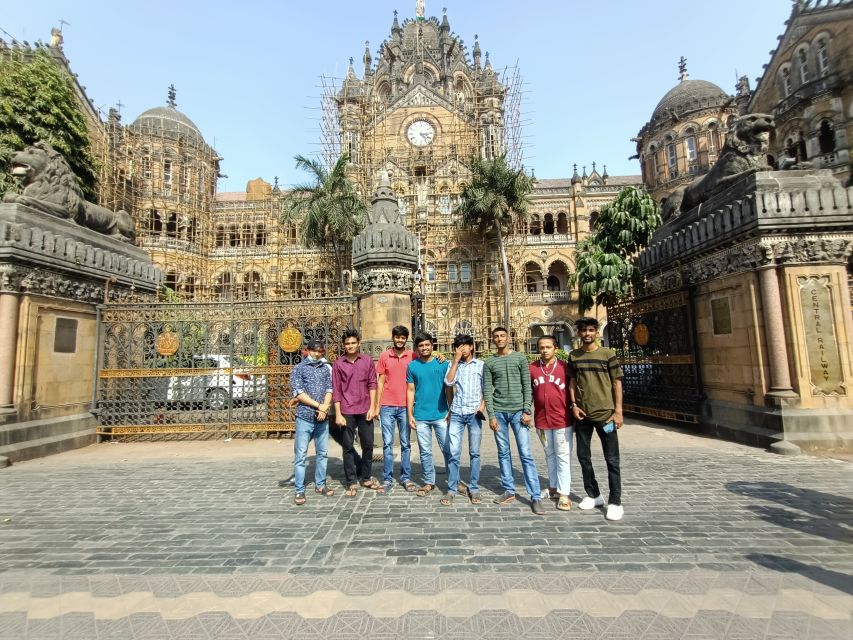
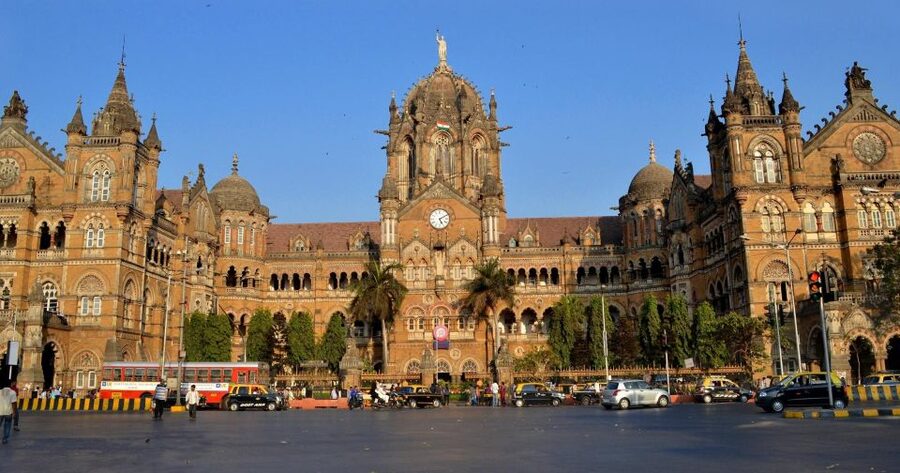
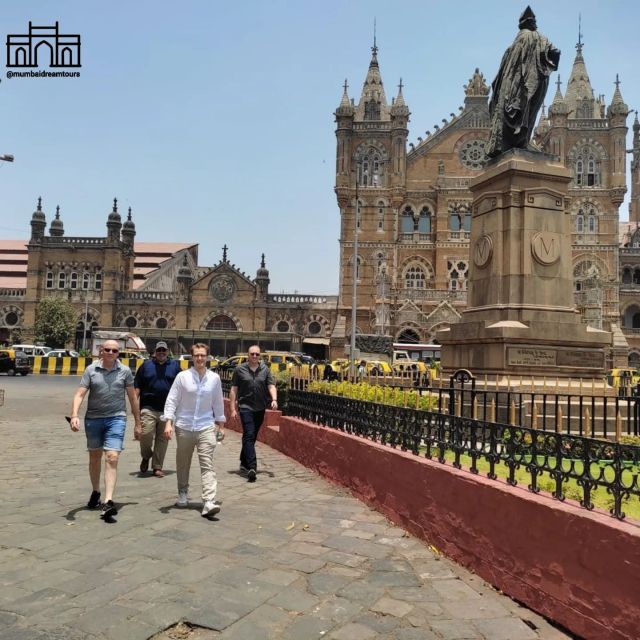
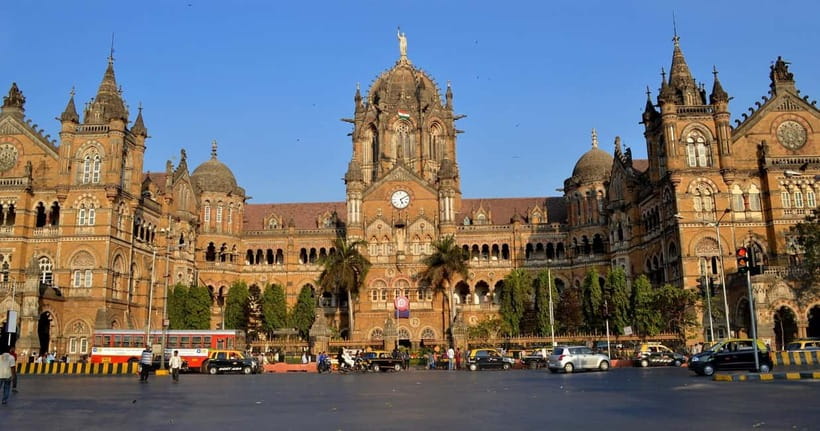
Chhatrapati Shivaji Terminus, often shortened to CST, is one of the most impressive places on the route. It is a working railway station as well as a UNESCO World Heritage Site, which gives the visit an extra layer of interest. You are not looking at a preserved building cut off from daily life. You are seeing a major piece of Mumbai still tied to the city’s movement and routines.
The station is known for its grand design, and the tour uses it to introduce the colonial-era architecture of old Mumbai. Your guide can help you look beyond the overall scale to the building’s decorative details and planning.
This is an excellent first stop because it immediately shows how ambitious Mumbai’s public architecture became. It also sets up a useful contrast for the rest of the walk: railway power, civic authority, religion, commerce, and leisure all appear in the buildings ahead.
Town Hall and the Asiatic Society Library
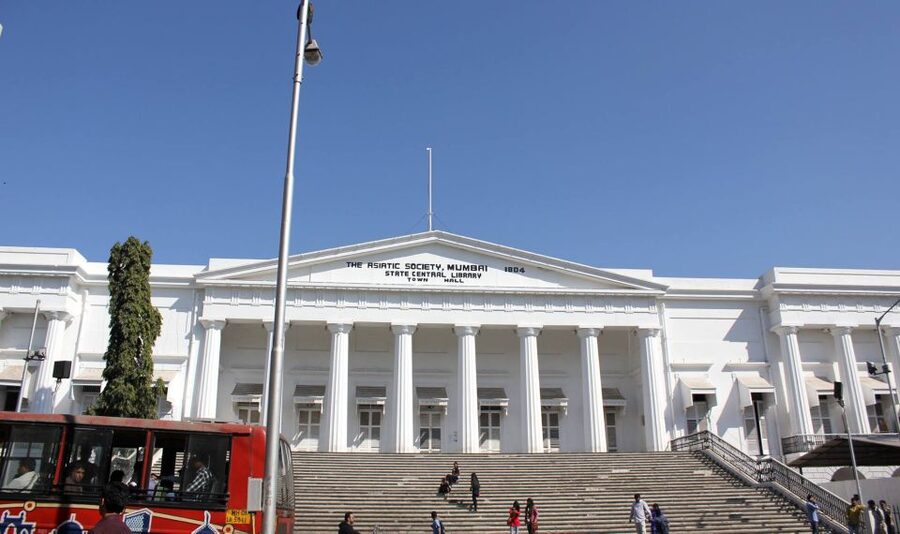
Town Hall, home to the Asiatic Society Library, brings you into one of Mumbai’s oldest library settings. The structure is colonial in style, and its role as a library gives the stop a different mood from the railway station.
I like this part of the route because it shows that the city’s heritage is not only about dramatic exteriors. Libraries and learned societies helped shape the intellectual life of Mumbai. Your guide can place the building within the wider development of the old city, making it easier to see why this area became a center for administration, education, and public debate.
The stop may appeal most to travelers who enjoy buildings with a civic or cultural purpose. If you prefer only major views, it could feel quieter than CST or the Gateway of India, but that slower pace is useful on a walking route.
St. Thomas’ Cathedral and the old civic center
St. Thomas’ Cathedral is a 300-year-old church and one of the most important religious landmarks on the walk. It belongs to the Diocese of Mumbai of the Church of North India, and its age connects the present city to an earlier period of British rule.
A guide adds value here by explaining how the cathedral fits into the development of the surrounding district. You get a sense of how religious buildings, offices, libraries, and public spaces were placed close together in the old center.
This is also one of the places where a guide’s individual interests can shape the experience. Ketan, for example, is described as studying Indian literature and archaeology, and his enthusiasm for history helped turn architectural details into a broader story. Guides such as Alan and Sanika are also praised for making the conversation relaxed rather than overly formal.
Same old streets, another chapter:
- Old Delhi Food, Heritage&Cultural Walk with Rickshaw ride to Masterji Kee Haveli
★ 5.0 · 742 reviews - Blue City Heritage Private Walking Tour With Pickup and Drop-Off
★ 5.0 · 441 reviews - Private Heritage Walking Tour in Jaisalmer Fort and Old Bazaar
★ 5.0 · 306 reviews - Old Delhi Food-Spice Market-Temples Tour Soon Featured on NETFLIX
★ 5.0 · 304 reviews
Flora Fountain and the city’s grand public buildings
Flora Fountain dates from 1864 and depicts Flora, the Roman goddess of flowers. It is a compact landmark, but it works well as a pause in the route because it sits among several important buildings and streets.
The fountain helps you understand how colonial Mumbai used monuments and public spaces to shape the appearance of the city. It is also a good place to look around instead of focusing only on one object. The surrounding architecture matters as much as the fountain itself.
From here, the route brings you toward the University of Mumbai and the Bombay High Court. The university is one of India’s oldest and premier universities, while the High Court is one of the country’s oldest high courts. Together, they show the importance of education and law in the city’s colonial civic structure.
These stops are particularly useful if you want to understand how Mumbai functioned, not just how it looked. A good explanation helps you connect the buildings to institutions that still matter today.
The University of Mumbai and Bombay High Court
The University of Mumbai gives the walk an academic dimension. Its age and standing in India make it more than an attractive old building. It represents the growth of formal education and the role of institutions in shaping public life.
The Bombay High Court adds another important piece. Its presence on the route shows how courts and government offices formed part of the same carefully planned center. You are seeing the physical setting of authority, education, and administration in one compact area.
You should keep your expectations realistic. The supplied details identify these buildings as tour stops, but they do not promise interior visits. Treat them primarily as exterior architectural and historical sights unless your guide says otherwise.
Kala Ghoda, art, and a change of mood
Kala Ghoda is a crescent-shaped art district with several heritage buildings. Compared with the formal civic center, this part of the route feels more connected to art and city culture.
The district gives the walk some variety. You are no longer looking only at courts, libraries, churches, and government structures. The route shows how historic buildings can become part of a modern arts area, and how old Mumbai continues to serve present-day cultural life.
This is a rewarding stop for anyone who likes to see how a city uses its older quarters. You may also appreciate it if you want something beyond colonial architecture, since Kala Ghoda brings art and public culture into the story.
Watson’s Hotel and cast-iron architecture
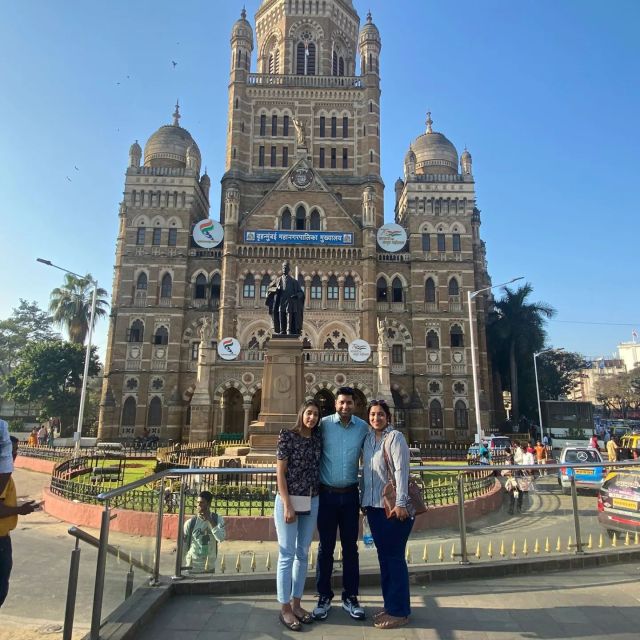
Watson’s Hotel is an unusual stop because it is identified as the earliest surviving example of cast-iron architecture in India. That makes it a useful reminder that Mumbai’s building history includes engineering and construction methods, not only stone facades and decorative motifs.
Cast iron can be easy to overlook when you are walking through a city full of grand buildings. Your guide’s role here is to point out why the structure matters and what makes it different from the masonry buildings around it.
This is the kind of detail you may miss without a local expert. The hotel may not be as polished or photogenic as the Taj Mahal Palace, but its importance comes from its construction and survival. I find that contrast valuable: heritage is not always neat, glamorous, or perfectly restored.
The Taj Mahal Palace and the Gateway of India
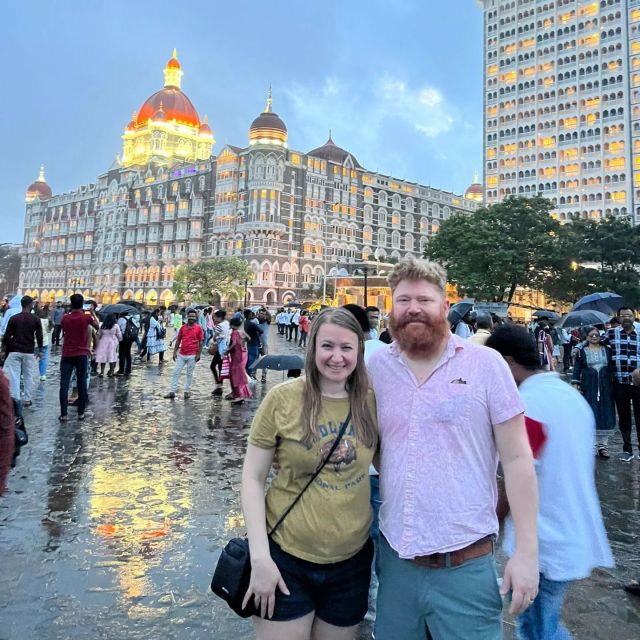
The Taj Mahal Palace is one of Mumbai’s best-known hotels and a heritage five-star property in Colaba. Its presence on the route adds a story of luxury, hospitality, and the city’s connection to international visitors.
The hotel also works as a visual counterpoint to the older civic buildings. You can compare its scale and style with the structures encountered earlier, while your guide explains how it fits into Mumbai’s development.
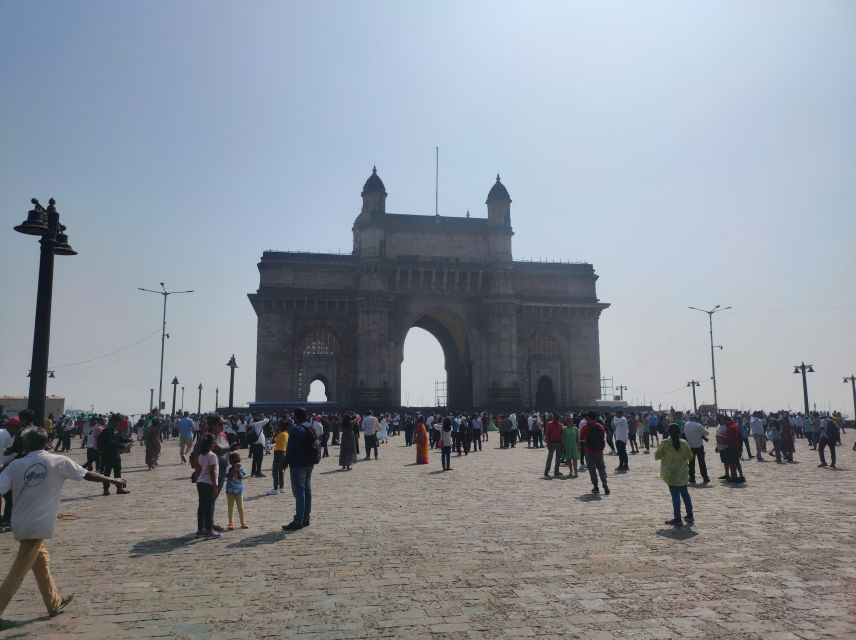
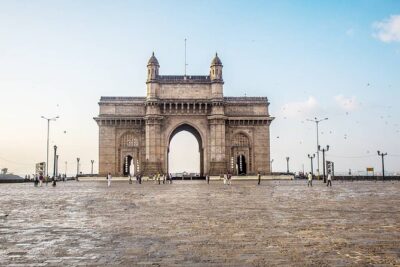
The final major stop is the Gateway of India, an arch-monument built in the early 20th century. It is one of the city’s defining sights and a fitting endpoint for a route through South Mumbai.
The Gateway is an obvious place for photographs, but the historical setting is what gives it weight. By the time you arrive, you have already seen the institutions and buildings that shaped the old center. The arch then feels less like a single postcard view and more like part of a much larger story about Mumbai, empire, trade, movement, and public identity.
The guides make the difference
The strongest part of this experience is the guide. The walk covers a lot, and the quality of the explanation determines whether the route feels like a connected lesson or a rapid list of names.
Sanika is described as warm, relaxed, and clear when explaining Mumbai’s past. Krishna is praised for answering questions and personalizing the walk, including one outing where the group size allowed a highly personal experience. Ketan brings an interest in Indian literature and archaeology, while Abhi is noted for strong knowledge of Mumbai and an easy manner.
Alan is described as both well informed and a good conversationalist. Alkama is praised for enthusiasm about the city’s landmarks and history. These details matter because a walking tour depends on interaction. You should feel free to ask questions rather than simply follow a guide from one monument to the next.
The guide names may vary on your date, so do not book solely to meet one particular person. Instead, expect an English-language tour shaped by the guide’s own interests and willingness to talk with you.
Is $28 good value?
At $28 per person, the tour is reasonably priced for a guided walk covering this many major sites. You are paying for about three hours of route planning, historical interpretation, and local conversation, not for admission to a series of paid attractions.
That distinction matters. The value is highest if you would otherwise walk past the buildings without understanding them. It is also good value at the beginning of a Mumbai visit, when a clear introduction can help you use the rest of your time more wisely.
The price may feel less worthwhile if you prefer exploring alone, moving quickly, or taking photographs without stopping for explanations. South Mumbai is accessible to independent visitors, and you can see many of these landmarks from outside. The tour earns its cost through the stories, connections, and questions.
You can reserve your place and pay later, which helps if your schedule is still taking shape. Cancellation is allowed for a full refund up to 24 hours in advance.
Who should take this walk?
I would recommend it to first-time visitors who want a clear introduction to South Mumbai. It suits people who enjoy architecture, urban history, public institutions, and the small details that make old buildings worth a closer look.
It is also a good choice if you prefer learning through conversation. The guides are repeatedly praised for being friendly, enthusiastic, and willing to answer questions. Solo visitors may especially appreciate the personal exchange, and a small group can allow the guide to adjust the walk to your interests.
Families and mixed-interest groups can benefit too, since the route includes trains, churches, courts, libraries, hotels, art districts, and a major monument. Still, the walking format is the key limitation. If you do not enjoy several hours on foot, this may not be the right way to see the area.
Should you book the Mumbai Heritage Walk?
Book it if you want South Mumbai to make sense, not just look impressive. The route gathers the city’s major heritage sights into one well-shaped walk, and the guide adds the missing links between architecture, institutions, and daily life.
I would especially choose it for a first day in Mumbai, when the three-hour format can help you get your bearings. The strongest reason to go is the guide-led interpretation, with people such as Sanika, Krishna, Ketan, Abhi, Alan, and Alkama bringing different interests and personalities to the route.
Skip it if you want a quiet, self-directed photo walk or if several hours of city walking sounds tiring. For most visitors interested in Mumbai’s old center, though, $28 is a sensible price for a lively, informative introduction to the city’s grandest streets.
FAQ
How much does the Mumbai South Mumbai Heritage Walking Tour cost?
The tour costs $28 per person.
How long does the walking tour last?
The experience is described as a three-hour walking tour.
What language is the tour offered in?
The tour is offered in English.
Which major landmark begins the heritage route?
Chhatrapati Shivaji Terminus is included as one of the main stops.
Does the tour visit the Gateway of India?
Yes. The Gateway of India is included in the walking route.
Which religious building is included?
St. Thomas’ Cathedral is included. It is described as a 300-year-old cathedral church of the Diocese of Mumbai of the Church of North India.
Does the walk include Kala Ghoda?
Yes. Kala Ghoda, the crescent-shaped art district, is part of the experience.
Can I pay later?
Yes. You can reserve your place and pay nothing at the time of booking.
What is the cancellation policy?
You can cancel up to 24 hours in advance for a full refund.
Who operates the tour?
The experience is provided by Mumbai Dream Tours.
Latest history tours reviewed in India
- Fort Kochi Heritage Day Cycling Tour★ 4.2 · 26 reviews
- Candolim: Heritage Walk of Fort Aguada Port and Jail Complex★ 4.9 · 25 reviews
- Agra Fort: Guided UNESCO Heritage Walking Tour★ 4.9 · 21 reviews
- World heritage Ahmedabad city tour in private car with guide and lunch★ 5.0 · 44 reviews
- Private Elephanta Caves UNESCO World Heritage Site Tour★ 5.0 · 34 reviews
- Hill-station & Heritage: Lonavala & Karla Caves Tour from Mumbai★ 5.0 · 60 reviews
- Best South Mumbai Heritage Walk★ 5.0 · 122 reviews
- Heritage Walk: Recommended by Gigi Hadid as a must-do in Mumbai★ 5.0 · 122 reviews
Mumbai History Tours, compared.

Heritage Walk: Recommended by Gigi Hadid as a must-do in Mumbai
Read our review →
Hill-station & Heritage: Lonavala & Karla Caves Tour from Mumbai
Read our review →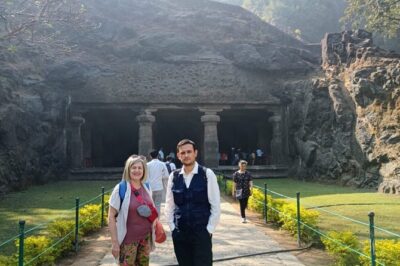
Private Elephanta Caves UNESCO World Heritage Site Tour
Read our review →Browse the lists this tour appears in