

Review · MUMBAI
Heritage Walk: Recommended by Gigi Hadid as a must-do in Mumbai
South Mumbai reveals its best stories on foot, and this private walk links them neatly. You begin near Town Hall and the Asiatic Society, pass old commercial and civic landmarks, pause for a snack at Yazdani, then finish near Kala Ghoda and the old docks. Along the way, you hear about Bombay’s Fort walls, Jewish and Parsi communities, the stock market, Watson Hotel, and the city’s connection to the American Civil War.
I like the private format, since your guide can adjust the pace and focus. I also like the Yazdani stop, a small but useful break during a long walk, rather than another look at a grand facade. Guides Meherbeen and Dereck have shown the value of that flexibility, adjusting the route to suit the group and, in Dereck’s case, waiting for a late arrival.
The main drawback is clear: this is largely an exterior walking tour. You may hear fascinating stories about important buildings without going inside them. Plan on 3 to 4 hours on your feet, and keep in mind that the pickup timing and route can change with traffic and local conditions.
Key points before you book
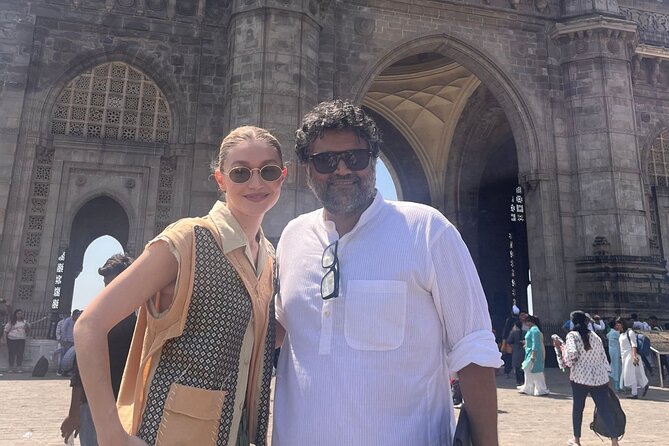
- Start at Town Hall and finish in Kala Ghoda: The route crosses the historic Fort district and ends at Ador House near the art precinct.
- Private guide, not a large group: Only your party takes part, which allows room for questions and changes in emphasis.
- A snack at Yazdani is included: You get a quick bite at one of Mumbai’s old Parsi bakeries during the walk.
- The stories go beyond architecture: Expect subjects such as the Sassoon family, Mumbai’s Jewish community, the Bombay Stock Exchange, and the American Civil War.
- Hotel pickup is offered: Pickup and drop-off are included, though extra transport costs apply for hotels in suburban Mumbai.
- Expect outdoor sightseeing: The tour does not promise interior visits, so it suits you best if you enjoy streets, facades, and local storytelling.
Why this walk gives you a useful first look at Mumbai
South Mumbai can feel like several cities pressed together. Colonial-era civic buildings sit near financial offices, markets, religious sites, art galleries, and old docks. A guide helps you connect those pieces instead of treating each stop as a separate photo opportunity.
The route also gives you a quick grounding in Bombay’s growth. You start at the old Fort area, where the city’s early boundaries shaped its streets and trade. By the end, you are near the docks and Kala Ghoda, with stories about business, immigration, religion, art, and international trade.
That range is the real value here. You are not spending the whole morning on one famous monument. You are getting a street-level introduction to how Mumbai developed and who helped build it.
The booking price is $44.39 per person. For a private 3 to 4 hour experience with a professional guide, hotel pickup and drop-off, the included snack, and no admission charges at the listed stops, that can be fair value, especially for two or more people sharing the guide’s attention. The value is lower if you want entry into major buildings or a museum-heavy tour, since the listed stops are viewed from the outside unless the guide or local conditions allow otherwise.
More History Walking Tours in India
- Fontainhas Heritage Walk by Make It Happen
★ 5.0 · 2,834 reviews - The Great Indian Food Tour: Old Delhi Food and Heritage Walk
★ 5.0 · 1,698 reviews - Old Goa Heritage Walk by Make It Happen
★ 5.0 · 797 reviews
Town Hall and the Asiatic Society: begin with Bombay’s old Fort
Your first meeting point is outside the Asiatic Society at Town Hall, behind the old Bombay Castle area. This is a smart place to begin because the tour starts with the city’s earliest European fortifications rather than jumping straight to modern Mumbai.
The opening story concerns Bombay Fort and the way the fortified settlement shaped the city. You get a sense of why the Fort district matters before walking into its streets. The stop itself is short, about five minutes, but it gives your guide a clear starting point.
The nearby Asiatic Society receives a longer look. This building carries stories from the mid-1800s, including the first public display of gas lights in Mumbai and an amusing anecdote involving Jinnah. Those small human details are useful. They keep the stop from becoming a list of dates and building names.
You should not expect a full library visit or a long interior tour here. The value is in the context your guide gives you while standing in one of the city’s key civic areas.
Horniman Circle and St. Thomas Cathedral: a measured walk through the Fort
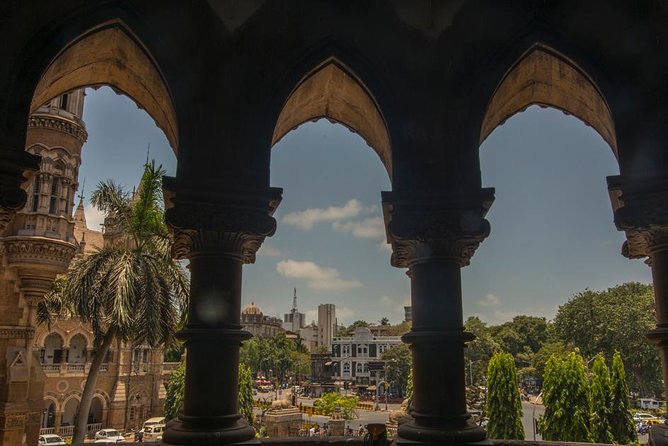
From Town Hall, you walk through the Horniman Circle precinct toward St. Thomas Cathedral. The garden and surrounding buildings make this one of the more pleasant stretches of the route, with enough open space to pause and look around.
The walk takes about 20 minutes. That matters because the tour is not a hop between isolated landmarks. You move through the district and see how the streets, gardens, offices, and religious buildings fit together.
This is also where you should settle into the walking pace. The tour requires moderate physical fitness, but it is not described as a strenuous hike. Comfortable shoes are still a sensible choice. Mumbai traffic and crowded streets can slow the group, and the sequence of stops may change according to conditions.
Yazdani Restaurant and Bakery: a practical break with Parsi flavor
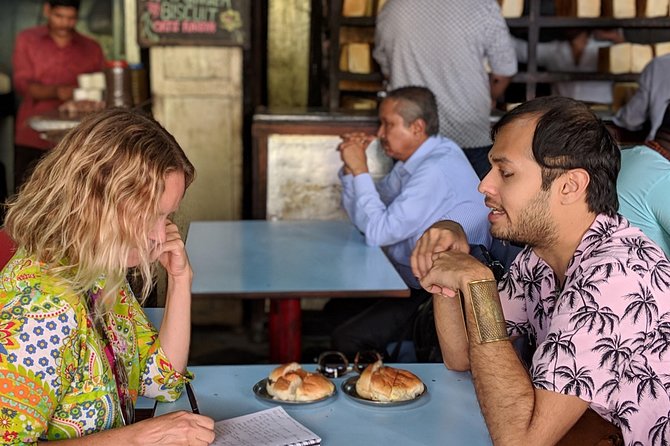
After the first group of historic stops, you pause at Yazdani Restaurant and Bakery for a quick bite. The snack is included, and this is one of the strongest touches in the experience.
Yazdani gives the walk a lived-in stop rather than another formal landmark. It brings in Mumbai’s Parsi food and business traditions and gives you a chance to sit or pause during a morning or afternoon spent outside.
Do not expect a full meal. The description promises a quick bite, not lunch, so you may still need to plan another meal later. Still, a short food stop helps break up the sightseeing and adds a local setting to the route.
One useful detail from the experience is the mention of mint chai. If your guide offers or points out a local drink, it can become one of those small discoveries that makes the walk more personal. The exact food and drink experience may depend on the day and the guide, so I would treat the snack as a welcome sample rather than a culinary tour.
Same old streets, another chapter:
- Old Delhi Food, Heritage&Cultural Walk with Rickshaw ride to Masterji Kee Haveli
★ 5.0 · 742 reviews - Blue City Heritage Private Walking Tour With Pickup and Drop-Off
★ 5.0 · 441 reviews - Private Heritage Walking Tour in Jaisalmer Fort and Old Bazaar
★ 5.0 · 306 reviews - Old Delhi Food-Spice Market-Temples Tour Soon Featured on NETFLIX
★ 5.0 · 304 reviews
Flora Fountain and Hutatma Smarak: where the city pushes beyond the Fort
Flora Fountain marks the expansion of Bombay beyond the old Fort limits. The fountain itself is a well-known civic landmark, but the guide’s explanation gives it more purpose. You learn how the city’s boundaries changed as Bombay grew.
The stop also brings in the division of Maharashtra and the nearby Hutatma Smarak. That combination links urban development with the political story of the state. It is a good example of what this tour does best: use a street corner to explain a larger change.
You spend about 15 minutes here. That is enough for photographs and a focused explanation, but not enough for a long, quiet visit. The area is a working part of central Mumbai, so you should expect traffic, noise, and movement rather than a calm monument plaza.
The Bombay Stock Exchange: from a banyan tree to a financial center
The Bombay Stock Exchange stop offers one of the clearest growth stories on the route. Your guide explains how the institution began under a banyan tree and developed into the major structure you see today.
That story works because it gives scale to Mumbai’s financial rise. A market that began informally became an institution with national importance. You do not need a background in economics to appreciate the change.
The stop lasts about 10 minutes and is viewed from outside. The building is important, but the explanation is the main attraction. If you are hoping to enter the exchange or see trading floors, this tour does not promise that.
I find this kind of short stop useful early in a Mumbai visit. It helps you notice how much of the city’s architecture grew from trade and finance, not only from government or religion.
Keneseth Eliyahoo Synagogue and the Sassoon family
The next stop is Keneseth Eliyahoo Synagogue, a brief five-minute visit focused on Mumbai’s Jewish heritage and the Sassoon family. The time is short, but the subject adds an important layer to the city’s story.
The Sassoons played a major part in Mumbai’s commercial development, and their connection to the city appears again in the Kala Ghoda section. That repeated thread is helpful. You begin to see how one family’s business activities connect different parts of South Mumbai.
This is another stop where you should set your expectations carefully. The tour description does not guarantee entry into the synagogue. You may be viewing the exterior while the guide explains its background. If religious interiors are your main interest, ask the operator in advance about what is possible on your date.
Kala Ghoda: art, iron, and the Watson Hotel
The Kala Ghoda Art Precinct receives about 25 minutes, making it one of the longer stops. This area is a natural place to finish the central city portion of the walk because it brings together art, architecture, commerce, and old social history.
Your guide connects the precinct with the Sassoon family and Mumbai’s Jewish past, then turns to Watson Hotel. The hotel is described as the city’s first iron-cast building and is linked with Mark Twain. That is the sort of odd, memorable fact that helps a street walk stay with you after the tour ends.
Kala Ghoda is also a useful area to continue exploring on your own. The tour ends nearby at Archana and Harish Mittal Art Initiative, Ador House, on K. Dubash Marg. Since the end point is in the art precinct, you can continue with nearby galleries or arrange your next stop from there, though the tour itself does not include additional admissions.
The limitation remains the same: you are mainly seeing the area from the street. If you want extended gallery visits, plan them separately.
Lion Gate and the old docks: finish with bigger international stories
The final stop is Lion Gate near Mumbai’s old docks. Here the guide turns from buildings to wider stories, including the mysterious Ice King, Mumbai’s connection to the American Civil War, and other dockside tales.
This is a strong way to finish because ports explain why Mumbai became so important. Trade, shipping, migration, and foreign conflicts all left marks on the city. The stop lasts about 15 minutes and gives the walk a broader ending than simply finishing at an art gallery.
The exact sequence can change at the guide’s discretion. Traffic and local conditions may also affect the start and end time. That flexibility is useful in a city where road conditions can reshape a morning, but it means you should avoid scheduling a tight appointment immediately afterward.
What the private format adds
A private tour makes the most sense here. The route covers many subjects in a short time, from Bombay Castle to Jewish heritage and the stock exchange. With only your group taking part, you can ask for more detail on the topics that catch your attention.
The guides named in the experience, Meherbeen and Dereck, also show how much the quality depends on the person leading the walk. Meherbeen adjusted the experience to specific interests, while Dereck waited for a group that was running late and adapted the route. Those details suggest a useful degree of human flexibility, though no guide can control traffic, weather, or access to buildings.
You can also ask questions without worrying about slowing a large group. That matters if you want to understand the political history around Hutatma Smarak, the business story of the BSE, or the role of the Sassoons.
Pickup, timing, and the walking effort
Hotel pickup and drop-off are included, which simplifies the start of a South Mumbai tour. There is an important catch: extra transport costs apply for pickup from Mumbai suburban hotels. If you stay outside South Mumbai, confirm the charge before booking.
The walk takes approximately 3 to 4 hours. One experience included a local bus ride during a 3.5 to 4 hour outing, but bus use is not listed as a standard inclusion, so do not assume it will be part of your route.
The tour requires moderate physical fitness. You should be comfortable walking between stops, standing during explanations, and handling busy city conditions. Children below age nine can join free of charge. The tour does not operate on the day of the Mumbai Marathon.
A mobile ticket is available, and confirmation arrives when you book. The provider may cancel the experience at its discretion and will notify you in advance. Poor weather can also lead to a cancellation, with a different date or full refund offered.
For cancellations you make yourself, full refunds are available when you cancel at least 24 hours before the start time. Changes made inside that window are not accepted.
Who should book this South Mumbai walk?
I would choose this tour for a first visit to Mumbai, especially if you want a clear introduction before exploring the city alone. It suits you if you like walking, local anecdotes, old commercial districts, and a guide who can connect several communities and periods in one morning.
It is also a good fit for couples, families with older children, and small groups who prefer a private pace. The free admission at the listed stops keeps the price focused on the guide, transport, and snack rather than entry tickets.
I would hesitate if your top priority is going inside landmark buildings, spending long periods in galleries, or sampling many foods. This is a street-based history walk, not an interiors tour or a full food experience. Hot weather, rain, traffic, and changing access can also affect the rhythm.
Should you book it?
Book it if you want to get your bearings fast in South Mumbai while hearing stories that link Fort, Kala Ghoda, the docks, and Mumbai’s many communities. The private guide, hotel pickup, Yazdani snack, and flexible route make the $44.39 price reasonable for a focused introduction.
Skip it if exterior sightseeing will leave you dissatisfied. The tour’s best moments come from the guide’s storytelling and the connections between places, not from entering grand buildings. Ask for Meherbeen or Dereck if their availability is known, bring comfortable shoes, and leave space after the walk in case Mumbai traffic shifts the timing.
FAQ
How long does the Heritage Walk take?
The experience lasts approximately 3 to 4 hours.
Where does the tour start and finish?
It starts at the Asiatic Society in Town Hall, South Mumbai. It finishes at the Archana and Harish Mittal Art Initiative at Ador House in Kala Ghoda.
Is hotel pickup included?
Hotel pickup and drop-off are included. An additional transport cost applies for pickup from Mumbai suburban hotels.
Is this a private tour?
Yes. Only your group participates, with a professional guide.
Is food included?
A quick bite at Yazdani Restaurant and Bakery is included. Additional meals and drinks are not listed as inclusions.
Can I cancel for a refund?
You can receive a full refund if you cancel at least 24 hours before the local start time. Cancellations or changes made less than 24 hours before the start are not refunded or accepted.
Latest history tours reviewed in India
- Fort Kochi Heritage Day Cycling Tour★ 4.2 · 26 reviews
- Candolim: Heritage Walk of Fort Aguada Port and Jail Complex★ 4.9 · 25 reviews
- Agra Fort: Guided UNESCO Heritage Walking Tour★ 4.9 · 21 reviews
- World heritage Ahmedabad city tour in private car with guide and lunch★ 5.0 · 44 reviews
- Private Elephanta Caves UNESCO World Heritage Site Tour★ 5.0 · 34 reviews
- Mumbai: South Mumbai Heritage Walking Guided Tour★ 4.5 · 69 reviews
- Hill-station & Heritage: Lonavala & Karla Caves Tour from Mumbai★ 5.0 · 60 reviews
- Best South Mumbai Heritage Walk★ 5.0 · 122 reviews
Mumbai History Tours, compared.
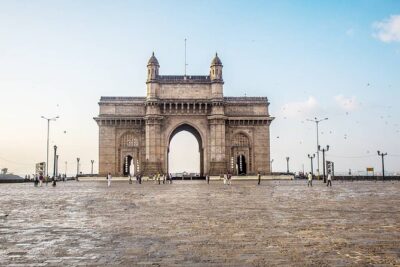
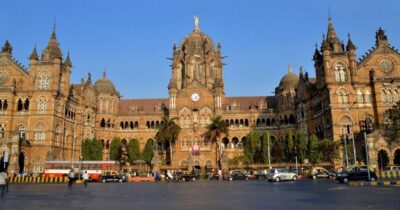
Mumbai: South Mumbai Heritage Walking Guided Tour
Read our review →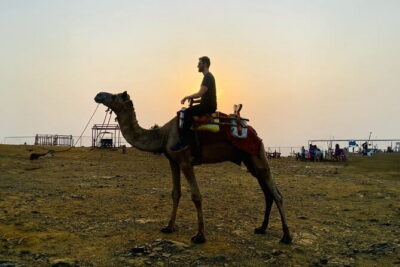
Hill-station & Heritage: Lonavala & Karla Caves Tour from Mumbai
Read our review →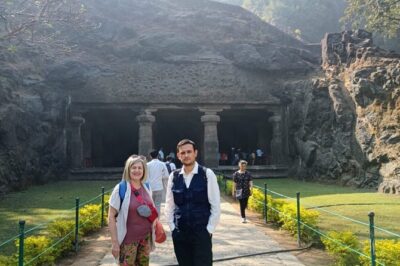
Private Elephanta Caves UNESCO World Heritage Site Tour
Read our review →Browse the lists this tour appears in