
Review · CAIRO
Old Cairo Guided Walk Tour: History, Culture & Street Bites
Old Cairo is best understood on foot, one carved doorway, quiet courtyard, and crowded market lane at a time. This tour takes you from Bab al-Futuh through the heart of Islamic Cairo, pairing major monuments with small street scenes and local food. I like the route because it gives you both grand Mamluk architecture and everyday Cairo in a single morning.
I especially like the inclusion of Bayt al-Suhaymi, an Ottoman-era house that shows how people once lived, and the food stop at the end. Guides such as Randa and Nahed have earned repeated praise for making history clear, funny, and personal. The main drawback is physical: rough streets, stairs, heat, and a fairly full three to four hours can wear you down.
Old Cairo in four hours: what matters most
- Bab al-Futuh begins the story with one of Cairo’s great medieval gates and a useful meeting point.
- Bayt al-Suhaymi offers a rare look at domestic Ottoman architecture, not just religious monuments.
- El Moez Street links the sights through old stone buildings, shops, cafés, and narrow lanes.
- Sultan Barquq and the Qalawun Complex show the scale and detail of Mamluk Cairo.
- Khan el Khalili comes with help from your guide, useful in a market where selling pressure can be tiring.
- Local food is part of the price, with koshary or Egyptian pie, plus zalabya, halabessa, or similar snacks.
Starting at Bab al-Futuh, Cairo’s old northern gate
The tour begins in front of Bab al-Futuh, one of the surviving gates of Cairo’s old city walls. It is a strong starting point because the gate immediately gives you a sense of scale. You are not entering a museum district designed for visitors. You are stepping into a working part of Cairo, where medieval buildings share space with shops, traffic, cafés, and daily life.
Your Egyptologist guide should meet you here and set the scene before the walking begins. Guides assigned to this experience have included Randa, Nahed, Ruby, Ehab, Dina, Ahmed, Samaa, and others. The exact guide is not guaranteed, but the repeated praise for guides such as Randa and Nahed points to the most important feature of the tour: clear storytelling makes this dense district much easier to understand.
Allow time to arrive at Bab al-Futuh. If you choose hotel pickup, collection is available from Cairo or Giza city limits, but traffic can be slow. One booking included a delay of more than 30 minutes caused by a driver unfamiliar with the roads. The walking portion may be punctual, but Cairo traffic is not something to underestimate.
More Local Culture and Traditions Tours in the world:
- Amsterdam Food and Cultural Tour with Tastings
★ 5.0 · 4,315 reviews - Sevilla Food Tour: Tapas, Wine, History & Traditions
★ 5.0 · 3,468 reviews - Tromsø: Reindeer Camp and Sami Cultural Tour with Lunch
★ 4.7 · 3,326 reviews
Al-Hakim Mosque and a quieter side of Cairo
The first major stop is Al-Hakim Mosque, one of Cairo’s oldest and largest Fatimid mosques. You will see broad stone walls, large minarets, and a courtyard that can feel calmer than the streets outside.
This is a useful place to begin the religious architecture portion of the tour. Your guide can point out the difference between the mosque’s wide, open layout and the more decorated Mamluk buildings later in the route. The visit is scheduled for about 25 minutes, so expect an introduction and focused sightseeing rather than a slow architectural study.
Religious sites require respectful clothing. Wear loose clothes covering your shoulders, arms, legs, and knees. Women should carry a scarf for mosque visits. This is not just a dress code issue. Comfortable, modest clothing also makes the rest of the walk easier in Cairo’s busy streets.
Bayt al-Suhaymi, where architecture becomes personal
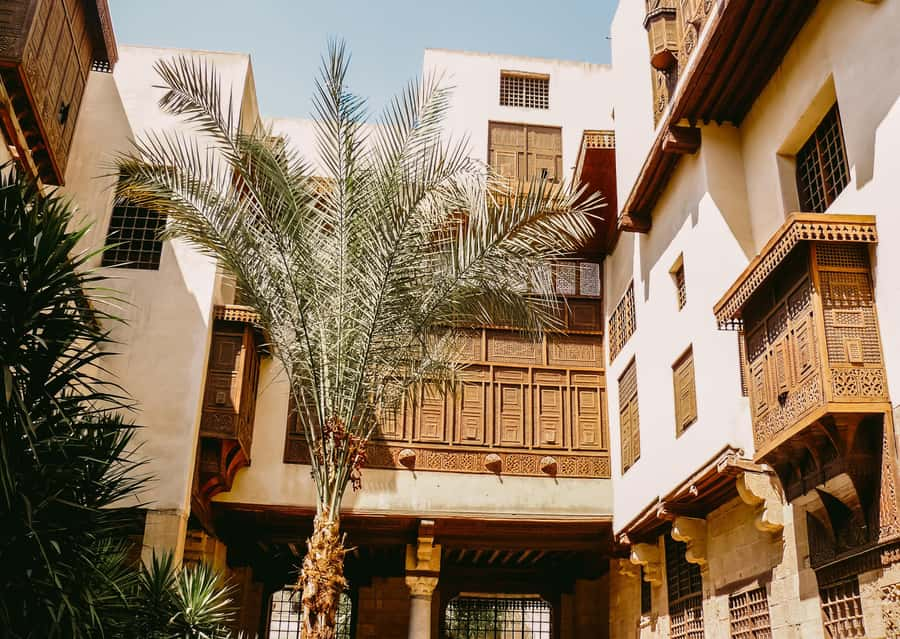
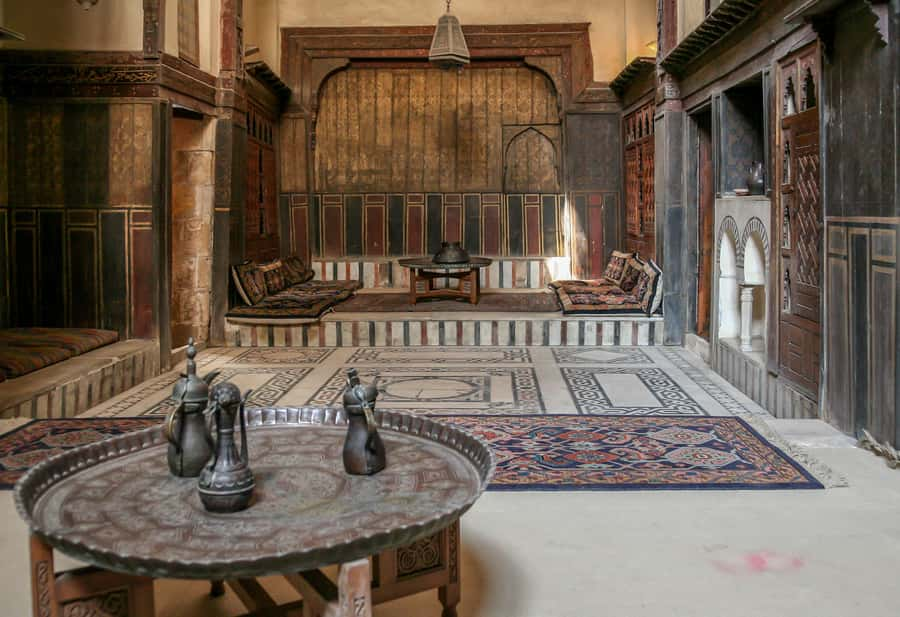
Bayt al-Suhaymi is one of the most valuable stops because it shifts attention from rulers and religious institutions to home life. This 17th-century Ottoman residence includes rooms and a courtyard that show the design of a traditional Cairo house.
I like this stop because a residence can explain the past in a more direct way than a monumental mosque. Look for the relationship between enclosed rooms, open space, shade, and privacy. Your guide will explain how the house reflects the lifestyle of earlier Cairo residents, giving you a better sense of how people used the buildings around you.
The visit takes about 25 minutes. You will need to keep moving with the group, but the stop is long enough to appreciate the house and ask questions. If you are especially interested in domestic architecture, tell your guide early. Guides such as Randa and Nahed have been praised for answering questions and adjusting their explanations to the group.
El Moez Street, the walk between monuments
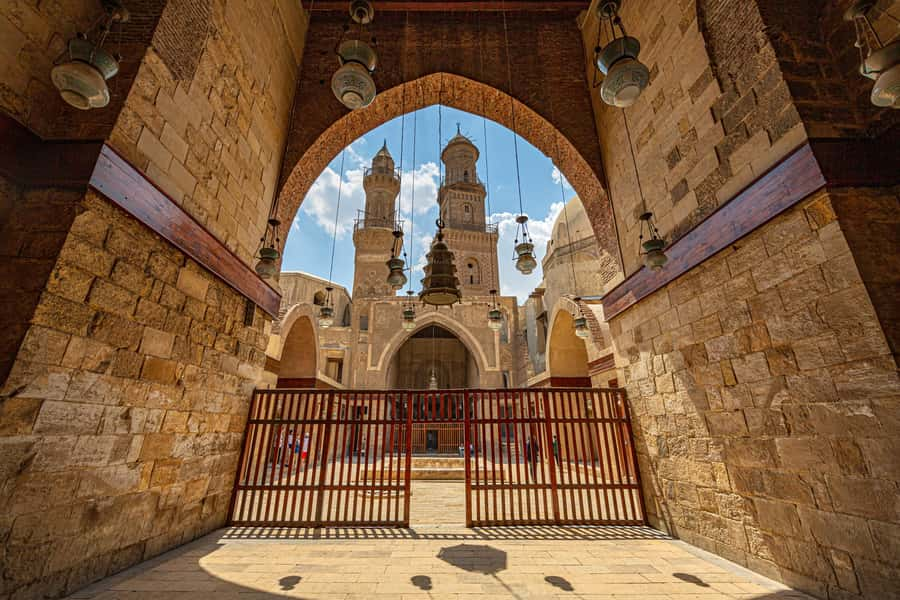
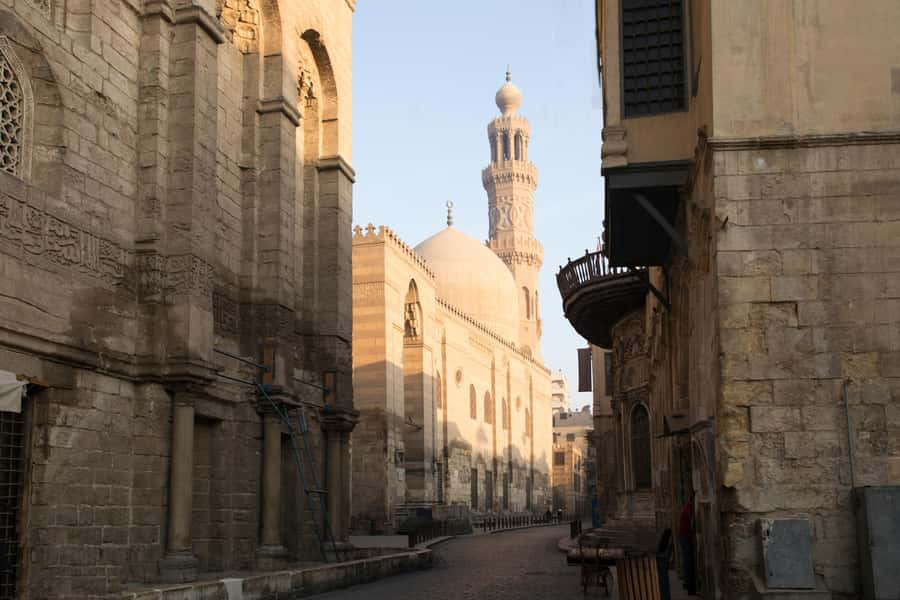
El Moez Street is the connecting thread of the tour. This historic road is lined with Islamic buildings, local vendors, cafés, and old doorways. The route gives you a chance to see how Cairo’s historic core functions as a real neighborhood, not only as a collection of preserved sites.
The scheduled walk here is about 15 minutes, though the full experience of moving through the district takes longer. Keep your camera ready, but also watch your footing and the people around you. Streets can be uneven, and the area can become crowded.
This is one of the places where a guide earns the price of admission. On your own, you may walk past a doorway or carved façade without knowing what it is. A good guide can explain what you are seeing while keeping the group together and helping you handle persistent sellers.
The tour is not designed for a leisurely café crawl. It moves from site to site, with short stops and a fairly steady pace. One person felt a longer break would have helped, and that is fair. If you need frequent rests, this route may feel demanding.
More History Walking Tours in the world:
- History and Hauntings of Salem Guided Walking Tour
★ 5.0 · 14,564 reviews - Lisbon: History, Stories and Lifestyle Walking Tour
★ 4.8 · 10,902 reviews - Boston: Freedom Trail History Small Group Walking Tour
★ 5.0 · 6,450 reviews - Historic Charleston Guided Sightseeing Walking Tour
★ 5.0 · 6,216 reviews
Sultan Barquq and the Mamluk taste for detail

The Mosque and Khanqah of Al-Nasir Faraj Ibn Barquq is one of the tour’s architectural highlights. The building served as a mosque, madrasa, and Sufi lodge, showing how religious education, worship, and spiritual life were connected in medieval Cairo.
The Mamluk period is easier to appreciate here because the building is not just a shell to photograph. Your guide can explain how the complex worked and why its design mattered. Look for the layered stonework, large interior spaces, and careful decoration.
The visit is planned for about 20 minutes. That is enough for a guided overview, but not enough to examine every feature. If you love architecture, you may wish the tour spent longer inside. The benefit of the shorter stop is that you still cover several major places without turning the entire walk into one long lecture.
The Qalawun Complex and Cairo’s medieval power
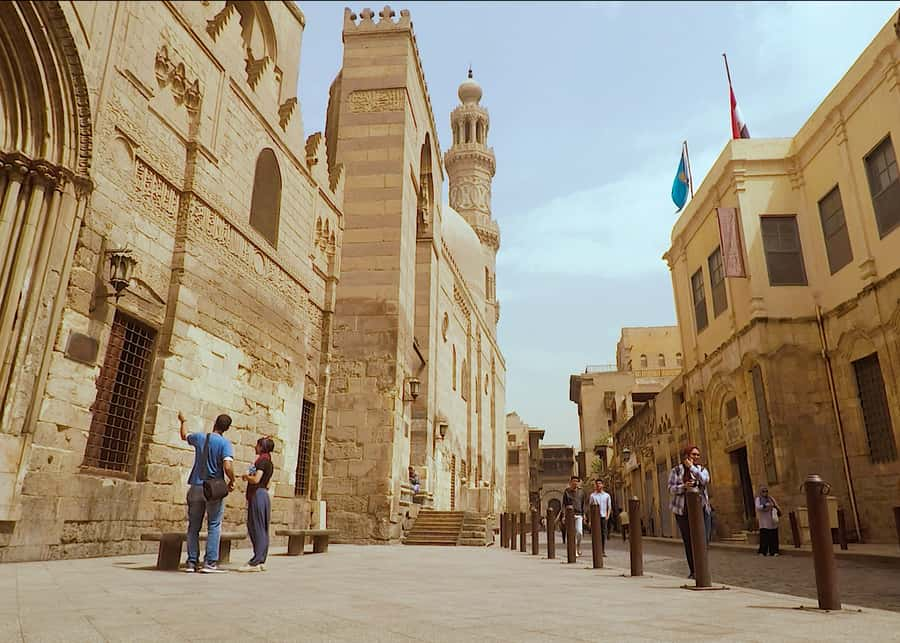
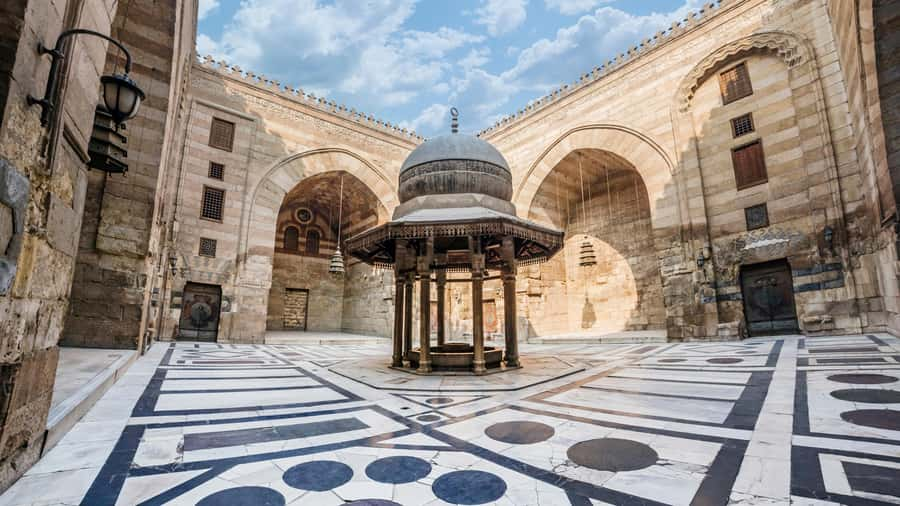
Nearby, the Qalawun Complex brings together a mosque, madrasa, and mausoleum. It is one of the clearest examples on this route of a ruler using architecture to express religious devotion, political power, and public responsibility.
The complex is scheduled for about 25 minutes. This gives you time to understand the basic plan and hear the story behind the buildings. The guide’s explanation matters here because the details can blur together after several mosques. A strong guide will help you remember what makes Qalawun different from Barquq and Al-Hakim.
The sequence may change if a site is closed. That flexibility is sensible in a historic district where access can shift. You should expect the main character of the walk to remain the same, even if the order changes.
Al-Hussein Mosque and a moment to slow down
The tour continues to Al-Hussein Mosque, located in the center of Islamic Cairo. This stop adds a more active religious atmosphere after the earlier architectural visits. The mosque is associated with deep spiritual importance, and your guide will explain its place in Cairo’s religious life.
The scheduled visit is about 20 minutes. It is a good moment to lower your voice, observe local customs, and take a break from the market noise. You may not get a long period for private reflection because this is a guided group visit, but the setting provides a change of pace.
Dress rules matter here as well. Carry a scarf and avoid shorts or sleeveless clothing. Also remember that this is a place of worship, not just a sightseeing stop. Follow your guide’s instructions and be attentive to prayer activity.
Khan el Khalili, shopping with a bit of protection
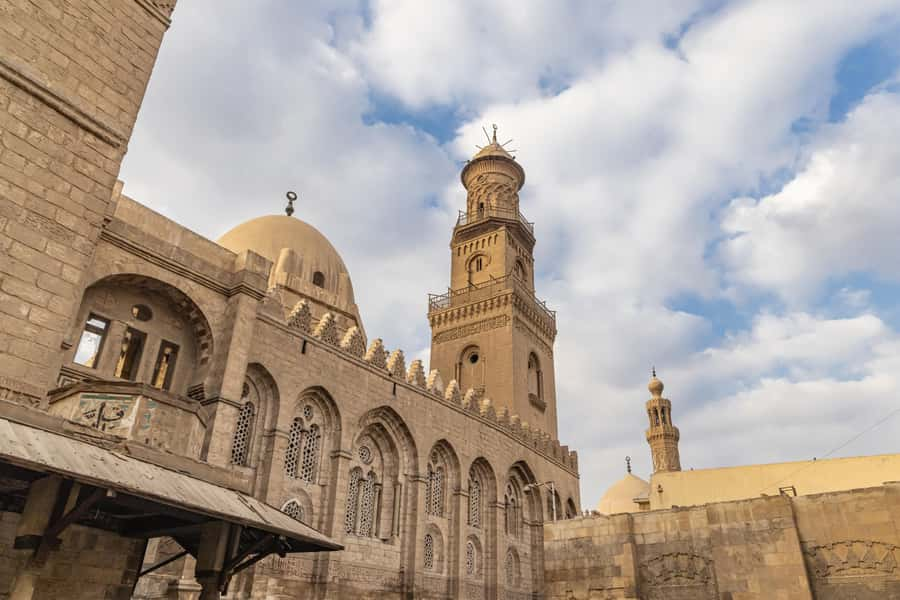
The final stop is Khan el Khalili Bazaar, where narrow lanes lead past stalls selling spices, jewelry, textiles, souvenirs, and other goods. This is the most obviously commercial part of the walk, and it can be exciting, tiring, or both.
Your guide is useful here for more than directions. Several guides have helped visitors stay together, avoid harassment, and find shops with fair prices. That does not mean every purchase will be simple. Bargaining is part of the experience, so decide what you are willing to pay before negotiating and keep cash for optional purchases.
The formal market visit is listed at about 15 minutes, but the area may feel like the end of the tour rather than a quick stop. If you want to shop seriously, ask how much time is available. The schedule is already full, and the guide may need to bring the group to the final drop-off point.
Do not bring luggage or large bags. Baby strollers are also not allowed. A small day bag is more practical, especially on crowded lanes and uneven streets.
Egyptian food that gives the walk a local finish
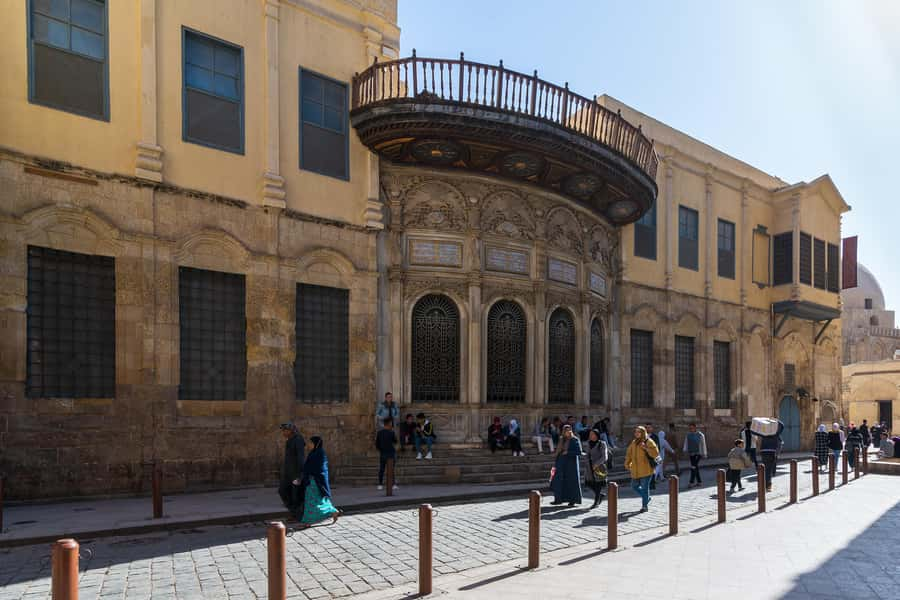
Food is included, and it is more substantial than a token tasting. Depending on availability and your selection, you may receive authentic koshary or Egyptian pie, along with zalabya, halabessa, a traditional juice, or similar local snacks.
Koshary is a filling Egyptian dish, while Egyptian pie offers a different taste and texture. Zalabya is a sweet fried snack, and halabessa is a local street snack made with chickpeas. The exact combination can vary, so do not expect a fixed restaurant menu.
Several guides have made the food stop part of the fun, especially when introducing visitors to dishes they might not order alone. Some people were surprised by how much they liked the Egyptian pie. Vegetarian food was also available for at least one couple, but you should explain dietary needs before ordering.
Bottled water is included. Still, carry extra water and sunscreen. The tour takes place outdoors and involves continuous walking, even though the monuments provide some shade.
Is $31 a fair price for this Old Cairo tour?
At $31 per person, the tour offers good value if you want a guided introduction rather than a self-directed walk. The price includes entrance fees, an Egyptologist guide, bottled water, snacks, a street-food meal, service tax, and hotel pickup and drop-off if you select that option.
The entrance fees matter. One of the useful features here is that you are not expected to pay surprise admission charges at each listed attraction. Pickup adds convenience, particularly if you are staying in Giza or elsewhere in Cairo, but traffic can make the day less predictable.
A self-guided walk may cost less, but you would need to arrange admissions, find each entrance, understand the buildings, manage the market, and choose where to eat. The tour’s value comes from combining all of that with a guide who can explain the sites and keep the route moving.
It is not the best choice if you want deep study at each mosque or a relaxed afternoon with long café stops. It is a compact overview. For a first day in Islamic Cairo, that can be exactly right.
How hard is the walk?
Take the physical warning seriously. The terrain includes uneven streets, narrow lanes, and stairs. One visitor described the route as not suitable for the faint of heart, and that is a fair description for anyone with limited mobility.
The activity is not suitable for wheelchair users, and baby strollers are not allowed. Wear sturdy, comfortable shoes. Sandals may be fine for some people, but closed shoes offer better support on rough surfaces.
The tour lasts three to four hours. One group finished in about three hours and 15 minutes. You may find the pace manageable if you are used to city walking, but hot weather, crowds, and stairs can change the experience quickly.
Who will get the most from this tour?
I would choose this tour for a first visit to Cairo, solo visitors, couples, and anyone who wants history explained without spending a full day inside museums. It is also useful if you feel unsure about entering mosques or bargaining in Khan el Khalili.
The guide can make a real difference. Randa has been praised for detailed explanations, humor, and patience. Nahed has been noted for warmth, clear storytelling, and looking after people in the market. Other guides, including Ruby, Ehab, Dina, Ahmed, and Samaa, have also led highly rated walks.
That said, guide quality can vary because the assigned person changes. The format gives you a strong framework, but the amount of detail and humor will depend on who leads your group.
Book it if you want a lively introduction to Islamic Cairo, good coverage of major monuments, and local food without having to organize every detail yourself. Skip it if you need a slow, accessible route, dislike market pressure, or prefer spending an hour at each architectural site. For most visitors who have only one morning for Old Cairo, the combination of monuments, neighborhood streets, and food makes this $31 walk a practical choice.
FAQ
Where does the Old Cairo walking tour begin?
The meeting point is in front of Bab al-Futuh. If you select the pickup option, hotel pickup and drop-off are available within Cairo or Giza city limits.
How long does the tour last?
The tour lasts approximately three to four hours. One reported schedule took about three hours and 15 minutes.
What sites are included?
The route includes Bab al-Futuh, Al-Hakim Mosque, Bayt al-Suhaymi, El Moez Street, Khan el Khalili, the Mosque and Khanqah of Al-Nasir Faraj Ibn Barquq, the Qalawun Complex, and Al-Hussein Mosque.
Is food included?
Yes. The tour includes local snacks such as zalabya or halabessa, or similar items, plus street food such as koshary or Egyptian pie. Bottled water is also included.
Which languages are available?
Live guides are available in English, Arabic, French, Spanish, and German.
What should I wear?
Wear loose clothing covering your shoulders, arms, legs, and knees. Women should carry a scarf for religious sites. Comfortable shoes are important because the route includes walking on rough streets and climbing stairs.
Can I bring luggage or a stroller?
No. Large bags, luggage, and baby strollers are not allowed. Bring only a small day bag with essentials.
Is the tour suitable for wheelchair users?
No. The tour is not suitable for wheelchair users because of the uneven streets, narrow lanes, and stairs.
Latest history tours reviewed in the world
- From Athens: Explore Ancient Corinth & Charming Nafplion★ 4.6 · 102 reviews
- From Athens: Explore Ancient Greece 4-Day Tour★ 4.7 · 73 reviews
- From Athens: Ancient Olympia Full-Day Private Tour★ 4.8 · 22 reviews
- From Albufeira: Wine Tasting & Historic Silves Tour★ 4.9 · 421 reviews
- From Albufeira: Historical Algarve Region Tour★ 4.7 · 585 reviews
- From Alexandria: Full-Day Guided Tour of Historical Sights★ 4.5 · 54 reviews
- Franklin: Ghost Tour in Historic Franklin★ 4.8 · 65 reviews
- Freiburg: Exciting City Tour with sightseeing and history★ 4.3 · 103 reviews
Cairo History Tours, compared.
From Cairo: Private Full-Day Tour of Historical Alexandria
Read our review →
From Cairo: Historical Alexandria Shared Day Tour with Lunch
Read our review →
All Inclusive 2-Day Ancient Egypt and Old Cairo Highlights Tour
Read our review →
Cairo: Egyptian Heritage Tanoura Dancing Troupe Show
Read our review →Browse the lists this tour appears in