
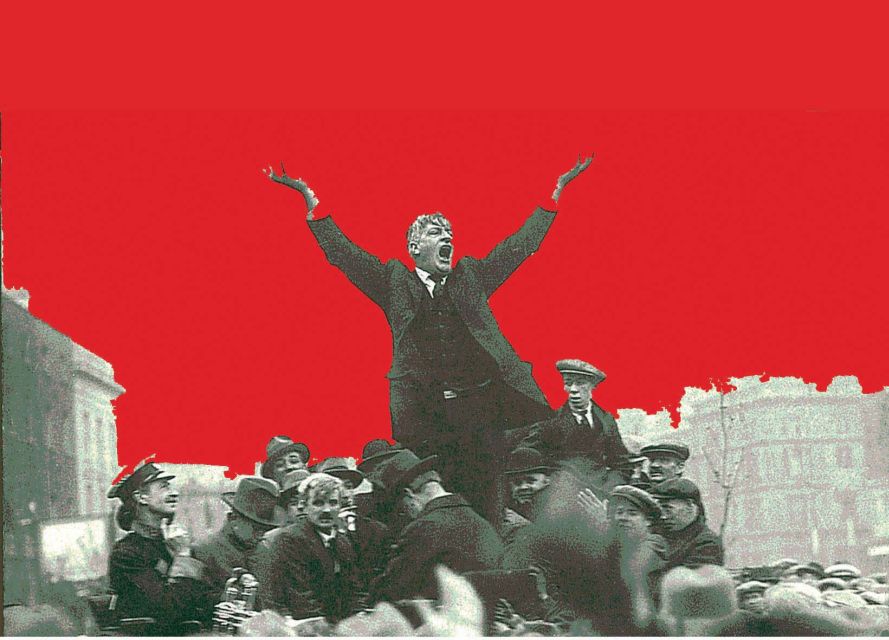
Review · DUBLIN
Historical 2-Hour Guided Walking Tour of Dublin
Dublin’s past is not tucked away in a museum. It is written into castle walls, city streets, bullet holes, statues, and old civic buildings. This two-hour walking tour brings those pieces together, moving from the Medieval City through Dublin Castle, City Hall, Temple Bar, and the events that shaped modern Ireland.
I like two things here: the guides connect Irish history to the American and French revolutions, the Potato Famine, the 1916 Rising, the War of Independence, and the Northern Ireland Peace Process; and they make a serious subject lively. Guides such as Daragh, Jodie, Colm, and Jody have earned praise for clear storytelling, humor, questions, and even the occasional song.
The main consideration is pace. Two hours is enough for a strong introduction, not a full study of Ireland. You will cover plenty of names and dates, and some people may find the talk more lecture-like than casual sightseeing. Good shoes and solid English listening skills will help.
Key points to know before booking
- History graduates lead the walk: Guides trained at Trinity College Dublin and University College Dublin bring academic detail without losing the human stories.
- The route covers Dublin’s historic core: Expect Dublin Castle, City Hall, Temple Bar, and the Medieval City, with stops tied to major Irish events.
- Modern Ireland is part of the story: The walk reaches beyond medieval Dublin to the 1916 Rising, the War of Independence, Northern Ireland, and the Peace Process.
- The guide makes the difference: Daragh, Jodie, Colm, Jody, Eoin, Grace, Nate, and Tommy are among the guides praised for humor, passion, music, and easy answers to questions.
- It is good value for a short city orientation: At $22 per person, you get two hours with a local guide and a useful framework for exploring Dublin on your own.
- The practical setup is simple: Meet at the Henry Grattan Statue opposite Trinity College’s front gate. The walk returns there and is wheelchair accessible.
Why two hours can make Dublin’s history click
Irish history can feel like a crowded shelf of names, rebellions, treaties, famines, and political arguments. This tour’s main job is to put those pieces in order.
You are not simply shown an old building and handed a date. The guide explains how Dublin became the center of political power, how outside events affected Ireland, and why the city’s streets still carry signs of conflict. The American and French revolutions help set the wider political scene. The Potato Famine explains one of the great breaks in Irish society. The 1916 Rising and War of Independence show how Dublin became central to the struggle for Irish independence.
I particularly like this chronological approach. It gives you a framework for the rest of a Dublin visit. After the walk, places you see elsewhere in Ireland can make more sense because you understand the forces behind them.
The format also leaves room for questions. Guides such as Colm and Daragh are praised for handling questions with ease, while Jodie is noted for keeping his voice clear even in noisy city streets. That matters in a walking tour. A brilliant fact is no use if you cannot hear it.
More History Walking Tours in Ireland
- 2-Hour Historical Walking Tour from Dublin
★ 5.0 · 875 reviews - Dublin’s Haunted History Walking Tour
★ 4.3 · 345 reviews - Deliciously Dublin: The Artisan Donut Walking & History Tour
★ 5.0 · 329 reviews
Meeting at Trinity College and entering old Dublin
The walk begins at the Henry Grattan Statue opposite the front gate of Trinity College Dublin. Look for a guide wearing an Authenticity Tours lanyard or badge.
This is a useful starting point. Trinity College is one of Dublin’s best-known landmarks, and the meeting point is easy to identify in the city center. You begin near a major symbol of Irish education and public life, then move toward the older streets around Dublin Castle and the Medieval City.
The tour returns to the same meeting point at the end. That makes planning easier, especially if you have another activity afterward. Since exact starting times depend on the date you choose, check availability before building the rest of your day around it.
Do not expect a long pause at every site. The experience is a guided city walk, not a series of full interior visits. The value comes from the guide’s explanation of what you are seeing and why it matters.
Dublin’s Medieval City and the shape of the capital
The Medieval City section gives you a sense of Dublin before the modern capital took form. The route brings history out of the textbook and places it under your feet.
This part is especially useful if you have just arrived in Dublin. Streets that might first appear to be a mix of pubs, offices, civic buildings, and traffic begin to reveal older layers. The guide helps you read the city as a record of changing power.
Expect stops that focus on architecture, statues, and specific points of historical interest. One detail singled out by a participant was the presence of bullet holes, a small but powerful reminder that political violence was not an abstract event. It happened here, among ordinary buildings and public streets.
The walk itself is manageable, but it remains a walk. Daragh’s advice to wear good walking shoes is sound. You will be standing, moving between stops, and listening in an active city center. If you prefer a seated tour or a slow museum visit, this may feel busy.
Dublin Castle and the seat of power
Dublin Castle is one of the essential stops because it helps explain how Dublin was governed for centuries. The castle represents political authority and the long period when British administration shaped public life in Ireland.
The guide uses the site to explain the changing relationship between Ireland and Britain. That context is more valuable than simply taking a photograph of the buildings. The castle becomes part of the political story that leads toward independence and the events of the twentieth century.
One important point: entry to the State Apartments in Dublin Castle is not included. You should think of this walk as an exterior and historical introduction rather than a castle interior tour. If seeing the State Apartments is a priority, you will need to arrange that separately.
Still, the stop works well within a two-hour route. You get the political background without spending the entire morning inside one attraction.
More History Walking Tours in Dublin:
- Dublin: Macabre History Walking Tour
★ 4.9 · 95 reviews - Semi-Private (8people max) 2.5 Hr Dublin Walking Tour
★ 5.0 · 69 reviews - Dublin: LGBT Pride Walking Tour with Queer History
★ 5.0 · 24 reviews - History and Hauntings of Salem Guided Walking Tour
★ 5.0 · 14,564 reviews
City Hall and the story of public Dublin
City Hall adds another layer to the route. Dublin Castle shows centralized authority, while City Hall helps bring the story into civic life and the city’s own public identity.
This is where a good guide earns the $22 price. A quick look at a grand building gives you architecture. An explanation of the people, decisions, and political changes connected with it gives you meaning.
The tour’s broader story includes the War of Independence and the creation of modern Ireland. City Hall and the surrounding streets help anchor that discussion in a real place. You are not hearing about events in a distant textbook setting. You are standing in the city where political change was debated, organized, and felt.
The walk also looks at modern Ireland rather than ending with independence. The Northern Ireland Peace Process is included, which gives the tour a useful connection to recent history. That is a strong choice because Ireland’s past cannot be separated neatly from the political questions of the present.
Temple Bar beyond the pub signs
Temple Bar is often treated as Dublin’s nightlife district, but this tour uses it as part of the city’s older story. You see more than the familiar pub fronts and colorful streets.
A guide can show how the area fits into the Medieval City and explain the historical importance of the surrounding streets. This gives you a better way to look at Temple Bar later, even if you return for food or music.
Do not expect the tour to turn into a pub crawl. Its focus is history, architecture, politics, and the changing city. Temple Bar is one stop in a wider route, not the main event.
That balance is helpful. Dublin has a strong tourist image built around pubs and music, but this walk gives you the political and social background underneath it. Guides may add personal stories, humor, or songs, but the structure remains a history tour.
From the Potato Famine to the 1916 Rising
The tour’s strongest subject is probably the link between major events. The Potato Famine is not presented as an isolated tragedy. It is part of the wider story of population, poverty, emigration, politics, and the changing relationship between Ireland and Britain.
The 1916 Rising then becomes easier to understand. The guide places the rebellion within the pressures that had built over time, rather than presenting it as a random outbreak. The War of Independence follows as another step in the story.
This approach suits you if you already know a little about Irish history and want the pieces connected. It also works for first-time visitors, though the number of names and dates can be demanding.
Jody Fitzpatrick is described as moving from the Stone Age to Brexit with energy and humor. That wide range gives you an idea of the tour’s ambition. You will not get every detail, but you will get a broad outline of the forces that shaped Ireland today.
The amount of information is both a strength and a limitation. History fans will appreciate the detail. If you want only a light introduction with a few fun facts, this walk may feel dense.
Guides who turn a lecture into a city walk
The guide is the heart of this experience. The company uses history graduates from Trinity College Dublin and University College Dublin, and the strongest guides combine study with performance.
Daragh is praised for his command of names and dates, his love of Ireland, and his ability to link each story to its wider setting. Jodie is described as lively, funny, and easy to hear in a noisy street. Colm mixes personal stories, humor, and songs into the historical account. Jody Fitzpatrick also brings acting skill to the work, helping events feel immediate rather than flat.
Other named guides include Eoin, Grace, Nate, and Tommy. The consistent qualities you should look for are clear English, enthusiasm, patience with questions, and a sense of timing.
One small warning: the tour is conducted in English, and the subject includes many proper names and dates. If you find spoken history difficult to follow, you may need to concentrate closely. The guide’s humor helps, but this is still an information-heavy walk.
What $22 buys you in Dublin
At $22 per person, this is a reasonable price for a two-hour introduction to central Dublin. You are paying for a live guide, a planned route, and context that would take time to assemble on your own.
The value is highest early in your stay. Take the walk near the beginning of your visit, and you can use the guide’s explanations when you explore Dublin Castle, Temple Bar, museums, and other parts of Ireland.
The price is less compelling if you want full entry to attractions. The State Apartments at Dublin Castle are not included, and the tour does not replace a dedicated castle visit. It is better understood as a city orientation with historical depth.
The tour includes entrance fees as applicable to the itinerary, though no specific paid interior entry is promised. Personal expenses are not included. At this price, the main product is the guide’s time and expertise.
You can also reserve now and pay later, which is useful if your Dublin schedule is still shifting. Cancellation is free up to 24 hours in advance for a full refund.
Who should book this Dublin walk?
I would choose this tour if you want to understand Dublin rather than simply photograph it. It suits first-time visitors, history fans, and anyone who wants a clear introduction before visiting more museums and historic sites.
It is also a good match for repeat visitors. One person who had been to Dublin several times still found the route useful because it connected familiar places with deeper context.
Families with older children may enjoy the stories, humor, and visible traces of history, though younger children may struggle with the amount of talking. The walk is wheelchair accessible, which makes it a practical option for many visitors, but the activity still involves moving through city streets and standing at stops.
You should think twice if you want a quiet, slow stroll or a tour centered on food, pubs, or shopping. This is a serious history lesson delivered outdoors, with jokes and local personality added.
My verdict on this two-hour Dublin experience
Book it if you want Dublin’s main historic sights explained in a clear sequence. The route gives you Dublin Castle, Temple Bar, City Hall, and the Medieval City, while the guide links them to the Potato Famine, 1916 Rising, independence, and the Peace Process.
The biggest reason to choose it is the guide quality. Daragh, Jodie, Colm, and Jody are praised for making complicated material lively, and the occasional song or personal story keeps the walk from becoming a dry list of dates.
Skip it only if you dislike information-heavy tours or need extensive interior access. For $22, two hours, and a return to the same central meeting point, it offers a strong first look at the city’s past and a useful key to Dublin’s streets.
FAQ
How much does the tour cost?
The tour costs $22 per person.
How long does the walking tour last?
The activity lasts two hours. Starting times vary, so check availability for your chosen date.
Where does the tour begin?
Meet at the Henry Grattan Statue opposite the front gate of Trinity College Dublin.
How will I identify the guide?
The guide will wear a lanyard or badge marked Authenticity Tours around their neck.
Where does the tour finish?
The walk ends back at the meeting point by the Henry Grattan Statue.
What language is the tour conducted in?
The live tour is conducted in English.
Which places are included in the route?
The walk includes Dublin Castle, Temple Bar, City Hall, and Dublin’s Medieval City.
Is entry to the State Apartments at Dublin Castle included?
No. Entry to the State Apartments is not included.
Can I cancel or pay later?
You can cancel up to 24 hours in advance for a full refund. You can also reserve your place and pay later.
More Two-Hour Tours in Dublin
- 2-Hour Gettysburg Battlefield Guided History Bus Tour with a National Park Guide
★ 4.5 · 2,201 reviews - Kyoto Gion: 2-Hour Geisha Culture & History Walking Tour
★ 5.0 · 1,186 reviews - 2 Hour LoDo Historic Walking Tour in Denver
★ 5.0 · 1,106 reviews - Málaga: 2h Walking Historical Tour–Art, Culture and Legends
★ 4.9 · 341 reviews
Latest history tours reviewed in Dublin
- Dublin: Macabre History Walking Tour★ 4.9 · 95 reviews
- Dublin: Jeanie Johnston Tall Ship Irish Famine History Tour★ 4.8 · 431 reviews
- Dublin: LGBT Pride Walking Tour with Queer History★ 5.0 · 24 reviews
- Wicklow Historic Gaol: 1-Hour Tour★ 4.4 · 56 reviews
- The History of Dublin With Locals: 1916 Easter Rising PRIVATE Tour★ 5.0 · 73 reviews
- Dublin Historical Centre Private Food Tour with 8 Food Tastings★ 5.0 · 152 reviews
- Semi-Private (8people max) 2.5 Hr Dublin Walking Tour★ 5.0 · 69 reviews
- Dublin Private Highlights & History of 1916 Easter Rising Tour★ 5.0 · 154 reviews
Dublin History Tours, compared.

Dublin Historical Centre Food Tour with 8 Food Tastings & Drinks
Read our review →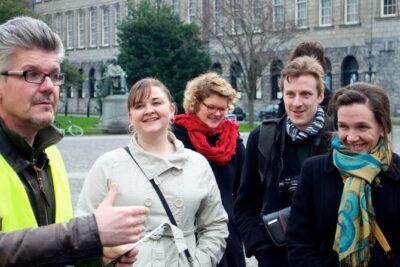
Celtic Boyne Valley & Ancient Sites Day Tour From Dublin
Read our review →
Dublin: Jeanie Johnston Tall Ship Irish Famine History Tour
Read our review →

Deliciously Dublin: The Artisan Donut Walking & History Tour
Read our review →
Dublin Private Highlights & History of 1916 Easter Rising Tour
Read our review →
Browse the lists this tour appears in