
Review · GOA
Panaji: Heritage Walk through Goa’s Latin Quarter
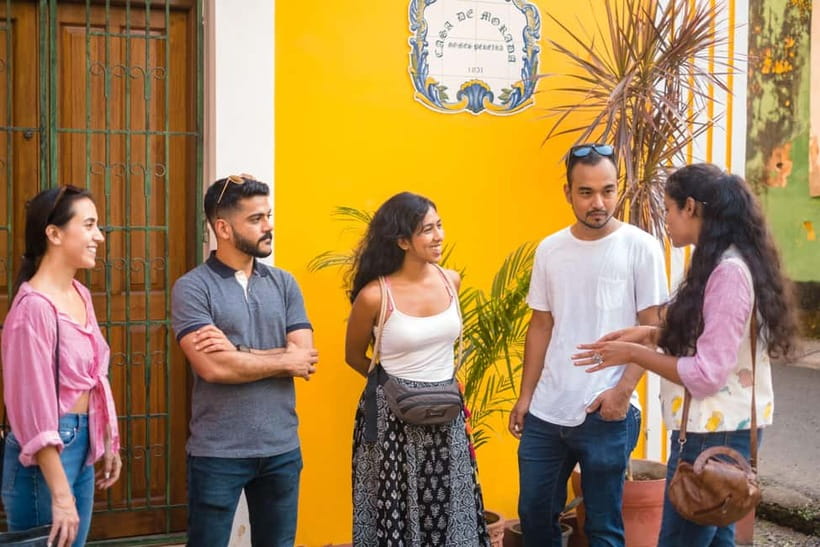
Fontainhas is the sort of neighborhood that rewards walking slowly. Behind Panaji’s traffic and modern streets, its winding lanes reveal colorful homes, Portuguese details, tiny chapels, art spaces, and everyday Goan life. I like the way this tour connects architecture with food and music, rather than treating the Latin Quarter as a photo stop. I also like the bakery visit and the meeting with a local musician, two touches that give the past a human voice.
The main drawback is the walking itself. The route covers narrow streets and uneven surfaces, and the tour is not suitable for people with mobility impairments. Sunday can also be a quiet day for some businesses, so the experience may feel less active then.
Key points at a glance
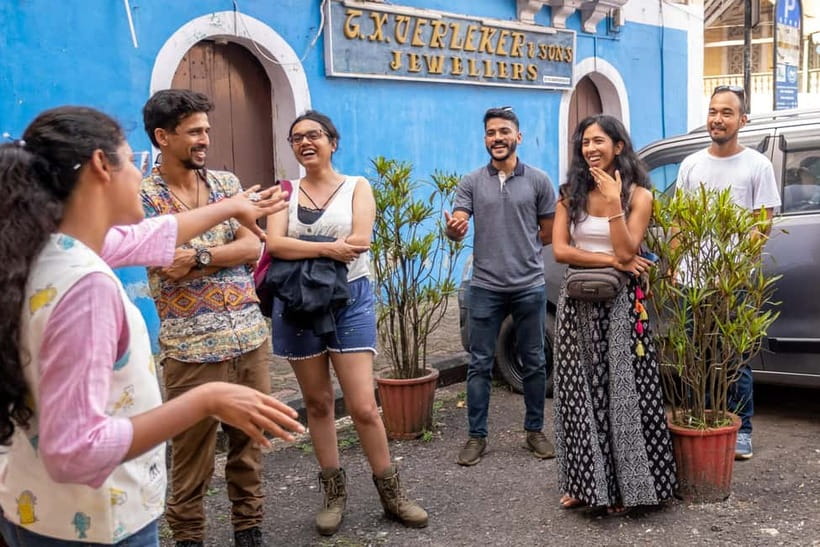
- Fontainhas beyond the postcard: Follow colorful homes, old road names, chapels, and lanes in Panaji’s historic Latin quarter.
- Portuguese influence in daily life: Learn how Portugal shaped Goan buildings, food, music, art, and local traditions.
- A bakery stop with local flavor: Pause at the old 31st January Bakery for Goan and Portuguese-style treats.
- Art in former homes and cultural spaces: See places such as Panjim Inn, Fundacao Orient, and Galerie Gitanjali.
- Live Goan music: Meet a respected local musician and hear how Portuguese traditions shaped music in Goa.
- Strong value at $12: For two and a half hours, the price includes a guide, heritage-home access, and the music meeting.
Why Fontainhas is worth two and a half hours
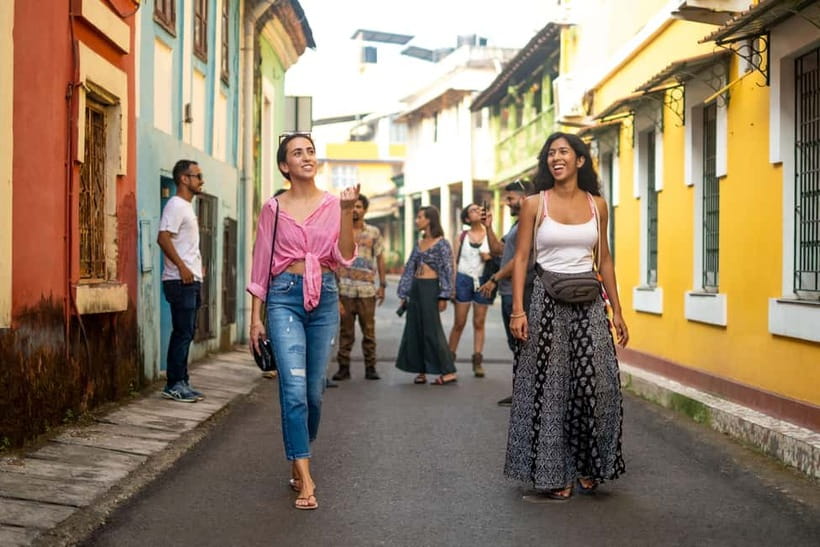
Fontainhas is often photographed for its painted facades, but its real appeal is the connection between the buildings and the people who shaped them. The neighborhood developed in the late eighteenth century and takes its name from the Portuguese word for little fountain, referring to springs at the base of the Altinho hills.
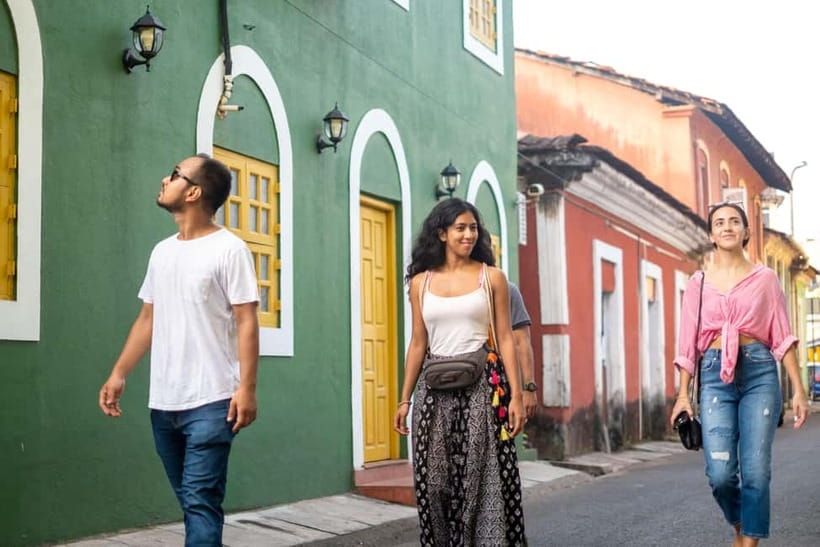
You see Portuguese influence in the bright colors, balconies, windows, tiled details, and street names. The walk also explains how that influence reached beyond construction. Food, music, art, and social customs all form part of the story.
I find this useful because Fontainhas can be easy to admire without understanding. You can certainly walk alone and take good pictures, but you may miss why a home looks the way it does or how the district fits into Panaji’s past. A good guide turns a row of pretty houses into a sequence of stories.
The experience is built around conversation. You can ask about architecture, local life, Goan-Portuguese culture, or the parts of Panaji that interest you most. Guides including Yashasvi, Divya, Calvin Gomes, Trancy, Rachana, Alita, Shreeya, and others have been praised for making the walk personal and easy to follow.
More History Walking Tours in India
- Fontainhas Heritage Walk by Make It Happen
★ 5.0 · 2,834 reviews - The Great Indian Food Tour: Old Delhi Food and Heritage Walk
★ 5.0 · 1,698 reviews - Old Goa Heritage Walk by Make It Happen
★ 5.0 · 797 reviews
Meeting at Panjim Head Post Office
The meeting point is the entrance of the India Post Panjim Head Post Office, near the Mala district. The Sao Tome Chapel is a closer landmark and may help you find the starting area.
The tour begins with a short guided introduction before moving toward the older streets. The group can include up to 20 people, though some departures have been smaller. A group of around 10 is a comfortable size because you can hear the guide clearly and still ask questions.
I recommend arriving ready to walk rather than treating this as a series of quick stops. Wear comfortable shoes and light, practical clothing. Bring a reusable water bottle and some cash for any food, drinks, or souvenirs you may want beyond what is provided.
There is no hotel pickup or drop-off. You make your own way to the post office, so allow enough time to locate the entrance. At the end, the route returns to the same meeting point.
Tobacco Square and the Portuguese story
The opening section begins at Tobacco Square, where the guide sets out the story of Portuguese arrival in Goa. This gives the rest of the walk some needed context.
Instead of starting with a list of dates, the guide can use the buildings and street plan to explain how Panaji developed. You begin to see that the district is not simply old. It reflects changing power, trade, religion, family life, and cultural exchange.
This is one of the better reasons to take the guided version rather than wander alone. The architecture becomes evidence. A balcony, chapel, road name, or house frontage can point toward a larger story about the city.
The walk then passes the small Church of San Thome. It is not presented as a grand monument, and that is part of the charm. Fontainhas is full of modest details that reward close attention. You are looking at the scale of a neighborhood, not only major landmarks.
The narrow lanes of Fontainhas
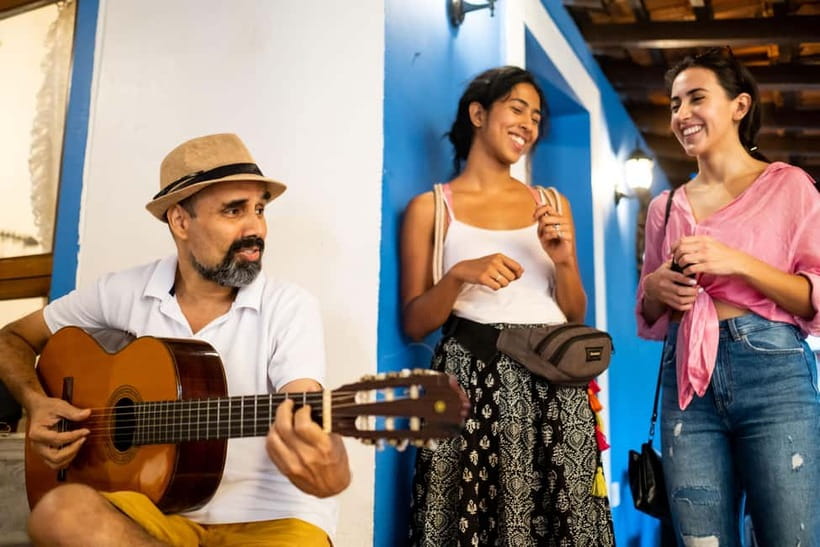
The main walk through Fontainhas lasts about 45 minutes, followed later by another 30-minute stretch. The route is compact, but it is not rushed.
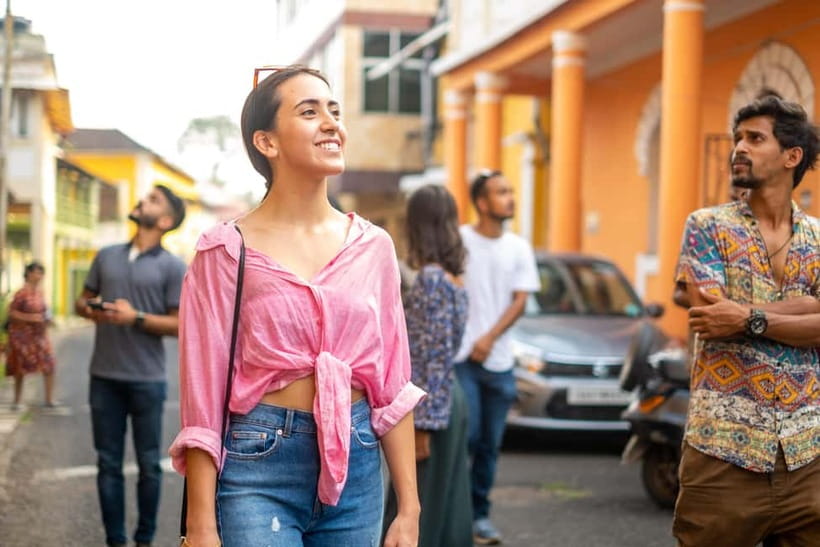
You pass homes painted in shades that make the lanes easy to photograph. The guide explains Portuguese architectural features and points out buildings that you might otherwise pass without noticing. The winding route also gives you a sense of how different Fontainhas feels from wider modern streets.
The district is still part of daily life, not a museum set. That means you should be respectful when taking pictures. Homes are private, and the attraction is the character of the streets rather than access to every building.
The pace suits people who want time for photos and questions. It is also manageable for anyone who does not want a strenuous city walk, although uneven ground and limited mobility access remain important considerations.
Same old streets, another chapter:
- Old Delhi Food, Heritage&Cultural Walk with Rickshaw ride to Masterji Kee Haveli
★ 5.0 · 742 reviews - Blue City Heritage Private Walking Tour With Pickup and Drop-Off
★ 5.0 · 441 reviews - Private Heritage Walking Tour in Jaisalmer Fort and Old Bazaar
★ 5.0 · 306 reviews - Old Delhi Food-Spice Market-Temples Tour Soon Featured on NETFLIX
★ 5.0 · 304 reviews
31st January Bakery and Goan treats
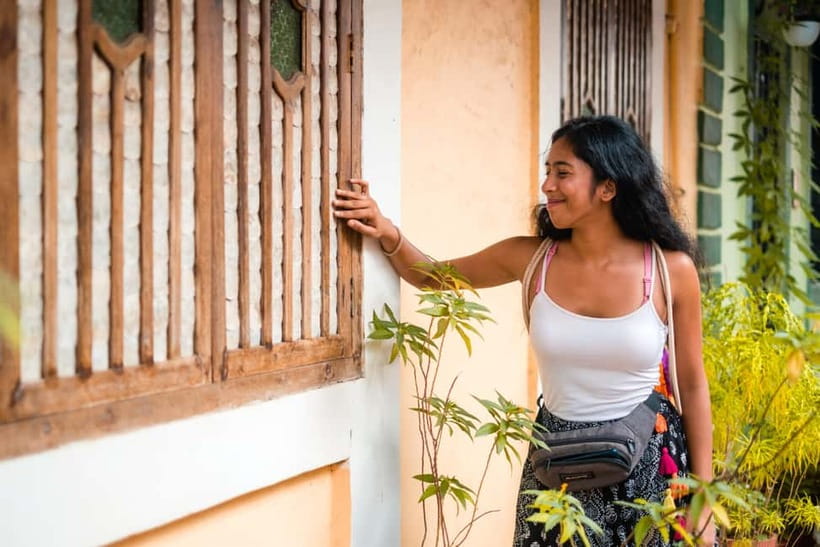
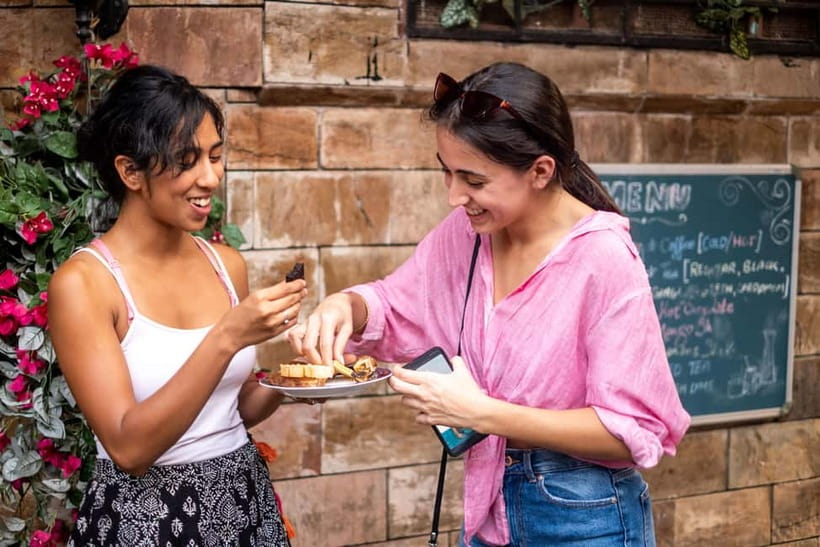
A stop at the 31st January Bakery adds a welcome break. The bakery is described as a long-established Goan-Portuguese bakery dating to 1930, and it is a fitting place to connect food with the area’s cultural history.
You may try small bakery items and local delicacies, with pastel de nata among the treats mentioned by participants. The food is not simply a snack along the route. It helps show how Portuguese culinary habits became part of Goan life and then developed their own local character.
Food and drinks beyond the planned tasting are not included, so carry cash if you want to buy more. The stop is brief, but it breaks up the walking and gives you a chance to sit or pause.
I especially like this part for first-time visitors to Goa. A pastry can explain cultural exchange more clearly than a long lecture. You taste the connection instead of only hearing about it.
San Sebastian Chapel and the art stops
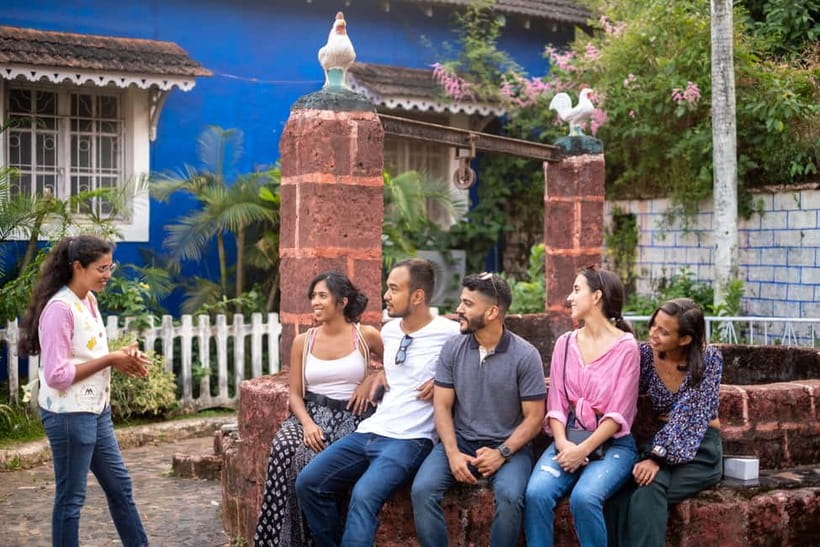
The walk continues toward the Chapel of San Sebastian, another small but important point in the neighborhood. The chapel adds a religious layer to the route and helps show how faith and community life shaped Fontainhas.
The tour also includes buildings and cultural spaces around Panjim Inn, Fundacao Orient, and Galerie Gitanjali. These stops are useful for people who enjoy art, design, and adaptive old buildings.
Galerie Gitanjali is associated with works by Goan and international artists, giving the walk a present-day cultural angle. Panjim Inn offers another chance to see how historic architecture can function as part of the city’s current life. Fundacao Orient adds to the sense that Fontainhas is not frozen in one period.
You should not expect a long gallery visit or a formal art lecture. The value is in seeing how art and heritage fit together in a compact neighborhood. If you are interested in local artists, ask questions as you go. Guides have been praised for adjusting their explanations to the group.
Meeting a Goan musician
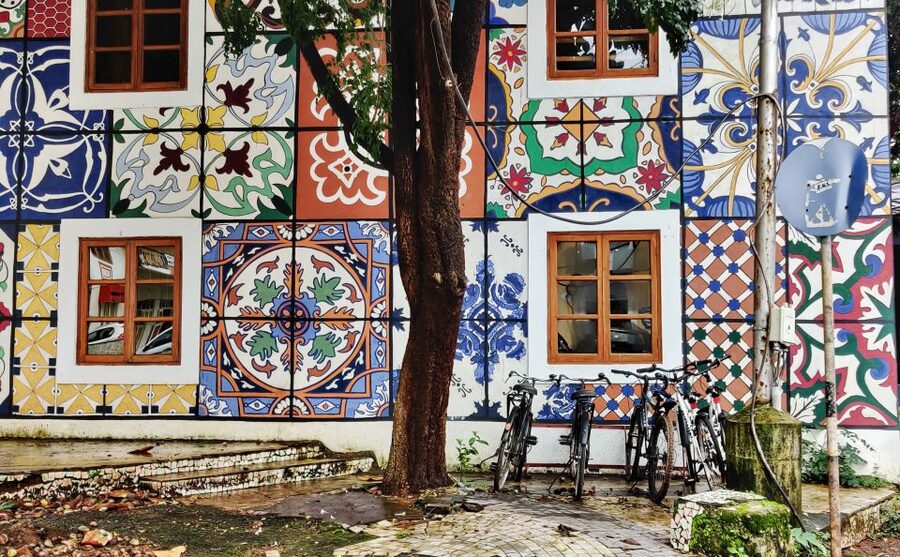
The final cultural highlight is a meeting with a well-known Goan musician. You hear live music and learn how Portuguese influence shaped Goan musical traditions.
This is more memorable than a standard sightseeing stop because it puts a person at the center of the story. Music shows how culture survives through performance, not just buildings. The setting may also include a local drink or small food tasting, depending on the tour arrangements described by participants.
Several guide-led walks have included musicians such as Francis or Glossy, while other accounts describe a senior local artist. The exact performer may vary, but the included meeting with a Goan musician is a central part of the experience.
I would save energy for this final section. The music gives the walk a gentle finish and provides a stronger sense of Goa than architecture alone can offer. It also helps explain why the Portuguese connection remains visible in local culture without making Goa feel like a European outpost.
Ceramic crafts and the walk back
Before returning to the post office, you may stop at a studio making handcrafted ceramic souvenirs. This is a useful final look at local creative work and gives you the chance to see a craft being made rather than only sold in a shop.
Souvenirs are not included, so buying something is optional. I would treat the studio as a cultural stop first and a shopping opportunity second.
The route then returns to the Panjim Head Post Office. The total duration is about two and a half hours, which feels long enough to cover the district without turning into an all-day commitment. A later departure around 4:30 p.m. can be appealing because it finishes near dinner, while a morning start can help you avoid the strongest heat and crowds.
The exact comfort of the walk depends on the weather. One participant enjoyed a 10:30 a.m. departure with quiet lanes, while another found the experience worthwhile despite heat. Your best time depends on the season and your tolerance for warm walking.
How the $12 price works out
At $12 per person, this is an inexpensive way to add context to a Panaji stay. The fee includes an English-speaking local guide, entry into heritage homes, and the meeting with a Goan musician.
The value is not in the number of major monuments. Fontainhas is compact, and you can see some of its streets for free. The value comes from the explanations, access, tastings, and personal encounters that would be difficult to arrange on your own.
You should still budget for extra bakery purchases, drinks, and ceramics. Hotel transportation, insurance, and personal expenses are also outside the price.
For me, the strongest value comes from the combination of history and culture. A cheaper self-guided walk might cover the same lanes, but it would likely leave out the stories, music, and organized heritage access. At this price, that difference matters.
Group size, language, and guide style
The tour is conducted in English and may include as many as 20 people. That is not a tiny private walk, so you should expect some group movement in narrow lanes.
The best guides on this route act as storytellers rather than reciting dates. Divya has been praised for humor and spontaneity, Yashasvi for local tales and clear explanations, and Calvin Gomes for bringing Panjim’s past to life. Trancy, Rachana, Alita, Shreeya, and others have also been noted for warmth and strong command of the subject.
Guide assignments can change, so you cannot count on requesting one particular person. Still, the range of positive comments about different guides suggests that the experience depends on a shared training style rather than one individual alone.
Ask questions. The tour is designed to respond to personal interests, and the best details may come from a short exchange about music, food, family homes, or local customs.
Who should book it
I would choose this tour if you want to understand Panaji before exploring more of Goa. It works especially well for first-time visitors, architecture fans, people interested in Portuguese connections, and anyone who prefers local stories to a long list of monuments.
It also suits visitors who want a gentle cultural activity lasting half a day or less. The bakery, gallery stops, music, and ceramic studio keep the walk varied.
I would skip it if you have serious mobility limits, dislike walking in heat, or want a private tour with complete control over the pace. It may also be less satisfying on a Sunday when some places are closed.
Book ahead if you want flexibility, since the activity allows cancellation up to 24 hours before the start for a full refund and offers reserve-now, pay-later booking. Still, check the starting time and choose morning or late afternoon based on weather.
FAQ
Where does the Fontainhas walking tour begin?
It begins at the entrance of the India Post Panjim Head Post Office. The Sao Tome Chapel is a closer landmark for finding the meeting area.
How long does the tour last?
The walking tour lasts about 2.5 hours and returns to the Panjim Head Post Office.
What language is the tour conducted in?
The tour is conducted in English by a live local guide.
What is included in the price?
The price includes an English-speaking local guide, entry into heritage homes, and a meeting with a well-known Goan musician.
Are food and drinks included?
Some planned tastings and local treats may be part of the experience, including bakery items or a local drink. Additional food and drinks are not included.
Is hotel pickup available?
No. Hotel pickup and drop-off are not included, so you need to reach the Panjim Head Post Office yourself.
How large can the group be?
This is a group walking tour with a maximum group size of 20 people.
What should I bring?
Bring comfortable shoes, comfortable clothes, cash, and a reusable water bottle.
Is the tour suitable for people with mobility impairments?
No. The activity is not suitable for people with mobility impairments because it involves walking through narrow lanes and older parts of Fontainhas.
Should you book this Panaji heritage walk?
Yes, if you want more than colorful-house photographs. For $12, you get a useful introduction to Fontainhas, local architectural details, bakery treats, art spaces, and live Goan music.
The experience is strongest when you arrive curious and ready to walk at an easy pace. Choose a cooler departure if possible, bring water, and remember that Sunday may be quieter. If those conditions suit you, this is a practical, low-cost way to connect Panaji’s Portuguese past with the food, art, music, and ordinary streets of Goa today.
Latest history tours reviewed in India
- Fort Kochi Heritage Day Cycling Tour★ 4.2 · 26 reviews
- Candolim: Heritage Walk of Fort Aguada Port and Jail Complex★ 4.9 · 25 reviews
- Agra Fort: Guided UNESCO Heritage Walking Tour★ 4.9 · 21 reviews
- World heritage Ahmedabad city tour in private car with guide and lunch★ 5.0 · 44 reviews
- Private Elephanta Caves UNESCO World Heritage Site Tour★ 5.0 · 34 reviews
- Mumbai: South Mumbai Heritage Walking Guided Tour★ 4.5 · 69 reviews
- Hill-station & Heritage: Lonavala & Karla Caves Tour from Mumbai★ 5.0 · 60 reviews
- Best South Mumbai Heritage Walk★ 5.0 · 122 reviews
Goa History Tours, compared.

The Cultural And Historical Walking Tour in Margao
Read our review →
Browse the lists this tour appears in