
Review · KATHMANDU
Nepal Discovery Tour: Heritage Sites & Scenic Hill Easy Hike
Kathmandu’s temples and stupas are only the opening act here. The real appeal is the quick change from city streets to forest paths, village trails, hilltop sunsets, and a sunrise over the Himalayas, all without committing to a demanding high-altitude trek. Chisapani and Nagarkot give you mountain scenery with modest logistics.
I like the mix of culture and walking, especially the chance to see Sundarijal, Shivapuri National Park, Changunarayan, and village life in one short trip. I also like the small maximum group of 10 and the included private transport, meals, guide, and trekking lodges.
The main caution is the wording around entrance fees. The details say the Shivapuri permit is included, but also list a national park fee among exclusions. Heritage-site entrance fees are clearly extra, and Kathmandu accommodation is not included, so confirm the final cost before paying.
Key points to know before booking
- Three UNESCO World Heritage Sites: Visit Swoyambhunath, Pashupatinath, and Boudhanath during a guided six-hour Kathmandu day.
- An easy introduction to trekking: Walk for about two and a half days rather than tackling a high mountain pass or base camp route.
- Forest and village scenery: The trail from Sundarijal passes through Shivapuri National Park toward Chisapani.
- Two scenic hill towns: Sleep in Chisapani and Nagarkot, with sunset and sunrise as the main rewards.
- Small-group format: The tour accepts no more than 10 people and includes an English-speaking guide.
- Check the fee details: Heritage-site tickets, Kathmandu meals, drinks, bottled water, tips, visa, flights, and Kathmandu lodging are not included.
Why this five-day Nepal trip works so well
This is a smart choice if you want a first taste of Nepal without building an entire holiday around trekking. You get one full day of famous religious sites, then leave the city for a gentler hill route. The walking is described as easy, though the itinerary also calls it moderate, so you should expect regular uphill and downhill sections rather than a flat stroll.
The route gives you variety. Kathmandu supplies the temples, incense, shrines, and city energy. Shivapuri provides forest and cooler air. Chisapani and Nagarkot offer simple hill lodging and open views. Changunarayan adds an old temple at the end, tying the walking portion back to Nepal’s cultural side.
At $375 per person, the package can offer good value if you use the included transport, guide, meals, and trekking accommodation. It is not an all-inclusive price. You still need to budget for Kathmandu hotels, heritage-site tickets, drinks, bottled water, tips, personal expenses, your visa, and international flights.
The price makes the most sense for someone who wants an organized short trip rather than arranging several separate transfers and lodges. If you already have Kathmandu accommodation and want a guided nature break, the package becomes easier to justify.
More UNESCO World Heritage Tours in the world:
- World Heritage Shirakawa-go and Experience Tours from Kanazawa
★ 5.0 · 4,049 reviews - From Tirana: Berat UNESCO Heritage & Belshi Lake Tour
★ 4.9 · 3,863 reviews - Bali: Tanah Lot UNESCO World Heritage Sites Full-Day Tour
★ 4.7 · 1,947 reviews
Day 1: A soft landing in Kathmandu
Your first day is deliberately light. You arrive at your Kathmandu hotel at a convenient time, meet the team for a trip briefing, and have the rest of the day to rest. That is useful after a long international flight, especially because Kathmandu can feel noisy and intense at first.
The briefing should be your chance to ask about walking times, meals, weather, clothing, water, and the exact entrance-fee arrangements. The supplied information gives a start time of 9:15 am and a meeting point on Thamel Marg, but Day 1 also says you can arrive at the hotel at your convenience. Confirm which time applies to your booking and where the first morning begins.
Kathmandu lodging is not included. You can arrange your own hotel, which gives you more choice, but it also means you must coordinate the meeting point and allow enough time to reach Thamel Marg.
Day 2: Kathmandu’s three major sacred sites
The second day is a roughly six-hour guided sightseeing program covering Swoyambhunath, Pashupatinath, and Boudhanath. These are not interchangeable temple stops. Each gives you a different look at Kathmandu’s religious life.
Swoyambhunath is commonly called the Monkey Temple. Its hilltop position gives the visit a strong visual start, along with the famous prayer flags, shrine buildings, and city views. The name is informal, but the site is an important Buddhist and Hindu religious center. Expect steps and a busy setting around the monument.
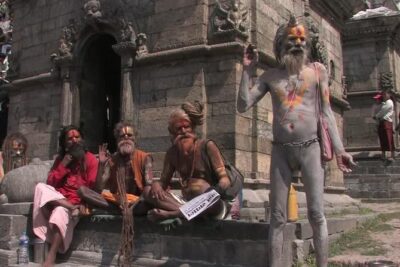
Pashupatinath is one of the most important Hindu temple areas in Nepal. The sacred Bagmati River runs beside the complex, and the site has a serious religious atmosphere. Non-Hindu visitors may not enter the main temple building, but the wider area still provides much to see. Follow your guide’s instructions and treat ceremonies with care.
Boudhanath Stupa offers a slower, more spacious stop. Its great white dome and watchful Buddha eyes are surrounded by monasteries, shops, cafés, and pilgrims walking around the stupa. Walking clockwise around the monument with the flow of worshippers is a simple way to understand how the place is used.
The order may vary, and the tour is long enough that you should wear comfortable shoes and carry water. Lunch is not included in Kathmandu, so plan for that cost. Entrance tickets for the heritage sites are also separate, an important point when comparing the headline price with your total spend.
Day 3: From Sundarijal into Shivapuri National Park
After breakfast, private transport takes you toward Sundarijal, the trailhead for the walking portion. The drive is valuable because it moves you away from central Kathmandu without requiring you to arrange a separate taxi or local bus.
From Sundarijal, the trail enters Shivapuri National Park and continues toward Chisapani. This is the most natural-feeling section of the trip. You trade traffic and buildings for forest paths, village scenery, and changing views through the trees.
The exact walking time and elevation gain are not provided, so ask your guide for the day’s plan. The route is described as an easy trek, but you still need shoes with good grip, a light daypack, sun protection, and a waterproof layer. A park trail can feel very different in dry weather and rain.
You sleep at a lodge in Chisapani. This is a simple mountain-town overnight, not a city hotel. Lodge accommodation is included for two nights during the trekking section, along with breakfast, lunch, and dinner. Drinks are not included, and bottled water is specifically excluded, so carry a reusable bottle and ask the operator how water refills are handled.
Chisapani is one of the trip’s strongest stops because it gives you a real change of pace. You are not simply visiting a viewpoint by car. You arrive on foot, spend the night near the trail, and have time to enjoy the hill setting.
More History Tours in the world:
- New York City: American Museum of Natural History Ticket
★ 4.5 · 15,447 reviews - History and Hauntings of Salem Guided Walking Tour
★ 5.0 · 14,564 reviews - Colosseum: Underground and Ancient Rome Tour
★ 4.7 · 12,691 reviews - Lisbon: History, Stories and Lifestyle Walking Tour
★ 4.8 · 10,902 reviews
Day 4: The trail to Nagarkot
The walk continues from Chisapani to Nagarkot. This is another full trail day, so the description of the route as easy should not be confused with effortless. You need enough fitness for several hours of walking and should be comfortable with uneven ground.
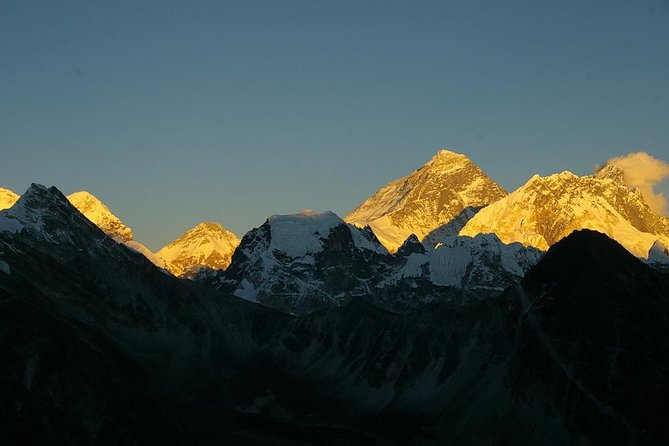
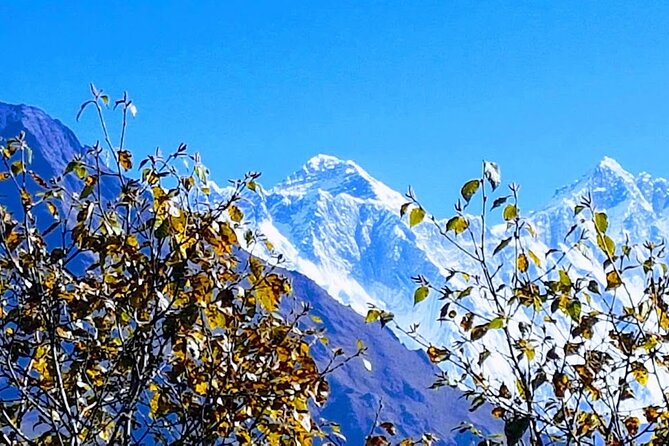
Nagarkot is known for Himalayan views and sunset. Visibility depends heavily on weather. On a clear evening, the setting can be the highlight of the trip. On a cloudy day, you still get a hill-town overnight and a break from Kathmandu, but the mountain view may be limited.
The accommodation changes from a lodge to a hotel in Nagarkot. That provides a little more comfort after two days on foot, though the exact hotel category is not specified. Ask what room arrangements apply if you are traveling alone or as part of a group.
The route is also a good reason to travel light. Your main luggage arrangements are not explained, so clarify whether bags move by vehicle, stay in Kathmandu, or need to be carried. The itinerary only confirms your transport and trekking accommodation, not luggage transfer.
Day 5: Sunrise, Changunarayan, and the return to Kathmandu
The final morning begins with sunrise over the Himalayas. Nagarkot is well known for this view, but sunrise is never guaranteed. Clouds, haze, and seasonal conditions can block the mountains, so enjoy the quiet morning even if the peaks remain hidden.
After sunrise, you hike to Changunarayan Temple. This gives the final day a cultural purpose rather than making it only a downhill walk followed by a drive. Changunarayan is an ancient temple site, and reaching it by trail makes the transition from rural hills to heritage architecture feel natural.
From Changunarayan, the group drives back to Kathmandu. The activity ends at the meeting point. The return time is not stated, so do not schedule a tight airport transfer or another fixed activity without checking with the operator.
The final hike means you should keep your walking shoes accessible. Do not pack them into luggage that may be unavailable until Kathmandu.
What the included services are really worth
The guide is the most important inclusion. A local English-speaking guide can handle trail decisions, explain the religious sites, help with lodge arrangements, and keep the group moving at a sensible pace. The information does not name the guide assigned to this particular departure, so request the name and trekking experience before you go.
Private transportation is useful on this route. It covers the move toward Sundarijal and the return from Changunarayan, saving you from negotiating separate rides in an unfamiliar city. It also makes the five-day schedule more practical.
Meals are included during the trekking days, specifically breakfast, lunch, and dinner. That reduces planning in Chisapani and Nagarkot, where meal choices may be more limited than in Kathmandu. Drinks are not included, and Kathmandu lunch and dinner are also your responsibility.
The group limit of 10 is a good middle ground. You receive the social feel of a small group without joining a large coach tour. It may also allow the guide to adjust the pace more easily, though you should still expect to walk at the group’s speed.
Prime Himalayas has also handled longer Nepal trekking programs, including difficult routes where weather, injuries, and transport delays required changes. That background suggests the company is used to outdoor logistics, but this particular short route still depends on clear communication about weather, fees, luggage, and the guide assigned to you.
Who will enjoy this route most
I would recommend this trip to first-time visitors who want more than temple sightseeing but do not want a strenuous Himalayan trek. It suits people who enjoy walking, village scenery, and simple lodge stays, while still wanting transport and meals arranged.
It is also a good fit for families with active older children, couples, and adults who want a gentle introduction to multi-day trekking. The description says most people can participate, but the route still involves two and a half days of walking. Anyone with mobility concerns should ask for the trail profile before booking.
This is not the right choice if your priority is luxury accommodation, a guaranteed mountain view, or a very slow cultural tour. The schedule packs a lot into five days, and the walking days will shape the trip.
It also may not suit you if you want a high-altitude adventure. This is a scenic hill trek, not an Everest Base Camp or Annapurna Base Camp expedition. Its strength is accessibility and variety, not extreme altitude.
Practical planning before you pay
Pack light layers, comfortable walking shoes, a rain jacket, sun protection, and a small daypack. Weather in the hills can change, and early mornings around Nagarkot may feel cool even when Kathmandu is warm.
Carry some Nepalese rupees for personal expenses, drinks, snacks, and tips. The package excludes bottled water and all drinks, so do not assume refreshments are covered with the meals.
Ask these questions before confirming:
- Is the Shivapuri National Park permit included?
- Is any separate national park fee payable locally?
- Are bags transported between Kathmandu, Chisapani, and Nagarkot?
- Which Kathmandu hotel or Thamel meeting point applies?
- What is the actual walking time and elevation gain each day?
- Which heritage-site entrance fees should you budget for?
- What happens if cloud blocks the sunrise or mountain views?
The cancellation terms are generous if you act early. You can receive a full refund when cancelling at least 24 hours before the start time. Changes or cancellations inside that window are not accepted for a refund, and poor weather or insufficient participation can lead to a different date or a full refund.
Should you book the Nepal Discovery Tour?
Book it if you want a compact Nepal introduction that joins major sacred sites with an easy hill trek. The combination of Kathmandu, Shivapuri, Chisapani, Nagarkot, and Changunarayan gives you more texture than a city-only visit, while the guide, transport, meals, and small group keep the planning burden low.
I would pause only until the fee and luggage details are confirmed. Once you understand what you will pay for park access, heritage tickets, water, Kathmandu lodging, and meals, the $375 price is easier to judge fairly.
For an active first visit, this is a sensible choice. You get temples, forest, villages, sunset, sunrise, and a manageable introduction to Nepal’s trails without signing up for a demanding mountain expedition.
FAQ
How long does the Nepal Discovery Tour last?
The experience lasts approximately five days, from arrival and briefing in Kathmandu through the return from Changunarayan on Day 5.
Where does the tour start?
The listed meeting point is Thamel Marg, Kathmandu 44600, Nepal. The stated start time is 9:15 am, though Day 1 also allows arrival at your hotel at your convenience, so confirm the exact first meeting arrangement.
How large is the group?
The activity has a maximum of 10 travelers.
Which UNESCO World Heritage Sites are included?
The Kathmandu sightseeing day visits Swoyambhunath, Pashupatinath Temple, and Boudhanath Stupa.
Is this a difficult trek?
The trip is described as an easy trek, with approximately two and a half days of moderate hiking. You should still be prepared for uphill and downhill walking on forest and village trails.
Are meals included?
Breakfast, lunch, and dinner are included during the trekking portion. Lunch and dinner in Kathmandu, drinks throughout the trip, and bottled water are not included.
Is Kathmandu accommodation included?
No. Accommodation in Kathmandu is excluded. The package includes two nights of lodge accommodation during the trekking section.
What happens if bad weather cancels the activity?
If poor weather causes cancellation, you will be offered another date or a full refund. A different date, another experience, or a full refund may also be offered if the minimum number of participants is not reached.
Latest history tours reviewed in the world
- From Athens: Ancient Olympia Full-Day Private Tour★ 4.8 · 22 reviews
- From Athens: Explore Ancient Corinth & Charming Nafplion★ 4.6 · 102 reviews
- From Athens: Explore Ancient Greece 4-Day Tour★ 4.7 · 73 reviews
- From Albufeira: Wine Tasting & Historic Silves Tour★ 4.9 · 421 reviews
- From Albufeira: Historical Algarve Region Tour★ 4.7 · 585 reviews
- From Alexandria: Full-Day Guided Tour of Historical Sights★ 4.5 · 54 reviews
- Franklin: Ghost Tour in Historic Franklin★ 4.8 · 65 reviews
- Freiburg: Exciting City Tour with sightseeing and history★ 4.3 · 103 reviews
Kathmandu History Tours, compared.
Private Kathmandu Sightseeing Tour | UNESCO World Heritage sites
Read our review →
Browse the lists this tour appears in