
Review · HAMBURG
Hamburg: UNESCO-World Heritage Sites Tour
Hamburg’s story is written in red brick, canals, and office towers, and this two-hour walk links the city’s most telling chapters. You’ll move from the sharp, expressionist lines of Chilehaus to the old warehouses of Speicherstadt, then finish near Magdeburg Harbour and the modern waterfront.
I like the clear route from Jacobikirche to the harbor, and I like the small details: old rope winches, carpet storage, spice samples, and the human side of clerks and money-counting tables. The price is another strong point at $18. The main drawback is that the tour is German-only, and the pace leaves little time for long stops inside buildings.
Key points to know before you book
- Chilehaus gives the tour its architectural punch: See one of Hamburg’s best-known Kontorhäuser and learn how office buildings reflected the city’s commercial power.
- Speicherstadt adds texture: Red-brick warehouses, canals, old equipment, and carpet storage bring port history down to eye level.
- The route ends at Magdeburg Harbour: You’ll see the International Maritime Museum, Überseequartier, modern dock promenades, and views toward the Elbe.
- Saturday tours may include a ferry ride: This short boat trip is not part of the experience on other days.
- Albert is one guide to look for: His clear voice, strong organization, and detailed explanations have made the tour especially easy to follow.
- Plan for Hamburg weather: The walk operates in all conditions, so wear suitable clothing and shoes.
Hamburg’s trade story begins at Jacobikirche
The meeting point is Jacobikirche, at the corner of Bugenhagenstraße and Barkhof. From here, the tour heads toward the old Kontorhaus district, where Hamburg’s commercial rise took physical form in tall office buildings and practical working spaces.
This is a useful starting point because the route is not just a parade of facades. You’ll hear how the Hanseatic City developed through trade, shipping, clerks, bookkeeping, and international business. The city’s economic history is tied to ordinary work as much as grand merchants, and the tour keeps that connection in view.
You should arrive ready to walk rather than expecting a museum visit. The experience is built around streets, squares, canals, and outside views. You’ll learn more by looking up at the buildings and listening to the guide’s explanations than by waiting for long interior visits.
A two-hour format works well here. It gives you a firm introduction to central Hamburg without taking up a full morning or afternoon. It also means the guide must keep things moving, so note-taking and extended photography stops may be difficult.
More UNESCO World Heritage Tours in Germany:
- Berlin: 3-Hour World Heritage Cruise to Potsdam
★ 4.5 · 1,569 reviews - World Heritage Shirakawa-go and Experience Tours from Kanazawa
★ 5.0 · 4,049 reviews - From Tirana: Berat UNESCO Heritage & Belshi Lake Tour
★ 4.9 · 3,863 reviews
Sprinkenhof shows Hamburg at working scale
Sprinkenhof is one of the key early stops. The building represents the Kontorhaus style, an architectural answer to a growing trading city that needed large, efficient offices. These were not palaces built simply for show. They were places where business was organized, accounts were kept, and international trade was managed.
The guide connects the architecture to the people who used it. You’ll hear about clerks and money-counting tables, details that make the buildings easier to understand. A large office facade can feel distant until you picture the daily work behind it.
I find this part especially useful if you are new to Hamburg. The term Kontorhaus may mean little at first, but the buildings make sense once you see them as a record of commercial growth. Their scale tells you that Hamburg’s trade network was not a side activity. It shaped the city center.
The tour does not treat architecture as decoration alone. Brick, windows, entrances, and the layout of the buildings all point back to business. That link between design and commerce is one of the walk’s strongest teaching points.
Chilehaus makes the city’s modern ambition visible
Chilehaus is the architectural star of the route. Its pointed form and dramatic brickwork give it a look unlike the more restrained blocks around it. The building helps explain how Hamburg expressed its international connections through architecture.
You’ll stop for a guided explanation rather than simply pass by for a quick photograph. This matters because Chilehaus can easily become a picture stop with no context. The guide places it within Hamburg’s wider economic development and the age of the Kontorhäuser.
The building also marks a change in mood. Sprinkenhof shows the practical side of a business district, while Chilehaus feels more forceful and sculptural. Together, the two stops show that commercial buildings could be useful workplaces and city symbols at the same time.
Give yourself a moment to look at the brick patterns and the sharp profile. The tour is more rewarding if you pay attention to how the buildings meet the street, not only to the best-known angle. Since the route continues on foot, comfortable shoes will help.
Meßberg connects offices with the old port economy
At Meßberg, the story shifts toward the trade that passed through Hamburg. This stop helps bridge the Kontorhaus district and Speicherstadt, so the route feels like one connected story rather than two unrelated neighborhoods.
The guide explains how Hamburg’s business world depended on goods moving through the port. The supplied details about spices and samples add a useful sensory touch. Instead of hearing only about figures and facades, you get a clearer idea of the products that helped drive the city’s trade.
This is also where the relationship between office work and warehouse work becomes easier to see. The Kontorhäuser handled organization, finance, and communication. Speicherstadt held goods. The port connected both sides.
You should not expect a full food tasting or a market visit. The spice references support the explanation of port activity. Their value is in making the trade system more concrete, especially for anyone who finds economic history too abstract when it is told only through dates.
More History Tours in Germany:
- Leipzig: City History Canal Sightseeing Tour on a Motorboat
★ 4.7 · 7,671 reviews - Leipzig: 1.5-Hour Historical Walking Tour in German
★ 4.7 · 2,217 reviews - Heidelberg: Night Watchman Historic Adventure Tour
★ 4.7 · 1,186 reviews - The Local Tour of Hamburg Historic Centre
★ 5.0 · 1,058 reviews
Speicherstadt brings the red brick to life
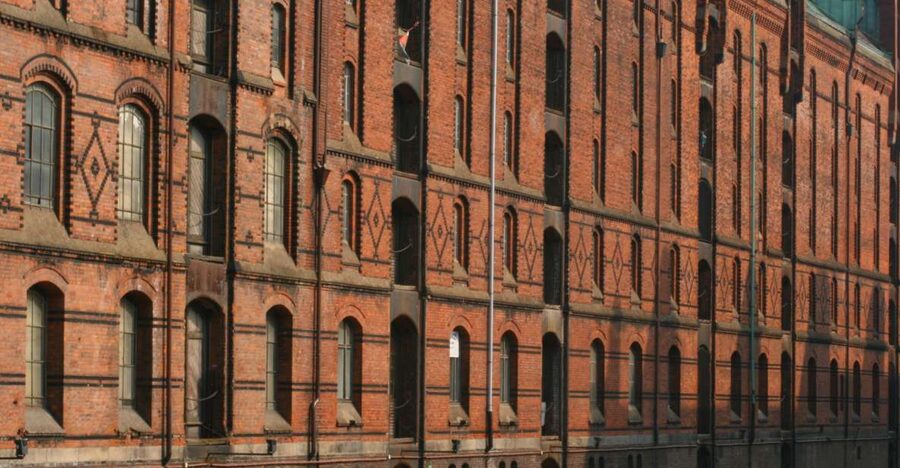
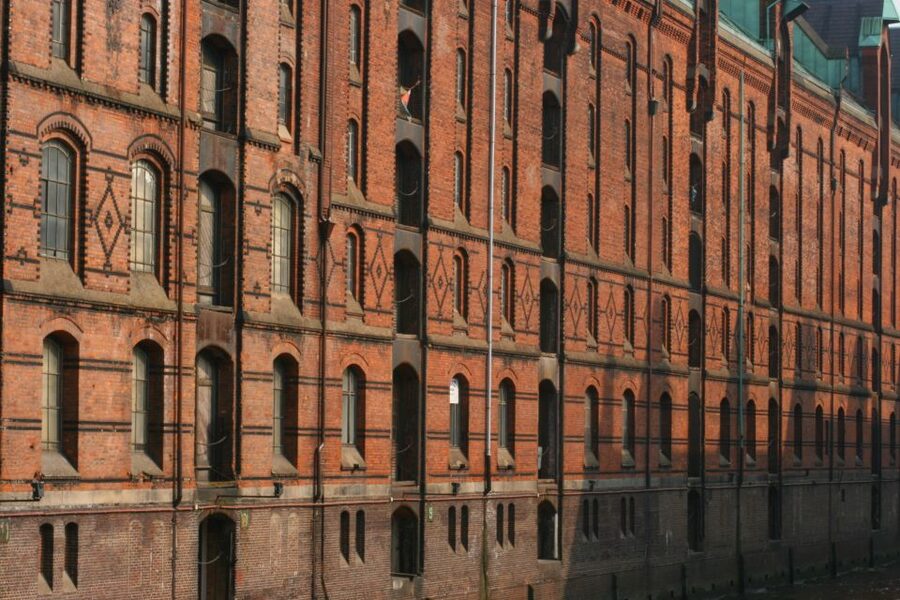
Speicherstadt is the section most people picture when they think of historic Hamburg. Its tall red-brick warehouses line canals and create a strong contrast with the newer buildings around them. The district is visually striking, but the guide adds the working details that keep it from becoming a simple photo stop.
You’ll see old rope winches and hear about carpet storage. These small features show how the warehouses functioned. They also help you imagine the practical problems of moving and storing goods before modern logistics changed the port.
The canals matter too. They were part of the warehouse district’s working system, not just attractive water views. As you walk, you’ll see how brick facades, bridges, waterways, and loading areas fit together.
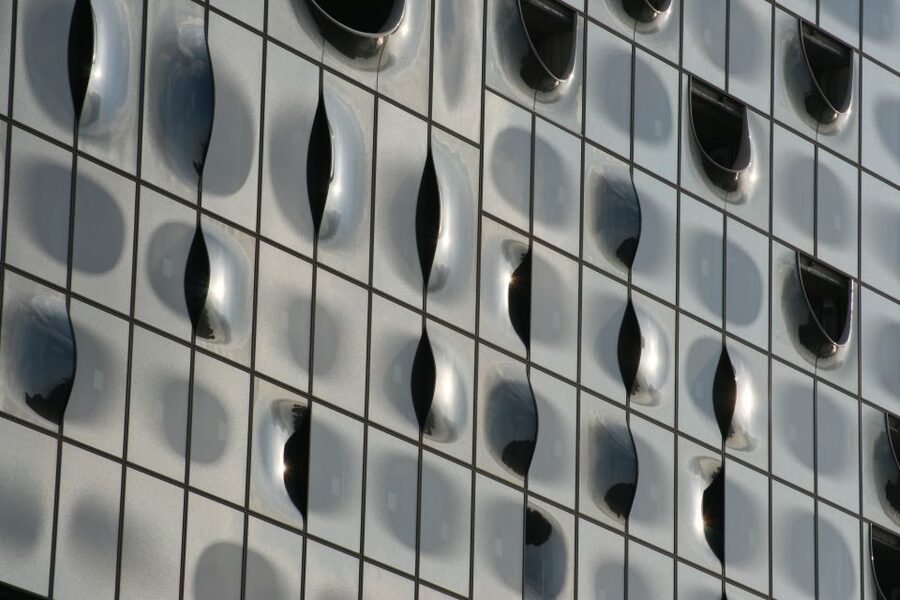
The contrast with modern architecture is one of the best parts of the route. Old warehouses sit near new dock promenades and contemporary buildings, making Hamburg’s development easy to read in a short distance. You do not need a long lecture to understand that the city has kept its historic core while continuing to build around it.
The drawback is that Speicherstadt can be busy and visually distracting. There is a lot to look at, and the two-hour schedule means you cannot stop at every canal corner. Stay close to the guide, especially when the group is moving between viewpoints.
Dar es Salaam Square points toward a wider world
Dar es Salaam Square adds an international note to the walk. The name recalls Hamburg’s long connection with overseas trade and gives the route another way to consider the port’s reach.
Here, the tour continues to connect architecture with movement: goods, ships, companies, and people linked Hamburg to places far beyond northern Germany. The use of pictures and spice samples supports this explanation and gives you more than a list of dates or building names.
This is a good stop for understanding that Hamburg’s identity was shaped by its outward focus. The city’s wealth and influence came through connections across the world, and the warehouses and office blocks were tools for managing those links.
At the same time, the tour is not presented as a full examination of every part of Hamburg’s overseas past. If you want a detailed account of maritime politics, colonial history, or the entire port system, you will need a longer specialist tour. This experience gives you a compact foundation centered on architecture, trade, and urban change.
Magdeburg Harbour closes the route with new Hamburg
The tour finishes at Magdeburg Harbour, where historic Speicherstadt meets newer waterfront development. This ending works well because it leaves you looking forward as well as back.
You’ll see important buildings and areas such as the International Maritime Museum and Überseequartier. The surrounding dock promenades and views toward the Elbe add a broader sense of the harbor district.
The final section helps explain why this route is more than a historic architecture walk. Hamburg has not frozen its old warehouses in time. It has placed them beside modern buildings, new public spaces, and changing waterfront uses. That contrast is visible without needing a separate city-planning lecture.
Ending at the harbor also makes the tour practical for the rest of your day. You can continue exploring the waterfront or visit nearby sights after the guide finishes. The tour does not include entry to the International Maritime Museum, so plan on seeing it from outside unless you arrange a separate visit.
The Saturday ferry option adds a different view
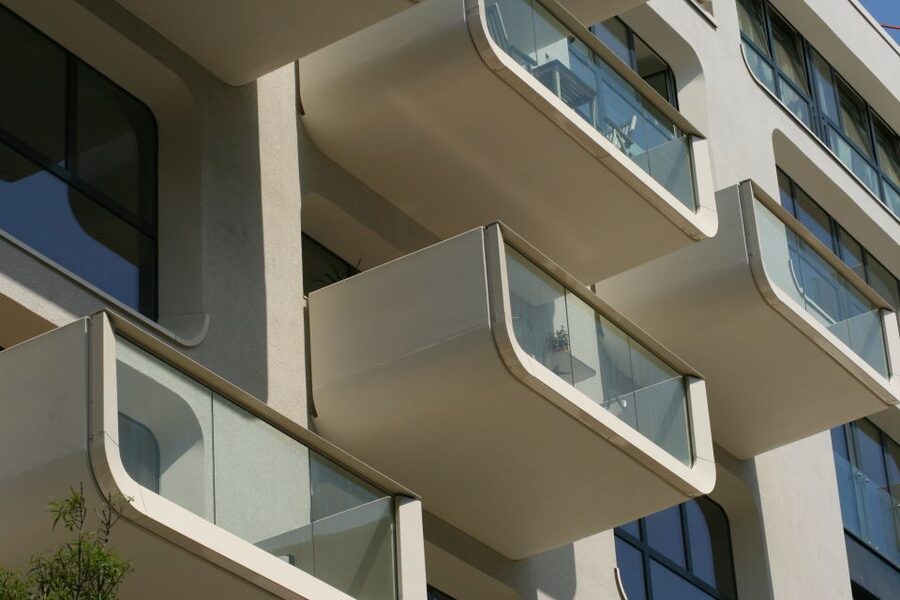
On Saturdays, the experience includes a short trip by ferry. This gives you a chance to see part of the harbor from the water rather than only from streets and canal edges.
It is an appealing extra because Hamburg’s port is easier to understand when you can view its spaces from several directions. The ferry also breaks up the walking and adds a little movement to the route.
Do not book expecting a boat journey on every departure. The ferry option is limited to Saturdays, so check the operating day and current starting time when you reserve. On other days, the tour remains a walking experience.
What the guide adds to the two-hour route
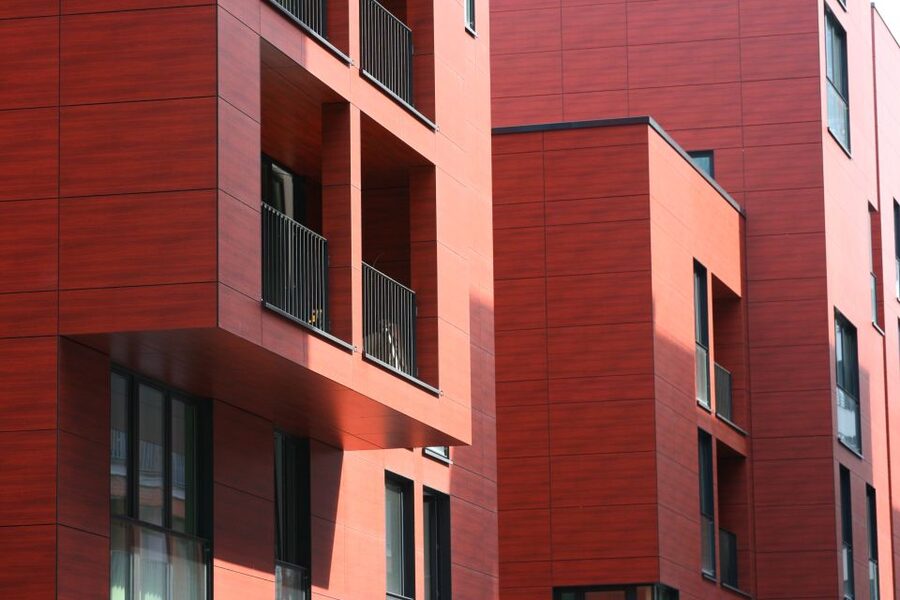
The guide is the main reason this experience works. The route includes familiar sights, but the value comes from linking them into one explanation of Hamburg’s growth.
German is the only listed tour language. If you understand German, you can expect a live guide rather than an audio system or printed route. Albert is one named guide associated with the experience. His delivery is described as clear, well paced, and easy to hear, with detailed explanations that can still offer something new to people who already know Hamburg.
That last point is worth noting. This is not only for first-time visitors. The focus on architecture, office life, storage, port work, and city development gives the walk enough detail to reward anyone who wants a stronger framework for what they are seeing.
The pace is designed to be manageable, but it is still a walking tour with several stops. Wear shoes suited to city streets and bring a layer that can handle changing conditions. The tour runs in all weather, so rain protection is sensible.
Is $18 a fair price for Hamburg?
At $18 per person, this is a good-value introduction to two of Hamburg’s most important historic districts. You are paying for two hours of guided interpretation, not admission to a museum or a long boat cruise.
The value is strongest if you would otherwise walk through Speicherstadt and Chilehaus without knowing what you were seeing. The guide adds the business and port context that turns attractive buildings into part of a larger story.
The price is less compelling if you want extensive time inside buildings, a full harbor boat tour, or a tour in a language other than German. Those are not the aims here. This is a focused city walk with a short Saturday ferry addition.
Free cancellation up to 24 hours before the tour and the option to reserve now and pay later make planning easier. Still, check the current departure time and Saturday ferry details before you commit.
Who should take this walk?
I would suggest this tour to you if you want a short, structured introduction to Hamburg’s center and harbor districts. It suits first-time visitors who want a useful orientation, architecture fans interested in brick and office buildings, and returning visitors who want more context for places they may already have seen.
It also works well for anyone who prefers a local street-level explanation to a large panoramic tour. The guide talks about how the city functioned, not only what it looked like.
You may want a different experience if you do not understand German, need frequent long breaks, or want a detailed interior tour. The route is also not designed as a full account of Hamburg’s entire port or maritime past.
Should you book the UNESCO World Heritage Sites Tour?
Book it if you want to understand why Chilehaus, the Kontorhäuser, and Speicherstadt matter, rather than simply photograph them. For $18, the route covers a lot in two hours, with useful details about rope winches, carpets, spices, clerks, warehouses, canals, and modern harbor development.
I especially like the way it moves from office buildings to storage districts and then to Magdeburg Harbour. That progression makes Hamburg’s growth easy to follow. Choose a Saturday if the ferry ride appeals to you, and dress for any weather.
Skip it if you need English commentary or prefer a slower tour with long stops inside museums. For German-speaking visitors who want a compact, well-organized look at Hamburg’s commercial heart, this is a sensible buy.
FAQ
Where does the tour begin?
The meeting point is Jacobikirche, at the corner of Bugenhagenstraße and Barkhof.
Where does the tour finish?
The tour ends at Magdeburg Harbour.
How long does the tour last?
The walking tour lasts two hours.
What language is the tour conducted in?
The live tour guide speaks German.
Does the tour include a ferry ride?
A short ferry trip is available on Saturdays only.
What sights are included?
The route includes Sprinkenhof, Chilehaus, Meßberg, Speicherstadt, Dar es Salaam Square, and Magdeburg Harbour. It also covers the International Maritime Museum and Überseequartier from the harbor area.
What does the tour cost?
The price is $18 per person.
What should I wear?
The tour operates in all weather conditions, so dress appropriately and wear suitable shoes for walking.
Latest history tours reviewed in Germany
- Freiburg: Exciting City Tour with sightseeing and history★ 4.3 · 103 reviews
- Frankfurt Self-Guided Historical Walking Tour★ 4.0 · 58 reviews
- Frankfurt: Old Town Historical Walking Tour with Geo Epoche★ 4.8 · 47 reviews
- Erfurt Tour – City tour with the historic tram★ 4.8 · 503 reviews
- Dresden: Guided Beer Tour of the Historic Old City★ 4.8 · 95 reviews
- Dessau: Guided Walking Tour through History★ 4.6 · 40 reviews
- Darmstadt: City Highlights and History Guided Walking Tour★ 4.0 · 23 reviews
- Cologne: Old Town Historical Walking Tour with GEO Epoche★ 4.7 · 31 reviews
Hamburg History Tours, compared.
Hamburg: Historical Tour of the St. Pauli Sex Work District
Read our review →
Sightseeing Tour – Free Tour – Historic Center-Hamburg On Foot
Read our review →Browse the lists this tour appears in