Review · ATHENS
Acropolis of Athens, Ancient Agora and the Agora Museum Tour
The best thing about this tour is the way it links the Acropolis and Ancient Agora in one morning-to-afternoon walk. You see the monuments most people come to Athens for, then move into the civic center where ancient Athenian public life took shape. A guide helps turn worn stones into a city you can picture.
I like the strong historical storytelling and the chance to see both the Parthenon and the Temple of Hephaestus area without arranging separate visits. I also like the practical pace: guides such as Tina, Helen, Eli, and Hermes have been praised for answering questions, finding shade, and allowing time for photographs.
The main catch is the heat, uneven stone, and steep climbing. Entrance tickets are separate, and the Acropolis has strict entry times, so late arrival or an incorrect ticket can spoil the plan. Bring water, sun protection, sturdy shoes, and your ID or passport.
Key points at a glance
- Two major ancient sites in four hours: Begin at the Acropolis, then continue to the Ancient Agora and its museum.
- Strong guide-led interpretation: Guides including Pam, Tina, Hermes, Helen, Eli, Sissy, and Amaryllis are praised for clear history, modern connections, and patient pacing.
- Tickets require careful planning: The guide fee and site admission are separate, and both entry times must match the tour schedule.
- A demanding walk: Expect slopes, steps, slippery stones, and little shade at times.
- Small enough to stay organized: The group can include up to 24 people.
- Useful extras included: You receive an Athens map and guide magazine, but not food, drinks, transport, or admission fees.
Why pair the Acropolis with the Ancient Agora?
You can see the Acropolis on your own, of course. But without context, the Parthenon can become a grand pile of columns followed by a long list of dates. This tour gives you a wider picture of Athens, from religious monuments on the hilltop to public debate, commerce, and daily civic life below.
The Acropolis presents Athens at its most monumental. The Ancient Agora gives you a more grounded look at how the city functioned. Together, they explain not only what ancient Athenians built, but also how they worshipped, governed, gathered, and remembered their past.
That pairing is the tour’s real value. You are not simply checking off two archaeological sites. You are following the relationship between the city’s symbolic center and its public heart.
More Ancient History Tours in Athens
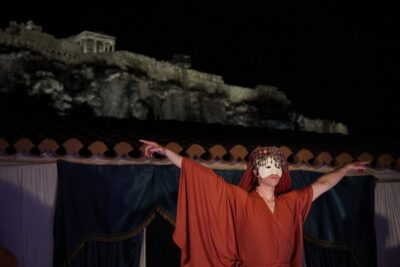
- Athens: Ancient Greek Theater Performance
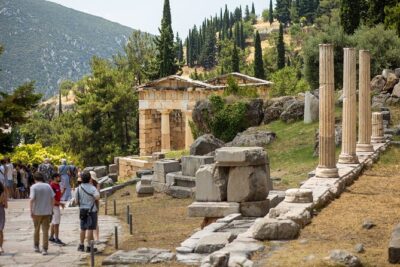
★ 4.7 · 2,481 reviews - Historical Delphi One Day Tour with Arachova Stop & Expert Guide
★ 4.5 · 1,247 reviews - From Athens: Ancient Corinth Day Trip with Canal & VR Guide
★ 4.6 · 1,073 reviews
Starting beneath the Acropolis at 10:30 a.m.
The meeting point is at Dionysiou Areopagitou 3, near the Acropolis and public transportation. The tour begins at 10:30 a.m., with the Acropolis first and the Agora scheduled for approximately 1 p.m.
Arrive early. Acropolis entry times are strict, and the group cannot wait for late arrivals. Airport-style security is used at the site, and during the busiest season waits can reach 30 minutes or more. That makes an early arrival more than a polite suggestion. It is part of protecting your place on the tour.
The start area is close to the Fresko Yoghurt bar beneath the Acropolis, a useful landmark mentioned by returning participants. Still, use the exact meeting-point information on your voucher and allow extra time for city traffic, finding the entrance, and security.
The group size can reach 24 people. That is not a private tour, but it is small enough for a guide to keep the group moving and answer questions. The experience is offered in English.
Walking through the Acropolis monuments
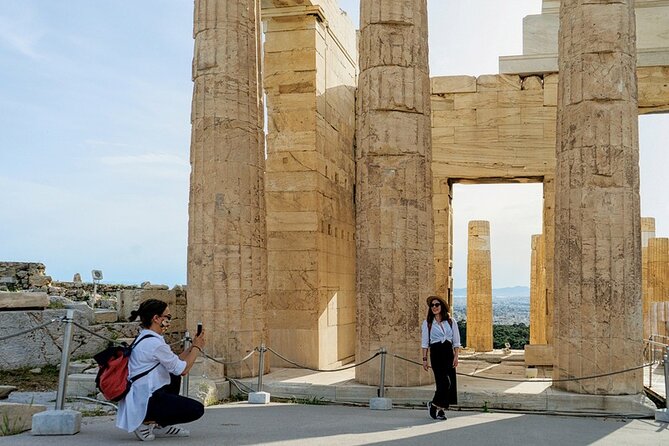
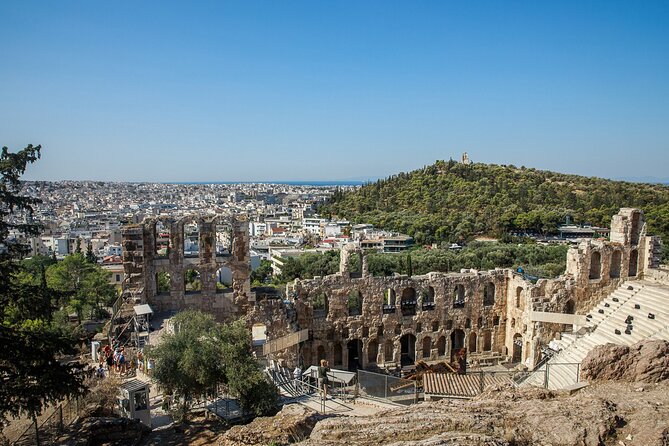
The Acropolis portion takes about 90 minutes when the Parthenon visit is counted separately from the wider Acropolis stop. You will see the Parthenon, the Temple of Athena Nike, the Theater of Dionysus, the Odeon of Herodes Atticus, and other monuments on the hill.
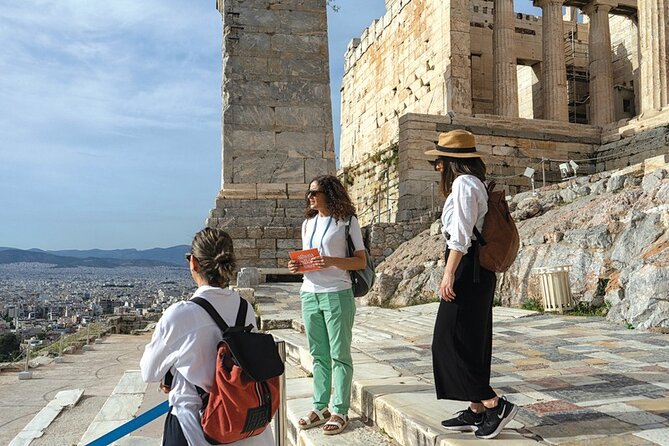
The climb is part of the experience, not a minor detail. You will walk over uneven ancient surfaces and ascend slopes and steps. Some stones can be slippery, so smooth-soled sandals are a poor choice. Comfortable athletic shoes or hiking shoes are the safer bet.
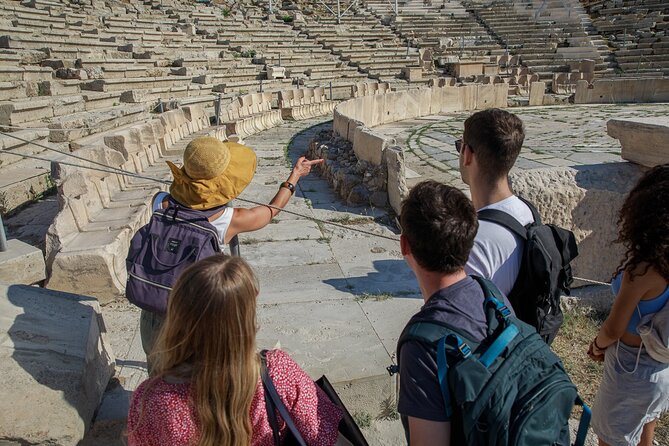
The Theater of Dionysus is an especially useful first stop because it helps place drama within the religious and civic life of Athens. The Odeon of Herodes Atticus offers another reminder that the Acropolis was not only a hill with one famous temple. It was a setting filled with performance, ritual, monuments, and public meaning.
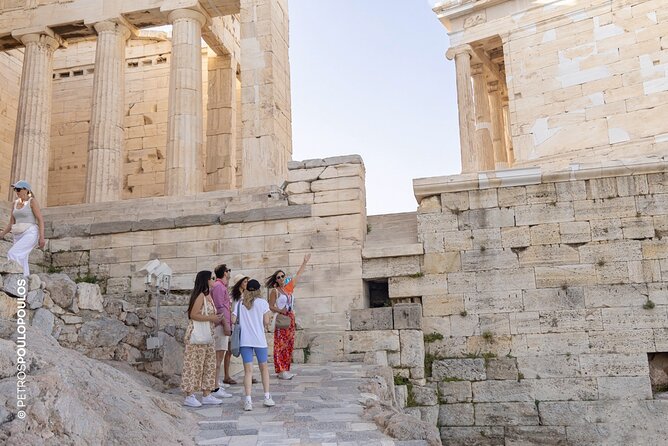
At the top, the Parthenon takes center stage. The guide explains what you are seeing rather than leaving you to guess which column or foundation mattered. Sissy, for example, has been praised for explaining what the Acropolis may have felt like during its construction. Eli has been praised for connecting its ideas and institutions with the modern world.
You should have time for photographs. The views from the Acropolis are one of the clear rewards of the climb, and the tour is not designed as a breathless march from one explanation to the next. Still, the length of each stop depends on the group, site conditions, and the guide’s approach.
A practical note: baby strollers are not allowed on the Acropolis archaeological site, and there is no cloakroom at the side entrance used by the tour. If you are traveling with an infant, a baby carrier or pouch is recommended.
The Parthenon and the power of seeing it with context

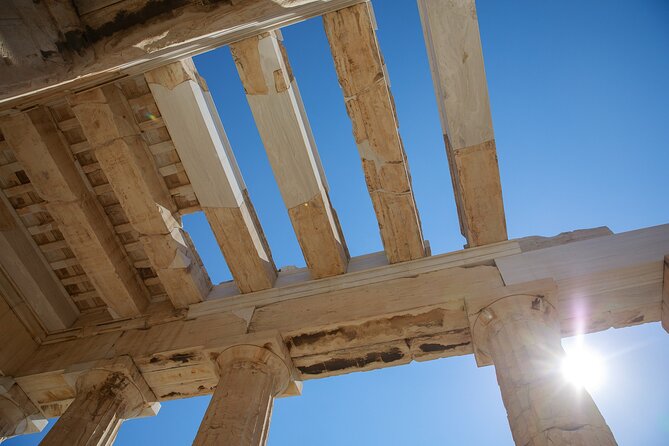
The Parthenon stop is listed at about 30 minutes, though the surrounding Acropolis visit gives you additional time with the monument. The temple is famous enough that you may think you already know what to expect. In person, the scale, damage, and setting make it far more complicated than a postcard.
A guide can help you read the site: what is original, what has been lost, what the building represented, and how it fit into the larger Acropolis complex. The strongest guides on this tour appear to focus on significance as well as description.
That distinction matters. You do not need someone to tell you that the Parthenon has columns. You need help understanding why this building mattered to Athens, why later generations altered and damaged it, and how modern ideas about democracy and civic life relate to the city around you.
Expect crowds and security delays, especially in peak season. The site runs in all weather, so a hot day, rain, or strong sun can change the feel of this section. Guides have been noted for seeking shade where possible, but shade is limited on the hill.
More Ancient History Tours in Greece
- Acropolis, Parthenon & Athens Old City Heritage Walking Tour
★ 4.5 · 876 reviews - Private Biblical Tour Ancient Corinth & Isthmus Canal from Athens
★ 5.0 · 762 reviews - Athens: Ancient Corinth & Nafplio Full Day Trip with Swim
★ 4.8 · 531 reviews - Athens: Ancient Agora E-Ticket and Audio Tour
★ 3.9 · 413 reviews
Descending to the Ancient Agora around 1 p.m.
After the Acropolis, the group continues to the Ancient Agora of Athens at Adrianou 24. The Agora portion takes about an hour. It is a welcome change in scale after the exposed climb and monumental architecture above.
This was the place to think about Athens as a working city. The Agora was connected with public life, politics, commerce, and social activity. You will encounter foundations and ruins that need explanation, which is exactly where the guide adds value.
Without help, the Agora can be harder to read than the Parthenon. Low walls and scattered remains do not announce their purpose. A guide such as Helen or Amaryllis can help connect the surviving pieces with the way the city operated, including the civic ideas that later influenced Western political thought.
The setting also gives you a chance to slow down. Several guides have been praised for keeping a sensible pace and allowing questions. If you are tired after the Acropolis, this section still requires walking, but it generally offers a less strenuous rhythm than the hilltop visit.
The tour ends at the Ancient Agora. There is no hotel pickup or drop-off, so plan your next stop from central Athens rather than expecting a ride back to your accommodation.
The Agora Museum and the Temple of Hephaestus
The final stop is the Museum of the Ancient Agora, at 24 Adrianou, for about 30 minutes. The museum helps put smaller objects and daily life alongside the larger ruins outside.
That half-hour can be useful, especially if you enjoy archaeology and want more than monumental architecture. It may feel less essential if your main goal is the Parthenon or if the morning heat has drained your attention. One participant found the museum less important than the open-air sites, while another noted that it was closed for renovation during a visit.
Museum access can therefore depend on operating conditions. The tour information lists the museum as part of the route, but you should be prepared for the possibility that renovation or site rules affect what is open.
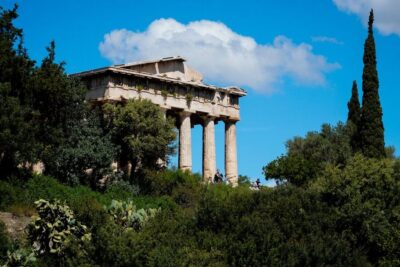
The nearby Temple of Hephaestus is another worthwhile feature of the Agora area. It gives you a chance to see a well-preserved ancient temple in a setting that feels different from the crowded Acropolis. The tour’s precise time at each feature can vary, so do not expect a long independent visit after the group finishes.
What the guides add
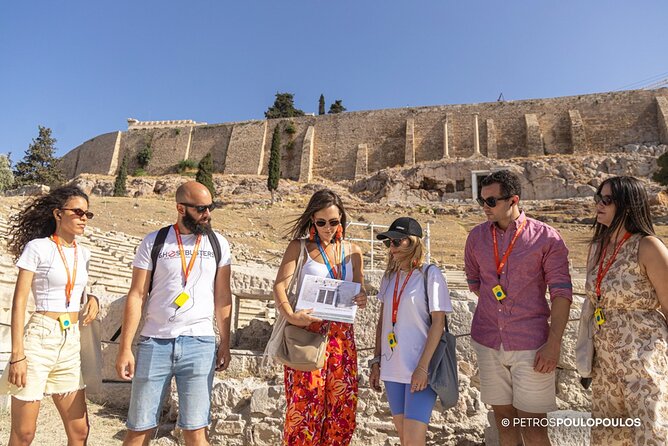
The guide is the heart of this experience. The most praised guides are not simply reciting facts. They use stories, social context, and modern comparisons to explain why the ruins still matter.
Pam has been praised for combining many historical details with a kind manner. Tina has been noted for connecting individual experiences with the wider story of the Acropolis and Western civilization. Hermes is described as a strong storyteller who answers questions and takes care of the group.
Eli’s approach focuses on how ancient Greek ideas about democracy and education shaped later societies. Amaryllis has been praised for adding historical and sociological context. Angeliki, an archaeologist, has helped make the Agora’s scattered remains easier to understand.
That variety means your exact experience depends on the guide assigned to your date. The consistent pattern is clear: this tour works best for someone who wants interpretation, not just access. One less positive experience involved a guide repeating points and giving too much detail, so the storytelling style may not suit everyone equally.
Price, tickets, and what you actually receive
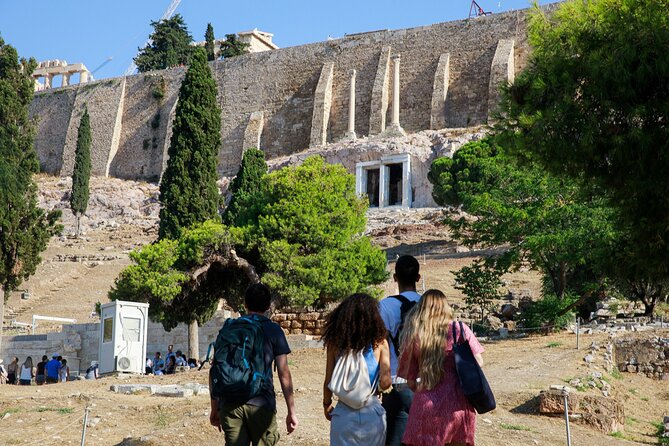
At about $67.58 per person, the tour fee buys a licensed local guide, the organized walking route, an Athens guide magazine, and a map. It does not automatically include admission to the archaeological sites. Depending on the option you choose, you may need to purchase the Acropolis and Agora tickets separately.
Read the booking instructions carefully. If you choose the option without tickets, you must follow the voucher directions and secure admission before the tour. You also need to make sure the Acropolis and Agora entry times fit the schedule, with the Acropolis first and the Agora around 1 p.m.
This ticket arrangement can be confusing, especially because the guide service and site admission are presented separately. The financial value is best if you want a guide and would otherwise struggle to make sense of the sites. If you already know the history well and prefer wandering alone, the added cost may be harder to justify.
You may also be able to use a broader multi-site archaeological ticket if it suits your plans. One participant used a five-day ticket covering the Acropolis, Ancient Agora, Roman Agora, Hadrian’s Library, and Kerameikos. Check the current ticket rules and availability before relying on that option.
The tour is often booked well ahead, with an average booking lead time of about 47 days. That suggests you should not leave it until the last minute if your Athens dates are fixed.
Heat, shoes, water, and safety
Treat this as a sporty walking tour. Bring more water than you think you need. Several practical accounts recommend around two liters per person on hot days, along with sunscreen, a hat, and an umbrella for sun protection.
Athens can become very hot even outside midsummer. One early May visit became uncomfortably warm, and another took place during a heat wave. Guides may look for shade, but they cannot create it on an exposed archaeological hill.
Wear shoes with a firm grip. The stones can be uneven and slippery, especially on slopes and worn steps. Take care with every ascent and descent, and do not rush to keep up with the group.
Keep an eye on your belongings. Pickpocket warnings have been given during the tour, particularly in crowded areas. The tour itself is open in all weather, so rain gear may be useful on a wet day, while loose, breathable clothing makes more sense in the heat.
Most people can participate, but anyone with serious mobility limits should think carefully about the climbs, slopes, and ancient surfaces. There is no promise of a flat route or extensive seating.
Who should book this Athens walking tour?
I would choose this tour if you are visiting Athens for the first time, want a clear introduction to ancient Greek culture, or prefer a guide to explain the sites as you walk. It suits couples, families with older children, and adults who want both the headline monument and the less obvious civic center.
It is also a good fit if you want your Acropolis visit to connect with larger ideas about democracy, education, religion, drama, and city life. The Agora makes the day feel broader than a single stop at the Parthenon.
I would think twice if you dislike fixed schedules, group walking, or detailed historical explanation. The four-hour route can feel long after the Acropolis, especially in hot weather. A stroller is not practical, and anyone who wants a slow, independent museum visit may find the guided format restrictive.
The cancellation policy is forgiving up to 24 hours before the start time, with a full refund. After that point, the fee is not refunded, and late changes are not accepted. Site entry itself is less flexible because of strict timed admission.
Should you book it?
Book this tour if you want the Acropolis and Ancient Agora to make sense as parts of one city. The strongest reason to go is the guide-led explanation, especially when your guide links the ruins to the way Athens shaped civic life and later Western ideas.
Before paying, confirm exactly which entrance tickets are included, buy any required tickets in advance, and check both entry times. Then show up early with sturdy shoes, plenty of water, sun protection, and your ID or passport.
If you follow those steps, the $67.58 guide fee can be good value for a first visit. You will see the essential monuments, gain a better grasp of the Agora, and finish with a clearer picture of ancient Athens than the stones alone can provide.
FAQ
How long does the Acropolis and Ancient Agora tour last?
The experience lasts approximately four hours. It starts with the Acropolis at 10:30 a.m. and reaches the Ancient Agora at approximately 1 p.m.
What sites are included on the route?
The route includes the Acropolis, Parthenon, Temple of Athena Nike, Theater of Dionysus, Odeon of Herodes Atticus, Ancient Agora, and Museum of the Ancient Agora.
Are entrance tickets included in the price?
Entrance fees depend on the option selected and are not automatically included. If you choose the option without tickets, you must follow the voucher instructions to purchase admission before the tour.
Where does the tour start and end?
The tour starts at Dionysiou Areopagitou 3 in Athens. It ends at the Ancient Agora of Athens.
Is the tour offered in English?
Yes. The experience is offered in English.
Are strollers allowed at the Acropolis?
No. Baby strollers are not allowed on the Acropolis archaeological site, and there is no cloakroom at the side entrance used by the tour. A baby pouch is recommended instead.
What happens if I arrive late or need to cancel?
The group cannot wait for late arrivals because Acropolis entry times are strict, and the tour fee is not refunded if you miss the required entry. You can cancel for a full refund up to 24 hours before the start time.
More Museum and Gallery History Tours in Athens
- New York City: American Museum of Natural History Ticket
★ 4.5 · 15,447 reviews - Paris: Louvre Museum Entry with History of Mona Lisa
★ 3.9 · 2,823 reviews - Venice’s Best: Basilica, Doge’s Palace, Gondola & History Gallery
★ 4.5 · 2,478 reviews - American Museum of Natural History Admission Ticket
★ 4.0 · 1,931 reviews
More Museum and Gallery History Tours in Greece
- Ancient Athens tour: Acropolis, Parthenon and Acropolis Museum
★ 5.0 · 256 reviews - Athens: Kotsanas Ancient Greek Technology Museum Guided Tour
★ 5.0 · 29 reviews - Ancient Olympia: Archaeological Site and Museum Entry Ticket
★ 4.3 · 555 reviews - Heraklion Highlights: Knossos, Museum & Historic City Drive
★ 5.0 · 64 reviews
Latest history tours reviewed in Athens
- From Athens: Ancient Olympia Full-Day Private Tour★ 4.8 · 22 reviews
- From Athens: Explore Ancient Corinth & Charming Nafplion★ 4.6 · 102 reviews
- From Athens: Explore Ancient Greece 4-Day Tour★ 4.7 · 73 reviews
- Athens: Women in Ancient Greece★ 5.0 · 98 reviews
- Athens: The History of Greek Mythology Private Tour★ 4.7 · 53 reviews
- Athens: Ancient Corinth & Nafplion Guided Premium Tour★ 4.7 · 237 reviews
- Athens: Roman Agora & Ancient Agora E-ticket & 2 Audio Tours★ 4.1 · 107 reviews
- Athens: Kotsanas Ancient Greek Technology Museum Guided Tour★ 5.0 · 29 reviews
Athens History Tours, compared.
Historical Delphi One Day Tour with Arachova Stop & Expert Guide
Read our review →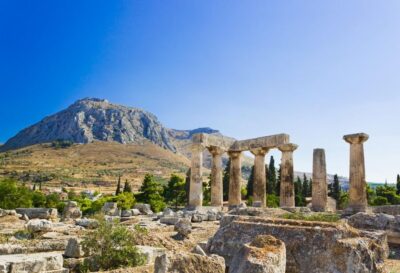
From Athens: Ancient Corinth Day Trip with Canal & VR Guide
Read our review →
Historic Athens: Small Group Electric Bike Tour
Read our review →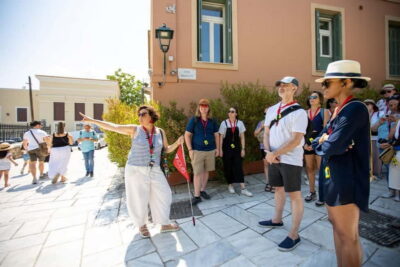
Acropolis, Parthenon & Athens Old City Heritage Walking Tour
Read our review →
Private Biblical Tour Ancient Corinth & Isthmus Canal from Athens
Read our review →
Athens: Ancient Corinth & Nafplio Full Day Trip with Swim
Read our review →