
Review · NORWAY
Oslo: Historic Myths & Legends Evening Walking Tour
Oslo’s old center gets more interesting after dark, when City Hall murals, fortress walls, and quiet squares become the setting for stories about trolls, nisse, huldra, and Viking beliefs. This two-hour walk links folklore with real events, including prison tales, old punishments, and daring thefts.
I like the way the tour uses myths to explain Norwegian culture, not just to tell spooky stories. I also like the easy pace and the chance to see major sights while learning details you could easily miss alone. The main catch is the weather: winter wind and temperatures below freezing can make an evening walk hard without proper layers.
Key points to know before you book
- Folklore with historical context: Learn how trolls, bells, flutes, and underground kingdoms fit into Norwegian tradition.
- Four central Oslo stops: The route includes City Hall, Christiania Torv, Akershus Fortress, and Bankplassen.
- Strong guide-led experience: Maria and Anastasia are among the guides praised for humor, clear English, local advice, and lively storytelling.
- A good first-day introduction: The walk gives you a useful sense of Oslo’s old center and ideas for places to explore later.
- Winter needs serious clothing: The route is manageable, but cold, darkness, snow, and wind can change the experience.
- Not designed for every visitor: The activity is not suitable for children under 13, wheelchair users, or people with mobility impairments.
What this Oslo myths and legends walk is really about
At $42 per person, this is not simply a sightseeing stroll. You are paying for a guide to connect buildings and squares with the beliefs, crimes, fears, and everyday stories that shaped old Oslo.
The tour keeps one foot in history and the other in folklore. You might hear about Norse gods and Viking beliefs, then move into stories about trolls or the helpful nisse. Later, the subject shifts to crime, punishment, prisoners, and thefts. That mix gives the walk a broader appeal than a standard architecture tour.
I think the best reason to book is the storytelling. A guide can point to a carved detail, a fortress wall, or a city square and explain why it matters. Without that context, you see attractive buildings. With it, the old center becomes a series of connected stories.
The activity has a rating of 4.8 from 408 reviews, and the praise is unusually consistent around the guides. Maria is repeatedly described as warm, funny, and full of useful city tips. Anastasia receives similar praise for her enthusiasm, clear English, and vivid stories. Other guides may lead your departure, but the format depends heavily on having someone who can keep a group interested outdoors for two hours.
More History Walking Tours in the world:
- History and Hauntings of Salem Guided Walking Tour
★ 5.0 · 14,564 reviews - Lisbon: History, Stories and Lifestyle Walking Tour
★ 4.8 · 10,902 reviews - Boston: Freedom Trail History Small Group Walking Tour
★ 5.0 · 6,450 reviews
Starting by Oslo City Hall
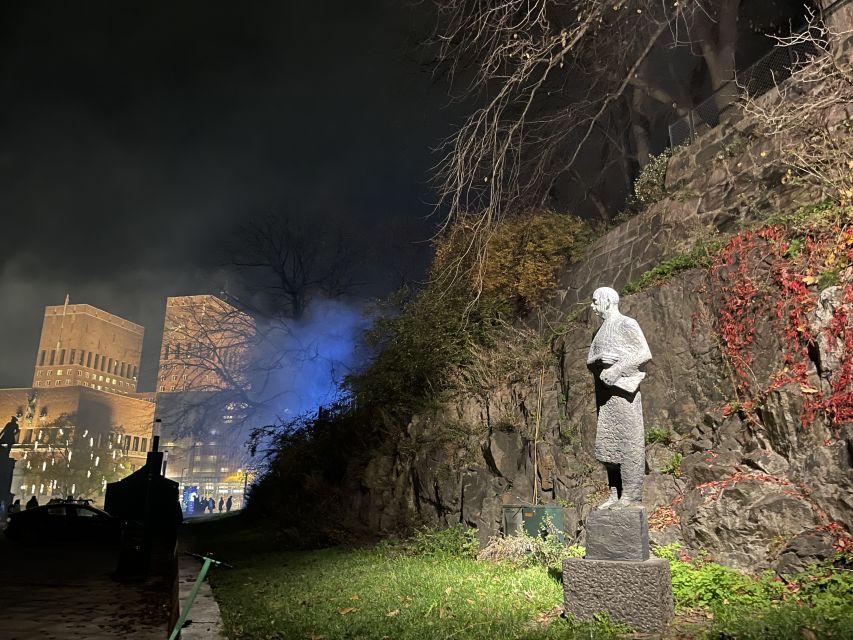
Meet near the Swans fountain at the entrance to Oslo City Hall on Fridtjof Nansen’s square. This is a practical starting point in the central city, and it gives the guide a strong opening setting.
City Hall is more than a meeting point. Inside, wooden friezes show scenes connected with Viking beliefs and Norwegian culture. The tour uses these designs to introduce the way old stories appear in public art. That matters because the myths are not treated as random fantasy. They form part of how Norway presents its past and identity.
The opening section also covers expeditions and the lives of Vikings who sailed the Nordic seas. Expect a broad introduction rather than a specialist lecture. The walk aims to give you enough background to understand later stories, not to cover every detail of Viking-era Norway.
I like this start for a first day in Oslo. You get an immediate sense of the city’s public spaces, then begin learning how local history and folklore overlap. Guides also use this part of the walk to answer questions and suggest other places to visit during your stay.
One practical point: City Hall is an outdoor meeting location, so arrive ready for the weather. In winter, the area may be dark during the tour. One December departure ran from 4 p.m. to 6 p.m., with darkness throughout much of the walk.
Christiania Torv and Oslo’s older character
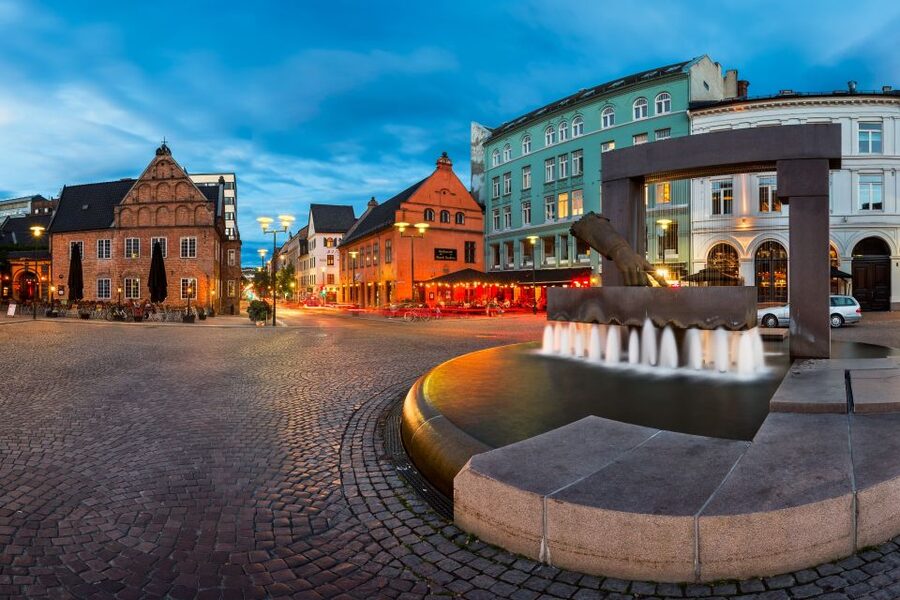
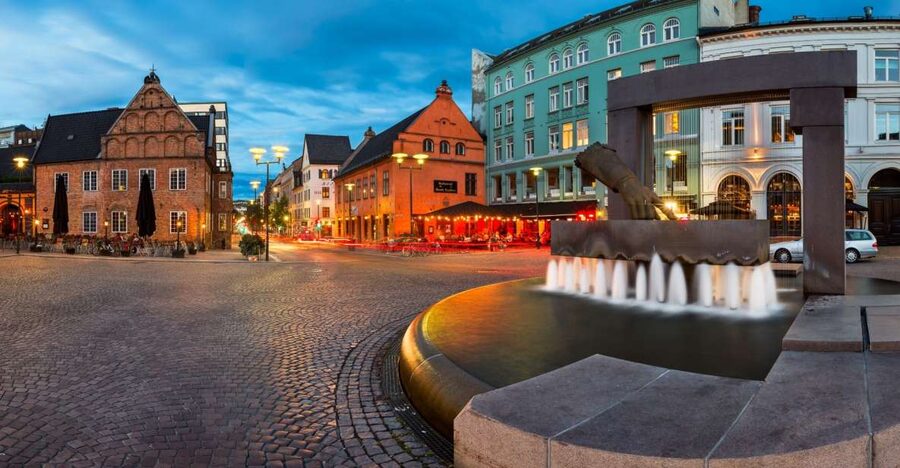
From City Hall, the route moves toward Christiania Torv, one of the key historic squares in the old center. This stop helps explain how Oslo changed over time and how events left their mark on the city.
The guide uses the square as a setting for stories from Oslo’s past. These may include local characters, unusual events, and episodes that do not usually appear in a basic city introduction. That is the appeal of this stop: you are not only looking at a square, you are learning how people used and understood it.
The walk is designed to be relaxed. You can stop for photographs, ask questions, and listen without being rushed from one landmark to another. A guide has also been praised for allowing time for personal anecdotes and questions while keeping the group on schedule.
I would not choose this tour if you want a tightly organized march through major monuments with lots of dates and architectural facts. The emphasis is on stories and atmosphere. Christiania Torv works best when you enjoy small details, local legends, and the odd turn in the narrative.
For first-time visitors, this part also helps you get your bearings. You begin to understand the relationship between Oslo’s civic center, older streets, and the waterfront area. Several guides offer suggestions for other parts of the city to see after the walk.
Akershus Fortress after dark
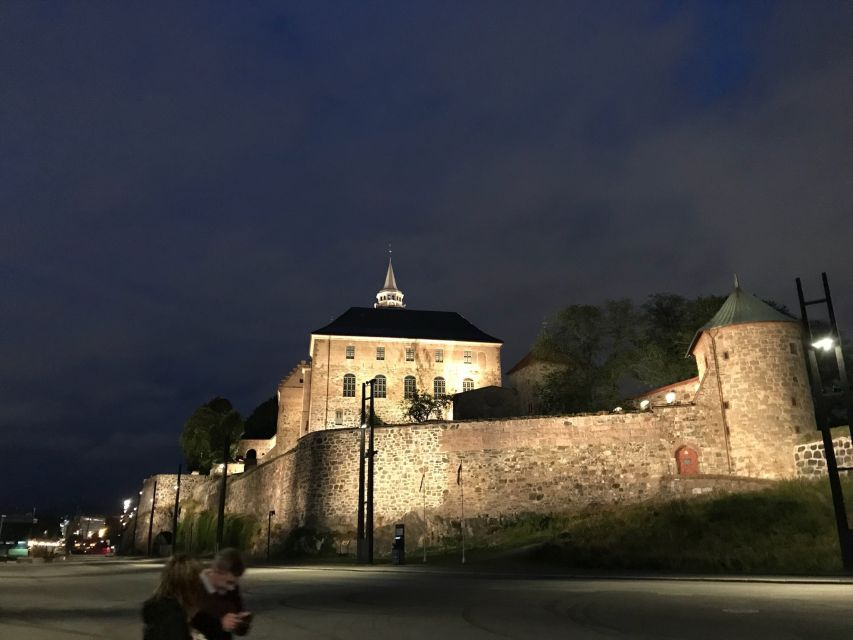
Akershus Fortress is the visual high point of the route. Its walls, defensive layout, and medieval engineering provide a strong setting for stories about protection, power, prisoners, and death.
The guide explains why Oslo needed a fortress and how its design served military and political purposes. You will hear about the castle’s past and the people held within its walls. The prison stories add a darker edge, but the activity is not a ghost-hunting tour.
That distinction is important. You are not taken underground, and the walk does not claim to investigate paranormal activity. Instead, legends about ghosts and underground kingdoms are discussed for their cultural and historical meaning. If you want haunted tunnels or theatrical scares, this is not the right booking. If you want to understand why such stories attached themselves to old places, it is a better fit.
The fortress can also be a strong evening stop because light, shadow, and quiet surroundings change how you see the site. In summer, late daylight may give the walk a softer feel. In winter, darkness and cold can make the fortress feel more dramatic, but they also make warm clothing essential.
The route is described as manageable, but it is still a walking tour over historic ground. The activity is not suitable for people with mobility impairments or wheelchair users. Comfortable shoes are specifically recommended.
More History Tours in the world:
- New York City: American Museum of Natural History Ticket
★ 4.5 · 15,447 reviews - Colosseum: Underground and Ancient Rome Tour
★ 4.7 · 12,691 reviews - London Small Group Tour of Historical Pubs
★ 5.0 · 10,422 reviews - Prague: Oldtown, Medieval Underground & Dungeon History Tour
★ 4.3 · 10,277 reviews
Bankplassen, thefts, and old justice
At Bankplassen, the subject turns from legend to crime. The guide tells stories of audacious thefts and complicated robberies that once disturbed the city.
This is one of the tour’s more distinctive features. Many city walks stay with kings, churches, and famous buildings. Here, you also hear about the people who tried to beat the system, the methods used in thefts, and the way authorities responded.
The section on justice gives you a glimpse of how medieval Oslo treated crime. Punishments were shaped by the laws and social order of the time, often in ways that feel severe by modern standards. The guide places these events in context rather than presenting them only for shock value.
I find this part useful because it makes the city feel lived in. Oslo’s past was not only made by rulers and explorers. It also involved criminals, prisoners, officials, witnesses, and ordinary people caught up in public disputes.
The stories also break up the mythology. After hearing about trolls and huldra, you return to documented crime and civic life. That balance keeps the tour from becoming too whimsical. You get folklore, architecture, social history, and local color in one route.
Trolls, nisse, huldra, and the Norwegian imagination
The folklore section is likely to be the main reason many people choose this tour. Norwegian stories include mischievous trolls, kind-hearted nisse, and the mysterious huldra. The guide explains how these figures were passed down and how they shaped popular beliefs.
The tour also touches on less familiar customs and fears. One participant found the ideas about flutes and protective bells especially memorable. Details like this are more useful than a long list of famous gods because they show how folklore could influence daily behavior.
You should expect the stories to be presented in an accessible way. The guides use humor and interaction, and the English-language format allows questions. Maria has been praised for making the information easy to follow, while Anastasia has been noted for her passion and strong command of English.
This is not a scholarly course in Norse mythology. If you already know the sagas well, some of the introduction may feel familiar. The value comes from hearing the stories connected to actual places in Oslo and seeing how folklore appears in art, architecture, and local memory.
The evening timing adds atmosphere without changing the purpose of the tour. You see the city lit up, but the focus remains educational. It is mysterious in mood, not a staged horror show.
The pace, guide style, and group experience
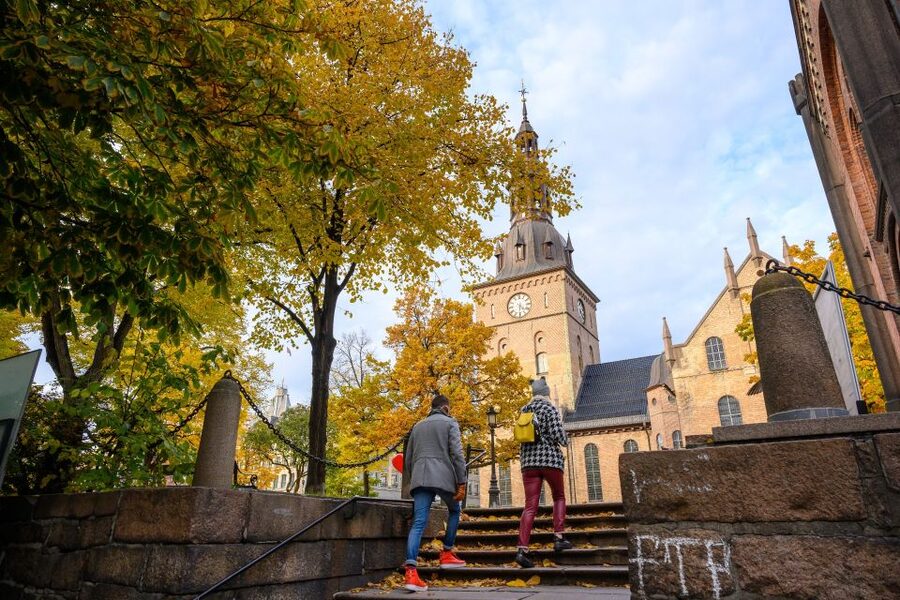
The walk lasts two hours and is described as relaxed and well paced. That should suit you if you want time to listen, take photographs, and ask questions.
The guide makes a major difference. The strongest reports describe guides who are funny without turning the tour into a comedy routine, and informative without delivering a dry lecture. Maria is especially often named, while Anastasia is praised for vivid storytelling and recommendations for the rest of Oslo.
You should also expect an interactive format. Guides answer questions and may invite conversation rather than speaking without pause. That can make the experience feel personal, though it also means the exact balance of stories depends on the group and the guide.
The English is intended for an English-speaking audience. Several people have specifically noted clear communication and the ability to understand questions. That is useful if you want to ask about a detail rather than simply follow a prepared speech.
Solo visitors should feel comfortable booking. One solo participant described the tour as a great evening, and the format gives you an easy way to get a first sense of the city. Families with older children may also enjoy it, but the official guidance says it is not suitable for children under 13. One family reported that children aged eight and ten loved the walk, but that individual experience does not change the stated age restriction.
Weather, clothing, and seasonal timing

Weather is the biggest practical factor. Winter departures can involve snow, wind, darkness, and temperatures around minus 10 Celsius. The walk can still be enjoyable in those conditions, but only if you dress for standing outdoors as well as walking.
Bring comfortable shoes with enough grip for cold or wet streets. Add warm layers, a proper coat, gloves, and something to protect your head and neck in winter. The wind around Oslo can feel sharper than the temperature suggests.
In spring and autumn, the walk may be easier physically, but evenings can still be cool. Summer gives you more light and a gentler outdoor setting. The tour remains an evening experience in every season, so check the departure time and prepare for the conditions on your date.
The route does not include food or drinks. Plan to eat before or after if you need a meal. Hotel pickup and drop-off are not included, so make your own way to City Hall and away from the final stop.
Is $42 good value?
At $42, the tour sits in the reasonable range for a two-hour guided activity in a capital city. The value depends on how much you want interpretation rather than simple sightseeing.
If you walked this route alone, you could see City Hall, Christiania Torv, Akershus Fortress, and Bankplassen without paying an admission fee for the walk itself. But you would miss the connections between the sites, the folklore, the crime stories, and the explanations of the fortress.
I think the price is fair for a first or second day in Oslo, especially if your guide is as engaging as Maria or Anastasia. You gain an overview of the old center and a list of places to revisit. The reserve-now, pay-later option and free cancellation up to 24 hours before departure also make it easier to fit into a changing itinerary.
It is less valuable if you dislike walking outdoors at night, already know Oslo’s central sights well, or want a tour focused only on serious academic history. The experience is informal, story-led, and designed to entertain as it informs.
Who should book this evening walk?
I would recommend it to first-time visitors, solo visitors, couples, and anyone who enjoys folklore with a real historical setting. It also works well for people who want an easy orientation before exploring Oslo on their own.
Book it if you like:
- Norse mythology and Norwegian folklore
- Small historical details rather than only famous landmarks
- Guides who welcome questions
- Evening views of central Oslo
- A mix of documented events and traditional stories
- Practical suggestions for what to see next
Think twice if you have mobility limitations, use a wheelchair, or strongly dislike cold-weather walking. The activity is also not intended for children under 13, despite one positive family account involving younger children.
Should you book the Oslo Historic Myths and Legends Evening Walking Tour?
Yes, if you want more than a checklist of Oslo sights. The route covers important central locations, but the real product is the guide’s storytelling: trolls beside Viking beliefs, fortress prisoners beside old robberies, and Norwegian customs beside modern city streets.
I would book it early in an Oslo stay. You get a useful introduction, ideas for later sightseeing, and a better sense of what the old center means. Pack warm clothes, wear good shoes, and treat the tour as a cultural story walk rather than a ghost hunt. At $42, it offers solid value for a well-led two-hour introduction to Oslo’s myths, crimes, and historic streets.
FAQ
Where does the Oslo myths and legends tour meet?
Meet near the Swans fountain at the entrance of Oslo City Hall on Fridtjof Nansen’s square.
How long does the walking tour last?
The tour lasts two hours. Departure times vary, so check availability for the date you want.
What language is the tour conducted in?
The tour is conducted in English with a live English-speaking guide.
Which places does the route visit?
The walk begins at Oslo City Hall and includes Christiania Torv, Akershus Fortress, and Bankplassen, along with other central Oslo locations.
Is this a ghost-hunting tour?
No. The tour discusses legends about ghosts and underground kingdoms as part of Norwegian history and culture, but it does not involve underground exploration or ghost hunting.
What should I bring?
Bring comfortable shoes. Warm layers and protection from wind are especially important for winter departures.
Is the tour suitable for children?
The activity is officially not suitable for children under 13 years old.
Is the route suitable for wheelchair users?
No. The activity is not suitable for wheelchair users or people with mobility impairments.
Latest history tours reviewed in the world
- From Athens: Ancient Olympia Full-Day Private Tour★ 4.8 · 22 reviews
- From Athens: Explore Ancient Corinth & Charming Nafplion★ 4.6 · 102 reviews
- From Athens: Explore Ancient Greece 4-Day Tour★ 4.7 · 73 reviews
- From Albufeira: Wine Tasting & Historic Silves Tour★ 4.9 · 421 reviews
- From Albufeira: Historical Algarve Region Tour★ 4.7 · 585 reviews
- From Alexandria: Full-Day Guided Tour of Historical Sights★ 4.5 · 54 reviews
- Franklin: Ghost Tour in Historic Franklin★ 4.8 · 65 reviews
- Freiburg: Exciting City Tour with sightseeing and history★ 4.3 · 103 reviews
Norway History Tours, compared.
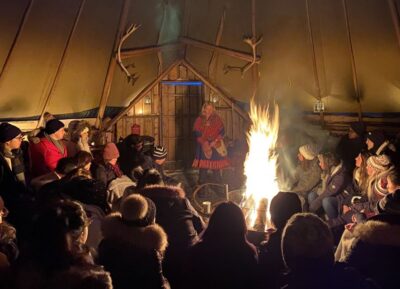
Tromsø: Reindeer Camp and Sami Cultural Tour with Lunch
Read our review →
Tromsø: Sámi Reindeer Sledding and Sami Cultural Tour
Read our review →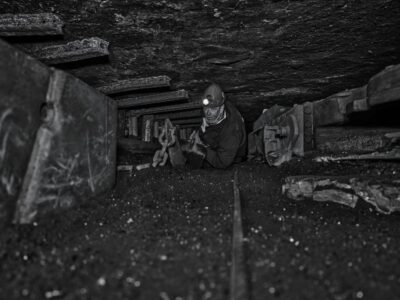
Longyearbyen: Historic Coal Mine Tour at Gruve 3
Read our review →
Bergen: Sightseeing Cruise of Bergen’s Historic Landmarks
Read our review →
Browse the lists this tour appears in