
Review · NEW ORLEANS
New Orleans Food and History Walking Tour
New Orleans puts its story on a plate. This three-hour walk through the French Quarter links gumbo, po-boys, pralines, boudin, and other local staples to the people and cultures that shaped them. I like the way the tour turns lunch into a moving lesson, and I like that guides such as Beth, Meg, John, and Dylan bring plenty of humor and local food knowledge to the route.
The biggest consideration is the food policy. Vegetarian meals can be arranged, but gluten-free, dairy-free, and vegan options are not available, and the stops can change with availability. I also would not choose this for a slow architecture walk, since the focus is firmly on eating with some history along the way.
Key things to know before you book
- Five food stops make this a full lunch: Expect generous samples rather than a few token bites, including gumbo, po-boy, muffuletta, boudin, red beans and rice, and dessert.
- The French Quarter supplies the setting: You begin at 3rd Block Depot on Chartres Street and finish at New Orleans Creole Cookery on Toulouse Street.
- The guides are central to the experience: Meg, Beth, John, Sarah, Ben, and Dylan are among the guides named in the feedback, with humor, recipes, and food history forming a major part of the tour.
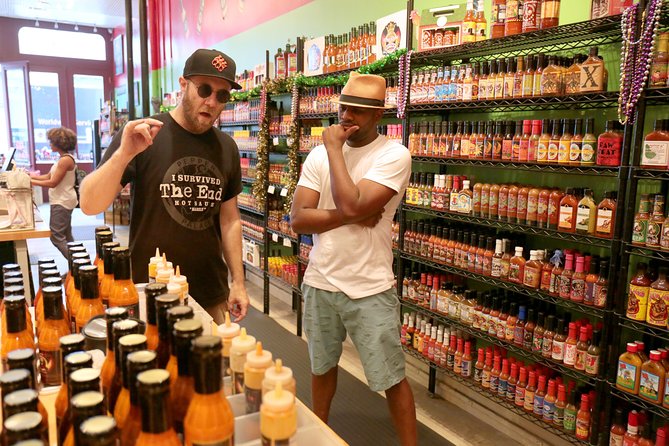
- Hot sauce is a real stop, not a passing mention: You can sample a wide range of hot sauces, dry rubs, barbecue sauces, marinades, and other seasonings.
- Come ready to walk and eat: The pace is generally manageable, but you cover several French Quarter blocks and the food adds up quickly.
- The $85 price includes food and server gratuities: Drinks, guide gratuity, and any extra purchases are separate.
Starting with gumbo in the French Quarter
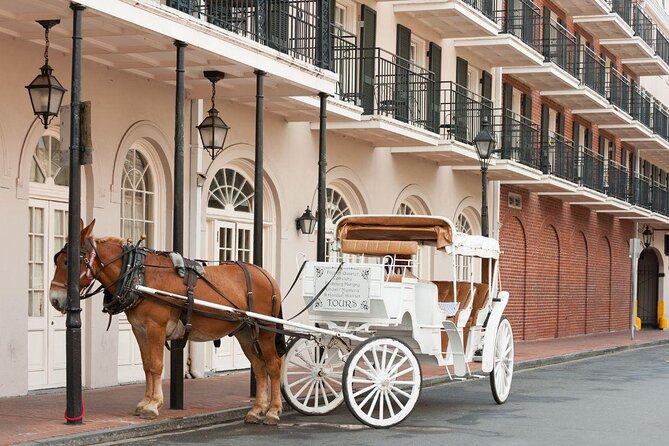
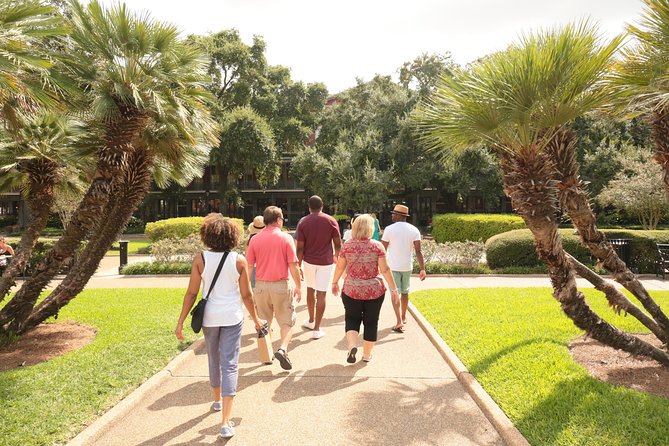
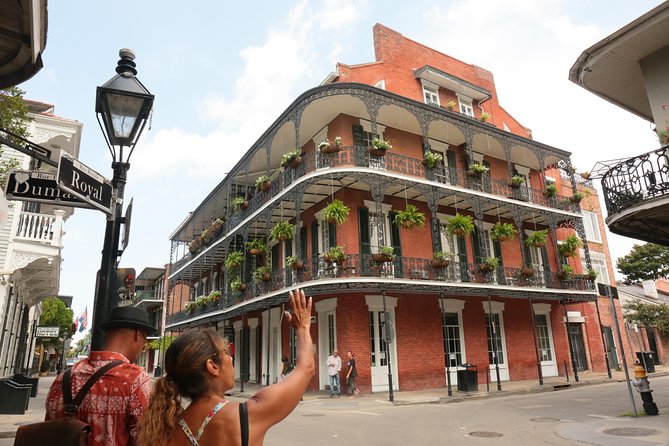
Meet your guide at 3rd Block Depot, at 310 Chartres Street. This puts you in the heart of the Vieux Carré, the French Quarter’s old square, where narrow streets, old buildings, signs, balconies, and busy sidewalks provide the backdrop for the meal.
The first food stop is built around rustic Cajun gumbo. The version described for the tour uses a dark roux, chicken, and andouille sausage in chicken stock, with warm potato salad served in the country style. That combination gives you a useful introduction to the way New Orleans gumbo can be hearty, smoky, and thick without relying on one single recipe.
This first stop can set the rhythm for the rest of the afternoon. You sit down, eat a proper portion, and listen while the guide explains ingredients, cooking methods, and the difference between dishes that often get lumped together under the label Cajun or Creole. You can buy a drink at the bar, but beverages beyond water are not included.
One practical note: one stop may feel longer than the others. Some feedback points to extra time at the opening venue, while other groups found the pacing comfortable. That variation can depend on the day, the size of the group, and how quickly the food is served.
More History Walking Tours in New Orleans
- New Orleans Garden District History Walking Tour
★ 5.0 · 2,879 reviews - French Quarter Historical Sights and Stories Walking Tour
★ 5.0 · 2,724 reviews - New Orleans Historic Cemetery Walking Tour
★ 5.0 · 175 reviews
Hot sauce, pralines, and the sweet side of New Orleans
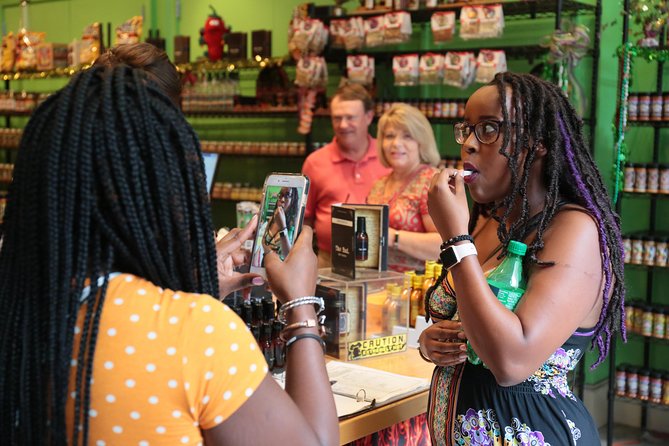
Next comes a hot sauce and seasoning stop. This is less about sitting down for another full plate and more about tasting your way through a broad range of Southern flavors. The sample selection can include hot sauces, dry rubs, barbecue sauces, marinades, Buffalo wing sauces, and related seasonings.
I like this part because it gives you a practical way to think about flavor. You are not just hearing that New Orleans food can be spicy. You can compare heat, sweetness, smoke, vinegar, and seasoning for yourself. If you find a bottle or blend you like, this is also one of the places where you can buy a food souvenir.
The tradeoff is clear. One person would have preferred to replace the spice shop with another restaurant stop and smaller tastes of more dishes, including jambalaya and étouffée. If your goal is the widest possible survey of New Orleans cooking, you may see this stop as a missed chance. If you enjoy trying sauces and want a break from substantial food, it earns its place.
Leah’s Pralines supplies the sweet course. Traditional pralines use local brown sugar, dairy, and pecans, creating a soft, sugary candy with a clear connection to Southern ingredients. You might also find a newer variation, such as bacon pecan brittle.
This stop helps explain that New Orleans food is not only about savory bowls and sandwiches. It also shows how local shops keep familiar recipes in circulation while adding new versions for modern tastes.
The catfish po-boy and the story of local seafood
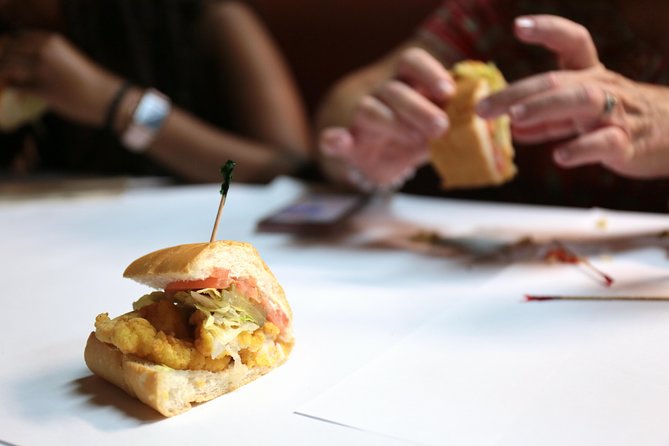
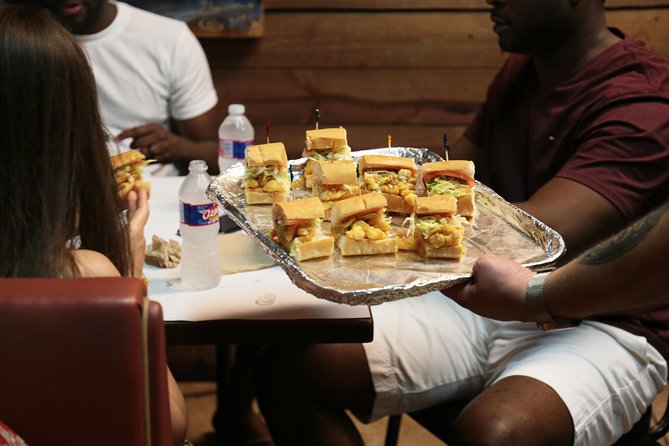
The route continues to NOLA Poboys for a fried catfish po-boy. The sandwich uses local French bread and comes dressed with lettuce, tomato, mayonnaise, and pickles. Hot sauce is optional, which gives you another chance to adjust the flavor to your liking.
A po-boy is easy to reduce to a sandwich description, but the better part of this stop is the context around it. Your guide discusses seafood harvesting in Louisiana and explains how geography affects what ends up on the plate. The result is a more useful understanding of why catfish, shrimp, oysters, and other Gulf ingredients matter so much in the city’s cooking.
The bread also matters. A po-boy depends on the contrast between crisp fried filling and a soft French loaf that can hold the sauce and toppings. You get to try the sandwich as a complete local dish, not as an isolated piece of fried fish.
Portions here, as at several other stops, can be more than a small sample. Many people finish the tour well fed, so do not eat a large meal before meeting the group. You may want coffee or a light breakfast earlier in the day, especially if you choose the morning departure.
Muffuletta, boudin, and the cultures behind Creole food
The muffuletta brings an Italian influence to the table. It is served on Sicilian bread with smoked ham, mortadella, Genoa salami, provolone, mozzarella, and a local olive salad. Compared with the po-boy, it is denser, saltier, and more substantial.
This is one of the more useful contrasts on the route. The food of New Orleans did not grow from one tradition. Italian, French, Spanish, African, Caribbean, and other influences all helped shape the city’s cooking, and the guide connects those backgrounds to the dishes you are eating.
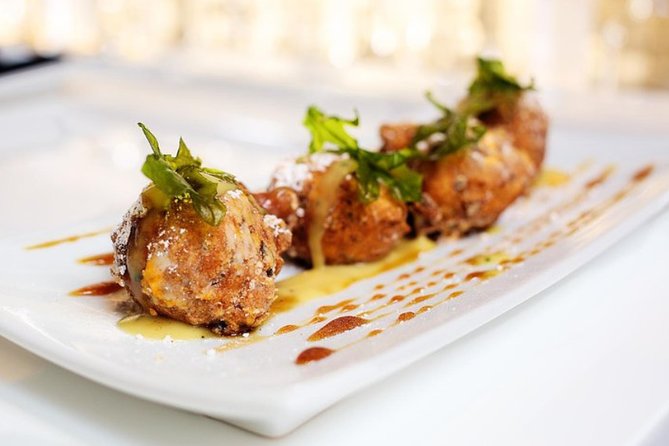
The tour may also include a boudin ball, a fried Cajun sausage ball made with smoked pork, rice, and spices. It comes with Creole remoulade for dipping. The boudin ball is compact but filling, and it gives you another example of how rice, meat, seasoning, and frying work together in Louisiana food.
Your guide also explains the origins of dish names, including étouffée and jambalaya, along with the role of Louisiana’s geography and languages. This is where the tour moves beyond a restaurant crawl. You are learning why the same region can produce food with French names, African influences, Spanish connections, Caribbean echoes, and Italian ingredients.
Guides vary, but the strongest part of the experience is the conversation. Beth is described as funny, attentive, and willing to share recipes. Meg is praised for her personality and ability to explain the food. John, Sarah, Ben, and Dylan have also led tours, with Dylan, sometimes referred to as Dr. Gumbo, known for adding humor and cultural context. Since the guide is not fixed, you should expect the style to differ slightly from one departure to another.
More History Walking Tours in the USA
- History and Hauntings of Salem Guided Walking Tour
★ 5.0 · 14,564 reviews - Boston: Freedom Trail History Small Group Walking Tour
★ 5.0 · 6,450 reviews - Historic Charleston Guided Sightseeing Walking Tour
★ 5.0 · 6,216 reviews - Savannah History and Haunts Candlelit Ghost Walking Tour
★ 5.0 · 3,235 reviews
Red beans, rice, and a filling finish
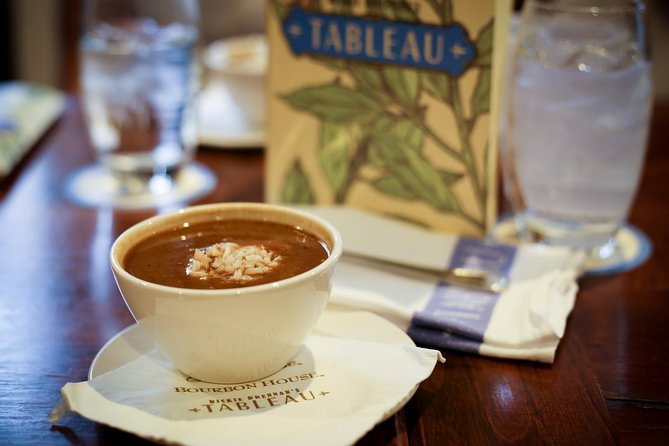
The sample menu also includes red beans and rice with smoked ham and andouille sausage, topped with green onions or scallions. This is one of the dishes that helps you understand how practical home cooking became part of New Orleans identity. Beans, rice, smoked meat, and seasoning make a filling meal from familiar ingredients.
The final dessert may be seasonal bread pudding, baked or fried, and can include a bananas Foster variation. That is a rich finish after several savory dishes, so pace yourself early. The food is served progressively, but it is still easy to eat too much at the first two or three stops.
The exact menu and order can change. The tour description lists a full range of dishes, but venue availability determines what appears on a particular day. You should think of the itinerary as a planned sampling of New Orleans classics rather than a guaranteed checklist of every item.
The route ends at New Orleans Creole Cookery on Toulouse Street. By that point, you have crossed several French Quarter blocks, tasted food from different traditions, and built a useful list of dishes to order later during your stay.
What the $85 price really covers
The cost is $85 per person. That includes the lunch set menu and gratuities for servers at the food establishments. Water is included, but other drinks are not, and a tip for your guide is optional.
For a three-hour food walk with several substantial stops, the price is reasonable if you want both a meal and an introduction to New Orleans cooking. You are paying for the food, but also for the guide’s explanations, access to stops you might not pick on your own, and the convenience of trying several dishes without planning a route.
The value is strongest if this is your first visit or your first full day in the city. You can use the tour to decide which foods deserve a second visit. One useful pattern is to book it early in your stay, then return to a favorite restaurant or shop later. Several people have done exactly that after receiving food and drink suggestions from the guide.
The value is weaker if you already know New Orleans food well or want a small-bite tasting menu. The portions can be generous, and the tour does not cover every major dish. If you are hoping for a focused study of étouffée, jambalaya, or a long list of seafood, you may find the selection incomplete.
Walking pace, weather, and group size
The tour lasts about three hours and has a maximum of 16 people. That is small enough for questions and conversation, though it is not a private tour. The walking distances are generally short, but you still move between several venues on French Quarter streets.
Wear comfortable walking shoes. One person described the pace as easy, while another advised being ready to walk fast. Both points can be true: the route is not a long-distance hike, but the group may need to keep moving to stay on schedule.
The tour operates in all weather conditions, so bring suitable clothing. Rain can change the feel of the experience, especially when moving between food stops, although the route remains workable with a jacket or umbrella. If poor weather causes a cancellation, you are offered another date or a full refund.
The activity is not recommended if you have walking or mobility difficulties. Most people can participate, and service animals are allowed, but this is still a street-based walking tour rather than a seated tasting in one building.
Food restrictions and who will enjoy it
A vegetarian option is available if requested at checkout. Gluten-free, dairy-free, and vegan options are not offered. You should report food allergies during checkout, and distinguish an allergy from a simple dislike because the operator specifically asks for allergy information.
This tour suits an adventurous eater who wants classic New Orleans food in a social setting. It is also a good fit if you want your guide to explain recipes, names, ingredients, and cultural influences as you eat.
I would be cautious if you have a highly restricted diet, dislike strong seasonings, or want complete control over every dish. The tour is designed around the local menu, not around substitutions. Also, anyone expecting a major architecture tour should adjust expectations. You will see the French Quarter while walking, but the food and its background receive most of the attention.
Should you book the New Orleans Food and History Walking Tour?
Book it if you want a generous, guided introduction to New Orleans food and plan to eat gumbo, po-boys, muffulettas, boudin, pralines, and other local staples. The combination of five food stops, cultural explanation, and a manageable French Quarter route makes it a strong first-day choice.
The 4.9 rating from 1,544 reviews and 98 percent recommendation rate fit the tour’s strongest qualities: engaging guides, good portions, useful food history, and a route that helps you find places you might otherwise miss. The most repeated praise goes to the guides, especially Beth, Meg, and Dylan, so expect the personality of your guide to shape the afternoon.
Skip it if you need vegan, dairy-free, or gluten-free meals, or if you want a narrow focus on every famous New Orleans dish. For everyone else, come hungry, wear good shoes, carry rain protection, and leave room for bread pudding.
FAQ
How long does the New Orleans Food and History Walking Tour last?
The tour lasts approximately three hours.
Where does the tour begin?
It begins at 3rd Block Depot, 310 Chartres Street, New Orleans, Louisiana 70130.
Where does the tour end?
The tour ends at New Orleans Creole Cookery, 508 Toulouse Street, New Orleans, Louisiana 70130.
What foods are included?
The planned menu can include chicken and andouille gumbo, hot sauce and seasoning samples, pralines or brittle, fried catfish po-boy, muffuletta, boudin ball, red beans and rice with andouille sausage, and bread pudding. Stops and dishes may change based on availability.
Is a vegetarian option available?
Yes. A vegetarian option is available if requested at checkout.
Can the tour accommodate vegan, dairy-free, or gluten-free diets?
No. The tour does not offer vegan, dairy-free, or gluten-free options. Food allergies should be reported during checkout.
Are drinks included in the price?
Water is included, but beverages other than water are not. A drink at the first stop can be purchased separately, and gratuity for the guide is optional.
What happens if I need to cancel?
You can receive a full refund if you cancel at least 24 hours before the start time. Changes or cancellations made less than 24 hours in advance are not accepted for a refund.
More Food and History Tours in the USA
- Boston Pizza Lovers Food and History Walking Food Tour
★ 4.5 · 1,082 reviews - Savannah: Historic District Foodie Walking Tour
★ 4.8 · 613 reviews - #1 Rated NYC Chinatown Food and History Walking Tour with FNYT
★ 5.0 · 171 reviews - NYC: Brownstone Brooklyn History, Culture and Food Tour
★ 4.8 · 151 reviews
Latest history tours reviewed in the USA
- Franklin: Ghost Tour in Historic Franklin★ 4.8 · 65 reviews
- Fort Worth: Stockyards History Tour Pub Crawl★ 4.8 · 39 reviews
- Downtown Flagstaff Haunted History Walking Tour★ 4.7 · 46 reviews
- New York City: Flatiron Food, History, and Architecture Tour★ 4.8 · 43 reviews
- Fairbanks: Gold Dredge 8 Historic Train Tour★ 4.7 · 219 reviews
- Fairbanks: Private Mush on the Historic Yukon Quest Trail★ 5.0 · 30 reviews
- Charleston:Evening Haunted History Horse-Drawn Carriage Tour★ 4.7 · 38 reviews
- Philadelphia: Valley Forge National Historical Park Tour★ 4.9 · 39 reviews
New Orleans History Tours, compared.

New Orleans Garden District History Walking Tour
Read our review →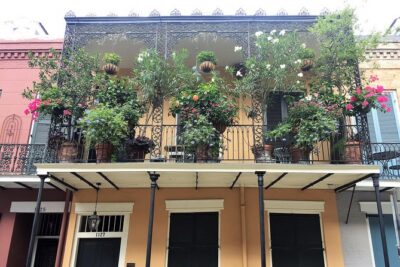
French Quarter Historical Sights and Stories Walking Tour
Read our review →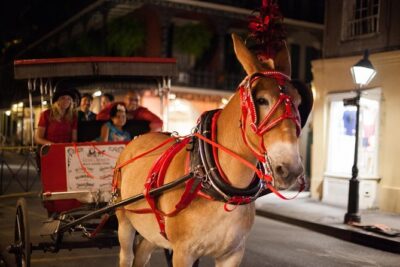
New Orleans Small-Group Haunted History Carriage Tour
Read our review →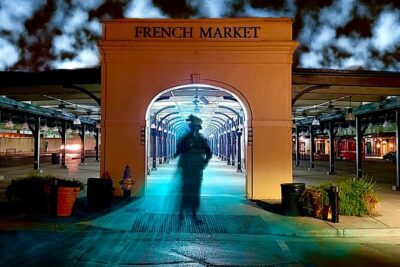
Paddlewheeler Creole Queen Historic Mississippi River Cruise
Read our review →
New Orleans: Creole Queen History Cruise with Optional Lunch
Read our review →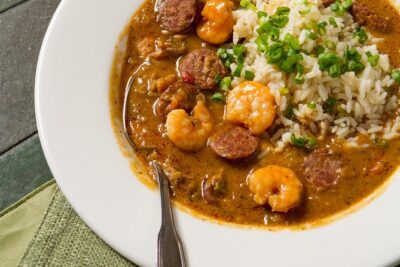

Browse the lists this tour appears in