
Review · CHICAGO
Chicago Walking Tour: Historic Treasures of Chicago
Chicago’s early skyscraper story comes alive on this compact walk through the Loop. You move from the Chicago Architecture Center to grand landmarks along Michigan Avenue and State Street, stepping inside places such as the Palmer House lobby and Chicago Cultural Center. The buildings are not just backdrops. They show how Chicago rebuilt, grew upward, and turned commerce into an art form.
I like the way the tour pairs famous façades with interiors many people walk past. I also like the small-group limit of 15, which makes it easier to hear your guide and ask questions. The main drawback is that the walk lasts only two hours, so each stop gets a short visit, and access to interiors can change on weekends, holidays, or during unexpected closures.
Key points before you book
- The route covers six architectural landmarks between the Chicago Architecture Center and the Chicago Cultural Center.
- Interior access is the real prize, especially at Palmer House and the Cultural Center.
- A certified guide leads the walk, with past guides including Bob, John, Jim, Russell, Maureen, Laurel, and others.
- The group is limited to 15 people, a useful size for questions and clear commentary.
- The $35 price includes the Chicago Architecture Center galleries, adding value before or during your Chicago visit.
- The tour ends at the Cultural Center, though you may walk back to the Architecture Center with the docent.
Why this short Chicago architecture walk works
Chicago offers enough architecture tours to fill several days, but this one gives you a manageable first look. In two hours, you see buildings tied to the city’s commercial rise, hotel culture, retail past, and public life.
The route also has a useful rhythm. You begin with an introduction at the Chicago Architecture Center, then move outdoors through the Loop before entering a few important interiors. That mix keeps the tour from becoming a long exercise in looking up at façades.
Your guide is central to the experience. Names vary by departure, but past guides have included Bob, Russell, John, Jim, Maureen, Laurel, Margaret, Jean, Beth, and Paul. The strongest guides do more than list dates and architects. They explain how the buildings fit into Chicago’s growth and point out details you could easily miss on your own.
The group size helps here. With no more than 15 people, you are less likely to lose the guide in city traffic, and questions can shape the discussion. Several guides have been praised for humor, patience, clear explanations, and the ability to adjust the pace or route when a parade or other city event changes access.
The walk is aimed at curious general visitors, not just architecture specialists. You do not need prior knowledge. If you enjoy city history, old hotels, decorative interiors, or the story behind modern skyscrapers, you will find plenty to hold your attention.
More History Walking Tours in the USA
- History and Hauntings of Salem Guided Walking Tour
★ 5.0 · 14,564 reviews - Boston: Freedom Trail History Small Group Walking Tour
★ 5.0 · 6,450 reviews - Historic Charleston Guided Sightseeing Walking Tour
★ 5.0 · 6,216 reviews
Start at the Chicago Architecture Center
The tour begins at 111 East Wacker Drive, home of the Chicago Architecture Center. The docent gives an introductory presentation, and admission to the center’s galleries is included.
The opening stop is brief, about five minutes according to the planned schedule, so think of it as an orientation rather than a full museum visit. Still, the included gallery admission adds real value to the $35 cost. You can use the center to frame what you see outside, and it gives you a place to return to if you want more architectural context after the walk.
Arrive ready to walk, not expecting a seated lecture. The tour moves through central Chicago streets, and much of the learning happens outdoors. Comfortable shoes matter more than dressy clothing.
There is no hotel pickup or drop-off, luggage storage, stroller storage, or coat check. Plan accordingly. The center is near public transportation, which makes the starting point practical if you are staying elsewhere in the city.
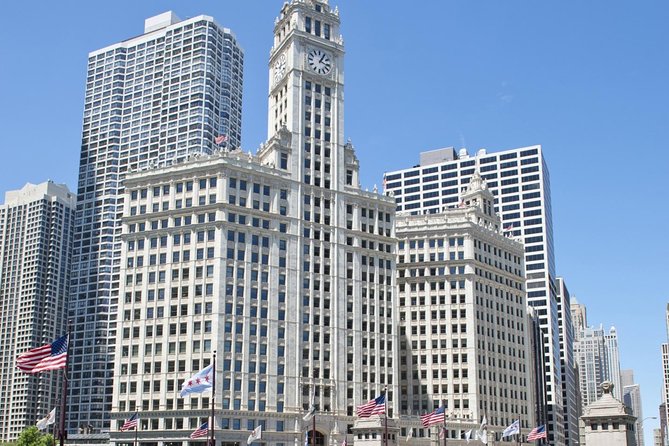
Wrigley Building: an early taste of Chicago grandeur
The first major outdoor landmark is the Wrigley Building. You view it from outside, with about five minutes set aside in the schedule.
That short stop makes sense for a building best appreciated from the street. Your guide can point out its place along the avenue and explain why its decorative appearance matters in a city known for steel-frame construction and tall commercial buildings.
Do not expect to enter the Wrigley Building as part of this tour. The value here comes from seeing the façade in context and hearing how it fits into the larger story of Michigan Avenue. It is also an early reminder that Chicago architecture is not only about height. Surface decoration, corporate identity, and the experience of approaching a building matter too.
If you enjoy taking photos, this is one of the places where the guide’s timing helps. You get a planned pause instead of rushing by while trying to keep up with a group.
Palmer House: a hotel interior worth entering
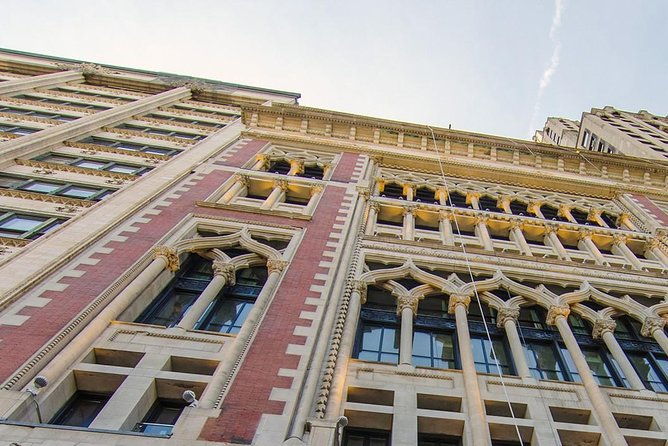
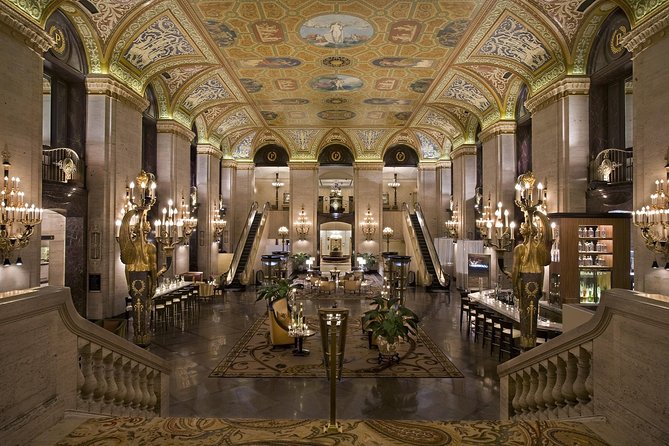
The Palmer House Hilton is one of the tour’s most useful interior stops. You see both the exterior and the historic lobby, with about 10 minutes planned here.
This is where the walk shifts from viewing buildings as city objects to seeing how people experienced them. A grand hotel lobby tells you about public life, business, travel, and social display in a way a street façade cannot. The interior also gives you a chance to look closely at details that are easy to miss from across the road.
The tour places particular value on the hotel’s role in Chicago’s commercial and social story. Guides have also used this stop to discuss retail and the city’s historic department-store culture, including the idea of the Seven Sisters. If that subject interests you, listen closely and ask questions, since the guide may connect the buildings to the changing ways people shopped and gathered downtown.
One practical point matters: the supplied tour information says proof of COVID-19 vaccination is required to enter this location. Requirements can change, so check the current conditions when you book, but do not assume you can enter without meeting the stated rule.
The Palmer House stop can also be affected by hotel operations. Interior access to featured buildings is subject to change because of schedules, holidays, or closures. If entering the hotel is especially important to you, treat it as a valued possibility rather than an absolute guarantee.
Same old streets, another chapter:
- New York City: American Museum of Natural History Ticket
★ 4.5 · 15,447 reviews - Charleston’s Old South Carriage Historic Horse & Carriage Tour
★ 5.0 · 10,023 reviews - Beneath The Streets Underground History Tour
★ 4.5 · 8,006 reviews - Big Island in a Day: Volcanoes Waterfalls Sightseeing and History
★ 5.0 · 6,569 reviews
Carbide and Carbon Building: a quick exterior stop
The Carbide and Carbon Building receives about five minutes, with an exterior view only.
This is a good example of why a guided walk beats a self-guided stroll for architecture. You can pass a decorated high-rise without understanding what makes it unusual. A guide gives you a reason to pause, identifies the visual details, and places the building in the period when Chicago’s designers were testing new ways to make tall commercial structures expressive.
The stop is short, so you will not get a long architectural lecture here. That is both a strength and a limit. The tour keeps moving, but anyone who wants extended time for photography or close study may want to return later on their own.
Reliance Building: seeing the city change direction
The Reliance Building is another short stop, with about five minutes to view it. It is presented as an exterior landmark, though the itinerary lists the admission as free.
This stop helps connect Chicago’s older commercial buildings with the city’s changing approach to windows, light, and vertical construction. Your guide’s commentary gives the building meaning beyond its name and appearance. The best part of the experience is learning to compare it with the other structures around it.
The route does not treat each building as an isolated masterpiece. Instead, it shows you a group of buildings from different periods and design approaches. That comparison is useful. You begin to notice how Chicago’s streets record changes in technology, business, taste, and public ambition.
Again, five minutes is enough for an introduction, not a full study. If your main interest is one particular building, ask your guide for suggestions about returning independently.
Chicago Cultural Center: the strongest interior finish
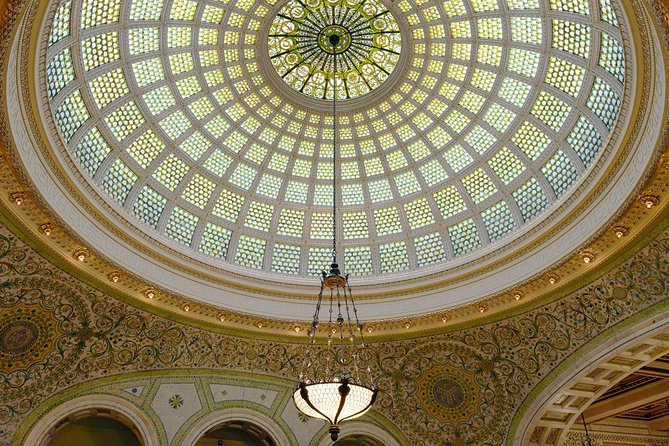
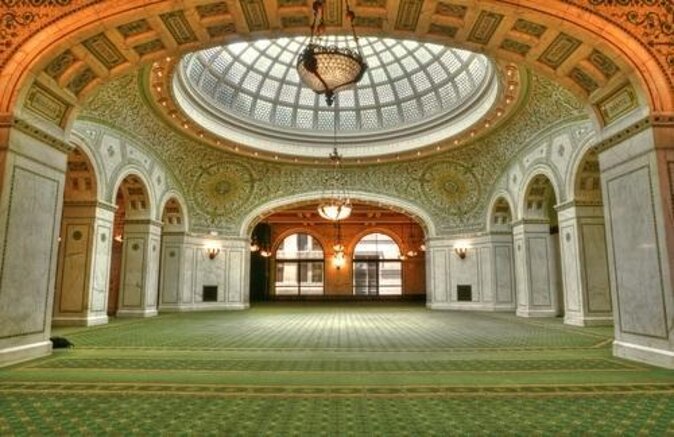
The walk ends at the Chicago Cultural Center, at 78 East Washington Street. The planned visit lasts about 10 minutes and includes the exterior and interior.
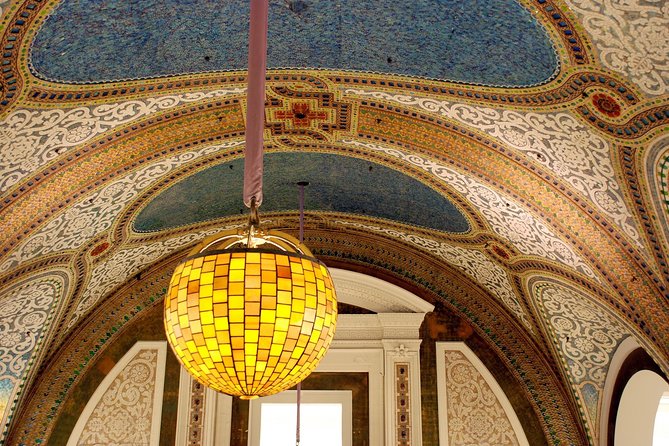
For many people, this is the best final stop because it gives you a generous public interior after several outdoor views. The building’s grand spaces and decorative details reward a slow look upward and across the room. One past guide made a special point of how often people enter the building without looking up, a useful reminder to take your time with the ceilings and upper details.
The Cultural Center also works well as the ending point. You are left in a central part of the Loop, close to other attractions, restaurants, and public transportation. The docent returns to the Chicago Architecture Center, and you may accompany the docent back if you need to retrieve something or want the extra walk.
The end point is not the same as the start, so keep that in mind when planning the rest of your day. You will finish at the Cultural Center unless you choose to walk back with the group.
What the guides add to the buildings
The strongest feature of this experience is the human explanation between stops. A building tour can become a list of names and construction dates, but the guides on this program have been praised for making the city’s past easier to picture.
Bob has led tours described as informative and engaging. John has been singled out for answering questions and bringing the buildings to life. Jim has been praised for thorough explanations and a friendly manner. Russell has been noted for his passion for both the buildings and Chicago history, while Maureen has connected architectural details with stories about life in the city.
Other guides, including Paul, Laurel, Margaret, Jean, and Beth, have also been described as friendly, responsive, and good at setting a comfortable pace. These names do not guarantee who will lead your departure, but they show the range of people involved and the kind of guiding style you can expect: clear, conversational, and open to questions.
A helpful advantage is flexibility. One guide adjusted the route during a Memorial Day parade without allowing the disruption to derail the tour. Another led the walk in rainy weather and kept the discussion interesting. You should still dress for conditions, but the tour is not built around perfect weather.
Is $35 a fair price?
At $35 per person, the tour sits in a reasonable range for a two-hour guided city walk, especially because admission to the Chicago Architecture Center galleries is included.
The value depends on how you use it. If you would visit the center anyway, the tour combines that admission with a guided route through six important locations. You also get a certified guide who can explain connections that are hard to spot alone.
The cost is less compelling if you want long interior visits or a leisurely photography outing. The schedule gives many stops only five minutes, and two interiors may be affected by closures or access rules. You are paying for selection, context, and efficient routing, not extended time inside every building.
For a first visit to Chicago, I think the price is justified. The tour helps you understand the Loop before you spend time exploring it independently. It also works well after a river architecture cruise, since the street walk gives you a different view of buildings and interiors.
Who will enjoy this tour most?
I would recommend it to first-time Chicago visitors who want a clear introduction to downtown architecture without committing to a longer half-day program. It is also a good choice for returning visitors who have walked Michigan Avenue many times but have never paid attention to the upper floors, lobbies, and decorative details.
History fans and architecture enthusiasts will get the most from the commentary. Families and mixed-interest groups may also like the two-hour length, since the route is focused without taking over an entire day.
The walk may be less suitable if you dislike city walking, want guaranteed access to every interior, or prefer a slow tour centered on one building. It is also not designed for people who need luggage or stroller storage, since none is provided.
Most people can participate, and service animals are allowed. Pets are not allowed. The group maximum is 15, which keeps the experience personal without making it feel private.
Practical advice for making the most of it
Wear comfortable shoes and bring a layer that works for changing city weather. Much of the tour takes place outdoors, and the schedule includes short pauses rather than long seated breaks.
Arrive knowing that the route starts at the Chicago Architecture Center and finishes at the Chicago Cultural Center. If you have plans afterward, use the ending point to your advantage. The Cultural Center puts you in a useful downtown location, but it is not the same address as the starting point.
Ask questions. The guides have been especially well received when they explain details, respond to curiosity, and connect architecture with everyday Chicago life. A simple question about a façade, lobby, or building use can turn a quick stop into the most memorable part of your walk.
Book with some flexibility if a particular interior matters to you. Building access may change on weekends, holidays, or during unexpected closures. The booking terms allow free cancellation up to 24 hours before the start time, but changes or cancellations made later are not accepted for a refund.
Should you book the Historic Treasures of Chicago walk?
Book this tour if you want a well-paced introduction to Chicago’s Loop, with a certified guide, a small group, and several chances to see interiors that are easy to miss. The Chicago Architecture Center admission makes the $35 fee more useful, and the route covers a lot without demanding an entire day.
Skip it if you want a deep look at one building, guaranteed interior access, or a tour with little walking. For most visitors who want architecture explained in plain language, this is a smart first step. You leave with a better sense of how Chicago grew upward, and you can return to the buildings that caught your eye.
FAQ
How long does the Chicago Historic Treasures tour last?
The walking tour lasts approximately two hours.
Where does the tour begin?
It begins at the Chicago Architecture Center, 111 East Wacker Drive, Chicago.
Where does the tour end?
The tour ends at the Chicago Cultural Center, 78 East Washington Street. You may accompany the docent back to the Chicago Architecture Center.
What buildings are included?
The route includes the Chicago Architecture Center, Wrigley Building, Palmer House Hilton, Carbide and Carbon Building, Reliance Building, and Chicago Cultural Center.
Is admission to the Chicago Architecture Center included?
Yes. Admission to the galleries of the Chicago Architecture Center is included in the tour price.
Is the tour suitable for a small group?
Yes. The tour has a maximum of 15 participants. Most people can participate, and service animals are allowed. Pets are not allowed.
Latest history tours reviewed in the USA
- Franklin: Ghost Tour in Historic Franklin★ 4.8 · 65 reviews
- Fort Worth: Stockyards History Tour Pub Crawl★ 4.8 · 39 reviews
- Downtown Flagstaff Haunted History Walking Tour★ 4.7 · 46 reviews
- New York City: Flatiron Food, History, and Architecture Tour★ 4.8 · 43 reviews
- Fairbanks: Gold Dredge 8 Historic Train Tour★ 4.7 · 219 reviews
- Fairbanks: Private Mush on the Historic Yukon Quest Trail★ 5.0 · 30 reviews
- Charleston:Evening Haunted History Horse-Drawn Carriage Tour★ 4.7 · 38 reviews
- Philadelphia: Valley Forge National Historical Park Tour★ 4.9 · 39 reviews
Chicago History Tours, compared.
Chicago in a Day: Food, History & Architecture Walking Tour
Read our review →
Chicago: Field Museum of Natural History Ticket or VIP Tour
Read our review →
Field Museum of Natural History Admission Tickets
Read our review →

Chicago: Historic Gangsters & Twilight Tales Night Cruise
Read our review →
Chicago: Historic Architecture Chicago River Small Boat Tour
Read our review →Browse the lists this tour appears in