
Review · KOREA
Old Korea Thousand History Tour of Gyeongju from Busan
Gyeongju gives you a very different Korea from the seaside energy of Busan. This full-day trip follows the old Silla capital through Bulguksa Temple, royal tombs, palace ruins, and lantern-lit bridges, giving you a useful first look at more than a thousand years of Korean history without having to arrange several trains, buses, and tickets yourself.
I like the round-trip transport and included admission, especially when the day can run from about 10 a.m. until 10 p.m. I also like the guides’ lively approach. Bada, Erica, Kayla, Hyony, Katrina, and Eva are praised for clear explanations, humor, patience, and help taking photos. The tradeoff is simple: this is a long day with plenty of walking, and some stops feel brief when the group is large.
Key points at a glance
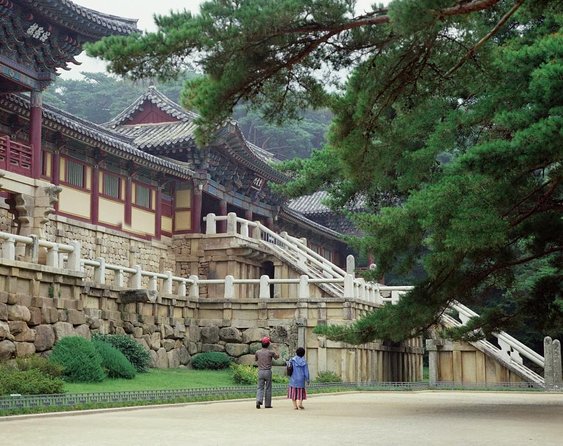
- Bulguksa Temple opens the day with Silla-era architecture and mountain scenery.
- Gyeongju’s royal tombs are grassy burial mounds, not underground chambers you can explore.
- Hwangridan-gil gives you two hours for shops, cafés, food, and a change of pace.
- Donggung Palace and Wolji Pond is the evening highlight, especially when the lights reflect on the water.
- The roughly $64 price covers transport, guide service, and attraction admission, but not meals.
- Expect heat, humidity, and more than 18,000 steps on a hot day, so water, sun protection, and good shoes matter.
Why Gyeongju makes a good day trip from Busan
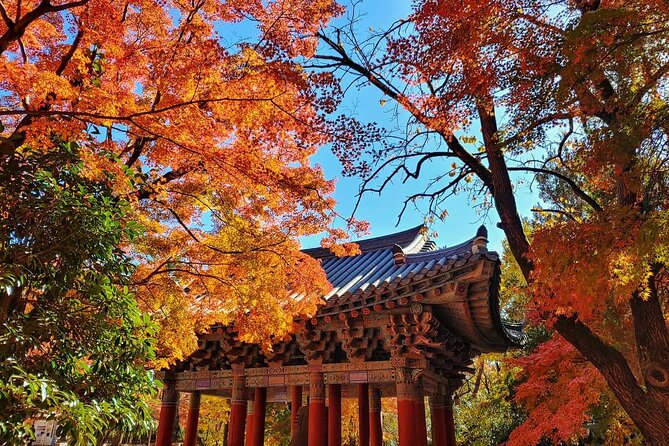
Gyeongju was the center of the Silla kingdom and later the Unified Silla period. Its major sights are spread across the city, so seeing the main group in one day is much easier with a vehicle than by trying to piece together local transport.
That convenience is the main reason to choose this tour. You meet at Busan Station, Seomyeon Station, or Haeundae Station, then ride to Gyeongju and between the sights. You do not need to study bus routes, purchase separate entrance tickets, or work out how to return to Busan after the evening visit.
The day is not light or leisurely. It is built for maximum coverage. You will see several major places, hear the story behind them, and return to Busan at night. I would choose it if your time in Busan is limited and you want a broad introduction to Gyeongju. If you prefer long meals, quiet wandering, or extended photography at each site, the schedule may feel tight.
More History Tours in the world:
- New York City: American Museum of Natural History Ticket
★ 4.5 · 15,447 reviews - History and Hauntings of Salem Guided Walking Tour
★ 5.0 · 14,564 reviews - Colosseum: Underground and Ancient Rome Tour
★ 4.7 · 12,691 reviews
Bulguksa Temple sets the tone
The first major stop is Bulguksa Temple, a UNESCO World Heritage Site and one of the best-known Buddhist temples linked to the Silla period. You have about an hour here, with admission included.
The appeal is the way the temple works with its surroundings. Stone terraces, gates, wooden buildings, and natural scenery create a site that feels carefully planned rather than simply assembled. Your guide can help connect the architecture to Silla beliefs and artistic skill, which makes the visit more meaningful than a quick walk through a pretty temple compound.
An hour gives you enough time to see the main areas and take photographs, but not enough for a slow, unhurried study of every detail. Wear shoes that are comfortable on uneven paths and steps. On hot days, the combination of sun, walking, and humidity can make this first stop more demanding than expected.
For many people, Bulguksa is the strongest daytime sight. It has the clearest sense of place and purpose, and it gives you a solid start before the tour moves into the city center.
Gyochon Village and Woljeonggyo
Gyeongju Gyochon Traditional Village is a one-hour stop near historic homes, Gyeongju Hyanggyo, restaurants, and Woljeonggyo Bridge. The hanok buildings and stone-walled lanes offer a softer, more residential view of old Korea.
The stop is useful because it breaks up the temple and tomb visits. You can stroll through traditional-style streets, look at the architecture, and get a feel for how historic areas are being used today. The village is not presented as a preserved museum frozen in time. It includes restaurants and other modern visitor services.
Do not expect a long guided tour of several houses. The available time may amount to a walk through the area and a visit to one main house or site. If your main interest is traditional domestic architecture, you might wish for more time here. Still, the village provides a welcome change of rhythm, and the nearby bridge adds another attractive photo stop.
Daereungwon’s grassy royal tombs
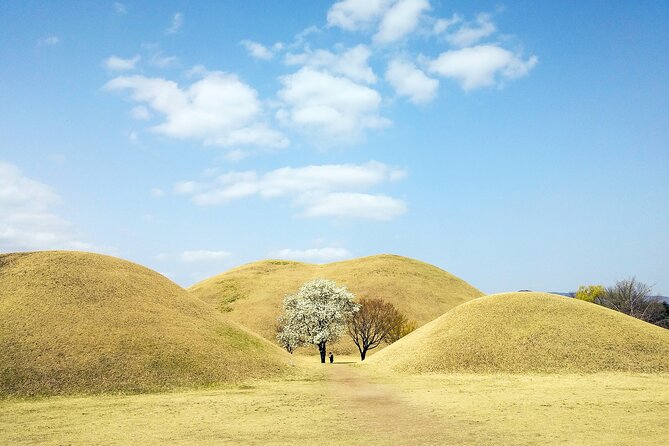
At the Daereungwon Tomb Complex, you walk among large rounded mounds associated with kings, queens, and aristocrats of the Silla era. The setting is open and green, with broad paths between the burial hills.
This is an important stop for understanding Gyeongju’s role as a royal capital. The tombs are not small hills created for decoration. They are burial mounds, and their size hints at the status of the people buried within them.
The visual experience is quiet and spacious, but it may not satisfy anyone expecting excavated chambers, carved monuments, or a museum at every turn. One review found this stop less rewarding because the mounds offer little to inspect up close. I would frame it as a place for context and atmosphere rather than a dramatic attraction.
The hour is enough to walk through the grounds and hear the basic story. Keep your expectations realistic, and you will get more from it.
Same old streets, another chapter:
- Lisbon: History, Stories and Lifestyle Walking Tour
★ 4.8 · 10,902 reviews - London Small Group Tour of Historical Pubs
★ 5.0 · 10,422 reviews - Prague: Oldtown, Medieval Underground & Dungeon History Tour
★ 4.3 · 10,277 reviews - Charleston’s Old South Carriage Historic Horse & Carriage Tour
★ 5.0 · 10,023 reviews
Two hours on Hwangridan-gil
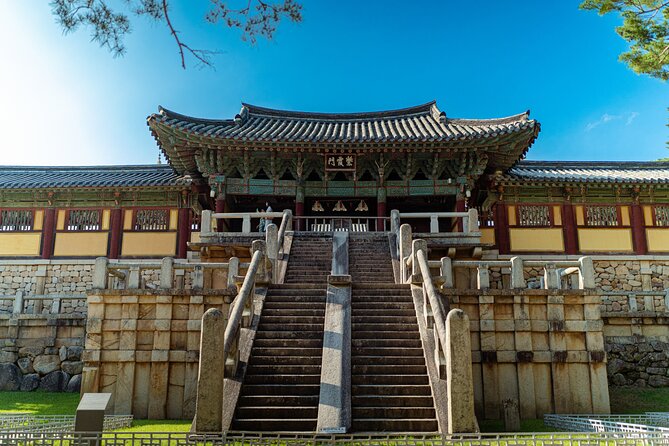
Hwangridan-gil is the tour’s longest stop, with about two hours to explore. This street preserves older buildings from the 1960s while adding shops, cafés, restaurants, and small businesses.
It is a practical place to buy lunch, though meals are not included in the tour price. One review notes that lunch was available at an additional cost and was tasty. Since the schedule is full, this is your best chance to eat without losing time at a major monument.
I like the contrast here. After temples and burial mounds, you get a look at present-day Gyeongju using older buildings as a setting. The street is not another ancient monument, and it should not be sold to you as one. It is a commercial area with food and shopping, useful for a break and a look at the city’s current style.
Two hours can feel generous if you want lunch and a little shopping. It can feel less generous if you want to sit down for a slow meal and explore side streets. Stay aware of the meeting time. A delayed return to the bus can shorten the evening stops for everyone.
Donggung Palace and Wolji Pond after dark
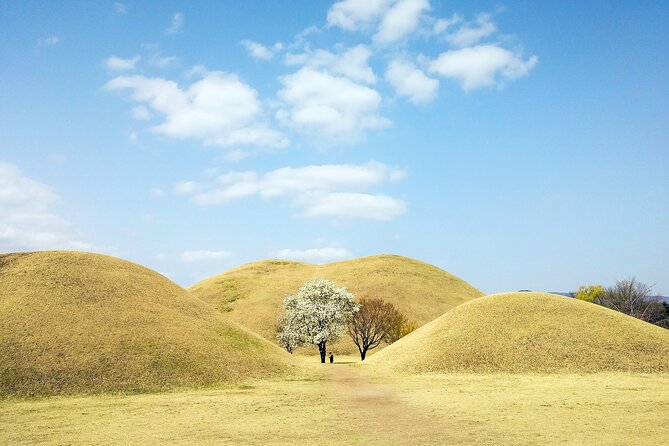
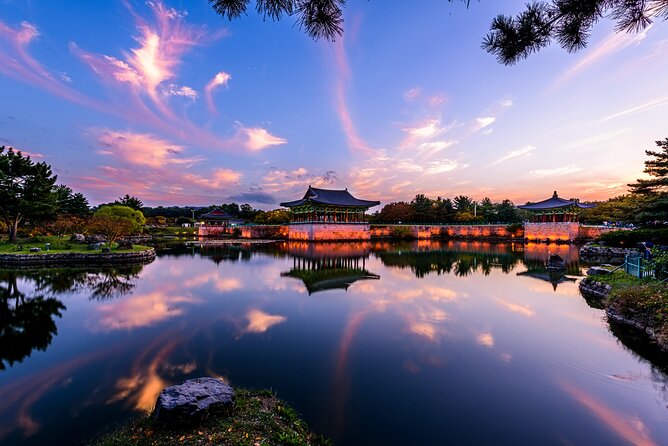
Donggung Palace and Wolji Pond, also known as Anapji Pond, is one of the most memorable parts of the day. The site was connected with the Unified Silla period and served as a palace area for royal gatherings.
The palace buildings themselves are no longer fully intact. You see the pond, archaeological remains, and reconstructed structures rather than a complete palace complex. That limitation matters. The setting carries the power of the original site, but you should not expect a fully preserved royal residence.
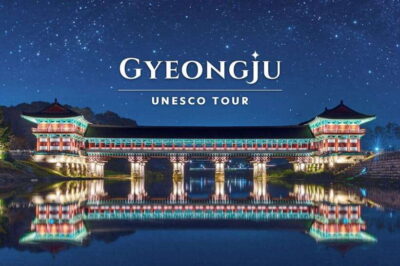
The evening light changes everything. Reflections on the water and illuminated traditional buildings make this a strong photography stop. Several visitors singled out the palace and bridge at night as highlights, and I can understand why. After a full day of temples, tombs, and city streets, the water and lights provide a calm, almost theatrical finish.
You have about an hour here. That gives you time to walk the main path and take photographs, though holiday crowds or special events can affect how quickly you move and how the site looks.
Woljeonggyo Bridge closes the evening
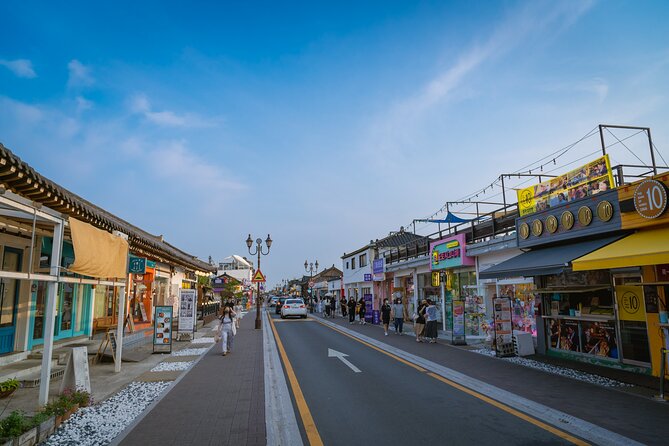
The final sightseeing stop is Woljeonggyo Bridge, with about 30 minutes to walk and photograph it. The traditional-style bridge is particularly attractive after dark, when its lights reflect on the water.
Thirty minutes is enough for a focused visit, not a long exploration. You will likely use the time for pictures and a short stroll before returning to the vehicle. Its placement late in the schedule works well: the bridge gives the day one last visual moment before the ride back to Busan.
The bridge and Wolji Pond are close in spirit, but they do not feel identical. The pond offers a wider historical setting and reflections across open water. Woljeonggyo is more about the shape of the structure, the lighting, and the river view.
What the guide adds
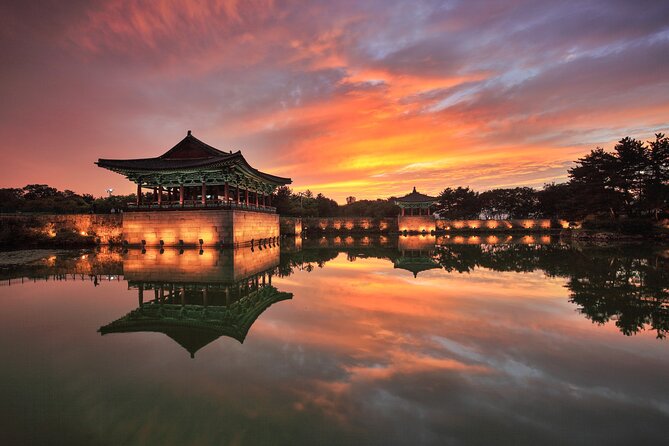
The quality of the day depends heavily on the guide because the sights are spread out and the schedule is demanding. The strongest guide feedback centers on clear storytelling, humor, practical care, and help with photographs.
Bada is praised for explaining early Korean history in a clear and entertaining way, while also reminding the group to stay hydrated in hot weather. Kayla is described as funny, energetic, and patient. Erica receives repeated praise for her positive manner, useful explanations, and willingness to take photos, including for solo visitors. Hyony is noted for teaching the history and helping people with pictures. Katrina and Eva are also praised for keeping the group informed and on schedule.
That kind of assistance matters here. Gyeongju’s remains do not always explain themselves. A grassy mound can look like a simple hill until you understand who was buried there and why the burial form mattered. A pond can look scenic until you learn its connection to the palace complex.
There is one caution. One poor experience involved a guide rushing the group, talking too much, requesting tips, and telling people what review score to give. Tipping is optional in Korea, and you should not feel pressured. Another practical concern was conflicting meeting information about the start time. Check your current voucher carefully and confirm the pickup details before the morning of the tour.
How demanding is the 12-hour schedule?
The tour requires moderate physical fitness. You will walk at several large sites, stand while listening, climb or cross uneven sections, and spend much of the day moving between stops. One person recorded more than 18,000 steps, and that is a useful warning for anyone with children, mobility concerns, or limited stamina.
The weather can make a major difference. Gyeongju may feel warmer than Busan because it is inland, and hot, humid days have made this outing tiring even for people who enjoyed it. Carry plenty of water, use sunscreen, and bring a hat, parasol, or umbrella. The air-conditioned bus offers welcome relief between stops.
The group can be sizeable, with a stated maximum of 400 participants, although the English-speaking section may sometimes be much smaller. A large operation keeps the price low and makes transport simple, but it also means you must stay alert for the guide and return promptly at each meeting point.
Is $64 a good value?
At about $64 per person, the tour offers solid value if you want convenience. The price includes round-trip transfers from Busan pickup points, a professional guide, and admission to the visited attractions. You also get five major sightseeing areas plus the bridge in one long day.
The calculation changes if you dislike group tours. You are paying for transport and structure as much as for the sights. A self-guided trip might give you more control, but it would require planning and could make it harder to cover Bulguksa, central Gyeongju, the tombs, Wolji Pond, and Woljeonggyo in one day.
Meals and personal expenses are extra. Plan to use the Hwangridan-gil stop for food, and do not assume that lunch is included. The tour is best value for a first visit, a short stay, or anyone who wants the main Gyeongju highlights without arranging every detail.
Who should book this Gyeongju tour?
I would recommend it to you if:
- You are staying in Busan and have only one day for Gyeongju.
- You want a guide to explain Silla history and cultural sites.
- You prefer included transport and admissions.
- You enjoy seeing many major sights rather than spending half a day at one.
- You are comfortable with a long day and substantial walking.
- You want evening photographs of Wolji Pond and Woljeonggyo Bridge.
I would be more cautious if you are traveling with very young children, have difficulty walking for hours, or want a slow schedule. The tomb complex may feel underwhelming if you need interactive displays or dramatic ruins. Gyochon Village and Hwangridan-gil also function partly as walking and food stops, not just formal historic attractions.
Should you book it?
Book this tour if your priority is seeing the broad outline of Gyeongju in one organized day from Busan. The combination of Bulguksa Temple, royal tombs, traditional streets, Hwangridan-gil, Wolji Pond, and the illuminated bridge gives you a well-rounded introduction for a reasonable price.
Go in prepared for a 12-hour outing, changing weather, lots of walking, and a schedule that sometimes moves quickly. Bring water, sun protection, good shoes, and a willingness to keep pace. If you do, the evening views and the chance to see Korea’s ancient capital in one sweep make the long return to Busan worthwhile.
FAQ
How long does the Gyeongju tour last?
The tour lasts approximately 12 hours. The schedule may begin around 10 a.m. and return to Busan around 10 p.m.
Where does the tour start?
Pickup is available at Busan Station, Seomyeon Station, and Haeundae Station. Check your booking information for the exact pickup time and location.
Is transportation included?
Yes. Round-trip transfers between Busan and Gyeongju are included.
Are admission fees included?
Yes. Admission to the visited attractions is included in the tour price.
Are meals included?
No. Meals are not included. Lunch may be available at an additional cost during the Hwangridan-gil stop.
Which major sights are included?
The tour visits Bulguksa Temple, Gyeongju Gyochon Traditional Village, Daereungwon Tomb Complex, Hwangridan-gil, Donggung Palace and Wolji Pond, and Woljeonggyo Bridge.
Is this tour physically demanding?
The tour requires a moderate level of physical fitness. You should expect substantial walking, and one account recorded more than 18,000 steps during the day.
Is the tour suitable in hot weather?
The tour operates in hot and humid conditions, but you should bring plenty of water, sunscreen, and a hat or parasol. Gyeongju can feel warmer than Busan.
Is hotel pickup included?
No. Hotel pickup and drop-off are not included. You need to reach one of the stated Busan pickup stations.
Can I cancel for a full refund?
Yes, if you cancel at least 24 hours before the experience start time. Cancellations or changes made less than 24 hours before the start time are not refunded, and poor weather may lead to a different date or a full refund.
Latest history tours reviewed in the world
- From Athens: Ancient Olympia Full-Day Private Tour★ 4.8 · 22 reviews
- From Athens: Explore Ancient Corinth & Charming Nafplion★ 4.6 · 102 reviews
- From Athens: Explore Ancient Greece 4-Day Tour★ 4.7 · 73 reviews
- From Albufeira: Wine Tasting & Historic Silves Tour★ 4.9 · 421 reviews
- From Albufeira: Historical Algarve Region Tour★ 4.7 · 585 reviews
- From Alexandria: Full-Day Guided Tour of Historical Sights★ 4.5 · 54 reviews
- Franklin: Ghost Tour in Historic Franklin★ 4.8 · 65 reviews
- Freiburg: Exciting City Tour with sightseeing and history★ 4.3 · 103 reviews
Korea History Tours, compared.
From Busan: Gyeongju UNESCO World Heritage Guided Day Tour
Read our review →
Seoul: Evening Dark History, Folklore & Ghost Story Walking Tour
Read our review →
Hanbok Photoshoot and History Tour at Gyeongbokgung Palace
Read our review →
From Seoul: Dae Jang Geum Park Historic K-Drama Set Tour
Read our review →
Seoul: City Highlights and Historical Experience No Shopping
Read our review →Browse the lists this tour appears in