
Review · KOREA
Gyeongju UNESCO World Heritage Guided Day Tour from Busan
Gyeongju gives you ancient Korea in one long, highly packed day: a Silla-era temple, traditional village, royal tombs, an old bridge, and a palace pond lit after dark. I like the wide range of sites and the fact that round-trip transport from central Busan removes a difficult planning chore. I also like having a choice between a UNESCO-focused route and a museum-based option.
The tradeoff is time. With 10 to 12 hours on the road, a group of up to 43 people, and many outdoor stops, this is not a gentle day. Lunch is not included, and some stops can feel rushed, especially Bulguksa and Yangdong Village.
Key points before you book
- The UNESCO route packs in six major stops: Yangdong Village, Bulguksa Temple, Daereungwon, Hwangnidan-gil, Woljeonggyo Bridge, and Donggung Palace and Wolji Pond.
- The Museum route is more focused: it includes Bulguksa, Hwangnidan-gil, and the Gyeongju National Museum.
- Evening views are a highlight: Wolji Pond and Woljeonggyo Bridge can be especially attractive after sunset.
- Guides add real value: guides named Irene, Vincent, Sol, Bobby Kim, Lucy, and others are noted for clear explanations, organization, and help with photos.
- Plan for lots of walking outdoors: one stop includes village paths, another covers a large tomb park, and Bulguksa includes steps and sloping ground.
- The $57.14 price is strong for transport and entry fees: meals and personal purchases are extra.
Why Gyeongju makes a worthwhile day from Busan
Busan is a modern port city. Gyeongju feels like a different chapter of Korea. It served as the center of the Silla Kingdom and contains temples, tombs, bridges, palaces, and traditional homes spread around a relatively broad area.
That geography is the main reason I see value in taking a guided coach tour. You could visit Gyeongju independently, but fitting Yangdong Village, Bulguksa, Daereungwon, Woljeonggyo Bridge, and Donggung Palace into one day would require careful transport planning. The coach handles the long transfers, while the guide gives you the basic story behind each place.
The tour has a current rating of 4.8 from 660 ratings, with 97 percent recommending it. That fits the experience well: the strongest points are the guides, the number of cultural sites covered, and the convenience. The weaker points are also clear: the day is long, food is not included, and a large group can limit time at the most important stops.
More UNESCO World Heritage Tours in the world:
- World Heritage Shirakawa-go and Experience Tours from Kanazawa
★ 5.0 · 4,049 reviews - From Tirana: Berat UNESCO Heritage & Belshi Lake Tour
★ 4.9 · 3,863 reviews - Bali: Tanah Lot UNESCO World Heritage Sites Full-Day Tour
★ 4.7 · 1,947 reviews
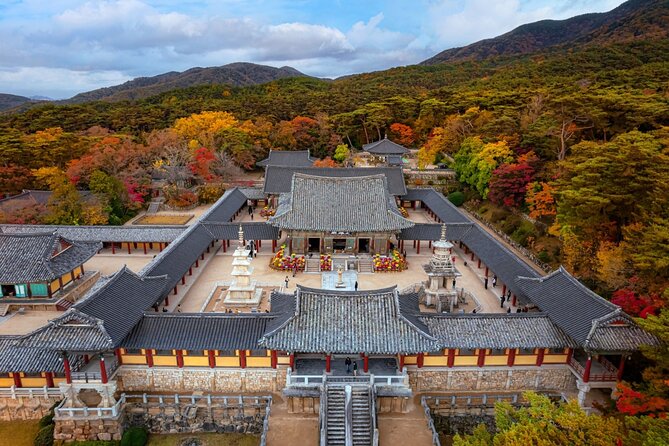
Bulguksa Temple: Korea’s grand opening scene
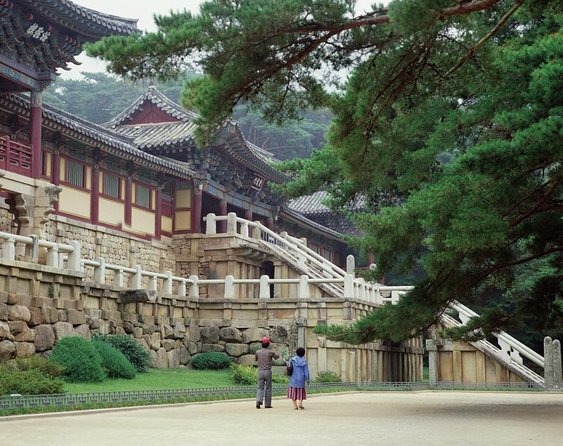
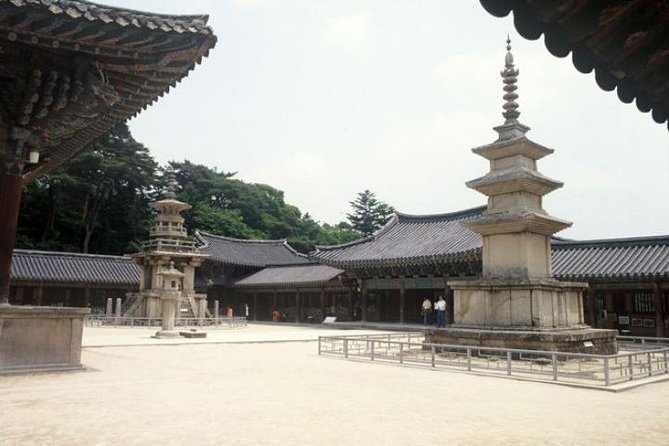
Bulguksa is usually the first major stop, with about 1 hour and 10 minutes inside the complex. Originally built in the eighth century, this Buddhist temple is known for its Silla-era design and UNESCO World Heritage status.
You will see carefully arranged courtyards, stone stairways, pagodas, and wooden halls. The visit works best when you pay attention to the relationship between the buildings and the stonework rather than trying to race through every corner. The site has spiritual importance as well as architectural appeal, so a guide can help turn a quick photo stop into a more meaningful visit.
The time limit is the catch. Several people found the larger stops too rushed, and Bulguksa is one of the places where that can happen. Wear shoes suited to steps and uneven ground. This is also an outdoor visit, so your comfort depends heavily on the weather.
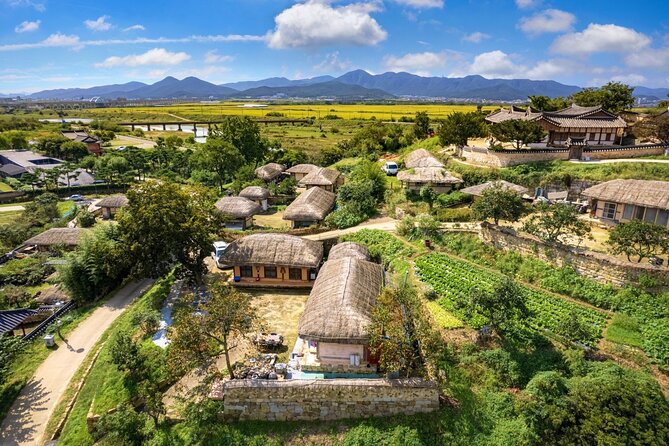
Yangdong Folk Village and the texture of old Korea
The UNESCO route continues to Yangdong Folk Village for about 2 hours and 15 minutes. This is the longest stop and one of the most distinctive parts of the day.
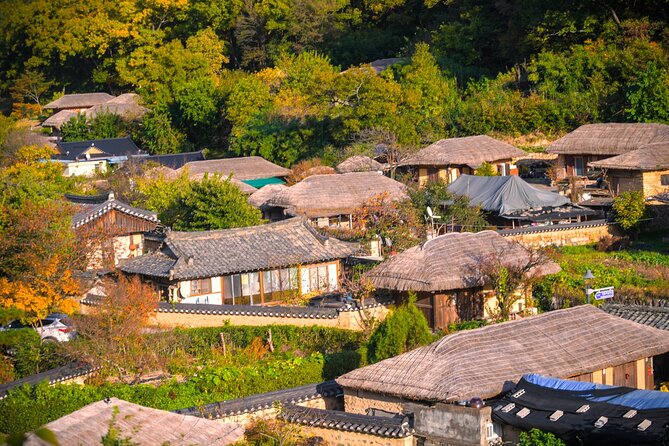
Yangdong is Korea’s largest and best-preserved traditional village of its kind. Its homes, lanes, hills, and surrounding countryside offer something different from temple courtyards and urban streets. You get a clearer sense of how elite families and ordinary households once lived in a village setting.
Expect walking on slopes and open paths. The village is not a polished indoor museum, so weather matters. You might find the pace relaxing compared with the shorter stops, but the walking can be tiring after the ride from Busan.
Lunch is at your own cost. One practical detail is especially important: the village cafe has been described as the only food option on site and as cash-only. Meal choices have included chicken, seafood, and pork, while vegetarians may want to bring something along. Other accounts describe the food as enjoyable, including a ginseng chicken set, but opinions on portion size and value vary.
I would treat lunch as a basic stop rather than a food tour. Bring cash, and do not assume the meal is included in your $57.14 ticket.
Daereungwon and Hwangnidan-gil: tombs beside a modern street
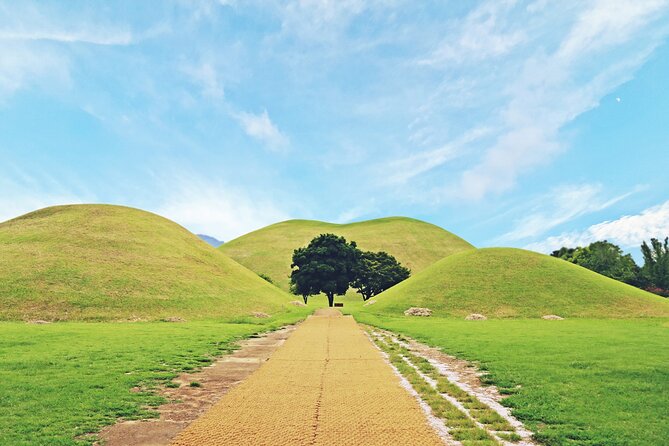
Daereungwon Tomb Complex gives you 45 minutes to see part of a park containing 23 Silla-period tombs. The rounded grass-covered mounds are striking because they appear as part of the city rather than as distant archaeological ruins.
The included Cheonmachong Tomb ticket adds an indoor element to this stop. It gives you a closer look at the construction and burial customs connected with the tombs. Your guide can provide the basic context, but you should still allow time simply to look at the scale and shape of the burial mounds.
Next door, Hwangnidan-gil offers a sharp change of mood. The 45-minute stop mixes old-style hanok buildings with cafes, shops, and Korean street food. It is a good place to buy a snack, take photos, or pause before the evening sites.
The timing can feel odd. You may already have eaten lunch, and after a full day you may want to head back to Busan rather than spend a long time browsing. Still, this stop gives the tour a useful modern counterpoint. Gyeongju is not only an archaeological park. It is also a living city adapting old buildings for present-day use.
Dinner is not included, and food choices here are your own responsibility. Most places accept cards according to the supplied experience details, but it is still sensible to carry some Korean won for small purchases.
More Guided Tours in the world:
- History and Hauntings of Salem Guided Walking Tour
★ 5.0 · 14,564 reviews - Edinburgh: Edinburgh Castle Guided History Tour with Tickets
★ 4.8 · 9,933 reviews - Historic Charleston Guided Sightseeing Walking Tour
★ 5.0 · 6,216 reviews - Rome: Colosseum with Arena, Roman Forum and Palatine Guided Tour
★ 4.0 · 5,598 reviews
Woljeonggyo Bridge after the temples
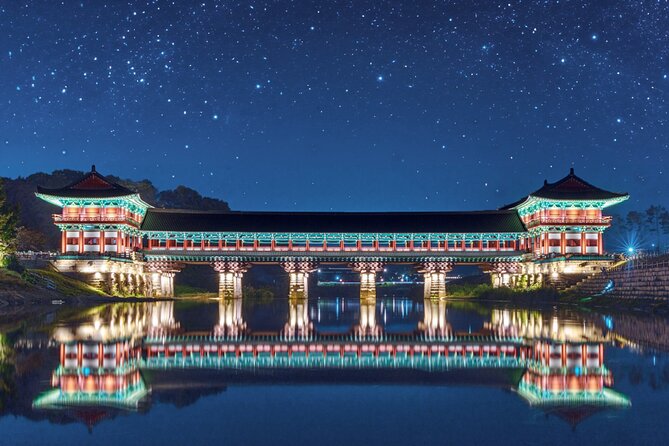
The UNESCO route includes about 20 minutes at Woljeonggyo Bridge. This is a short stop, but it can produce some of the best photographs of the day.
The bridge has stone arches and a long connection to Gyeongju’s Silla past. Its proportions and setting make more sense when you view it from a little distance, so do not spend the entire stop standing directly on the bridge.
Twenty minutes is enough for photos and a short explanation, not for a slow architectural study. If the group arrives near sunset, the changing light can make the stop feel more special. If traffic or weather delays the group, this is one of the places most likely to become a quick visit.
Donggung Palace and Wolji Pond after dark
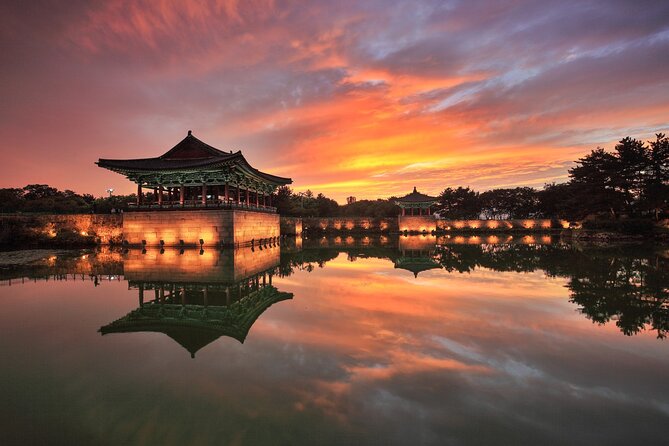
The final major stop on the UNESCO route is Donggung Palace and Wolji Pond, with about an hour included. The pond was first constructed in 674 as part of the Silla royal complex.
This is often the emotional high point of the day. The water, rebuilt palace structures, and evening lighting create a calmer setting after the noise and movement of the earlier stops. Several guides have timed the visit around sunset or darkness, and the illuminated views are repeatedly singled out as memorable.
You will still be walking, and the day may be catching up with you by this stage. Bring an extra layer because temperatures can change between morning, afternoon, and evening. One practical complaint about this schedule is that the tour may not return to Busan until around 8 or 9 p.m., depending on traffic and drop-off point.
The Museum route for a less outdoor-heavy day
The second choice replaces Yangdong Village, Daereungwon, Woljeonggyo Bridge, and Donggung Palace with the Gyeongju National Museum. The route still includes Bulguksa and Hwangnidan-gil.
At the museum, you can see Silla artifacts, Buddhist objects, and famous golden crowns. This option suits you if indoor exhibits help you understand what you see at the temples and tombs. It also avoids some of the outdoor walking and may feel more manageable in poor weather.
The Museum route is not necessarily short in the usual sense. The total experience is still described as roughly 10 to 12 hours, and traffic can affect the day. It is simply more concentrated around Bulguksa, the city center, and the museum rather than spreading across the wider Gyeongju area.
Choose this option if museum displays matter more to you than village scenery and evening palace views. Choose the UNESCO option if your priority is seeing the broadest range of World Heritage sites.
Guides, group size, and the bus ride
The tour includes English, Chinese, and Korean-speaking guides. Guides named Vincent, Irene, Sol, Bobby Kim, Lucy, Charles, Juna, Bryan, Tomy, Lan, and Roy have all been associated with especially positive experiences in the supplied material.
The praise is specific. Guides are described as clear with history, good at keeping the group on schedule, helpful with photos, and attentive when someone is confused about a meeting point or drop-off. Roy, for example, helped a passenger reach the correct hotel after the tour. That kind of practical care can matter as much as formal commentary when you are in an unfamiliar city.
The group may be as large as 43 people. A big coach can make the day social and efficient, but it also means waiting for everyone and staying alert to meeting times. The strongest guides use clear instructions and a defined mix of group explanation and free time. You should still note the guide’s directions carefully and return early to the coach.
The ride from Busan is part of the experience. You will see the Korean countryside, but traffic can add time. The driver has a long working day, and you do too. This is not the right choice if you dislike coach travel or need a relaxed schedule.
What to pack and how to handle the long day
Dress for a full range of temperatures. One account specifically warns that the tour can cover morning chill, warm afternoon walking, and a cooler evening visit. Layers are more useful than one heavy coat.
I would bring:
- Comfortable shoes with good grip
- Water and a small snack
- Cash for lunch or village purchases
- A phone charger or power bank
- An extra layer for Donggung Palace and Wolji Pond
- Sun protection or rain gear, depending on the forecast
Most people can take part, and the meeting points are near public transport. Still, the combination of steps, hills, open-air sites, and a 10 to 12 hour schedule demands reasonable stamina.
The operator may use WhatsApp and Google tools for communication or tour details. If you do not use those services, workarounds may be possible, but arranging them could add stress on the day.
Is $57.14 good value?
At $57.14 per person, the tour offers solid value if you want to cover several Gyeongju sites in one day. Air-conditioned transport, a multilingual guide, and several admission fees are included. The UNESCO option includes Yangdong Village, Donggung and Wolji, and the Cheonmachong Tomb ticket.
You still pay for lunch, dinner, snacks, and personal expenses. That matters because a long day creates two meal stops, and food costs can add up. The tour is also less flexible than going alone. You cannot linger at Bulguksa, skip Hwangnidan-gil, or leave the group early simply because one site interests you more.
I would compare the price with the cost of arranging several local transfers, entrance tickets, and a private guide. For a first visit to Busan and Gyeongju, the convenience is strong. For a return visit focused on one temple or museum, independent travel may suit you better.
Who should book this Gyeongju day tour?
I recommend it most to first-time visitors staying in Busan who want historical context without building a complex transport plan. It also suits families and small groups who value a guide, included admissions, and a simple return to central Busan.
The UNESCO route is best for you if you want village scenery, tombs, bridges, and evening palace views. The Museum route is better if you prefer artifacts and a more concentrated cultural program.
I would hesitate if you dislike early starts, long bus rides, large groups, or outdoor walking. I would also think twice if you want a relaxed meal experience or hours at each major site. This tour gives you breadth, not leisurely depth.
Should you book it?
Book this tour if your time in Busan is limited and you want one efficient day devoted to Korea’s Silla-era heritage. The guides and range of sights are the main reasons to choose it, and the evening visit to Wolji Pond can provide a memorable finish.
Choose the UNESCO route for the fullest sense of Gyeongju. Choose the Museum route if you prefer exhibits and fewer outdoor stops. In either case, bring cash, wear comfortable shoes, accept that traffic may extend the day, and keep your expectations focused on seeing many important places rather than lingering at one.
The experience offers free cancellation up to 24 hours before the start time. Changes or cancellations made less than 24 hours ahead are not accepted for a refund.
FAQ
How long does the Gyeongju tour from Busan last?
The tour lasts approximately 10 to 12 hours. Traffic, weather, and the chosen drop-off point can affect the exact return time.
What are the two tour options?
You can choose the UNESCO Tour or the Museum Tour. The UNESCO Tour includes Yangdong Village, Bulguksa Temple, Daereungwon, Hwangnidan-gil, Woljeonggyo Bridge, and Donggung Palace and Wolji Pond. The Museum Tour includes Bulguksa, Hwangnidan-gil, and the Gyeongju National Museum.
Are entrance fees included?
Yes. The UNESCO Tour includes Yangdong Village, Donggung and Wolji, and the Cheonmachong Tomb ticket. Bulguksa admission is also included in the tour arrangements.
Are meals included?
No. Lunch, dinner, snacks, and personal purchases are not included. Food stops are paid for separately.
How large is the group?
The tour can have a maximum of 43 participants. Transport is by air-conditioned coach or minivan.
What languages are available?
The experience includes English, Chinese, and Korean-speaking guides.
Can I cancel for a full refund?
Yes, if you cancel at least 24 hours before the experience start time. Cancellations or changes made less than 24 hours before the start time are not accepted for a refund.
Latest history tours reviewed in the world
- From Athens: Ancient Olympia Full-Day Private Tour★ 4.8 · 22 reviews
- From Athens: Explore Ancient Corinth & Charming Nafplion★ 4.6 · 102 reviews
- From Athens: Explore Ancient Greece 4-Day Tour★ 4.7 · 73 reviews
- From Albufeira: Wine Tasting & Historic Silves Tour★ 4.9 · 421 reviews
- From Albufeira: Historical Algarve Region Tour★ 4.7 · 585 reviews
- From Alexandria: Full-Day Guided Tour of Historical Sights★ 4.5 · 54 reviews
- Franklin: Ghost Tour in Historic Franklin★ 4.8 · 65 reviews
- Freiburg: Exciting City Tour with sightseeing and history★ 4.3 · 103 reviews
Korea History Tours, compared.
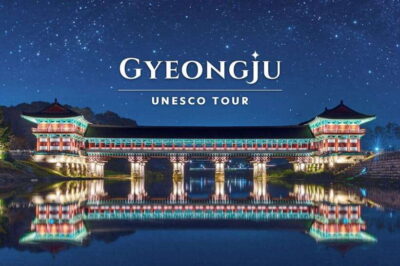
From Busan: Gyeongju UNESCO World Heritage Guided Day Tour
Read our review →
Seoul: Evening Dark History, Folklore & Ghost Story Walking Tour
Read our review →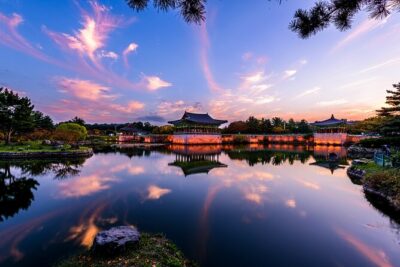
Old Korea Thousand History Tour of Gyeongju from Busan
Read our review →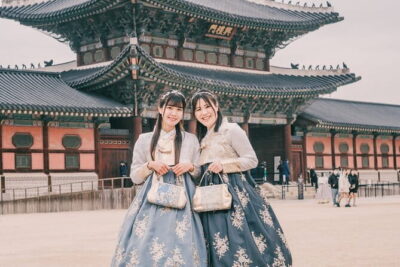
Hanbok Photoshoot and History Tour at Gyeongbokgung Palace
Read our review →
From Seoul: Dae Jang Geum Park Historic K-Drama Set Tour
Read our review →
Seoul: City Highlights and Historical Experience No Shopping
Read our review →Browse the lists this tour appears in