
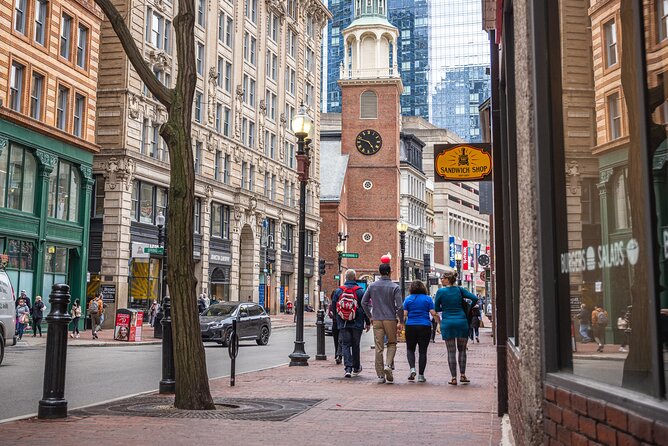
Review · BOSTON
Boston History Tour: Scenic Walk Through Time & Landmarks
Boston packs a remarkable amount of American history into a walk of about 4 kilometers. This tour links the Boston Tea Party, the Boston Massacre, Paul Revere, John Hancock, Beacon Hill, and the Public Garden in one tidy route from the harbor to Charles Street.
I like the small group limit of 16, which gives you a fair chance to ask questions and hear the guide. I also like the surprise local treat, plus the useful advice on where to eat and spend time after the walk. The main catch is that two hours is tight for so many landmarks, and part of the route passes through busy shopping areas rather than quiet historic streets.
Key points to know
- Follows a strong first-day route: Start near Boston Harbor and finish by the Public Garden, with many major sights between them.
- Guides bring the past to life: Bob, Nabil, Alivia, Lexie, Tim, Molly, Allison, and others have been praised for humor, warmth, and strong storytelling.
- Covers about 4 kilometers: The pace is designed for a broad range of ages and fitness levels, but you will be on your feet for most of the two hours.
- Includes useful local advice: You receive suggestions for food, drinks, places to relax, and things to do after the walk.
- A local treat is included: Alcohol may be served, so bring proper identification if you are of legal drinking age.
- Useful for first-time visitors: The route gives you a clear map of central Boston before you explore more deeply on your own.
From the Greenway Carousel to Boston’s Revolutionary Core
The tour begins at the Greenway Carousel, at 191 Atlantic Avenue, close to Boston Harbor and public transportation. This is a smart starting point because the Rose Kennedy Greenway gives you a sense of Boston’s modern waterfront before the walk turns toward the city’s colonial and Revolutionary past.
Your guide gathers the group here, checks that everyone is together, and sets the tone for the walk. The group may be small enough for an easy conversation, though the maximum is 16 people. That size matters on city sidewalks: you are less likely to be separated from the guide, and questions do not have to wait until the end.
From the carousel, the route heads toward Faneuil Hall Marketplace. You will pass the Custom House Tower, one of the clearest landmarks in the area. It was Boston’s first skyscraper and once marked the place where incoming goods were stored. This is a quick orientation point, but it helps connect Boston’s modern skyline with its old role as a major port.
More History Walking Tours in Boston
- Boston: Freedom Trail History Small Group Walking Tour
★ 5.0 · 6,450 reviews - Boston: Freedom Trail History Small Group Walking Tour
★ 4.9 · 1,590 reviews - Boston Pizza Lovers Food and History Walking Food Tour
★ 4.5 · 1,082 reviews
Faneuil Hall and the Arguments That Shaped a Nation
At Faneuil Hall, the guide explains the revolutionaries who pushed for independence from Great Britain. The building is one of Boston’s most important public meeting places, and the stop gives you the political setting behind the familiar names of the American Revolution.
Nearby Quincy Market and Faneuil Hall Marketplace are active commercial areas. That makes the stop convenient, since you can return later for food or browsing, but it also creates one of the tour’s weaker moments. At busy times, crowds and retail activity can compete with the storytelling.
I would pay close attention here, since the guide’s explanation helps separate the polished tourist setting from the serious political disputes that took place in Boston. This is not only a photo stop. It is where the walk begins to explain how protest, trade, taxes, and public debate collided.
Old South Meeting House and the Boston Tea Party
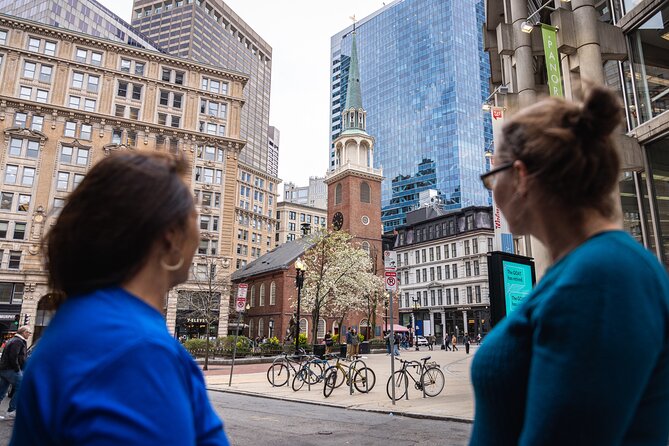
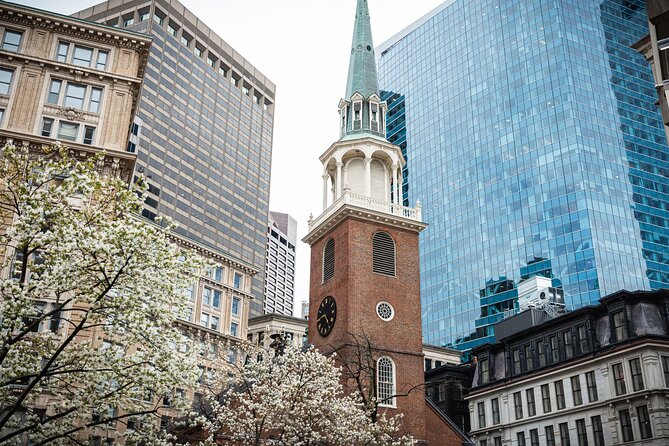
The route continues to Old South Meeting House, the former church where Bostonians gathered before the Boston Tea Party in 1773. The stop is brief, about five minutes, so expect an outdoor explanation rather than a long interior visit.
The value here is the setting. You hear how local residents planned an act of rebellion and how the famous argument over taxation fed wider resistance to British rule. The guide also connects the event to the people who organized it, rather than treating the Tea Party as a single dramatic scene with no context.
The walk then passes the site of Boston’s first bookstore. It was linked to publishers of works including Thoreau’s Walden, Hawthorne’s The Scarlet Letter, and Longfellow’s Midnight Ride of Paul Revere. This short piece of literary history broadens the tour beyond battlefields and politicians. Boston’s identity also grew through books, writers, schools, and publishers.
Old City Hall, King’s Chapel, and a Touch of City Life
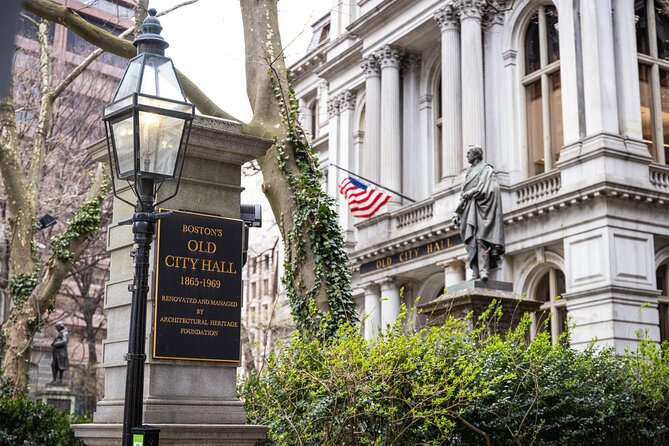
Old City Hall is one of the route’s most attractive architectural stops. The French design gives you a welcome change from the brick and stone associated with Boston’s colonial buildings. You will also see the Bronze Donkey, a popular photo spot.
The building once held Boston’s city council and America’s first public school. Those details help explain how the city’s civic life developed over time. The stop lasts about ten minutes, enough for a short explanation and photos without turning the walk into an architecture lecture.
From here, you pass through Downtown Crossing and continue toward King’s Chapel. If the timing is right, you might hear the organist playing the oldest church organ in the United States. That possibility adds a little atmosphere, but it is not guaranteed, so treat it as a bonus rather than a promised part of the tour.
Downtown Crossing is also where the route can feel less scenic. You are walking through a working commercial district, not a preserved historic quarter. Some people appreciate seeing modern Boston alongside its old buildings. Others may wish for more time in the quieter historic sections.
More History Walking Tours in the USA
- Beacon Hill Boston History + Photo Walking Tour (SMALL Group)
★ 5.0 · 163 reviews - Boston: 2-Hour Historic Walking Tour
★ 4.7 · 88 reviews - Boston: Historic Pubs Walking & Ferry, Food & Drink Tour
★ 4.9 · 56 reviews - Boston: Seafood Tasting & Historical Walking Tour
★ 5.0 · 28 reviews
The Old State House and the Boston Massacre Site
The Old State House is one of the central stops. In 1776, the Declaration of Independence was announced here, and the guide covers both the excitement of that moment and the tragedy of the Boston Massacre.
This pairing is important. The city’s path toward independence was not simply a string of heroic speeches. It also included tension, violence, propaganda, and competing views of British authority. A good guide can make those connections clear, and the strongest guides on this tour, including Alivia, Tim, Nabil, and Clio, have been praised for keeping the material lively while answering questions.
The stop lasts about 15 minutes. That gives you time to look at the building and hear the story, but not enough for a detailed visit inside. If you want museum exhibits or a longer look at the building, plan to return independently.
Boston Common, Beacon Hill, and the Shaw Memorial
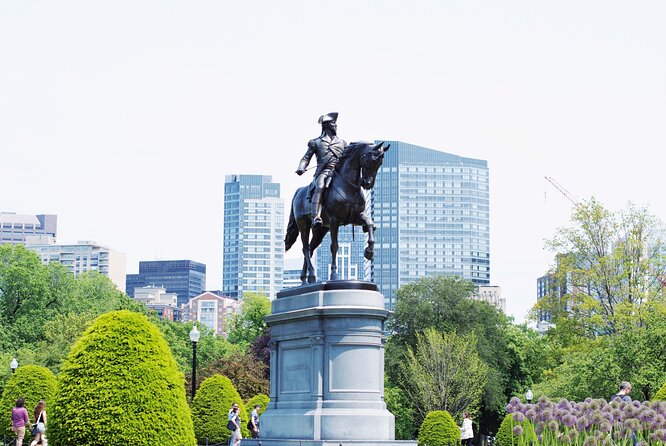
Boston Common offers a change of pace. Established in 1634, it is the oldest city park in the United States and remains a place for walking, recreation, fountains, and memorials. The guide explains how the Common was used during the Revolution and how it became part of daily city life.
This is one of the spots where the tour feels most connected to present-day Boston. You are not only hearing about a past event behind glass. You are watching people use the same open space for ordinary activities today.
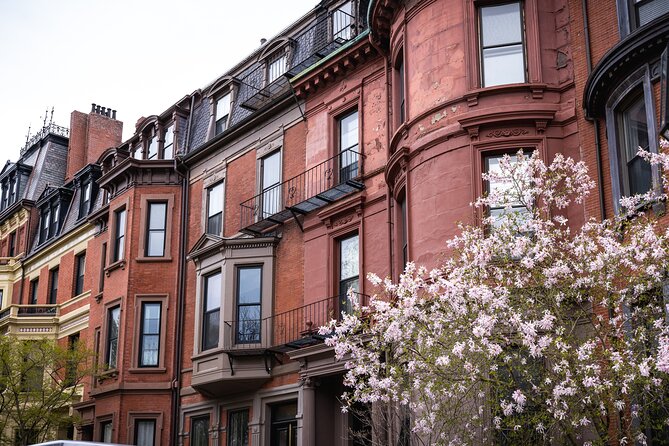
The route then moves toward one of Boston’s best-known neighborhoods, with cobbled streets and historic homes. The guide explains how the area declined when sailors and British soldiers occupied it, then became the polished and fashionable district you see now. The contrast makes Beacon Hill more interesting than a simple parade of attractive buildings.
You will also pass a memorial honoring one of the first African American regiments in the Civil War and its colonel, Robert Gould Shaw. It is a significant stop that adds a necessary chapter to the city’s story. The tour does not treat Boston’s past as only a tale of colonial leaders. It also points to African American military service and the wider struggle over freedom.
The Massachusetts State House and John Hancock’s Hill
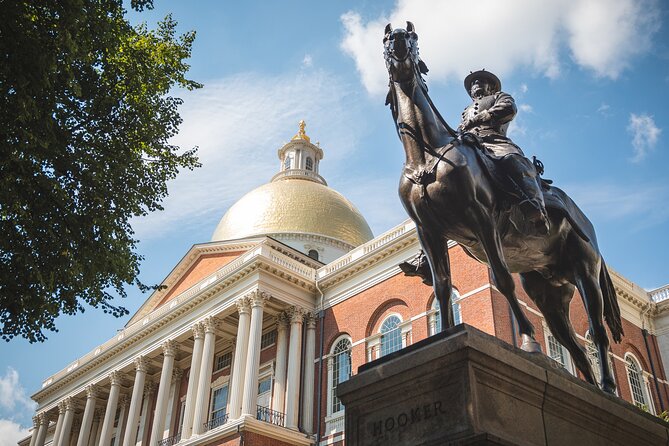
The Massachusetts State House comes next, marked by its glittering dome. The guide discusses John Hancock, who originally owned the land, and Paul Revere, who presided over the 1795 cornerstone ceremony.
The building remains active as the seat of state government, so this stop links Boston’s Revolutionary era to the political life of Massachusetts today. You will have about ten minutes here. That is enough to admire the exterior and hear the key points, but not enough for an interior tour.
This is a good example of what the experience does best: it places famous names into a physical setting. John Hancock is not just a signature on a document, and Paul Revere is not only the rider from a schoolbook story. Their connection to this site gives the history a more local scale.
Granary Burying Ground and the Names on the Stones
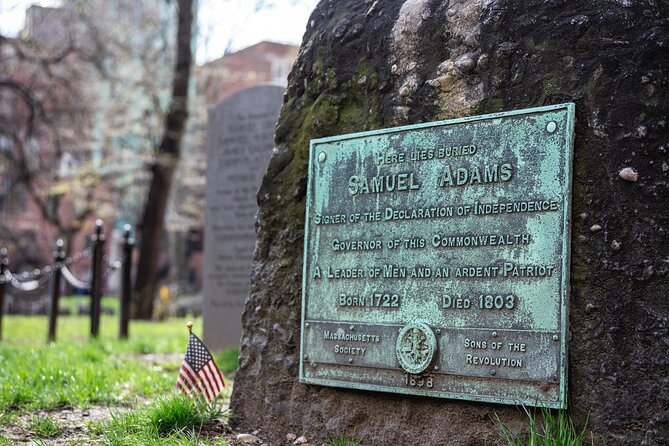
Granary Burying Ground dates to 1660 and was once part of Boston Common. The cemetery contains the graves of major Revolutionary figures, including John Hancock, Paul Revere, and Sam Adams.
The scheduled stop is about ten minutes, which is enough to identify important graves and hear why the cemetery matters. It is not a long cemetery study, so you may want to return later if you enjoy old burial grounds or want more time with the inscriptions.
Timing can matter here. The route and places visited may change, and one account of the experience noted that a historic cemetery was closed by the time the group reached it. The itinerary places Granary Burying Ground on the route, but access can depend on operating conditions. If seeing the cemetery is a top priority, ask the guide early in the walk about the day’s timing.
Boston Public Garden, the Natural Finish
The tour ends near 4 Charles Street, by Boston Public Garden. This is a pleasant finish after the denser downtown sections. Established as the first public park in America, the garden is used today for walking, exercise, and rest.
The guide also covers how the garden and surrounding area were used during the Revolution and in later years. The final 15 minutes give you a calm place to absorb the walk and decide what to do next.
The ending is practical. You are close to Beacon Hill, Boston Common, Charles Street, and nearby restaurants and shops. Since the guide provides suggestions for eating, exploring, and relaxing, this is a good point to continue on your own rather than return to the starting area.
What the Guides Add to the Experience
The route matters, but the guide will shape your experience more than any individual building. The strongest feedback centers on guides who are warm, funny, enthusiastic, and ready to answer questions.
Bob is praised for friendly storytelling and a sharp sense of humor. Nabil is described as patient, generous, and especially good at welcoming questions. Alivia brings a strong connection to Boston as a local, while Lexie is noted for research, energy, and a clear love of the city. Tim, Molly, Allison, Clio, Alexander, Alex, and Connor have also been singled out for their history knowledge, humor, care with the group, and ability to keep people involved.
That does not mean every guide will use the same style. One may focus on architecture, another on politics, another on local life. The company can change the route and places visited, so allow for some variation.
The surprise local treat adds a friendly break. Alcohol might be served, and proper identification is required if you are asked for it. Additional food and drink are not included, and gratuity for the guide is also separate.
Is $39.80 a Fair Price for Two Hours?
At $39.80 per person, the value depends on how you use the tour. You are paying for a local English-speaking guide, a planned route through several major districts, a small group, a local treat, and advice that can shape the rest of your stay.
The tour does not include admission to museums or historic interiors. Most stops are viewed from public spaces, so you should not book it expecting an in-depth building tour. The price makes more sense if you want a fast orientation, historical context, and a way to decide which sites deserve a longer visit.
The private option costs more but may suit families, couples, or small groups that want a flexible conversation. The standard tour already caps attendance at 16, so you do not need to upgrade simply to avoid a huge crowd.
A group discount is available, which may improve the value for families or larger parties. Children under six can join free, but you must mention them when booking. Children from six through 11 pay the adult rate.
Pace, Weather, and Practical Details
The walk covers about 4 kilometers and lasts roughly two hours. It is described as suitable for all ages and fitness levels, but you should still wear comfortable shoes and be ready to walk in city conditions.
The tour runs in rain, snow, and sunshine. Boston weather can change quickly, so dress for the forecast and bring suitable outerwear. There are no promises of indoor shelter during each stop.
The tour is offered in English and includes a mobile ticket. Confirmation arrives at booking, and the meeting point is near public transportation. The end point is not the same as the start, which is helpful if you want to keep exploring central Boston instead of retracing your steps.
Free cancellation is available up to 24 hours before the start time. Within 24 hours, the booking is nonrefundable, and changes are not accepted.
Who Should Book This Boston Walk?
I would choose this tour for a first visit, especially if you have only a few days in Boston. It gives you a working map of the city and introduces the locations you are most likely to revisit, including Faneuil Hall, the Old State House, Boston Common, Beacon Hill, Granary Burying Ground, and the Public Garden.
It also suits solo visitors who want company without joining a huge group. Families can take part, and the route offers enough variety to keep a broad age range interested, though younger children may need help with the walking and long periods of listening.
History fans should enjoy the political and Revolutionary material. Architecture fans will appreciate Old City Hall, King’s Chapel, the State House, and Beacon Hill. If your main goal is to enter historic buildings or spend long periods at museums, this is not the right format.
One guide has been praised for suggesting Democracy Brewery after the tour, and the experience includes local food and drink advice in general. You can use that information to plan the next part of your day, but the tour itself is only about two hours.
Should You Book It?
Book it if you want a friendly, well-paced introduction to Boston with strong storytelling and a route that connects the harbor to the Public Garden. The 4.9 rating from 627 reviews and 98 percent recommendation rate match the experience’s main strengths: engaging guides, useful context, a manageable group size, and plenty of major sights.
Skip it if you want a slow museum visit, a quiet walk with little narration, or guaranteed access to every historic interior. The route can change, shopping areas can feel less atmospheric, and two hours allows only a short stop at each place.
For most first-time visitors, I would take it near the start of a Boston stay. You will finish with a better sense of where to return, what to explore next, and how the city’s past still shapes its streets.
FAQ
How long is the Boston History Tour?
The tour lasts approximately two hours and covers about 4 kilometers, or 2.5 miles, on foot.
Where does the tour begin and end?
The tour begins at the Greenway Carousel at 191 Atlantic Avenue in Boston. It ends near Boston Public Garden at 4 Charles Street.
What sights are included?
The route includes the Rose Kennedy Greenway, Faneuil Hall Marketplace, Custom House Tower, Old South Meeting House, Old City Hall, King’s Chapel, the Old State House, Boston Common, the Massachusetts State House, Granary Burying Ground, Beacon Hill areas, and Boston Public Garden.
Is the tour suitable for children?
Yes. Children under six can join free, but you must mention them when booking. Children aged six to 11 are charged the adult rate, and their ages should be provided at checkout.
Is food or drink included?
A surprise local treat is included. Alcohol may be served, and proper identification is required. Additional food and drink are not included.
What happens if it rains or snows?
The tour operates in rain, sunshine, and snow. Dress for the weather and wear comfortable shoes for the 4-kilometer walk.
Latest history tours reviewed in Boston
- Boston: Underground Railroad History Tour of Beacon Hill★ 4.9 · 38 reviews
- Boston: Ultimate Historic Food & Drink Tour★ 4.7 · 20 reviews
- Boston: Historic Pubs Walking & Ferry, Food & Drink Tour★ 4.9 · 56 reviews
- Boston History & Highlights Tour: From Revolution to Today★ 4.8 · 178 reviews
- Boston: Seafood Tasting & Historical Walking Tour★ 5.0 · 28 reviews
- Boston: Haunted Pub Crawl of Historic Pubs and Taverns★ 4.6 · 127 reviews
- Boston: History & Haunts Guided Ghost Tour★ 4.3 · 154 reviews
- Boston: 2-Hour Historic Walking Tour★ 4.7 · 88 reviews
Boston History Tours, compared.
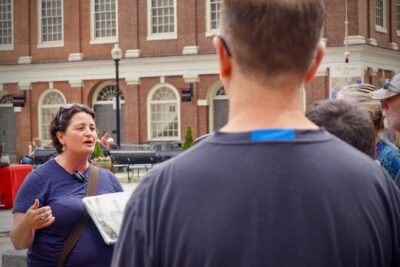
Boston: Freedom Trail History Small Group Walking Tour
Read our review →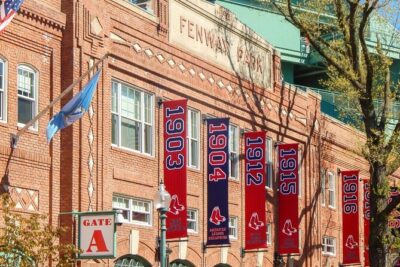
Tour of Historic Fenway Park, America’s Most Beloved Ballpark
Read our review →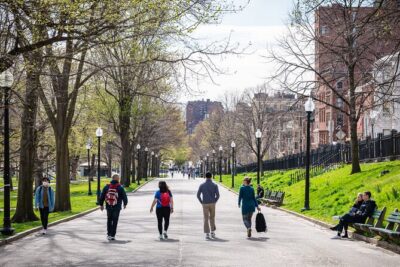
Boston Food & History: Pizza, North End & Freedom Trail
Read our review →
City Cruises Boston Historic Sightseeing Harbor Cruise
Read our review →
Boston Pizza Lovers Food and History Walking Food Tour
Read our review →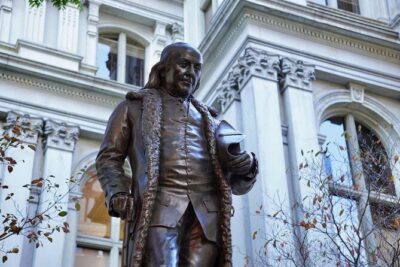
Boston Freedom Trail History Pub Crawl Small-Group Tour
Read our review →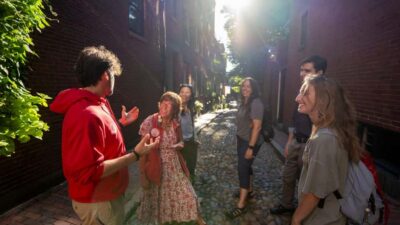
Boston History & Highlights Tour: From Revolution to Today
Read our review →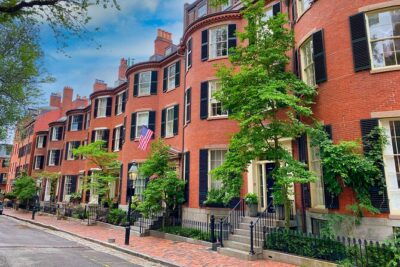
Beacon Hill Boston History + Photo Walking Tour (SMALL Group)
Read our review →Browse the lists this tour appears in