
Review · QUEBEC CITY
Quebec City: Old Quebec Historical Walking Tour
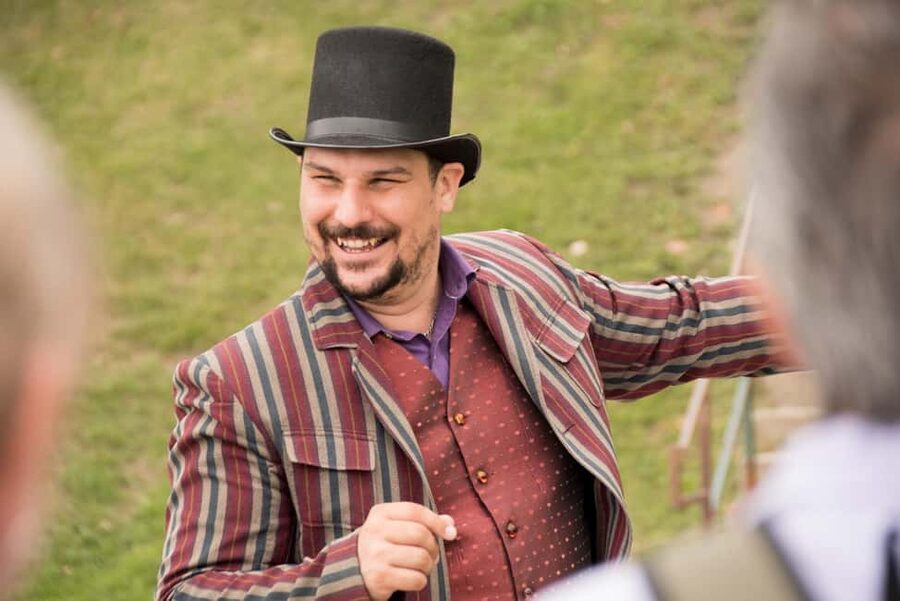
Old Quebec makes the most sense on foot, and this tour gives you a lively introduction to its stone streets, grand monuments, and 400 years of conflict, settlement, faith, and daily life. The costumed guide is more than decoration: guides such as Pierre, Sylvain, Bernard, Alex, and Kevin, who portrayed Champlain, use a character to turn dates into stories you can remember. Place Royale and the streets around it become much easier to understand when someone explains why this corner is called the cradle of French civilization in North America.
I like the tour’s balance of famous sights and less obvious corners. I also like the relaxed, story-led approach, with humor and time for questions rather than a memorized speech. The main consideration is physical: you will walk for two hours over hills and uneven streets, and some sections can be tiring. The tour also offers only a brief look at major sights such as the Château Frontenac and Dufferin Terrace, so it is an introduction rather than a full visit.
Key points to know before you book
- A costumed guide brings the past forward: Your cicerone may portray a figure from Quebec’s early French period, including Champlain or Louis Hébert.
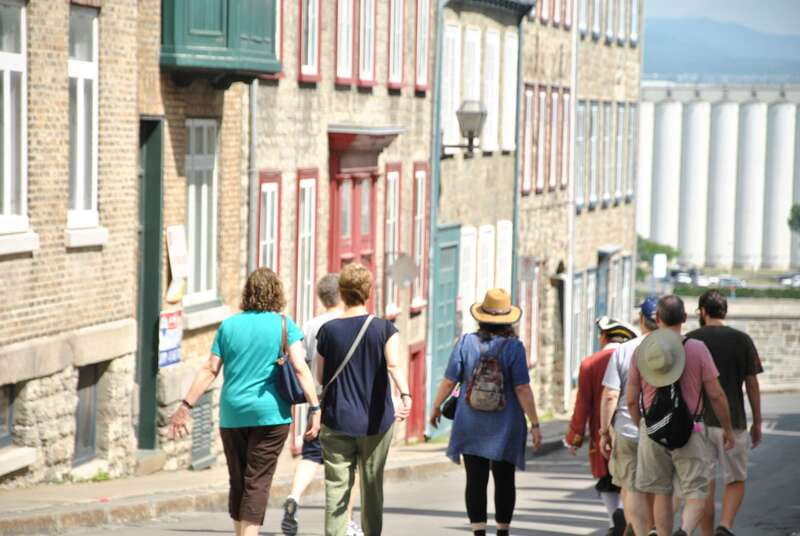
- The route covers Old Quebec’s essential landmarks: Expect Place Royale, the Château Frontenac, Dufferin Terrace, Notre-Dame de Québec, and smaller streets along the way.
- The storytelling is the main attraction: Guides mix political, religious, Indigenous, colonial, and present-day perspectives with jokes and anecdotes.
- Two hours gives you a strong first look: You will see a lot, but you will not have time for a long interior visit at every stop.
- The walking pace is generally manageable: Guides have adjusted routes for groups, though hills and stairs can still make the final stretch harder.
- The price is reasonable for an orientation tour: At $24 per person, it can save you time and help you plan the rest of your stay.
Why a costumed walk works so well in Old Quebec
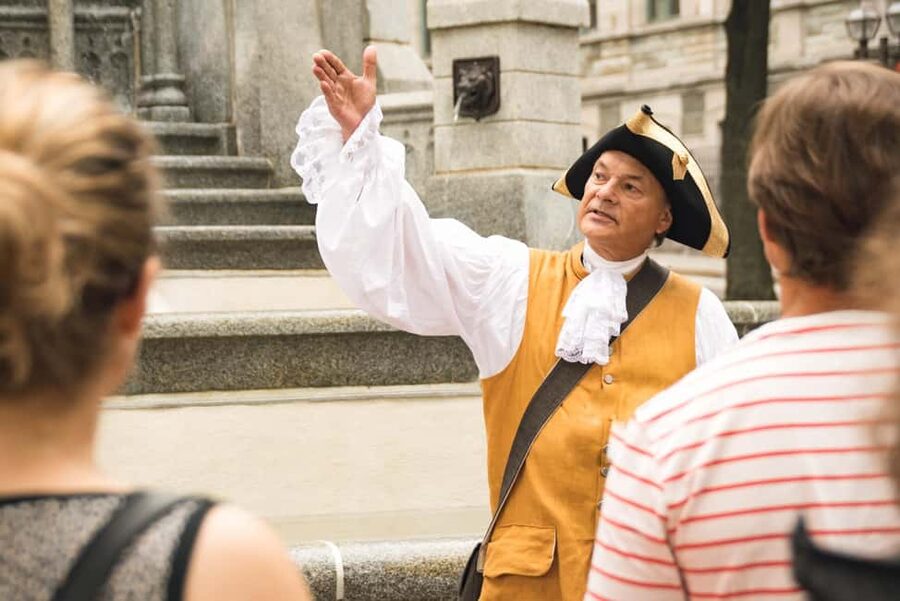
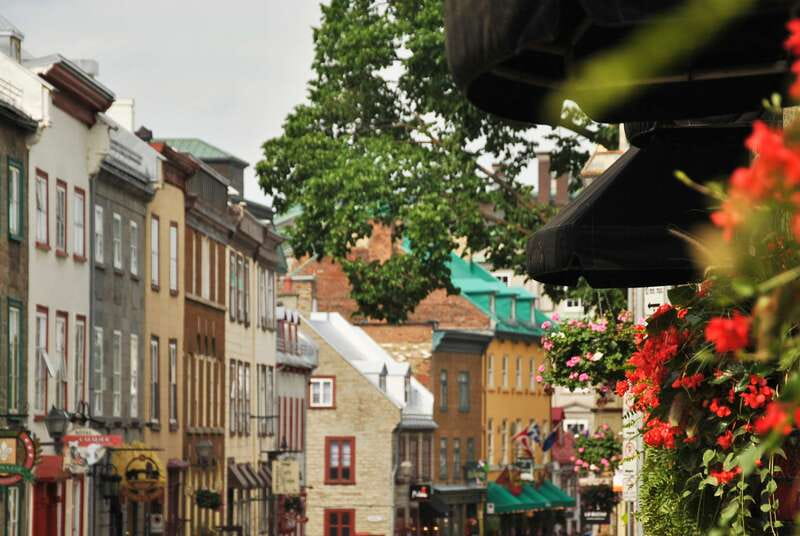
Old Quebec is a place where the setting already looks theatrical. Fortified walls, steep lanes, stone buildings, church towers, and the Château Frontenac give you plenty to see. Still, without context, the city can feel like a handsome collection of buildings rather than a connected story.
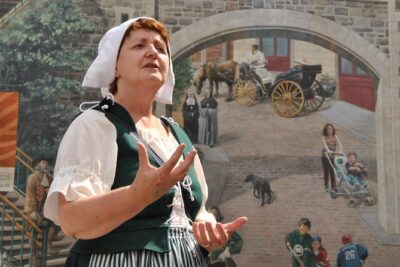
That is where the Cicerone guide helps. Your guide appears in full colonial costume and takes on a historical identity. The role-playing is not meant to replace serious information. At its best, it gives the facts a human voice. Alex, portraying Louis Hébert, explained how farmers helped establish the colony. Kevin, appearing as Champlain, answered questions and linked early settlement to the city you see today.
This approach suits people who enjoy learning through stories rather than lectures. Guides have used humor, personal anecdotes, and easy comparisons to keep the group involved. One guide described three major phases of Quebec’s past early in the walk, then used the sites to show how those phases fit together. That kind of structure helps you keep track of French settlement, later political changes, religious influence, and modern Quebec.
You should not expect every guide to use exactly the same route or character. That variety is part of the experience, but it also means the tone may range from gently theatrical to highly animated. The strongest guides, including Pierre, Jean-Claude, Mari Anne, Gary, and Chantel, have been praised for making the past feel immediate without turning the walk into a stage show.
More History Walking Tours in Canada
- Gastown Historic Walking Food Tour
★ 5.0 · 1,863 reviews - Vancouver: Gastown Historical Walking Food Tour
★ 4.8 · 539 reviews - Pete’s Historic Walking Tour
★ 5.0 · 321 reviews
Place Royale and the beginnings of French Quebec
Place Royale is one of the most important stops because it connects the city’s grand story to a relatively compact public square. It is described as the cradle of French civilization in North America, and your guide explains why this location mattered to the colony’s early development.
The value here is not simply seeing another pretty square. You learn how settlement, trade, religion, farming, and political power shaped the city. The surrounding streets help you picture Old Quebec as a working town rather than a preserved backdrop.
This is also a good place to listen for the wider range of voices included in the tour. The walk has covered Quebec from religious, Indigenous, colonial, political, geographic, and current perspectives. That broader framing matters because a city founded by French settlers cannot be understood through French colonial history alone.
The route may take you along sloping streets instead of every staircase. One guide deliberately avoided long flights of stairs to reduce the chance of injuries while still reaching the lower part of town. That is useful if you want to see Place Royale but worry about a punishing descent. Even so, the area is not flat, and you should wear shoes with a firm sole.
Notre-Dame de Québec and the role of faith
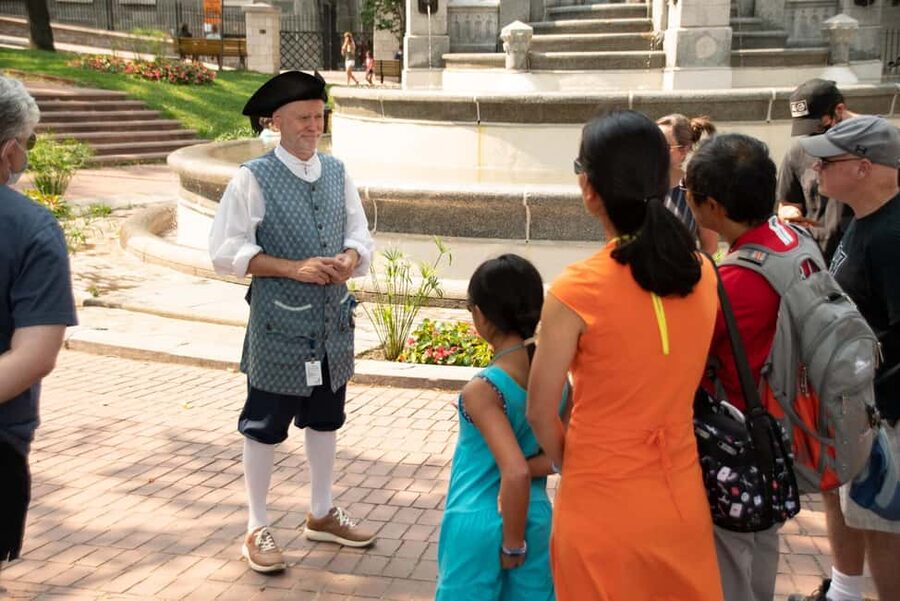
The Basilica of Notre-Dame de Québec adds a religious dimension to the walk. The tour focuses on the exterior and the place it holds in the city’s story, rather than presenting itself as a dedicated church tour.
Your guide can explain how faith shaped public life, institutions, and settlement patterns in Quebec. This gives the basilica more meaning than a quick photograph from the street. You may also hear how religious and political forces worked together during different periods of the city’s development.
The guide’s ability to handle questions is important here. Past tours have included detailed questions about both the main subject and related topics. A good cicerone can connect the basilica to other parts of Old Quebec without losing the main thread.
Do not expect a long quiet pause inside the church unless your particular tour option includes it. The experience is a walking overview, so the stop is mainly about location, architecture, and context. If you want to study the basilica in detail, plan separate time before or after the walk.
The Château Frontenac and Dufferin Terrace
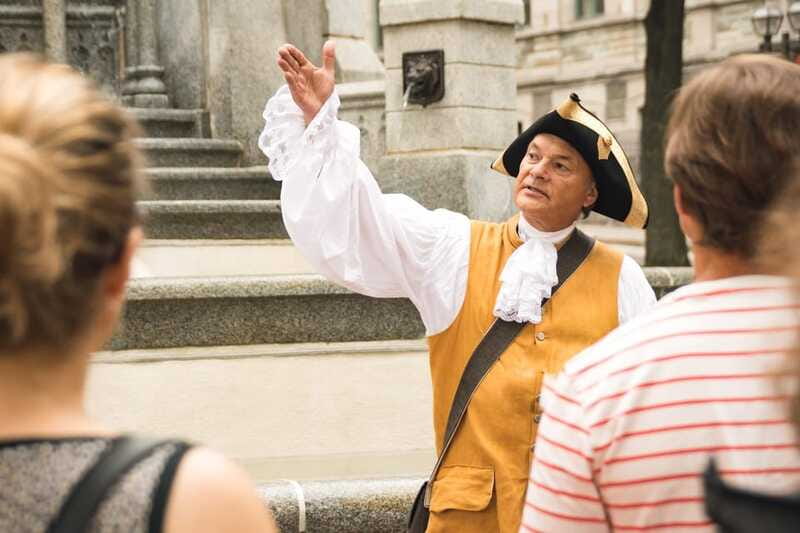
The Château Frontenac is the visual star of Old Quebec, and the tour gives you a chance to admire its exterior architecture. From nearby Dufferin Terrace, the hotel and surrounding city create one of the most recognizable views in Quebec City.
Your guide explains why the Château matters to the city’s identity and how it fits into the larger story of Old Quebec. This is a strong photo stop, but it is also a place where expectations matter. A two-hour tour has to keep moving, and the Château is one stop among several.
The experience information includes access to exclusive areas of the Château Frontenac, but the walking format and visitor comments suggest you should not assume a long hotel tour. One person wanted more time at the Château and on the boardwalk. That is a fair limitation to keep in mind. You will see this landmark and learn about it, but you may want to return afterward for a slower look.
Dufferin Terrace can also be busy and exposed to the weather. The tour runs in changing conditions, so bring comfortable clothes and dress for the forecast. Rain did not stop one guide from leading an engaging walk, but wet streets and wind can make the hills feel harder.
More History Walking Tours in the world:
- History and Hauntings of Salem Guided Walking Tour
★ 5.0 · 14,564 reviews - Lisbon: History, Stories and Lifestyle Walking Tour
★ 4.8 · 10,902 reviews - Boston: Freedom Trail History Small Group Walking Tour
★ 5.0 · 6,450 reviews - Historic Charleston Guided Sightseeing Walking Tour
★ 5.0 · 6,216 reviews
The streets between the landmarks
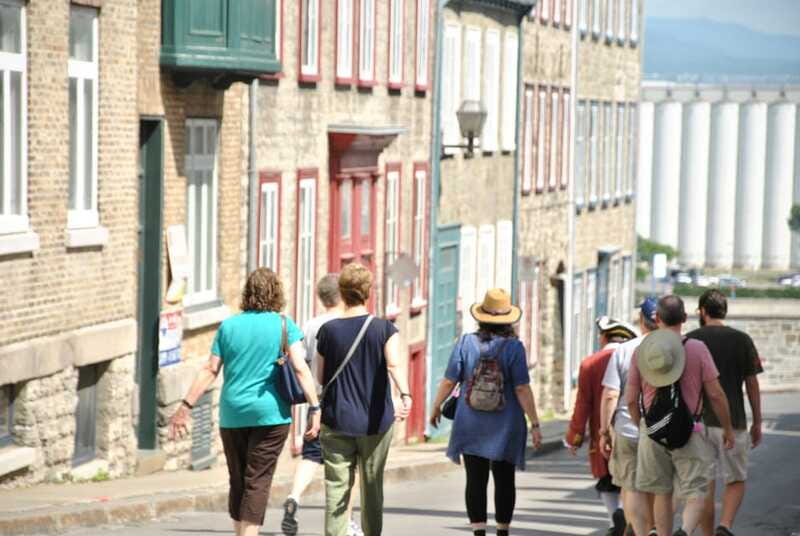
The best part of the route may be the spaces between the headline stops. Old Quebec’s character comes from winding lanes, old buildings, proud monuments, and details you could easily pass without knowing their meaning.
The guide points out places you may not find on a simple self-guided stroll. Several people have found corners they would not have noticed alone, including routes that reveal how the upper and lower parts of town connect. That is where a walking guide earns the $24 fee. You are not paying only for facts at four landmarks. You are paying for a local route that gives shape to the whole district.
The route covers a good amount of ground without being described as overly taxing for most people. One person nearing 80 found the ending difficult, while another noted that the walk involved hills and stairs. I would treat this as moderate city walking, not a strenuous hike, but you should still be ready to walk continuously for two hours.
The guide can adjust the route to suit the group. That may mean using sloped roads instead of stairs or changing the pace. It does not remove the physical demands of Old Quebec, and the tour is not suitable for wheelchair users.
What the guides do best
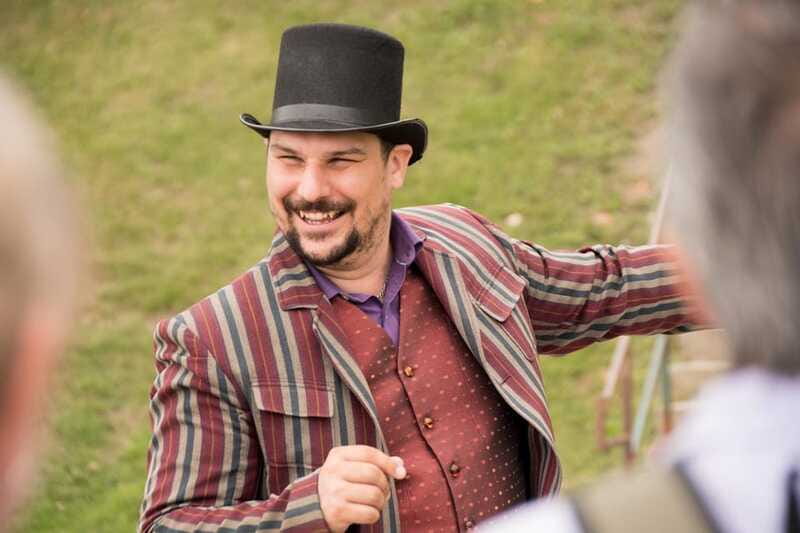
The strongest and most consistent feature is the quality of the guiding. Guests have praised guides for being clear, funny, considerate, and able to answer questions without losing the group.
That matters because historical walking tours can easily become a string of dates. Here, the guides tend to build a story. Gary reportedly presented the material in a way that was easy to follow. Jean-Claude was described as animated without being over the top. Other guides, including Guillemette and Marie-Anne, kept the group engaged for the full two hours.
The character names change. You might meet Pierre, Bernard, Sylvain, Charles, Alex, Kevin, or another Cicerone guide portraying a historical figure. The role helps set the mood, but the real test is whether the guide can explain the city clearly. This tour has done well when the costumed performance supports the facts instead of taking over.
You should also expect a friendly, interactive tone. Guides have adapted explanations to the people in front of them and tied details to current questions or interests. That makes the tour especially useful if you are curious about how Quebec’s past connects to life in the city today.
English and French tours are available. The guide’s accent can vary, but the experience has been delivered clearly in both languages, and some guides speak more than two languages.
Price, pace, and practical value
At $24 per person, this is a sensible price for a two-hour introduction to Old Quebec. You get a licensed guide in period costume and a route that covers major landmarks while adding less obvious details. For a first visit, the orientation can help you decide where to return for a meal, museum visit, church visit, or longer walk.
The value is strongest if you are new to Quebec City or have limited time. A cruise stop, short weekend, or first afternoon in town gives you a reason to book early in your stay. Once you understand the upper and lower sections of Old Quebec, later exploring becomes easier.
The value is weaker if you want a deep architectural tour, a long visit inside the Château Frontenac, or plenty of time to sit. The itinerary moves at a steady pace, and there is limited room for tea breaks, shopping, or extended photography. One person wished for more rest stops, which is useful advice for older walkers and anyone with a slow pace.
The booking terms add flexibility. You can cancel up to 24 hours in advance for a full refund, and you can reserve now and pay later. Check the starting time and meeting point for your chosen option, since the meeting point may vary. The stated check-in location is the Cicerone Information Centre at 12 Sainte-Anne Street, G1R 3X2, but confirm your booking details before setting out.
Who should book this Old Quebec walk
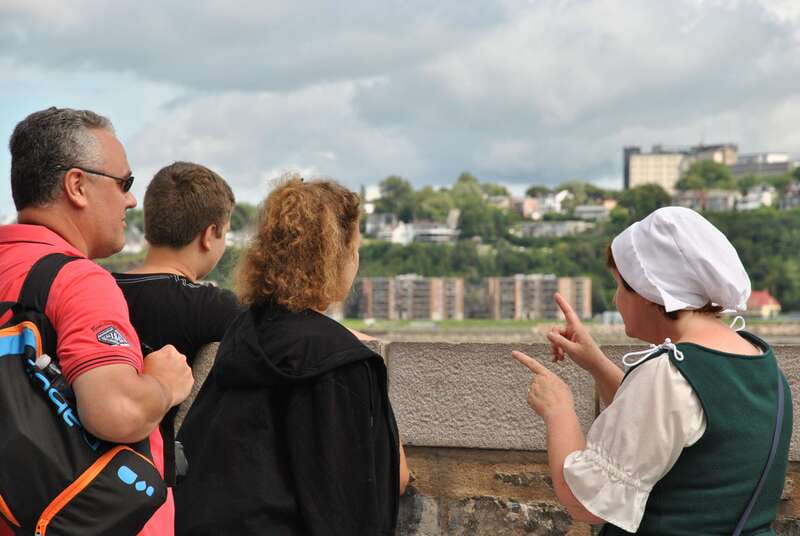
I would recommend it most strongly to first-time visitors who want the city explained before exploring alone. It also suits people who enjoy historical storytelling, small groups, and guides who welcome questions.
Families with older children may like the costumes and humor, especially if a straight lecture would lose their attention. Couples and solo visitors get a useful route and an easy way to learn the city’s layout. People who already know Old Quebec well may still enjoy the stories, but they should choose this for interpretation rather than for new access to every attraction.
If you have limited mobility, think carefully before booking. Wheelchair users cannot join, and the route includes hills and possibly stairs. Comfortable shoes are essential. The tour is not presented as strenuous, but the final portion may feel hard if you are near 80, recovering from an injury, or unused to sloping streets.
Weather also affects comfort. Bring suitable clothing, since the tour runs outdoors and may continue in rain. You do not need special equipment, just shoes and clothes that let you walk comfortably.
Should you book the Cicerone Old Quebec tour?
Book it if you want a lively first look at Old Quebec for $24, with a guide who can connect Place Royale, Notre-Dame de Québec, the Château Frontenac, and Dufferin Terrace into one understandable story. The cost is modest, the two-hour length fits neatly into a busy day, and the guides have a strong record of making the material funny and clear.
Skip it if you want long interior visits, extensive time at the Château, frequent sitting breaks, or a fully accessible route. In that case, a self-guided visit may give you more control.
For most first-time visitors who can manage hills, this is a smart way to get your bearings fast. Book near the start of your stay, then return to the places that deserve more time.
FAQ
How long is the Old Quebec Historical Walking Tour?
The tour lasts two hours.
How much does the tour cost?
The listed price is $24 per person.
Which languages are available?
The tour is available in English and French.
Where does the tour meet?
Check in at the Cicerone Information Centre, 12 Sainte-Anne Street, G1R 3X2. The meeting point may vary depending on the option booked, so confirm your booking details.
Who operates the tour?
Cicerone operates the tour.
Is the guide in costume?
Yes. A licensed guide leads the walk in full colonial period costume and may portray a historical figure.
Which sights are included?
The route includes Old Quebec landmarks such as the Château Frontenac, Dufferin Terrace, the Basilica of Notre-Dame de Québec, and Place Royale.
Is this tour suitable for wheelchair users?
No. The tour is not suitable for wheelchair users.
What should I bring?
Wear comfortable shoes and comfortable clothes. Since the tour takes place outdoors, dress for the weather.
Can I cancel for a refund?
You can cancel up to 24 hours in advance for a full refund. A reserve-now, pay-later option is also available.
Latest history tours reviewed in the world
- From Athens: Ancient Olympia Full-Day Private Tour★ 4.8 · 22 reviews
- From Athens: Explore Ancient Corinth & Charming Nafplion★ 4.6 · 102 reviews
- From Athens: Explore Ancient Greece 4-Day Tour★ 4.7 · 73 reviews
- From Albufeira: Wine Tasting & Historic Silves Tour★ 4.9 · 421 reviews
- From Albufeira: Historical Algarve Region Tour★ 4.7 · 585 reviews
- From Alexandria: Full-Day Guided Tour of Historical Sights★ 4.5 · 54 reviews
- Franklin: Ghost Tour in Historic Franklin★ 4.8 · 65 reviews
- Freiburg: Exciting City Tour with sightseeing and history★ 4.3 · 103 reviews
Quebec City History Tours, compared.
Evening Gourmet Tour 5 Course Dinner – History and Food in Old Quebec City
Read our review →
Browse the lists this tour appears in