
Review · GREECE
Ancient Olympia: Archaeological Site and Museum Entry Ticket
Ancient Olympia is where the Olympic Games began, and the experience is at its best when you pause on the old stadium field and picture athletes competing here centuries ago. I like the pre-booked entry, which can save you from waiting at the ticket office, and I like that the archaeological site and Olympic Games Museum let you enter at any time on your chosen date. The main drawback is that the Archaeological Museum has a fixed entry slot, and the audio guide may feel awkward because its stops are not arranged in a simple walking order.
This is a self-guided visit, not a live tour. You will see the Temple of Zeus, Temple of Hera, stadium, gymnasium, wrestling school, and hippodrome, then examine sculptures and other finds in the museums. Plan for heat in summer, bring water, and arrive early if you want a quieter visit.
Key points to know before you book
- Three major stops in one ticket: Enter the archaeological site, Archaeological Museum, and Museum of the History of the Olympic Games.
- Flexible site access: Visit the ruins and Olympic Games Museum at any time on your selected date.
- Fixed museum appointment: The Archaeological Museum of Ancient Olympia requires entry at the chosen time, with a 15-minute allowance before or after.
- Self-guided by design: There is no live guide, and the English audio guide is included only with selected options.
- The stadium is the emotional high point: Walking across the old Olympic field gives the visit its strongest sense of place.
- Summer heat matters: The open-air ruins offer limited shade, so water, an umbrella, and a wet cloth around your neck can make a real difference.
Why Ancient Olympia feels different from another Greek ruin
Ancient Olympia is not just a collection of fallen columns. It was a working religious sanctuary and athletic center, built around the worship of Zeus and the contests held in his honor. The ruins are spread across the Altis, the sacred precinct, so you move between temples, training grounds, and competition spaces rather than viewing one isolated monument.
The Olympic connection gives the site an easy starting point. You do not need to know every detail of Greek archaeology to understand why the place matters. The stadium, the training facilities, and the temples tell a clear story: religion, politics, sport, sculpture, and public life all met here.
I especially like the way the site makes scale part of the experience. The broken buildings still give you a sense of the size and ambition of the sanctuary. At the same time, the ruins require imagination. The columns are incomplete, and much of the original decoration is now in the museum. If you want a full picture of how Olympia looked, plan to visit the site and both museums rather than treating the outdoor ruins as a stand-alone stop.
More Ancient History Tours in Greece
- Athens: Ancient Greek Theater Performance
★ 4.7 · 2,481 reviews - Historical Delphi One Day Tour with Arachova Stop & Expert Guide
★ 4.5 · 1,247 reviews - From Athens: Ancient Corinth Day Trip with Canal & VR Guide
★ 4.6 · 1,073 reviews
Entering the archaeological site
The pre-booked ticket is most useful at the start. Instead of first joining the ticket office line, you can go directly toward the entrance with your admission arranged in advance. This matters most during hot months and busy periods, when even a modest queue feels long under the Greek sun.
The archaeological site ticket is valid throughout your selected date, so you are not tied to the Archaeological Museum time slot for the entire visit. You can begin with the ruins, see the museum at its assigned time, or arrange the day around other plans. The important distinction is simple: only the Archaeological Museum has a specific entry time. The ruins and Museum of the History of the Olympic Games can be visited whenever you wish that day.
Allow enough time to walk without rushing. The site includes several areas, and you will get more from it if you stop to look at the layout instead of racing from one famous stone to the next. There are information boards, but some sections could use more explanation, so an audio guide or a little preparation beforehand can help.
The site is wheelchair accessible, although the setting is an ancient archaeological area rather than a modern museum complex. Anyone with a disability can receive free admission by presenting the required Disability Certificate at the ticket booth.
The Temple of Zeus and the heart of the sanctuary
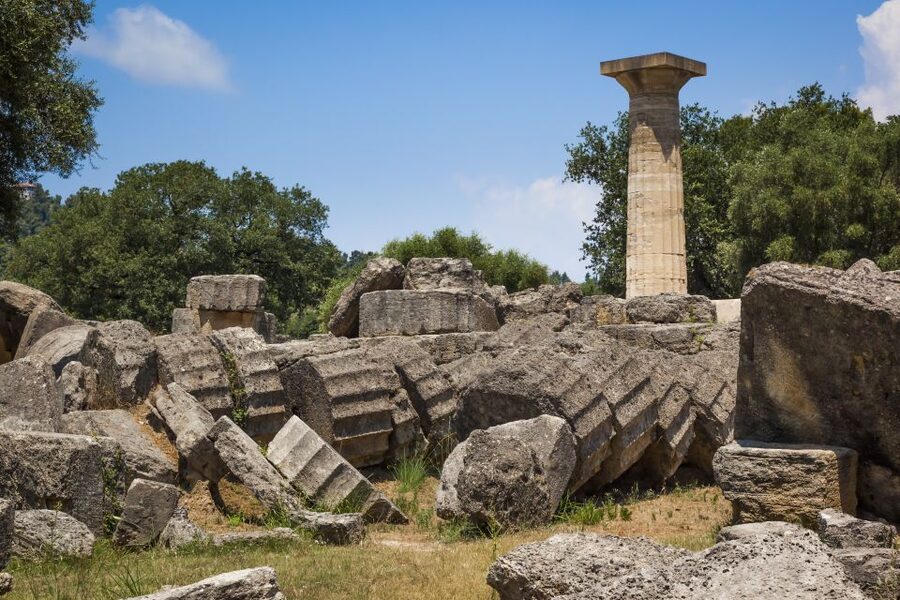
The Temple of Zeus is the largest temple in the Peloponnese and the main architectural anchor of Olympia. Much of it lies in ruins, but the surviving drums of the columns still show how imposing the building once was. This is the place to look beyond the missing roof and imagine the temple as the dominant structure of the sanctuary.
The temple is also a good reminder that the ancient Olympic Games were not simply an early version of modern athletics. The contests were held as part of a religious festival dedicated to Zeus. Athletes, officials, visitors, and worshippers came to a sacred center where sport and ritual were closely linked.
The remains can look scattered at first. Take a moment to study the footprint of the building and compare the blocks on the ground with the reconstructed diagrams or museum displays. The ruins reward patience more than speed.
The Temple of Hera and the older Olympia
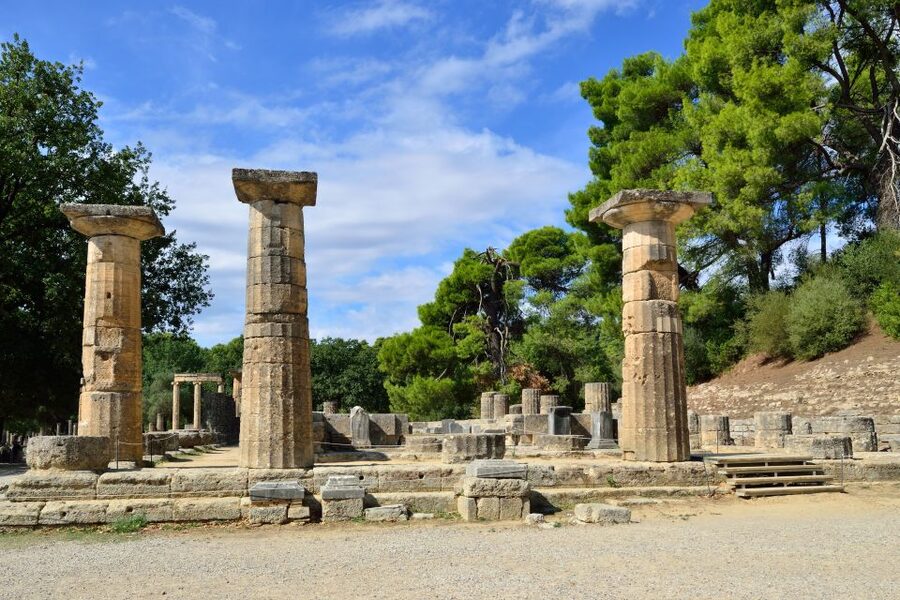
The Temple of Hera is one of the oldest monumental temples in Greece. It is smaller than the Temple of Zeus, but it helps you see how the sanctuary developed over time. The temple was dedicated to Hera, the wife of Zeus, and its earlier date gives it a different place in the story of Olympia.
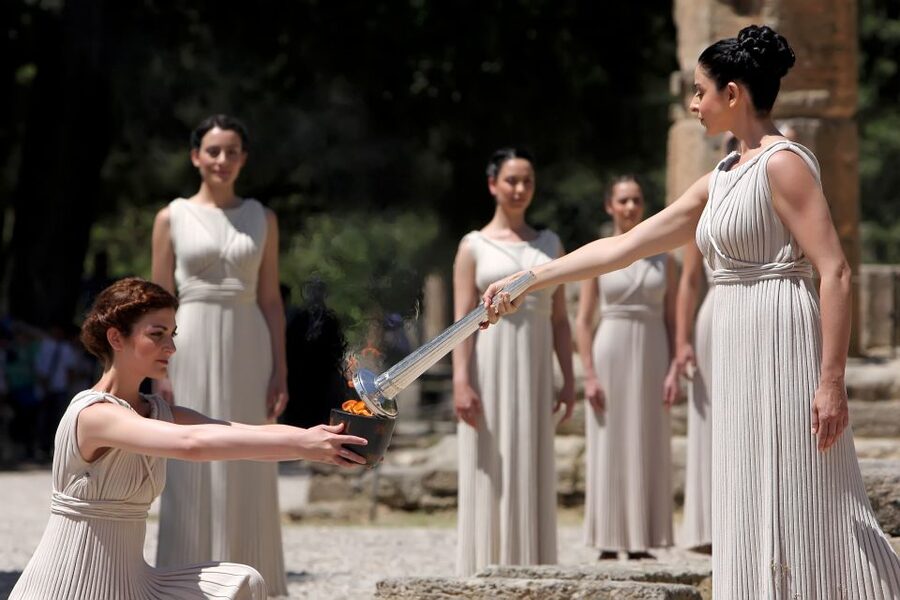
The area around Hera’s temple is also associated with the modern Olympic movement because the Olympic flame is traditionally lit at Olympia. The ticket information does not promise a ceremony or special event, so do not arrive expecting one. You are visiting the ancient sanctuary itself, not a staged Olympic performance.
This is a good spot to slow down. The stones are less immediately dramatic than the stadium, but the age and early design of the temple make it one of the more important stops on the grounds.
More Museum and Gallery History Tours in Greece
- Ancient Athens tour: Acropolis, Parthenon and Acropolis Museum
★ 5.0 · 256 reviews - Acropolis of Athens, Ancient Agora and the Agora Museum Tour
★ 5.0 · 86 reviews - Heraklion Highlights: Knossos, Museum & Historic City Drive
★ 5.0 · 64 reviews - Athens: Kotsanas Ancient Greek Technology Museum Guided Tour
★ 5.0 · 29 reviews
Walking into the ancient stadium
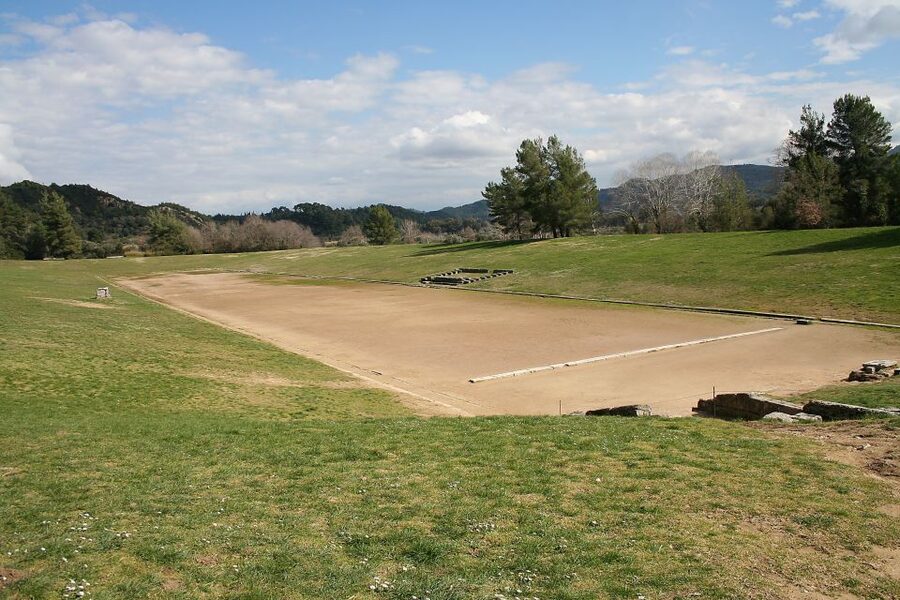
The stadium is the emotional center of the visit. You can stand on the same field where the ancient contests took place and look down the long running track. It is easy to understand why this part of Olympia feels more powerful than a simple photograph or museum label.
The stadium also helps put ancient sport into physical terms. Rather than reading about an athletic event, you can see the length of the track and the space around it. The setting is plain compared with a modern stadium, which makes the contrast useful. There are no large stands, screens, or elaborate facilities to distract from the basic act of running and competing.
If you want the site at its calmest, come near opening time. An early start also helps with the heat. Summer conditions can be severe, and the open ruins offer little relief. Carry water, use sun protection, and consider bringing an umbrella. One useful tip for hot days is to bring a small face cloth that you can wet and place around your neck.
Training grounds, wrestling school, gymnasium, and hippodrome
The stadium gets the attention, but the surrounding athletic facilities explain how much infrastructure the games required. You can see the areas linked with athlete training, including the wrestling school and gymnasium. These spaces make Olympia feel like a full athletic center rather than a field used for a single festival.
The hippodrome adds another dimension. Chariot and horse events needed a much larger course than foot races, and the presence of this area shows the range of contests connected with the games. The remains may not be as visually complete as the temples, so this is where background information helps most.
The ruins are spread out, and the exact order of the stops may not be obvious. If you use the audio guide, keep a map in hand. The guide is informative, but its stops may appear in a random order rather than following the most natural walking route. You will have a better time if you treat it as a reference tool instead of expecting it to lead you step by step.
What you see inside the Archaeological Museum
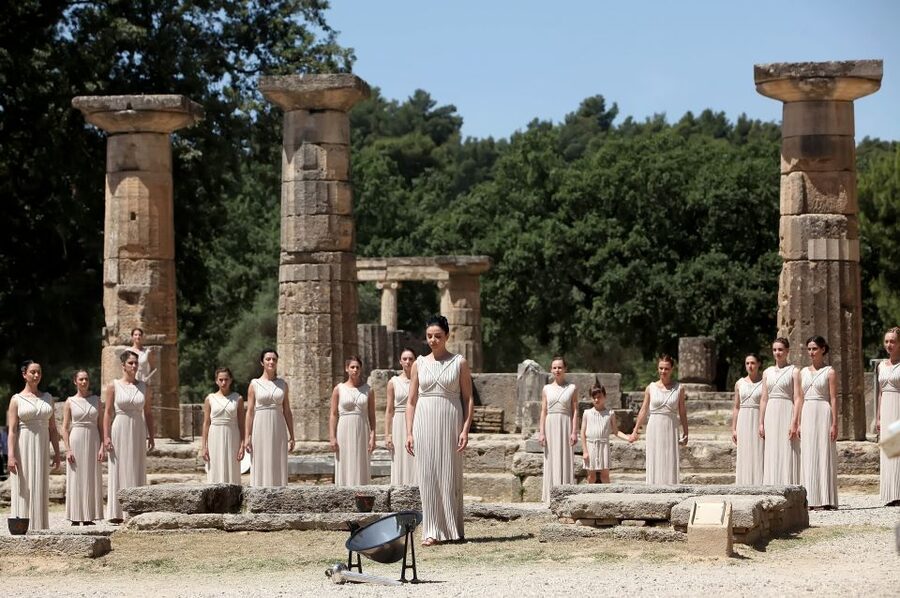
The Archaeological Museum of Ancient Olympia is essential because many of the site’s most important sculptures and objects are no longer outside. The museum presents finds from the excavations in the sacred precinct of the Altis and covers the long life of the sanctuary dedicated to Zeus.
This is where the outdoor stones become easier to understand. Sculptural fragments, architectural details, and other finds give you a clearer sense of color, decoration, craftsmanship, and scale. The museum also lets you examine objects at close range, something you cannot do with weathered blocks spread across the ruins.
Your entry time matters here. You must visit the Archaeological Museum on the selected date and within the assigned time slot, with entrance allowed 15 minutes before or after. Some people arrange the museum first, while others prefer to walk the site before going indoors. Either plan can work, but do not leave the museum until the last minute if your day is busy.
The museum is especially worthwhile if you care about sculpture, architecture, or ancient religious life. If your main interest is only the Olympic Games, you may find the separate Olympic Games Museum more immediately focused. Still, skipping the Archaeological Museum would leave major pieces of Olympia’s story missing.
The Museum of the History of the Olympic Games
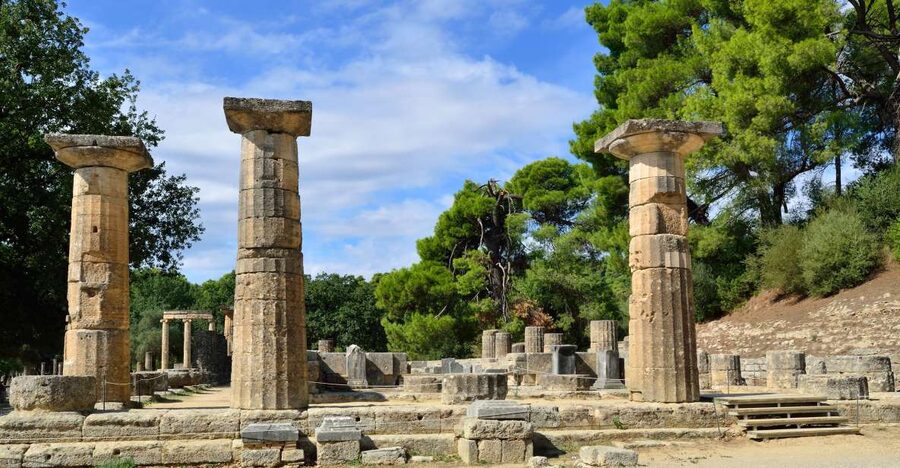
The Museum of the History of the Olympic Games is the most direct stop for understanding the contests themselves. It focuses on the period of the ancient games and presents objects connected with athletic competition.
This museum works well after the stadium because you have already seen the physical setting. The displays can then answer practical questions about the games, the athletes, and the events. Families may find this museum easier to follow than the more art-focused archaeological collection, while anyone with a strong sports interest will likely want to allow extra time here.
Entry is flexible on your selected date, unlike the Archaeological Museum. That gives you room to visit it before or after the ruins. An English self-guided audio tour is included, with all options, so you can add context without joining a group.
The experience remains self-led. There is no live guide included, and no physical audio device or earphones are provided. You will need to use your own compatible equipment for the audio material. If you prefer to read at your own pace and choose your own stops, this is a benefit. If you want a historian to explain the details and answer questions, this ticket will not provide that.
Is the $30 price good value?
At $30 per person, the ticket is not the cheapest way to enter a Greek archaeological site. Its value comes from the combination of three admissions and the convenience of having the main ticket arranged before you arrive.
You receive entry to the archaeological site, Archaeological Museum, and Museum of the History of the Olympic Games. You also avoid depending on last-minute ticket availability at the monument. Since access operates with time slots, the ticket is useful for anyone who wants a firm plan, especially during a busy season.
The convenience may come with a small premium compared with the Greek government ticket site. The advantage is a simpler booking process and less time spent at the ticket office. If you are comfortable navigating official booking systems and your preferred time is available, you may find a direct purchase cheaper. If you value ease, pre-booking, and predictable admission, $30 can be reasonable.
Keep in mind that this is a regular adult ticket. Everyone using this offer pays the full price, regardless of age. From April 1, 2025, EU citizens under 25 and non-EU citizens under 18 can receive free admission by presenting identification at the ticket booth. People with disabilities can also receive free admission with the required certificate. That means this product may not be the best value for someone who qualifies for free entry.
Who will get the most from this visit?
I would choose this experience if you want to see Olympia independently and do not need a guide walking beside you. It suits people who like to set their own pace, spend extra time in the stadium, or linger over museum displays without keeping up with a group.
It is also a strong choice for families with older children and teenagers, particularly if they are interested in sport. The Olympic story gives younger visitors a clear reason to care about the ruins, and the museum displays can make the ancient contests easier to picture.
You may want a different arrangement if you need transportation, a live guide, or detailed explanation at every stop. Hotel transfers are not included, and the ticket does not provide transport from a cruise terminal or another town. It is an admission product, not a full-day excursion with a bus.
The site can also be less rewarding if you have no interest in ancient architecture, religion, sport, or archaeology. The remains are impressive, but many buildings are incomplete. You will need to use the museums, maps, and your imagination to fill in the gaps.
Practical plan for a one-day visit
Start by checking the exact Archaeological Museum time printed on your booking. Build the day around that appointment, then fit the outdoor site and Olympic Games Museum around it.
Arrive early if possible. This helps you avoid the worst heat and gives you a better chance of walking through the ruins before the busiest part of the day. Pre-booking may get you past the ticket office line, but it does not turn the site into a private visit.
Wear comfortable shoes and bring water. You will be outdoors among ancient remains, and the sun can be intense. An umbrella, hat, and wet face cloth are practical additions in July and August.
If you select the archaeological-site audio guide, bring your own earphones. Do not expect a live guide or a physical audio device. Keep a map available because the audio stops may not follow a natural route.
Finally, give yourself enough time for both museums. The ruins provide the setting, but the museums supply much of the detail. Seeing only the stadium and Temple of Zeus is possible, but it gives you a thinner picture of Olympia.
Should you book the Ancient Olympia ticket?
Book it if you want a straightforward, self-guided visit with all three major attractions covered and you value skipping the ticket office queue. The stadium, Temple of Zeus, and Temple of Hera give the day its memorable outdoor moments, while the two museums help explain what the ruined buildings once meant.
Think twice if you qualify for free admission, need transport, or want a live expert to guide you. Also check the Archaeological Museum time carefully, since that is the one part of the visit that cannot be treated as fully flexible.
For most independent visitors, the $30 price is justified by convenience and the breadth of admission. Arrive early, carry water, use the map with the audio guide, and allow time for all three stops. That is how you turn a ticket into a full picture of the birthplace of the Olympic Games.
FAQ
How long is the Ancient Olympia ticket valid?
The ticket is valid for one day, on the selected date.
Can I enter the archaeological site at any time?
Yes. You can enter the archaeological site at any time on the selected date of your booking.
Does the Archaeological Museum require a specific entry time?
Yes. You must choose a date and time slot for the Archaeological Museum. Entry is allowed only at that time, or up to 15 minutes before or after it.
Can I visit the Olympic Games Museum whenever I want?
Yes. You can enter the Museum of the History of the Olympic Games at any time on the selected date.
Is a live guide included?
No. This is a self-guided visit. An English self-guided audio tour is included for the Olympic Games Museum, and an audio tour of the archaeological site is included only with the selected option.
Is transportation or an audio device included?
No. Hotel transfers, a physical audio device, and earphones are not included.
More Archaeological Site Tours in Greece
- 3-Day Ancient Greek Archaeological Sites Tour from Athens
★ 4.5 · 52 reviews - Private Athens Walk: Ruins, Markets & Local Stories
★ 5.0 · 41 reviews - Discover the Ancient Ruins of Pompeii: Day Trip from Rome
★ 3.5 · 2,247 reviews - Ancient Ruins Tour – Guided Arizona Desert Tour by UTV
★ 5.0 · 684 reviews
Latest history tours reviewed in Greece
- From Athens: Ancient Olympia Full-Day Private Tour★ 4.8 · 22 reviews
- From Athens: Explore Ancient Corinth & Charming Nafplion★ 4.6 · 102 reviews
- From Athens: Explore Ancient Greece 4-Day Tour★ 4.7 · 73 reviews
- Corfu: Historic Buildings and Great Personalities Tour★ 4.8 · 24 reviews
- Corfu Town express tour: 90 minutes of History and Culture★ 5.0 · 19 reviews
- Classical guitar concert in a historic olive press★ 5.0 · 23 reviews
- Athens: Women in Ancient Greece★ 5.0 · 98 reviews
- Athens: The History of Greek Mythology Private Tour★ 4.7 · 53 reviews
Greece History Tours, compared.
Historical Delphi One Day Tour with Arachova Stop & Expert Guide
Read our review →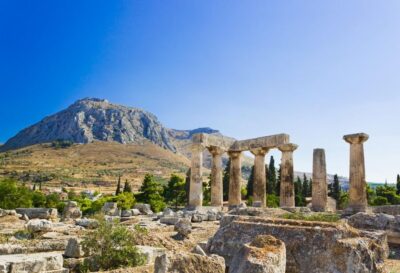
From Athens: Ancient Corinth Day Trip with Canal & VR Guide
Read our review →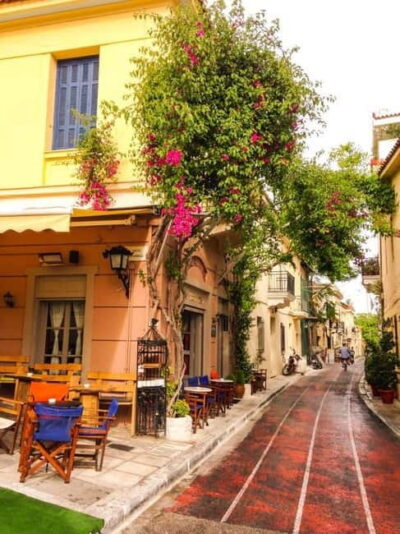
Historic Athens: Small Group Electric Bike Tour
Read our review →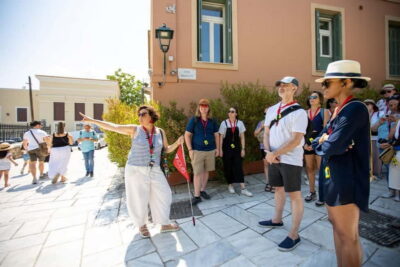
Acropolis, Parthenon & Athens Old City Heritage Walking Tour
Read our review →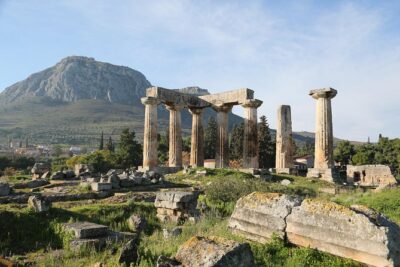
Private Biblical Tour Ancient Corinth & Isthmus Canal from Athens
Read our review →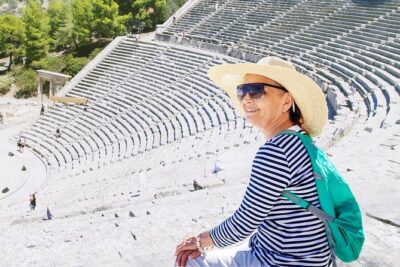
Athens: Ancient Corinth & Nafplio Full Day Trip with Swim
Read our review →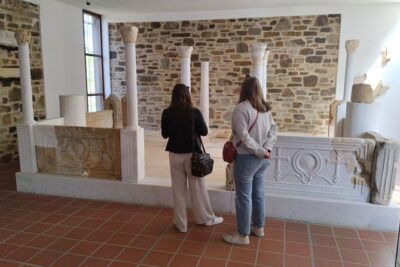
Browse the lists this tour appears in