
Review · WORLDWIDE
Doha: Combo Heritage & Art Tour of North and West Qatar
Northern Qatar gives you a striking mix of old pearling settlements, empty desert, and bold modern art. I like the contrast between Olafur Eliasson’s desert installation and the abandoned village of Al Jumail, and I like that Richard Serra’s steel sculpture is paired with a UNESCO-listed fort rather than offered as a stand-alone art outing. The main trade-off is the pace: seven hours and several 30-minute stops leave limited time at each place.
You get air-conditioned round-trip transport from Doha, an English-speaking guide, water, tea, and soft drinks. Guides named in the feedback include Junaid and Javid, both praised for storytelling, local context, and photography help. Meals are not included unless you choose an add-on, so plan for a long day without a built-in lunch stop.
Key points at a glance
- Olafur Eliasson in the desert: See modern art designed to make you notice Qatar’s open desert and changing light.
- Al Jumail village: Walk through a deserted coastal settlement once linked to Qatar’s pearling economy.
- Al Zubarah Fort: Spend about 40 minutes at Qatar’s UNESCO-listed historic site and fortress.
- Richard Serra at Zekreet: Encounter huge steel forms set far apart in the desert, where distance is part of the work.
- A north and west loop: Cover Al Ruwais, Al Jumail, Al Zubarah, and Zekreet in one day from Doha.
- Flexible booking: Free cancellation is available up to 24 hours before departure, and you can reserve now and pay later.
Why this Qatar day tour feels different
Many Doha excursions focus on museums, markets, or city architecture. This one sends you well beyond the capital, where the attractions are spread across coast, desert, archaeological ground, and open-air art sites.
That variety is the real reason to book. You are not simply ticking off four historic places. You are moving between different ways Qatar tells its story: through fishing and pearling, international trade, desert geology, and contemporary art.
I especially like the unusual pairing of old and new. Al Jumail is a quiet reminder of coastal life before modern development, while Eliasson and Serra ask you to look at the desert itself in a new way. Al Zubarah then adds a more formal historical stop, with a preserved fort linked to Qatar’s past as a trading center.
The tour runs for about seven hours, including the drive from Doha. That makes it a useful choice if you have already seen the capital and want one substantial outing beyond it. It is also a sensible option if you would rather not arrange a rental car, work out remote routes, or manage several scattered stops yourself.
More History Tours in the world:
- New York City: American Museum of Natural History Ticket
★ 4.5 · 15,447 reviews - History and Hauntings of Salem Guided Walking Tour
★ 5.0 · 14,564 reviews - Colosseum: Underground and Ancient Rome Tour
★ 4.7 · 12,691 reviews
Leaving Doha for Al Ruwais
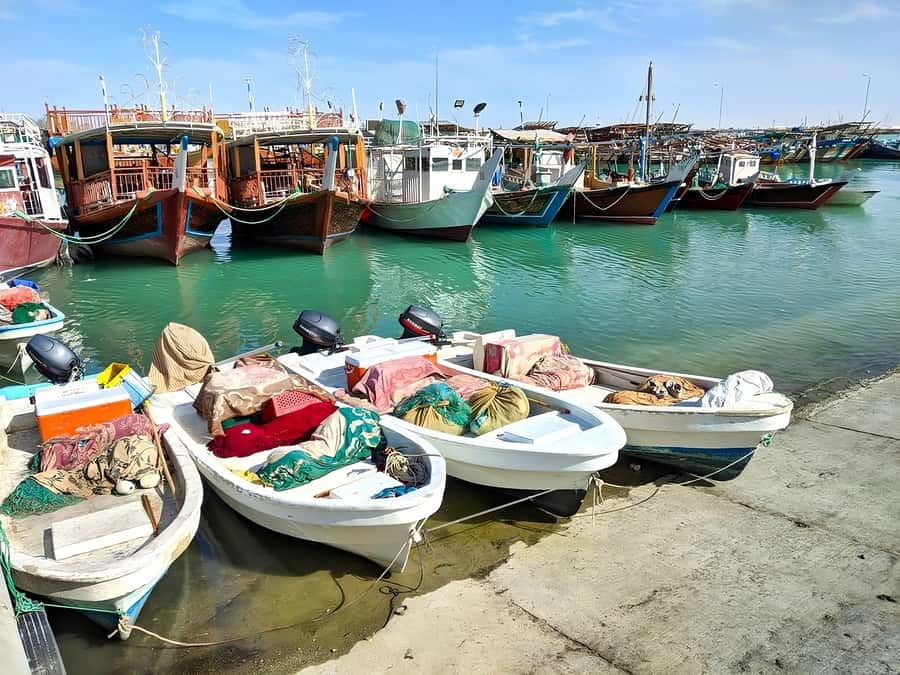
The first listed stop is Al Ruwais, a coastal town in northern Qatar. You spend about 30 minutes here, with time to see the sea views and get a sense of the area’s fishing culture.
Do not expect a full museum visit or a long waterfront walk. This is a short orientation stop. Its value comes from giving the day a human setting before the tour moves toward abandoned buildings, forts, and art in empty spaces.
I would use this first stop to ask your guide about northern coastal life, traditional fishing, and how the area differs from Doha. Guides such as Junaid have been praised for adding local context instead of simply naming places, so this is a good moment to set the tone for the rest of the day.
Al Ruwais also helps break up the drive. You can take photographs, stretch your legs, and enjoy a calmer view of Qatar before heading to Al Jumail.
Reading the ruins at Al Jumail village
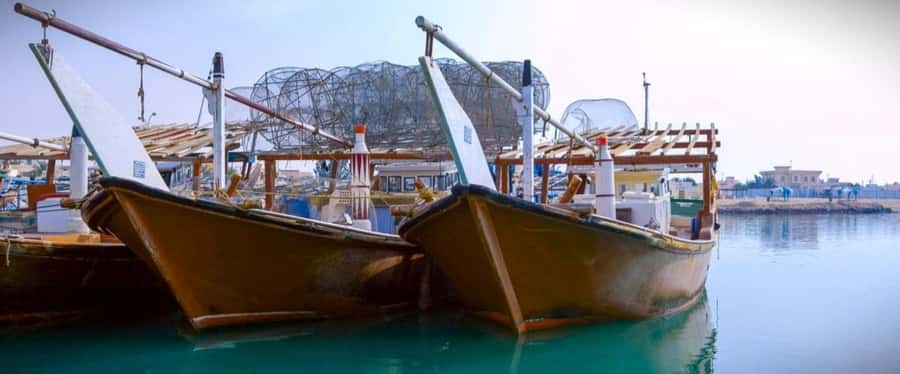
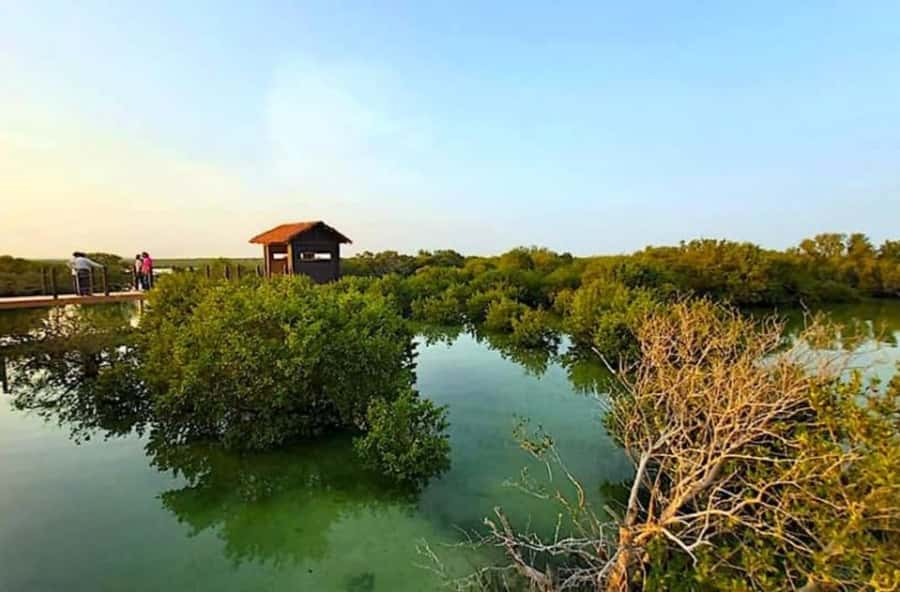
Al Jumail is an abandoned settlement associated with pearling and coastal life. Its empty structures offer a very different view of Qatar from the polished city you may have just left.
You have about 30 minutes here. That is enough for a short walk and photographs, but not enough for a slow architectural study. The village is best approached as a place for observation. Look at the shape of the remaining buildings, the way they sit in the open surroundings, and the signs of a community that once depended on the sea.
The absence of crowds and modern decoration is part of the appeal. You are seeing a former settlement rather than a reconstructed heritage attraction. That can make the visit feel more direct, though it also means you should expect a simple site rather than a large visitor center with extensive displays.
A guide matters here. Without context, a group of old walls can seem vague. With an explanation of pearling, fishing, and why coastal settlements changed, the stop becomes easier to understand. Junaid has been praised for telling stories that connect places to Qatari culture, which is the sort of guidance this site benefits from.
Wear shoes suitable for uneven ground and bring your passport or ID card, or a copy. The tour information specifically asks you to carry identification.
Seeing art where you least expect it
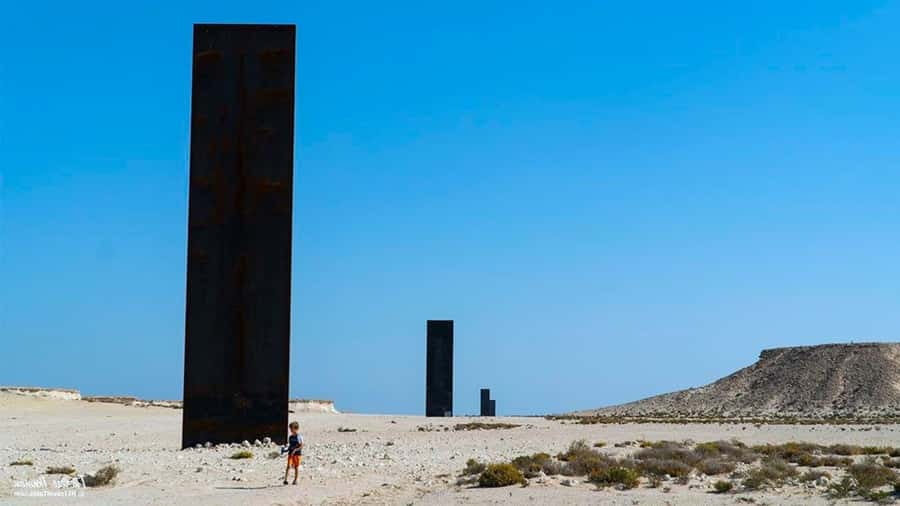
One of the tour’s most unusual stops is Olafur Eliasson’s desert installation. The work places modern art in direct conversation with Qatar’s desert, rather than enclosing it in a gallery.
You get about 30 minutes at the site. That may sound brief, but the work is not presented as a room full of objects with labels. The setting is part of the experience. Light, distance, sky, and the surrounding ground all affect how you see it.
I would not rush this stop by taking only a few photographs. Give yourself a moment to look around before reaching for your phone. The point is the contrast between a carefully planned artwork and a place that feels vast and largely untouched.
This is a strong choice for anyone who likes contemporary art but does not want to spend the whole day indoors. It also works for people who are less familiar with modern art, since the guide can explain the idea in plain terms. The supplied information identifies the site as a desert installation, but it does not provide a detailed description of the individual elements, so your guide’s explanation will shape much of the visit.
The setting can also make photography rewarding. You have strong open views and a simple background, but the midday sun may be intense. Bring water, protect yourself from the sun, and keep expectations realistic: this is an open desert art stop, not a shaded gallery.
Same old streets, another chapter:
- Lisbon: History, Stories and Lifestyle Walking Tour
★ 4.8 · 10,902 reviews - London Small Group Tour of Historical Pubs
★ 5.0 · 10,422 reviews - Prague: Oldtown, Medieval Underground & Dungeon History Tour
★ 4.3 · 10,277 reviews - Charleston’s Old South Carriage Historic Horse & Carriage Tour
★ 5.0 · 10,023 reviews
Making sense of Al Zubarah Fort
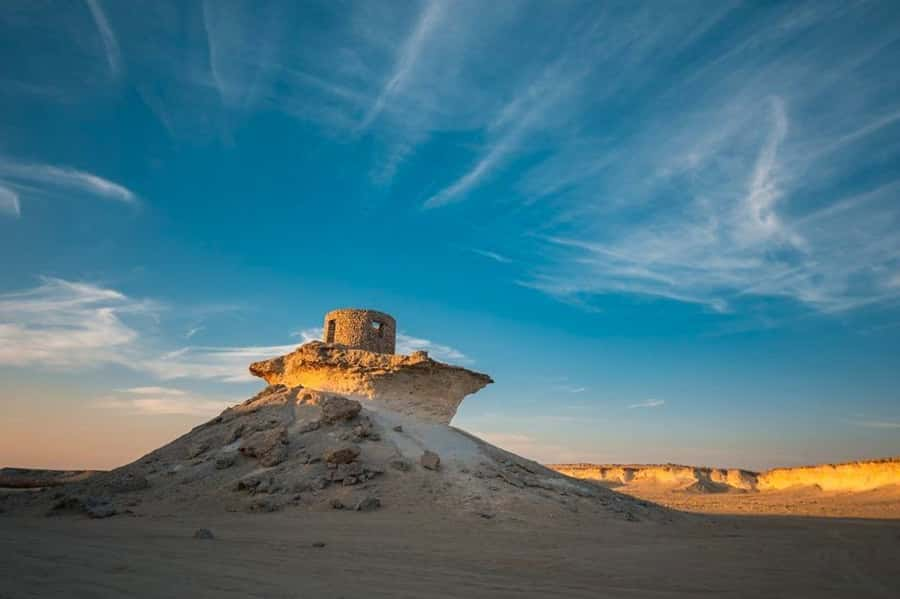
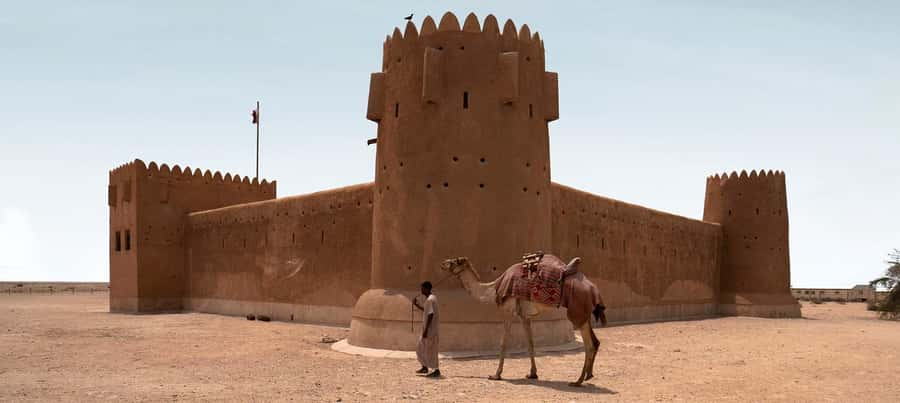
Al Zubarah Fort is the most formal historical attraction on the route. It is part of the UNESCO-listed Al Zubarah archaeological area and gives the day a clear connection to Qatar’s trading past.
The planned visit lasts about 40 minutes, longer than the stops at Al Ruwais, Al Jumail, and Eliasson’s installation. That extra time matters. You can examine the fortress, hear about its historical role, and take photographs without feeling quite as rushed.
The fort is also useful as a bridge between the abandoned village and the modern art. Al Jumail shows a smaller coastal settlement, while Al Zubarah points to wider commercial activity and Qatar’s place in regional trade. The site gives your guide room to explain how the coast, settlements, and trade networks fit together.
Do not confuse the fort with a large city museum. The attraction is the preserved structure and its setting, supported by your guide’s explanation. The tour includes entrance to Al Zubarah Fort, but meals and any add-on food are separate.
If history is your main reason for booking, this is likely the day’s anchor. If art is your priority, the fort still provides a welcome change of pace and makes the tour feel broader than a series of photo stops.
Entering the open terrain around Zekreet
The route then moves west toward Zekreet, where you spend about 30 minutes before visiting Richard Serra’s monumental sculpture. The supplied schedule lists Zekreet as its own stop, followed by about 40 minutes at the Richard Serra site.
Zekreet gives the tour another change in setting. The area is known in the tour description for dramatic desert scenery and unusual geological formations, and guides have been praised for pointing out features of the natural surroundings. Since the visit is short, think of it as a focused look rather than a full exploration of the region.
This section is a good reason to keep your camera ready, but do not expect the same type of attraction you find in central Doha. The appeal comes from scale, open space, and the sense of distance between places. Your guide’s interpretation can help you notice details you might otherwise pass by during the drive.
The schedule is fairly packed, so the exact balance between driving, viewing, and photography may depend on the day. A private group can offer more flexibility, but the supplied information does not promise a customized timetable. Ask at pickup if you have one stop that matters most to you.
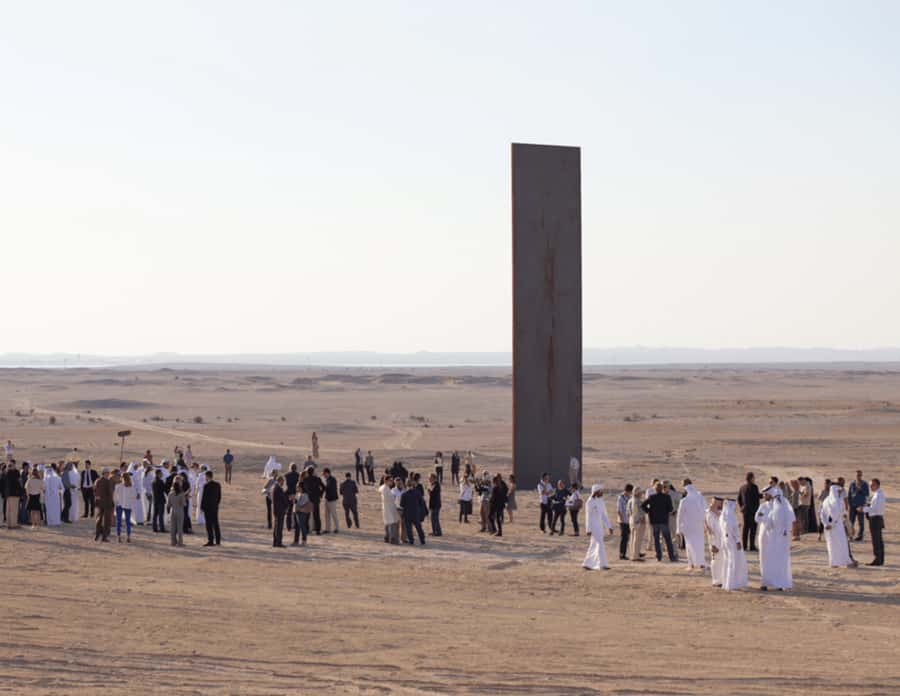
Richard Serra’s East-West/West-East
The final major stop is Richard Serra’s East-West/West-East, a monumental work made of towering steel forms placed across the desert. You have about 40 minutes here.
This is one of the most memorable parts of the day because the sculpture depends on its setting. The pieces are not crowded together in a gallery. You see them across a wide area, with the desert and sky providing the background. The work feels large partly because the surrounding space is so open.
You do not need an art history background to appreciate it. Start by looking at the sculpture from a distance, then notice how your sense of scale changes as you move closer. The contrast between heavy steel and open desert is simple, direct, and easy to feel even if contemporary art is not usually your first choice.
Guides such as Junaid and Javid have been praised for photography help, and this is the place where that can be especially useful. The long sightlines offer different ways to frame the forms, but the bright conditions may make phone screens hard to read. Sunglasses and water will help.
The 40-minute visit is enough for a good look and several photographs. It is not a leisurely art seminar, so you should decide in advance whether you care more about understanding the work, walking between the forms, or taking pictures.
What the guide adds to the day
This route depends heavily on guiding. Several stops have limited on-site interpretation in the information provided, and much of the meaning comes from connecting the places.
Junaid is specifically praised for explaining local history, culture, natural features, and customs in a way that brings the route together. Javid is singled out for organizing the stops and helping with photography. The provider is Falcon Tours Qatar, and the tour includes an English-speaking live guide.
That does not mean every departure will have the same person. The pickup information says your guide will contact you by phone or WhatsApp on the day of the tour to arrange the meeting point. Treat that message as important, especially if you are staying somewhere with several entrances or pickup areas.
A private group is available. That can be worthwhile for families, couples, or small groups with strong preferences about photographs and pacing. If you join a standard departure, keep in mind that the schedule has several fixed stops and a long route.
Transport, food, and practical comfort
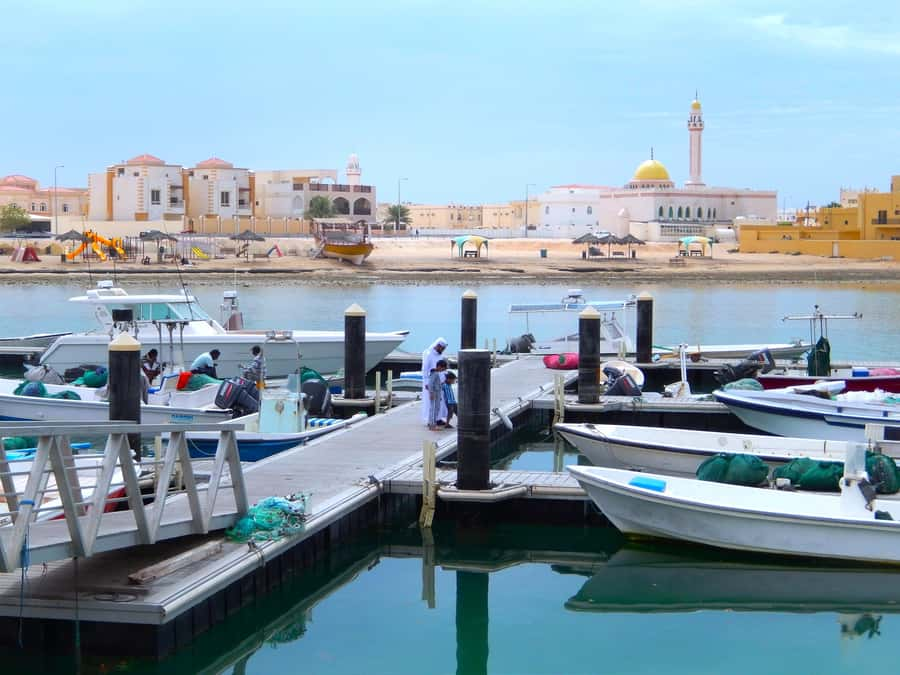
Round-trip pickup and drop-off from Doha are included in an air-conditioned vehicle. For this route, that is a meaningful part of the value. The attractions are spread out, and driving between them yourself would add planning work to an already full day.
Water, tea, and soft drinks are included. Meals are not included unless you select the food add-on. Because the day lasts seven hours and the schedule does not identify a standard meal stop, eat before departure or confirm the meal option when booking.
Bring:
- Passport or ID card, with a copy accepted
- Comfortable shoes for historic and outdoor sites
- Sun protection
- A phone or camera
- Extra water if you prefer more than the included drinks
The information does not specify accessibility arrangements, vehicle type beyond air conditioning, or the amount of walking at each site. If those details affect your choice, ask Falcon Tours Qatar before paying.
Is the tour good value?
No price is supplied here, so I cannot judge the exact cost. I can assess what you receive for the fee: a seven-hour route from Doha, private transportation options, an English-speaking guide, drinks, and entrance to Al Zubarah Fort, Al Jumail village, the Olafur Eliasson site, and the Zekreet sculpture area.
The value is strongest if you want variety in one booking. Arranging all these remote stops independently would take time, and the guide adds useful context at places that may otherwise be hard to interpret.
The value is weaker if you prefer to spend half a day at one site. This tour covers a lot of ground, and several stops last only 30 minutes. You are paying for breadth, transport, and explanation rather than long, unhurried visits.
The reserve-now, pay-later option helps if your Doha plans are still shifting. You can also cancel up to 24 hours before departure for a full refund, according to the booking terms.
Who should book this northern Qatar route?
I would recommend it to you if you:
- Have already seen the main sights in Doha
- Want history and modern art in the same outing
- Prefer guided transport to driving between remote sites
- Enjoy photography and wide outdoor views
- Want an English-speaking guide to explain local context
- Have a short stay and need several northern and western highlights in one day
I would think twice if you dislike long drives, outdoor heat, or a quick schedule. The tour is also less suitable if your main goal is a full meal experience, a long beach visit, or detailed museum time.
Families may like the changing scenery, but young children could find the repeated short stops and vehicle time tiring. Art fans will appreciate the Eliasson and Serra works, while history fans will likely focus on Al Jumail and Al Zubarah.
Should you book it?
Book this tour if you want to see a side of Qatar that city sightseeing cannot provide. The combination of Al Jumail, Al Zubarah Fort, Eliasson, and Serra is unusual, and the included transport removes much of the effort involved in reaching scattered sites.
Choose it with the right expectations. You will not get a slow, deep visit at every stop. You will get a well-packed day that connects pearling heritage, trade, desert scenery, and contemporary art. For a first outing beyond Doha, that is a strong use of seven hours.
FAQ
How long does the tour last?
The tour lasts approximately seven hours, including pickup from and return to Doha.
Where does pickup take place?
Pickup and drop-off are provided in Doha. The guide will contact you by phone or WhatsApp on the day of the tour to arrange the pickup service.
Which language is the tour conducted in?
The tour has a live English-speaking guide.
Is transportation included?
Yes. Pickup and drop-off are included in an air-conditioned vehicle.
Is a private group available?
Yes. A private group option is available.
What should I bring?
Bring your passport or ID card. A copy is accepted.
Are food and meals included?
Meals are not included unless you select the available meal add-on. Water, tea, and soft drinks are included.
How much time is spent at each stop?
The schedule allows about 30 minutes at Al Ruwais, Al Jumail village, the Olafur Eliasson site, and Zekreet. Al Zubarah Fort and Richard Serra’s desert sculpture each receive about 40 minutes.
Can I cancel the booking?
You can cancel up to 24 hours in advance for a full refund. A reserve-now, pay-later option is also available.
Latest history tours reviewed in the world
- From Athens: Ancient Olympia Full-Day Private Tour★ 4.8 · 22 reviews
- From Athens: Explore Ancient Corinth & Charming Nafplion★ 4.6 · 102 reviews
- From Athens: Explore Ancient Greece 4-Day Tour★ 4.7 · 73 reviews
- From Albufeira: Wine Tasting & Historic Silves Tour★ 4.9 · 421 reviews
- From Albufeira: Historical Algarve Region Tour★ 4.7 · 585 reviews
- From Alexandria: Full-Day Guided Tour of Historical Sights★ 4.5 · 54 reviews
- Freiburg: Exciting City Tour with sightseeing and history★ 4.3 · 103 reviews
- From Abu Dhabi: Grand Mosque, Royal Palace& Heritage Village★ 4.6 · 197 reviews