
Review · WORLDWIDE
Baku: Gobustan & Absheron with Mud Volcanoes & Fire
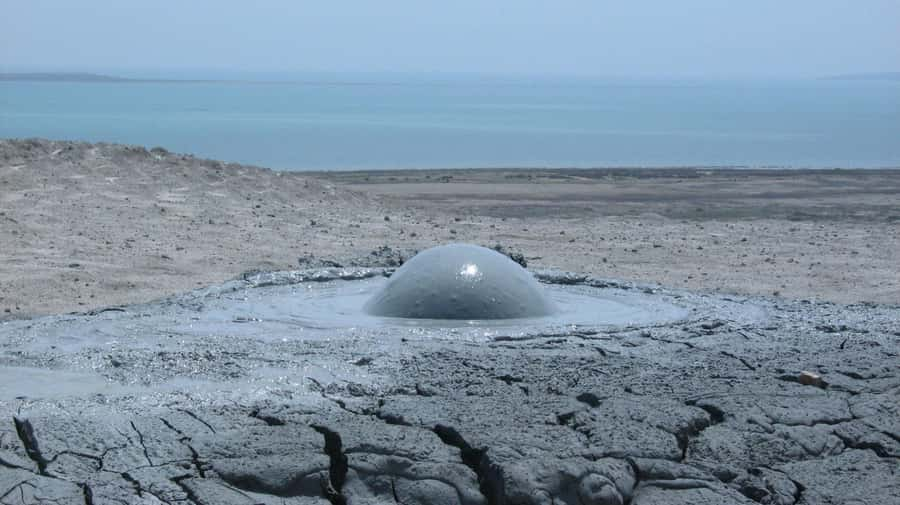
The oddest sight comes first: mud volcanoes bubbling across the dry ground outside Baku, where gray cones and pools look more like a rough sketch of another planet than a normal day in Azerbaijan. Then the tour shifts from geology to human history, with Gobustan’s ancient carvings, Ateshgah Fire Temple, and the natural flames of Yanar Dag.
I like the way this day joins four very different subjects in one route: prehistoric art, living geology, Zoroastrian fire worship, and Azerbaijan’s modern capital. I also like the practical hotel pickup and the chance to see places that are awkward to reach without transport. The drawback is cost clarity: the advertised $2.50 price does not include the required site fees, and the day includes a lot of road time.
Key details to know before you book
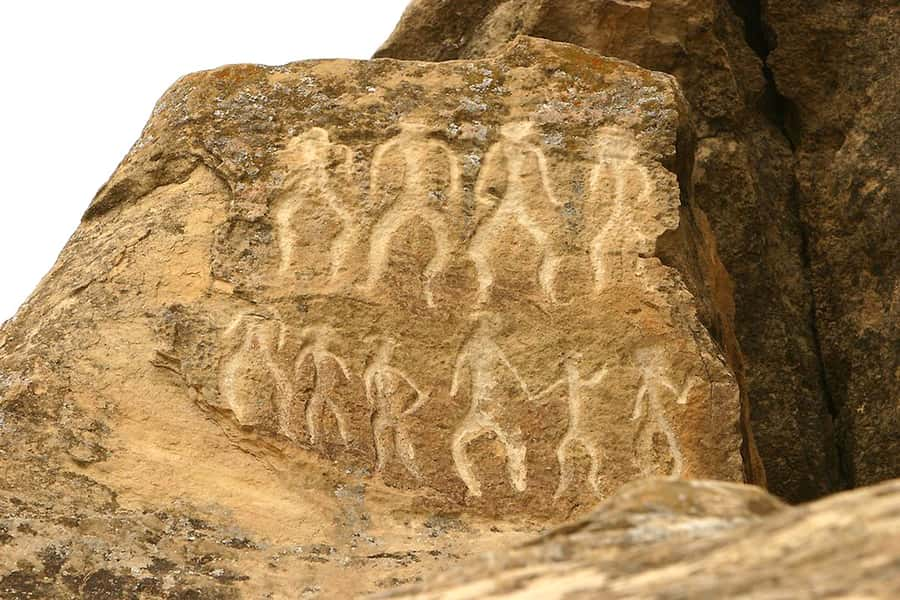
- Gobustan’s carvings are more than 40,000 years old, giving you a direct look at prehistoric life through images cut into stone.
- The mud volcano stop requires 30 AZN in cash, even in rainy weather if the Mud Volcanoes Complex is used instead.
- Ateshgah and Yanar Dag bring fire into the story, one through a historic temple and the other through a natural flame.
- The route lasts about eight hours, with long coach transfers between stops and a lunch break in Baku.
- English and Russian guides are available, and named guides including Javid, Qaya, Gaya, and Berkay have received strong praise for their Baku storytelling.
- Uneven ground makes sturdy shoes essential, and the tour is not suitable for wheelchair users or people with mobility impairments.
Why this Baku day trip works
This is a broad introduction to the land around Baku rather than a slow, specialist visit to one site. You get archaeology in the morning, unusual natural sights after that, and fire-related landmarks on the Absheron Peninsula later in the day.
I think the combination is the main reason to choose it. Gobustan gives the outing its human story. The mud volcanoes add an element of surprise. Ateshgah explains why fire mattered so much in this part of the world, while Yanar Dag shows that the subject is not only ancient history.
The route is also useful if you have limited time in Azerbaijan. You can see several major sights without arranging separate taxis or trying to work out the distances yourself. The trade-off is pace. Most stops are short, and this is not the right choice if you want long, quiet hours at each site.
More of the past to walk through in the world:
- New York City: American Museum of Natural History Ticket
★ 4.5 · 15,447 reviews - History and Hauntings of Salem Guided Walking Tour
★ 5.0 · 14,564 reviews - Colosseum: Underground and Ancient Rome Tour
★ 4.7 · 12,691 reviews
From Gosha Gala Gapysy to Bibiheybat
The listed starting point is Gosha Gala Gapysy, at Baku’s Old City walls. Hotel pickup is also advertised, so confirm the exact collection point and time before setting out. The day begins with a roughly 20-minute transfer.
The first stop is Bibiheybat, scheduled for about an hour as a photo stop. This gives you an early pause before the longer run toward Gobustan. The stop is useful for photographs and orientation, but the supplied plan does not describe a full interior visit or a detailed guided program here, so keep your expectations focused on a scenic break rather than a major museum visit.
That early timing matters. You are likely to spend much of the day moving between sites, so Bibiheybat provides a chance to stretch and get your camera ready. If you want a relaxed morning, the eight-hour schedule may feel full from the start.
Reading the stones at Gobustan
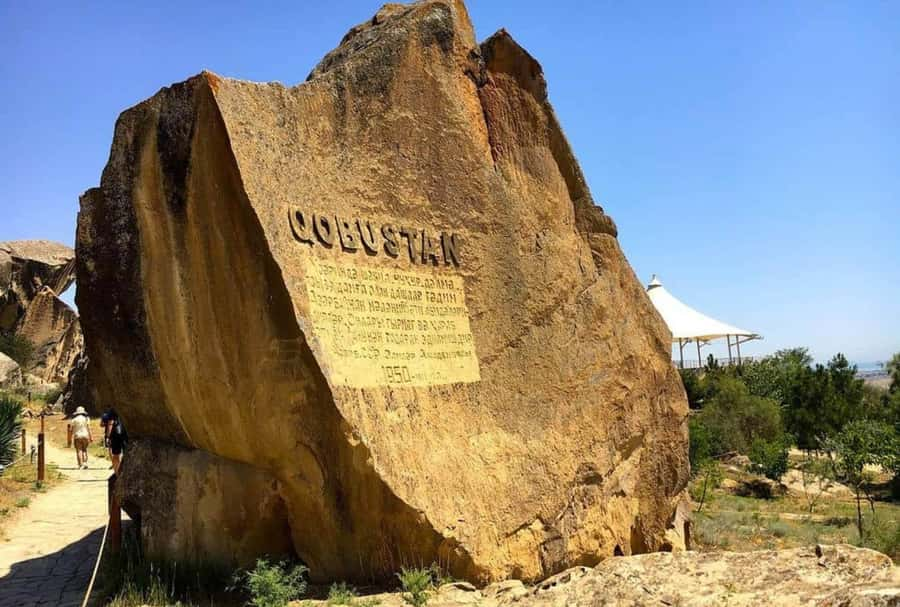
Gobustan Rock Art Cultural Landscape is the historical heart of the trip. The petroglyphs date back more than 40,000 years and show why this area matters far beyond its striking scenery. The carvings connect you with people who hunted, traveled, danced, and marked their world on rock long before written records.
You can expect about an hour here, including a guided visit and time for photographs. That is enough to see the main material, but not enough for a leisurely study of every carving. Listen closely to the guide, because the value of the stop depends partly on understanding what you are looking at. Without context, a carved animal or human figure can be easy to miss against the stone.
I especially like this part of the route because it slows the story down. Baku’s modern buildings and oil wealth can make Azerbaijan feel firmly present-day. Gobustan reminds you that the human story here began thousands of years before the city’s recent growth.
The ground is uneven, and comfortable shoes are not optional advice. If you have trouble walking on rough surfaces, this stop and the later volcano visit may be uncomfortable. The tour is specifically not suitable for wheelchair users or people with mobility impairments.
The strange ground of Azerbaijan’s mud volcanoes
After Gobustan, a 15-minute transfer in a jeep or SUV takes you toward the mud volcanoes. This vehicle change is practical because the terrain can be rougher than the paved roads used by the main coach.
Azerbaijan is famous for having mud volcanoes in unusually high numbers. These are not hot lava volcanoes. They push cool or relatively cool mud and gases toward the surface, creating low cones, cracked ground, and bubbling pools. The effect is quiet but uncanny. You are looking at geology in action, yet the setting can feel almost still.
The visit lasts about 25 minutes, including a guided stop and photographs. That is brief, but the sight itself does not require a long formal visit. You will want to watch your footing and keep a little distance from the mud. The supplied advice suggests bringing an empty bottle so you can collect mud as a souvenir. Follow the guide’s directions and do not assume every pool is safe to approach.
This is the stop that makes the trip feel different from a standard history outing. Gobustan asks you to look backward in time. The mud volcanoes ask you to look down at forces still shaping the ground.
The fee is important. The mud volcano visit requires 30 AZN in cash, and that charge remains in place when rain redirects the group to the Mud Volcanoes Complex. This is the single largest extra cost listed, so carry cash rather than treating the advertised base price as the full cost of the day.
Same old streets, another chapter:
- Lisbon: History, Stories and Lifestyle Walking Tour
★ 4.8 · 10,902 reviews - London Small Group Tour of Historical Pubs
★ 5.0 · 10,422 reviews - Prague: Oldtown, Medieval Underground & Dungeon History Tour
★ 4.3 · 10,277 reviews - Charleston’s Old South Carriage Historic Horse & Carriage Tour
★ 5.0 · 10,023 reviews
Lunch and the long middle transfer
The route then returns to Baku for a one-hour break and lunch. Lunch is not listed as included, so plan to pay for your own meal and personal expenses. This break splits the day neatly, giving you time to eat after the morning’s outdoor stops.
There is also about an hour of coach travel before lunch. That is useful recovery time, but it means the tour is not eight hours of sightseeing. You will spend a fair portion of the day on the road, which is unavoidable when combining Gobustan with the Absheron sites.
I would use the lunch break to check your water, cash, and footwear. One bottle of water is included, but an extra supply may be sensible on a warm day. The schedule has several transfers still to come.
Fire at Yanar Dag
After lunch, the coach travels for about 30 minutes to Yanar Dag, or Burning Mountain. The stop lasts roughly 25 minutes and includes a guided visit and time for photographs.
Yanar Dag is a natural eternal flame on the Absheron Peninsula. Gas escaping from the ground burns at the site, creating a direct link between Azerbaijan’s geology and its old reputation as a land of fire. Unlike a museum display, the flame is a natural feature you can see for yourself, though the short visit means you should be ready to look, listen, and photograph without lingering too long.
This stop works best when paired with Ateshgah later in the day. Yanar Dag shows fire as a natural event. Ateshgah shows how people built belief and ritual around fire. The two sites are close enough in subject to make sense together, but different enough to avoid feeling repetitive.
The entrance fee for Yanar Dag is part of the listed combined charge for Ateshgah and Yanardagh, which is 15 AZN. Check whether your booking option includes entrance fees, since the standard price does not.
Ateshgah and the human meaning of fire
The final major visit is Ateshgah of Baku, reached after another 30-minute coach transfer. The guided visit is scheduled for about 20 minutes, followed by photographs.
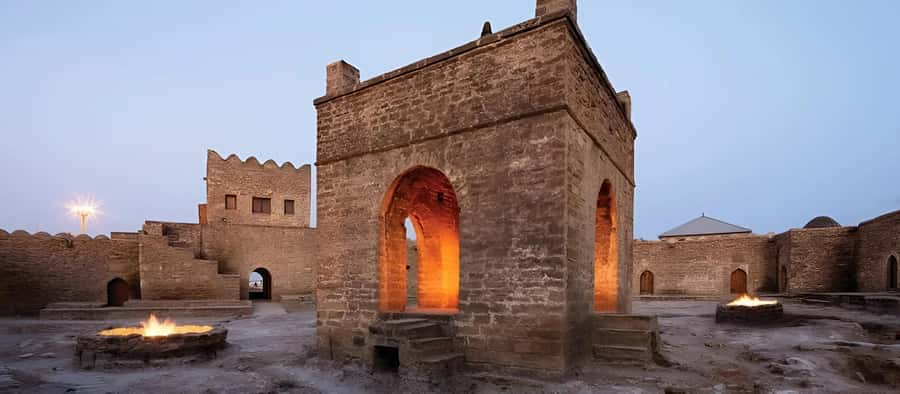
Ateshgah is presented as an ancient Zoroastrian site, and it gives the tour its clearest cultural theme. Here, fire is not simply a natural curiosity. It is part of a sacred setting shaped by worship and long-distance religious connections.
Twenty minutes is enough for a compact introduction, but it is not a long archaeological study. If you enjoy history, ask your guide to explain the site’s religious background and how it relates to the natural gas fires of the peninsula. A clear guide can make this short stop much more meaningful.
The guide is central to the experience across the whole day. English and Russian tours are offered. Several guides connected with the operator, including Javid, Qaya, Gaya, and Berkay, have been praised for clear Baku history, patience, humor, and strong storytelling. Guide assignments can change, so treat those names as useful signs of the company’s guide pool, not a guarantee that one specific person will lead your departure.
What the $2.50 price really means
The advertised price is eye-catching, but you should not judge the value from $2.50 alone. The standard booking price excludes entry fees and personal expenses.
The listed site charges are:
- Gobustan: 10 AZN
- Mud Volcanoes: 30 AZN in cash
- Ateshgah and Yanar Dag: 15 AZN
That is 55 AZN in required site fees if you visit all the listed attractions under the standard arrangement. Add lunch and any other personal spending, and the real budget is far above the headline figure. A booking option with entrance fees included is available, which may be easier if you prefer one clearer total.
Even after adding those charges, the tour can offer good value if you want transport, a guide, and several far-flung sights in one day. It is less attractive if you are already arranging a private car or mainly want to spend time at Gobustan. Compare the final checkout price, not only the starting rate.
A separate benefit of the entrance-included option is a free Baku Old City tour. That may improve the value if you also want an introduction to Icherisheher, but check exactly what is included in your chosen package.
Transport, timing, and comfort
The published route uses a coach or bus for the main transfers, a jeep or SUV for the mud volcano section, and roughly eight hours from start to finish. The listed meeting point is Gosha Gala Gapysy, while hotel pickup is also described. Confirm which arrangement applies to your booking.
The schedule includes several short transfers of 20 to 40 minutes, plus a one-hour journey to lunch. You should expect a full road day, not a compact tour around central Baku. The vehicle is valuable because these sites are spread across Gobustan and Absheron, but the long stretches may tire you.
Bring:
- Sturdy shoes for uneven ground
- Cash for the 30 AZN mud volcano charge and other entrance fees
- An empty bottle if you want to collect mud
- Extra water beyond the included bottle
- Sun protection appropriate to the weather
- A phone or camera for the many photo stops
Rain does not simply cancel the mud volcano portion. It redirects the route to the Mud Volcanoes Complex, with the same mandatory fee. That makes the weather policy worth understanding before you book.
Who will enjoy this day most
I would choose this tour if you are visiting Baku for the first time and want a broad look at the region outside the capital. It suits you especially well if you enjoy archaeology, unusual geology, religious history, and guided transport more than long meals or unplanned wandering.
It also works for curious people who like contrast. One hour you are looking at prehistoric carvings, and later you are watching gas-fed flames. Few Baku day trips pack such different subjects into one route.
I would think twice if you need step-free access, dislike uneven terrain, or want an easygoing day with long visits. The tour is not suitable for wheelchair users or people with mobility impairments. The short stops may also frustrate you if you prefer to study a site at your own pace.
The operator’s overall rating is 4.4 from 19 ratings, but the feedback attached to the booking record is mixed in an important way. Strong praise focuses on guides such as Javid, Qaya, Gaya, and Berkay, especially for patience, humor, and explanations of Baku’s past. There are also serious reports of cancellations without notice and a guide failing to appear. That makes it wise to confirm the departure details and keep all operator messages until the tour begins.
Should you book this Gobustan and fire tour?
Book it if you want the most varied one-day introduction to Baku’s surrounding sights and you are comfortable paying the extra entrance fees. The petroglyphs and mud volcanoes are the strongest reasons to go, while Yanar Dag and Ateshgah give the day a clear fire theme.
Before paying, compare the standard and entrance-included options. Confirm pickup, bring cash, and accept that much of the day involves driving. If you want a relaxed visit with more time at each site, arrange a slower private trip instead. If you want a practical route that joins ancient art, strange geology, and fire worship in one day, this is a sensible choice.
FAQ
How long does the tour last?
The tour duration is about eight hours.
Where does the tour start?
The listed starting location is Gosha Gala Gapysy. Hotel pickup is also described, so confirm the pickup arrangement for your booking.
Which languages are available?
Live guiding is available in English and Russian.
Are entrance fees included?
They are not included in the standard price. An entrance-fees-included option is available.
How much are the listed entrance fees?
Gobustan costs 10 AZN, the mud volcano visit costs 30 AZN in cash, and Ateshgah and Yanar Dag together cost 15 AZN.
Is the mud volcano fee required in rainy weather?
Yes. The 30 AZN fee still applies when rain redirects the visit to the Mud Volcanoes Complex.
Is lunch included?
No. The schedule includes a one-hour lunch break in Baku, but personal expenses are not included.
What should I wear?
Wear comfortable, sturdy shoes because the route includes uneven ground.
Is the tour suitable for wheelchair users?
No. The experience is not suitable for wheelchair users or people with mobility impairments.
Can I cancel the booking?
You can cancel up to 24 hours in advance for a full refund. Reserve-now-and-pay-later booking is also available.
Latest history tours reviewed in the world
- From Athens: Ancient Olympia Full-Day Private Tour★ 4.8 · 22 reviews
- From Athens: Explore Ancient Corinth & Charming Nafplion★ 4.6 · 102 reviews
- From Athens: Explore Ancient Greece 4-Day Tour★ 4.7 · 73 reviews
- From Alexandria: Full-Day Guided Tour of Historical Sights★ 4.5 · 54 reviews
- From Albufeira: Wine Tasting & Historic Silves Tour★ 4.9 · 421 reviews
- From Albufeira: Historical Algarve Region Tour★ 4.7 · 585 reviews
- Franklin: Ghost Tour in Historic Franklin★ 4.8 · 65 reviews
- Freiburg: Exciting City Tour with sightseeing and history★ 4.3 · 103 reviews