
Review · USA
Austin: Morning History Walking Tour of Downtown Austin
Austin’s story comes alive in the space between its famous sights. In 90 minutes, you’ll pass music venues on Sixth Street, see the Texas Capitol from Congress Avenue, enter the grand Driskill Hotel, and hear how Angelina Eberly helped save the city in 1842. I especially like the Driskill interior visit and the way guides such as Tyler, Audrey, William, and Jake add local restaurant, coffee, and music advice.
I also like the easy start at Jo’s Coffee, where showing proof of your booking gets you 20% off breakfast. The main drawback is time: 90 minutes goes quickly, and one participant wished for more concrete stops such as parks and venues. This is a guided orientation, not a full museum tour or an in-depth Capitol visit.
Key points at a glance
- Jo’s Coffee breakfast perk: Begin at 242 W. 2nd St. and receive 20% off your breakfast order on the tour day.
- A useful downtown orientation: Walk through the 2nd Street District, Warehouse District, Guytown, Congress Avenue, Sixth Street, and San Jacinto.
- Two excellent history stops: Hear the Angelina Eberly story and visit the lobby and Driskill Bar and Lounge inside the 1885 Driskill Hotel.
- Local advice built into the walk: Guides share suggestions for restaurants, coffee shops, live music, and later sightseeing.
- A relaxed pace: The route is manageable, with plenty of explanation and time for questions.
- Good first-morning choice: The tour helps you decide which parts of central Austin deserve more of your time.
Why this Austin walk works well on your first morning

Austin can feel scattered at first. The music districts, government buildings, historic hotels, new towers, and riverfront sights do not form one tidy sightseeing circuit. This walk gives you a usable map of downtown before you spend the rest of your visit choosing restaurants, music venues, and museums.
The value is not just the number of buildings you see. A local guide connects streets to stories. You hear why Sixth Street matters, how the railroad shaped early Austin, and why one determined woman played a key role in protecting the city’s records and government during a crisis.
The walk also has a social advantage. Guides adjust the conversation to the group instead of rushing through a fixed speech. Tyler is praised for clear explanations, visual archive material, and practical suggestions. Audrey brings a local point of view, while William is especially good at linking landmarks to memorable stories. Jake has a friendly, interactive approach that helps keep a group involved.
That personal style matters on a short tour. You do not have time for every fact about Austin, so the best guides choose details that help you understand what you are seeing.
More History Walking Tours in the USA
- History and Hauntings of Salem Guided Walking Tour
★ 5.0 · 14,564 reviews - Boston: Freedom Trail History Small Group Walking Tour
★ 5.0 · 6,450 reviews - Historic Charleston Guided Sightseeing Walking Tour
★ 5.0 · 6,216 reviews
Starting with breakfast at Jo’s Coffee
Meet your guide in front of Jo’s Coffee at 242 W. 2nd St. Look for the Walking Tours of Austin cap and shirt, along with an A-frame sign marked Morning Walk Austin. Restrooms are available at the coffee shop, which makes this a practical meeting point.
The 20% breakfast discount is a nice extra, but you need to show proof of your Morning Walk purchase on the day of the tour. Food and drinks are not included, so plan to pay for your order separately.
I would arrive early enough to use the restroom, collect your breakfast, and find the guide without hurrying. The tour begins in the 2nd Street area, so you are already positioned in one of the city center’s main shopping and dining districts.
This is also a sensible place to ask your first questions. If you want coffee recommendations, live music suggestions, or ideas for dinner, bring them up early. The guides are expected to offer local tips throughout the walk, and many participants find those recommendations as useful as the formal history.
The 2nd Street District and Warehouse District
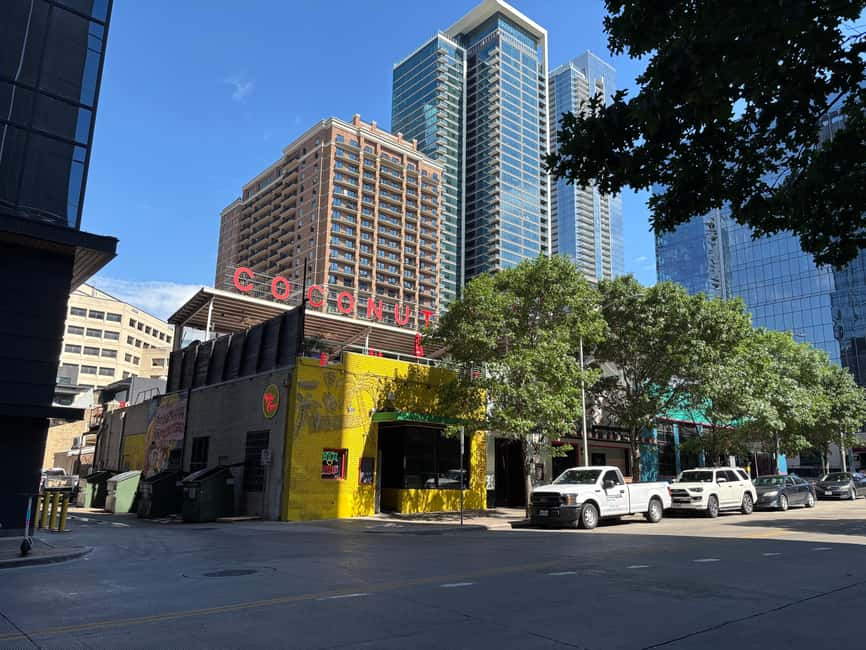
The first section takes you through the 2nd Street District, also called the Warehouse District, on the west side of Congress Avenue. This part of downtown shows Austin in transition, with older commercial buildings beside newer development.
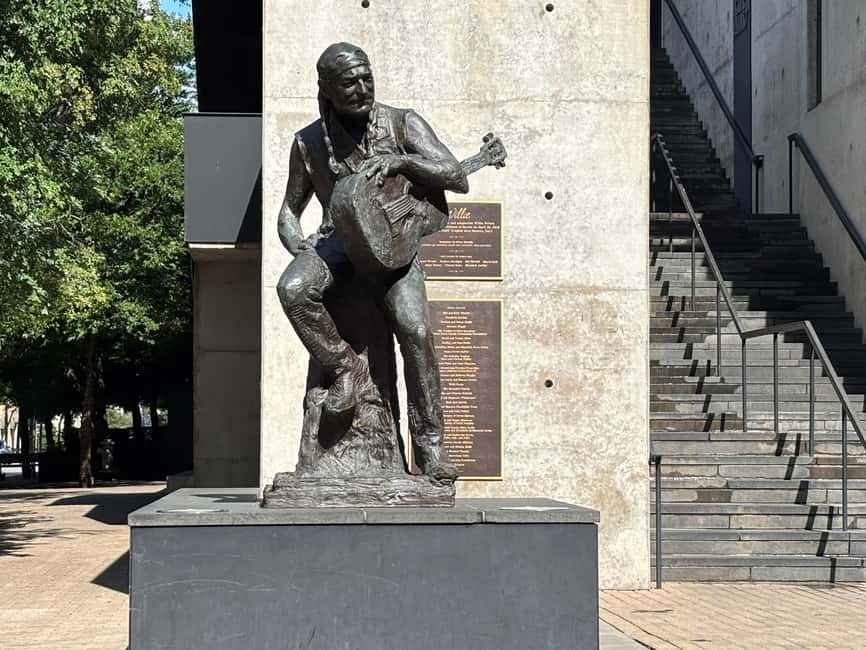
The Moody Theater is an important early stop. You will see the statue of Willie Nelson, a fitting symbol for a city where live music is part of the public identity rather than a side attraction. The walk does not promise entry into the theater, so think of this as an exterior orientation and a chance to understand the role of music in downtown Austin.
From there, the route heads through the Warehouse District toward Guytown. The name and buildings provide an opening to discuss how Austin changed as transportation and business expanded. You will reach the city’s first railroad depot, dating from about 1871 and formerly associated with the Spaghetti Warehouse.
This portion is useful because it moves beyond the standard Austin postcard. You are not simply looking at today’s restaurants and bars. You are seeing how rail travel, commerce, and redevelopment shaped the blocks under your feet.
Guytown, Congress Avenue, and the Angelina Eberly story
The walk continues toward Congress Avenue and a former Southwestern Telephone and Telegraph Company building from about 1886. Today, the site is associated with a speakeasy tavern, giving the guide a chance to connect the old commercial city with Austin’s later nightlife.
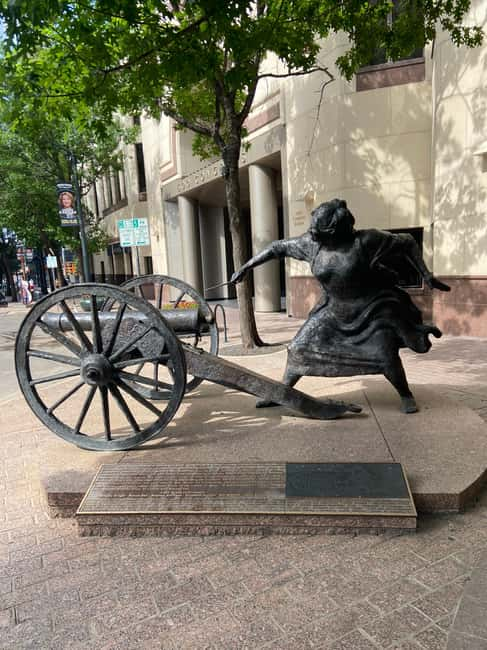
The most memorable history lesson comes near Sixth Street at the Angelina Eberly statue. In 1842, Eberly helped save Austin by taking decisive action during a struggle over the location of the Texas government. The story gives you a sharper sense of why Austin became the capital and why Congress Avenue remains central to the city’s identity.
This is the kind of stop that makes a walking tour worthwhile. A statue can be easy to pass without a second glance. With the story attached, it becomes a marker of a major turning point.
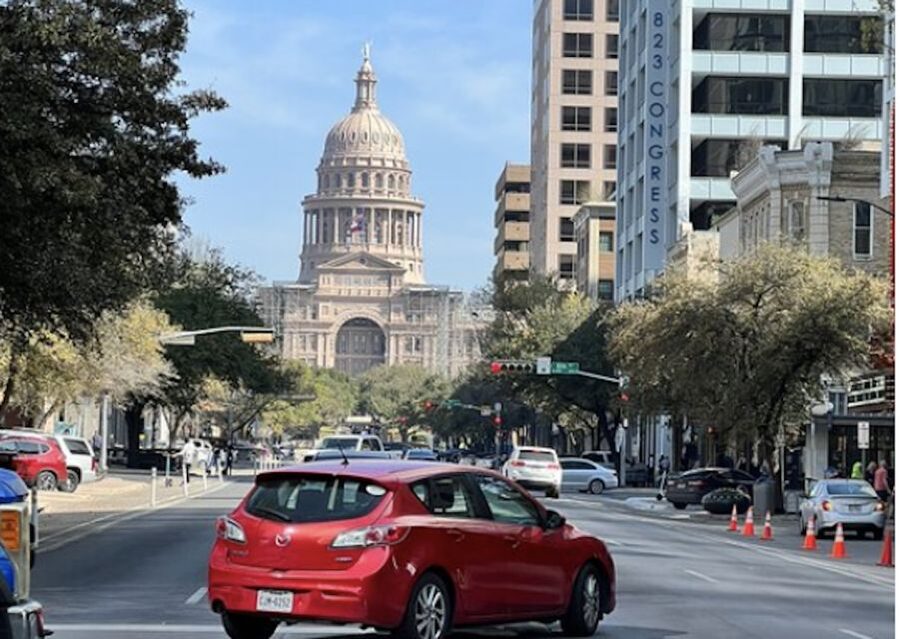
You also get a fine view of the Texas Capitol from Congress Avenue, only about two blocks away. The route does not describe a full Capitol tour, so do not book this walk expecting an interior examination of the building. Instead, you get background on its role, architecture, and place in Austin’s civic center.
Same old streets, another chapter:
- New York City: American Museum of Natural History Ticket
★ 4.5 · 15,447 reviews - Charleston’s Old South Carriage Historic Horse & Carriage Tour
★ 5.0 · 10,023 reviews - Beneath The Streets Underground History Tour
★ 4.5 · 8,006 reviews - Big Island in a Day: Volcanoes Waterfalls Sightseeing and History
★ 5.0 · 6,569 reviews
The Texas Capitol from Congress Avenue
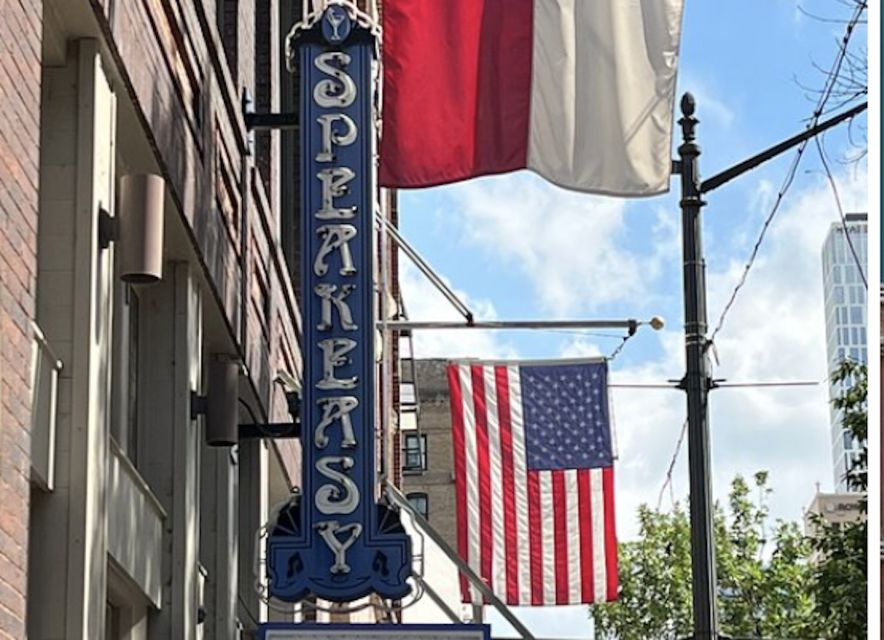
The Capitol is one of the tour’s strongest visual moments. Approaching it from Congress Avenue lets you see its scale in relation to downtown, rather than encountering it only from the grounds.
Your guide discusses Capitol history and points out details that make the building more than a grand backdrop. The stop is brief enough to keep the route moving, but substantial enough to help you decide if you want to return for more time later.
That is a recurring strength of this experience. It gives you a broad first look, then leaves room for independent visits. If government history or architecture is a priority, you may want to revisit the Capitol after the walk. The morning tour helps you understand where it is and why it matters, but it is not designed to replace a dedicated Capitol visit.
Inside the 1885 Driskill Hotel
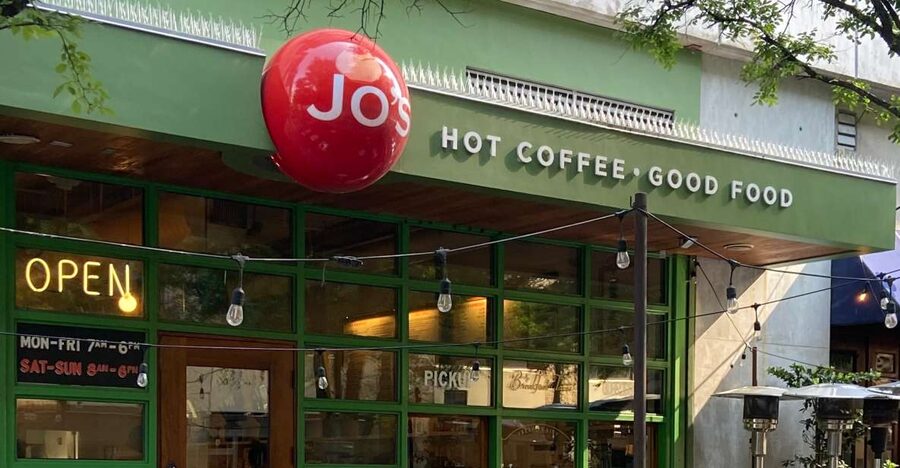
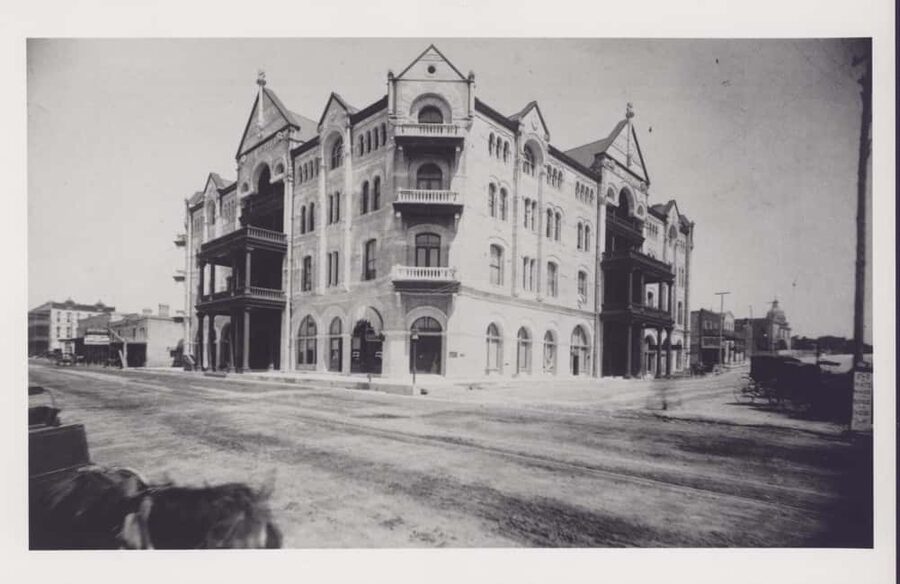
The Driskill Hotel is the tour’s clearest interior highlight. Built in 1885, it is one of Austin’s best-known historic hotels, and you enter the beautiful lobby before seeing the Driskill Bar and Lounge.
An indoor stop adds welcome variety to a route that otherwise takes place on city sidewalks. It also gives you a look at a grander side of Austin, one that contrasts with the casual coffee shops, music venues, and street-level energy of downtown.
The guide’s role is important here. A hotel lobby can be attractive without being especially informative. With context about the building and its place in Austin, you get more from the stop than a quick look inside a historic address.
The tour includes entry to the Driskill Hotel, but food and drinks at the bar are not included. You can listen to the explanation and take in the setting without ordering anything.
Sixth Street music venues and Voodoo Donuts

After the Driskill, the walk heads east along Sixth Street. This is where Austin’s reputation as a live music city becomes most visible. You pass music venues and hear more about the street’s role in local culture.
The morning setting has an advantage. Sixth Street is easier to study when the focus is on buildings, venues, and history rather than late-night crowds. You can get oriented before deciding if you want to return after dark.
The route also passes Voodoo Donuts, a recognizable stop in the downtown mix. It is a reminder that this part of Austin combines established local institutions, entertainment businesses, and heavily visited food spots.
The tour aims to help you avoid tourist traps, but it does not pretend that every famous stop is off the beaten path. Instead, your guide gives you context and lets you judge what fits your interests. Ask for specific advice if you want live music with a more local feel, or if you prefer quieter restaurants away from the main visitor corridors.
San Jacinto, Vince Young’s Steakhouse, and the return to Congress
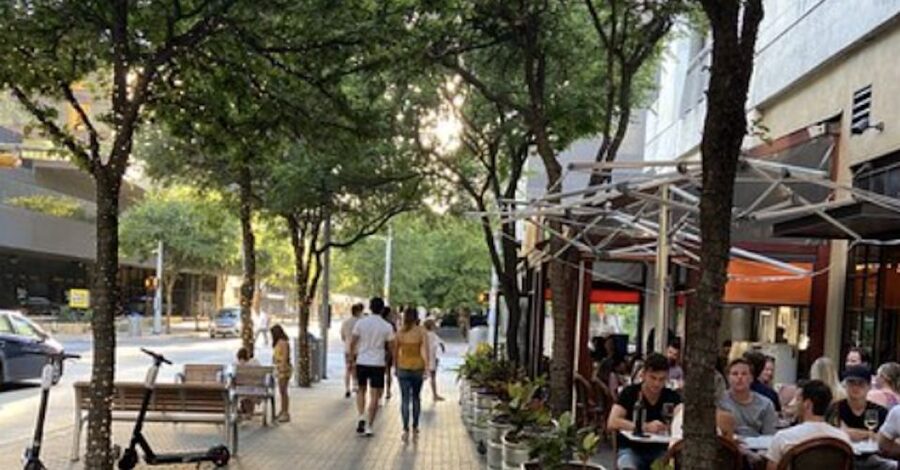
The route then turns onto San Jacinto, where old and new buildings sit close together. The contrast helps you read downtown as a changing place rather than a preserved historic district.
You turn at Vince Young’s Steakhouse and head back toward Congress Avenue. This section is less about a single major attraction and more about showing you the connections between Austin’s districts. It also gives the guide room to answer questions and share suggestions based on what you want to do next.
That flexibility is worth noting. The walk is structured, but it is not described as a rigid script. Participants have found that guides respond to group interests and make room for questions. If you want restaurant ideas, ask for them here. If live music is your priority, ask which venues deserve a return visit.
Pearl House Hotel and Austin’s bat bridge
The final stretch leads to the Pearl House Hotel and back toward 2nd Street. From here, you can see Austin’s famous bat bridge, which gives the guide a chance to explain the city’s well-known bat phenomenon.
You do not go out for the evening bat emergence on this morning walk. The point is to understand the attraction and know where it is, so you can decide if you want to return at the right time during your visit.
Ending near the bat bridge is practical. You finish close to the same downtown area where you began, with plenty of options for lunch, more sightseeing, or a return to a place that caught your attention during the walk.
The route covers a lot of ground in a short time. One participant found 90 minutes too brief, while another noted that the walk lasted closer to an hour and 45 minutes. Allow some flexibility in your schedule, since the exact finish may depend on the pace and questions from the group.
Guide style and what the experience feels like
The strongest pattern among the guide comments is clear storytelling. Tyler receives repeated praise for explaining Austin’s development, answering questions, using archive photos, and offering useful recommendations. Audrey is described as enthusiastic and strong on local background. William is particularly effective at making landmarks memorable through well-chosen stories and facts.
The tour can also work well with a small group. One person ended up with a one-on-one experience and received detailed attention. Group size is not specified, so you should not assume a private tour, but the format allows for interaction when the group is manageable.
I would choose this walk if you prefer conversation over a long prepared lecture. The guides are encouraged to make the experience flexible, and the best parts come from connecting the city’s past with ordinary choices you need to make during your stay.
One limitation is that the route gives you a look at many places without spending much time inside them. Apart from the Driskill, most stops are viewed from outside. If you want detailed architectural access, museum exhibits, or extended time in parks and venues, you may need a separate activity.
Is $32 a fair price?
At $32 per person, the tour is reasonably priced for a guided 90-minute introduction to central Austin. The included Driskill entry and Jo’s Coffee breakfast discount add practical value, though neither should be treated as a major financial saving.
The real value comes from the guide. You are paying for orientation, local context, and recommendations that can shape the rest of your visit. A good guide can save you time by helping you understand which areas are worth returning to and which famous stops may not match your interests.
The price is easier to justify if this is your first visit or if you have only one or two days in Austin. It is less compelling if you already know downtown well, have visited the Capitol and Driskill, and mainly want a slow look at one neighborhood.
Free cancellation up to 24 hours before the start and the option to reserve now and pay later make planning easier. The tour runs rain or shine, so wear suitable shoes and bring a rain layer when the forecast looks uncertain. It is listed as wheelchair accessible, but the route remains a city walk, so you should be prepared for sidewalks and regular outdoor movement.
Who should book this morning walk?
I would recommend it to first-time Austin visitors, couples who want a simple introduction, solo visitors who enjoy asking questions, and anyone who wants local suggestions before making dinner or music plans.
It also suits people who like history in small, useful portions. You get railroad history, civic stories, music culture, hotel architecture, and modern downtown development without committing to a half-day program.
Families may appreciate the manageable length, though the route is mainly conversational and historical. If your group needs frequent breaks or wants a tour built around food, this may not be the best match because snacks and drinks are not included.
You should also book it if you like to return to places later. The Capitol, Driskill Hotel, Sixth Street, and bat bridge all receive a first introduction, giving you a clear list of possible follow-up stops.
Should you book the Austin Morning History Walking Tour?
Book this tour if you want a friendly downtown orientation with real stories, not a formal lecture or a long attraction-by-attraction visit. The Angelina Eberly story, Driskill interior, Capitol view, and music district give the walk a good mix of Austin subjects.
The main caution is its compact schedule. You will see more than you can fully explore, and the tour may feel short if you want extended time at each building. Still, at $32, it is a practical way to get your bearings, learn how downtown fits together, and collect useful advice from guides such as Tyler, Audrey, William, and Jake.
For a first morning in Austin, I would book it, then use the rest of the day to return to the places that caught your attention.
FAQ
Where does the Austin Morning History Walking Tour begin?
Meet your guide in front of Jo’s Coffee at 242 W. 2nd St. Look for a Walking Tours of Austin cap and shirt and an A-frame Morning Walk Austin sign.
Is breakfast included with the tour?
No. Food and drinks are not included, but you receive 20% off your breakfast order at Jo’s Coffee when you show proof of your Morning Walk purchase on the tour day.
How long is the walking tour?
The listed duration is 90 minutes. One recorded experience lasted about an hour and 45 minutes, so allow some extra time in case the group has questions or the walk runs longer.
Does the tour enter the Driskill Hotel?
Yes. Entry to the Driskill Hotel is included, with a visit to its lobby and the Driskill Bar and Lounge.
Is the tour offered in languages other than English?
No. The listed tour language is English.
What happens if it rains?
The tour operates rain or shine. Bring suitable clothing and shoes for outdoor walking, and bring money if you want to buy a drink or treat during the route.
Latest history tours reviewed in the USA
- Franklin: Ghost Tour in Historic Franklin★ 4.8 · 65 reviews
- Fort Worth: Stockyards History Tour Pub Crawl★ 4.8 · 39 reviews
- Downtown Flagstaff Haunted History Walking Tour★ 4.7 · 46 reviews
- New York City: Flatiron Food, History, and Architecture Tour★ 4.8 · 43 reviews
- Fairbanks: Gold Dredge 8 Historic Train Tour★ 4.7 · 219 reviews
- Fairbanks: Private Mush on the Historic Yukon Quest Trail★ 5.0 · 30 reviews
- Charleston:Evening Haunted History Horse-Drawn Carriage Tour★ 4.7 · 38 reviews
- Philadelphia: Valley Forge National Historical Park Tour★ 4.9 · 39 reviews
USA History Tours, compared.

New York City: American Museum of Natural History Ticket
Read our review →
History and Hauntings of Salem Guided Walking Tour
Read our review →
Charleston’s Old South Carriage Historic Horse & Carriage Tour
Read our review →

Big Island in a Day: Volcanoes Waterfalls Sightseeing and History
Read our review →
Boston: Freedom Trail History Small Group Walking Tour
Read our review →
Historic Charleston Guided Sightseeing Walking Tour
Read our review →
Charleston Horse-Drawn Carriage Tour: Explore Historic Charleston
Read our review →Browse the lists this tour appears in