
Review · LIVERPOOL
A Walk Through Time: History of Liverpool Walking Tour
Liverpool’s story comes into focus when you connect its medieval beginnings with the docks that made it a world port. This walk does exactly that, linking the Royal Liver Building, Liverpool Castle’s former site, the Old Dock, and Royal Albert Dock in about 1 hour and 50 minutes.
I like the tour’s clear sense of place and its focus on the city’s commerce, docks, and often uncomfortable past. I also like the guides’ personal touch. John is praised for his local knowledge and Scouse humor, while Julio is noted for his engaging style.
The main drawback is pace. There is a lot to cover, and one person found the guide spoke too fast. The route is also exposed to wind from the Mersey, so wear warm layers and good walking shoes.
Key points to know before you book
- The Old Dock is the historical centerpiece: See the site of the first commercial wet dock, built in 1715.
- You get more than Beatles history: The tour explains how shipping, cotton, commerce, and Atlantic trade shaped Liverpool.
- John and Julio bring different strengths: John is praised for his depth of knowledge and local stories, while Julio is described as engaging and clear.
- Expect a brisk central-city walk: Ten stops fit into 110 minutes, with short talks at each location.
- The route includes difficult subjects: Liverpool’s role in the transatlantic slave trade is covered directly.
- The weather matters: The waterfront can be cold and windy, and poor weather may lead to a new date or a refund.
Liverpool’s story begins at the Three Graces
Meet at the Royal Liver Building on Pier Head, one of Liverpool’s most recognizable landmarks. The building is part of the Three Graces, the grand waterfront group that also includes the Cunard Building and the Port of Liverpool Building.
The opening talk sets up the whole walk. You begin with Liverpool’s public face, its grand waterfront architecture, then move backward and forward through the city’s past. This is useful if you have just arrived because the Three Graces give you a quick visual map of Liverpool’s role as a port.
The building itself is not included as an interior visit, so you should think of this as an outside orientation rather than a tour of the Royal Liver Building. That keeps the price low and the walking route moving.
From here, the group crosses the Strand toward the old parish church grounds. The route is central and urban, with traffic and city noise around you. John, one of the regular guides, is particularly good at making the opening feel like more than a list of dates. His talks connect buildings to the people and trade that passed through them.
More History Walking Tours in the UK
- A History of Terror – Belfast City Centre Walking Tour
★ 5.0 · 2,883 reviews - Edinburgh: Old Town History and Tales Walking Tour
★ 4.8 · 2,361 reviews - Old Town Walking Tour History and Tales in Edinburgh
★ 5.0 · 2,168 reviews
Medieval Liverpool in the parish church gardens
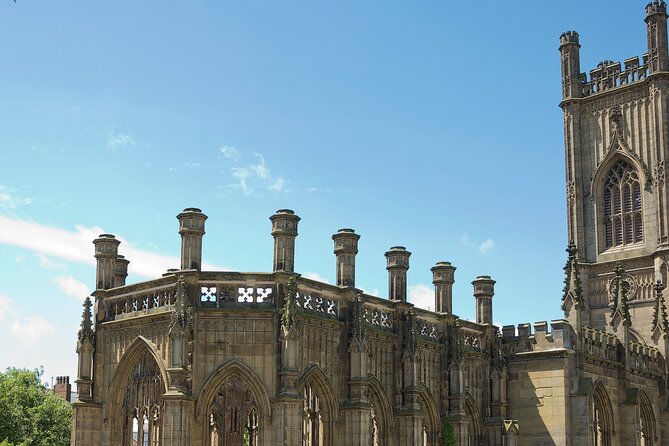
The next stop is Liverpool Parish Church Gardens, connected with the former St. Nicholas’ Church. The site is linked to the city’s medieval beginnings in 1207, when Liverpool received its town charter.
This is one of the best stops for understanding how small the original settlement was compared with the city you see today. The church’s connection with Saint Nicholas, patron saint of sailors, also fits Liverpool’s later identity as a port tied to oceans and overseas trade.
You do not simply hear that Liverpool is old. You get a physical site where medieval remains and evidence help explain the city’s early development. The talk lasts about 15 minutes, which is a useful amount of time for context without turning the walk into a formal lecture.
If you enjoy architecture and visible remains, this stop may feel more rewarding than the modern shopping streets later in the route. If you want long time to explore on your own, keep in mind that the tour is designed for explanation and movement, not extended visits at each site.
Old Hall Street and Liverpool’s trading power
Old Hall Street brings you into the city’s growth as a commercial center. The street dates to the 13th century and once formed part of the old town. Along the way, you pass Grade I listed buildings and the former Cotton Exchange.
The Cotton Exchange is important because it shows how Liverpool’s fortunes were tied to worldwide trade. By the late 18th century, Liverpool had overtaken London in the cotton trade. That fact helps explain why the city accumulated such imposing offices, exchanges, warehouses, and civic buildings.
This part of the walk also addresses Liverpool’s role in Atlantic trade and the transatlantic slave trade. That subject is not treated as a footnote. It forms part of the explanation for how the port grew and who paid the human cost of that growth.
I appreciate that balance. A good city walk should not present only grand buildings and success stories. You will hear about Liverpool’s commercial power, but also about the systems and exploitation behind it. The tone is academic at times, though the guides add local stories and humor to keep it approachable.
Liverpool Town Hall and the Georgian city
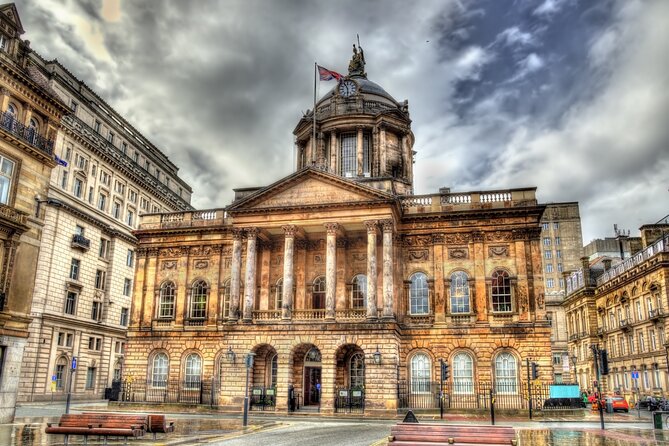
Liverpool Town Hall is the next major landmark. Built in 1749, it is described as one of the finest surviving Georgian buildings in Britain.
The tour focuses on the building’s role in civic life and Liverpool’s rise as a port and commercial center. From the outside, you can study the formal architecture and see how confidently the city presented itself during its period of rapid growth.
Admission inside is not included, so the stop works best as an architectural and historical explanation from the street. If you want to visit the interior, treat that as a separate activity.
This section helps tie the city’s business history to its public institutions. Liverpool was not just a place where ships loaded and unloaded. It developed a civic center that reflected the wealth created by trade, even when that wealth rested on harsh and unequal systems.
Same old streets, another chapter:
- London Small Group Tour of Historical Pubs
★ 5.0 · 10,422 reviews - Edinburgh: Edinburgh Castle Guided History Tour with Tickets
★ 4.8 · 9,933 reviews - Edinburgh: Whisky Tasting with History and Storytelling
★ 4.9 · 2,451 reviews - Soho Music & Historic Pubs Tour
★ 5.0 · 1,993 reviews
Castle Street and the missing medieval castle
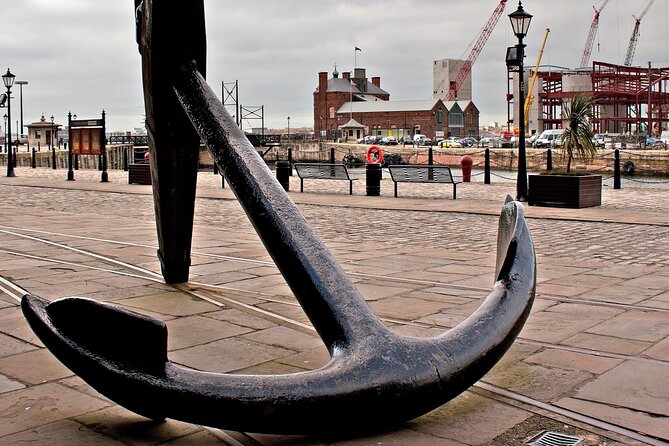
Castle Street offers one of the clearest examples of Liverpool changing over time. Its buildings show the city moving from a medieval settlement to an 18th-century commercial center.
The route takes you toward the former site of Liverpool Castle. The castle itself is no longer standing, so the value here comes from learning how the street and surrounding area functioned in the past. A guide can help you read the modern city through its name, layout, and surviving buildings.
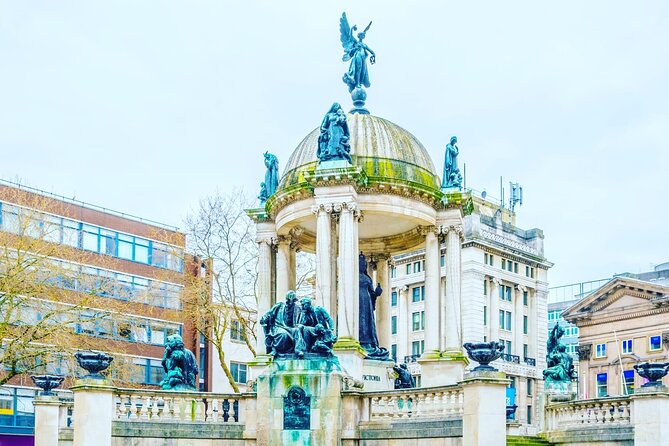
The tour then reaches the Queen Victoria Monument at One Derby Square. This area is connected with the former castle site and Liverpool’s expansion into one of the world’s major ports by 1800.
The stop is especially useful if you like urban history. You are not only looking at preserved monuments. You are learning how lost structures still shape street names and the city plan.
There is also a practical point here. The Queen Victoria Monument is listed as the end point for the tour, but the itinerary also describes a final return to the Three Graces at the Royal Liver Building. Because those details conflict, confirm the exact finishing point when you book or meet the guide. Both locations are central, but they lead you toward different parts of the city.
Liverpool ONE and the city you see today
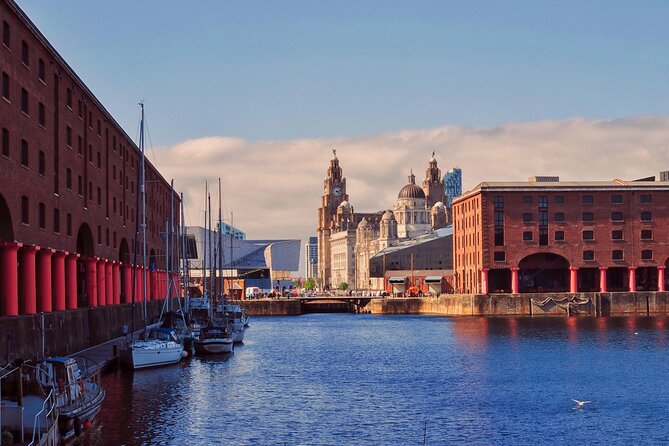
The walk passes through Liverpool ONE, the modern shopping and entertainment district. This is the sharpest change in scenery on the route.
After medieval remains, Georgian buildings, and old trading sites, Liverpool ONE shows how the center has been reshaped for present-day retail and leisure. The guide explains the district, its shops, and its attractions rather than treating it as a historic monument.
Some people may find this stop less compelling than the docks or old streets. Still, it helps complete the timeline. Liverpool is not frozen in its port-city past. It has adapted its central area for a new economy and a different kind of public life.
You probably will not spend enough time here for serious shopping. The point is to understand how the modern city fits into the older one.
The Old Dock reveals how Liverpool changed
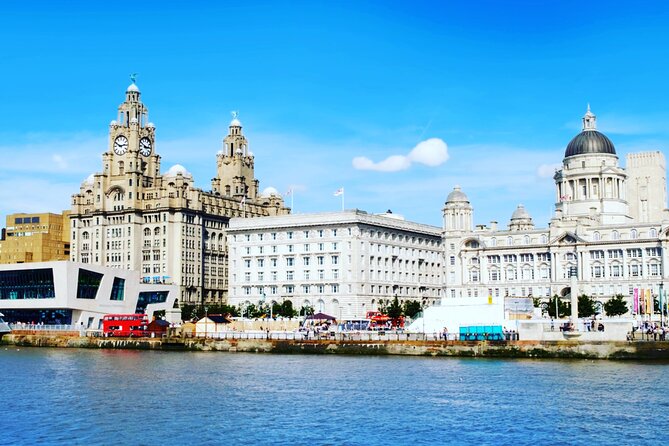
The Old Dock is the strongest reason to choose this tour over a basic sightseeing walk. Built in 1715, it was the first commercial wet dock of its kind in the world.
Before purpose-built wet docks, ships depended more heavily on tides and less controlled berthing arrangements. The Old Dock helped Liverpool handle cargo with greater efficiency. That practical change gave the port an advantage and helped drive its expansion.
The site is now part of the modern city, so you need the guide’s explanation to picture what once occupied the space. John is particularly effective here because he links the engineering achievement with the trade networks that followed.
The talk also explains why Liverpool became such an efficient port. This is not just a story about ships. It is a story about timing, storage, labor, investment, and connections across the world.
For me, this is where the tour’s title makes the most sense. You are walking through a present-day street while the guide reconstructs an earlier working port beneath your feet.
Royal Albert Dock and Liverpool’s maritime peak
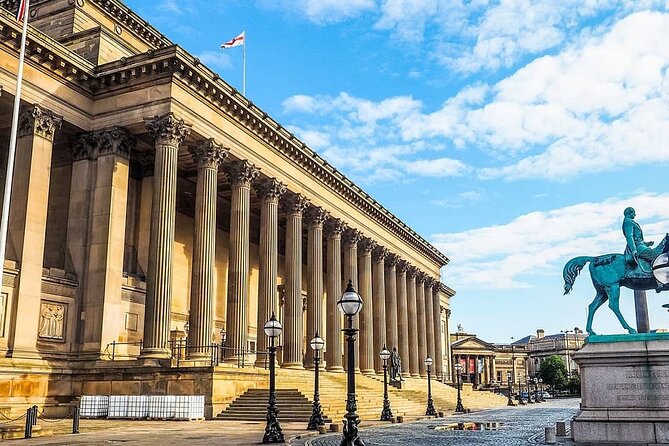
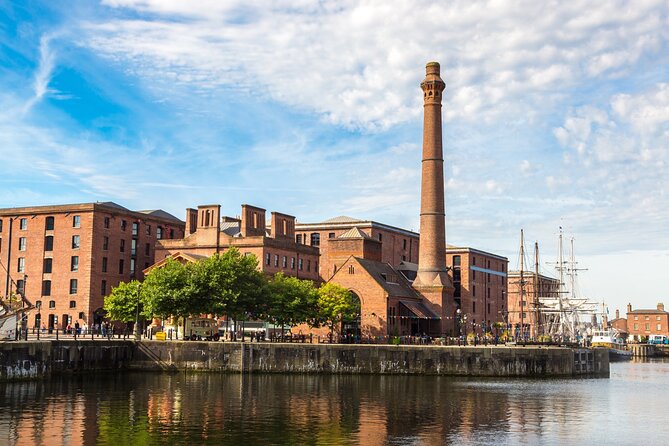
Royal Albert Dock brings you into the 19th century. Built in 1846, it became a major center of Liverpool’s commerce.
The dock’s brick warehouses and broad water spaces make the port’s scale easier to understand than the inland streets do. Here, you can picture cargo arriving from overseas, being stored, traded, and moved onward. The design also shows how Liverpool invested in port infrastructure as international trade expanded.
The guide discusses the dock’s role in the First and Second World Wars, adding a military and national layer to the commercial story. Liverpool was not only a trading port. Its docks were also important to wartime supply and shipping.
This is one of the more scenic sections of the route, but the waterfront can be exposed. Even on a dry day, wind off the river can make the walk uncomfortable. A warm coat, comfortable shoes, and weather protection will improve the experience.
What the guide adds to the walk
The guide is the main value of this experience. You can walk past the Three Graces, Town Hall, Castle Street, and Royal Albert Dock without knowing why they matter. The commentary supplies the links.
John receives the strongest praise for his command of Liverpool’s story, clear delivery, humor, and willingness to answer questions. He is also described as passionate about his home city. That enthusiasm matters because the walk covers a lot of information in a short period.
Julio is also noted for an engaging and well-informed approach. The exact guide may vary, so you should not book on the assumption that one named person is guaranteed unless the provider confirms it.
The talks cover medieval Liverpool, Georgian civic life, cotton, docks, Atlantic trade, war, and modern redevelopment. That breadth is a strength, but it also creates the main weakness. You may need to concentrate to keep up, especially if the guide speaks quickly or traffic makes hearing harder.
The group can hold up to 40 people. Some departures may feel smaller, but you should be prepared for a group large enough that staying close to the guide matters. Stand where you can hear clearly, and ask for a pause if you need one.
Is $27.74 good value?
At $27.74 per person, the tour offers a useful introduction to Liverpool at a modest price. You cover ten locations, receive nearly two hours of guided explanation, and get a city framework that can improve the rest of your stay.
The value is strongest if you are new to Liverpool and want to understand how the waterfront, old town, commercial streets, and modern center connect. It is also a good choice if you want history beyond the Beatles.
The value is weaker if you prefer entry inside museums and historic buildings. Admission is not included at the Royal Liver Building or Liverpool Town Hall, and the route is mainly an outdoor walk.
You should also allow for the pace. The listed stop times add up to a little less than two hours, so there is not much room for long photo breaks, shopping, or quiet examination of each site. Think of the tour as a guided overview, then return on your own to the places you want to explore more fully.
The experience has a 4.8 rating from 911 ratings, with 97 percent of customers recommending it. That supports the idea that the tour works well for its main purpose: giving you a lively, fact-filled introduction to Liverpool.
Weather, walking, and cancellation details
This is an outdoor activity, and poor weather can lead to a different date or a full refund. The waterfront wind is the bigger issue mentioned in the practical feedback, so dress for conditions rather than relying on a mild city-center forecast.
Wear comfortable shoes. The walk is not presented as strenuous, and most people can take part, but you will be on your feet for nearly two hours.
A mobile ticket is provided, the tour is offered in English, and service animals are allowed. The meeting point is beside the Royal Liver Building on Pier Head. The stated end point is the Queen Victoria Monument, although the route description also mentions finishing back at the Three Graces, so check this detail before the day.
Free cancellation is available up to 24 hours before the start time. Cancellations or changes made less than 24 hours ahead are not accepted for a refund.
Who should book this Liverpool walk?
I would choose this tour if you want a big-picture explanation of Liverpool before exploring museums, docks, or neighborhoods on your own. It suits first-time visitors, history fans, architecture lovers, and anyone curious about how a port city gained and lost power.
It also suits local residents. The route covers so much ground that even someone familiar with Liverpool may learn something new about the Old Dock, cotton trade, castle site, or maritime past.
I would be more cautious if you need a slow pace, dislike outdoor tours in cold weather, or want extensive interior access. The amount of information can feel dense, and one person found the delivery too fast.
FAQ
How long does the tour last?
The tour lasts approximately 1 hour and 50 minutes.
Where does the tour start?
It starts at the Royal Liver Building, Liver Building, Pier Head, Liverpool L3 1HU.
Where does the tour finish?
The stated meeting information places the end at the Queen Victoria Monument at One Derby Square. The route description also mentions a final stop at the Royal Liver Building, so confirm the exact ending point before the tour.
What language is the tour offered in?
The tour is offered in English.
Is admission to the Royal Liver Building included?
No. The Royal Liver Building stop does not include an admission ticket.
Is admission to Liverpool Town Hall included?
No. The Liverpool Town Hall stop does not include an admission ticket.
What happens if bad weather cancels the tour?
You will be offered another date or a full refund if the experience is canceled because of poor weather.
Should you book it?
Book this walk if you want Liverpool’s story told through its streets, docks, trade, and architecture rather than through Beatles landmarks alone. At $27.74, it is a fair deal for a guided overview, especially with a strong local guide such as John or Julio.
Go prepared for a brisk outdoor route, a dense stream of facts, and serious discussion of Atlantic trade and slavery. Confirm the finishing point, dress warmly, and choose this tour as your city orientation. Then return to the Old Dock, Royal Albert Dock, or Town Hall at your own pace.
Latest history tours reviewed in the UK
- Falmouth: Vibrant Historical Walking Tour (award-winning)★ 4.9 · 75 reviews
- Edinburgh: Small-Group History of Whisky Tour with Tasting★ 4.8 · 138 reviews
- Edinburgh: Old Town History Walking Tour★ 4.9 · 528 reviews
- Edinburgh’s Dark History Walking Tour★ 4.9 · 55 reviews
- Edinburgh: Pubs and History Guided Walking Tour with Beer★ 4.8 · 254 reviews
- Edinburgh: Multi-Sensory Small-Group Historic Vaults Tour★ 4.6 · 596 reviews
- Edinburgh: History Lovers Old Town Walking Tour★ 4.9 · 56 reviews
- Edinburgh: Multi-Sensory Old Town Historical Walking Tour★ 4.6 · 290 reviews
Liverpool History Tours, compared.
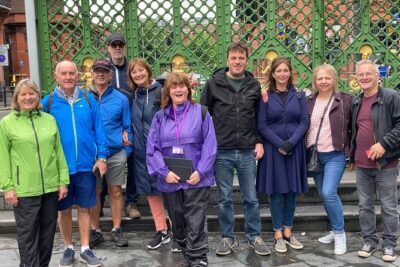
Best Of Liverpool Heritage, History & Culture Guided Walking Tour
Read our review →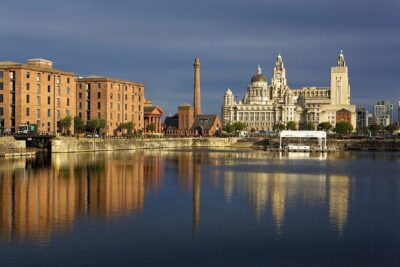
History Guided Tour of Liverpool and the Beatles
Read our review →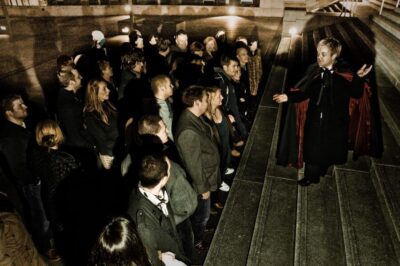
Browse the lists this tour appears in