
Review · ATHENS
From Athens: Explore Ancient Greece 4-Day Tour
The best thing about this four-day tour is its sheer reach. In one well-organized loop from Athens, you visit the theater at Epidaurus, the citadel of Mycenae, the birthplace of the Olympic Games, the oracle site at Delphi, and the monasteries of Meteora. Ancient Greece comes in several very different forms here, from athletic ritual to mountain spirituality.
I like the way the tour includes breakfast, dinner, entrance fees, and hotels, which makes a complicated route easier to budget. I also like the excellent guides and careful drivers. Guides such as Dozia, Christina Stamou, Sofia, Angela, and Panaiota have made a strong impression with clear explanations and warm attention. The main drawback is time: long bus rides and a full schedule leave only limited hours at some sites.
Key points to know before booking
- Five major ancient sites in four days: Epidaurus, Mycenae, Olympia, Delphi, and Meteora all appear on the route.
- The guide can make or break the experience: Past guides including Dozia, Christina Stamou, Angela, Sofia, Ivan, and Panaiota have been praised for strong history and mythology commentary.
- Meals simplify the budget: Breakfast and dinner are included, while lunches, drinks, personal expenses, and hotel tax are extra.
- Expect a lot of road time: The route covers much of the Peloponnese and central Greece, so this is better for sightseeing than relaxing.
- Meteora requires modest clothing: Short skirts are not allowed, and long-sleeved tops are requested for female visitors.
- The $742 price buys convenience: Hotels, transport, entry fees, meals, and guiding are bundled, though lunch and the hotel tax remain separate.
Why this route covers so much of Greece
This is not a slow village tour or a restful countryside break. It is a moving classroom, with a luxury air-conditioned bus carrying you across the Corinth Canal, the Peloponnese, the Gulf of Corinth area, and the mountains around Delphi and Meteora.
That reach is the point. If you have only a few days after visiting Athens, you can see sites that would be difficult to connect by public transport. The route also gives you a useful sense of how varied ancient Greece was. Epidaurus is about healing and theater. Mycenae brings heroic legend and Bronze Age power. Olympia centers on sport and worship. Delphi focuses on prophecy. Meteora adds a later Orthodox Christian setting high above the plain.
The trade-off is simple: you gain breadth but give up lingering time. You will spend several hours on the road, and the schedule is structured around site visits, meals, and overnight stops. I recommend it for someone who wants a strong first look at mainland Greece, not for someone who prefers to spend half a day sketching one ruin.
More Ancient History Tours in Athens
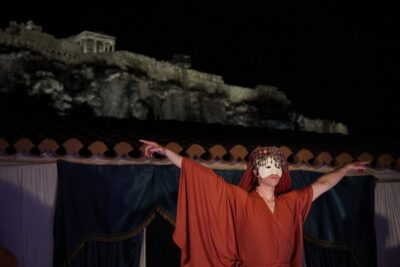
- Athens: Ancient Greek Theater Performance
★ 4.7 · 2,481 reviews - Historical Delphi One Day Tour with Arachova Stop & Expert Guide
★ 4.5 · 1,247 reviews - From Athens: Ancient Corinth Day Trip with Canal & VR Guide
★ 4.6 · 1,073 reviews
Day 1: Epidaurus, Nafplio, and Mycenae
The first morning takes you along the Corinth Canal toward Epidaurus. The canal itself is a useful opening scene. It cuts through the narrow isthmus linking mainland Greece with the Peloponnese, and the stop helps you shift from present-day Athens into the older world ahead.
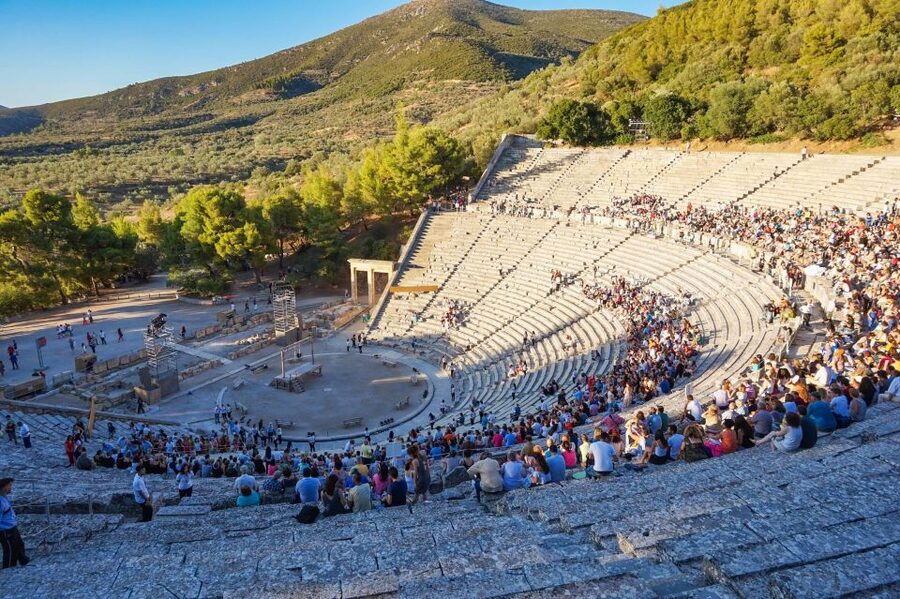
At Epidaurus, the main event is the ancient theater. Its neat design and famous acoustics make it easy to understand why this site remains so memorable. Try a quiet word or two from the designated central area if your guide permits it, then listen for the way sound carries across the stone seating. This is one of the tour’s most hands-on moments, and it works best when the group is not talking over it.
Epidaurus was also tied to Asclepius, the son of Apollo and a major figure in Greek healing traditions. The sanctuary was not just a theater complex. It was a place connected with worship, treatment, and hopes for recovery, giving the ruins a wider purpose than entertainment alone.
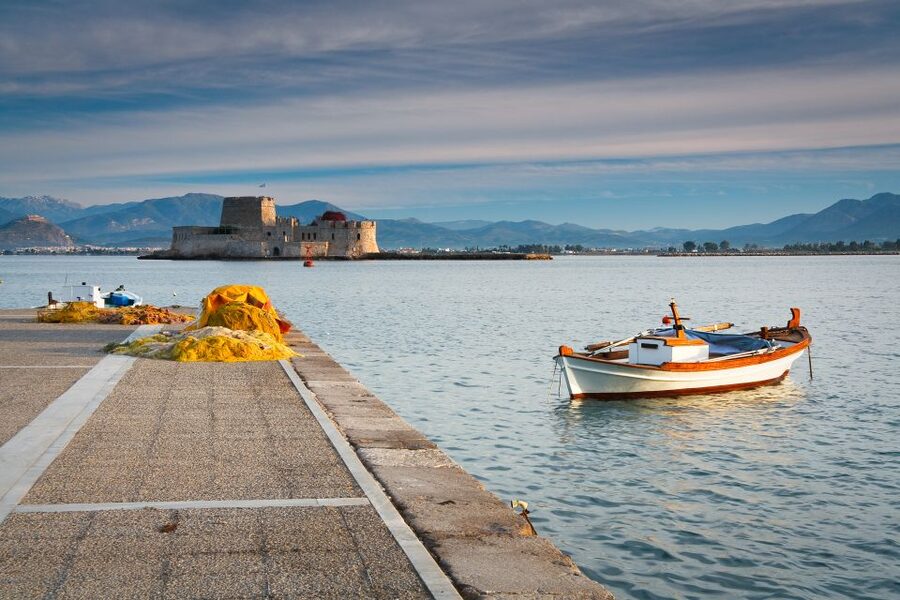
The route then reaches Nafplio, a seaport town with time for a short stop. Do not expect a long independent visit here. You will mainly get a brief taste of its waterfront setting and streets before continuing through the plain of Argos.
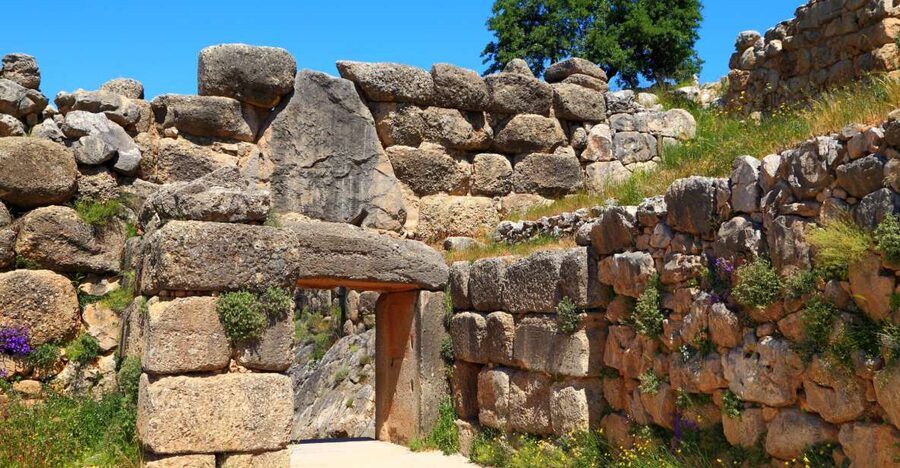
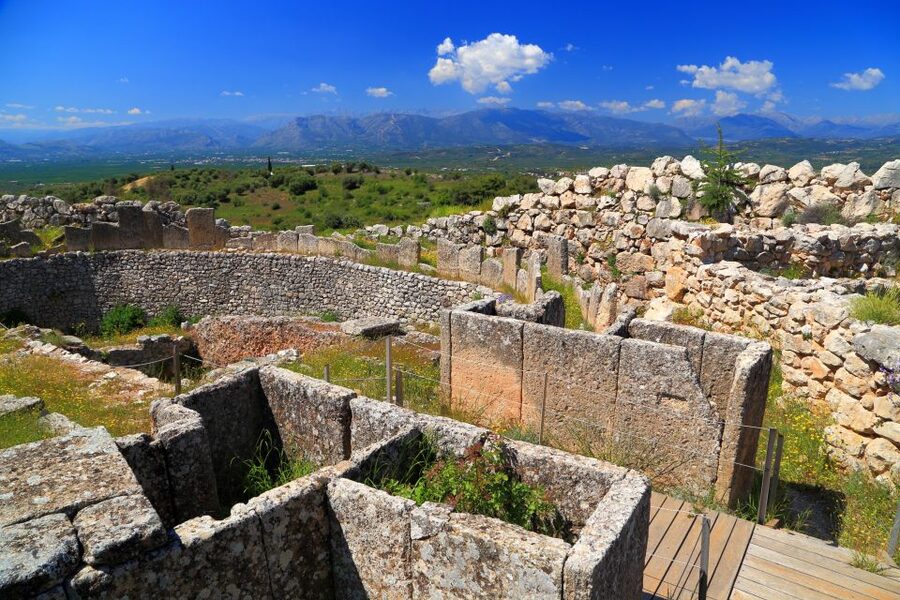
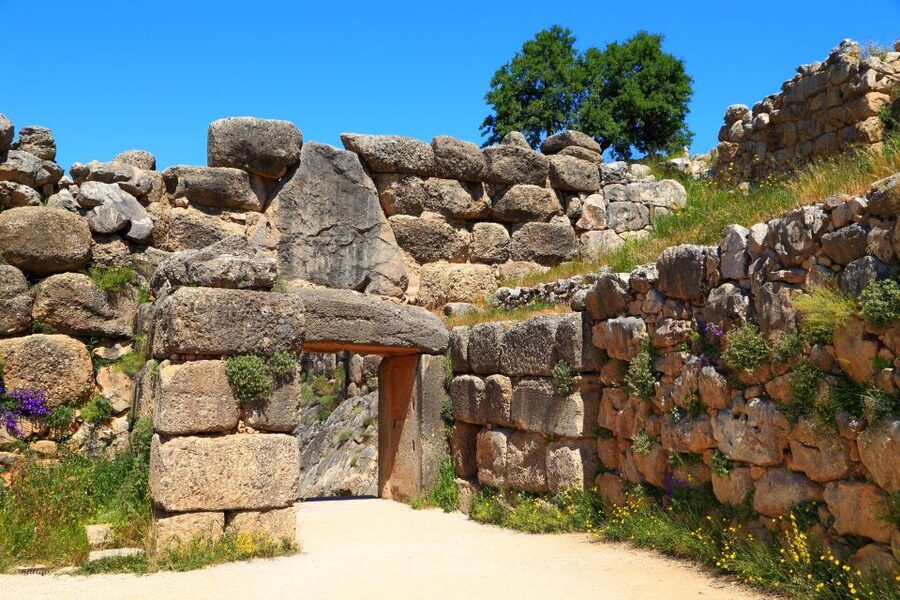
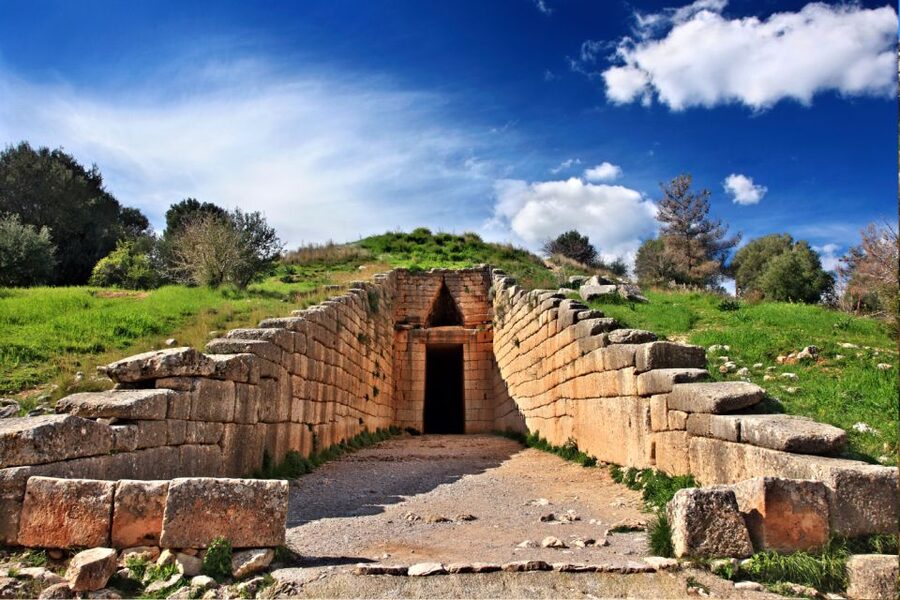
Mycenae gives the afternoon more weight. This was a major center of Greek civilization, and its remains feel older and more severe than the classical temples you may see later. The Tomb of Agamemnon is a key sight, although the name belongs to later tradition rather than a confirmed identification. That distinction is worth asking your guide about, since Greek archaeology often sits beside stories that shaped Western literature.
The site also helps explain the world behind the legends of the Trojan War. You can picture power concentrated behind heavy stone walls, with rulers, burial customs, and military strength all tied to the hilltop center.
After Mycenae, the bus continues to Olympia for the night. This is a long first day, but it puts the group in position for an early look at the Olympic site.
Day 2: Olympia and the road to Delphi
Olympia is one of the tour’s strongest stops because the setting and purpose are easy to connect. This was the home of the ancient Olympic Games, but it was also a major religious sanctuary dedicated to Zeus and other gods.
You will walk among the remains of the temples of Hera and Zeus, see the area linked with the Olympic Flame, and visit the site museum. The altar connected with the flame and sacrifices gives the visit a ritual focus. You can also imagine athletes arriving from across the Greek world, competing for honor, and taking part in ceremonies that mattered as much as the contests.
The museum is important because many of the ruins are fragmentary. Statues, architectural pieces, and objects help fill in what the scattered columns cannot show. A good guide can point you toward the most useful pieces instead of leaving you to wander through a long display without context. Angela, who is a Greek archaeologist, has been especially praised for directing attention to significant artifacts and using images to show how structures may once have looked.
After Olympia, the route heads toward Patras and Rio. The Rio-Antirrio Bridge is a modern contrast to the ancient sites. You continue past Nafpaktos and along the coastal road toward Delphi. This is one of the prettiest stretches of the journey, with the sea and mountain views making the long transfer feel less tiring.
Still, this is a day when you should manage your expectations. You will not have endless time to stop for food or photos. Lunch is not included, and eating and drinking are not allowed on the buses, so plan to use scheduled breaks well. One past participant found the lack of bus snacks and drinks difficult, especially during the longer drives.
The day ends near Delphi, with a visit to the mountain village of Arachova. It is a brief stop, but it adds a different note to the day. Rather than another major archaeological site, you see a traditional mountain settlement before returning to Delphi for the night.
Day 3: Delphi and an overnight in Kalambaka
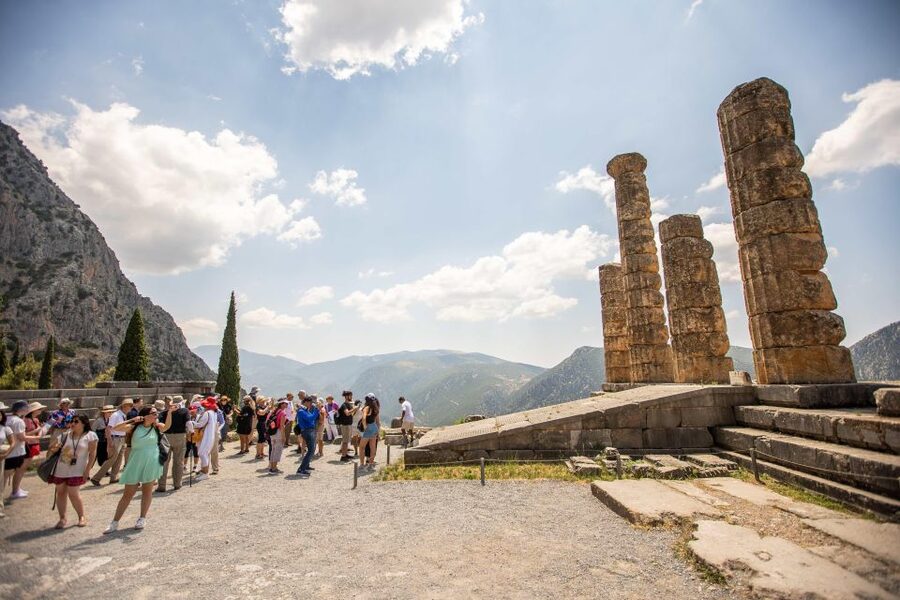
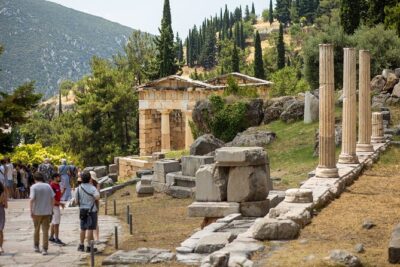
Delphi was regarded by the ancient Greeks as the center of the world. The site’s famous stone marker, often described as the navel of the world, captures that idea in a simple way. Delphi was a place where people came to seek guidance from Apollo’s oracle, and its position on the mountain helps explain the sense of drama.
You will have a more relaxed morning here than on the first two days. That matters. Delphi needs time for its terraces, temples, and views to make sense. The sanctuary climbs the slope, so wear practical shoes and expect some uphill walking.
The value of the stop depends heavily on the guide. The remains can look like a collection of stones if you do not know what you are seeing. A guide with strong mythology and archaeology skills can explain how the sanctuary worked, what visitors came to ask, and why city-states placed offerings here. Ivan, Dozia, Christina Stamou, and other guides have been praised for bringing that background into the walk without losing the group’s pace.
In the afternoon, you leave Delphi for Kalambaka. This is another long transfer, but it carries you into a different part of Greece. The overnight stop is practical rather than a sightseeing event. Kalambaka sits below Meteora, so you are already in position for the final morning.
The hotels on this tour vary by the option you choose. The three-star choice has been described as comfortable and serviceable, with some properties offering pools and good views. The four-star option costs more, and both choices include breakfast and dinner. Accommodation is generally arranged in double or triple rooms. A single room requires a separate booking for one person.
More Ancient History Tours in Greece
- Acropolis, Parthenon & Athens Old City Heritage Walking Tour
★ 4.5 · 876 reviews - Private Biblical Tour Ancient Corinth & Isthmus Canal from Athens
★ 5.0 · 762 reviews - Athens: Ancient Corinth & Nafplio Full Day Trip with Swim
★ 4.8 · 531 reviews - Athens: Ancient Agora E-Ticket and Audio Tour
★ 3.9 · 413 reviews
Day 4: Meteora monasteries and the return to Athens
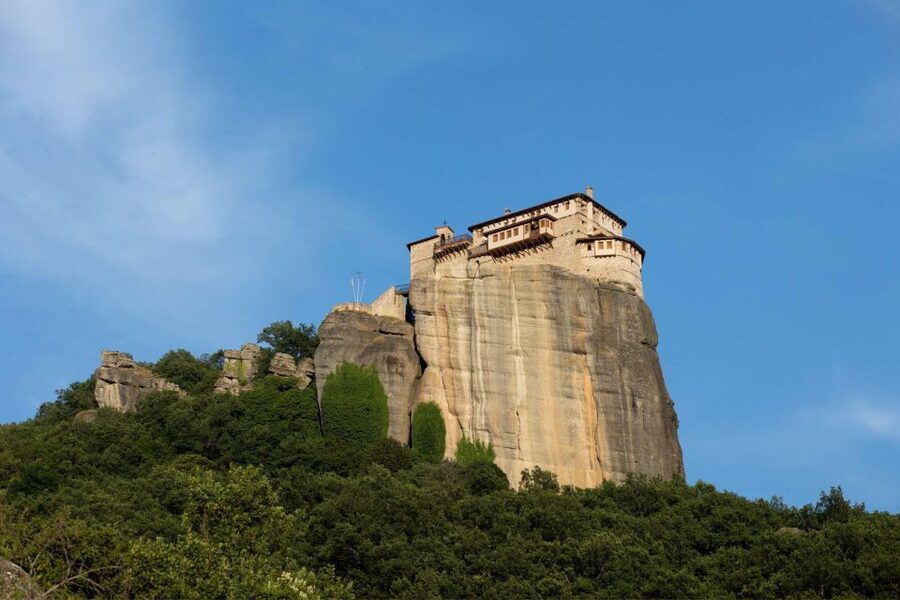
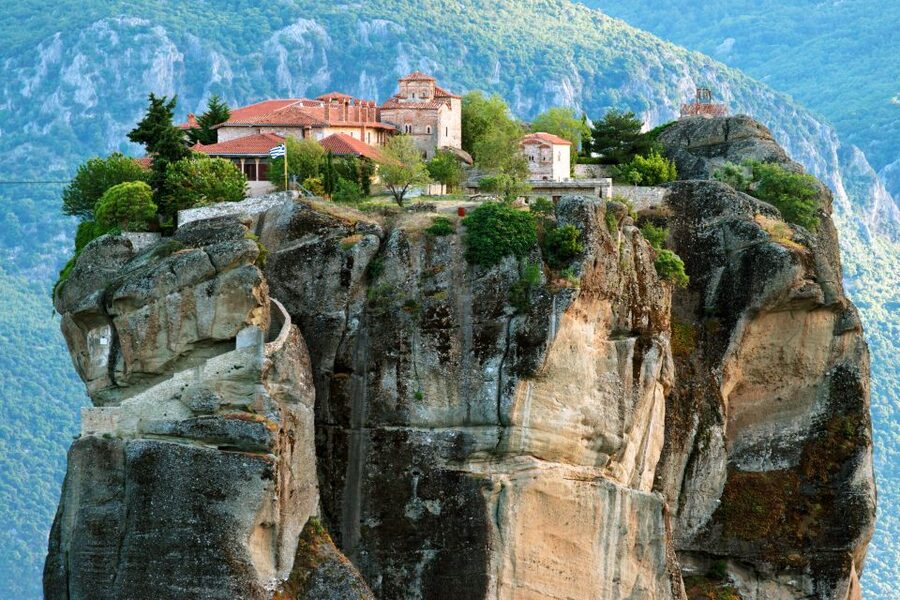
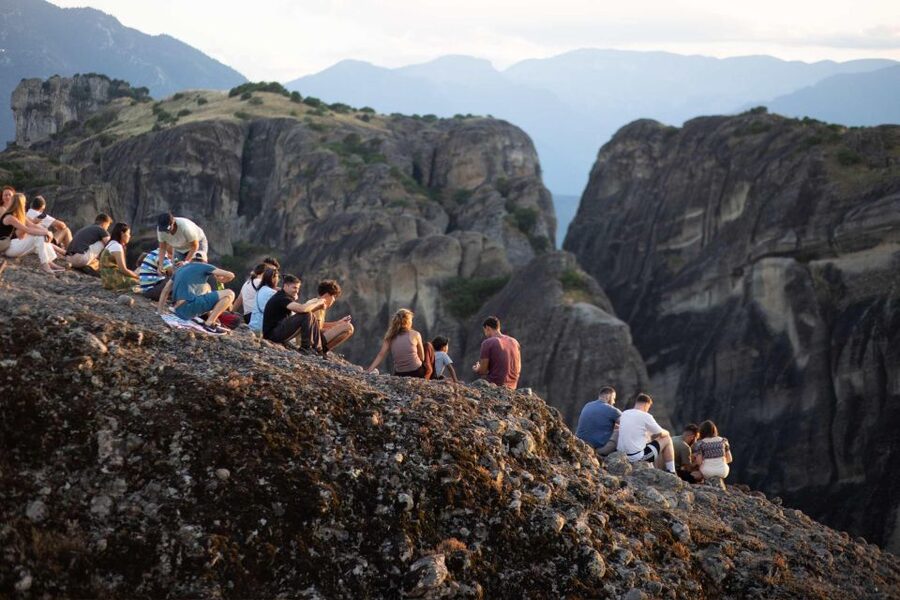
Meteora changes the mood of the entire tour. The monasteries sit on tall sandstone pillars above Kalambaka, reached by a dramatic mountain road. The rock formations were shaped by natural forces over time, while the monasteries were built high above the valley by Eastern Orthodox monks seeking isolated places for worship.
You will visit the most important monastery complex in Greece, with time to take in both the buildings and the views. The setting is the main attraction, but the religious purpose gives it meaning. This is not simply a scenic overlook. It is a living spiritual place, and respectful clothing is required.
Pack accordingly. Shorts are not allowed, short skirts are not suitable, and long-sleeved tops are requested for female visitors. If your clothing is borderline, you may find the visit uncomfortable or restricted. Modest clothing is the safest choice for the entire morning.
Meteora is also where the group dynamic may change. Some departures use a larger group for this section, which can make it harder to hear the guide or move through the site at your own pace. That is worth knowing if you prefer small-group touring. The scenery remains impressive, but the visit can feel less personal when numbers increase.
The return journey includes an optional stop at a factory producing Byzantine-style icons. The details of that visit can vary, so treat it as an add-on rather than a reason to book the tour. You then pass the monument to Leonidas, the Spartan king, before arriving back in Athens in the late afternoon.
That final stop is a fitting reminder of how much ground you have covered. In four days, you have moved from Bronze Age palaces and classical sanctuaries to an Orthodox monastic world.
Guides, buses, and the pace of the trip
The tour uses a luxury air-conditioned bus, with charging points reported on at least one departure. The drivers have earned repeated praise for smooth, careful driving. Stelios, Evan, George, and drivers working with guides such as Sofia and Panaiota have been singled out for professionalism and care.
That matters on this route. The roads between the sites are long and sometimes winding, and a calm driver makes a real difference. You can sit back, watch the scenery, and let someone else handle the route.
The guide is just as important. Names associated with especially strong departures include Dozia, Christina Stamou, Angela, Sofia, Ivan, and Panaiota. Their strengths have included Greek mythology, archaeology, history, culture, practical help, and keeping a steady pace.
Do not assume every departure will feel identical. The exact guide, group size, and hotel assignments can vary. If you care most about a small group, ask what is planned for your date, especially for Meteora.
What the $742 price really includes
At $742 per person, this is a substantial purchase, but the price covers more than transport. You receive three nights of accommodation, breakfast, dinner, entrance fees, the guide, and the long-distance bus. Connecting all five main sites independently would take careful planning, several hotel bookings, and your own transport.
The value is strongest if you want convenience. You do not need to work out how to reach Olympia, Delphi, and Meteora in a single route. You also avoid buying separate tickets at each archaeological site.
There are still extra costs. Lunch, drinks, personal purchases, and the hotel accommodation tax are not included. The tax is listed as €5 per room per night for three-star hotels and €10 per room per night for four-star hotels. Since the tax is charged per room, the amount per person may depend on how many people share.
The included dinners also help. You can finish a full day without hunting for a restaurant, though meal quality and hotel standards can vary by stop. One Olympia hotel has received especially strong praise, while the other properties may be more basic depending on the selected category.
Who should book this four-day Ancient Greece tour?
I would choose this tour if you want a broad introduction to mainland Greece and prefer a guide to explain what you are seeing. It suits people interested in mythology, archaeology, ancient sport, religion, and Greek geography.
It is also a good option if you are staying in Athens and do not want to rent a car. The pickup service covers most centrally located Athens hotels, or you can meet at the supplier’s office before departure.
I would think twice if you need lots of free time, dislike long bus journeys, or want to choose every meal and hotel yourself. The schedule is full, and the sites deserve more time than four days can provide.
The tour is not suitable for wheelchair users. You should also be comfortable with walking over uneven archaeological ground and climbing at least some slopes and steps, especially at Delphi and Meteora.
Practical tips for making the most of it
- Bring sturdy walking shoes for ruins, sloping paths, and monastery access.
- Pack modest clothing from the start, especially long sleeves and a skirt or trousers below the knee.
- Carry water and snacks for breaks, since food and drinks are not allowed on the bus.
- Keep your camera ready for the Corinth Canal, the coastal road near Nafpaktos, Delphi, and Meteora.
- Ask your guide to explain the difference between myth, later tradition, and confirmed archaeology.
- Choose the three-star or four-star hotel option based on comfort needs, not only price.
- Remember that a double or triple room is standard. Book separately if you need a single room.
- Use the flexible cancellation option if your plans are still changing. Cancellation is available up to 24 hours before departure for a full refund, and you can reserve without paying immediately.
Should you book it?
Book this tour if you want the maximum number of major mainland Greek sights in a short period, with transport, meals, hotels, and admission handled for you. The strongest parts are the range of sites, the care of the drivers, and the quality of guides on many departures.
Skip it if your ideal Greek holiday means slow mornings and long lunches. The price is fair for the amount included, but you are paying for coverage and convenience, not a leisurely pace. For a first trip beyond Athens, though, this four-day route offers an unusually full look at Greece’s ancient sanctuaries and its later mountain monasteries.
FAQ
What sites are included in the four-day tour?
The route includes Epidaurus, Nafplio, Mycenae, Olympia, Delphi, Arachova, Meteora, and the monument to Leonidas on the return to Athens.
Are meals included?
Breakfast and dinner are included. Lunch, drinks, and personal expenses are not included.
Are entrance fees included?
Yes. Entrance fees for the scheduled sites are included in the tour price.
What type of transport is used?
You travel by luxury air-conditioned bus. Charging points have been available on some buses.
Which languages are available?
The tour has live guides in English and Spanish.
Where does the tour stay overnight?
You spend the first night in Olympia, the second night in Delphi, and the third night in Kalambaka below Meteora.
What clothing is required at Meteora?
Shorts are not allowed, short skirts should not be worn, and long-sleeved tops are requested for female visitors entering the monasteries.
Is hotel tax included?
No. The tax is paid directly to the hotel. It is listed as €5 per room per night for three-star hotels and €10 per room per night for four-star hotels.
Latest history tours reviewed in Athens
- From Athens: Ancient Olympia Full-Day Private Tour★ 4.8 · 22 reviews
- From Athens: Explore Ancient Corinth & Charming Nafplion★ 4.6 · 102 reviews
- Athens: Women in Ancient Greece★ 5.0 · 98 reviews
- Athens: The History of Greek Mythology Private Tour★ 4.7 · 53 reviews
- Athens: Ancient Corinth & Nafplion Guided Premium Tour★ 4.7 · 237 reviews
- Athens: Roman Agora & Ancient Agora E-ticket & 2 Audio Tours★ 4.1 · 107 reviews
- Athens: Kotsanas Ancient Greek Technology Museum Guided Tour★ 5.0 · 29 reviews
- Athens: Be an Ancient Sculptor: Craft Your Greek Masterpiece★ 5.0 · 26 reviews
Athens History Tours, compared.
Historical Delphi One Day Tour with Arachova Stop & Expert Guide
Read our review →
From Athens: Ancient Corinth Day Trip with Canal & VR Guide
Read our review →
Historic Athens: Small Group Electric Bike Tour
Read our review →
Acropolis, Parthenon & Athens Old City Heritage Walking Tour
Read our review →
Private Biblical Tour Ancient Corinth & Isthmus Canal from Athens
Read our review →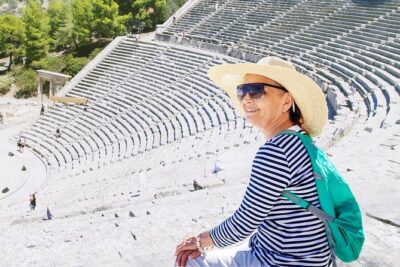
Athens: Ancient Corinth & Nafplio Full Day Trip with Swim
Read our review →
Browse the lists this tour appears in