
Review · WASHINGTON DC
Smithsonian Museum of Natural History – Exclusive Guided Tour
The best reason to book this tour is simple: the Smithsonian National Museum of Natural History is huge, and two hours can disappear fast. A good guide gives you a clear route through the Hope Diamond, mummies, dinosaurs, mammals, and Ocean Hall instead of leaving you to wander past hundreds of displays without a plan.
I like the personal format, which lets the guide adjust the pace and answer your questions. I also like the storytelling. Guides including Leigh, Meghan, Christopher, Rebecca, and Amanda have been praised for making science understandable, keeping children involved, and helping visitors find the major exhibits in a crowded building.
The main drawback is the price: $89.67 per person for about two hours is a serious cost, especially for a large family. You also see only a selection of the museum, so plan to return on your own if you want time with smaller exhibits.
Key points to know before you book
- The Hope Diamond opens the tour with a famous 46-karat blue stone, plus other major gems such as the Dom Pedro Aquamarine.
- The route covers several big themes, from Egyptian mummies and mammals to dinosaurs, a live coral reef, and the 45-ton whale replica Phoenix.
- A private guide keeps the visit focused, which matters in a museum covering an area compared with 18 football fields.
- The experience works well for families, with guides adjusting the discussion for children and teenagers.
- Morning and afternoon start times are available, making it easier to fit into a day of sightseeing in Washington DC.
- The museum admission is listed as free, so the price mainly pays for the guide, planning, and personal attention.
Why a guide helps in an 18-football-field museum
The National Museum of Natural History is not a quick stop. Its collections contain 126.5 million artifacts, and even a full day would not cover everything. You can certainly walk in and explore alone, but the sheer scale makes it easy to spend too long in one gallery and miss the displays that give the museum its identity.
This two-hour route solves that problem. You meet at 1010 Madison Drive NW, then follow your guide through selected highlights. The aim is not to inspect every case. It is to build a readable story about Earth, life, death, and human curiosity.
That structure is especially useful on a first visit. Guides have been praised for showing more in two hours than families expected to see in a full day alone. They also help with crowd movement, which can matter on busy holiday weekends or during popular times of day.
I would think of the tour as an introduction rather than a complete museum visit. Afterward, you can return to the section that caught your interest. One family, for example, used the remaining time to go back to the minerals and gems after the child became fascinated by that collection.
More Museum and Gallery History Tours in the USA
- New York City: American Museum of Natural History Ticket
★ 4.5 · 15,447 reviews - American Museum of Natural History Admission Ticket
★ 4.0 · 1,931 reviews - Guided African American History Tour with Reserved Museum Entry
★ 4.5 · 1,180 reviews
Starting with the Hope Diamond and major gems
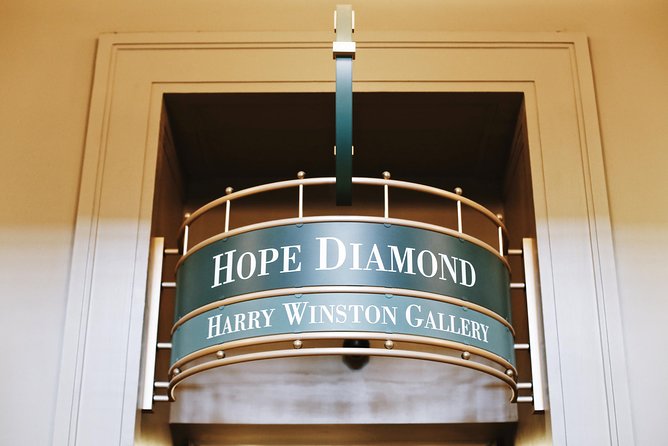
The opening mineral and gem displays provide an easy way into the museum. The famous Hope Diamond is the headline object, with its large blue stone and 46-karat weight. Its links to former owner Marie Antoinette add a story that turns a piece of geology into an object tied to royal life and old European history.
The Dom Pedro Aquamarine gives the guide another strong subject. It is described as the world’s largest gem of its type and is known for its brilliant internal glow. These displays work well at the beginning because you can appreciate them quickly, yet they also raise larger questions about how minerals form, why color matters, and why certain stones become famous.
The gem section is also a good test of the guide’s style. A weak visit would simply identify the stones and move on. The best guides use the objects to tell short stories and explain details you might miss on a self-guided walk.
You should not expect a long, technical geology lesson in this two-hour format. The group needs to keep moving. If gems are your main interest, tell your guide early so the time can be adjusted when possible, and plan to return afterward.
Egyptian mummies and the meaning of burial
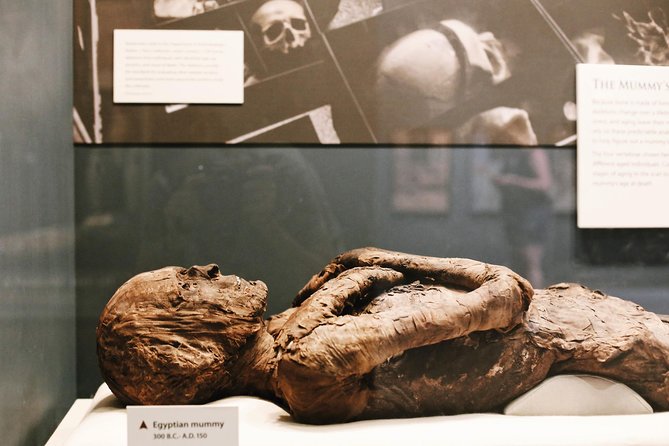
The next part reaches back to ancient Egypt through real mummies and displays about death rituals. This section can be more rewarding with a guide because the objects need context. You are not only looking at preserved bodies. You are learning how the ancient Egyptians understood death, the soul, and the need to protect the physical body.
One particularly useful explanation concerns the length of Egyptian civilization. It lasted for more than 3,000 years, so it should not be treated as one fixed culture with one unchanging view of life after death. A guide can help you see the burial practices as part of a long story rather than a row of mysterious cases.
This stop may appeal to adults and older children more than very young children, though the family reviews show that guides can adjust their presentation. If your group includes children, you can ask the guide to keep the explanation clear and age-appropriate.
The museum’s quiet or restricted areas also matter here. Some rooms require visitors to keep their voices low or limit speaking. Your guide will explain those rules before you enter, so you are not caught off guard.
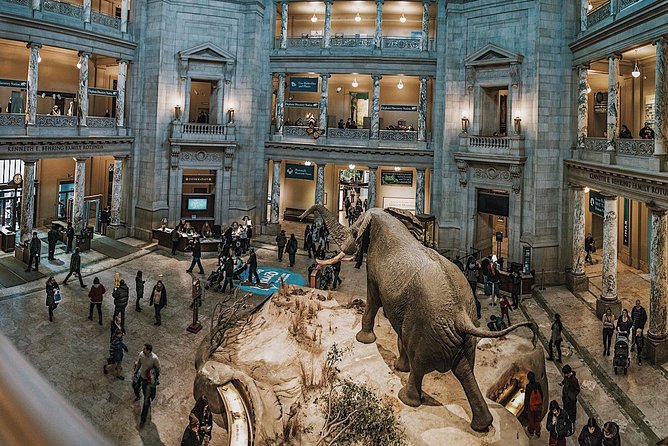
Mammals, Henry the elephant, and the animal galleries
From ancient burial customs, the route shifts to living creatures. Polar bears, elephants, and giraffes make this section more immediate, especially for children who may need a change after the mummies and minerals.
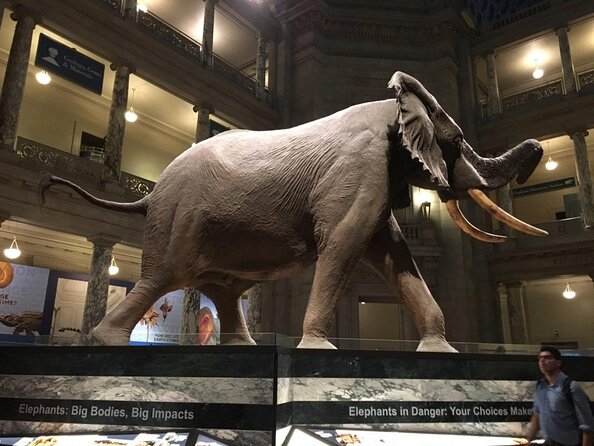
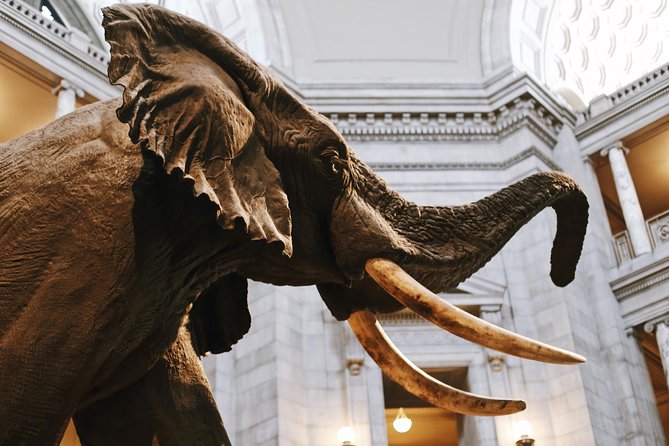
Henry the elephant is one of the displays that guides use to give the animal galleries a clear focal point. The value here is not only seeing a large taxidermy specimen. It is hearing the details that connect the exhibit to animal size, adaptation, and the way museums preserve examples of life from around the world.
This part tends to suit mixed-age groups. Parents can follow the science, while children have recognizable animals to look at. Several guides, including Donna and Christopher, have been praised for keeping children engaged by asking what interests them and adjusting the route around those interests.
The pace can be brisk. Two hours is enough for the headline mammals, not every case. If you want a quiet look at each animal, you may feel hurried. The benefit is that you get a strong first pass and a list of places worth revisiting.
Same old streets, another chapter:
- History and Hauntings of Salem Guided Walking Tour
★ 5.0 · 14,564 reviews - Charleston’s Old South Carriage Historic Horse & Carriage Tour
★ 5.0 · 10,023 reviews - Beneath The Streets Underground History Tour
★ 4.5 · 8,006 reviews - Big Island in a Day: Volcanoes Waterfalls Sightseeing and History
★ 5.0 · 6,569 reviews
Dinosaurs, Megalodon, and the story of extinction
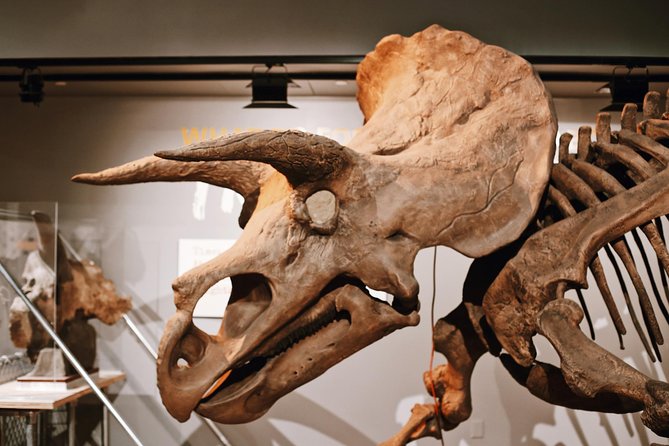
The dinosaur section gives the tour another change of mood. Guides may explain that Tyrannosaurus rex lived in the late Cretaceous period, making it closer in time to modern humans than to the Jurassic dinosaurs often shown alongside it in popular culture.
You may also hear an important correction to an old schoolbook idea: dinosaurs are not simply extinct reptiles, since modern birds are their descendants. That kind of detail is exactly where a guide earns the fee. It takes something familiar and makes you look at it again.
The route can also include Megalodon, one of the memorable points mentioned by families and couples. Its size makes it an easy exhibit to remember, and it gives the guide a chance to discuss ancient marine life and the changing history of Earth’s oceans.
Another strong story concerns the asteroid impact 66 million years ago. The explanation includes the claim that the event wiped out 75 percent of life on Earth within three weeks. It is a sobering example of how quickly conditions can change, and it gives the dinosaur displays a wider purpose beyond spectacle.
Science-heavy sections benefit most from an engaging guide. Leigh, Christopher, Tim, and others have been praised for connecting facts into a story instead of presenting isolated labels. That said, the exact route and time in each room can vary with crowds and changing collections.
Ocean Hall, coral, and the whale replica Phoenix
The final move from land to sea brings you to Ocean Hall. Here you can see a live coral reef exhibit and Phoenix, a 45-ton whale replica based on a real whale tracked by the museum.
Ocean Hall works well near the end because it changes the scale and setting once again. After gems, mummies, mammals, and dinosaurs, you are looking at marine life and the work scientists do to follow animals in the wild. The live coral display adds movement and color, while the whale gives the room a sense of size.
This is another good section for families. The whale is easy to spot, and the coral reef offers something less static than a fossil or mineral display. You may want extra time here, but the guided route has to keep moving toward the end of the two-hour session.
The tour ends back at the meeting point. That makes the experience tidy, but it also means you should not assume you will automatically have extra time inside the museum after the guide finishes. If Ocean Hall is your priority, say so early.
How the private format changes the visit
The standard experience is designed for your own group, with a guide focused on you rather than a large public crowd. That personal format is useful when interests differ. One person can ask about geology, another about Egypt, and a child can steer the group toward animals or dinosaurs.
Guides have been praised for keeping everyone involved even when other people ask questions nearby. That does not mean the museum will feel empty. You are still moving through a public institution, and busy rooms may force you to pause or reposition to hear clearly.
A private upgrade is available for a fully personalized experience. The booking information also lists a save-money semi-private option, which does not include a guide exclusively for your group and is not wheelchair friendly. Check the exact option carefully before paying, since the format affects both attention and accessibility.
Names that appear often in the tour feedback include Meghan, Leigh, Christopher, Rebecca, Amanda, Donna, Tim, Ryan, Brenda, and Lynn. You cannot assume a particular guide will lead your date, but the range of praised guides suggests that the experience depends strongly on the person assigned.
Is $89.67 per person good value?
The museum itself is listed with free admission, so the $89.67 price is paying for direction, interpretation, and time management. That is not a bargain if you only want to see one favorite exhibit. You can enter the museum without paying for a guided experience and explore at your own pace.
The price makes more sense if you are visiting Washington for a short stay or if the museum feels overwhelming. A guide can take you directly to the major displays, explain what you are seeing, and keep the group moving. For a family, the cost may also buy something less obvious: fewer arguments about where to go next and less time spent studying a map.
The value is strongest for first-time visitors, families, and adults who prefer stories to display labels. It is weaker for repeat visitors who already know the museum or people who want to spend an hour on one specialized collection.
You should also consider group size and family needs. The tour is priced per person, so a large group can face a steep total. A toddler may not manage two focused hours easily, and a child who needs food or water may shorten the museum visit. The guided structure helps, but it cannot remove normal family limits.
Timing, meeting point, and practical details
You can choose a morning or afternoon start. Morning is useful if you want the rest of the day for another museum or monument. Afternoon may suit you if you prefer a slower start, but allow enough time to reach 1010 Madison Drive NW.
A mobile ticket is provided, and the tour is offered in English. It is near public transportation, but hotel pickup and drop-off are not included. You make your own way to the meeting point and return there when the activity ends.
Bring only what you need. Large bags and suitcases are not allowed inside. Handbags and small, thin backpacks can pass through security, but added security checks may still create lines even when a tour promises quick access.
Wear suitable clothing for museum entry, and expect a moderate amount of walking and standing. The main tour is wheelchair friendly, but that does not apply to the save-money semi-private option. Provide a mobile phone number with the country code when booking so the operator can contact you.
Museum rooms and collections can change during the year. Occasional closures can also happen without warning. If the opening time is delayed by more than an hour, an appropriate alternative may be offered, but the stated terms do not promise a refund or discount in that situation.
Who will get the most from this tour?
I would choose this tour for a first visit to Washington’s natural history museum, especially if you have only two hours. It is also a strong match for families with school-age children who need a clear route and frequent changes of subject.
It suits you if you like asking questions. Guides have handled topics ranging from gemstones and Egyptian beliefs to caterpillar transformation, dinosaur evolution, asteroid impacts, and marine life. That range can make the museum feel connected rather than scattered.
Couples and solo visitors can benefit too, particularly if they prefer a lively explanation to reading every panel alone. The tour can also help you decide which galleries deserve a longer return visit.
I would hesitate if you dislike guided pacing or want complete control over every stop. The museum has too much to cover in two hours, and the guide must choose highlights. I would also think twice if the price is a strain, since the building is free to enter and self-guided exploration remains a sensible option.
Should you book the Smithsonian Natural History tour?
Book it if you want a fast, well-organized introduction to a very large museum and value a guide who can turn isolated objects into memorable stories. The Hope Diamond, Dom Pedro Aquamarine, mummies, Henry the elephant, dinosaurs, Megalodon, coral, and Phoenix make a strong two-hour route.
Skip it if you already know the museum, prefer slow independent study, or need to keep costs low. For everyone else, the guide is most useful as a starting point: get the big picture first, then return to the minerals, fossils, or Ocean Hall that caught your attention.
Free cancellation is available up to 24 hours before the start time. Changes or cancellations made less than 24 hours ahead are not accepted for a refund.
FAQ
How long does the Smithsonian Natural History tour last?
The tour lasts approximately two hours.
How much does the tour cost?
The listed price is $89.67 per person.
Is museum admission included?
The activity details list admission as free. The paid part is the guided experience.
Is the tour private?
The activity is described as a private tour for your group. A save-money semi-private option is also available, but it does not include a guide exclusively for your group.
What language is the tour offered in?
The tour is offered in English.
Where does the tour begin and end?
It begins at 1010 Madison Drive NW, Washington, DC 20004, and ends back at the meeting point.
Are morning and afternoon departures available?
Yes. You can choose between morning and afternoon start times.
Can I cancel for a full refund?
Yes, if you cancel at least 24 hours before the experience start time. Cancellations made less than 24 hours ahead are not refundable.
Latest history tours reviewed in the USA
- Franklin: Ghost Tour in Historic Franklin★ 4.8 · 65 reviews
- Fort Worth: Stockyards History Tour Pub Crawl★ 4.8 · 39 reviews
- Downtown Flagstaff Haunted History Walking Tour★ 4.7 · 46 reviews
- New York City: Flatiron Food, History, and Architecture Tour★ 4.8 · 43 reviews
- Fairbanks: Gold Dredge 8 Historic Train Tour★ 4.7 · 219 reviews
- Fairbanks: Private Mush on the Historic Yukon Quest Trail★ 5.0 · 30 reviews
- Charleston:Evening Haunted History Horse-Drawn Carriage Tour★ 4.7 · 38 reviews
- Philadelphia: Valley Forge National Historical Park Tour★ 4.9 · 39 reviews
Washington DC History Tours, compared.
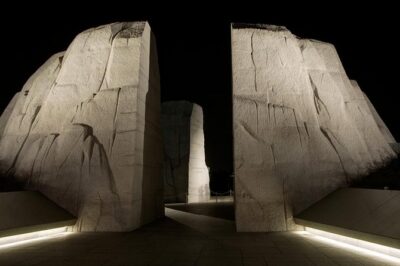
Guided African American History Tour with Reserved Museum Entry
Read our review →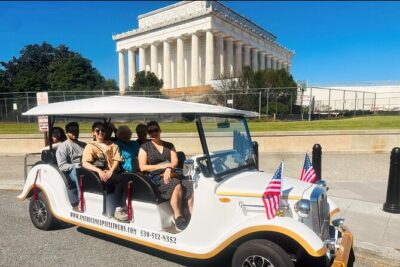
DC Monuments & History Guided E-Cart Tour-Blankets
Read our review →
African American History Tour with Museum of African American History Ticket
Read our review →
Washington, DC: African American History Tour & Museum Entry
Read our review →
D.C: Monuments & History Guided Open-Air Bus Tour-Day &Night
Read our review →
DC: Georgetown History & Architecture Tour with Local Guide
Read our review →Browse the lists this tour appears in