
Review · WORLDWIDE
Buenos Aires: San Telmo, History, Bars, and Tango!
San Telmo is where Buenos Aires feels most like a living scrapbook. In 150 minutes, you follow old streets from the Santo Domingo Convent to Mafalda, tango venues, the San Telmo Market, Plaza Dorrego, Lezama Park, and the National Historical Museum. Guide Miguel adds the local stories that turn façades and plazas into something more than photo stops.
I like the small group, limited to six people, and I like the focus on everyday places: historic cafés, pizzerias, antique shops, and bars such as Nápoles. The tour also explains the difference between a tanguería and a milonga, a useful detail if tango is on your Buenos Aires wish list. The main drawback is pace. There are many stops, and the walk may be tiring in hot weather or difficult for anyone with limited mobility.
Key points at a glance
- Miguel leads in Spanish, with clear explanations and extra care for non-native speakers.
- The route links major San Telmo sights, from the Santo Domingo Convent and Mafalda Statue to Plaza Dorrego and Lezama Park.
- Tango gets practical context, including the difference between a performance venue and a social dance hall.
- Historic food and drink spots matter here, with stops near bars, pizzerias, and Nápoles.
- The group has no more than six participants, so questions are easier and the walk feels personal.
- The $20 price is strong value, provided you are comfortable with a long, mostly outdoor walk.
Why San Telmo makes a good walking tour
San Telmo is Buenos Aires’ oldest neighborhood, and its appeal comes from the way several eras sit close together. You move past religious buildings, old commercial streets, tango venues, market stalls, museums, and grand civic architecture without needing a bus or taxi between each stop.
That makes this a useful first look at the neighborhood. You are not only ticking off sights. You are learning how San Telmo connects to Argentine identity, popular culture, immigration, religion, music, and food.
The tour begins at Avenida Belgrano and Defensa, next to the Santo Domingo Convent. Your guide Miguel waits there. Since the route is in Spanish, you should be comfortable following a Spanish-speaking explanation. One useful point from the guide’s approach is that he takes care to explain terms clearly, including for people who are not native Spanish speakers.
The group limit matters. With six people or fewer, Miguel can answer questions without stopping a large crowd, and you have a better chance of hearing details on busy streets. This is a more personal format than a large city walk, though it also means the tour depends heavily on the guide’s style and the group’s walking pace.
More History Tours in the world:
- New York City: American Museum of Natural History Ticket
★ 4.5 · 15,447 reviews - History and Hauntings of Salem Guided Walking Tour
★ 5.0 · 14,564 reviews - Colosseum: Underground and Ancient Rome Tour
★ 4.7 · 12,691 reviews
From Otto Wulff to Santo Domingo Convent
The first architectural stop is the Otto Wulff Building. You get a photo opportunity and a guided introduction before continuing toward the Santo Domingo Convent and the Basilica of Our Lady of the Rosary of the Defense and Reconquest of Buenos Aires.
The convent and basilica give the walk an early sense of place. This is not just a quick exterior glance. The schedule allows about 15 minutes for a visit and explanation, so you can look more closely and hear why the building matters.
Religious architecture can be easy to skim past when you are walking through a city. Here, Miguel provides a reason to pause. The stop also helps establish the older side of San Telmo before the route shifts to comic characters, tango, markets, and cafés.
You should expect a walking tour rather than a series of long indoor visits. The emphasis is on seeing the buildings in context and moving through the neighborhood on foot.
Mafalda and the popular face of Buenos Aires
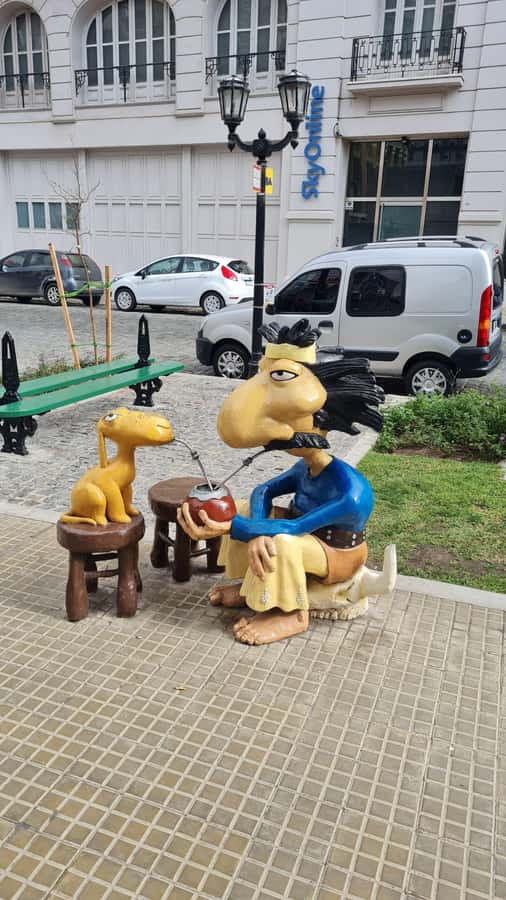
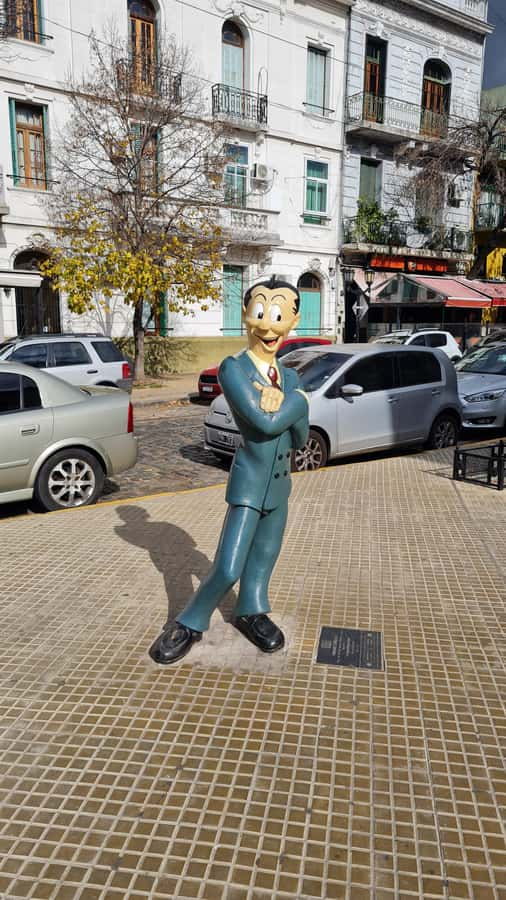
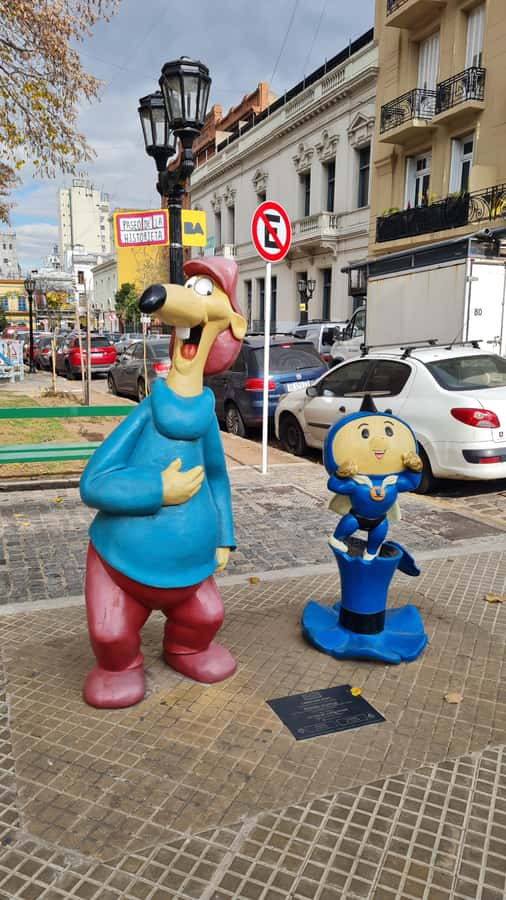
The Mafalda Statue is one of the route’s most memorable stops. The beloved comic character is part of daily Argentine culture, and the statue gives you a simple way into that world.
You have about 20 minutes for the Mafalda stop, including sightseeing and explanation. That is generous compared with a quick photograph. Miguel also covers famous comic characters, which adds local context if Mafalda is new to you.
This is one of the places where San Telmo feels personal rather than grand. A small statue can tell you plenty about how a city sees itself. It is also a practical photo stop, so have your camera ready without letting the picture become the whole point.
The walk then passes El Viejo Almacén, a well-known tango dinner show. You are not attending a full performance as part of this activity, but the stop gives Miguel a chance to explain San Telmo’s tango culture and point out one of its recognizable venues.
Tango terms, venues, and old city nightlife
Tango is not treated as decoration here. The tour explains the difference between a tanguería and a milonga. A tanguería is generally associated with a staged tango show, while a milonga is a place connected with social tango dancing. Knowing that distinction helps you choose future tango plans with less guesswork.
That is a useful feature for anyone interested in Argentine music and dance. Many city tours simply point at a tango sign and move on. This one gives you vocabulary and context that can help you understand what you see later in Buenos Aires.
The route also passes the Faculty of Engineering and the Ministry of Agro Industry. These stops may appeal most to people who enjoy architecture and city institutions. They break up the more familiar tourist sights and show how San Telmo includes civic buildings as well as old streets and entertainment venues.
The schedule allows roughly 10 minutes at each of these buildings. That is enough for a guided look and photographs, not a detailed interior tour. Keep that distinction in mind when deciding if this experience fits you.
Same old streets, another chapter:
- Lisbon: History, Stories and Lifestyle Walking Tour
★ 4.8 · 10,902 reviews - London Small Group Tour of Historical Pubs
★ 5.0 · 10,422 reviews - Prague: Oldtown, Medieval Underground & Dungeon History Tour
★ 4.3 · 10,277 reviews - Charleston’s Old South Carriage Historic Horse & Carriage Tour
★ 5.0 · 10,023 reviews
San Telmo Market and the shopping streets
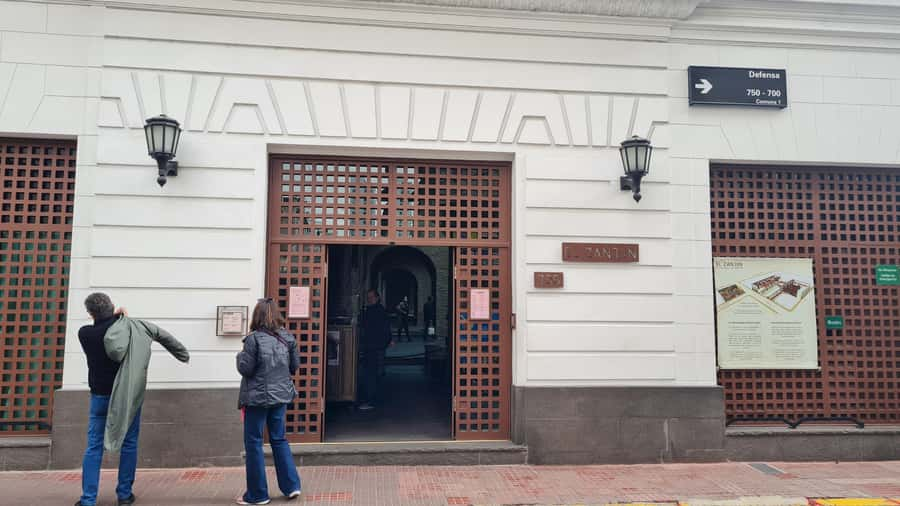
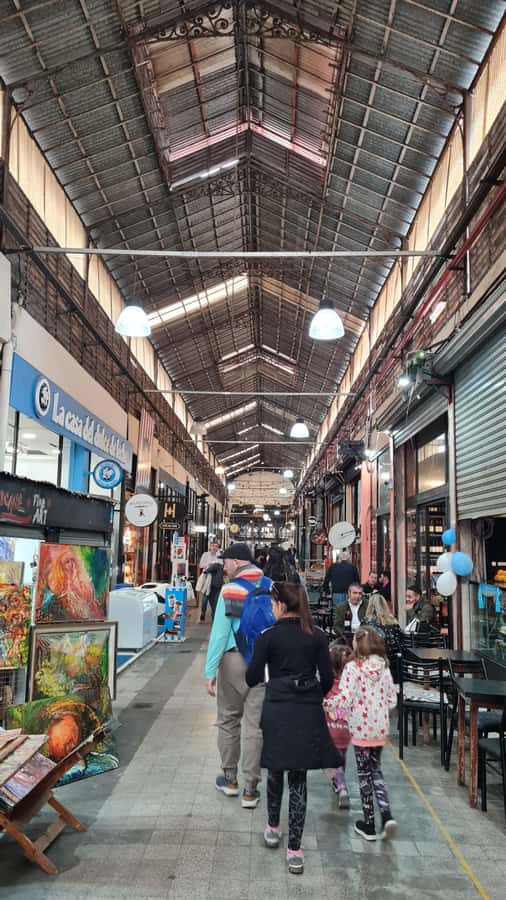
The San Telmo Market is one of the central stops, with about 15 minutes to visit, browse, and shop. The market is associated with Gustave Eiffel, a detail that gives the structure added interest beyond its food and antiques.
This is a good place to notice the neighborhood’s mix of commerce and memory. You might find food, old objects, and souvenirs in the same general setting. The market also gives you a break from looking only at façades because you can move through an active indoor space.
Fifteen minutes is not a long shopping period. You can get a first look, but you should not expect time for a slow meal or a careful search through every stall. If you want to return later, note the location and plan a separate visit.
The walk continues along Defensa Street, one of San Telmo’s key routes. Antique shops and old storefronts give the street much of its character. You are likely to enjoy this section most if you prefer browsing and street details to formal museum rooms.
Plaza Dorrego and San Pedro González Telmo
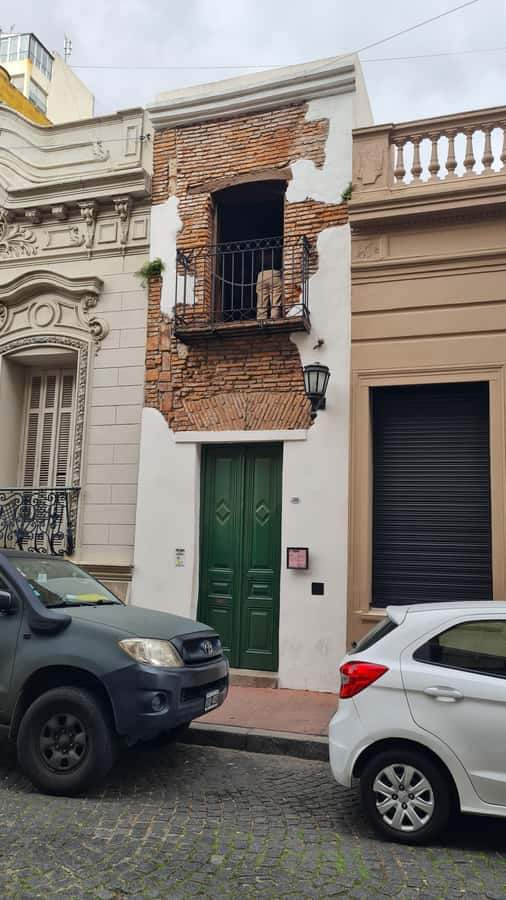
Plaza Dorrego receives about 10 minutes for photographs and explanation. It is one of San Telmo’s best-known public spaces and a natural place to pause after the market.
The plaza helps tie together several parts of the neighborhood: antiques, cafés, tango, street life, and the older urban setting. It is a compact stop, so Miguel’s commentary is important. Without context, a plaza can look like just another square. With a good explanation, you understand why it matters to the neighborhood.
The route then passes the Parish of San Pedro González Telmo. You get a guided look and a photo stop, but the visit is brief, around five minutes. This is a good example of the tour’s broad coverage. You see many places, but only a few receive extended time.
You also pass the former women’s prison, once the National Penitentiary and now connected with a museum setting. This stop adds a less polished side of local history. It reminds you that San Telmo’s past is not only churches, tango, and attractive old buildings.
Lezama Park and the first founding of Buenos Aires
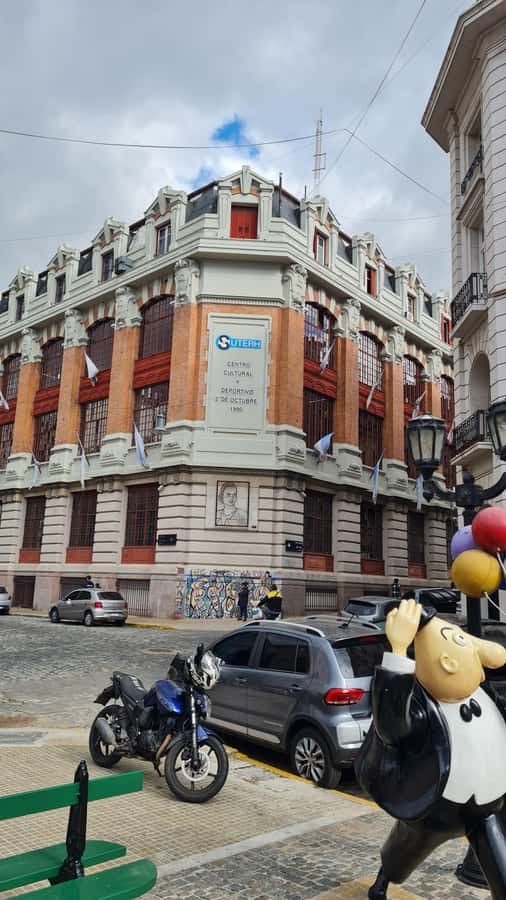
The walk continues toward Lezama Park, identified as the site of Buenos Aires’ first founding. The park includes a notable monument, and Miguel explains its place in the city’s story.
This stop changes the feel of the tour. After narrow streets, market aisles, and dense architecture, the park gives you open space and a chance to slow down. The scheduled visit is brief, about five minutes, so the value lies in the explanation rather than an extended stroll through the grounds.
The park also shows how the city’s development reaches beyond the central shopping streets. If you enjoy seeing how a city’s physical spaces connect to its past, this is an important part of the route.
Nearby, the Russian Orthodox Church of the Holy Trinity adds another striking architectural note. Its domes make it easy to recognize, and Miguel gives a guided explanation while you pass by. Again, this is primarily an exterior stop rather than a long interior visit.
For photographers, the church is a welcome change from the market and colonial-era buildings. For anyone with limited stamina, it is worth noting that the route keeps moving and does not offer long rest periods.
The National Historical Museum and Nápoles
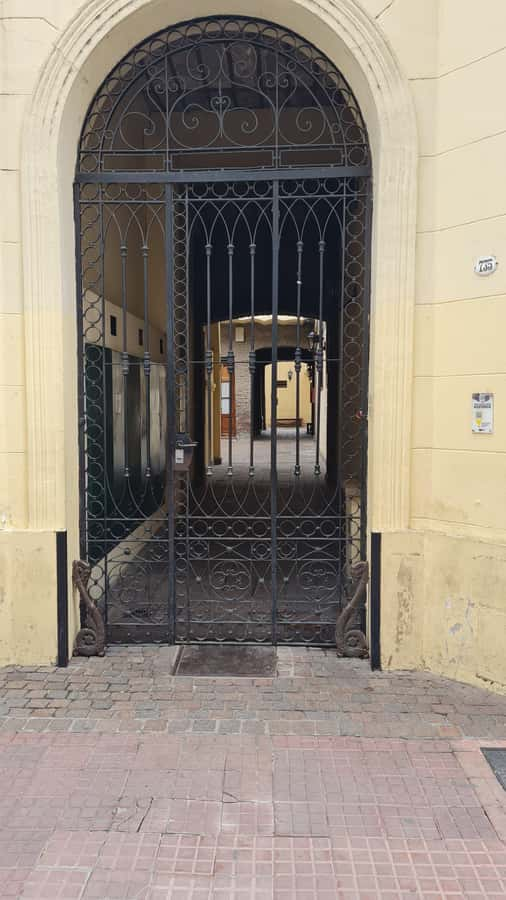
The National Historical Museum is the final major sightseeing stop. You receive a guided look and a photo opportunity, with about 10 minutes allowed.
The museum gives the route a clear closing point. By this stage, you have seen religious buildings, popular culture, tango landmarks, commerce, public spaces, and the city’s early story. The museum ties those themes to national history, even though the visit here is short.
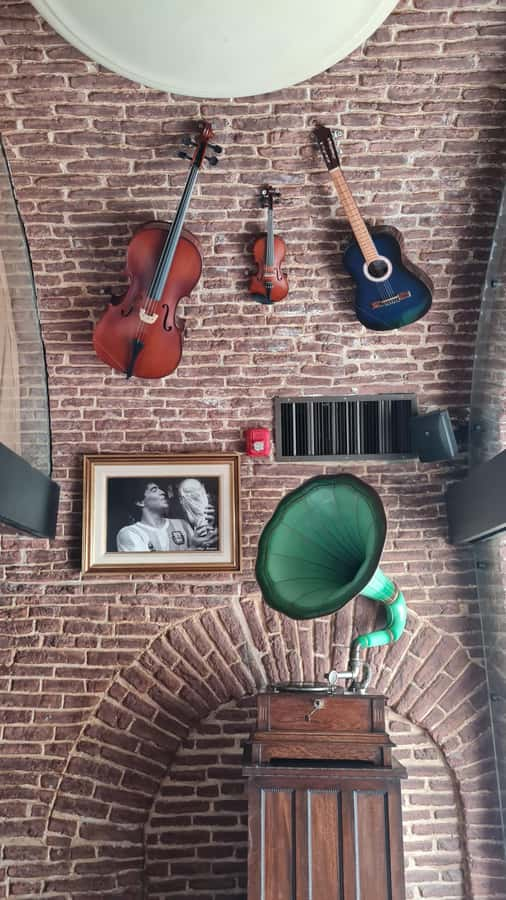
The tour finishes at Nápoles, where you have another 10-minute stop. Nápoles is known for its distinctive setting and food-oriented atmosphere, and it fits the tour’s interest in historic bars and pizzerias.
The experience does not include a meal or drink, so budget separately if you want to stay and eat. Still, ending there is practical. You finish near a place where you can continue the evening rather than being left at an isolated street corner.
What the two and a half hours really include
The advertised duration is 150 minutes. The included walk is described as two hours with a 10-minute pause for restroom use, so you should allow roughly two and a half hours overall. The schedule includes many short stops, not long visits at each location.
That format suits you if you want a broad introduction to San Telmo. You will see more of the neighborhood than you would on a slow, single-site visit. It is less suitable if you prefer to spend an hour inside a museum, eat at the market, or browse antique shops without watching the clock.
The route is mostly on foot, with no transport included. Wear comfortable shoes, bring water, and use sunscreen. A hat and light, comfortable clothing will help on sunny days. The walk includes enough ground that anyone with mobility concerns should think carefully before booking.
Some areas may not be accessible for wheelchair users or people with mobility impairments. The activity specifically says it is not suitable for wheelchair users or those with mobility impairments, so this is not a minor footnote. Contact the provider before booking if you need to clarify a particular requirement.
Is $20 good value in Buenos Aires?
At $20 per person, this is a strong value if you want a guided introduction rather than independent wandering. You get 150 minutes, a Spanish-speaking local guide, a route covering many major San Telmo sights, and a group limited to six.
The value comes from the connections Miguel makes between places. Otto Wulff, Mafalda, tango, the market, Plaza Dorrego, Lezama Park, and Nápoles could easily feel like unrelated stops. A guide gives you a thread to follow.
You should not judge the price by the number of buildings you enter. Most stops are exterior visits or short guided pauses. The fee pays for local explanation, route planning, and a small group, not for museum admission, food, tango tickets, or a full tango show.
That distinction keeps expectations fair. If you want an inexpensive way to get oriented, the price works well. If you want an evening of dining and live tango, you will need to arrange those separately.
Who will enjoy this San Telmo walk?
I would choose this tour if you want:
- A first look at San Telmo with a local Spanish-speaking guide.
- A small group instead of a large crowd.
- A mix of architecture, comic art, tango, markets, churches, parks, and food stops.
- Context about Argentine culture, including tango vocabulary and famous comic characters.
- A short tour that leaves the rest of your day open.
It is especially useful early in your Buenos Aires stay. After the walk, you will know which streets, market areas, bars, and tango places deserve a return visit.
I would hesitate if your main goal is shopping, eating, or attending a tango performance. The market and bars are part of the route, but they are not extended dining stops. I would also choose another activity if Spanish is not workable for you or if a long walk is uncomfortable.
The guide’s manner is a major part of the experience. Miguel is described as warm, attentive, and careful when explaining Argentine culture. That matters in a small group, where the guide can shape the whole outing.
Should you book it?
Book this San Telmo tour if you want a lively, affordable orientation to the neighborhood and appreciate a guide who explains details instead of simply naming buildings. The small group and Miguel’s careful Spanish explanations are the strongest reasons to choose it.
Skip it if you need wheelchair access, dislike walking in the sun, or want long visits inside museums and markets. For most able-bodied visitors who want to understand San Telmo before exploring it on their own, $20 buys a useful two and a half hours, with enough local detail to make the neighborhood easier to read afterward.
FAQ
Where does the tour start?
The meeting point is next to the Santo Domingo Convent at Avenida Belgrano and Defensa. Your guide is Miguel.
Where does the tour finish?
The tour finishes at Nápoles.
How long does the activity last?
The activity lasts 150 minutes. The included walking portion is described as two hours, with a 10-minute pause for restroom use.
What language is the tour in?
The live tour is in Spanish.
How large is the group?
The group is limited to six participants.
Is the tour suitable for wheelchair users?
No. The activity is not suitable for wheelchair users or people with mobility impairments, and some areas may not be accessible.
Latest history tours reviewed in the world
- From Athens: Ancient Olympia Full-Day Private Tour★ 4.8 · 22 reviews
- From Athens: Explore Ancient Corinth & Charming Nafplion★ 4.6 · 102 reviews
- From Athens: Explore Ancient Greece 4-Day Tour★ 4.7 · 73 reviews
- From Alexandria: Full-Day Guided Tour of Historical Sights★ 4.5 · 54 reviews
- From Albufeira: Wine Tasting & Historic Silves Tour★ 4.9 · 421 reviews
- From Albufeira: Historical Algarve Region Tour★ 4.7 · 585 reviews
- Franklin: Ghost Tour in Historic Franklin★ 4.8 · 65 reviews
- Freiburg: Exciting City Tour with sightseeing and history★ 4.3 · 103 reviews