
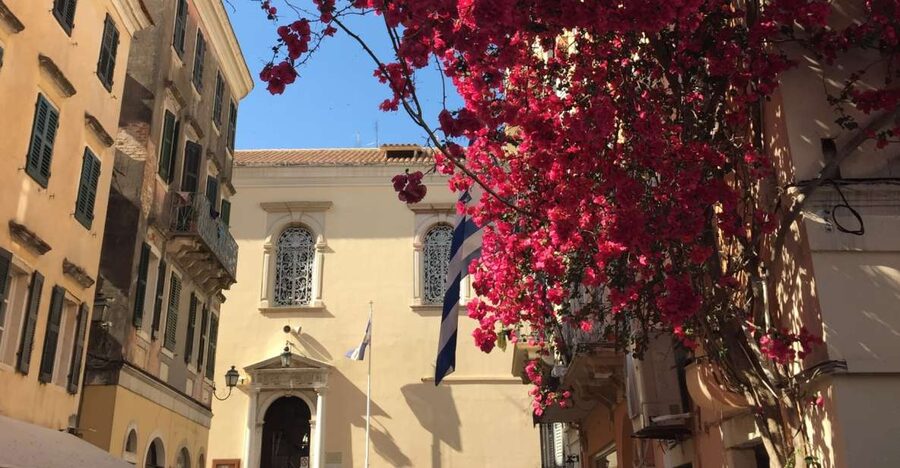
Review · GREECE
Corfu: History and Culture Walking Tour
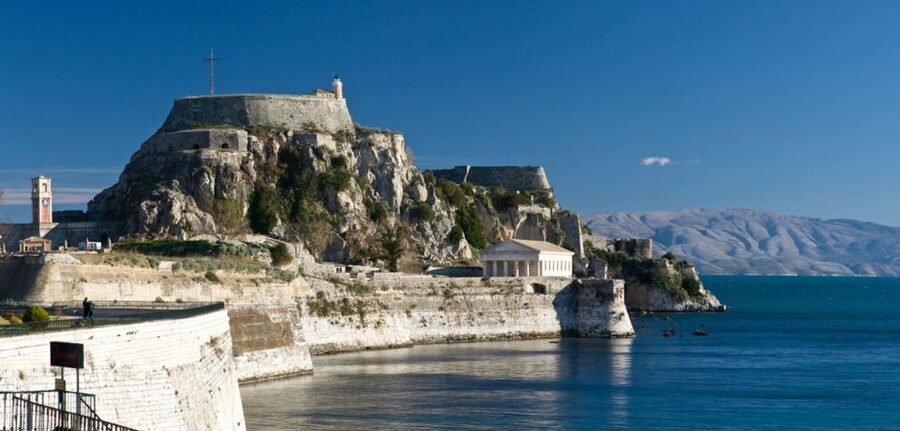
Corfu’s story is written into its stone. On this three-hour walk, you move from the Old Venetian Fortress through narrow lanes and open squares to St. Spyridon Church and Town Hall Square. The route shows how Venetian, French, British, and Greek influences shaped one compact city.
I like the small group of no more than eight, which gives you room to ask questions and lets the guide adjust the pace. I also like the mix of major sights and everyday corners, from a fortress with wide views to quieter alleys that show how Corfu Town feels away from the main flow.
The main drawback is the walking itself. There are uneven surfaces, stairs, and fortress terrain, and the tour is not suitable for people with mobility impairments. At $93, it is a serious spend for three hours, so it makes the most sense if you want a strong introduction rather than a quick photo stop.
Key points to know before you book
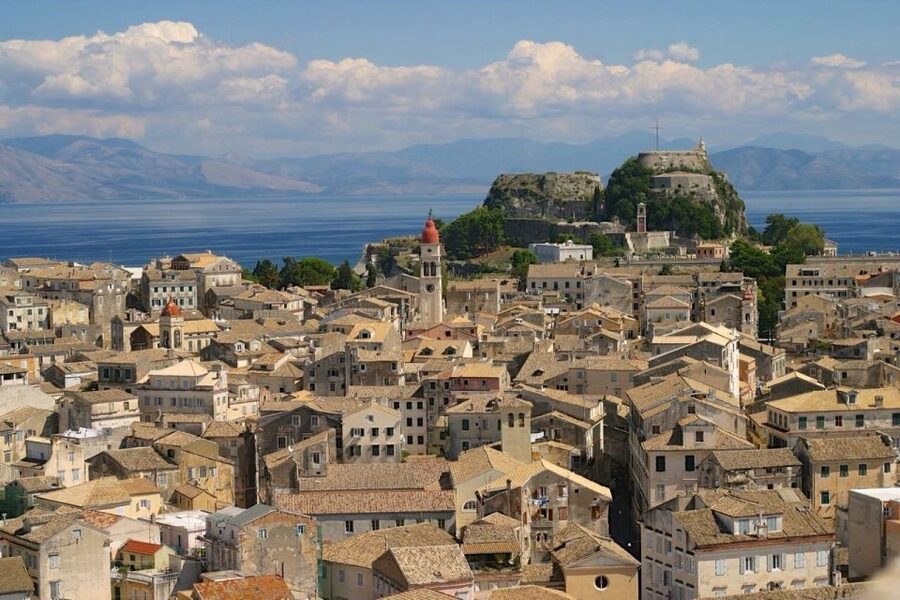
- The Old Fortress anchors the tour: Your walk begins inside Corfu’s most important Venetian defensive site, with entry included.
- The route covers several layers of Corfu: You hear about Venetian, French, British, and Greek influence rather than getting a single-period history lesson.
- St. Spyridon Church adds a living religious focus: The 16th-century Greek Orthodox church is known for its distinctive architecture and tall bell tower.
- The group stays small: With a maximum of eight people, questions and changes in pace are easier than on a large coach tour.
- Guides bring local character: Alice, Nausica, Valia, Arita, and others have been praised for clear explanations, humor, warmth, and useful restaurant suggestions.
- Comfortable shoes matter: This is a proper walking tour over historic streets and fortress ground, not a gentle stroll on flat pavement.
Why this walk helps you understand Corfu Town
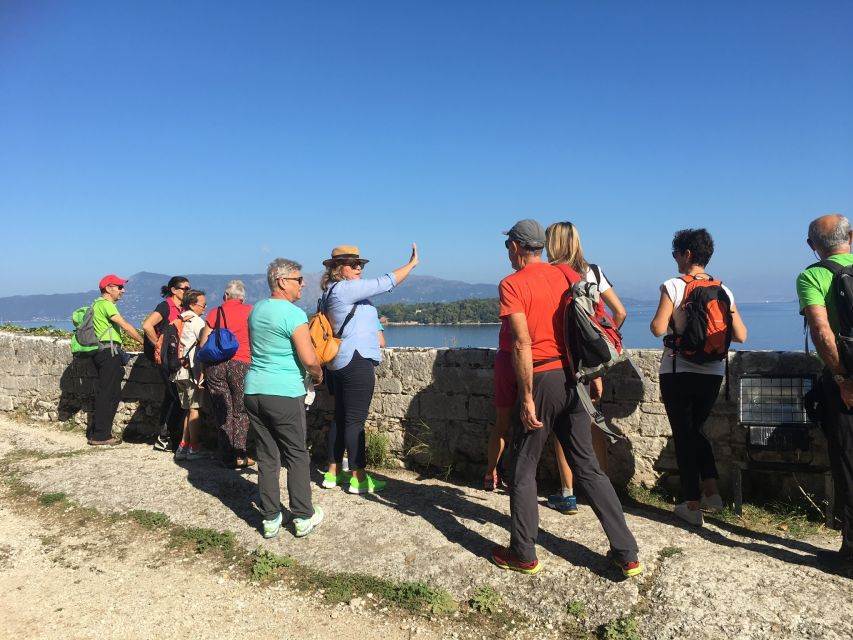
Corfu Town can look like a pleasant jumble of pastel buildings, church towers, arcades, squares, and laundry-lined lanes. Without context, you may notice the beauty but miss the reasons behind it.
This tour gives you a framework. The Venetians left their strongest mark, but they were not the only outside power to shape the island. French and British rule also affected Corfu’s buildings, public spaces, customs, and sense of identity. Your guide connects those periods to the people who live here, so the city becomes more than a collection of old façades.
I find that especially useful early in a stay. After three hours, you should have a better sense of where the historic center begins, how its main spaces connect, and which places deserve a second visit on your own. You also get a local point of reference for food and other sights. One guide recommended an Asian museum and a good lunch stop after the walk, while another bought the group a Greek coffee and shared restaurant advice.
The tone matters, too. The strongest guides on this route are not simply reciting dates. Alice has been praised for making the culture and history easy to follow. Nausica has been described as full of energy and affection for her city. Valia has helped explain the island’s different identities and traditions. Arita has brought both the fortress and Corfu’s people and heritage into the conversation.
Guide assignments can change, of course. Still, the repeated pattern is useful: this experience depends heavily on the person leading it, and the available guides appear to bring personality as well as information.
More History Walking Tours in Greece
- Acropolis, Parthenon & Athens Old City Heritage Walking Tour
★ 4.5 · 876 reviews - Athens: History of Rebellion Walking Tour
★ 5.0 · 110 reviews - Ancient Athens for Kids 4-Hour Private Walking Tour
★ 5.0 · 66 reviews
Starting at the Schulenburg statue and Old Fortress
You meet the guide by the statue of Schulenburg in front of the Old Fortress, at Agoniston Politechniou. This is a practical starting point because the first major stop is right there. You do not spend the opening part of the tour crossing town or waiting for transport.
The Old Fortress dates from the Venetian period and gives the tour a strong opening. You receive a guided visit and entrance is covered in the price. The fortress also gives you scenic views along the way, making this more than a room-by-room history stop.
The site helps explain why Corfu mattered. Its position made defense important, and the fortress is a clear example of how outside powers left physical marks on the island. Rather than seeing Venetian influence only in decorative details, you begin with military architecture and the shape of the city itself.
Allow for uneven ground and a steady amount of walking here. The supplied information does not give a precise step count or list every obstacle, but the mobility warning is clear. If stairs, slopes, or rough historic surfaces are difficult for you, this is the part to consider most carefully.
A good guide also makes the fortress feel connected to the rest of Corfu. The point is not just to inspect old walls, but to understand how Venetian control affected local customs and traditions. That wider link is one reason the tour earns strong marks for cultural content rather than serving as a basic sightseeing loop.
Through lanes, squares, and fountains
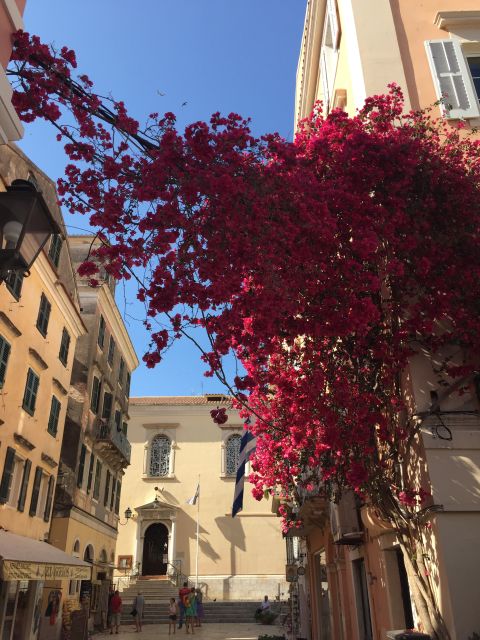
After the fortress, you walk into Corfu’s historic center. The route passes quiet alleyways, lively squares, and fountains before reaching St. Spyridon Church. This change in setting is important. The fortress gives you grand defensive history, while the center shows how the city works at street level.
The quieter lanes are a useful counterpoint to the better-known squares. You can watch the architecture change from one street to the next and see how the city’s past remains part of daily life. The tour description calls attention to deserted alleyways as well as livelier public spaces, so you should expect a varied walk rather than a straight march between monuments.
Your guide’s commentary is likely to be most valuable here. The buildings and squares may look obvious, but the connections between Venetian, French, British, and Greek influence are not always visible without explanation. The route is designed to help you notice those layers.
The pace seems flexible. Dean specifically praised the guide’s willingness to change the time spent in different areas, and Martin appreciated full answers to follow-up questions. That matters in a small group. You can pause when a question catches your interest instead of being swept along with a large crowd.
Still, flexibility can make the walk feel slightly different from one departure to another. If you want every stop handled to the same fixed timetable, a private or tightly scheduled tour may suit you better. Here, the value lies in conversation and adjustment.
St. Spyridon Church and Corfu’s Orthodox identity
St. Spyridon Church is one of the route’s central cultural stops. This 16th-century Greek Orthodox church is noted for its distinct architecture and its bell tower, described as the highest in the Ionian Islands.
The church gives the tour a chance to move beyond foreign rule and military power. Corfu is not just a place shaped by Venetians, French, and British administrators. It also has strong local religious traditions, and St. Spyridon provides a clear setting for that part of the story.
Pay attention to the way the church fits into the surrounding streets. The stop is not treated as an isolated building. It sits within the historic center, so the guide can connect its religious importance to the wider life of Corfu Town.
A detail from the tour’s guiding experience adds another layer: one guide pointed out the church connected with the christening of Prince Philip. That sort of detail can make the city’s past feel more personal and surprising, especially if you have already seen the main monuments and want a better sense of the people tied to them.
As with any working church, you should follow the guide’s directions about behavior and access. The supplied details do not promise a particular interior visit format, service schedule, or photography policy, so treat the church as a guided sightseeing stop rather than assuming every area will be open.
More Local Culture and Traditions Tours in Greece
- Naxos Half Day History and Culture Guided Tour
★ 5.0 · 491 reviews - Naxos: Half-Day Guided History and Culture Sightseeing Tour
★ 4.7 · 435 reviews - Small-Group Food and Cultural Tour in Corfu
★ 5.0 · 299 reviews - Corfu Town express tour: 90 minutes of History and Culture
★ 5.0 · 19 reviews
Town Hall Square and the city’s former elite
The walk finishes at Town Hall Square, once considered Corfu’s most exclusive neighborhood. Here, you see impressive monuments and hear about the elite who met in the area.
This ending works well because it shifts the focus from defense and religion to social life and power. You learn how public spaces reflected status, who gathered there, and how the city’s influential residents shaped its identity.
Town Hall Square also gives the tour a clear final point in the historic center. You return to Agoniston Politechniou after the guided walk, but the experience is not built around transport or a distant attraction. You remain within Corfu Town, which makes it easy to continue exploring, find lunch, or revisit a place that caught your attention.
The route’s final stop may be most useful if you enjoy social history. If your main interest is fortress engineering or church art, the earlier sections will probably matter more. If you want to understand how Corfu’s ruling groups and public life developed, this square rounds out the picture.
What $93 buys you for three hours
At $93 per person, this tour is not a bargain walk. The price includes the Old Fortress entrance fee and a licensed English-speaking guide, but no food, hotel pickup, or drop-off.
I would judge the value by the guide rather than by the number of stops. You are paying for interpretation, local context, and a small group, not simply admission to one attraction. The maximum of eight is a meaningful advantage if you like asking questions or dislike being hidden at the back of a large group.
The price also compares more favorably if you are visiting Corfu for a limited time. A good orientation can help you use the rest of your day better. You may leave with suggestions for lunch, restaurants, coffee, or another museum, and you will have a clearer map of the old center in your mind.
The value is weaker if you already know Corfu Town well or mainly want independent time inside the fortress. In that case, you may prefer to pay for entry separately and explore at your own pace. The tour earns its cost through the human explanation and the links between places.
The high rating of 4.9 from 55 reviews supports the idea that guide quality is a major strength. The praise is consistent across different years and nationalities: clear explanations, a pleasant manner, flexibility, enthusiasm, and the ability to answer extra questions. That does not guarantee a particular guide on your date, but it gives you a reasonable basis for expecting a well-led experience.
Who should book this Corfu walk?
I would choose this tour if you are visiting Corfu Town for the first time and want a solid introduction to its past and culture. It suits people who prefer stories and context to a checklist of photo stops.
It also fits you if you like small groups. Eight people is small enough for a more personal exchange, and the guide can respond to questions without stopping a busload of people.
The walk is a good match for:
- First-time visitors who want to understand the historic center
- Couples and families who enjoy guided cultural sightseeing
- History fans interested in Venetian, French, British, and Greek influence
- Cruise passengers or short-stay visitors who need a compact orientation
- People who value local restaurant, coffee, and museum suggestions
- Anyone who prefers an English-speaking guide and a group limited to eight
I would hesitate if you have mobility impairments, dislike uneven historic streets, or want a food tour. Food is not included, and the main focus is history, architecture, culture, and local identity.
Wear comfortable shoes. Bring water if you normally need it on a three-hour walk, though the supplied details only specifically require suitable footwear. There is no hotel pickup, so you need to reach the meeting point by the statue of Schulenburg in front of the Old Fortress.
Cancellation is flexible: you can cancel up to 24 hours in advance for a full refund, and the reserve-now, pay-later option lets you hold a place without paying immediately. Starting times vary, so check availability for your date.
Should you book it?
Book this walk if you want Corfu Town explained by someone who can connect its fortress, churches, squares, and streets into one story. The strongest reason to go is the guide. Alice, Nausica, Valia, Arita, and other guides have been praised for warmth, humor, local pride, and clear answers, which is exactly what turns a pleasant walk into a useful one.
Skip it if you only want a short look at the Old Fortress or if walking on historic surfaces is difficult for you. At $93, it asks you to value expert interpretation and a very small group.
For most first-time visitors who can manage three hours on foot, I think it is a worthwhile introduction. You finish with more than photographs: you understand why Corfu looks the way it does and have practical ideas for what to see, eat, and explore next.
FAQ
How long does the Corfu History and Culture Walking Tour last?
The tour lasts three hours.
What language is the tour conducted in?
The tour is conducted in English by a licensed English-speaking guide.
Where does the tour meet?
Your guide waits by the statue of Schulenburg in front of the Old Fortress at Agoniston Politechniou.
Does the tour include entry to the Old Fortress?
Yes. The Old Fortress entrance fee is included.
Does the tour include hotel pickup and drop-off?
No. Hotel pickup and drop-off are not included.
Is food included in the tour price?
No. Food is not included.
How large is the group?
The tour is limited to eight participants.
Is the tour suitable for people with mobility impairments?
No. The activity is not suitable for people with mobility impairments. Comfortable shoes are recommended.
Latest history tours reviewed in Greece
- From Athens: Ancient Olympia Full-Day Private Tour★ 4.8 · 22 reviews
- From Athens: Explore Ancient Corinth & Charming Nafplion★ 4.6 · 102 reviews
- From Athens: Explore Ancient Greece 4-Day Tour★ 4.7 · 73 reviews
- Corfu: Historic Buildings and Great Personalities Tour★ 4.8 · 24 reviews
- Corfu Town express tour: 90 minutes of History and Culture★ 5.0 · 19 reviews
- Classical guitar concert in a historic olive press★ 5.0 · 23 reviews
- Athens: Women in Ancient Greece★ 5.0 · 98 reviews
- Athens: The History of Greek Mythology Private Tour★ 4.7 · 53 reviews
Greece History Tours, compared.
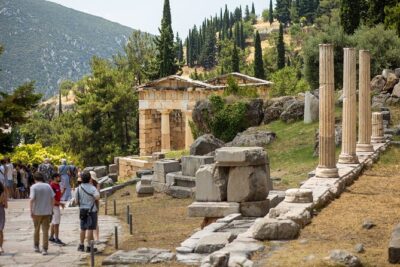
Historical Delphi One Day Tour with Arachova Stop & Expert Guide
Read our review →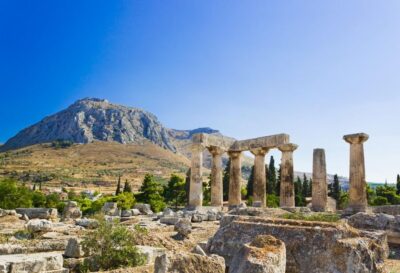
From Athens: Ancient Corinth Day Trip with Canal & VR Guide
Read our review →
Historic Athens: Small Group Electric Bike Tour
Read our review →
Acropolis, Parthenon & Athens Old City Heritage Walking Tour
Read our review →
Private Biblical Tour Ancient Corinth & Isthmus Canal from Athens
Read our review →
Ancient Olympia: Archaeological Site and Museum Entry Ticket
Read our review →
Athens: Ancient Corinth & Nafplio Full Day Trip with Swim
Read our review →Browse the lists this tour appears in