
Review · ROME
Ancient Appian Way PRIVATE Bike Tour
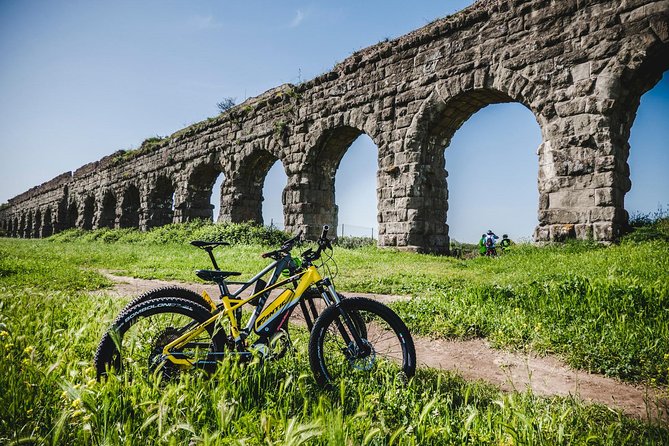
The best part of this private bike tour is the sudden change from Rome’s traffic and stone streets to open parkland lined with Roman ruins. You pedal beside aqueducts, tombs, villas, and the old Appian Way, seeing a side of Rome that most visitors miss while staying close to the city.
I like the private format, which lets your guide set the pace and explain details without a large group slowing things down. I also like the e-bikes, especially for a route that can cover roughly 14 miles. The main caution is traffic: about a fifth of the ride may be on city streets, and the bikes still require steady pedaling.
Key points to know before you ride
- Ancient Rome beyond the center: Reach the Appian Way, Roman aqueducts, imperial villas, tombs, and green parks in one half-day.
- A genuinely private outing: Only your group rides with the guide, so questions and pacing are easy to manage.
- Good guides make the difference: Valerio, Sara, Claudio, Marco, Alex, Iman, Chris, and Nico have all led highly praised rides, with strong attention to history and safety.
- E-bikes help, but do not do the work: The motor assists your pedaling. There is no throttle.
- Useful for families: Child seats are available up to 25 kilograms, and children aged 6 to 10 may ride with a trailer bike if they are under 143 centimeters tall.
- Expect mixed surfaces: The route includes city streets, cobblestones, park paths, and off-road sections.
Why the Appian Way is worth your morning
Rome’s famous center can feel crowded, noisy, and tightly packed. The Appian Way offers a sharp change of mood. This ancient road leaves the city through the Porta San Sebastiano and runs into parks and archaeological areas where ruins sit among trees and open grass.
I like this tour because it connects several Roman subjects in one outing. You see how Rome defended itself, moved water, buried its dead, entertained crowds, and built country residences for the powerful. You are not simply stopping at one monument, taking a picture, and moving on.
The ride is also a practical choice if your Rome schedule is full. In about four hours, you can cover a route that would be awkward to manage on foot and difficult to connect by public transportation. The e-bike makes the distance manageable, though you must already know how to ride a bicycle well.
The price is $147.54 per person. That is not a budget sightseeing ride, but it covers a private guide, an e-bike, a helmet, and the chance to see several outlying archaeological sites in one morning. For two people or a family that values personal attention, the cost can make sense. If you only want a short, easy spin through the city, it is more than you need.
More Ancient History Tours in Italy
- Colosseum: Underground and Ancient Rome Tour
★ 4.7 · 12,691 reviews - Colosseum & Ancient Rome with Arena Floor Option I Max 6 People
★ 5.0 · 3,306 reviews - Rome: Colosseum, Ancient Rome Tour or AudioGuided Tour
★ 4.4 · 2,879 reviews
Starting at Porta San Sebastiano
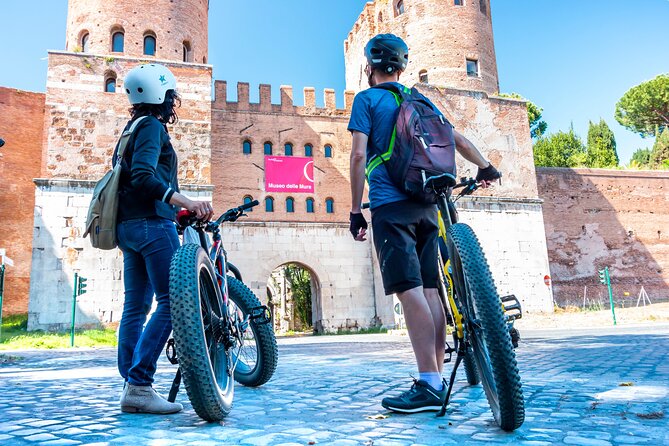
The meeting point is at Via dei SS. Quattro, 58, in Rome, and the ride heads toward Porta San Sebastiano. This gateway formed part of the Aurelian Walls, built around AD 275, and marks the start of the historic Via Appia Antica.
Give yourself time to get comfortable with the bike before setting off. The tour provides a high-quality e-bike, helmet, mobile phone holder, and handlebar holder. A private guide can adjust the setup and explain how the bike works, but you still need confidence around traffic.
Porta San Sebastiano is more than a convenient first stop. Its heavy walls show how seriously Rome protected its southern approach. Medieval graffiti records the passage of pilgrims over the centuries, adding a human layer to what might otherwise look like just another ancient gate.
This opening section may include city riding. One detailed account put city traffic at about 20 percent of the full route. Rome’s drivers can make this the most stressful part, especially if you are not used to urban cycling. Stay alert and listen closely to your guide.
Caffarella Park and the Nymphaeum of Egeria
Parco della Caffarella is one of the largest green spaces in Rome and part of the Appia Antica Regional Park. The change is immediate: after the walls and roads, you reach paths, groves, open fields, and scattered remains of old buildings.
I like this portion because the ruins do not feel separated from their setting. Ancient structures appear along the paths rather than behind a museum barrier. Your guide can place them in the larger story of the Appian area while you enjoy a quieter ride.
The Nymphaeum of Egeria adds a mythic note. According to the Roman story, the nymph Egeria loved Numa Pompilius, Rome’s second king. When she learned of his death, her tears became a spring. The site gives your guide a chance to move from engineering and emperors to the legends Romans used to explain their world.
Each of these stops is listed at about 20 minutes. That is enough time for an explanation and a look around, but not a long archaeological visit. If you prefer to study every wall or enter every site, the schedule may feel brisk.
The Aqueduct Park is the visual high point
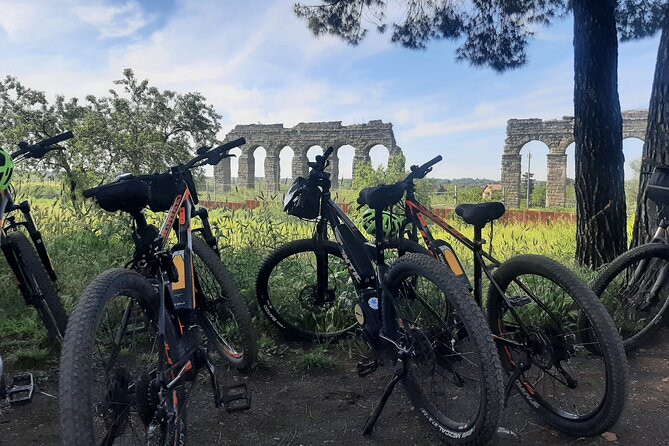
Parco degli Acquedotti is likely to be the ride’s most memorable setting. The park is crossed by the remains of Roman aqueducts, with long lines of arches reaching across open ground. This is where the scale of Roman engineering becomes easy to understand.
The aqueducts were not decorative monuments. They carried water into Rome and supported public baths, fountains, and daily life. The park also connects with the ancient Via Latina, described as the oldest road in Rome, and remains of the water network can still be seen.
One especially striking detail is that some aqueducts are still in operation. You get both the grand remains and a reminder that Roman infrastructure was built for practical use, not just display.
The route through the park gives you room to look up and take in the full length of the arches. Several riders have singled out the aqueducts as the best part of the day, and I can understand why. They are large enough to read from a distance, yet the bike lets you approach them from different angles.
The open setting can also mean heat and sun. A particularly hot ride was still described as enjoyable, but plan your clothing and water with the weather in mind. The tour is four hours, not a quick loop.
More Ancient History Tours in Rome
- Colosseum Underground & Ancient Rome Guided Tour
★ 4.5 · 2,590 reviews - Pantheon Elite Guided Tour – Rome’s Iconic Ancient Temple
★ 5.0 · 1,447 reviews - Ancient Rome: Colosseum Underground Group Tour
★ 4.5 · 1,059 reviews - Colosseum Express Guided Tour and Ancient Rome Admission Included
★ 4.0 · 1,008 reviews
Villa dei Quintili and Santa Maria Nova
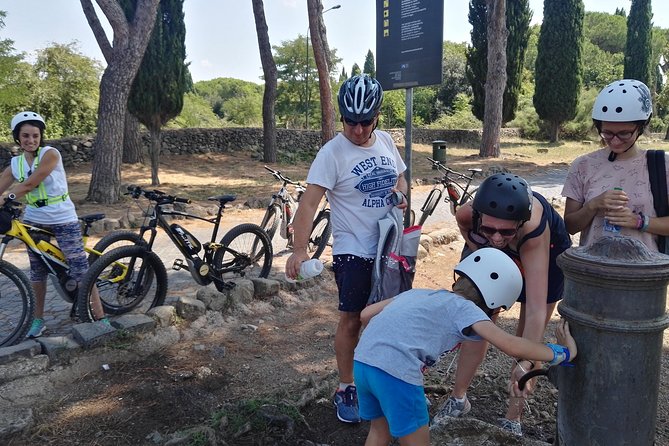
At about the fifth mile of the Appian Way, the route reaches Villa dei Quintili and Santa Maria Nova. The villa belonged to Sextus Quintilius Condianus and Maximus Valerius, brothers who served as consuls in the second century AD.
Their success did not protect them. Emperor Commodus had the brothers killed and confiscated the villa, turning it into imperial property. That short story helps explain the politics behind Roman luxury. A large country residence could signal status, but it could also become a prize for an emperor.
You will see the remains from the outside during this itinerary stop, with about 20 minutes for the visit and explanation. The short timing gives you a useful introduction rather than a full museum-style exploration. If this villa is your main interest, check how much of the site your guide plans to cover before booking.
Cecilia Metella and the Caetani fortress
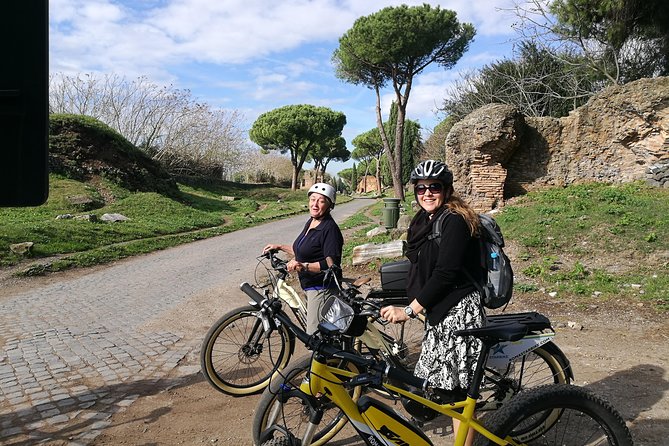
The Mausoleum of Cecilia Metella is one of the most recognizable monuments along the Appian Way. It is a pagan tomb from the first century BC and remains one of the best-preserved mausoleums on the road.
Its later use adds another layer. The Caetani family incorporated the tomb into a medieval fortified complex, or castrum. Nearby are remains of the Caetani family residence and the church of San Nicola, now reduced to its perimeter walls.
This stop shows how Rome’s monuments were repeatedly reused. A tomb became part of a medieval stronghold, and the road continued to serve people long after the Roman era had ended. I find that kind of overlap more revealing than a ruin viewed in isolation.
Again, the planned stop is about 20 minutes. You have time to understand what you are seeing and take photographs, but the tour is built around a moving route rather than long stays at each monument.
Circus of Maxentius and Caracalla’s Baths
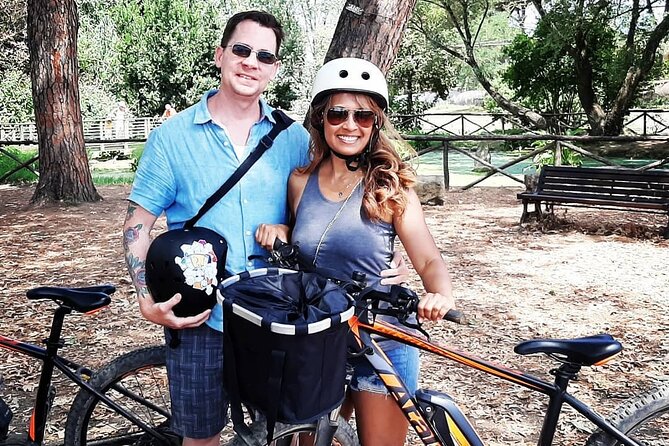
The Circus of Maxentius is described as the best surviving example of a Roman circus. The central divider, called the spina, is still visible. It once held an obelisk that was later moved during the Renaissance to the Fountain of the Four Rivers in Piazza Navona.
That connection is useful. You may have already seen the famous fountain in central Rome without realizing its obelisk once belonged to this Appian Way circus. The bike tour ties those two parts of the city together.
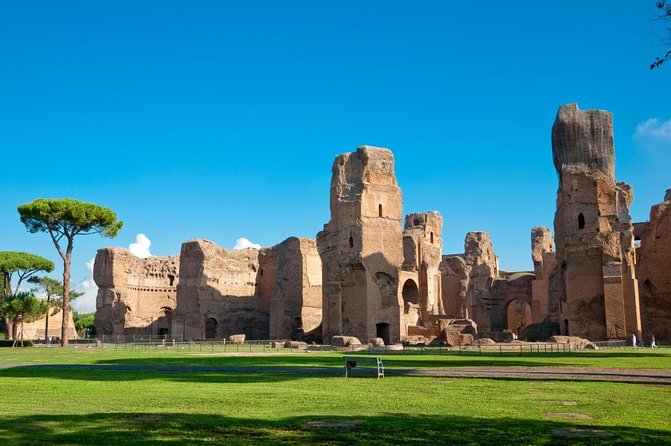
The final listed stop is the Baths of Caracalla. Built by the emperor of the same name, they were for about a century the largest public baths in the Roman world. Much of the structure remains, giving you a sense of the size and complexity of Roman bathing culture.
A branch of the Aqua Marcia supplied water to the baths through the Antoninian aqueduct. Small remains of that system can be seen near Porta San Sebastiano, linking the final stop back to the start of the ride.
The tour ends back at the meeting point. Since all eight stops are listed at roughly 20 minutes, much of the four-hour duration is spent riding between them. That is a strength if you want a broad view of the Appian area, but less useful if you want a slow visit inside every archaeological site.
What the private guide adds
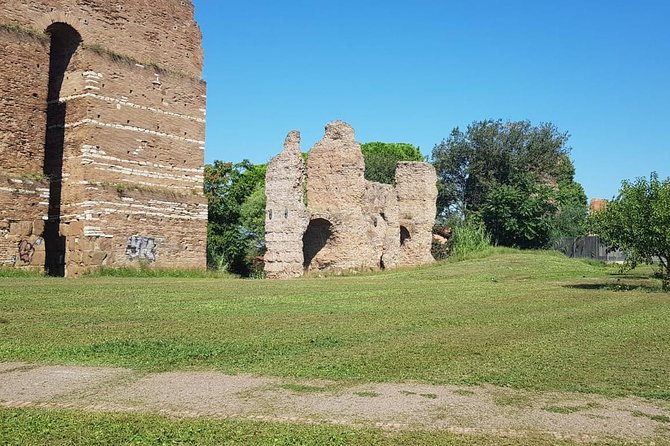
The guide is central to the experience. Names attached to especially strong rides include Valerio, Sara, Claudio, Marco, Alex, Iman, Chris, and Nico. The most praised qualities are clear explanations, patience, flexibility, and a strong command of Roman history.
Nico, who had studied ancient Greek and Latin and held a degree in ancient history, was able to connect the route with classical sources. Valerio helped two riders with bike fitting and continued patiently through streets, cobblestones, and park tracks. Sara was praised for making the aqueducts and green areas feel accessible, while Claudio was credited with making the day feel personal and memorable.
These details matter because the ruins are not always self-explanatory. A tomb may look like a large stone cylinder. A broken church may seem like a random wall. The guide supplies the links between Roman, medieval, and modern Rome.
The private setup is especially useful for families and mixed-ability groups. You can ask for a slower pace, request more explanation, or move along when children lose interest. The guide can also respond to your comfort level on city streets.
Is the e-bike easy to use?
The bikes are pedal-assisted, not motor scooters. There is no throttle, so you must keep pedaling. The assistance reduces the effort, but it does not remove it.
That distinction is important. One rider found the pedaling manageable but wanted future customers to know what to expect. You should be comfortable riding a bicycle for several hours and handling changing surfaces.
The route includes paved city roads, cobblestones, park paths, and off-road sections. The distance can reach about 14 miles, according to one family outing. Children as young as 5 were included in that group, though the formal child option specifies seats up to 25 kilograms and a trailer bike for ages 6 to 10 if the child is under 143 centimeters tall.
The activity requires moderate physical fitness. If traffic makes you nervous, or if you rarely ride a bike, choose a walking tour or a vehicle-based excursion instead. If you ride confidently, the e-bike is a fast and satisfying way to cover ground.
Who should book this four-hour ride?
I would choose this tour if you have already seen some of central Rome and want open space, aqueducts, and ancient roads. It is also a strong choice for a first visit if you want a broad overview and do not mind trading a few central landmarks for less crowded surroundings.
Families should pay attention to the height and weight rules before booking. The private format, child seat, and trailer bike options make the tour more practical than a standard group ride. Children may also enjoy the movement between sites more than a long day inside museums.
History fans will get the most from the explanations at the gate, villa, mausoleum, circus, and baths. The tour suits you less if your main goal is to enter every monument or spend an hour at each one.
The English option is the stated language. Confirmation arrives at booking, and the meeting point is near public transportation. Free cancellation is available if you cancel at least 24 hours before the start time. Late cancellations and changes are not accepted.
Should you book the Ancient Appian Way Private Bike Tour?
Book it if you want to see Rome’s aqueducts, ancient roads, parks, and outlying ruins in one well-planned morning. The private guide, strong e-bikes, family equipment, and repeated praise for guides such as Valerio, Sara, Claudio, and Nico make the $147.54 price easier to justify.
Think twice if you dislike cycling beside traffic, cannot pedal confidently, or want a slow archaeological visit. This is an active sightseeing route with a lot of ground to cover.
For a capable cyclist who wants a quieter, more surprising side of Rome, I would choose it. The Appian Way and Aqueduct Park provide the kind of scale and space that central Rome rarely offers, and the ride gives you a clear sense of how the ancient city worked beyond its famous monuments.
FAQ
How long does the Ancient Appian Way Private Bike Tour last?
The tour lasts approximately four hours.
What is the price of the tour?
The listed price is $147.54 per person.
Is the tour private?
Yes. Only your group participates in the activity.
What equipment is included?
The tour includes a high-quality e-bike, helmet, mobile phone holder, and handlebar holder.
Are child seats available?
Yes. A child seat is available for children up to 25 kilograms.
Can children aged 6 to 10 ride a bike?
The child reduction for ages 6 to 10 applies only to children under 143 centimeters tall. They use a trailer bike rather than riding a bike alone.
Do I need to be an experienced cyclist?
Yes. You must know how to ride a bike well, and the activity requires moderate physical fitness.
What happens if I need to cancel?
You can cancel for a full refund up to 24 hours before the experience begins. Cancellations or changes made less than 24 hours before the start time are not accepted.
More Private History Tours in Italy
- Ancient Ostia Antica Semi-Private Day Trip from Rome by Train with Guide
★ 4.5 · 579 reviews - Colosseum & Ancient Rome Semi-Private Tour
★ 5.0 · 208 reviews - Private Rome Food Tour in the Historic Centre with 8+Tastings
★ 5.0 · 135 reviews - Ancient Pompeii Private Tour: Skip the Line & Kid-Friendly Option
★ 5.0 · 167 reviews
More History Bike, Segway and Tuk-Tuk Tours in Rome
- Golf Cart Tour Rome: Glide By Ancient Wonders & Hidden Gems
★ 5.0 · 256 reviews - Ancient Rome Tour in a Golf Cart
★ 4.5 · 72 reviews - Rome in Golf Cart 4 Hours History & have Fun
★ 5.0 · 37 reviews - Ancient Rome Half-Day Segway Tour
★ 4.8 · 25 reviews
Latest history tours reviewed in Rome
- Day drinking in Rome – Scandalous Roman History★ 4.8 · 31 reviews
- Rome: Colosseum Arena and Ancient Rome Guided Tour★ 4.8 · 23 reviews
- Rome: Colosseum and Ancient Rome Access with Optional Arena★ 4.5 · 198 reviews
- Ancient Rome: Archeological area Largo Argentina★ 3.9 · 49 reviews
- Ancient Rome Half-Day Segway Tour★ 4.8 · 25 reviews
- Colosseum Forum Ancient Rome Small Group Tour for Kids Families★ 5.0 · 198 reviews
- VIP Colosseum Underground and Ancient Rome Small Group Tour★ 4.5 · 332 reviews
- Ancient Ostia Antica Semi-Private Day Trip from Rome by Train with Guide★ 4.5 · 579 reviews
Rome History Tours, compared.
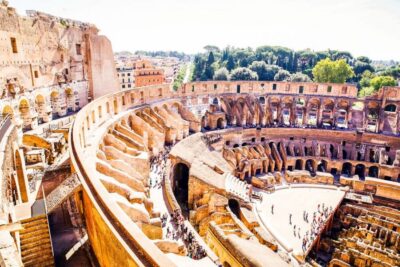
Colosseum: Underground and Ancient Rome Tour
Read our review →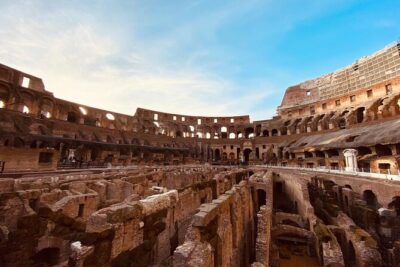
Rome: Colosseum with Arena, Roman Forum and Palatine Guided Tour
Read our review →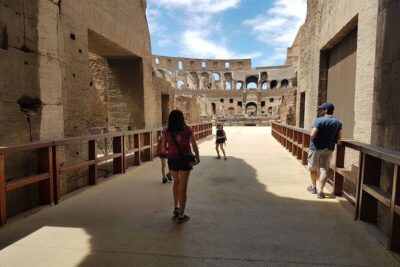
Colosseum & Ancient Rome with Arena Floor Option I Max 6 People
Read our review →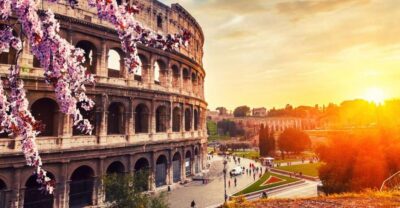
Rome: Colosseum, Ancient Rome Tour or AudioGuided Tour
Read our review →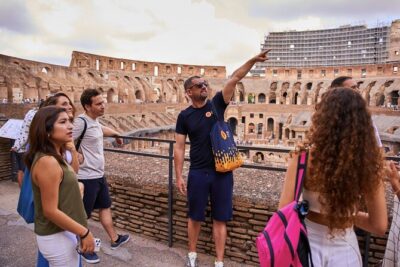
Colosseum, Roman Forum & Palatine Hill Guided Tour
Read our review →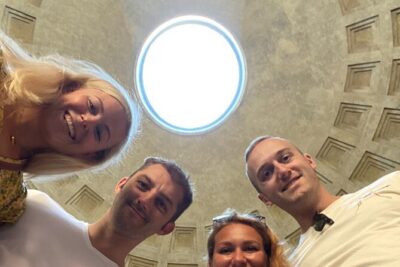
Pantheon Elite Guided Tour – Rome’s Iconic Ancient Temple
Read our review →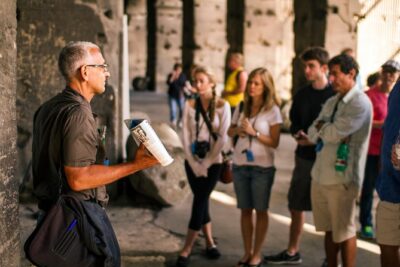
Rome in a Day Tour with Vatican, Colosseum and Historic Center
Read our review →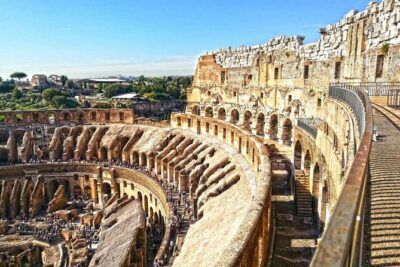
Colosseum Express Guided Tour and Ancient Rome Admission Included
Read our review →Browse the lists this tour appears in