
Review · CHICAGO
Chicago: Food, History and Architecture Tour
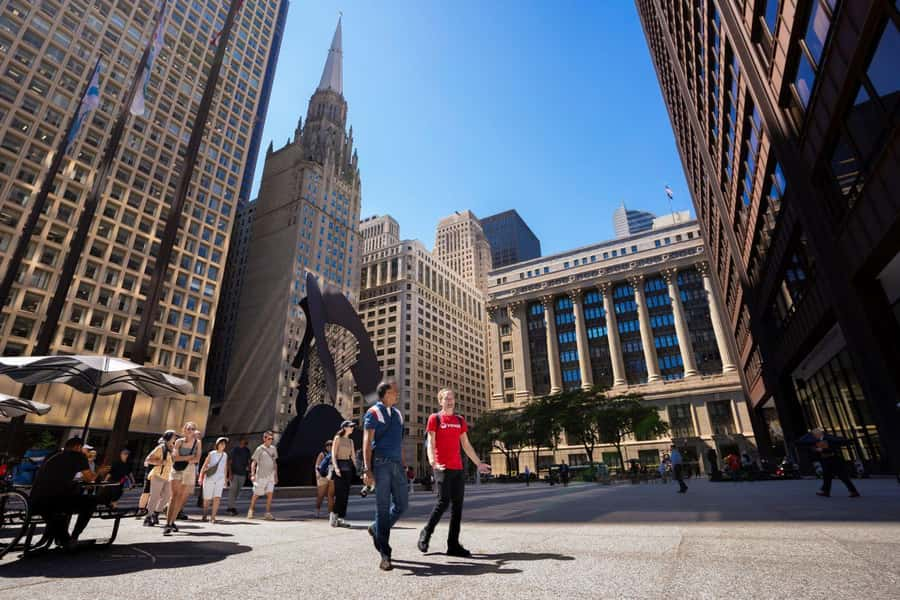
Chicago’s best introduction may be one that lets you look up at a skyscraper, step into an ornate old building, then sit down with a hot dog or deep-dish pizza. This tour ties those pieces together, from the Chicago Pedway and Riverwalk to the Cultural Center, Wrigley Building, and Millennium Park.
I especially like the mix of architecture and classic food, since each half gives the other more meaning. I also like the small group, capped at 12 people, which lets guides such as Dave, Dash, and Rich adjust the pace and bring you inside buildings that are easy to miss from the sidewalk. The main catch is simple: you will walk 3 to 4 miles in all kinds of weather, and the food stops may not suit anyone with allergies beyond vegetarian needs.
Key points to know before you book
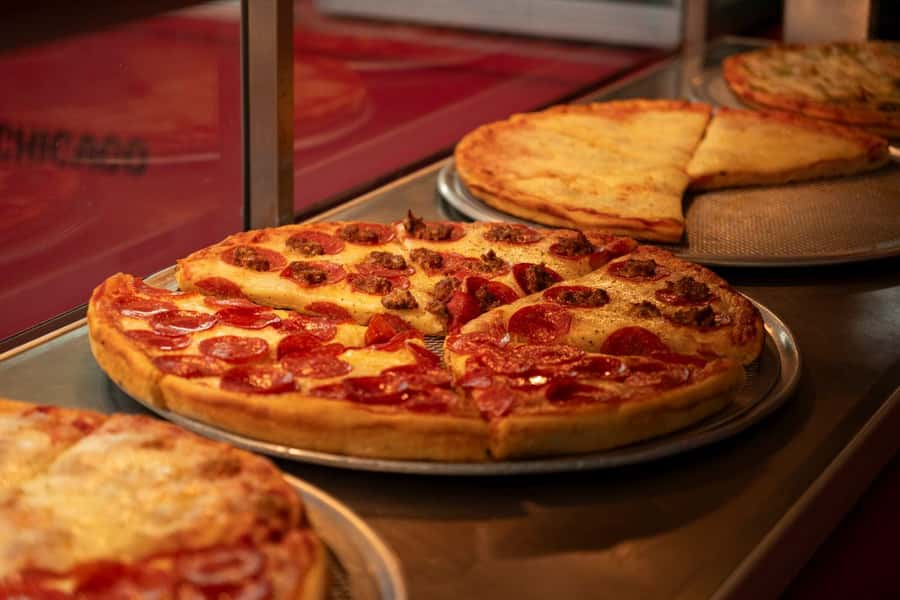
- Three Chicago staples: The included tastings usually cover a Chicago-style hot dog, deep-dish pizza, and an Italian beef sandwich.
- Architecture beyond the sidewalk: You may enter notable buildings to see ceilings, interiors, and details that a standard street walk skips.
- A useful city overview: The route links the Pedway, Chicago Riverwalk, downtown landmarks, and Millennium Park.
- Small-group guiding: With no more than 12 people, the guide can keep a steady pace without the usual large-tour shuffle.
- A full half-day: At 4.5 hours and 3 to 4 miles, this is an active introduction rather than a quick orientation.
- Food portions vary: The total food is intended to equal a full meal, but individual samples and stops change with the season and location.
Why this Chicago tour works as a first-day introduction
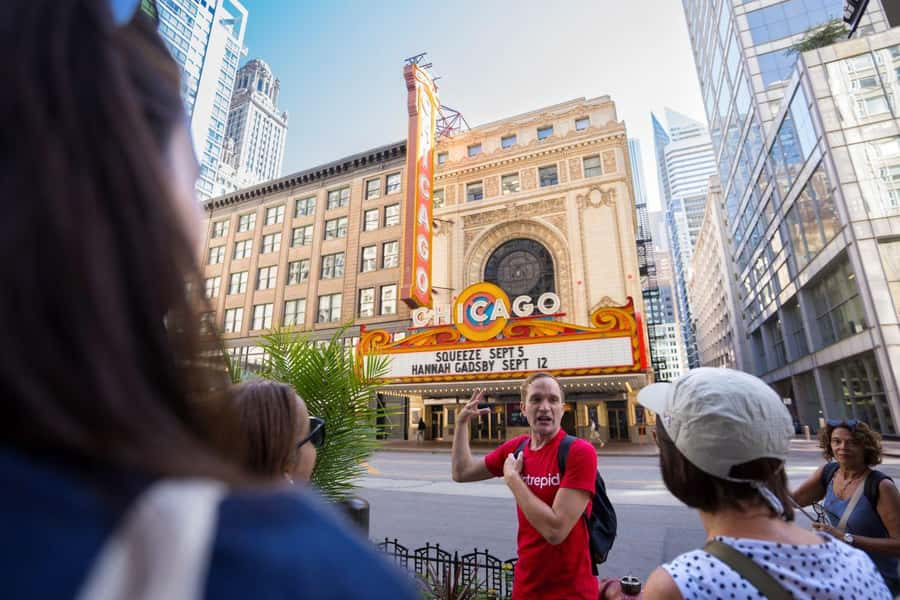
At $99 per person, this is not the cheapest way to eat in Chicago, nor is it meant to be. You are paying for a half-day guide, three food tastings, architecture commentary, and a route that connects several parts of central Chicago.
The value is strongest if you have limited time or want one organized outing to establish your bearings. You get a practical overview of downtown, a taste of the city’s most famous dishes, and suggestions for what to do next. I would not choose it if your only goal is a formal architecture lecture or a long restaurant crawl. Those subjects are here, but the appeal comes from combining them.
The guides are a large part of the experience. Several guides have received especially warm praise for making the tour personal and easy to follow. Dave, a Chicago native, is known for bringing local stories and a strong affection for the city. Dash, Rich, Kevin, Daniel, and others have also led the walk, so the exact style depends on the person assigned that day.
That variation is normal for a guided activity, but the small group gives each guide room to respond to questions. A previous solo participant joined on a cold February day and still received a full walk, even though she was the only person booked. That suggests the format can remain personal even when the group is tiny.
More Architecture and Landmark Tours in the USA:
- Chicago in a Day: Food, History & Architecture Walking Tour
★ 5.0 · 1,153 reviews - Historic Charleston Walking Tour: Rainbow Row, Churches, and More
★ 5.0 · 691 reviews - Charleston: History and Architecture Guided Walking Tour
★ 4.8 · 349 reviews
Chicago’s story begins under the streets
The Pedway is one of the more unusual parts of the route. This network of underground walkways connects parts of downtown and serves as a practical way for locals to move around, especially in bad weather. It is not a grand attraction in the usual sense, but that is precisely why it is worth seeing with someone who can explain how the city works below street level.
You should think of the Pedway as a piece of everyday Chicago rather than a polished museum stop. It gives you a different view of the city and helps explain how office workers, shoppers, and commuters move through the central area.
The tour also brings Chicago’s Prohibition era into the story. This period is often reduced to gangsters and speakeasies, but the guide places it alongside the buildings and streets where the city’s fortunes were made. That adds useful context to the architecture. The old facades are not just attractive backdrops. They reflect Chicago’s rapid growth, money, commerce, and changing social life.
The route includes the Chicago Theatre, Willis Tower, and the Art Deco London House. You will not simply stop at each building for a name and a photograph. The best part of this format is the chance to hear why a building matters while standing close enough to notice its design.
Looking inside the Chicago Cultural Center and other landmarks
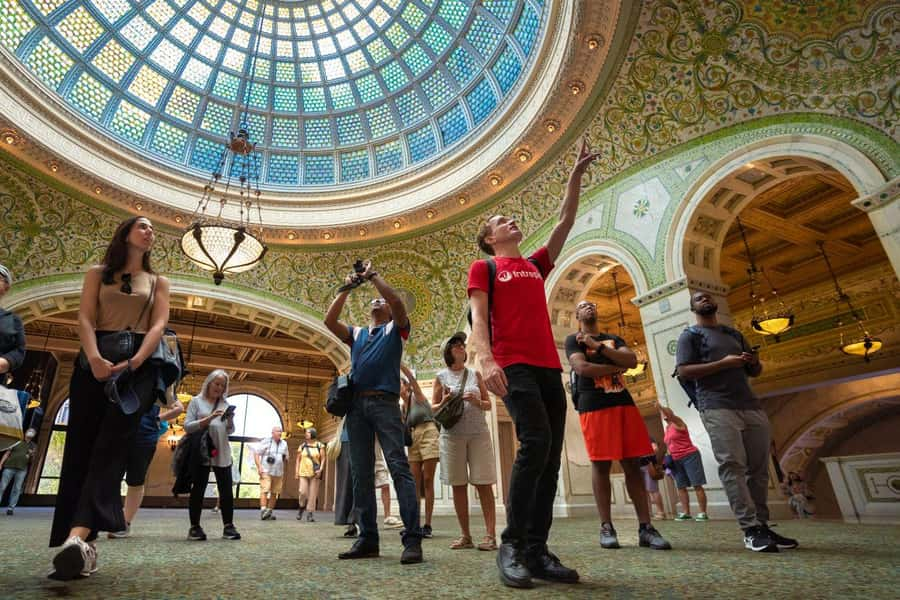
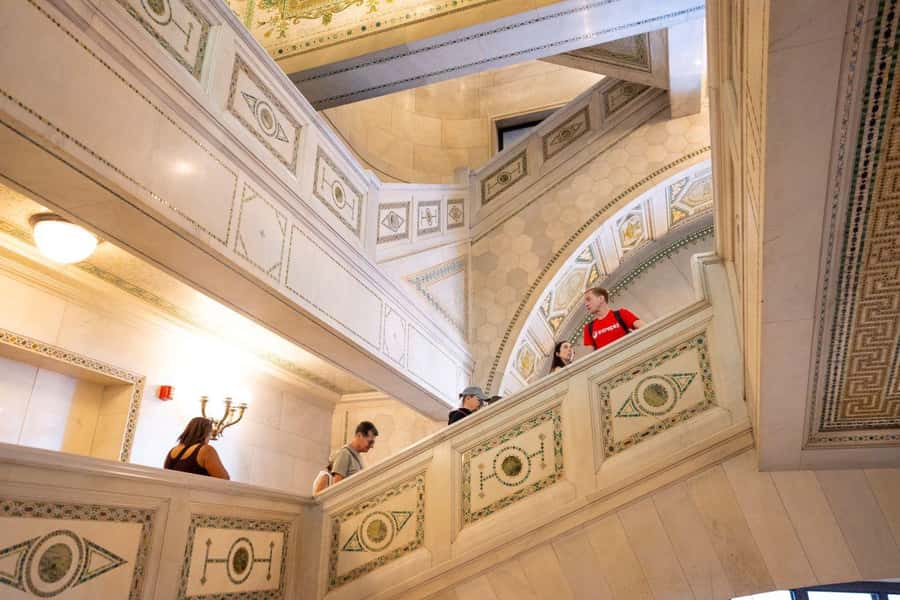
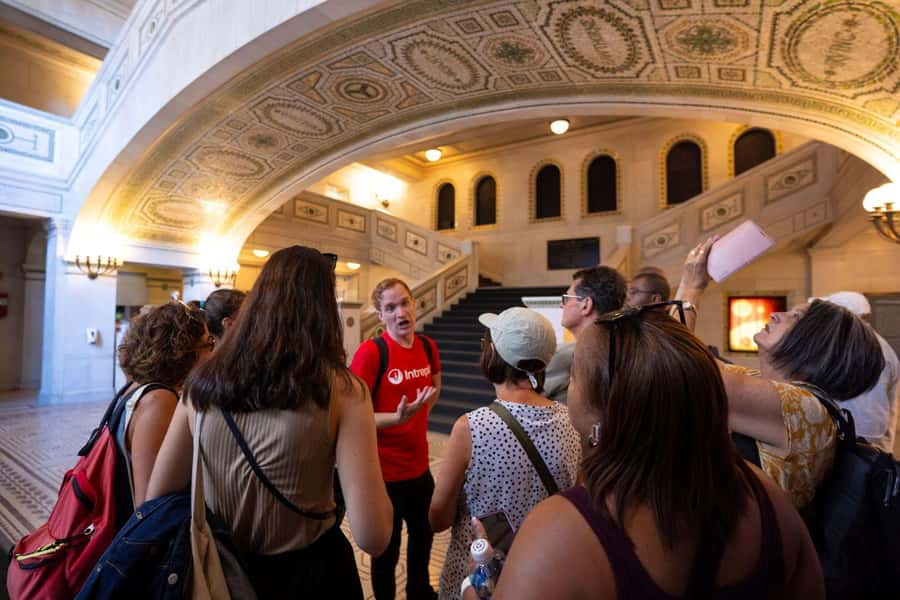
The Chicago Cultural Center is one of the tour’s strongest stops. Its interior details give you a break from the street and show how much of Chicago’s character is hidden behind working entrances and familiar downtown facades.
Guides have also taken groups into buildings such as the Wrigley Building and Macy’s, depending on the day and access. One particularly useful feature is the attention to ceilings and interior decoration. You might walk past these places on your own without looking up, then return later with a better sense of what to notice.
The Wrigley Building is a good example of why a guided walk helps. From the Riverwalk, it forms part of the famous wall of downtown architecture. From inside or at street level, you can pay attention to its materials, pattern, and scale instead of treating it as another tall building.
Willis Tower provides a different kind of landmark. Its size and place in the skyline help explain the changing ambitions of Chicago architecture. The tour is not an observation deck visit, so do not book it expecting an extended high-rise view. The focus is the building within the city’s broader architectural story.
The Art Deco London House adds another period and mood. Seeing several styles in one route makes the city easier to read. You begin to notice how older commercial buildings, modern towers, and decorative interiors sit side by side.
A walk along the Chicago Riverwalk
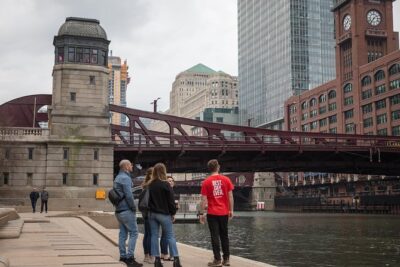
The Riverwalk is one of the most scenic sections of the outing. Here you can look back toward the downtown walls and see how Chicago’s buildings relate to the river. Marina Towers and the Wrigley Building are among the landmarks highlighted along the way.
This is also a good place for photographs, but the guide’s explanation matters more than a list of photo stops. The river gives you a clear view of the city’s height and density. From street level, individual buildings can feel disconnected. Along the water, they form a more understandable whole.
The route includes time for pictures and short pauses. That matters on a 4.5-hour walk. A guide who keeps everyone moving too quickly can turn a city tour into an endurance test. The strongest feedback about this experience points to guides who keep a measured pace and do not make people run to catch up.
Still, you should wear comfortable shoes. The total distance is listed as 4.8 to 6.4 kilometers, or about 3 to 4 miles. The tour is suitable for all ages and fitness levels according to the operator, but that does not mean it is a seated sightseeing experience. You will spend much of the morning or afternoon on your feet.
More History Tours in the USA:
- New York City: American Museum of Natural History Ticket
★ 4.5 · 15,447 reviews - History and Hauntings of Salem Guided Walking Tour
★ 5.0 · 14,564 reviews - Charleston’s Old South Carriage Historic Horse & Carriage Tour
★ 5.0 · 10,023 reviews - Beneath The Streets Underground History Tour
★ 4.5 · 8,006 reviews
From popcorn to a Chicago hot dog

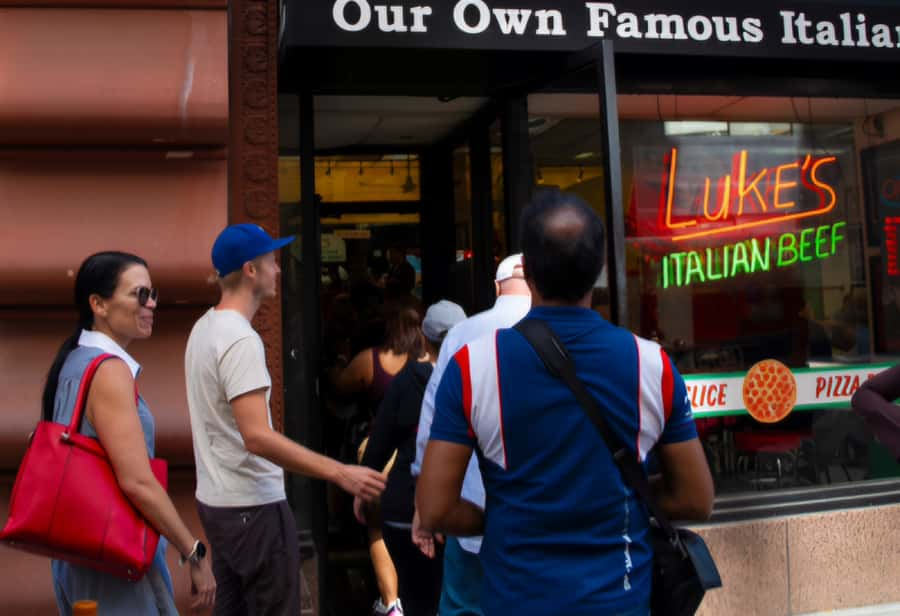
Food appears throughout the day, beginning with a popcorn tasting and continuing at three food stops. Chicago-style popcorn is a small but useful introduction because it shows the city’s fondness for familiar foods with a local twist.
The main tastings cover three Chicago favorites:
- Chicago-style hot dog
- Deep-dish pizza
- Italian beef sandwich
The exact shops and portion sizes can change with the season and the day’s route. The total amount of food is intended to equal a full meal, but each item is still a tasting rather than a full restaurant order. You should arrive ready to eat, but not assume that every stop will provide a large individual serving.
The hot dog is a good way to discuss Chicago food traditions. It is more than a sausage in a bun, and the toppings and serving style are part of the local identity. Deep-dish pizza brings a heavier, slower meal into the picture. It is filling, so you may want to pace yourself rather than treating the first stop as a quick snack.
Italian beef rounds out the meal with a different texture and style. Together, the three foods give you a better sense of how Chicago’s food culture developed around inexpensive, filling dishes that became city symbols.
Food is served at classic local spots, with selections chosen by the operator. You may not get to select every restaurant or replace every dish. Vegetarian options can be arranged, but other allergies and dietary preferences cannot be accommodated. Tell the operator about a vegetarian request in advance, and contact them before booking if your diet is more restricted.
The route ends at the Bean
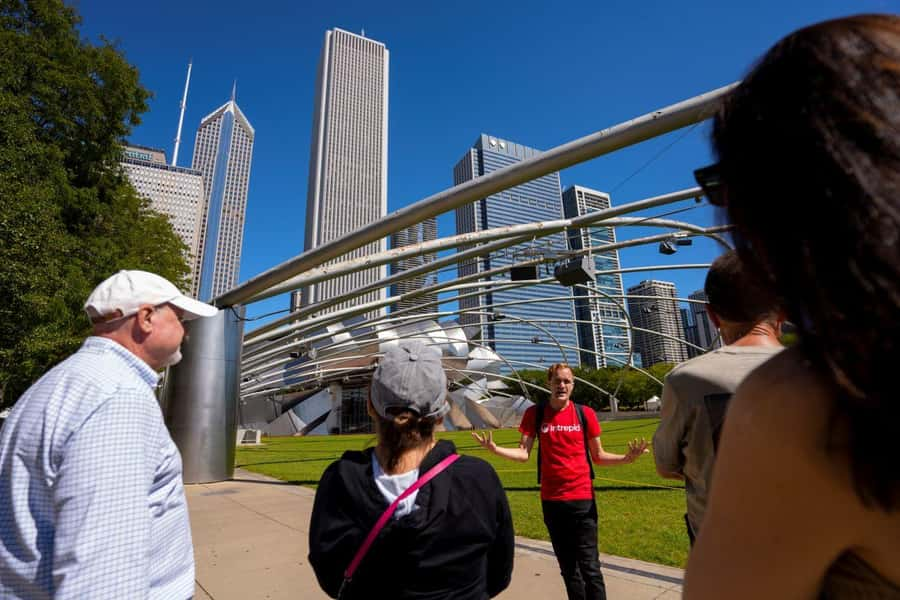
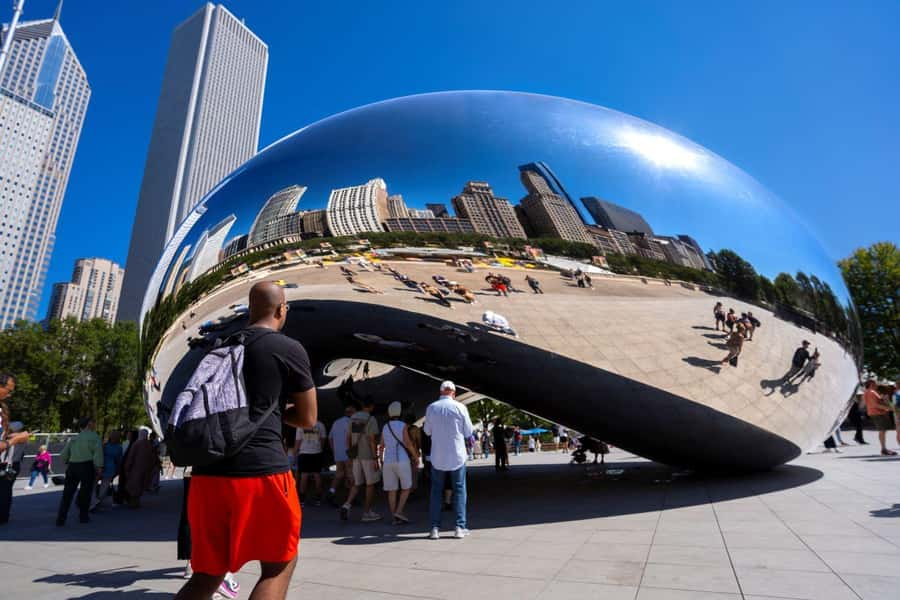
The final stretch reaches Millennium Park and the famous Cloud Gate sculpture, widely called the Bean. It is an appropriate finish because the park places you back in the open city after several hours of streets, interiors, food counters, and river views.
You will have the chance to see the sculpture and take photographs, but the real benefit is knowing how it fits into the downtown map. After the tour, Millennium Park is a useful starting point for more sightseeing, museums, shopping, or an evening meal.
The guide’s final recommendations are one of the most practical parts of the experience. Guides have offered directions and suggestions tailored to what participants wanted to do next. If you are new to Chicago, use this time to ask about neighborhoods, restaurants, public transport, or the best way to continue your day.
Some versions of the route also include a short ride on the El between the architecture portion and the food stops. That can be helpful if you want a brief introduction to Chicago’s elevated train system, though you should not treat it as the main feature of the tour.
How much walking and weather should you expect?
Plan for a proper walking day. The tour runs for 4.5 hours and covers 3 to 4 miles, with periods of standing inside buildings, waiting briefly at food stops, and walking between landmarks.
The experience operates in rain, snow, and sunshine. Chicago weather can change quickly, so bring layers and dress for the forecast. In winter, the combination of wind and long periods outside can make the outing feel demanding, even though the route includes indoor stops.
A few pauses and chances to sit may be built into the day, but you should not book this if extended walking is difficult. Comfortable shoes are essential. A small water bottle may also be sensible, though extra food and drinks are not included.
The group limit of 12 is a real advantage. You will not need a microphone or headset in a small group, and it is easier to ask questions or hear a story near the guide. One past participant specifically appreciated that the guide did not rush anyone. That is the kind of detail that can make a long urban walk pleasant instead of tiring.
Who will get the most from this experience?
I would recommend this tour to a first-time visitor who wants a broad but focused introduction to Chicago. It is especially useful if you have only a day or two in the city and want to combine sightseeing with lunch rather than spend separate days on food and architecture.
It also suits repeat visitors. One participant who had been to Chicago many times still found new details in the buildings and interiors. That is a good sign for anyone who already knows the major sights but wants more context.
Families can join, and children under six are allowed to participate free of charge. Keep in mind that young children must manage a long walk, city crossings, indoor stops, and several food tastings. Teenagers and older children who enjoy stories about buildings, cities, or food should have plenty to hold their attention.
This is less suitable for someone seeking a single-subject architecture tour, a relaxed restaurant meal, or a short route with little standing. It is also not a good fit for people with serious food allergies, since only vegetarian requests are specifically accommodated.
Booking advice and final verdict
At $99, I consider this a fair price if you value the guide and plan to eat the included food as a meal. Three tastings alone do not justify the cost, but the architecture walk, indoor visits, Pedway, Riverwalk, Prohibition stories, and personal city advice add real value.
Book it early in your Chicago stay if you can. The route helps you understand downtown, and the final recommendations can shape the rest of your visit. Choose a different experience if you mainly want a river architecture cruise, a high-rise view, or a dedicated food tour with larger portions and more restaurant time.
I would book this tour for a first visit, a short stay, or a family group that wants one well-organized introduction. Bring good shoes, expect a full half-day outdoors, and arrive hungry but ready to pace yourself. The combination of buildings, local stories, and three unmistakable Chicago dishes makes this a practical way to get acquainted with the city.
FAQ
How long does the Chicago Food, History and Architecture Tour last?
The tour lasts 4.5 hours and is generally offered in the morning and afternoon.
How much walking is involved?
The route covers about 4.8 to 6.4 kilometers, or 3 to 4 miles. Comfortable shoes are recommended.
What food is included?
The tour includes three food samples. Examples are a Chicago-style hot dog, deep-dish pizza, and an Italian beef sandwich. Popcorn tasting is also included.
Is the food enough for a full meal?
The included food is intended to equal a full meal, but portions and food choices can vary by season and by the stops used that day.
Can vegetarian food be provided?
Vegetarian options can be accommodated if you notify the operator in advance. Other food allergies and dietary preferences cannot be accommodated.
Is this tour suitable for children?
Yes. It is described as suitable for all ages, and children under six may join free of charge. The amount of walking should be considered when bringing young children.
What happens if the weather is bad?
The tour operates in rain, snow, and sunshine. Dress for the forecast and bring weather-appropriate clothing.
How large is the group?
The tour has a maximum of 12 participants. A private group option is also available.
Latest history tours reviewed in the USA
- Franklin: Ghost Tour in Historic Franklin★ 4.8 · 65 reviews
- Fort Worth: Stockyards History Tour Pub Crawl★ 4.8 · 39 reviews
- Downtown Flagstaff Haunted History Walking Tour★ 4.7 · 46 reviews
- New York City: Flatiron Food, History, and Architecture Tour★ 4.8 · 43 reviews
- Fairbanks: Gold Dredge 8 Historic Train Tour★ 4.7 · 219 reviews
- Fairbanks: Private Mush on the Historic Yukon Quest Trail★ 5.0 · 30 reviews
- Charleston:Evening Haunted History Horse-Drawn Carriage Tour★ 4.7 · 38 reviews
- Philadelphia: Valley Forge National Historical Park Tour★ 4.9 · 39 reviews
Chicago History Tours, compared.
Chicago in a Day: Food, History & Architecture Walking Tour
Read our review →
Chicago: Field Museum of Natural History Ticket or VIP Tour
Read our review →
Field Museum of Natural History Admission Tickets
Read our review →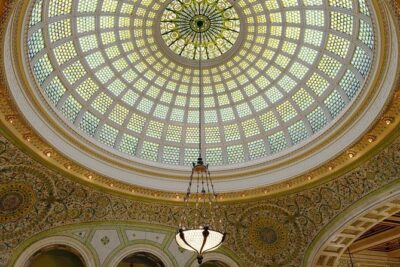
Chicago Walking Tour: Historic Treasures of Chicago
Read our review →
Chicago: Historic Gangsters & Twilight Tales Night Cruise
Read our review →
Chicago: Historic Architecture Chicago River Small Boat Tour
Read our review →Browse the lists this tour appears in