
Review · NEW ORLEANS
French Quarter Historical Sights and Stories Walking Tour
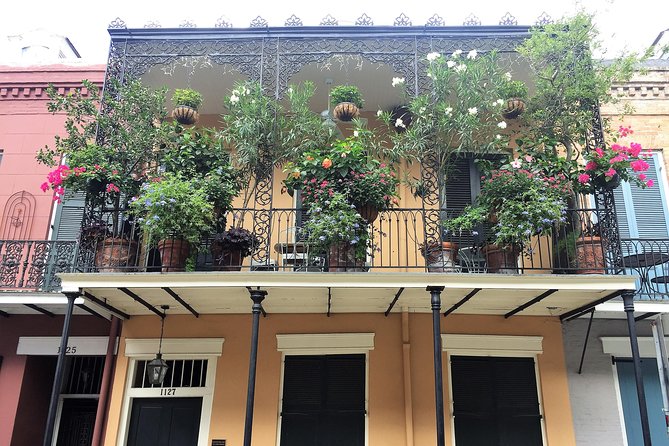
The best part of this French Quarter tour is how it turns a pretty street walk into a lesson in how New Orleans became French, Spanish, American, and Caribbean all at once. Guides such as Scott, Tim, Libby, Renee, Lesley, and Yvonne bring in architecture, religion, food, local politics, and personal stories, so you learn what sits behind the iron balconies and pastel walls.
I like the small group limit of 12, which makes it easier to hear and ask questions. I also like the practical advice woven into the walk, especially suggestions for dining, shopping, and places to visit later. The main consideration is pace: two hours can only cover selected corners of the Quarter, and one visitor wished there had been time for more buildings and streets.
Key points at a glance
- A two-hour introduction to the French Quarter: The route links major sights with the stories behind them.
- Six central stops: You visit the French Market, St. Louis Cathedral, the Mississippi River, Royal Street, and Jackson Square, with time in the wider Quarter.
- Guides with different strengths: Scott is praised for humor and storytelling, while Tim, Libby, Renee, Lesley, and Yvonne are noted for clear local insight and engaging tours.
- Useful early-trip orientation: Recommendations for food, shopping, and later sightseeing can help shape the rest of your New Orleans stay.
- Maximum group size of 12: This is a meaningful advantage on a walking tour, since you can hear the guide and ask questions without shouting.
- Simple but weather-dependent logistics: Bring water, wear walking shoes, and dress for heat or rain because the tour runs in all weather.
Why this French Quarter walk is worth your first morning
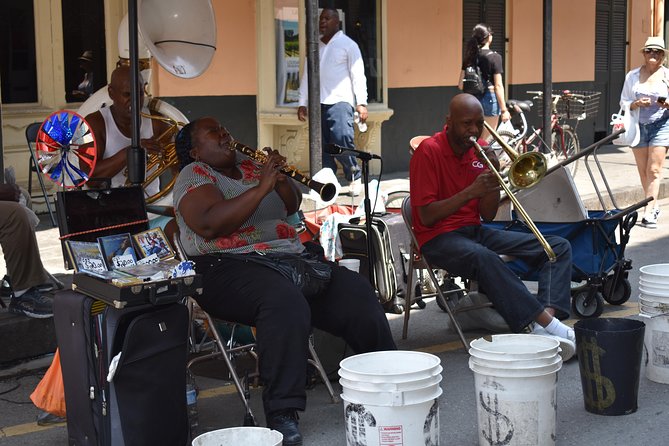
New Orleans can be easy to admire and hard to understand. You see ornate balconies, narrow streets, musicians, restaurants, and churches, but the connections between them are not always clear when you explore alone.
This tour gives those details a framework. The French Quarter is not treated as a collection of photo stops. Its buildings and public spaces become clues to the city’s French and Spanish roots, its American expansion, its Caribbean connections, and the daily life that grew around the Mississippi River.
I would book this near the beginning of a New Orleans visit. You get a sense of direction, learn which streets deserve a return visit, and come away with ideas for places to eat and shop. The advice is not a separate food tour, but it can be just as useful for planning your next few days.
The guide is the main reason to choose this experience. Guides named in the feedback include Scott, Tim, Libby, Renee, Lesley, and Yvonne. Their styles vary, but the recurring strengths are storytelling, clear explanations, humor, and a willingness to answer questions. Scott is often singled out for his energy and funny stories, while Tim is described as friendly and especially strong on history. Libby is praised for personal insight and enthusiasm.
More History Walking Tours in New Orleans
- New Orleans Garden District History Walking Tour
★ 5.0 · 2,879 reviews - New Orleans Food and History Walking Tour
★ 5.0 · 1,544 reviews - New Orleans Historic Cemetery Walking Tour
★ 5.0 · 175 reviews
Starting at 400 Dumaine Street
The meeting point is listed at 400 Dumaine St, in the French Quarter. The tour ends at 701 Decatur St, in Jackson Square, so you finish in one of the easiest parts of the Quarter to continue exploring on your own.
The tour is offered in English and has three daily departure times. Confirmation arrives when you book, and the experience accepts mobile tickets. There is no hotel pickup, so you need to make your own way to the starting point.
Plan on about two hours, though the route is full of stops and explanations rather than a brisk march from one landmark to the next. Comfortable shoes are essential. New Orleans weather can be hot, wet, or both, and the tour operates in all conditions. Water is particularly important in the warmer months.
The group size is capped at 12. That number matters more than it may sound. In the French Quarter, street noise, passing crowds, and music can make a large group hard to manage. A smaller party gives you a better chance of hearing details about a doorway or building and asking a question before moving on.
Seeing the French Quarter as a whole
The opening portion spends about 30 minutes in the French Quarter itself. This is the broad orientation section, where the guide begins connecting streets, buildings, and the city’s past.
You will likely hear about architectural influences and the way the district reflects different periods of New Orleans life. The strongest part of this approach is that it helps you read the neighborhood. A balcony, courtyard, church, or street plan is no longer just decoration. It points toward the people and cultures that shaped the city.
The route does not attempt to show every corner of the Quarter. That is both its strength and its limit. Concentrating on selected places allows time for stories and questions, but you should not expect an exhaustive architectural survey or a visit inside every major building.
If you are visiting with children, the storytelling format may work better than a formal lecture. Guides have been praised for being funny, personable, and able to keep the history moving. The subject matter still includes serious events and complicated chapters, but it is presented through stories rather than a list of dates.
The French Market and the city’s everyday pulse
The French Market receives about 15 minutes. This stop brings the history into a setting that still feels tied to commerce, food, and public life.
The value here is not only the market itself. It gives the guide a place to explain how New Orleans grew as a trading city and how food and culture remain closely linked. You also get a useful chance to ask about local restaurants and shopping. Those recommendations are one of the practical bonuses of the tour.
Keep your expectations in check. This is not a dedicated market tasting experience, and food and drinks are not included. You are hearing stories amid the activity of the market, not sitting down for a meal or sampling a set menu.
If you want to return later, note the places and names that interest you. The guide’s recommendations may help you avoid choosing a restaurant or shop at random during a short stay.
More History Walking Tours in the USA
- History and Hauntings of Salem Guided Walking Tour
★ 5.0 · 14,564 reviews - Boston: Freedom Trail History Small Group Walking Tour
★ 5.0 · 6,450 reviews - Historic Charleston Guided Sightseeing Walking Tour
★ 5.0 · 6,216 reviews - Savannah History and Haunts Candlelit Ghost Walking Tour
★ 5.0 · 3,235 reviews
St. Louis Cathedral and the weight of the past
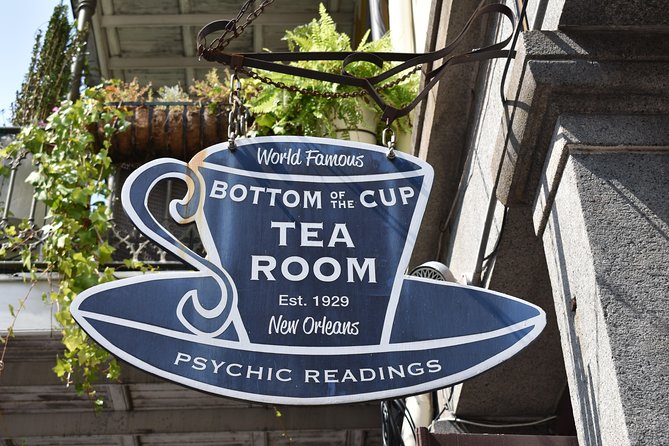
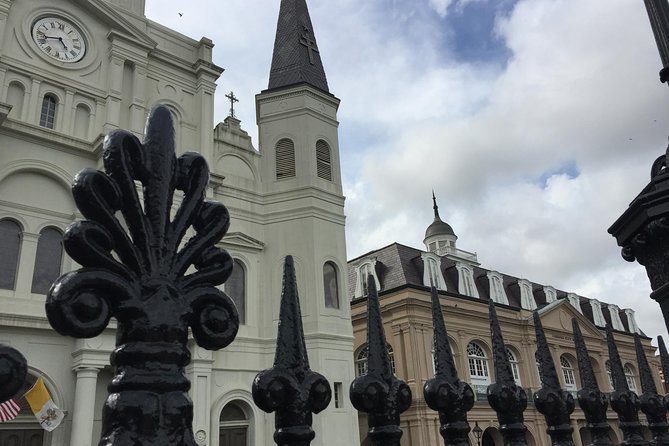
The walk continues to St. Louis Cathedral, with about 15 minutes devoted to this late-18th-century basilica. The cathedral has witnessed both difficult and hopeful moments in New Orleans history, making it a natural place to discuss religion, power, community, and change.
This is one of the stops where the city’s past becomes especially visible. The church is not presented as an isolated monument. Its story fits into the larger account of French and Spanish influence and the way religious life shaped the Quarter.
Architecture receives particular attention throughout the tour, and this stop gives you a clear example of why that matters. You are encouraged to look at buildings as records of the people who designed, used, and changed them.
The tour does not list a separate interior admission or guided visit inside the cathedral. Think of this as an outdoor history stop centered on the building and its place in the city.
The Mississippi River and New Orleans survival
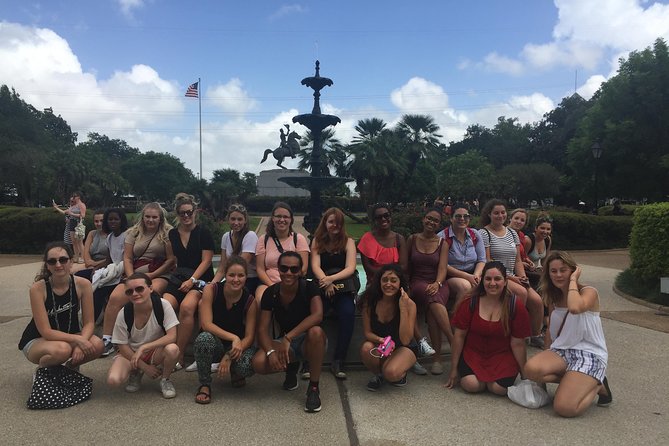
About 15 minutes are spent near the Mississippi River. The river gave New Orleans its reason for being, but it also brings an ongoing struggle with water and flooding.
This section adds welcome scale to the walk. The French Quarter can feel like a compact maze of streets, yet the river explains why this location mattered in the first place. The guide uses the river to connect commerce, settlement, daily life, and the city’s continuing effort to live with powerful natural forces.
The tour describes the Mississippi as the third-largest river in the world. You do not spend a long time along the waterfront, but the stop gives you a pause from the dense streets and a larger view of New Orleans.
For photographs, this is a useful moment. For history, it is a reminder that the city’s culture did not develop apart from geography. The river is not just scenery at the edge of the Quarter. It is part of the reason the city exists.
Royal Street, shopping, food, and street stories
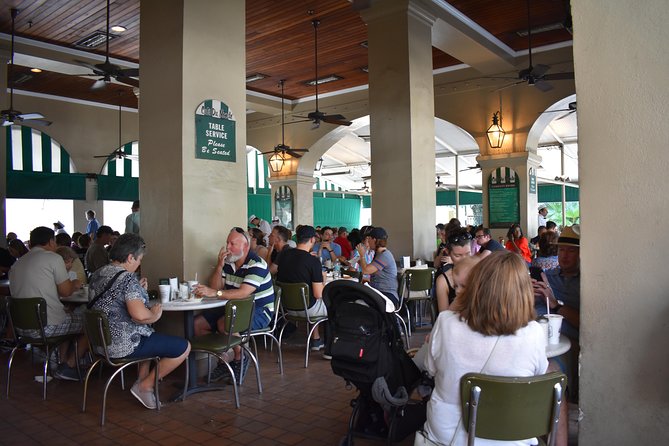
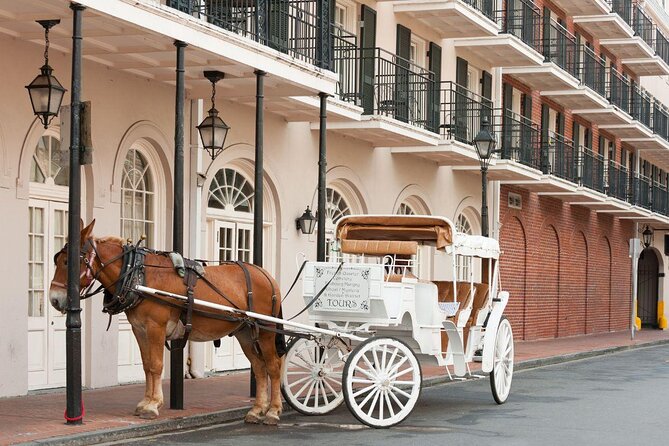
Royal Street gets roughly 30 minutes, making it one of the longer portions of the route. This is where shopping, restaurants, street performers, and architecture come together.
The guide helps you understand Royal Street as more than a place to browse. You can ask about where to return, what kinds of shops interest you, and which restaurants fit your plans. Local politics may also enter the conversation, an unusual but welcome addition that gives the tour a connection to present-day New Orleans.
This stop should suit you if you like a walking tour that leaves room for questions. Several guides are praised for answering questions patiently rather than rushing through prepared remarks. That flexibility can make the experience feel more personal, though the exact balance depends on the guide and the group.
Royal Street is also where the route may feel most crowded or noisy. You will be walking through an active part of the Quarter, so stay close enough to hear the guide and expect occasional distractions. The small group limit helps, but it cannot remove the sounds and movement of a popular historic district.
Jackson Square, the heart of the route
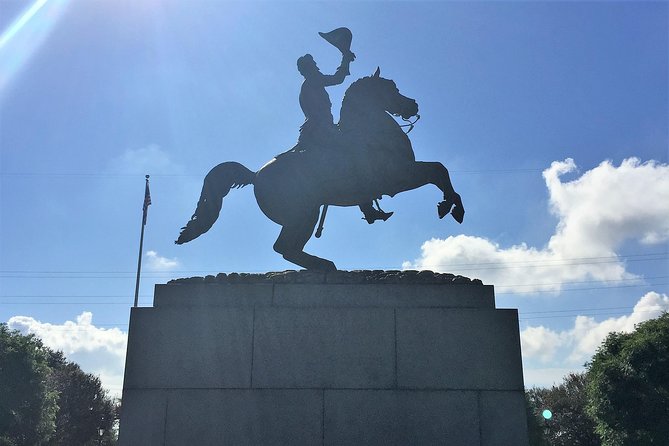
The tour finishes at Jackson Square, where about 15 minutes are spent. This is a fitting ending because the square brings together many of the themes introduced earlier: French and Spanish influence, American identity, Caribbean connections, religion, architecture, and public life.
The guide uses the square to explain how New Orleans became a city with several cultural identities at once. That is the central idea of the walk, and Jackson Square gives it a clear setting.
Ending here is practical. You are close to the cathedral, the French Market, Decatur Street, restaurants, shops, and other parts of the Quarter. You can continue sightseeing immediately, return to a place that caught your attention, or use the guide’s suggestions to choose lunch or dinner.
The ending also gives you a useful chance to ask final questions. If you have a short stay, write down recommendations before the group disperses.
Price and overall value at $35
At $35 per person, this is a fairly accessible way to get a guided introduction to New Orleans. The price includes the professional guide but not food, drinks, hotel pickup, or drop-off.
The value comes from the amount of context packed into two hours. You are not paying for admission to a series of attractions. The major sights are seen from public streets and squares, so the fee pays for the guide’s research, storytelling, route planning, and ability to connect details that you might otherwise miss.
I think the price works best for first-time visitors, solo visitors, and anyone who wants a fast orientation before making independent plans. A solo visitor in particular may appreciate the small group, since it offers both company and a chance to ask questions without joining a large crowd.
The value is less clear if you prefer to wander silently, stop for long photographs, or spend time inside historic buildings. This tour keeps moving and aims to explain a broad area rather than linger at one attraction.
What the strong feedback tells you
The most consistent praise is directed at the guides. Scott is repeatedly associated with humor, clear communication, and memorable stories. Tim is praised for being friendly and well informed. Libby receives strong marks for passion, local knowledge, and personal recommendations. Renee, Lesley, and Yvonne are also described as personable and effective storytellers.
Architecture is another major strength. The tour does not treat the Quarter as a backdrop for photographs. It explains how architectural details reflect French, Spanish, and other influences, giving you a better way to understand the district after the tour ends.
The small group is especially useful. A group of up to 12 is not private, but it is small enough for the guide to respond to questions and keep people together. One account described a group of about 18, so the actual size may vary in practice, but the stated maximum is 12. I would confirm the current group size if that detail is especially important to you.
There is also evidence that guides can adapt. One walk was rerouted around a New Year’s parade, which shows some practical flexibility when city events disrupt the normal path. Still, weather and street conditions can affect the experience, so dress for the forecast.
Who should book this walk
I would recommend it for:
- First-time visitors who want a clear introduction to the French Quarter.
- Repeat visitors who want to learn details they missed on earlier trips.
- Solo visitors who prefer a small group and an easy way to ask questions.
- Families whose children can manage two hours of walking and listening.
- Anyone interested in architecture, food, religion, colonial history, or local stories.
- Visitors who want restaurant and shopping suggestions before exploring alone.
You may want a different experience if your priority is food tasting, nightlife, cemetery visits, or a long architectural study. Those subjects may come up in conversation, but they are not the main focus here.
Practical tips before you go
Wear shoes you can comfortably use for two hours. Bring water, especially during warm weather, and carry rain protection if the forecast looks uncertain.
Arrive knowing that the walk is outdoors and runs in all weather. A hat, sunscreen, and light clothing can help on hot days, while a compact rain layer is sensible during wet weather.
Book early if your dates are fixed. The experience is often reserved well ahead, with an average booking time of about 17 days in advance. You can cancel up to 24 hours before the experience for a full refund.
Service animals are allowed, and the activity is near public transportation. Most people can participate, but the route is still a walking tour, so consider your comfort with standing and walking for roughly two hours.
Should you book the French Quarter Historical Sights and Stories Walking Tour?
Book it if you want the French Quarter to make more sense than it would from a map and a camera. For $35, you get two hours of guided context, major landmarks, architecture, local recommendations, and a group small enough to hear the stories.
I would place it early in your New Orleans schedule, ideally before you choose most of your restaurants and sightseeing stops. The main drawback is limited time: you will see selected highlights, not every building or street. If you accept that tradeoff, this is a practical, well-priced introduction with guides whose humor, patience, and storytelling are the heart of the experience.
FAQ
How long is the French Quarter Historical Sights and Stories Walking Tour?
The tour lasts approximately two hours.
Where does the tour start?
The meeting point is listed at 400 Dumaine St, New Orleans, Louisiana 70116.
Where does the tour end?
The tour ends at 701 Decatur St, in Jackson Square, the heart of the French Quarter.
What sights are included?
The route includes the French Quarter, French Market, St. Louis Cathedral, the Mississippi River, Royal Street, and Jackson Square.
Is food included?
No. Food and drinks are not included in the tour price.
What should I bring?
Bring water, especially in warm weather, and wear comfortable walking shoes. The tour operates in all weather, so dress appropriately for the conditions.
Latest history tours reviewed in the USA
- Franklin: Ghost Tour in Historic Franklin★ 4.8 · 65 reviews
- Fort Worth: Stockyards History Tour Pub Crawl★ 4.8 · 39 reviews
- Downtown Flagstaff Haunted History Walking Tour★ 4.7 · 46 reviews
- New York City: Flatiron Food, History, and Architecture Tour★ 4.8 · 43 reviews
- Fairbanks: Gold Dredge 8 Historic Train Tour★ 4.7 · 219 reviews
- Fairbanks: Private Mush on the Historic Yukon Quest Trail★ 5.0 · 30 reviews
- Charleston:Evening Haunted History Horse-Drawn Carriage Tour★ 4.7 · 38 reviews
- Philadelphia: Valley Forge National Historical Park Tour★ 4.9 · 39 reviews
New Orleans History Tours, compared.
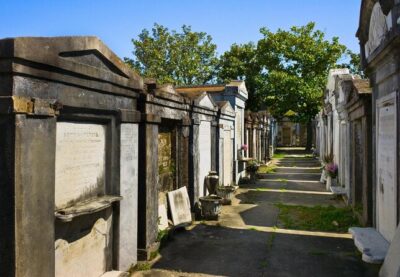
New Orleans Garden District History Walking Tour
Read our review →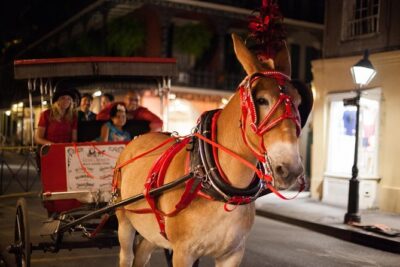
New Orleans Small-Group Haunted History Carriage Tour
Read our review →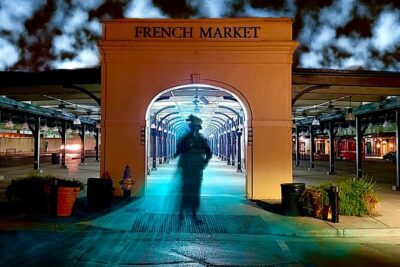
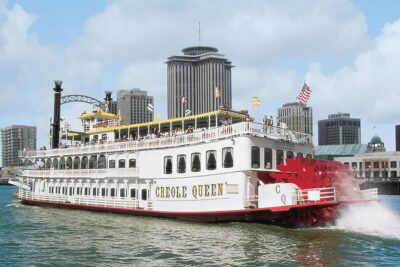
Paddlewheeler Creole Queen Historic Mississippi River Cruise
Read our review →
New Orleans: Creole Queen History Cruise with Optional Lunch
Read our review →
Browse the lists this tour appears in