
Review · WASHINGTON DC
Washington, DC: African American History Tour & Museum Entry
Washington, DC’s monuments tell only part of the American story. This tour adds the missing voices, connecting the Lincoln Memorial, Howard University, U Street, and Civil War memorials to the people and movements that shaped the nation. Guides such as Dre and Elvis Pate are known for turning a bus ride into a lively history lesson.
I like the way the tour reaches lesser-known places, including Le Droit Park, the African American Civil War Memorial, and Mary McLeod Bethune’s statue. I also like the practical route: you cover a wide area in a climate-controlled bus, then finish with timed entry to the Smithsonian National Museum of African American History and Culture.
The main consideration is pace. You have only 210 minutes to 4 hours, and some stops are photo stops rather than long visits. A few people also found the van tight or the microphone muffled, so ask for a seat with a clear view of the guide if possible.
Key points to know before booking
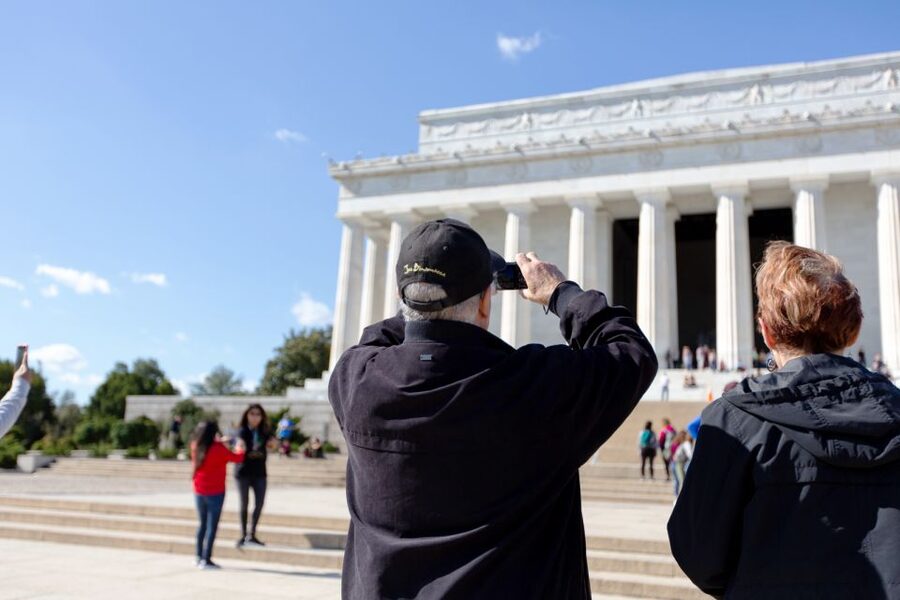
- The tour connects famous landmarks to Black history: See the Lincoln Memorial, Martin Luther King Jr. Memorial, White House, Howard Theatre, and Freedom Plaza through a focused historical lens.
- Howard University and U Street add local context: Learn about a major historically Black university and the old U Street entertainment district once known as Black Broadway.
- The museum visit is self-guided: Your ticket provides timed entry, but this is not an official Smithsonian-led tour.
- The guide makes the difference: Dre is frequently scheduled and is praised for his storytelling, humor, and command of the subject. Other guides, including Elvis Pate, Dion, and Andre, may lead your departure.
- The bus saves your feet: Washington’s sights are spread out, and the air-conditioned vehicle is useful in hot or cold weather.
- Bring a snack and plan your museum time: Food and drinks are not included, and the museum is large enough to require more than a quick glance.
Why this tour gives Washington a fuller story
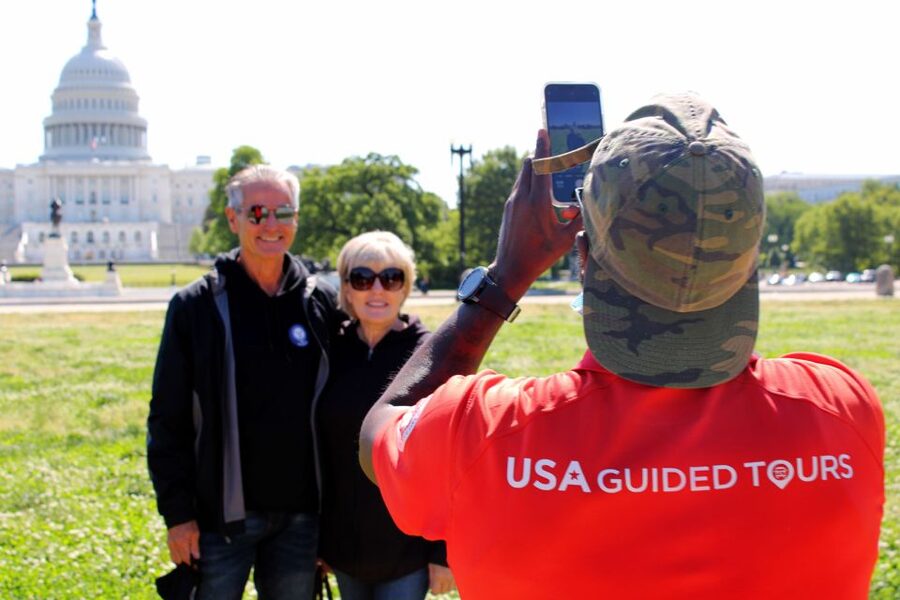
The usual first visit to Washington focuses on presidents, wars, and grand marble buildings. Those places matter, but they can leave you with a polished version of the capital that skips the daily struggle behind the nation’s ideals.
This tour shifts the focus. You still see the big landmarks, but your guide explains how African Americans shaped the city and the country through military service, education, activism, business, music, and protest. That added context is the real reason to book it.
The experience costs $89 per person. That is fair if you want transportation, a live guide, and timed museum admission in one outing. It is less attractive if your main goal is only to visit the museum, since you could spend several hours there on your own. The value comes from the combination of the bus route and the interpretation between stops.
The strongest part is the guide’s role. Dre is mentioned often in the tour schedule, though the exact guide depends on the departure. He is described as witty, direct, and deeply informed, with a knack for linking a statue or building to a larger story. Elvis Pate has also led the tour, with a style that makes the group feel involved rather than lectured at.
More Museum and Gallery History Tours in the USA
- New York City: American Museum of Natural History Ticket
★ 4.5 · 15,447 reviews - American Museum of Natural History Admission Ticket
★ 4.0 · 1,931 reviews - Guided African American History Tour with Reserved Museum Entry
★ 4.5 · 1,180 reviews
Starting at the U.S. Navy Memorial
The usual starting point is the U.S. Navy Memorial on Pennsylvania Avenue NW. There may be three starting location choices depending on the option you book, so check your confirmation carefully rather than assuming every departure leaves from the same place.
The bus is air-conditioned, which matters in Washington. Summer heat can make a long monument route tiring, while winter wind can turn outdoor stops into short visits. The vehicle lets you cover more ground without spending the whole morning walking between distant neighborhoods.
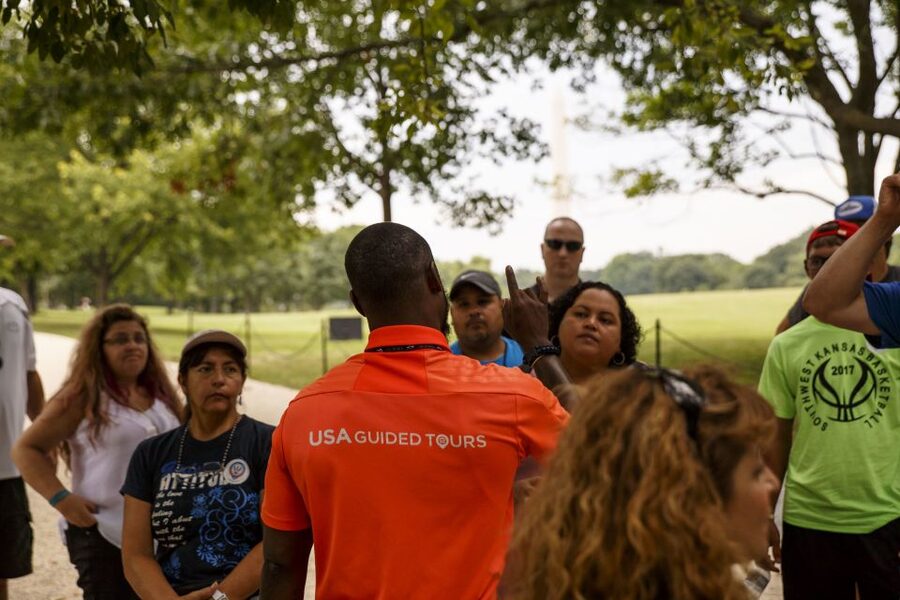
The format is part sightseeing ride, part guided history class. You should expect commentary while moving and short stops for photographs. This is not a slow walking tour with long time at every site, so keep your camera ready and listen closely when the guide begins explaining a place.
The Emancipation Statue and Lincoln Park
The Emancipation Statue, also known as the Freedman’s Memorial, introduces the difficult transition from slavery to freedom. It is a useful early stop because it raises questions about who received credit for emancipation and how formerly enslaved people were represented in public monuments.
At Lincoln Park, you see the statue of Mary McLeod Bethune, an educator, activist, and founder of the National Council of Negro Women. Her presence gives the tour a welcome shift away from a story told only through presidents and military leaders.
The stop is generally brief, so do not expect a full museum-style presentation at the park. Still, the statue is one of the tour’s more personal moments. It points to the work of Black women in education, civic life, and political organizing, areas that are often squeezed into a footnote on standard city tours.
The Lincoln Memorial and Martin Luther King Jr.’s speech
The Lincoln Memorial is one of the best-known sights in Washington, but the tour gives it a different weight. You stand where Martin Luther King Jr. delivered his 1963 I Have a Dream speech, looking across the Reflecting Pool toward the Washington Monument.
The setting is grand, but the important detail is the connection between the physical space and the civil rights movement. Your guide can help place the speech within the long campaign for equal rights, rather than treating it as an isolated inspirational moment.
You will have time for photographs, but this is not a private, extended visit. The memorial can be crowded, and the tour must keep moving. If you want to read every inscription or spend quiet time on the steps, plan to return independently.
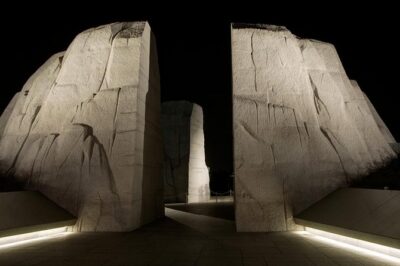
The Martin Luther King Jr. Memorial adds another layer. Its location near the Tidal Basin gives you a chance to consider how the nation later chose to honor King in stone and public space. Together, the two stops show both the struggle for civil rights and the way that struggle has been remembered.
Same old streets, another chapter:
- History and Hauntings of Salem Guided Walking Tour
★ 5.0 · 14,564 reviews - Charleston’s Old South Carriage Historic Horse & Carriage Tour
★ 5.0 · 10,023 reviews - Beneath The Streets Underground History Tour
★ 4.5 · 8,006 reviews - Big Island in a Day: Volcanoes Waterfalls Sightseeing and History
★ 5.0 · 6,569 reviews
Frederick Douglass, Lincoln Park, and the people behind the monuments
The route passes the home of Frederick Douglass, the abolitionist, writer, and public speaker who became one of the most important Black voices of the nineteenth century. The tour does not present this as a full house visit, but the stop helps connect the city’s civil rights story to the earlier abolitionist movement.
This is one of the places where a good guide adds real value. A building can look like just another historic home when you do not know who lived there or how that person used education, writing, and public speaking to challenge slavery.
The emphasis throughout is on people who pushed the country forward, often while facing laws and customs designed to keep them out of power. That makes the route more than a string of photo opportunities.
Howard University and the Black intellectual tradition

Howard University is one of the oldest historically Black universities in the United States. A stroll around the well-kept campus gives the tour a change of pace and shows how education became a central tool in the fight for civil rights.
This stop works especially well for families and students. Instead of hearing only about protests and court battles, you see the institutions that trained teachers, lawyers, doctors, writers, and organizers. The campus helps explain how a movement builds leaders over time.
The amount of time here can vary. It is not presented as a full university tour, and you should not expect access to every building. Think of it as a guided introduction to Howard’s place in the story, followed by a short walk.
Le Droit Park, Shaw, and U Street’s Black Broadway
The drive through Le Droit Park, the Shaw neighborhood, and historic U Street is one of the tour’s most distinctive sections. These neighborhoods once formed the center of Washington’s largest urban African American community in the early twentieth century.
U Street is especially important for its music and nightlife history. Your guide explains the area’s reputation as Black Broadway, a place associated with entertainment legends from past and present. This gives the tour cultural breadth. African American history here is not limited to oppression and protest. It also includes performance, business, creativity, and community life.
Because much of this section is viewed from the bus, you need to pay attention to the commentary. The neighborhoods can seem ordinary if you only look out the window. The guide’s job is to point out what the street grid and buildings represent.
A practical note: U Street would be a natural place to find a meal, but food is not included and the tour does not promise a food stop. Bring something small if you tend to get hungry during a long morning. Museum food options may be convenient, but lines can be long and the food is not the main reason to visit.
The African American Civil War Memorial and Museum
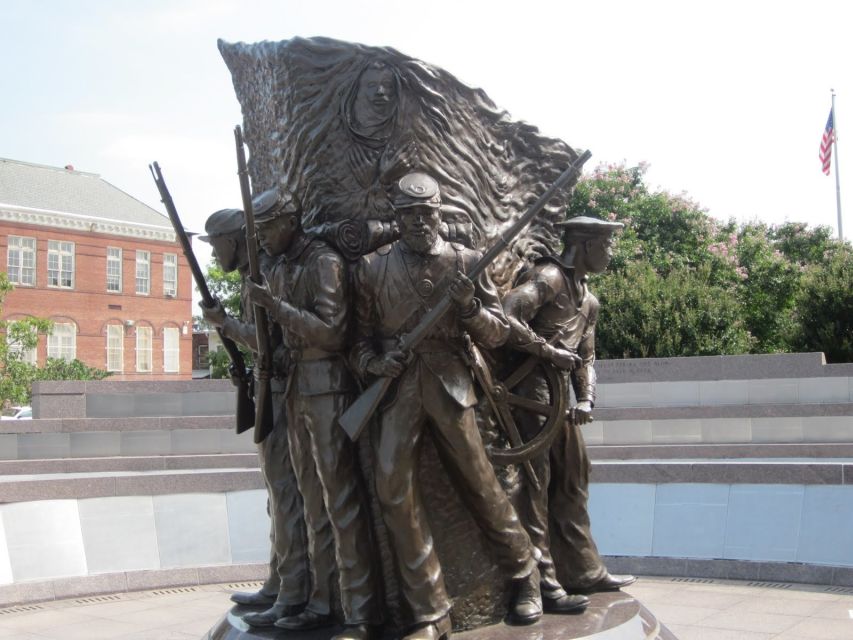
The African American Civil War Memorial honors the Black soldiers who served and died during the Civil War. The stop helps explain how African American military service affected the course of the war and challenged the nation’s ideas about citizenship.
For families tracing an ancestor, this part can be especially meaningful. A memorial wall includes the names of African American Civil War soldiers, and the guide may help you understand how to look for a family name. If genealogy matters to you, have names and spellings ready before the tour.
The visit is described as a stop outside the memorial and museum, not a guaranteed extended museum visit. That distinction matters. You will get context and a chance for photographs, but the later Smithsonian visit is the main museum experience included in the price.
Downtown Washington, Freedom Plaza, and the White House

The bus then moves through central Washington, including Freedom Plaza on Pennsylvania Avenue, the White House, and the National Council of Negro Women. These places show how African American civic life is tied to the capital’s political center.
The White House is a photo stop, not an interior visit. You should also expect the same at several other major landmarks. The advantage is that you see a broad range of sites in one outing. The tradeoff is that you will not have much time to linger.
The route continues into Logan Circle, where you see Metropolitan AME Church and the Mary McLeod Bethune Council House. These stops bring the story back to organized community life, religious institutions, women’s leadership, and local activism.
This balance between national monuments and neighborhood history is one of the tour’s best features. You are not simply driven past famous buildings. You are shown how national events took shape through churches, schools, civic groups, and local communities.
Entering the National Museum of African American History and Culture
The tour finishes at the Smithsonian National Museum of African American History and Culture. Your package includes a timed-entry pass, allowing you to continue inside at your own pace.
The museum is large, and the bus tour cannot prepare you for every gallery. In fact, four hours for the complete outing is only enough for an introduction. If you want to read labels carefully and spend time with the exhibits, plan a separate return visit.
The order of the day can work well. The guide gives you names, places, and historical connections first. When you enter the museum, you have a framework for understanding what you see rather than moving through a long series of objects without context.
Keep in mind that the guide does not lead you through the museum. This is an independent visit after the bus portion ends, and the tour operator is separate from the Smithsonian. You are paying for the supplier’s transportation, guide service, and timed admission, not for an official Smithsonian interpretation.
The museum itself can be emotionally demanding. Allow yourself enough time to pause, especially in sections that deal with slavery, segregation, resistance, and civil rights. If you have only a short window after the bus tour, you may feel rushed.
What the guides and vehicle are really like
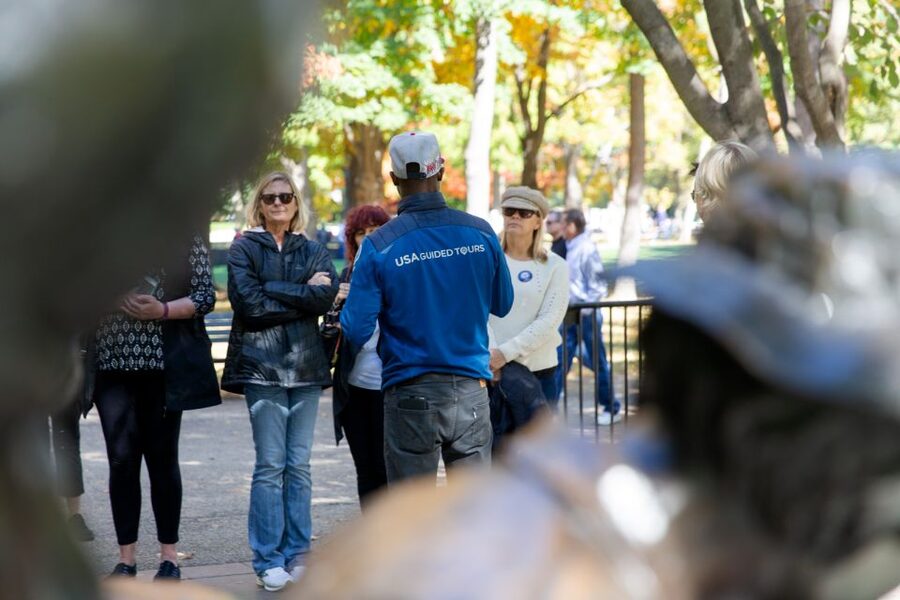
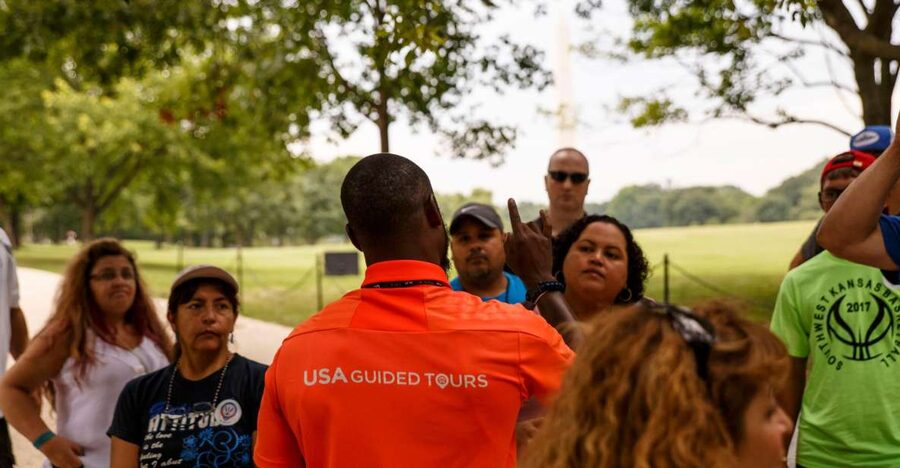
The guides are the heart of this experience. Dre is the name most often associated with the tour, and his approach combines detailed historical information with humor and direct answers. Elvis Pate has also received strong praise for connecting with different ages and making the bus feel informal and welcoming.
Other guide and driver combinations have included Dion and Gary, Dr. Dre and Whiz Khalifa, and guides named Andre, Que, or Mr. Parker. Your exact team can vary, so book for the route and format rather than for a guaranteed individual guide unless your selected option clearly says otherwise.
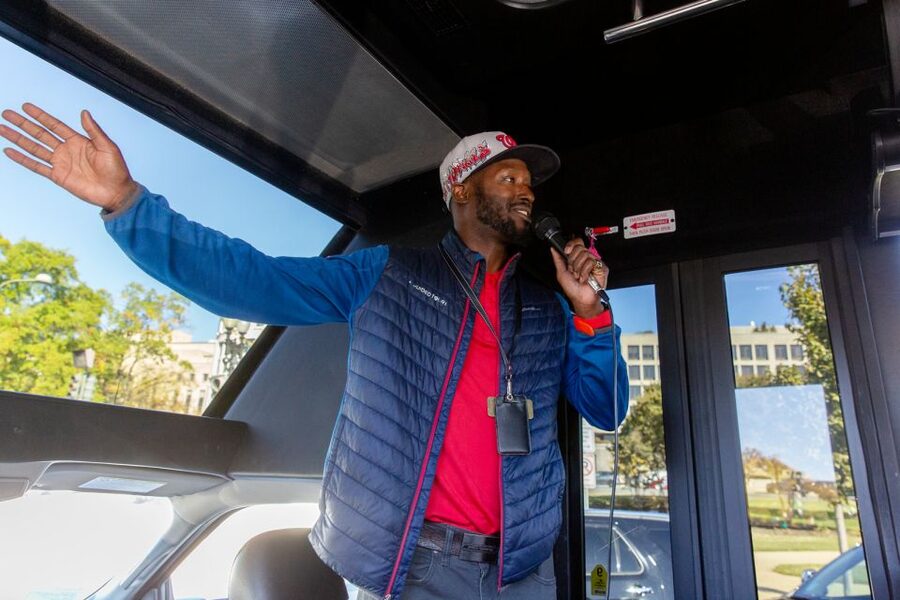
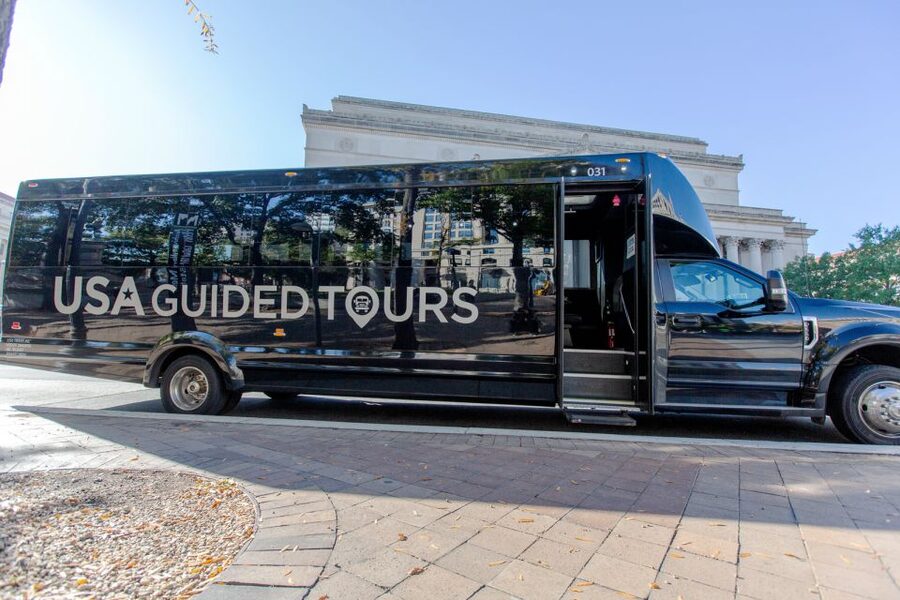
The bus is comfortable and climate-controlled, but vehicle size may vary. Some departures use a smaller Sprinter-style van, and taller passengers or full groups may find it snug. A microphone has also occasionally been hard to hear. Sit near the front if clear audio is important, and let the guide know if you cannot hear.
The driver matters, too. Drivers are responsible for moving through a busy capital while the guide handles the commentary. That division lets you focus on the sights instead of traffic and directions.
Who should book this $89 experience
I would recommend this tour to you if you want a structured introduction to African American history in Washington and prefer not to piece together distant neighborhoods on your own. It is also a good fit for families, school-age children, first-time DC visitors, and anyone who wants more explanation than a standard monument loop provides.
The tour suits people who learn best through stories and place. You will hear the history, see the neighborhoods, and then continue at the Smithsonian.
It is less suitable if you want a quiet, self-directed day at the museum or long visits at each memorial. You may also prefer independent sightseeing if you already know Washington well and want to set your own pace.
Book with these practical points in mind:
- The duration is listed as 210 minutes to 4 hours, depending on the departure and option.
- English is the tour language.
- Hotel pickup and drop-off are not included unless you choose a private option.
- Food and drinks are not included.
- Free cancellation is available up to 24 hours before departure.
- You can reserve now and pay later.
- Private groups are available.
Should you book it?
Book this tour if you want the city’s major monuments explained through African American history, with transportation between neighborhoods and timed museum entry included. The strongest value is the combination of an engaging guide, a wide-ranging route, and the Smithsonian admission.
Skip it if your only priority is spending a full day inside the museum or if you dislike short photo stops and a fixed schedule. For most people who want an efficient and thoughtful first look at Black history in Washington, the $89 price is reasonable, especially when a strong guide such as Dre or Elvis Pate is leading the group.
FAQ
How long does the Washington African American history tour last?
The experience lasts between 210 minutes and 4 hours, depending on the departure and option selected.
Where does the tour begin?
The usual meeting point is the U.S. Navy Memorial at 701 Pennsylvania Avenue NW in Washington, DC. The exact meeting point may vary by booking option, and multiple starting locations may be available.
Is museum admission included?
Yes. The price includes a reserved, timed-entry ticket to the Smithsonian National Museum of African American History and Culture.
Is the museum visit guided?
No. The bus portion is guided, but you explore the Smithsonian museum independently at your own pace. This is not an official Smithsonian tour.
What language is the tour offered in?
The live tour guide speaks English.
Are meals or drinks included?
No. Food and drinks are not included, so bring a snack if you need one during the 3.5 to 4-hour experience.
Is hotel pickup included?
Hotel pickup and drop-off are not included unless you select a private option that offers those services.
Latest history tours reviewed in the USA
- Franklin: Ghost Tour in Historic Franklin★ 4.8 · 65 reviews
- Fort Worth: Stockyards History Tour Pub Crawl★ 4.8 · 39 reviews
- Downtown Flagstaff Haunted History Walking Tour★ 4.7 · 46 reviews
- New York City: Flatiron Food, History, and Architecture Tour★ 4.8 · 43 reviews
- Fairbanks: Gold Dredge 8 Historic Train Tour★ 4.7 · 219 reviews
- Fairbanks: Private Mush on the Historic Yukon Quest Trail★ 5.0 · 30 reviews
- Charleston:Evening Haunted History Horse-Drawn Carriage Tour★ 4.7 · 38 reviews
- Philadelphia: Valley Forge National Historical Park Tour★ 4.9 · 39 reviews
Washington DC History Tours, compared.
Guided African American History Tour with Reserved Museum Entry
Read our review →
DC Monuments & History Guided E-Cart Tour-Blankets
Read our review →
Smithsonian Museum of Natural History – Exclusive Guided Tour
Read our review →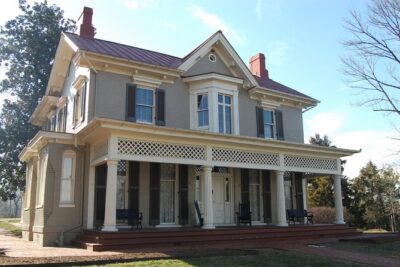
African American History Tour with Museum of African American History Ticket
Read our review →
D.C: Monuments & History Guided Open-Air Bus Tour-Day &Night
Read our review →
DC: Georgetown History & Architecture Tour with Local Guide
Read our review →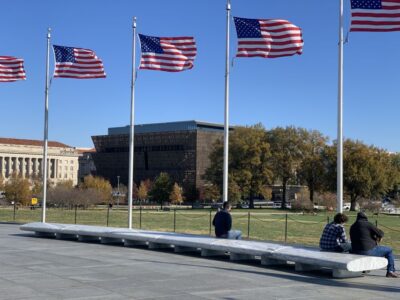
Washington DC: African American History Museum Private Tour
Read our review →Browse the lists this tour appears in