
Review · EGYPT
Cairo: 3-Day Siwa Oasis Tour, Safari, Camp & Historical Site
Siwa is Egypt at its most surprising: a far western oasis where palm groves, salt lakes, mud-brick ruins, ancient tombs, and open desert fit into one long, busy escape from Cairo. I especially like the salt-lake swims and the evening desert safari, two experiences that feel very different from the usual pyramid circuit. The chance to sleep in a Siwan lodge or a Bedouin camp adds real local flavor.
I also like the small-group setup, capped at 13 people, and the guides’ personal touch. Guides such as Sabra, Ramy, Mahmoud, Ahmed, and Fares have been praised for good explanations, flexibility, Arabic phrases, and taking photos. The main drawback is the road: Cairo to Siwa is a very long haul, and the advertised journey can take up to 13 hours each way.
Key points before you book

- Salt lakes and Cleopatra’s Spring: Swim in mineral-rich water, float in Siwa’s striking salt pools, and bathe in a palm-filled natural spring.
- A serious desert drive: The Great Sand Sea safari includes dune bashing, sandboarding, sunset tea, and a barbecue dinner.
- Ancient and recent history: Visit Si-Amun’s painted tombs, the Temple of the Oracle, and the El Alamein World War II Military Museum.
- Two different overnight choices: Select two nights at the Oasis Lodge, or one lodge night and one night at a desert camp, at no extra cost.
- Small group, personal service: The tour limits numbers to 13, with guides often helping with photos, translation, local customs, and flexible timing.
- A packed schedule: You see a lot in three days, but this is not a slow, restful break from Cairo.
Why Siwa is worth the long road from Cairo

At about $361 per person, this is not a cheap day trip. It is also not really a normal three-day tour. Much of the first and third days is taken up by the road, so you are paying for a long-distance transfer as well as accommodation, meals, guiding, entry tickets, and a full set of desert activities.
The value improves if you want to see Siwa without arranging separate transport, hotels, local guides, safari vehicles, and meals. The price includes hotel pickup and drop-off, shared air-conditioned transport, attraction tickets, daily light breakfast, lunches on Days 1 and 2, a desert barbecue, bottled water, Bedouin tea, a 4×4 safari, sandboarding, and a city tour.
I would not choose this trip if you have only three days in Egypt and still need to see Cairo, Luxor, or Aswan. I would choose it if you have already allowed time for the major sights and want something far removed from the Nile Valley. Siwa gives you a slower rural setting, palm groves, salt water, local food, and an unusual mix of Berber and ancient Egyptian culture.
The long ride is made easier by an air-conditioned modern vehicle and regular stops for food and toilets. Still, pack snacks, a neck pillow, and entertainment for the road. Pickup is available in Cairo, Giza, and Alexandria. Hotels around Nasr City, Cairo Airport, Heliopolis, Mirage City, Rehab City, Madinaty, New Cairo, the New Capital, and 6th of October require a long-range pickup add-on.
More Three-Day Trips in the world:
- 3-Day Ancient Greek Archaeological Sites Tour from Athens
★ 4.5 · 52 reviews
El Alamein brings the first lesson in history
Your first major stop is the El Alamein World War II Military Museum. This changes the rhythm of the trip before you reach the oasis. Instead of moving straight from Cairo into desert scenery, you pause to look at North Africa’s wartime story through cannons, armored vehicles, soldiers’ personal items, and a Holy Book carried by one of the soldiers.
The museum is a useful stop for anyone interested in twentieth-century history. It also helps break up the road. The experience is more about objects and military displays than interactive entertainment, so allow yourself a quieter hour and listen closely to your guide’s explanation.
After El Alamein, the road continues west toward Siwa. The distance is the first thing you need to accept. The tour description gives a journey of up to 13 hours, while actual driving time can vary with pickup location, road conditions, and stops. Some recent itineraries have felt closer to nine or ten hours, but you should still plan for a full travel day.
Day one: first swims and a Siwan sunset
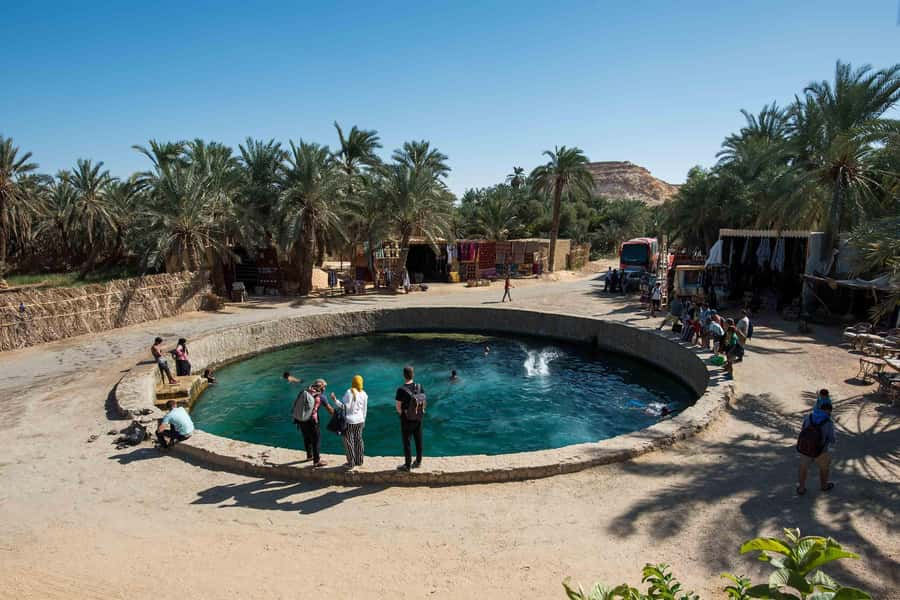
Once you reach Siwa, the trip changes character quickly. The oasis is known for palms, springs, salt water, and low desert hills. Your first water stop gives you a chance to swim and float while taking in the setting. After sitting in a vehicle for much of the day, this is not a small perk. It is the moment your body finally catches up with the trip.
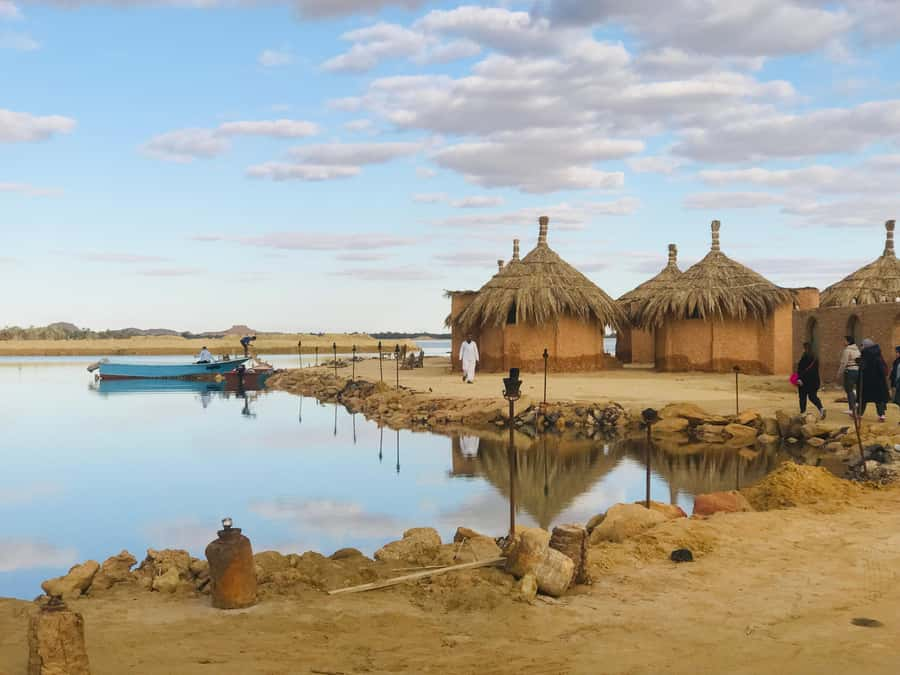
Later, you head to Fatnas Island for sunset. The name can suggest an island surrounded by water, but here it is an oasis setting with palms and a calm view across the water. You sip Siwa tea, take photos, and watch the light fade over the palms and desert.
The tea matters as much as the view. Siwan tea is part of the region’s hospitality, and the stop feels less rushed than a standard photo break. Bring a light jacket for the evening, since desert temperatures can fall after sunset.
Your first night is at the Oasis Lodge. Accommodation details can vary, but the tour offers either two nights at the lodge or one night there followed by one night at a desert camp. The lodge option is the easier choice if you want a bed, predictable facilities, and less exposure to nighttime cold.
Day two: tombs, temples, and Siwa’s oldest stories
Day two begins with the Mountain of the Dead. Despite its dramatic name, this is a compact hill filled with tombs cut into the rock. The most important stop is the tomb of Si-Amun, where you can see ancient decoration and learn how this oasis connected to Egypt’s wider religious world.
The site is not a giant temple complex, so the value comes from its setting and the details inside the tombs. Wear comfortable shoes, as the ground can be uneven. A hat and sunglasses help, but follow your guide’s instructions around the tomb interiors.
Next comes the Temple of the Oracle. Alexander the Great is traditionally linked with the oracle here, and the site is known for its vestibule and forecourt. The ruins are modest compared with Karnak or the Giza pyramids, but that is part of the appeal. You are not walking through a grand restoration. You are seeing an old sacred place in an oasis town far from Egypt’s main tourist route.
The visit often includes time for a tuk-tuk ride or other short local transport, depending on how the day is arranged. Guides may also help with photos and translation. Some guides, including Sabra, Ramy, and Ahmed, have been praised for explaining local customs and adding useful Arabic phrases along the way.
More History Tours in the world:
- New York City: American Museum of Natural History Ticket
★ 4.5 · 15,447 reviews - History and Hauntings of Salem Guided Walking Tour
★ 5.0 · 14,564 reviews - Colosseum: Underground and Ancient Rome Tour
★ 4.7 · 12,691 reviews - Lisbon: History, Stories and Lifestyle Walking Tour
★ 4.8 · 10,902 reviews
Salt lakes are the day’s great surprise
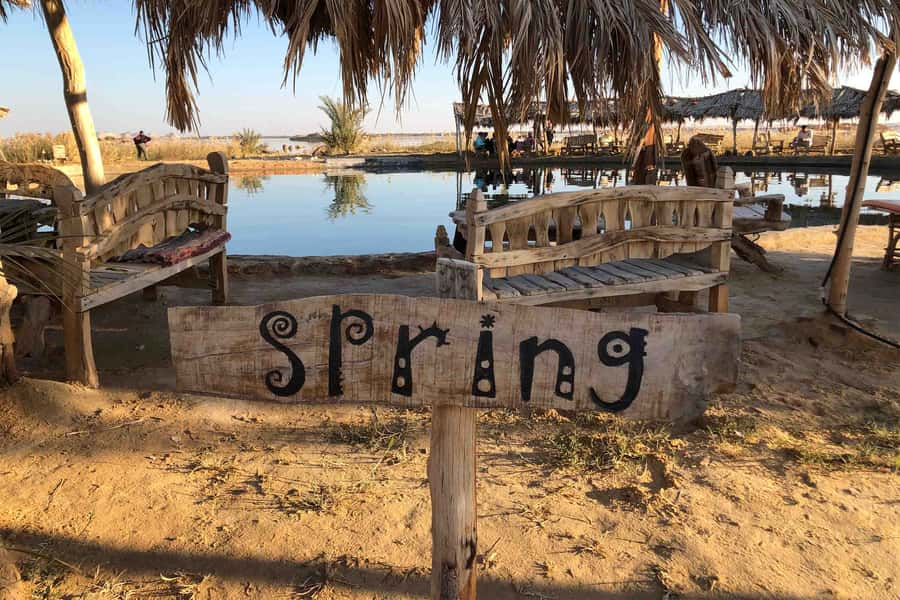
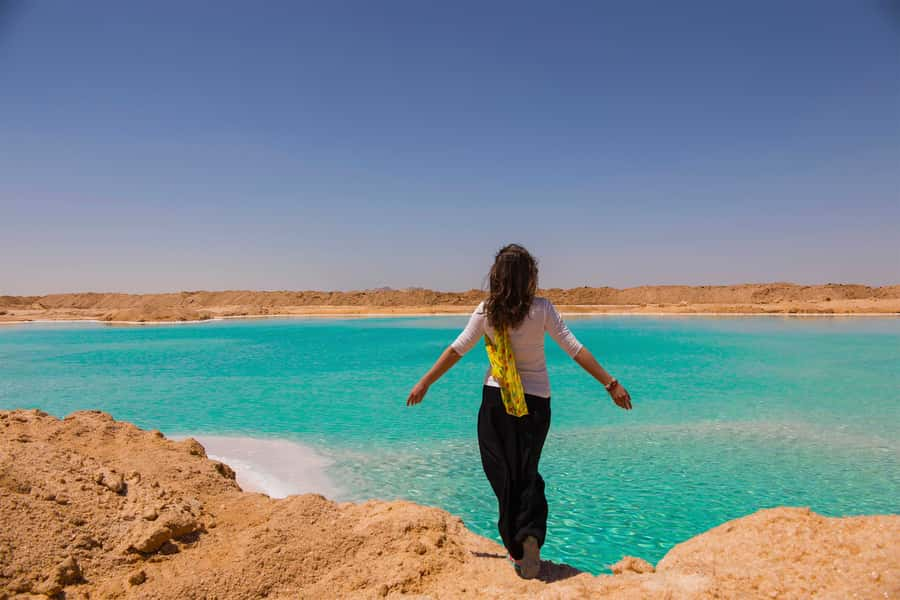
The salt lakes are one of the strongest reasons to book this tour. The water can look intensely blue or pale green, depending on the light and the lake, with salt crystals around the edges. You can swim and float, but avoid swallowing the water and protect any cuts on your skin.
The buoyancy makes this different from a normal pool or beach swim. You may find it easier to float than to swim properly, so enter carefully and listen to the local guide. Bring a towel and a change of clothes. The provided bottle of water is useful for rinsing your face and hands afterward, though I would still pack extra water for personal use.
Cleopatra’s Spring offers a completely different swim. This natural stone pool sits among palm trees in the center of the oasis. The setting feels more sheltered and green than the salt lakes, and the fresh spring water gives you a welcome contrast after the mineral water.
You also have the chance to buy fresh fruit juice and pause among the palms. This is one of the better moments to slow down. The tour covers a lot of ground, and a drink in the shade can keep the afternoon from becoming a blur of stops.
Lunch, hot springs, and the Great Sand Sea
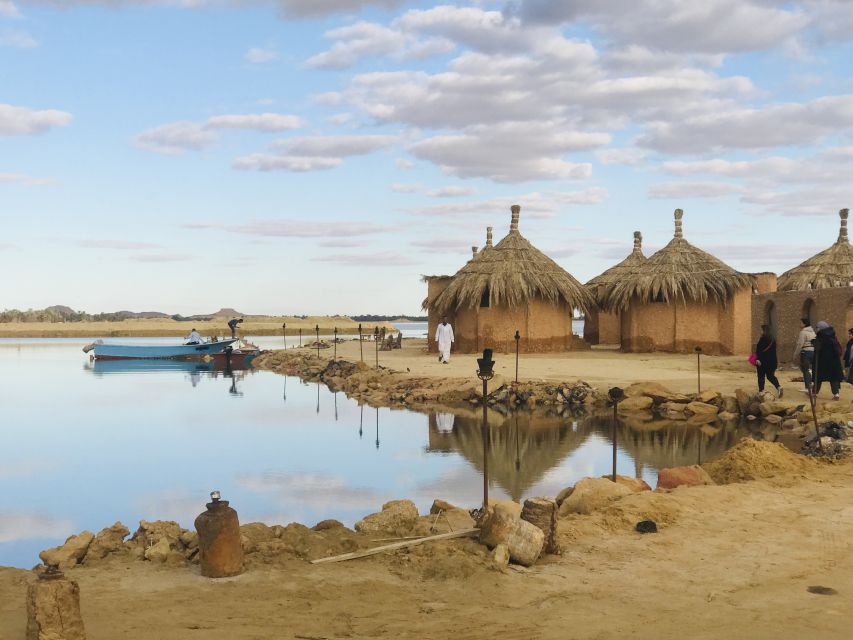
Lunch on the second day is a mixed grill at Abdo restaurant. Meals are included on Days 1 and 2, along with a light breakfast each day. The food is part of the value here because you are spending long hours away from Cairo and cannot simply choose a restaurant along the route.
After lunch, the 4×4 takes you farther into the Siwa desert. The program includes hot springs and cold lakes, with time for another dip. The water temperature and exact stop can vary, so think of this as a chance to experience the region’s natural springs rather than a spa visit with polished facilities.
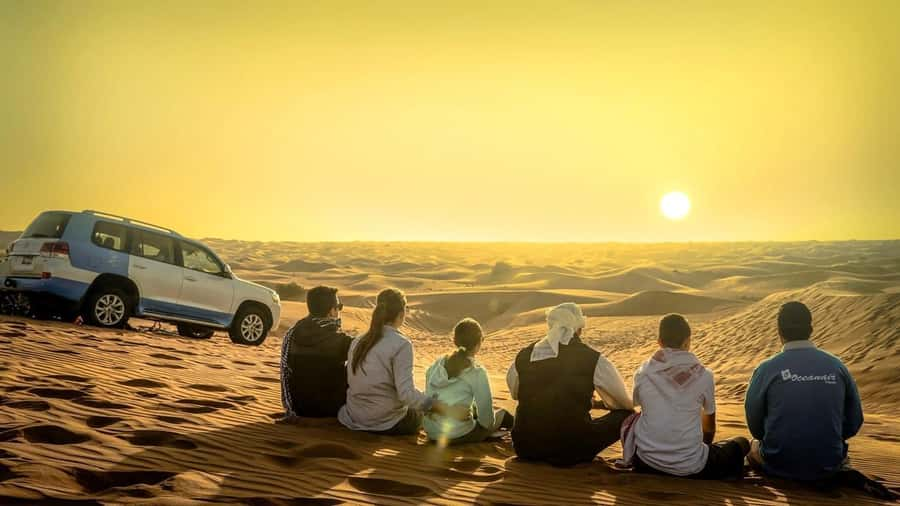
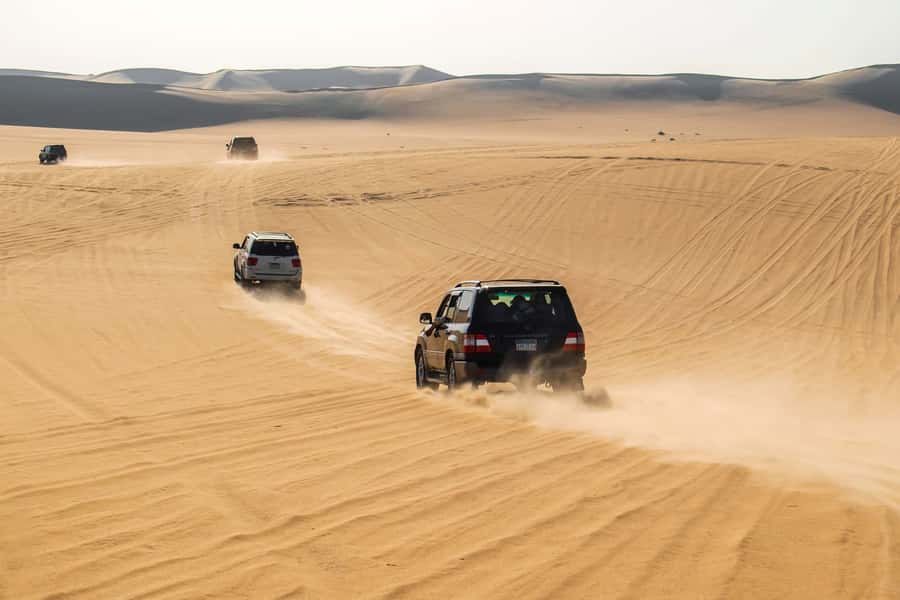
Then comes the most energetic part of the trip: the Great Sand Sea safari. The 4×4 climbs and descends the dunes while you hold on and enjoy the ride. It is playful and bumpy, not a calm sightseeing drive. If motion bothers you, tell the driver and guide before the steepest sections.
Sandboarding is included. You can climb a dune, strap on a board, and slide down. The climb back up is the hard part, especially in loose sand, so do not feel obliged to make repeated runs. Sunglasses help keep sand out of your eyes, and a windbreaker protects you when the vehicle picks up speed.
The safari ends with a desert sunset, Bedouin tea, and nuts. This is one of the most memorable combinations on the tour: the physical fun of the dunes, followed by a quiet pause as the light fades. You may also be offered the chance to climb the highest dune for a wider view.
The desert camp gives the second night a different mood
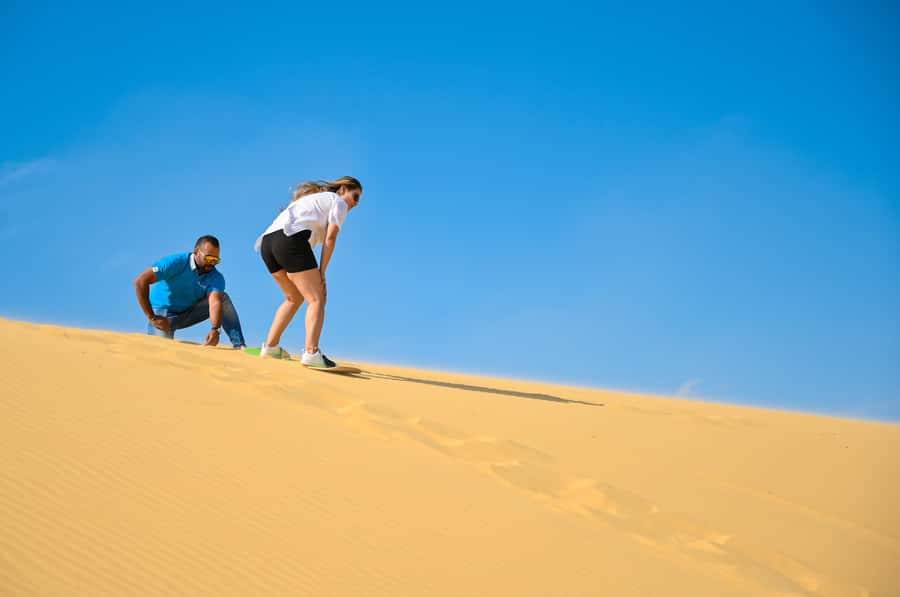
After the dunes, you reach the Bedouin camp for a barbecue dinner. The setting is basic compared with a hotel, and that is the point. You are trading regular facilities for open sky, desert silence, tea, and an evening around camp.
The camp option is best for you if you want the trip’s strongest sense of place. It is less suitable if you need a private room, dependable warmth, or a polished hotel experience. Ask at booking which overnight arrangement has been assigned or selected, since you can choose between two lodge nights and one lodge night plus one camp night at no additional cost.
The tour describes the camp tents and a late evening spent relaxing there. Bring a windbreaker, comfortable shoes, sunglasses, and a sun hat. These items are specifically recommended and are useful throughout the three days, not just in the desert.
Day three: Shali’s salt-and-clay walls
After breakfast, the final sightseeing day turns to Siwa town. Shali is the visual highlight. The old city was built from karshef, a traditional material made from salt and clay. Its walls and remains have a rough, earthy appearance that feels far removed from modern Cairo.
The architecture shows how local building methods matched the oasis environment. The city is not a perfectly preserved museum piece. You will see worn surfaces, partial walls, and an old settlement that has changed over time. That makes the visit more interesting than a freshly rebuilt attraction.
Take your time walking through the remains, but wear shoes with a good grip. The surfaces can be uneven, and the sun can be strong even on a cooler day. Shali is also a good place for photos, especially if your guide has the patience and skill to help with angles and timing. Several guides, including Ramy and Ryan, have been praised for taking particularly good photos.
The Old Souq follows Shali. You get free time to stroll and shop, which gives you a chance to see daily Siwan life rather than simply moving from one ticketed monument to another. Dates, local products, and small souvenirs may be available, but prices and stock vary, so agree on prices before buying.
Guides can shape the whole trip
The operator assigns guides according to availability, so you cannot assume you will receive a particular person. Names associated with this experience include Sabra, Ramy, Mahmoud, Ahmed, Fares, Ryan, Shawki, and others.
The strongest guide experience combines history with practical help. A good guide keeps the day moving without rushing you, explains the tombs and oracle temple in plain language, translates when needed, and helps you manage swims, meals, and desert activities. Some guides also teach simple Arabic phrases or take photos.
The driving matters just as much. The road from Cairo is long, and a careful driver makes a real difference. Drivers named in feedback include Mohamed, Taha, Kiro, Mogi, Asseam, and Mohamed Rock. Assignment is not guaranteed, but the tour’s strongest personal praise has gone to guides and drivers who offer snacks, regular stops, safe driving, and a flexible approach.
This is still a shared tour. If you are the only two people booked, you may receive more flexibility. With a larger group, timing at the springs, tombs, and souq will be less personal. The maximum of 13 keeps the group smaller than a big coach tour, but it does not turn the experience into a private trip.
Who should book this Siwa adventure?
I would recommend it to you if you want:
- A major change from Cairo’s monuments and traffic
- Ancient sites combined with swimming and outdoor activity
- A small group rather than a large bus
- A guide who can explain local life and help with photos
- A packed three-day trip that handles transport, meals, tickets, and accommodation
- The option of a desert camp without paying more
I would think twice if you dislike long road journeys, rough 4×4 rides, basic camp conditions, or busy schedules. Pregnant women and wheelchair users should not book this experience, and pets, oversized luggage, alcohol, and drugs are not allowed.
The tour is also a poor fit if your main goal is a leisurely resort break. You will spend much of Day 1 reaching Siwa, much of Day 3 returning to Cairo, and the middle day is full of stops. The reward is variety, not spare time.
Should you book the three-day Siwa tour?
Book it if you have enough time in Egypt to spare three days and want the country’s desert side, not just its famous monuments. The salt lakes, Cleopatra’s Spring, Shali, and the Great Sand Sea give you a set of experiences that Cairo cannot provide.
At $361, the price is reasonable for the distance and the number of inclusions, especially if you choose the lodge and camp combination. Just go in prepared for a very long road, basic desert facilities, and an active schedule. Pack light, bring sun protection and a windbreaker, and confirm your pickup time the day before through WhatsApp, email, or phone.
You can cancel up to 24 hours before departure for a full refund, and reserve now while paying later. Those flexible terms help, but the more important decision is simple: if Siwa is a priority, this is an efficient way to reach it. If long drives wear you down, look for a slower arrangement with more nights in the oasis.
FAQ
How long does the Siwa tour from Cairo last?
The tour lasts three days and includes two overnight stays. The road journey from Cairo to Siwa can take up to 13 hours, with stops along the way.
What is included in the $361 price?
The price includes hotel pickup and drop-off, shared air-conditioned transport, attraction tickets, accommodation, daily light breakfast, lunches on Days 1 and 2, a desert barbecue, 4×4 safari, sandboarding, Siwa city touring, Bedouin tea, and bottled water.
Can I choose the overnight accommodation?
Yes. You can choose two nights at the Oasis Lodge, or one night at the lodge and one night at a desert camp, with no extra charge.
Does the tour include swimming?
Yes. Swimming opportunities include a Siwa Oasis water stop, the salt lakes, Cleopatra’s Spring, and stops at hot springs and cold lakes.
Is sandboarding included?
Yes. Sandboarding is included during the Great Sand Sea desert safari.
Where does pickup take place?
Pickup is available from accommodation in Cairo, Giza, and Alexandria. Extra pickup arrangements are available for hotels in locations including Cairo Airport, Heliopolis, New Cairo, Madinaty, the New Capital, and 6th of October City.
What languages are available for the guide?
Guides may speak Arabic, English, German, Spanish, or Italian.
Is the tour suitable for wheelchair users or pregnant women?
No. The experience is listed as unsuitable for wheelchair users and pregnant women. It also includes uneven sites, swimming, dune driving, and sandboarding.
Latest history tours reviewed in the world
- From Athens: Ancient Olympia Full-Day Private Tour★ 4.8 · 22 reviews
- From Athens: Explore Ancient Corinth & Charming Nafplion★ 4.6 · 102 reviews
- From Athens: Explore Ancient Greece 4-Day Tour★ 4.7 · 73 reviews
- From Alexandria: Full-Day Guided Tour of Historical Sights★ 4.5 · 54 reviews
- From Albufeira: Wine Tasting & Historic Silves Tour★ 4.9 · 421 reviews
- From Albufeira: Historical Algarve Region Tour★ 4.7 · 585 reviews
- Franklin: Ghost Tour in Historic Franklin★ 4.8 · 65 reviews
- Freiburg: Exciting City Tour with sightseeing and history★ 4.3 · 103 reviews
Egypt History Tours, compared.
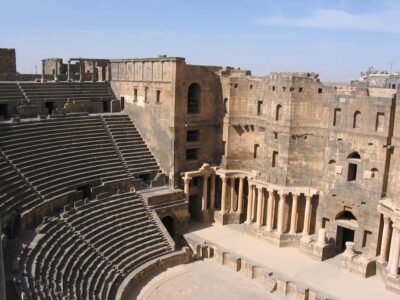
From Cairo: Private Full-Day Tour of Historical Alexandria
Read our review →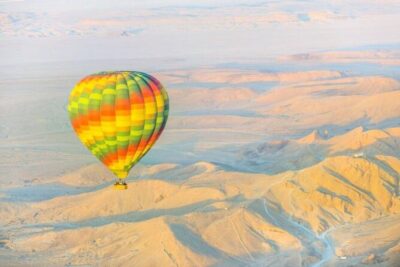
Sunrise Hot Air Balloon Over the Historical sites in Luxor
Read our review →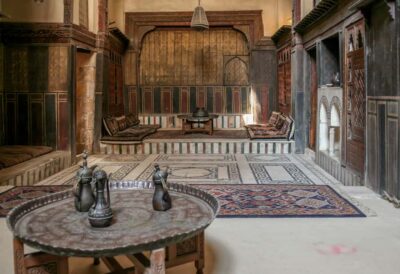
Old Cairo Guided Walk Tour: History, Culture & Street Bites
Read our review →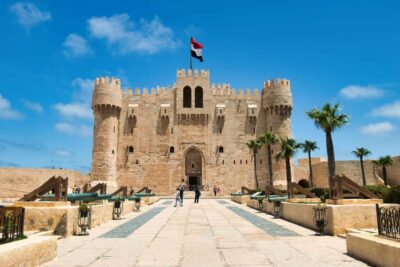
From Cairo: Historical Alexandria Shared Day Tour with Lunch
Read our review →
All Inclusive 2-Day Ancient Egypt and Old Cairo Highlights Tour
Read our review →
Marsa Alam: Ancient Cairo & Giza Pyramids Day Trip by Plane
Read our review →
Cairo: Egyptian Heritage Tanoura Dancing Troupe Show
Read our review →
From Alexandria: Full-Day Guided Tour of Historical Sights
Read our review →Browse the lists this tour appears in