
Review · NORWAY
Longyearbyen: Historic Coal Mine Tour at Gruve 3
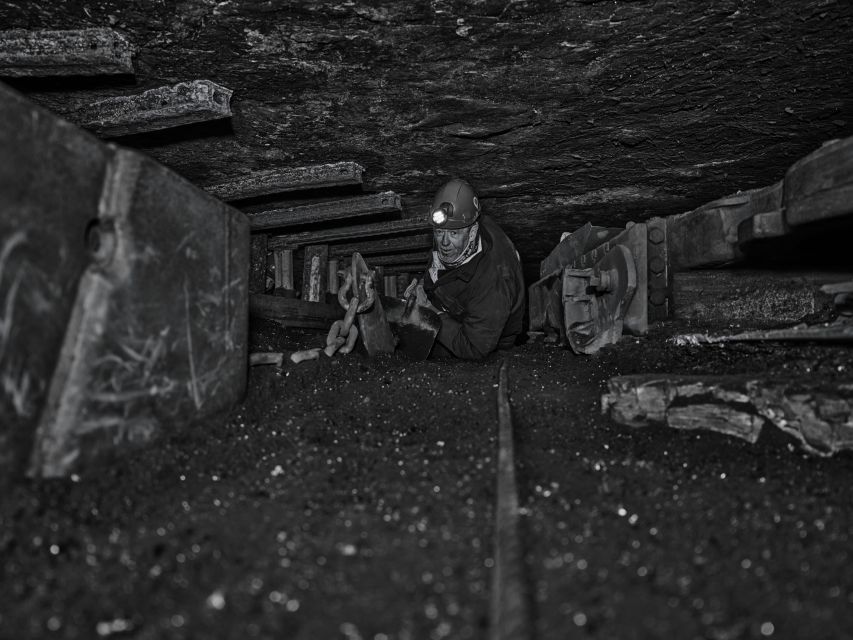
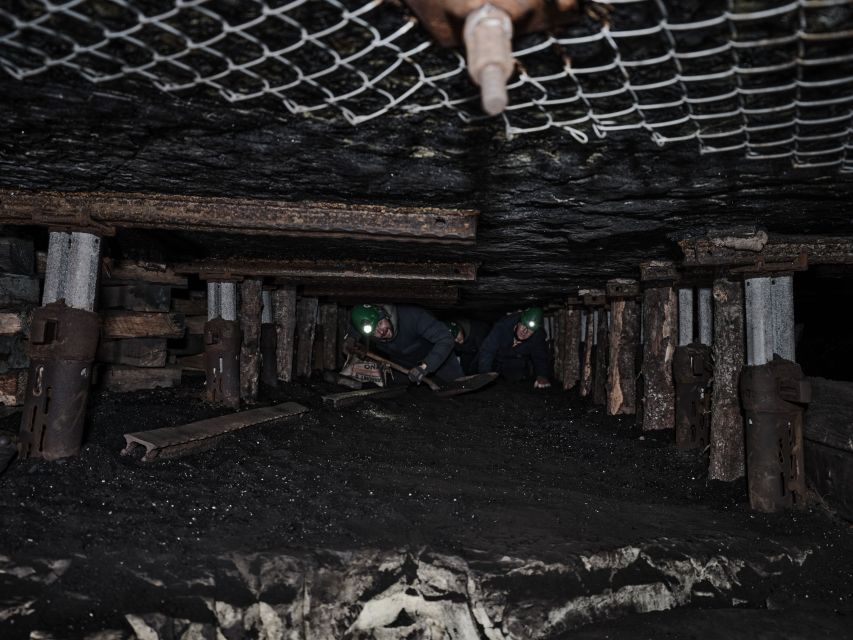
Gruve 3 gives you something most Longyearbyen activities cannot: a close look at the hard, cramped work that built the town. You walk nearly 800 meters into a former coal mine, pass machinery left behind in 1996, and can crawl into a production tunnel only about 60 centimeters high.
I like the firsthand stories from former mining staff and local guides, including Camilla, Anders, Caroline, and Michael. I also like the useful link to the Global Seed Vault, since Mine 3 helped inspire Svalbard’s early seed storage. The main drawback is clear: uneven ground, low tunnels, and tight spaces make this a poor choice for anyone with mobility limits or claustrophobia.
Key points
- Walk almost 800 meters underground: Enter the main tunnel and three side tunnels from the former Mine 3 workings.
- Crawl through a 60-centimeter-high stope: This optional section gives you a blunt sense of how confined coal extraction could be.
- See machinery abandoned in 1996: Workshops and old equipment make the mine feel like a working industrial site rather than a polished museum.
- Connect mining with the Seed Vault: Pass the Global Seed Vault and learn how Mine 3’s permafrost storage helped inspire it.
- Expect excellent storytelling: Guides such as Camilla, Anders, Caroline, and Michael are praised for clear explanations, humor, and personal mining insight.
- Dress for a cold, rough visit: Warm clothes, a helmet, and headlamp are provided, but you still need comfortable clothes and shoes.
Why Gruve 3 explains Longyearbyen
Longyearbyen can seem like a base for Arctic excursions, but coal mining explains why the settlement exists at all. At Gruve 3, you get past the modern hotels, snowmobiles, and expedition traffic and see the work that once supported daily life here.
The mine was the last in town to use thin-seam production. That means miners worked in coal seams with limited height, often close to the floor and roof. A model inside the facility helps show how coal was extracted, and the later crawl through a low tunnel turns that explanation into a physical experience.
I find this link between history and bodily effort especially valuable. A talk about difficult working conditions can remain abstract. Crawling through a narrow opening, moving over uneven ground, and relying on a helmet lamp gives you a better sense of the physical demands without pretending that a short visit matches a miner’s working day.
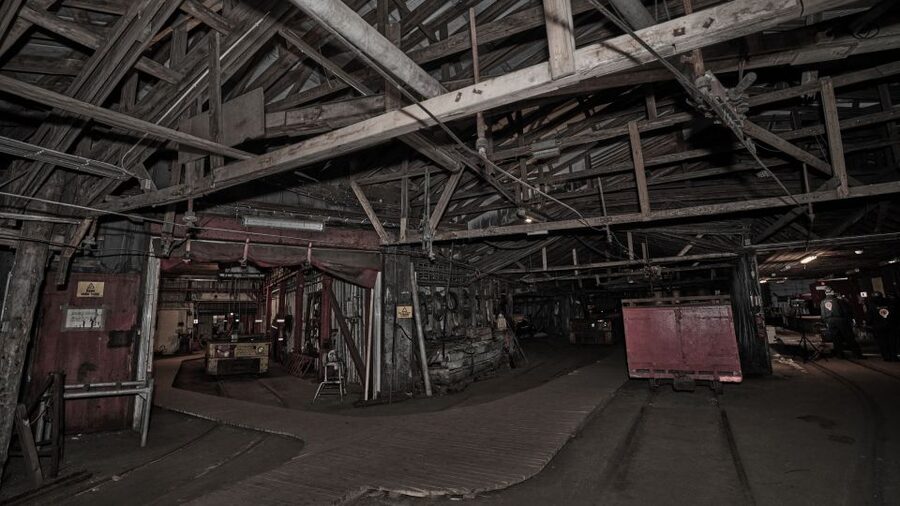
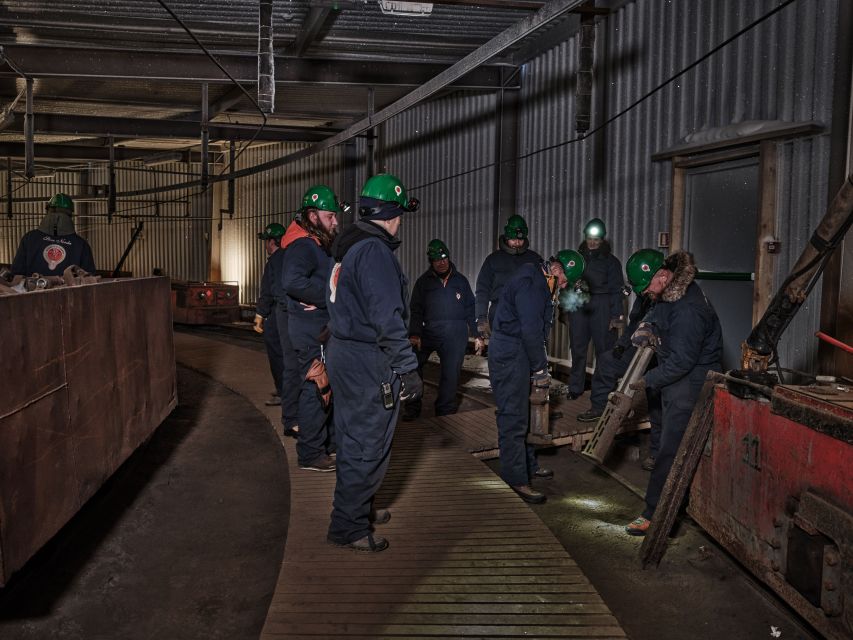
The mine closed in 1996, but it has not been stripped bare. Old workshops, tools, machinery, maps, and equipment remain in place. The result is less like a museum arranged around display cases and more like a stopped worksite.
More History Tours in the world:
- New York City: American Museum of Natural History Ticket
★ 4.5 · 15,447 reviews - History and Hauntings of Salem Guided Walking Tour
★ 5.0 · 14,564 reviews - Colosseum: Underground and Ancient Rome Tour
★ 4.7 · 12,691 reviews
Pickup through Longyearbyen and the Seed Vault
The tour begins with pickup at a selected hotel, guesthouse, the harbor, or another listed point in town. Available locations include Svalbard Hotell Polfareren, Funken, Gjestehuset 102, Basecamp Hotel, Radisson Blu Polar Hotel, Svalbard Hotell The Vault, Coal Miners’ Cabin, Mary-Ann’s Polarrigg, the tourist information office, and Longyearbyen harbor.
Choose your pickup point carefully when booking. The instructions ask you to wait outside or just inside the main entrance, where the guide will find you. This is a small detail, but it matters in Longyearbyen, where several accommodation buildings are spread around town and the weather can be unpleasant.
The drive to Mine 3 is short. Along the way, you pass the Global Seed Vault, one of Svalbard’s best-known modern sites. The vault stores more than one million seeds from around the world, but this tour adds a useful piece of background: Svalbard’s first seed bank opened in Mine 3 in 1984.
That earlier storage project used the naturally cold permafrost and did not need electricity for cooling. The idea helped lead to the later Global Seed Vault. You do not enter the vault on this tour, but seeing it from the road and learning its connection to the mine gives the landscape around Longyearbyen more meaning.
Inside the entrance facility
The indoor part begins with maps of Longyearbyen and Svalbard. This helps you place the mine within the settlement and understand why coal extraction mattered in such a remote location.
Your guide also explains why men came to Svalbard and settled here around a century ago. The focus is not only on machinery. It is on the choices, dangers, and daily demands behind a mining community at the northern edge of the inhabited world.
Guides are a major part of the experience. Camilla is described as having worked in mining and is especially good at connecting technical facts with stories from miners. Anders is known for an engaging style and humor, while Caroline and Michael have also led visits praised for clear explanations and strong personal delivery.
The exact guide depends on the departure, so do not book solely for one named person. Still, the company’s use of guides with strong links to the subject is one of the tour’s greatest strengths. Mine equipment is interesting, but a well-told account of how people worked around it makes the visit memorable.
Old machinery and the 1996 shutdown
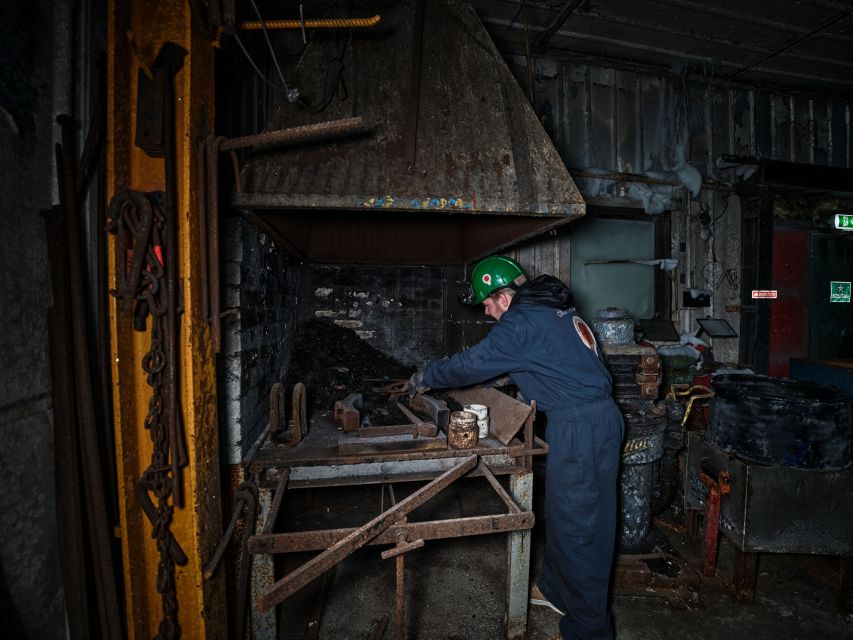
The route takes you through workshops containing equipment and machinery left behind when Mine 3 shut down in 1996. This is one of the best parts for anyone interested in industrial history.
You can see how a mining operation depended on more than the coal face itself. Workshops, tools, transport equipment, and support systems all formed part of the work. The abandoned machinery also gives you a sense of time. You are not looking at replicas made for a display. You are seeing objects that remained after an active mine stopped operating.
A short film may also form part of the introduction, depending on the tour setup. It helps show the miner’s working life before you enter the tunnel. The combination of film, mine model, equipment, and the walk itself keeps the history from becoming a string of dates.
This is a good place to ask questions. The guides are praised for explaining how the mine worked without burying the group in technical detail. If you are curious about tools, coal extraction, or the way tunnels were supported, this is where the tour can become especially useful.
Same old streets, another chapter:
- Lisbon: History, Stories and Lifestyle Walking Tour
★ 4.8 · 10,902 reviews - London Small Group Tour of Historical Pubs
★ 5.0 · 10,422 reviews - Prague: Oldtown, Medieval Underground & Dungeon History Tour
★ 4.3 · 10,277 reviews - Charleston’s Old South Carriage Historic Horse & Carriage Tour
★ 5.0 · 10,023 reviews
Suiting up and crawling into a production tunnel
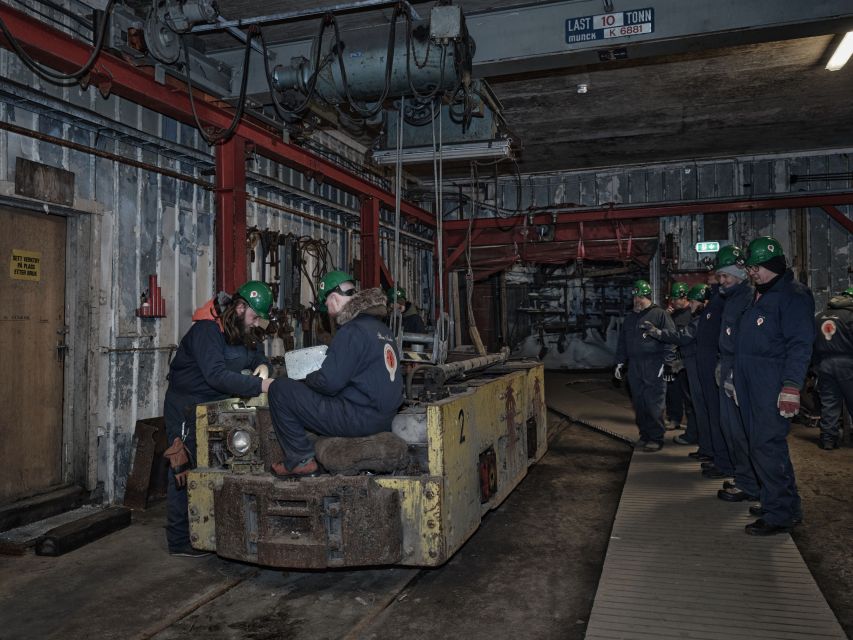
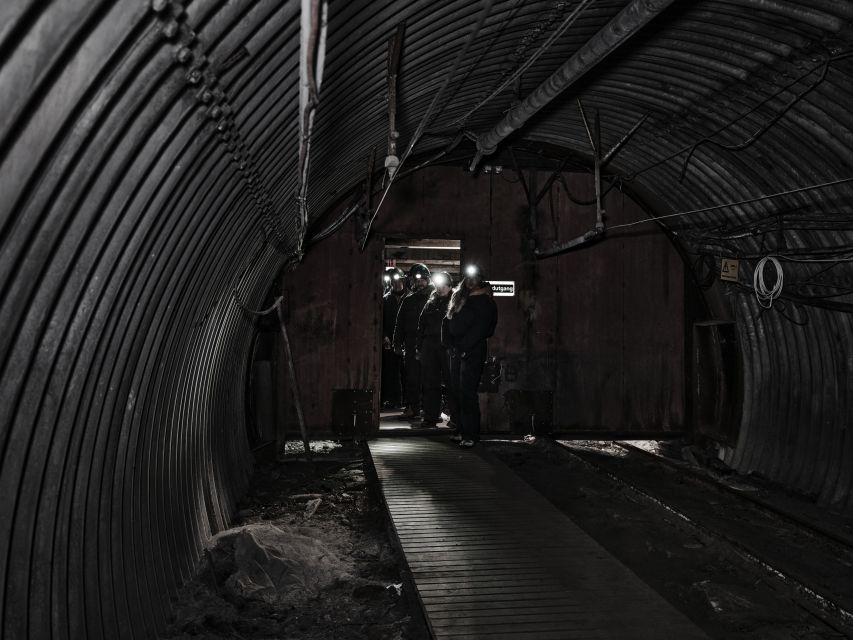
Before entering the main tunnel, you put on a miner’s overall. A helmet and headlamp are supplied for safety, and the headlamp becomes your main source of light once the group moves farther underground.
The optional crawl is the tour’s most talked-about feature. The production tunnel is about 60 centimeters high, so you must move close to the ground through a cramped space. You do not have to take part if the idea makes you uncomfortable, but seeing the opening still helps explain the conditions faced by miners using thin-seam methods.
This section is not difficult because it is long. It is difficult because it is tight, awkward, and unfamiliar. That is exactly why it works. You quickly understand that the phrase working in a low seam describes a demanding physical reality, not just a mining term.
Wear clothing that can handle dust and contact with rough surfaces. The supplied information specifically advises warm clothing, and that advice applies even in summer. One July visit was described as cold underground, and several people urged future visitors to dress warmly.
Walking the main tunnel and side tunnels
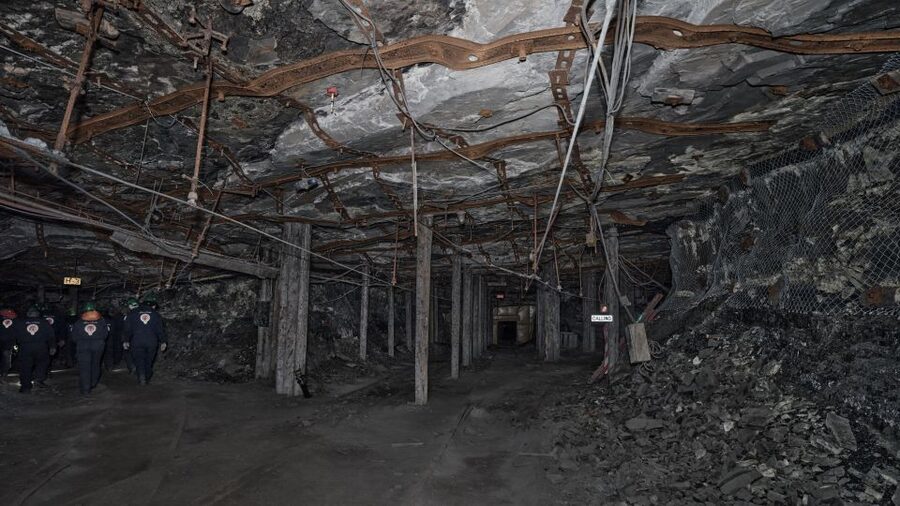
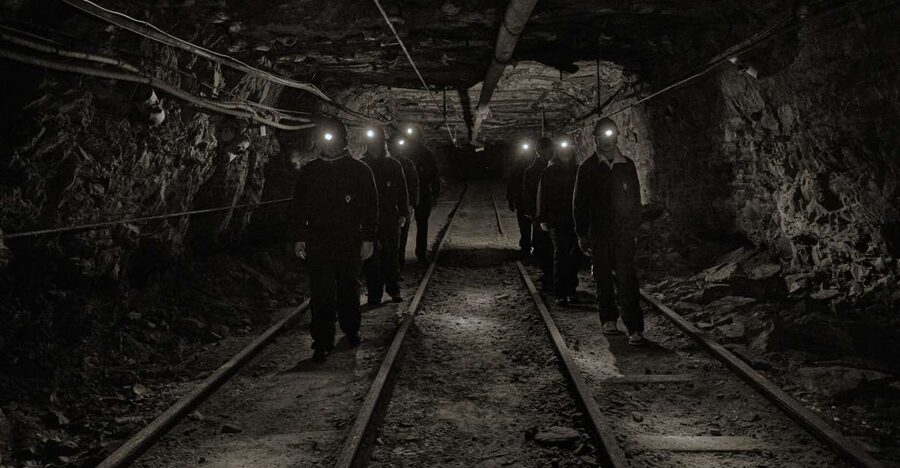
The main underground route extends almost 800 meters. Along the way, you enter three different side tunnels and see the structure of the old workings.
The ground is uneven, with old ties and rough surfaces underfoot. One older visitor found the walk hard because of the uneven footing. That does not make the route unsuitable for everyone, but you should walk steadily and expect a worksite rather than a smooth tourist path.
The helmet lamps add to the atmosphere and also show why this is not a brightly lit attraction. In some parts, the light from your group’s headlamps is the main illumination. That gives you a practical sense of how miners depended on limited light, while the guide keeps the visit controlled and safe.
The walk is not an expedition into a vast network. One visitor hoped for more walking, so people seeking a long underground adventure may find the route fairly contained. Its value lies in the preserved equipment, the stories, and the low working spaces rather than in covering a great distance.
What the tour costs and what you receive
The price is $120 per person for three hours. That is a serious expense, especially if you are already paying for Arctic transport, accommodation, and other Svalbard activities.
I think the price is reasonable for a visitor who wants context rather than another scenic outing. The fee covers hotel pickup and drop-off, transportation, the guided mine visit, an English or Scandinavian-speaking guide, a helmet, and a headlamp. You also get access to a historic site that cannot be understood from outside photographs.
The value is strongest when you care about Longyearbyen’s past. If your priority is wildlife, snow, or wide Arctic views, other activities may suit you better. If you want to understand how a settlement survived and why coal shaped its identity, this tour fills an important gap.
Food and drink are not included. The three-hour schedule is long enough to plan around, but you should eat before or after the tour rather than expect refreshments at the mine.
Who should book Gruve 3
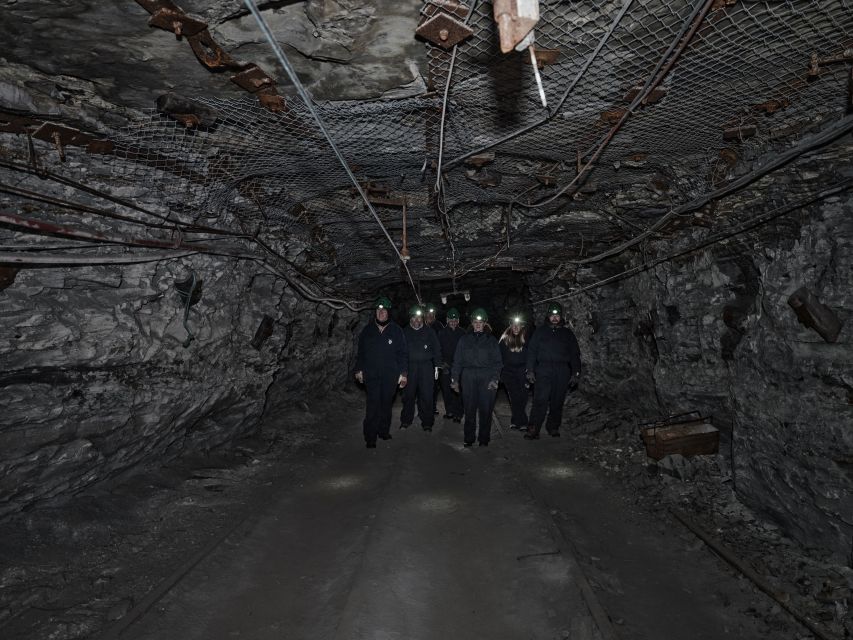
I would choose this tour if you enjoy industrial sites, local history, engineering, or hands-on experiences. It also suits solo visitors and groups because the guide-led format gives the visit structure without requiring you to arrange transport or find the mine yourself.
It is a good rainy-day or low-activity option when outdoor plans are limited. One person booked it after a boat trip was canceled and found the mine visit a strong replacement. That makes sense: the experience depends less on scenery and more on the site and guide.
Families with older children may find the crawl exciting, but the supplied information does not give a minimum age, so check availability and suitability before booking for young children. The mine is not suitable for wheelchair users, people with mobility impairments, or people with claustrophobia.
You also need to be comfortable with uneven surfaces and a cold underground setting. The crawl is optional, but the rest of the route still involves walking through a former mine.
Practical advice for a better visit
Select your pickup location before completing the booking. The tour offers many pickup and drop-off points, but the driver will only know where to collect you if you choose one.
Wear warm layers, long trousers, and sturdy shoes. The mine may feel colder than expected, and rough ground is easier to manage with secure footwear. Avoid bringing alcohol or drugs, which are not allowed.
Keep your expectations realistic. You are not taking a long mine expedition or visiting a fully restored attraction. You are walking through an old coal mine with preserved equipment, low passages, and a guide who explains what happened there.
The experience works best when you listen closely before entering the tunnel. The model and introduction provide the technical background, while the underground route gives that information physical meaning. If you skip the explanations and treat the visit as a quick crawl, you will miss much of what makes Mine 3 worthwhile.
Should you book the Mine 3 tour?
Yes, if you want to understand Longyearbyen beyond its role as an Arctic launch point. The combination of former mining equipment, thin-seam tunnels, personal stories, and the Seed Vault connection makes this one of the most useful history activities in town.
Book it with care if you dislike tight spaces, cold conditions, or uneven ground. The optional crawl can be skipped, but the mine itself still demands a reasonable level of mobility.
At $120, it is not a casual add-on for every budget. For me, the price is justified by the transport, equipment, three-hour length, and the chance to enter a preserved working mine with guides who can explain the human side of the job. If coal built Longyearbyen, Gruve 3 is where you can begin to understand the cost.
FAQ
How long is the Gruve 3 tour?
The full activity lasts three hours, including transportation from and back to a selected pickup point in Longyearbyen. The guided visit inside Coal Mine 3 lasts about two and a half hours.
What is included in the price?
The price includes hotel or guesthouse pickup and drop-off, transportation, the three-hour activity, a guide, a helmet, and a headlamp.
Is the tour offered in English?
Yes. The activity lists an English-speaking live guide. Scandinavian-speaking guides may also lead some departures.
Which pickup locations are available?
Pickup points include selected Longyearbyen hotels and guesthouses, the harbor, the tourist information office, Coal Miners’ Cabin, Mary-Ann’s Polarrigg, Funken, Gjestehuset 102, Basecamp Hotel, Radisson Blu Polar Hotel, Svalbard Hotell Polfareren, and Svalbard Hotell The Vault.
What should I wear?
Bring warm clothing. The mine can feel cold underground, including during summer, and the walking surface is uneven.
Do I have to crawl through the low tunnel?
The crawl is presented as an optional part of the visit. You can experience the rest of the mine without entering the lowest production section.
Is the tour suitable for wheelchair users?
No. The activity is not suitable for wheelchair users or people with mobility impairments.
Is the mine suitable for people with claustrophobia?
No. The tour is not suitable for people with claustrophobia because it includes narrow underground passages and an optional low production tunnel.
Can I cancel the booking?
You can cancel up to 24 hours before the activity for a full refund. The reserve-now-and-pay-later option is also available, subject to the booking conditions.
Latest history tours reviewed in the world
- From Athens: Explore Ancient Corinth & Charming Nafplion★ 4.6 · 102 reviews
- From Athens: Explore Ancient Greece 4-Day Tour★ 4.7 · 73 reviews
- From Athens: Ancient Olympia Full-Day Private Tour★ 4.8 · 22 reviews
- From Albufeira: Wine Tasting & Historic Silves Tour★ 4.9 · 421 reviews
- From Albufeira: Historical Algarve Region Tour★ 4.7 · 585 reviews
- From Alexandria: Full-Day Guided Tour of Historical Sights★ 4.5 · 54 reviews
- Franklin: Ghost Tour in Historic Franklin★ 4.8 · 65 reviews
- Freiburg: Exciting City Tour with sightseeing and history★ 4.3 · 103 reviews
Norway History Tours, compared.
Tromsø: Reindeer Camp and Sami Cultural Tour with Lunch
Read our review →
Tromsø: Sámi Reindeer Sledding and Sami Cultural Tour
Read our review →
Oslo: Historic Myths & Legends Evening Walking Tour
Read our review →
Bergen: Sightseeing Cruise of Bergen’s Historic Landmarks
Read our review →
Browse the lists this tour appears in