

Review · HOI AN
Hoi An: Ancient Town Guided Walking Tour
Hoi An’s Old Town is easy to admire but harder to understand on your own. This walking tour gives you the story behind the yellow buildings, Chinese assembly halls, Japanese influence, trading history, and everyday local life, all in one compact morning or afternoon. Guides such as Karla, June, Minh, Tom, and Vinh are known for mixing clear history with humor and personal stories.
I like the tour’s local recommendations PDF, which can save you time after the walk, especially when choosing restaurants, spas, tailors, and craft beer spots. I also like the relaxed pace, with indoor breaks to escape the heat. The main drawback is simple: three hours on foot in Hoi An can feel hot, and the UNESCO entrance ticket costs an additional 120,000 VND.
Key points to know before you book

- A strong first-day introduction: Take the walk early in your stay so you can use the food, shopping, and activity advice afterward.
- The tour mixes famous sights with quieter corners: You see the Japanese Covered Bridge and Fujian Assembly Hall, but also alleys and local stories that are easy to miss.
- Guides add personality: Karla, June, Kun, Minh, Tom, Vinh, Anh, and Vy are among the guides praised for humor, warmth, clear English, and pride in Hoi An.
- The heat is part of the planning: Indoor stops and shaded pauses help, but comfortable shoes, water, and light clothing still matter.
- The price is unusually low: The booking fee is only $2.01 per person, with an optional additional payment at the end for the guide.
- Budget for the town ticket: The Hoi An UNESCO entrance ticket is not included and costs 120,000 VND.
Why this three-hour walk works best on your first day
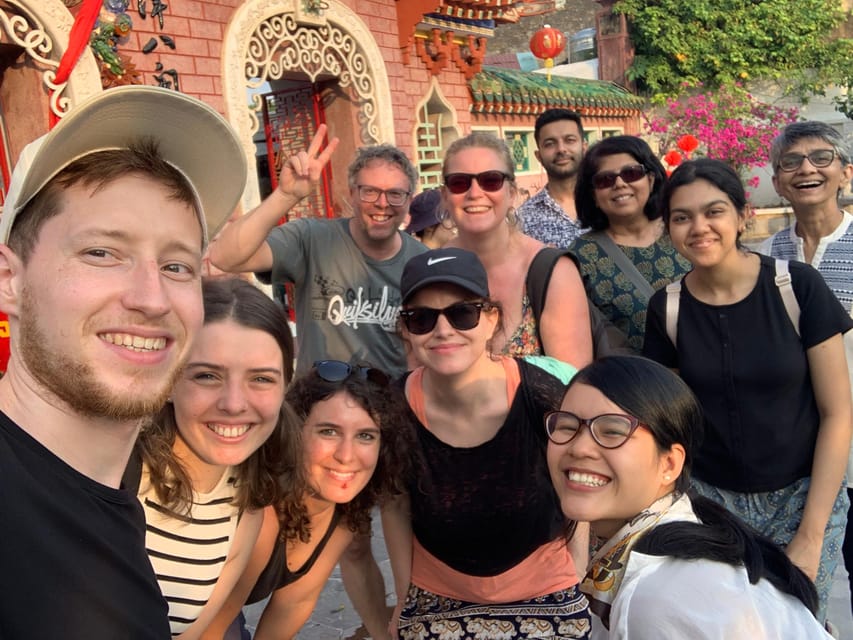
Hoi An rewards wandering, but its history can blur together if you only stroll from shop to shop. This tour gives you a useful framework. You see how the town developed as a trading port from the 16th century, then connect that past with the homes, religious buildings, market stalls, and streets still in use today.
I would book it near the start of your visit. You receive practical advice on where to eat, what to do, and which local services may suit you. That means the walk is not just a history lesson. It can help shape the rest of your time in town.
The guides also bring different personalities to the route. Karla is praised for humor, warmth, and personal stories. June is described as friendly, clear, and especially good at remembering names. Minh is noted for answering questions and tailoring the discussion to the group. Tom is praised for explaining Vietnamese culture and heritage, while Vinh brings a warm, passionate style.
That variety matters because this is a people-focused tour. You are not simply being moved from one photo stop to another. The guide’s ability to explain daily life and answer questions will shape how much you get from it.
More Ancient History Tours in Vietnam
- Marble Mountains – Hoi An Ancient Town Sunset Daily Ingroup Tour
★ 5.0 · 690 reviews - Hoi An Ancient Town Walking Tour with a Local
★ 5.0 · 517 reviews - Hoi An Ancient Town – Walking Tour with Local Guide
★ 4.9 · 385 reviews
Starting at the Red Seal Ship Model
The meeting point is at 79 Nguyen Thi Minh Khai Street, beside the Red Seal Ship Model. Look for the Momo guide carrying a blue paper fan. That detail is important in a busy historic district, where several walking groups may gather near similar landmarks.
The activity information identifies the Red Seal Ship Model as the starting location. The route then moves through the Old Town on foot, so you should arrive ready to walk for three hours. The tour is listed as wheelchair accessible, though the practical ease of moving through old streets, narrow alleys, and historic interiors can vary.
The exact starting time depends on the date you choose. Since Hoi An can be hot, an earlier start may feel more comfortable, while an afternoon departure can bring different light and atmosphere. The tour description specifically notes indoor breaks, which helps, but you should still carry water and wear shoes suited to uneven urban streets.
Hoi An Ancient Town: seeing more than pretty façades
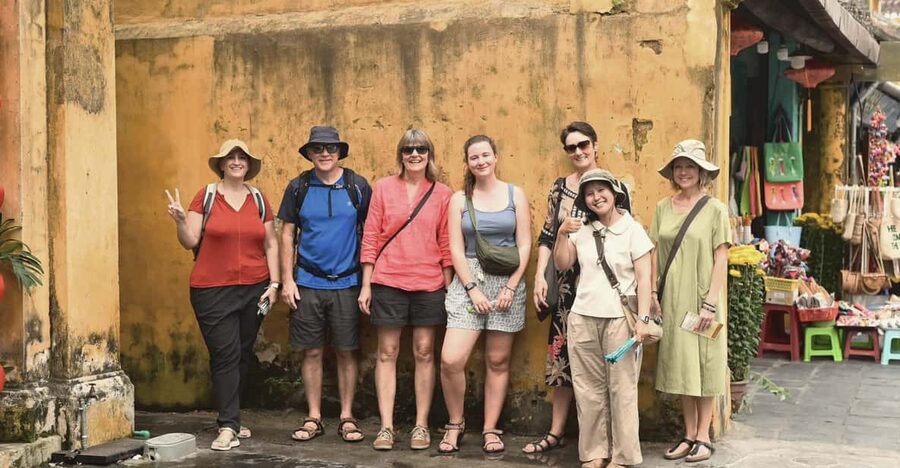
The first guided stop introduces Hoi An Ancient Town and its place as a former international trading center. The useful part here is the connection between architecture and commerce. Hoi An’s buildings reflect contact between Vietnamese, Japanese, Chinese, and other trading communities.
You will get more from the town if you pay attention to how those influences appear in the street plan and building styles. The guide also adds contemporary context, explaining what daily life is like now rather than treating the Old Town as a museum frozen in time.
The tour covers major sights, but it also makes room for lesser-known alleys and local stories. That balance is one of its best features. A self-guided walk can show you the famous front doors, but a local guide can point out details and explain why a particular building or street matters.
Japanese Culture Gallery and the town’s Japanese connection
The Japanese Culture Gallery, listed as Nhà trưng bày Văn hóa Nhật Bản, receives about 15 minutes. This stop helps explain the Japanese side of Hoi An’s past and gives the route a useful cultural focus before you reach the famous covered bridge.
Do not expect a long museum visit. Fifteen minutes is enough for an introduction, a few key points, and questions, but not for a slow examination of every display. That short format suits the tour’s purpose: you are building an overview of the town rather than spending the entire afternoon inside one site.
The indoor setting also offers a welcome break from the sun. In Hoi An, that is not a small detail. A good walking tour needs pauses where you can listen without concentrating on heat, traffic, or finding shade.
More History Walking Tours in Vietnam
- Explore Hanoi Old Quarter ’s Rich History and Culture By Walking
★ 4.5 · 72 reviews - Hoi An Ancient Town Walking Street Food Tours with Night Market
★ 4.5 · 50 reviews - Hoi An Ancient Town – Night Market Street Food Walking Tours
★ 4.5 · 22 reviews
The Japanese Covered Bridge and its 20-minute story
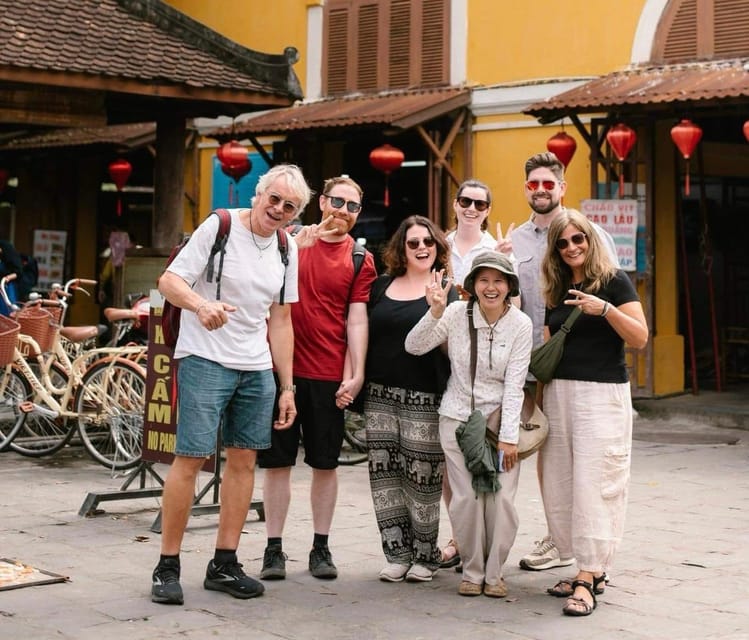
The Japanese Covered Bridge is the route’s best-known landmark and receives one of the longer stops, about 20 minutes. The bridge is more than a convenient photo backdrop. It represents the town’s historic links with Japanese merchants and has become one of Hoi An’s defining symbols.
Your guide can help you read the structure in context rather than simply walk across it. This is where the earlier stop at the Japanese Culture Gallery becomes useful. The tour links separate sights into one story, showing how different cultural influences met in a trading town.
Crowds can gather around the bridge, especially at popular times. Your guide’s explanation may be easier to follow if the group pauses just outside the most crowded point. Keep your expectations realistic: this is an active part of the Old Town, not a quiet monument with unlimited time for photographs.
Kazik Park and the modern face of Hoi An
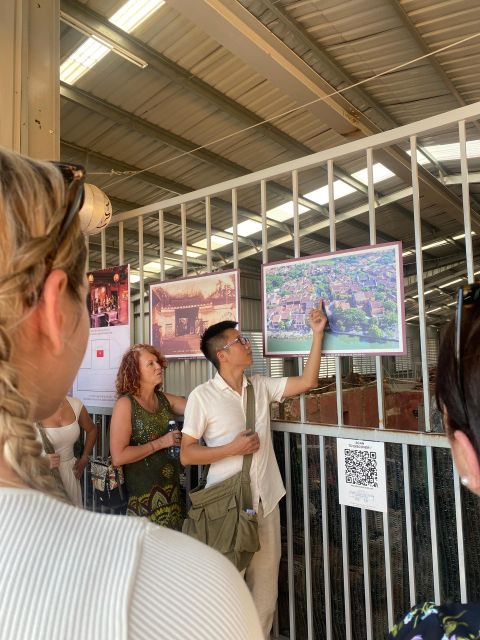
Kazik Park receives about 15 minutes and adds a more modern note to the route. The stop helps break up the concentration of historic houses and religious buildings, while giving the guide room to discuss the town’s changing identity.
One strength of this tour is its effort to connect old Hoi An with present-day Hoi An. Guides share current observations and personal perspectives, so you get more than dates and architectural labels. That can make the town feel like a living community rather than a pretty historic set.
This is also a good point to ask questions. Several guides are praised for adjusting the discussion to the group and answering questions in clear English. If you want to know about local customs, daily routines, or how the Old Town works now, speak up. The experience is designed to be interactive.
Quan Thang Ancient House: a look inside old merchant life

Quan Thang Ancient House receives around 15 minutes. Historic homes are among the most useful stops in Hoi An because they show how a merchant family might have lived and worked within the narrow urban layout.
The value here is visual and practical. You can compare the house with the street outside and begin to understand how private rooms, work areas, courtyards, and decorative details fit together. The guide’s explanation gives the architecture a human scale.
Again, the short stop has both a benefit and a limit. You get a clear introduction without losing too much time, but anyone fascinated by traditional homes may want longer to inspect details. I would treat this as a primer, then return later if the building catches your interest.
Fujian Assembly Hall and Hoi An’s Chinese communities
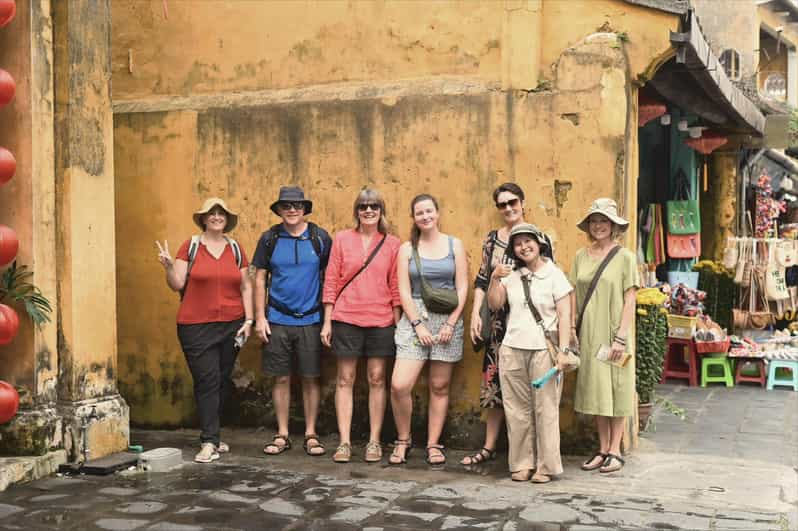
The Fujian Assembly Hall is allotted about 20 minutes and is another major cultural stop. Assembly halls were important gathering places for Chinese communities, with religious, social, and practical roles.
This stop is valuable because it adds another layer to Hoi An’s story. The Japanese Covered Bridge shows one outside influence, while the Fujian Assembly Hall helps explain the presence and role of Chinese merchant communities. Together, they make the town’s history feel less like a single national story and more like a meeting place shaped by trade.
Look closely at the decoration and layout, but let the guide provide the structure. Without context, assembly halls can look like ornate temples. With an explanation of their community function, the building becomes easier to understand.
The dumpling stop and food advice
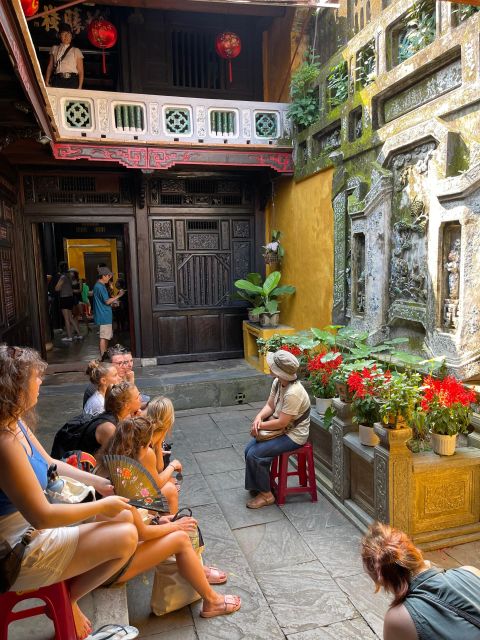
The itinerary includes a 15-minute stop for dumplings. The information does not promise a full meal or a cooking class, so you should think of this as a brief food-related pause rather than a dedicated culinary tour.
That still fits the tour well. Food is one of the easiest ways to connect Hoi An’s past with its present, and the guide can point you toward local dishes and places to eat afterward. The PDF of recommendations adds further value, with advice covering food, drinks, activities, spas, massages, tailors, and craft beer.
The guide’s personal suggestions may be especially useful here. Minh, June, and Vy are specifically praised for offering practical recommendations, and the tour team presents local advice as part of the experience rather than an afterthought. You should still use your own judgment, but this information can save you from choosing a restaurant only because it is on the busiest street.
Ending at Hoi An Central Market
The route finishes at Hoi An Market, a fitting endpoint for a walking tour centered on trade, food, and daily life. The market gives you a chance to continue exploring after the formal tour ends, or to use the advice you have just received.
The itinerary identifies the market as the finish, while the meeting-point information also says the activity ends back at the meeting point. Because those details do not perfectly match, confirm the final arrangement with your guide on the day. Either way, the route remains within central Hoi An and does not involve transport between stops.
The market is useful for orientation. After seeing historic buildings and hearing about old trade networks, you can watch the modern commercial side of town at work. It is also a practical place to continue your afternoon, provided you are prepared for more walking and activity.
Heat, pace, group feel, and guide quality
The tour lasts three hours and covers many stops. That is enough time for a solid introduction, but not enough for long visits at every building. You should expect a steady walk, short explanations, questions, and movement between indoor and outdoor locations.
The heat is the main physical consideration. The tour description openly notes indoor breaks, and this is sensible in central Vietnam. Still, you will be more comfortable with breathable clothing, water, sunscreen, and a hat. If heat affects you strongly, check the available start times and choose carefully.
Group size can affect the experience. One guide, Minh, received praise for managing a group of 12 and for splitting a larger gathering into smaller groups so the walk did not feel crowded. That suggests the operator has some flexibility when numbers rise, though the exact size of your group is not stated.
The strongest part of the experience is the guide. Karla, Kun, June, Minh, Tom, Vinh, Anh, and Vy are all singled out for different strengths, including humor, warmth, clear English, patience, and enthusiasm for Hoi An. You cannot choose a specific guide from the information provided, but the team’s approach is consistent: history mixed with local perspective and conversation.
What the $2.01 price really means
At $2.01 per person, the booking price is exceptionally low for a three-hour guided walk. It represents a small reservation fee, and you may choose to give the guide an additional amount at the end to show appreciation for the work.
That payment structure makes the tour appealing if you want a low-risk introduction to Hoi An. You can test the experience without committing to the price of a conventional private tour. The value increases if you use the local PDF afterward, since it can guide several more days of meals, shopping, and activities.
Do not forget the separate UNESCO entrance ticket, listed at 120,000 VND per ticket. This is not included in the booking price. For a fair comparison with other Hoi An walks, add that cost to your budget.
The tour is also flexible from a booking standpoint. You can cancel up to 24 hours ahead for a full refund, and the reserve-now, pay-later option lets you hold a place without paying immediately. Those details matter if your Vietnam itinerary is still changing.
Who should book this Hoi An walk?
I would recommend it to first-time visitors who want a clear introduction before exploring independently. It also suits solo visitors and couples who like asking questions, learning local context, and receiving practical suggestions for the rest of their stay.
It is a good fit for people who prefer history with conversation rather than a formal lecture. The guides use humor, personal stories, and current observations, and they aim to make everyone feel included. Families and mixed-age groups can also benefit from the flexible storytelling style described by the guides’ past performance.
You may want a different experience if you dislike walking in heat, want a private guide, or prefer spending a long time inside each historic building. The three-hour schedule covers a lot, but it moves at an introductory pace.
FAQ
How long is the Hoi An Ancient Town walking tour?
The tour lasts three hours. Starting times depend on availability for the date you choose.
Where does the tour start?
Meet at 79 Nguyen Thi Minh Khai Street, by the Red Seal Ship Model. Look for the Momo guide holding a blue paper fan.
What sights are included?
The route includes Hoi An Ancient Town, the Japanese Culture Gallery, Japanese Covered Bridge, Kazik Park, Quan Thang Ancient House, Fujian Assembly Hall, a dumpling stop, and Hoi An Market.
Is the UNESCO entrance ticket included?
No. The Hoi An UNESCO entrance ticket costs 120,000 VND per person and is not included in the booking price.
Is the tour offered in English?
Yes. The tour has a live English-speaking guide.
Can I cancel or pay later?
You can cancel up to 24 hours in advance for a full refund. The reserve-now, pay-later option lets you book without paying immediately.
Should you book this Hoi An walking tour?
Book it if you want an affordable, friendly orientation to Hoi An before choosing your own restaurants, shops, and activities. The route covers the essential landmarks, adds lesser-known streets, and gives you useful local advice that can pay off after the walk.
I would schedule it early in your stay and plan for heat. Add the 120,000 VND entrance ticket to your budget, wear comfortable shoes, and arrive at the Red Seal Ship Model with water. For $2.01, it is a remarkably practical way to get your bearings and meet a guide who can make Hoi An’s history feel personal.
Latest history tours reviewed in Vietnam
- Da Nang: Full-day My Son Sanctuary And Hoi An Heritage Tour★ 4.8 · 21 reviews
- Cu Chi Tunnels Guided Tour: Vietnam War History Half-Day★ 4.6 · 189 reviews
- Coffee, History, and Architecture of the French Quarter★ 4.9 · 71 reviews
- Boat Ride Phong Nha Cave & Vietnam’s Historic Command Cave★ 5.0 · 18 reviews
- 6 Hours Historical Tour in Cu Chi Tunnel with Free Snack★ 5.0 · 312 reviews
- Private Cu Chi Tunnels Tour – Explore History & Off-the-path Local Sites★ 5.0 · 93 reviews
- Marble Mountain – Hoi An Ancient Town Sunset Private Tour★ 5.0 · 36 reviews
- Heritage Adventure Private Tour by Electric Car★ 5.0 · 96 reviews
Hoi An History Tours, compared.

Hoi An Night Market – Ancient Town street food tours by Night
Read our review →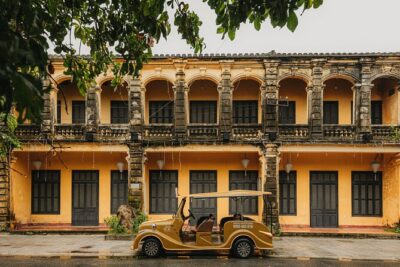
Browse the lists this tour appears in