
Review · BANGKOK
From Bangkok: Historical Day Tour to River Kwai
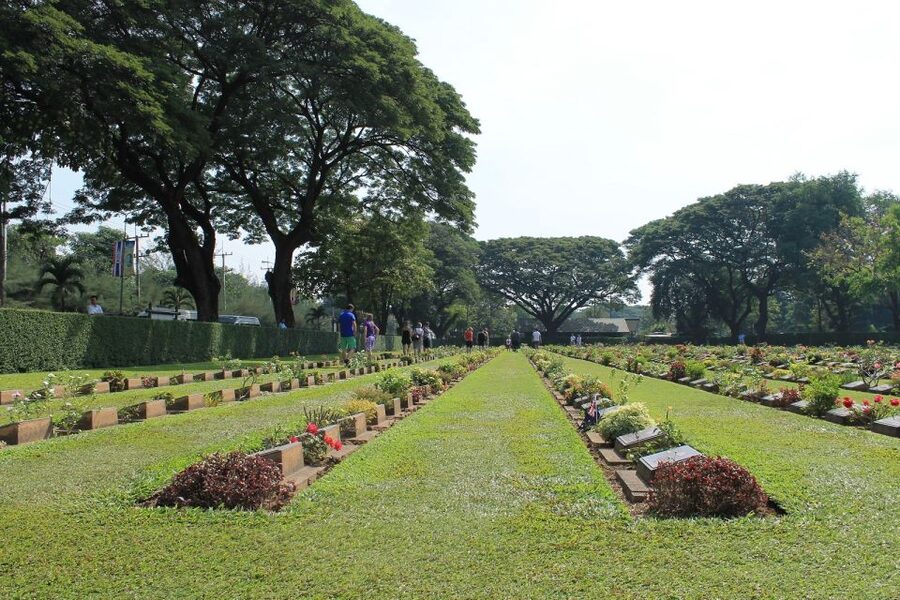
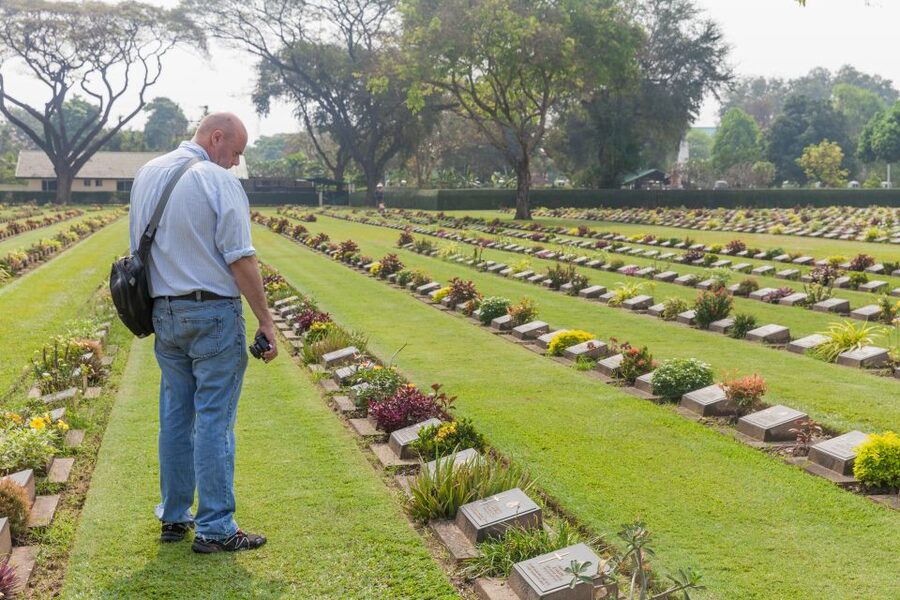
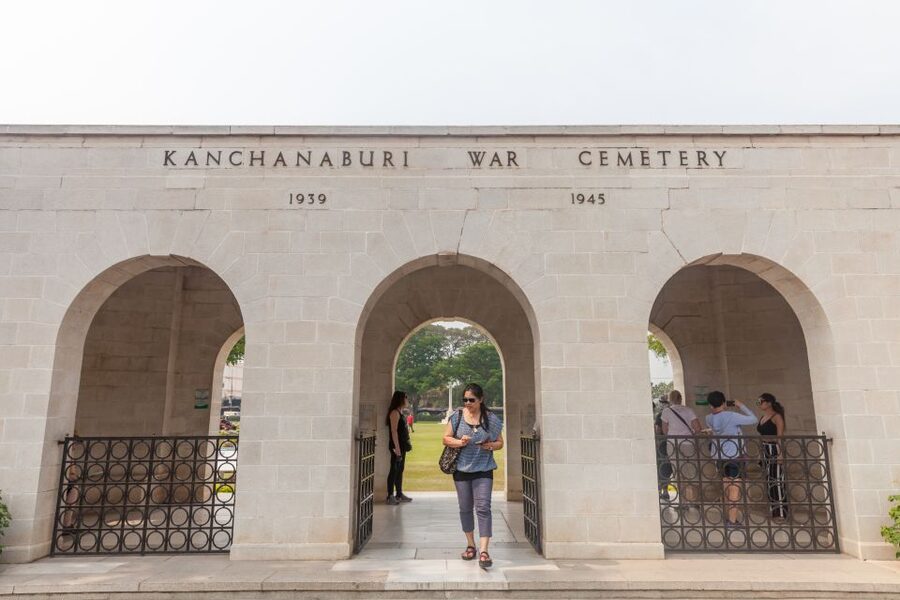
The most moving part of this Kanchanaburi day trip is not the famous bridge. It is the quiet war cemetery, where rows of graves recall the Allied prisoners of war who died building the Death Railway. I like that the tour begins with the cemetery and museum, giving the train ride a human meaning instead of treating it as just a scenic railway trip.
I also like the small-group feel and capable local guides. Guides including Luke, William, Woody, Jokey, Henry, and Bobo have been praised for clear explanations and careful attention. The drawback is the long road from Bangkok, about three hours each way, and traffic can turn a 10-hour schedule into a 12-hour day.
Key points to know before booking
- The railway ride is the star: You travel on an original section of the Death Railway, with rural views and the wooden viaduct near the river.
- The history is presented in stages: The cemetery, museum, bridge, and train ride build a clearer picture of the railway’s construction and cost.
- The Bangkok transfer is substantial: Plan for roughly three hours each way, including a comfort stop.
- The basic train fare is included: An assigned seat costs an additional THB 200 per person, though some groups manage without paying extra.
- Lunch and entrance fees are covered: That makes the $51 price fair for a full day outside Bangkok.
- Comfort matters: Wear sensible shoes, bring water and sun protection, and expect heat, uneven ground, and a cave visit near the railway.
Why the River Kwai trip is worth the long road from Bangkok
Kanchanaburi lies about 130 kilometers west of Bangkok, but road time matters more than distance here. The journey can take around three hours each way, depending on traffic, so this is not a quick side trip. It is a full day built around one of Thailand’s most important World War II sites.
I think the trip works best because it connects several places that should be seen together. The cemetery shows the personal cost. The museum explains the wider story. The bridge gives you a famous physical landmark. The train then carries you along the surviving railway, where the history becomes part of the scenery.
The subject is painful. The Japanese military forced Allied prisoners of war and Asian laborers to work on the Thailand-Burma Railway during World War II. Thousands died from disease, exhaustion, starvation, abuse, and dangerous working conditions. The day is not light entertainment, but it is an important and carefully structured history visit.
The average rating is 4.6 from 868 reviews, and the strongest praise focuses on the guides, safe driving, smooth organization, and value for money. That fits the nature of the excursion: the sights are powerful, but a good guide makes it much easier to understand what you are seeing.
More History Tours in Thailand:
- From Bangkok: Ayutthaya Historical Park Guided Day Trip
★ 4.6 · 3,020 reviews - UNESCO’s Ayutthaya Historical Park: Full-Day Tour from Bangkok
★ 4.5 · 1,559 reviews - Historical City of Ayutthaya – Unesco Full Day Tour From Bangkok
★ 5.0 · 847 reviews
Starting early from Bangkok
Optional hotel pickup is available from parts of Sukhumvit, Khaosan, and Silom. The listed pickup times are around 6:00 or 6:15 AM, depending on the area. The main meeting point is BMP Bigcountry at River City Bangkok, at 23 Charoen Krung Soi 24.
An early start is necessary. It helps the group reach Kanchanaburi before the day becomes even hotter, and it gives you a better chance of staying close to the planned schedule. Still, Bangkok traffic can delay both pickup and the return. I would avoid booking an evening flight, dinner reservation, or timed attraction immediately after the tour.
The transport is an air-conditioned van. Several guides and drivers have received praise for clean vehicles, smooth driving, water, wet towels, and sensible toilet stops. Those details matter on a long day. A careful driver is not a luxury when you are spending six hours or more on the road.
Some groups are larger, but the experience can be quite small. One booking had only three people, creating something close to a private outing. Group size is not guaranteed, yet this operator seems able to keep the atmosphere personal when numbers are low.
Kanchanaburi War Cemetery: begin with the human cost
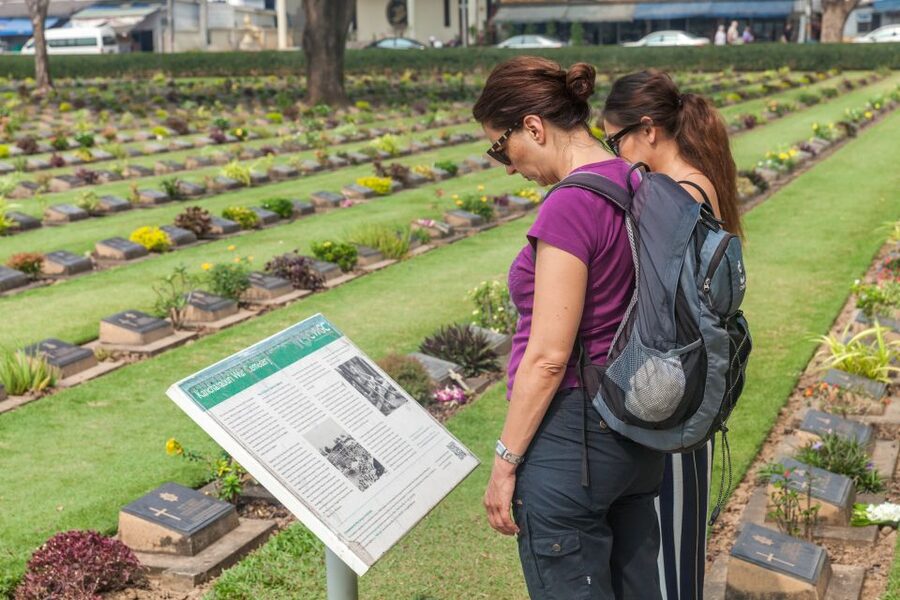
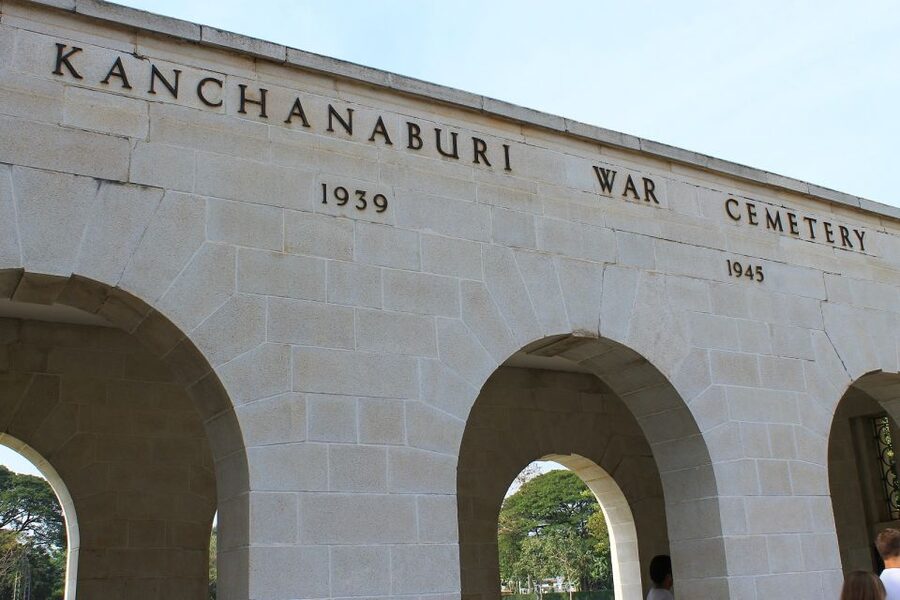
The War Cemetery is usually the emotional opening to the day. The grounds are carefully maintained, with rows of graves belonging to Allied soldiers who died during construction of the railway. The stated figure is about 9,000 Allied graves, a number that is easier to grasp once you see how closely the headstones are arranged.
Allow yourself a quiet moment here. The visit can feel short, especially if traffic has delayed the van. A few people wanted more time at the cemetery, and I understand why. This is the place where the project stops being an engineering story and becomes a record of individual lives.
Your guide should explain the setting and point out how the cemetery fits into the wider railway story. Guides such as Luke, Henry, and Woody have been praised for giving useful historical context without turning every stop into a lecture. The quality can vary by guide, but the repeated praise for the team is encouraging.
The cemetery is outdoors, so bring water and sun protection. Thailand can be very hot, particularly around the middle of the day. Comfortable shoes will help, even though this stop itself is not presented as a demanding walk.
Thailand-Burma Railway Centre: the museum that sets the scene
The Thailand-Burma Railway Centre is an interactive museum and research center devoted to the railway built during World War II. You will see photographs, objects, and displays that explain why the railway was planned, how it was built, and why so many people died during its construction.
This stop is valuable because the bridge alone can be misleading. A quick photograph tells you almost nothing about the scale of the project or the conditions faced by the people who built it. The museum gives you the facts needed to read the rest of the day properly.
You generally have about an hour, though the exact timing can shift with road conditions and train schedules. That is enough for a clear overview, but not enough to study every display in detail. The museum has a second floor, and you may need to move at a steady pace if you want to see both levels.
If you care strongly about military or wartime history, you may wish for more museum time. That is one of the main compromises of a day trip from Bangkok. The itinerary covers a lot, but the three-hour return journey leaves limited room for lingering at each stop.
Same old streets, another chapter:
- Chiang Mai: Historic Temples and City Guided Walking Tour
★ 4.7 · 650 reviews - Bangkok City Highlights Tour: Grand Palace & Three Iconic Temples
★ 4.5 · 542 reviews - Private Excursion to Floating Market and Ayutthaya World Heritage
★ 5.0 · 515 reviews - Private Excursion to Ayutthaya, UNESCO World Heritage site with Boat Tour
★ 5.0 · 460 reviews
The bridge over the River Kwai
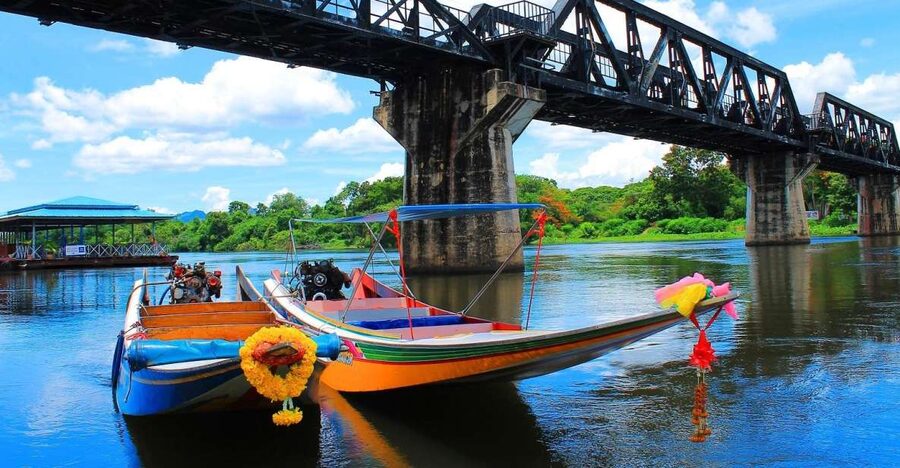
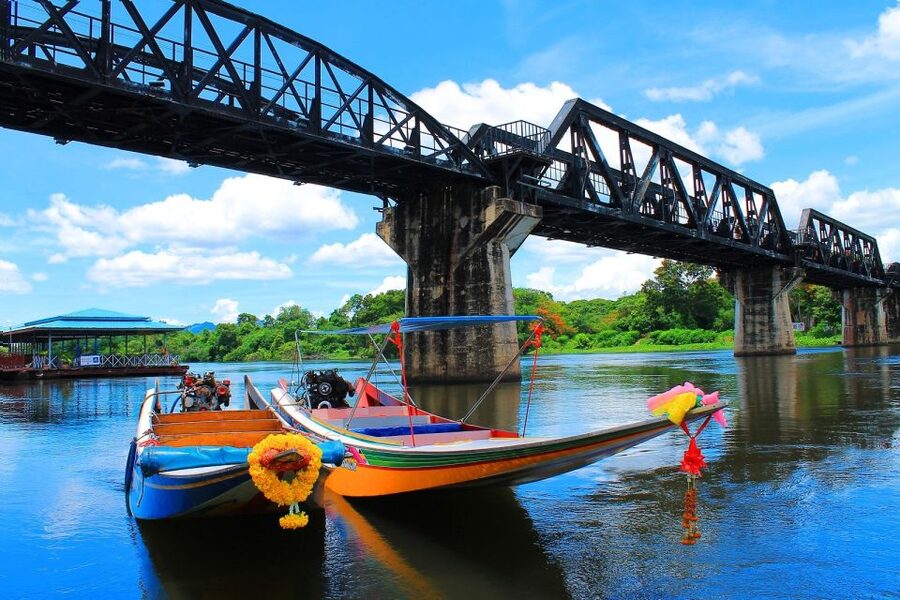
The famous bridge is the most recognizable stop, but it is only one part of the visit. You get time to walk around, take photographs, and see the railway from close range. If a train passes while you are there, the moment gives the bridge a sense of present-day use rather than leaving it as a static monument.
The bridge is also a place where expectations should be sensible. It is a real historic railway bridge, not a movie set or a vast attraction with hours of exhibits. The value comes from seeing it in context, after the cemetery and museum have explained what the railway meant.
You may find the bridge busy, and the walking area can feel brief if the schedule is tight. Several people would have liked more time here. Still, the stop is well placed in the day, because you can then board the train with a better understanding of the track beneath you.
Riding the original Death Railway track
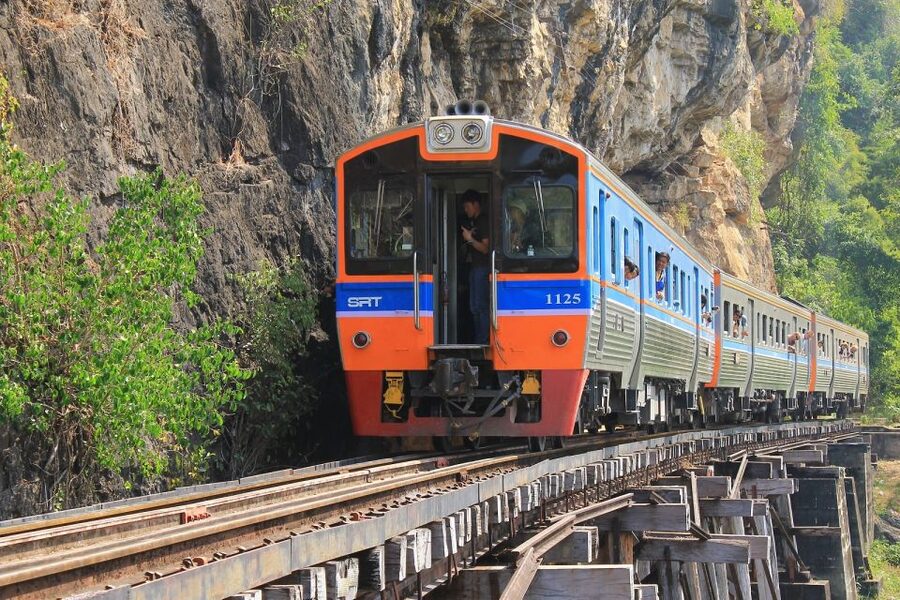
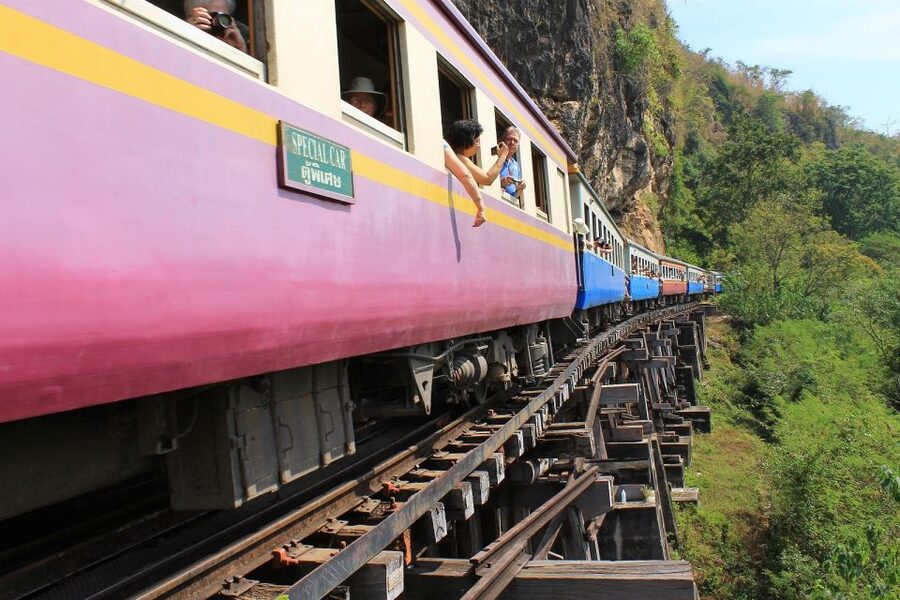
The train ride is the most scenic section of the experience. You travel along an original part of the railway, passing rural Thailand and approaching the narrow section near the river. The trip takes about an hour, although timing can vary.
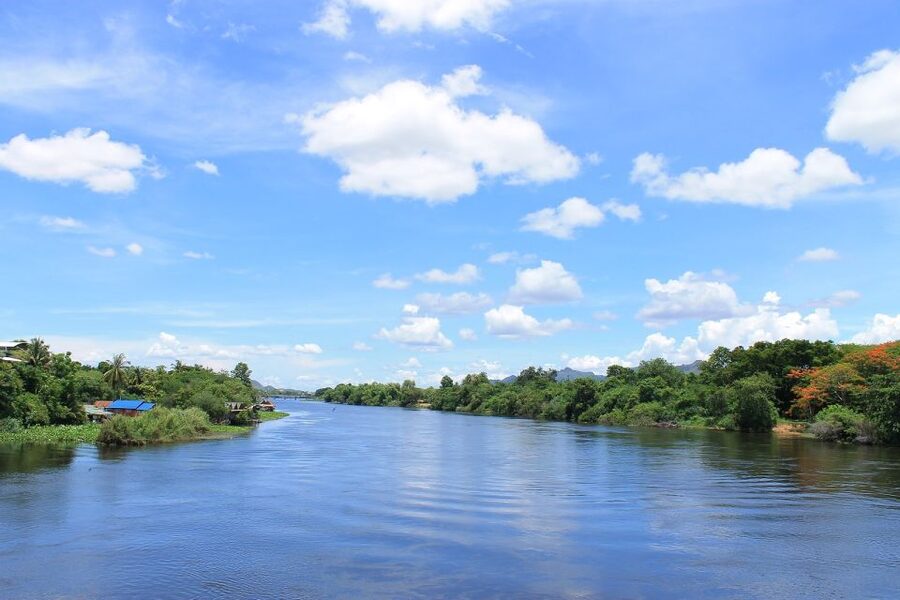
The scenery becomes especially memorable near the wooden viaduct. The track follows the river and passes through a section associated with the most difficult parts of the railway construction. From the carriage, you see timber supports, greenery, countryside, and the shape of the route itself. It is a pleasant ride, but the setting also keeps the history in view.
The included basic fare is THB 100. It does not guarantee an assigned seat. You can pay an additional THB 200 per person for a reserved seat on the train. That extra payment may be worthwhile if you want to sit with your companions or make sure you have a comfortable place for the full ride.
There is a useful wrinkle in the way the groups are managed. One group reached the train early and boarded the last carriage, which meant they did not need to pay extra for seats. That is not something you should count on, but it shows why following your guide’s instructions matters.
Try to listen for the guide’s advice about where to sit. One group was placed on the left side for better views across the wooden viaduct. The best position can depend on the train and direction, so there is no universal seat recommendation.
Krasae Cave, the viaduct, and the walk near the track
After leaving the train, the group walks near the railway and visits the cave area, where there is a Buddha statue. The ground can be uneven, and one person specifically advised older visitors to enter the muddy cave only as far as the statue.
This is not a major cave expedition. It is a short stop linked to the railway and the nearby viaduct. The appeal is the combination of scenery, rail engineering, and a place of worship. You get a chance to stretch your legs after the train and see the track from ground level.
Wear shoes with a firm sole. Sandals may be fine for some people, but uneven ground and mud can make them awkward. If you have limited mobility, ask the guide what route is practical before entering the cave area.
The stop may also feel rushed if the train arrives late. The schedule has to match the vehicle pickup and restaurant booking, so you should not expect unlimited time here. Even so, it is one of the more distinctive parts of the day and adds something beyond the cemetery, museum, and bridge.
Lunch and the return to Bangkok
Lunch is included, and the meal has been a strong point for many people. It is served after the train portion, usually at a clean restaurant with several choices. One description noted that the standard meal was not a huge buffet, but offered enough options, including meat-free choices. Another praised the food as tasty and substantial.
Do not expect a long gourmet lunch. Think of it as a welcome, practical meal after a hot morning and a train ride. The timing makes sense, since you have finished most of the walking and can eat before the long drive back.
The return journey is the least exciting part of the day. You may stop for comfort breaks, but you will still spend several hours in the van. Bangkok traffic can stretch the advertised 10 hours to 12 or more, so plan your evening with room to spare.
Hotel drop-off is available in the stated pickup areas, and some guides have been able to leave people closer to their hotels when practical. That depends on the route and traffic, so treat it as a courtesy rather than a guarantee.
How good is the $51 value?
At $51 per person, the price is reasonable for a full-day trip from Bangkok. It includes air-conditioned transport, an English or Thai speaking guide, entrance fees, lunch, and the basic Death Railway train fare. Paying for these parts separately would take time and planning, and you would still face the challenge of connecting the cemetery, museum, bridge, train, and cave in one day.
The main thing you are buying is convenience. Kanchanaburi is possible independently, but the journey is long and the rail schedule requires planning. Here, the van, guide, admissions, lunch, and train ride are joined into one plan.
The value is strongest if you want a clear introduction to the Death Railway rather than a slow, specialist history visit. If you want to spend half a day in the museum or sit quietly at the cemetery, this schedule may feel too compressed.
Free cancellation up to 24 hours before departure and reserve-now, pay-later booking add useful flexibility. Pickup is optional, so check the meeting point and the early start carefully before booking.
Who should book this Kanchanaburi tour?
I would recommend it to anyone staying in Bangkok who wants to understand the Death Railway without arranging several transport connections. It suits history-minded visitors, first-time visitors to Thailand, and people who want a day that mixes serious memorials with rural scenery.
It is also a good choice for solo visitors. The guides are used to keeping an eye on people, and the small-group format can feel welcoming. Guides such as Jokey, Luke, William, Woody, and Henry have been praised for their English, good humor, patience, and care throughout the day.
Families with older children may appreciate the variety, though the subject is difficult and the road journey is long. I would explain the wartime history in advance and bring water, hats, and comfortable shoes.
You may want another plan if you dislike long van rides, need a relaxed pace, or have only one free evening in Bangkok. The journey is the price of reaching Kanchanaburi in a single day. Traffic can also make the schedule tiring.
Should you book it?
Book this tour if you want the whole Kanchanaburi story in one day, including the cemetery, museum, bridge, railway, and lunch. The strongest features are the thoughtful sequence of stops, the train ride through the countryside, and guides who can turn a famous bridge into a meaningful historical visit.
Skip it if you need extensive museum time or cannot spare a very early start and a long return drive. For most visitors with one day available, though, the $51 price is fair, the logistics are sensible, and the experience gives you both the facts and the feeling of this important place.
FAQ
How long is the tour from Bangkok to River Kwai?
The listed duration is 10 hours, but heavy Bangkok traffic can make the day last closer to 12 hours. The drive to Kanchanaburi takes about three hours each way.
What places are included in the tour?
The tour includes the War Cemetery, Thailand-Burma Railway Centre, River Kwai Bridge, a train ride on the original Death Railway track, and the railway and cave area near the disembarkation station.
Is lunch included?
Yes. Lunch is included in the price, along with entrance fees, transportation, the English or Thai speaking guide, and the basic train fare.
Is the train ride included?
Yes. The basic train fee of THB 100 is included. This fare does not guarantee an assigned seat.
Can I reserve an assigned train seat?
Yes. An assigned seat is optional and costs THB 200 per person. Some groups have boarded early and found seats without paying extra, but this cannot be guaranteed.
Where does the tour meet in Bangkok?
The main meeting point is BMP Bigcountry at River City Bangkok, 23 Charoen Krung Soi 24, Talad Noi, Sampantawong, Bangkok 10100.
Is hotel pickup available?
Optional pickup is available from Sukhumvit areas 1 to 39 and 2 to 26 at 6:00 AM, Khaosan at 6:00 AM, and the Silom area at 6:15 AM.
What languages are available for the guide?
The tour is available with a live English or Thai speaking guide.
Latest history tours reviewed in Thailand
- Sukhothai: Full-Day Historical Park Cycling Tour with Lunch★ 4.9 · 55 reviews
- Colors of Ayutthaya: UNESCO Heritage 6 hour Bicycle Tour★ 4.7 · 50 reviews
- Chiang Mai: Historical and Culture Exploration Walking Tour★ 4.6 · 40 reviews
- Bangkok: Historical Temples Tour & Hidden Bar at Sunset★ 4.8 · 29 reviews
- Ayutthaya City and Historical Park Bike Tour★ 4.8 · 175 reviews
- Krabi: Ao Nang Landmark Stadium Muay Thai★ 4.7 · 287 reviews
- Private Excursion to Ayutthaya, UNESCO World Heritage site with Boat Tour★ 5.0 · 460 reviews
- Private Excursion to Floating Market and Ayutthaya World Heritage★ 5.0 · 515 reviews
Bangkok History Tours, compared.
UNESCO’s Ayutthaya Historical Park: Full-Day Tour from Bangkok
Read our review →
Bangkok City Highlights Tour: Grand Palace & Three Iconic Temples
Read our review →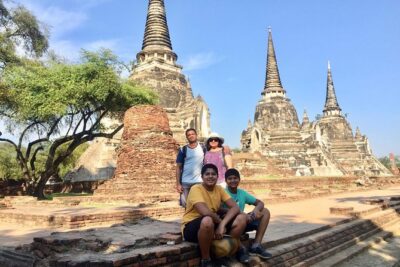
Private Excursion to Floating Market and Ayutthaya World Heritage
Read our review →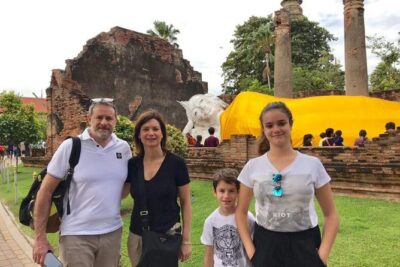
Private Excursion to Ayutthaya, UNESCO World Heritage site with Boat Tour
Read our review →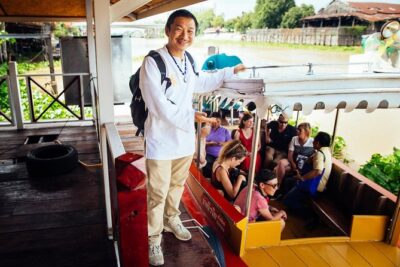
The Ultimate Ancient city of Ayutthaya Private Day Trip
Read our review →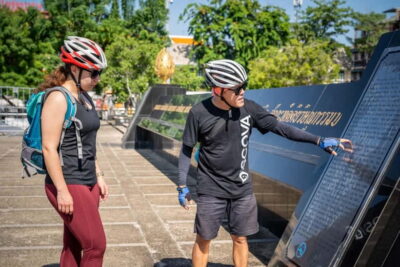
Bangkok: Backstreets and Historic Temples Bike Tour
Read our review →
Ayutthaya Private Guided Day Tour, 4 Ancient Temples
Read our review →
Browse the lists this tour appears in