
Review · CAMBODIA
2 Days Guided Historical Tour in Angkor
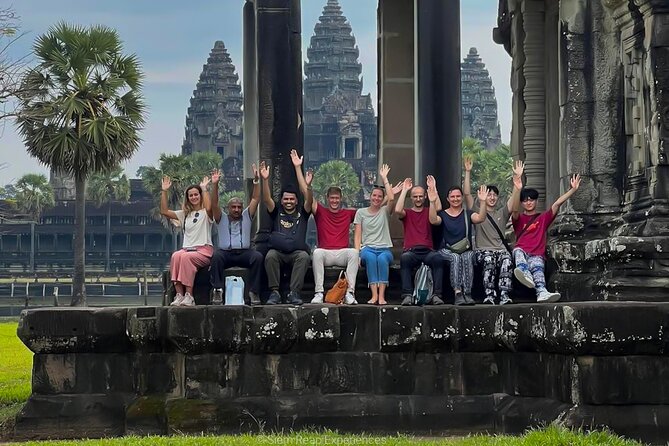
Angkor Wat at sunrise is the headline, but the real strength of this tour is the two-day plan. You see the famous monuments, then return for quieter temples such as Ta Som, Neak Pean, and Preah Khan. I especially like the small group limit of 15 and the steady supply of cold water and wet towels in Cambodia’s heat.
I also like the guides’ personal approach. Sam, Vone, Sok, Heang, Sary, and others are praised for clear history, good stories, patience, and even helping with photos. The main drawback is the early start, long walking days, and the extra $62 temple pass, which is not included in the $35 tour price.
Key points to know before booking
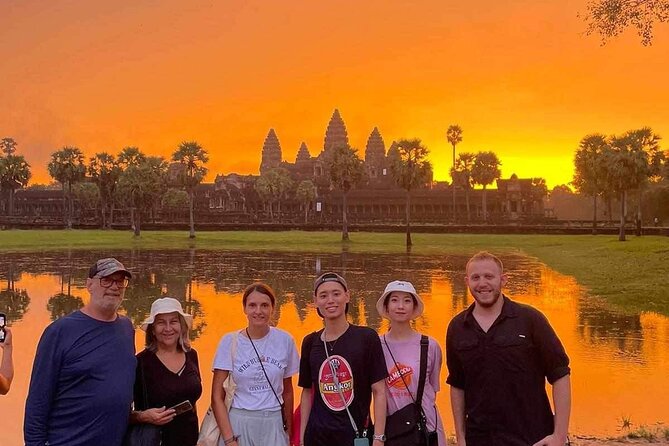
- Angkor Wat sunrise begins at 4:30 a.m.: You need to be ready well before dawn, but the early start helps you see the complex in cooler air.
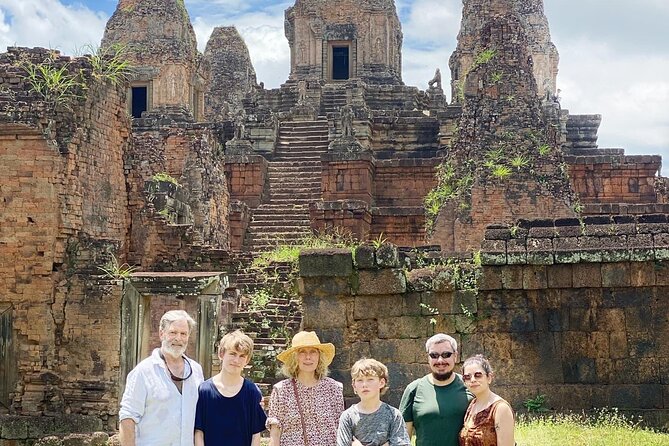
- Two days cover the major sights and quieter corners: Day one focuses on Angkor Wat, Angkor Thom, Bayon, Ta Keo, and Ta Prohm. Day two moves farther out to Pre Rup, Ta Som, Neak Pean, Preah Khan, and Phnom Bakheng.
- The guide is a major part of the experience: Guides named Sam, Vone, Sok, Heang, Sary, and Sayon receive especially warm praise for history, humor, patience, and good pacing.
- The $35 price is only part of the cost: The temple pass costs $62 per person and meals are extra.
- Comfort is handled well: You get an air-conditioned vehicle, hotel pickup and drop-off, cold water, and wet towels.
- Expect a full physical day: There is plenty of walking, heat, stairs, and time on uneven temple surfaces.
Why two days works better than a rushed Angkor visit
Angkor is not one temple. It is a huge archaeological area with monuments built under different Khmer kings, for different religious purposes, and across several centuries. Trying to see the best-known sites in one long day can leave you with a blur of stone faces, towers, and jungle roots.
This tour gives the main sights room to breathe. On day one, you see Angkor Wat and the central Angkor Thom area. Day two shifts toward temples that often feel calmer, including Ta Som, Neak Pean, and Preah Khan. That change matters. The first day gives you the famous images, while the second helps you understand the size and variety of the ancient city.
The advertised program covers 11 temples over two days. The detailed schedule names Angkor Wat, Angkor Thom South Gate, Bayon, Ta Keo, Ta Prohm, Pre Rup, Ta Som, Neak Pean, Preah Khan, and Phnom Bakheng, with some stops forming parts of the wider temple complex. In practice, expect a broad circuit rather than a slow archaeological study of every structure.
A maximum of 15 people keeps the outing more manageable than a large coach trip. It is still a shared group, so the pace will not be entirely yours, but the size gives you a better chance to hear the guide and ask questions.
More Two-Day Trips in the world:
- Heritage Binh Chuan 2 Days 1 Night discovery in Lan Ha Bay
★ 5.0 · 470 reviews - All Inclusive 2-Day Ancient Egypt and Old Cairo Highlights Tour
★ 5.0 · 139 reviews - 2 days Private tour of Hampi world heritage site from Bangalore by car
★ 5.0 · 75 reviews
Day one: sunrise at Angkor Wat and the famous temples
Pickup starts around 4:30 a.m. from your hotel or an arranged meeting point in Siem Reap. The early hour is not a minor detail. You will need to arrange your morning around it, and the first part of the day can feel tiring if you have arrived in town only recently.
The reward is Angkor Wat before the heat builds. The guide leads you into the temple and explains its design, history, and religious role. You also have time to look around and take photographs. Sunrise conditions can change, so treat the dawn view as a special possibility rather than a guaranteed perfect sky.
Angkor Wat
Angkor Wat is the great anchor of the tour. Its towers, galleries, courtyards, and long stone corridors require more than a quick photo stop. Two hours gives the guide time to explain the building and gives you a chance to explore without being pushed straight back to the vehicle.
The temple ticket is not included. You must budget $62 per person for admission to the temples, in addition to the tour price. That makes the total basic cost $97 before meals, which is important when comparing this outing with other Angkor options.
Angkor Thom South Gate
The South Gate is a short but useful introduction to Angkor Thom. It dates from the 12th century and has carved faces above the gate, with stone figures lining the causeway. The stop takes about 30 minutes, enough to see the entrance and hear how it fits into the old city.
This is a good place to pay attention to the guide. Without explanation, the gate can look like a grand entrance and little more. With context, the faces and causeway become part of the wider plan of Angkor Thom.
More Guided Tours in the world:
- History and Hauntings of Salem Guided Walking Tour
★ 5.0 · 14,564 reviews - Edinburgh: Edinburgh Castle Guided History Tour with Tickets
★ 4.8 · 9,933 reviews - Historic Charleston Guided Sightseeing Walking Tour
★ 5.0 · 6,216 reviews - Rome: Colosseum with Arena, Roman Forum and Palatine Guided Tour
★ 4.0 · 5,598 reviews
Bayon
Bayon is one of Angkor’s most memorable temples, with its famous smiling faces and densely decorated stone towers. The two-hour visit lets you move through its tight passages and look closely at the carvings.
The temple can feel confusing at first. Towers overlap, corridors turn, and it is easy to lose a sense of direction. A good guide makes a real difference here. Sam, Sok, Heang, Vone, and other guides are praised for explaining the stories behind the buildings and then allowing time for independent photographs.
Ta Keo
Before Ta Keo, the group stops for breakfast at your own expense. This is a practical break after the pre-dawn start, but bring money and do not expect breakfast to be part of the tour.
Ta Keo is a steep temple-mountain built mainly from sandstone. The one-hour stop is enough to see its strong, unfinished-looking form. Expect steps and exposed stone, so sturdy footwear and a sensible pace help.
Ta Prohm
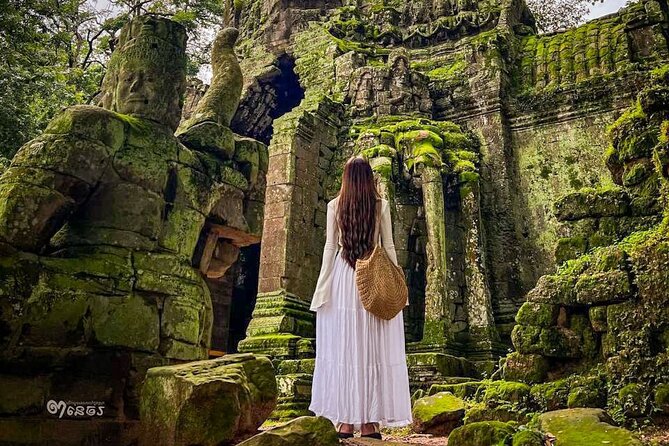
Ta Prohm is the temple most associated with trees growing through ancient stone. Its atmosphere is different from Angkor Wat and Bayon, with narrow passages, damaged walls, and large roots pressing into the ruins.
The visit lasts about an hour. It is one of the busiest stops on the route, so patience helps. You may find that the guide’s timing and route through the temple affect how much space you have for photographs. The ancient trees are the main visual draw, but the carvings and building plan deserve attention too.
Day one is the more intense day. It begins before dawn and includes the best-known temples, so you will see more people and spend a lot of time walking. The upside is that you cover the essential Angkor sights in an organized way rather than trying to arrange separate transport between them.
Day two: quieter temples and a slower look at Angkor
The second day begins with Pre Rup and continues through several temples northeast of Angkor Thom. It is still a full day, but the mood is often less crowded than at Angkor Wat and Ta Prohm, especially outside the busiest season.
You again travel in an air-conditioned vehicle, with hotel pickup and drop-off. Cold water is provided during the day, and the wet towels are welcome after walking across hot stone. Several people also appreciated clean restroom breaks and the chance to sit in the vehicle’s air conditioning when the heat became too much.
Pre Rup
Pre Rup is a Hindu temple built as the state temple of King Rajendravarman in the 10th century. Its brick, laterite, and sandstone construction gives it a different look from the later temples associated with Jayavarman VII.
The planned visit lasts about two hours, making this one of the more substantial stops on day two. The temple’s raised form and broad views are part of its appeal, though climbing and walking in the sun can be tiring.
Ta Som
Ta Som is smaller than the headline temples and was built near the end of the 12th century for King Jayavarman VII. Its compact scale makes it easier to take in, and its setting gives you a break from the vast courtyards of Angkor Wat.
You have about an hour here. This is the kind of stop that makes the second day worthwhile. It adds variety and gives the guide room to explain how different temples served different purposes.
Neak Pean
Neak Pean sits on an artificial island in the Jayatataka reservoir. The temple is associated with Jayavarman VII and is reached as part of the route through the water features around it.
The scheduled stop lasts about an hour. The setting is as important as the central shrine, so this is a good place to slow down and listen rather than race straight toward another tower.
Preah Khan
Preah Khan was built in the 12th century by Jayavarman VII in honor of his father. It is one of the larger and more involved temples on the second day, with two hours set aside for the visit.
I would pay close attention here. Preah Khan helps you see how Angkor’s temples combine religious space, ceremonial routes, courtyards, and carved detail. The long visit also gives you a better chance to explore at your own pace after the guide’s explanation.
Phnom Bakheng
Phnom Bakheng is a Hindu temple-mountain dedicated to Shiva and built during the reign of King Yasovarman. The schedule lists only two minutes at this stop, which is unusually brief, while the overall tour description says the group stays to watch sunset.
That mismatch is worth clarifying before you book. The sunset plan may depend on access, timing, and the day’s schedule. Do not assume a long visit at Phnom Bakheng simply because sunset is advertised. Ask the operator how this final stop is handled.
The guides make the difference
The strongest part of this experience is not simply the number of temples. It is the quality of the guide assigned to your group.
Sam is praised for explaining Cambodian history and the Khmer Empire in a clear way. Vone is noted for humor, extra help with photographs and videos, and attention to details you might otherwise miss. Heang is described as patient and full of useful information. Sary and Sayon are also praised for guiding groups through the temples at a comfortable pace.
The best pattern is simple: the guide explains the site, answers questions, and then gives you time to look around. That balance matters. Angkor can become exhausting if every minute is filled with a lecture, but it can also feel empty if you receive no context.
There is one language consideration. At least one French-speaking participant found the English guidance difficult and wished a Francophone option had been available. If you need a guide in a specific language, confirm that before paying.
Heat, walking, meals, and practical comfort
You should expect long walking days. The tour includes courtyards, temple approaches, uneven surfaces, and steps. One participant managed only the first day after becoming ill, while still finding that day worthwhile. That is a reminder to pace yourself and use the air-conditioned vehicle when needed.
The tour supplies cold water and wet towels, which are more than small extras in Siem Reap. The schedule also includes restroom breaks. Meals are not included, and breakfast at Ta Keo is specifically at your own expense. Lunch arrangements are not included in the listed price either, so carry money for food.
Wear practical clothing that respects temple settings, bring sun protection, and use shoes suited to uneven ground. The supplied information does not set out a formal dress code, but Angkor is an active religious and heritage site, so modest clothing is a sensible choice.
Pickup is offered from hotels in Siem Reap, with a listed meeting point behind the Angkor Night Market near Pub Street. Drop-off can be at your hotel or another place around Pub Street. Confirm the pickup time and location carefully. One poor experience came from a missed hotel meeting and late contact from the guide, so do not rely on finding the group later at the temples.
Is $35 good value for two days?
At $35 per person, the tour itself is inexpensive for two days of transport and guiding. The air-conditioned vehicle, hotel transfers, guide, water, wet towels, and planned temple route add real value, especially if you do not want to negotiate separate tuk-tuk rides or research the complex yourself.
But the true starting cost is closer to $97 per person once you add the $62 temple pass. Meals are extra. Even so, the combined price can be reasonable for the amount of ground covered, particularly for a first visit when historical context and reliable transport make the days easier.
The trade-off is flexibility. A shared tour cannot stop everywhere for as long as you wish, and the group moves according to a set plan. If you want to linger at one gallery, skip a temple, or choose your own sunrise and sunset timing, private transport may suit you better.
Should you book this Angkor tour?
Book it if you want to cover the essential temples and several quieter sites without arranging transport yourself. It suits first-time visitors, couples, families, and small groups who value clear explanations, a fixed plan, and comfort breaks.
I would especially choose it if you want Angkor Wat sunrise, Ta Prohm, Bayon, Preah Khan, and the smaller temples in one two-day package. Ask about the exact sunset plan at Phnom Bakheng, confirm your pickup details, and budget for the temple pass and meals.
Skip it if you dislike early starts, shared schedules, or long walking days. For most people with only a short stay in Siem Reap, though, the combination of famous monuments, less visited temples, good guides, and practical transport makes this a strong-value introduction to Angkor.
FAQ
How long is the tour?
The experience lasts approximately two days. Day one begins at about 4:30 a.m. for the Angkor Wat sunrise visit.
How many temples are included?
The tour is advertised as covering 11 temples over two days. The detailed schedule names Angkor Wat, Angkor Thom South Gate, Bayon, Ta Keo, Ta Prohm, Pre Rup, Ta Som, Neak Pean, Preah Khan, and Phnom Bakheng.
Is the Angkor temple pass included?
No. The temple ticket is not included. The listed cost is $62 per person, in addition to the $35 tour price.
Are meals included?
No. Meals are not included. There is a breakfast stop before Ta Keo, but you pay for breakfast yourself.
What does the tour provide?
The tour includes an air-conditioned vehicle, a guide, hotel pickup and drop-off, cold water, wet towels, and visits to the scheduled temples.
How large is the group?
The group can include a maximum of 15 people. It is a shared tour rather than a private experience.
Can I cancel for a full refund?
Yes. You can cancel at least 24 hours before the experience starts for a full refund. Cancellations or changes made less than 24 hours before the start time are not accepted for a refund.
Latest history tours reviewed in the world
- From Athens: Ancient Olympia Full-Day Private Tour★ 4.8 · 22 reviews
- From Athens: Explore Ancient Corinth & Charming Nafplion★ 4.6 · 102 reviews
- From Athens: Explore Ancient Greece 4-Day Tour★ 4.7 · 73 reviews
- From Alexandria: Full-Day Guided Tour of Historical Sights★ 4.5 · 54 reviews
- From Albufeira: Wine Tasting & Historic Silves Tour★ 4.9 · 421 reviews
- From Albufeira: Historical Algarve Region Tour★ 4.7 · 585 reviews
- Franklin: Ghost Tour in Historic Franklin★ 4.8 · 65 reviews
- Freiburg: Exciting City Tour with sightseeing and history★ 4.3 · 103 reviews
Cambodia History Tours, compared.
Siem Reap: Banteay Srei and Grand Circuit Heritage Tour
Read our review →
Browse the lists this tour appears in