
Review · HO CHI MINH CITY
Cu Chi Tunnels Guided Tour: Vietnam War History Half-Day
The most striking part of this half-day outing is not simply seeing a tunnel entrance. It is stepping into the underground world of Cu Chi, where hidden rooms, traps, kitchens, and narrow passageways show how people lived and fought during the Vietnam War. An English-speaking guide such as Robert, Rick, Kevin, or Khang gives the site its human context.
I like the choice of morning or afternoon departures, which makes this easy to fit around a city itinerary or flight. I also like the mix of history and hands-on moments, especially the optional crawl through an original tunnel section and the chance to see the traps close up. The main drawback is time in transit and the possibility of a fairly full bus, particularly with the larger group option.
Key points at a glance
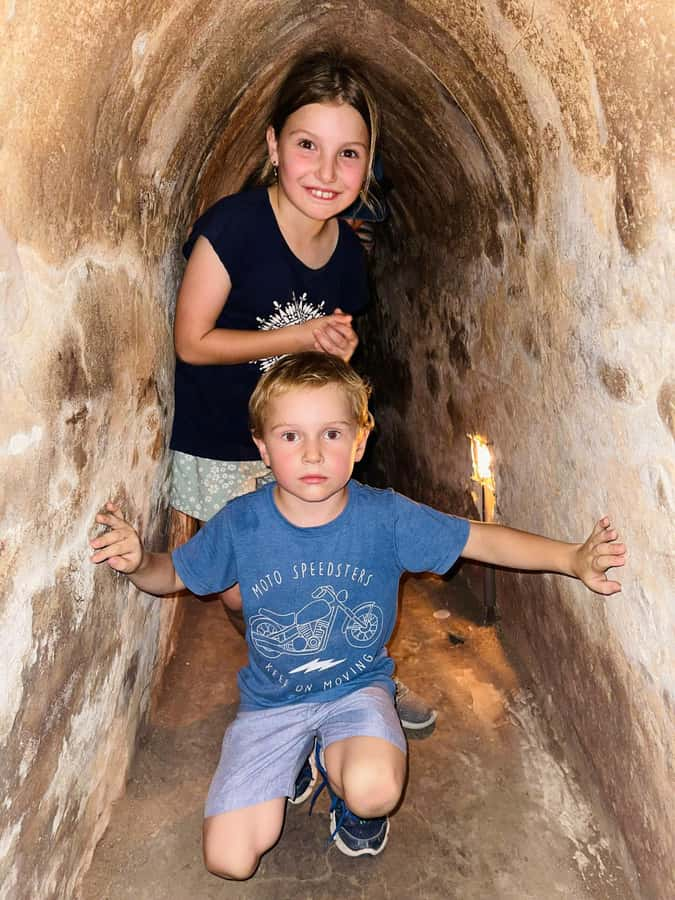
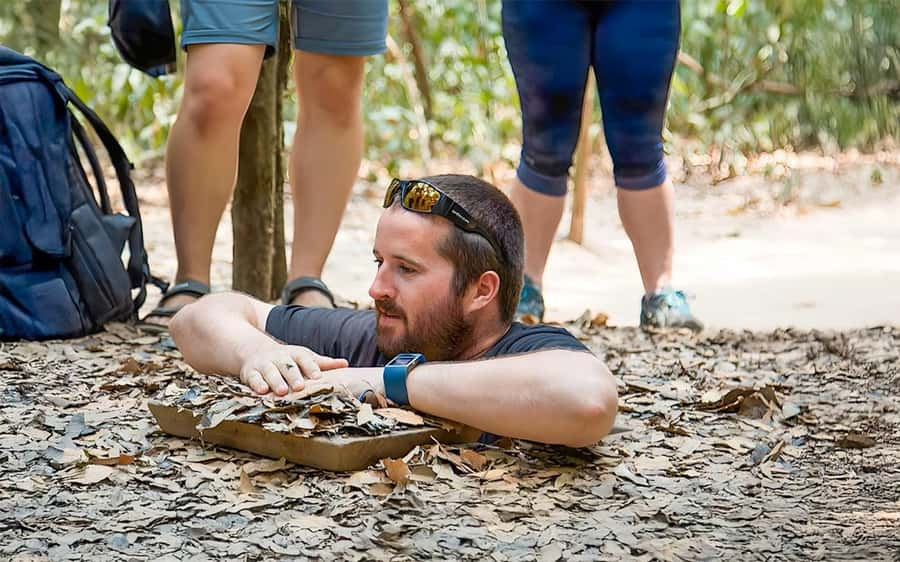
- Crawl through an original tunnel section: You can try a short underground passage, though it is not suitable for anyone with claustrophobia.
- Choose your departure time: The morning outing runs roughly from 7:30 AM to 2:30 PM, while the afternoon option runs about 12:30 PM to 7:30 PM.
- Pick the group size that fits: Small groups are capped at 16 people, while larger groups can reach 35 and usually offer the lower price.
- Hear more than tunnel facts: Guides explain wartime tactics, daily life underground, and the wider story of Vietnam.
- Expect a short workshop stop: The route includes a restroom break at an art exhibition featuring traditional lacquer paintings. Buying something is not required.
- Good value at $16: Entrance, transport, a guide, water, snacks, tapioca, and hot tea are included, but lunch and personal spending are not.
Why the Cu Chi Tunnels are worth your half-day
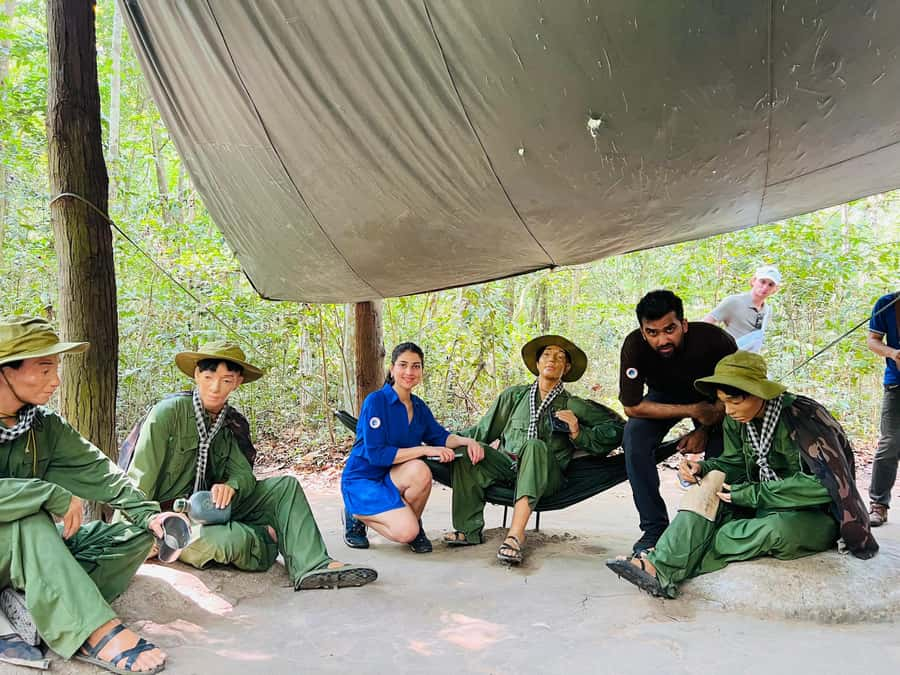
The Cu Chi Tunnels are best understood as a working underground system rather than a single attraction. The preserved area shows how Viet Cong fighters used tunnels for shelter, movement, storage, medical care, cooking, and planning.
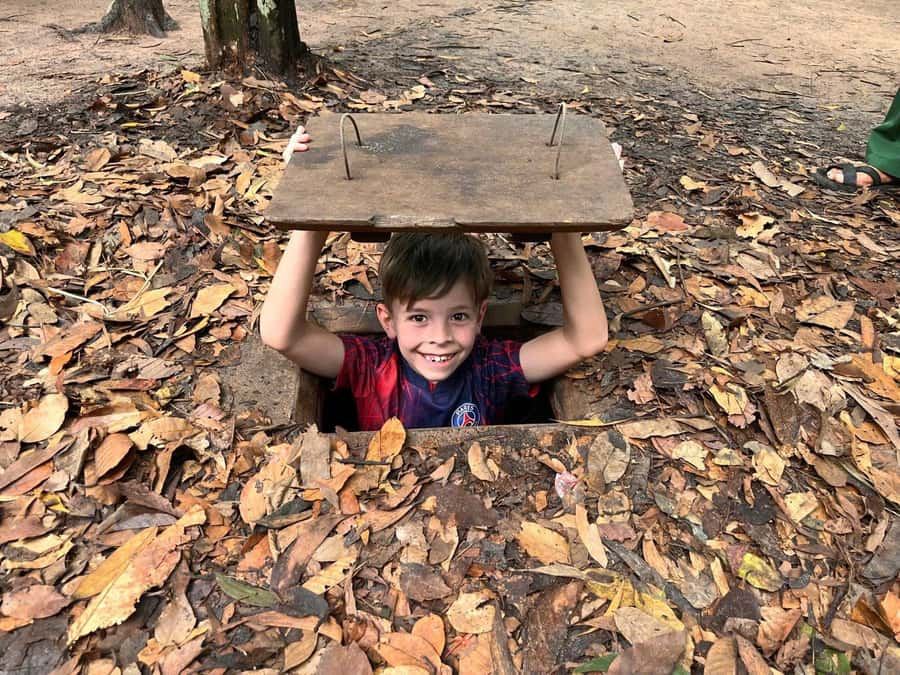
You will see concealed trapdoors, bunkers, kitchens, improvised hospitals, weapons displays, and booby traps. These details matter because they show the practical problems of underground life. The site is not just about military equipment. It also reveals how food was prepared, how people moved without being seen, and how a large network could support daily life during wartime.
Your guide helps connect those pieces. The strongest guides on this route, including Robert, Rick, Kevin, Khang, Sam, Bao, and Kyle, are praised for explaining the site in clear English and answering questions in an approachable way. Your assigned guide may be different, but the quality of the experience depends heavily on this person, since the physical remains alone do not explain enough.
I recommend reading a little about the Vietnam War before you go. You do not need a textbook, but basic background will help you understand why the tunnels mattered and why this place remains sensitive for both Vietnamese people and Americans.
More Vietnam War and Indochina History Tours in Vietnam:
- Premium Cu Chi Tunnels Tour with Local Expert by SpeedBoat
★ 5.0 · 2,045 reviews - From Ho Chi Minh: Cu Chi Tunnels Half-Day History Tour with Guide
★ 5.0 · 480 reviews - 6 Hours Historical Tour in Cu Chi Tunnel with Free Snack
★ 5.0 · 312 reviews
The ride from Ho Chi Minh City
The tour begins with pickup from central Ho Chi Minh City, followed by a ride in an air-conditioned van, bus, or limousine depending on the option selected. The drive gives your guide time to introduce the Cu Chi region and explain how the tunnel network fit into the war.
Air conditioning is a practical benefit here. The Cu Chi site is outdoors, and the combination of heat, walking, and underground passages can wear you down. Bottled water, a snack, wet tissue, and the familiar Vietnamese pairing of tapioca and hot tea are included.
Pickup times are approximate. The bus may arrive a little earlier or later than the stated time, so keep your phone available and watch for contact from the operator. The punctuality rule is strict: arriving more than 10 minutes late can lead to cancellation without a refund. I would be ready at the pickup point early rather than trying to judge the timing too closely.
The larger buses can feel tight for taller people, especially during the ride to and from the tunnels. One practical advantage of the small-group option is not only a smaller headcount, but often a more personal exchange with the guide.
The lacquer workshop stop
The route includes a break at an art exhibition featuring traditional lacquer paintings. This gives you a chance to use the restroom and see a local craft connected with Vietnamese culture.
You may be approached about the artwork, but buying is not mandatory. Treat this as a short stop rather than the main point of the outing. It can be useful if you want a break from the road, though anyone hoping for a nonstop history tour may find the stop less interesting than the tunnel site itself.
Some guides add extra context here. Rick, for example, has explained that a workshop employs local people affected by Agent Orange, giving the stop a human connection to the war’s long aftermath. The exact presentation can vary, but the visit is part of the planned route.
Inside the preserved tunnel complex
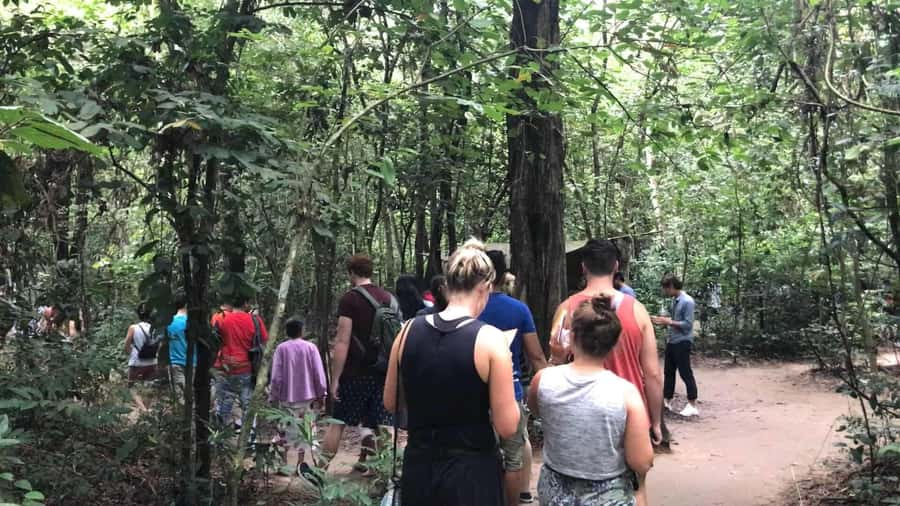
At Cu Chi, the guide leads you through a series of outdoor displays and preserved sections. You can expect to see hidden entrances, trap mechanisms, bunkers, kitchens, and medical areas.
The traps are unsettling but important. They show how the tunnel system was defended and how the surrounding forest was used to conceal danger. Your guide should explain these displays in historical context rather than treating them only as curiosities.
The kitchens are another useful stop. Smoke and cooking would have exposed underground positions, so the design of the cooking areas shows the kind of practical problem people faced. The bunkers and hospital areas give a clearer sense of the limited space available for rest, treatment, and planning.
The site also includes weapons displays. Some outings offer access to a shooting range where you can fire weapons such as an AK-47, but this is an optional activity with separate charges. The supplied information indicates a minimum purchase of 10 bullets for about 600,000 VND, paid in Vietnamese currency. Bring cash only if you want this add-on, and do not mistake it for part of the $16 tour price.
More Half-Day Tours in Vietnam:
- Hue Half-Day Motorbike Tour – Authentic Countryside of Vietnam, History, Culture
★ 5.0 · 143 reviews - From Ho Chi Minh City: Heritage & Culture Half-Day Tour
★ 4.7 · 37 reviews - Ho Chi Minh City: Half-day History And Culture Tour
★ 4.5 · 33 reviews - Lima’s Vibrant Heritage: Exploring the City’s Landmarks Half-day
★ 4.5 · 581 reviews
Crawling through the tunnel
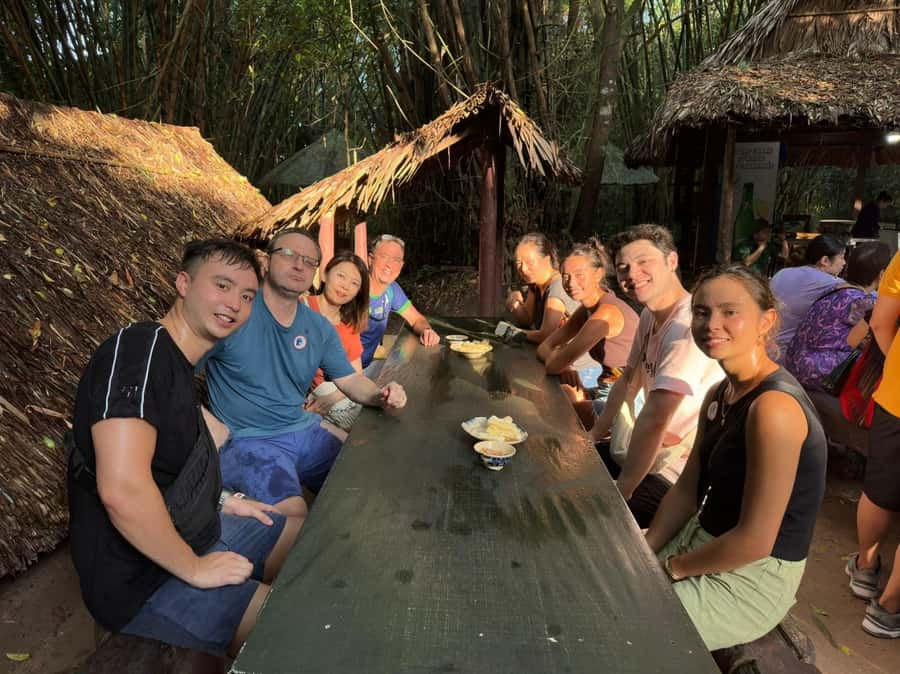
The optional tunnel crawl is the most physical part of the visit. You will enter a narrow, lit section and move through it for a short distance, with one account describing a 10-meter stretch.
You do not have to crawl. You can remain above ground and still see the displays, traps, and bunkers with the guide. This makes the tour more flexible than it may first appear.
If you choose to enter, wear comfortable clothes and sturdy shoes. There are steps and uneven sections, and larger people may find the passage difficult. Anyone with claustrophobia should skip it, and the experience is not suitable for pregnant women.
The tunnel is not meant to recreate every hardship of wartime underground life. It is a preserved and prepared section, but even a short passage can make the tight conditions more real than a museum display. You will likely come out with a better sense of how physically demanding underground movement must have been.
The guide makes the difference
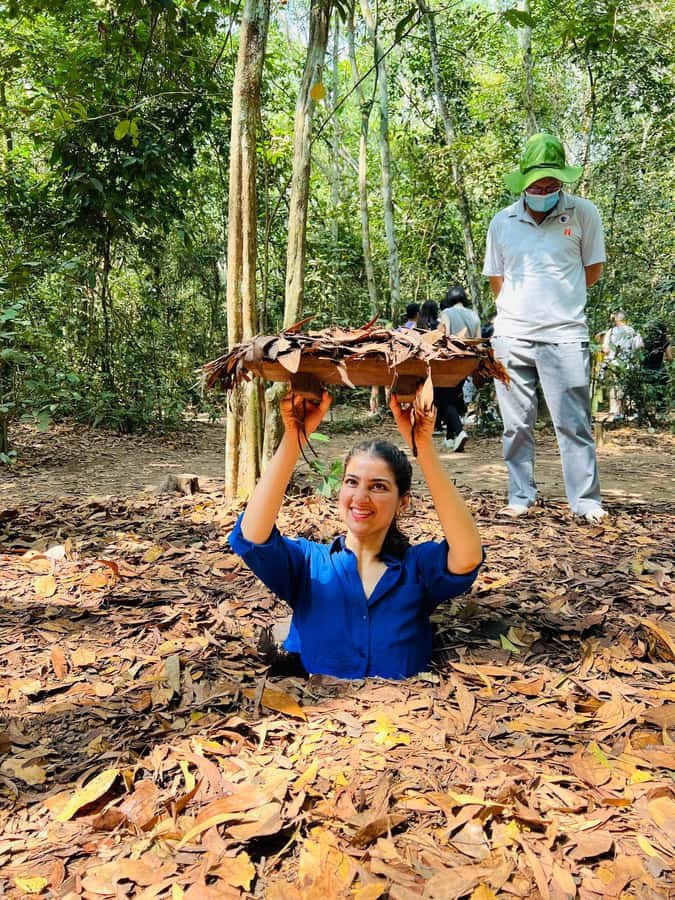
This is a guide-led history visit, not a site where you simply walk around with signs. A good guide turns a sequence of traps and rooms into a story about decisions, fear, survival, and ordinary routines.
Robert is often described as energetic and ready for questions. Rick is noted for combining the tunnel story with everyday Vietnamese life and offering restaurant suggestions in Ho Chi Minh City. Kevin is praised for explaining the site clearly, while Khang is known for a funny, easygoing manner.
Other named guides include Khoa, Lenny, Kyle, Jonny, Phong, Sam, Bao, Khoi, Khanh, Haley, and Truong. You cannot normally choose a specific guide when booking, so consider these names examples of the guide team rather than a promise.
Some guides take photographs during the visit and send them later through WhatsApp. That is a pleasant extra when offered, but bring your own camera too. You will want pictures of the forest setting, displays, and entrances, though photography should never get in the way of listening at a site with such a serious past.
Morning or afternoon: which works better?
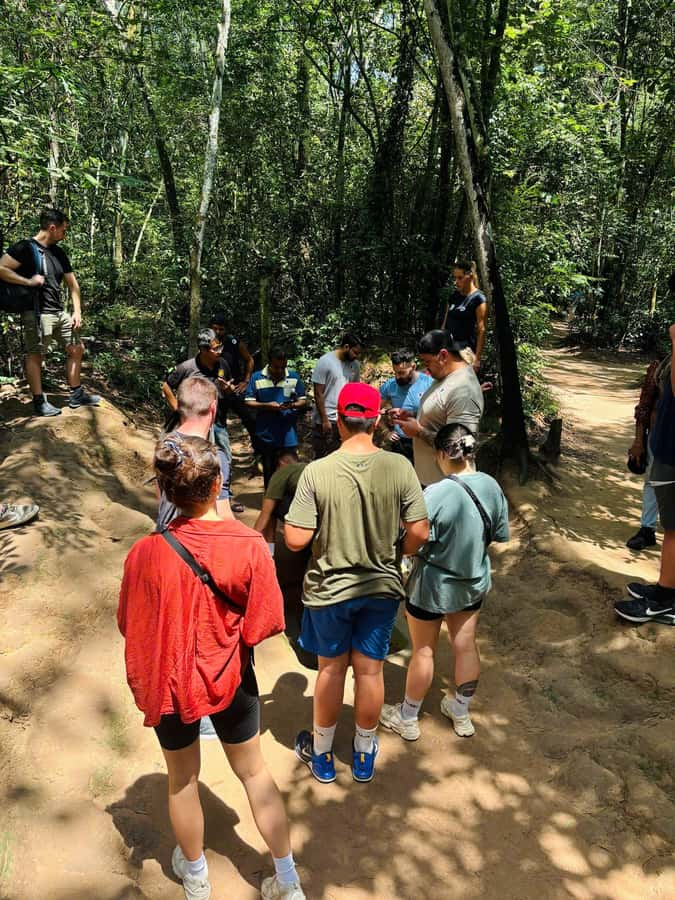
The morning tour generally runs from about 7:30 AM to 2:30 PM. I prefer it for most schedules because you finish with time left for the War Remnants Museum, markets, dinner, or another Ho Chi Minh City activity.
A morning start also makes sense if you have a flight later in the day, but you should still allow a generous buffer. Road conditions and pickup times can vary, and the tour is not a good choice if you need to reach the airport immediately after the stated finish.
The afternoon option runs approximately from 12:30 PM to 7:30 PM. Choose it if you want a slower morning or already have plans early in the day. The tradeoff is that you lose most of the evening, so it may not suit a short stay in Ho Chi Minh City.
One useful feature is flexibility at drop-off. Some arrangements have allowed people to finish near the War Remnants Museum or close to the airport when that location was on the route. Do not assume this is guaranteed, but ask the operator before departure if a different drop-off would help your plan.
Small group or larger bus?
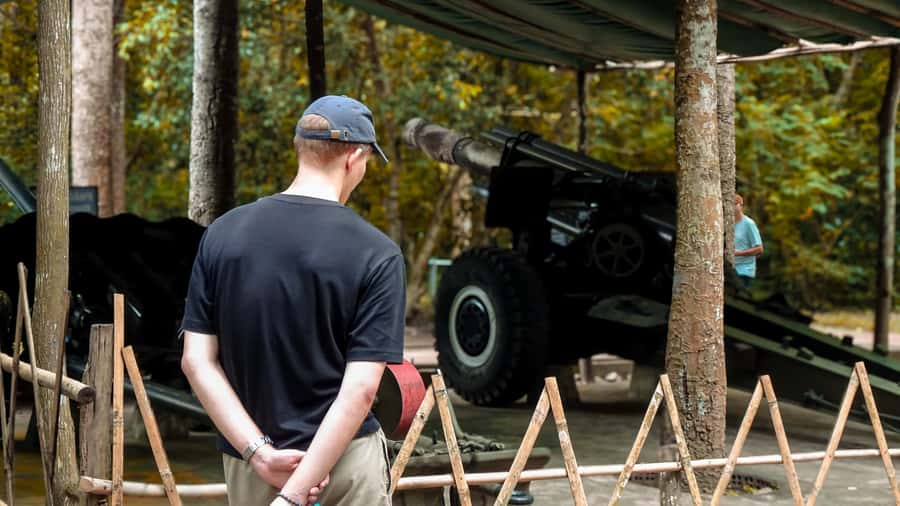
The small-group option has a maximum of 16 people. It should suit you if you want more direct contact with the guide, easier question-and-answer time, and a less crowded feel during explanations.
The larger option can include up to 35 people and is aimed at keeping the cost down. It can be a good choice for solo visitors who enjoy meeting other people, but you should expect less personal attention and possibly a fuller vehicle.
At $16 per person, the larger group offers strong value. You are paying for round-trip transport, site admission, an English-speaking guide, water, snacks, tapioca, hot tea, and wet tissue. Lunch is not included, and personal spending, including the shooting range, costs extra.
If the price difference is small, I would choose the small group. If you are watching your budget or mainly need transport and a clear introduction to the site, the larger option does the job.
What to wear and bring
Cu Chi is an outdoor site with uneven ground and a tunnel section. Wear comfortable shoes and light, comfortable clothes that allow you to crouch or crawl.
A hat, camera, and extra water are sensible. Bottled water is supplied, but the heat can make you glad to have more. Wet tissue is included, yet it is still useful to carry your own small supply after handling dusty surfaces or walking outdoors.
Smoking is not allowed. Leave large expectations of comfort at the door too. This is a practical historical visit with heat, walking, and a short tunnel crawl, not a polished indoor museum.
Who should book this tour?
I would recommend it to first-time visitors to Ho Chi Minh City who want a clear introduction to the Vietnam War without giving up a full day. It also suits people with limited time, since the morning option leaves room for another major sight.
History fans will get the most from the guide’s explanations, while curious first-time visitors will appreciate the physical displays and the chance to enter a tunnel. The tour can also work well for people traveling on a budget, since the entrance ticket and transport are included at a low price.
I would hesitate if you are pregnant, strongly claustrophobic, uncomfortable in crowded vehicles, or looking for a quiet, private visit. The larger group is efficient, but it will not feel intimate. You should also skip the tunnel crawl if tight spaces or uneven steps are a concern.
Cancellation is allowed up to 24 hours before departure for a full refund. Holiday dates can carry a 100,000 VND surcharge, including February 1 to 3, April 29 to May 2, September 2, and December 31 to January 1, with the applicable year depending on the booking date.
Should you book it?
Book this Cu Chi Tunnels tour if you want a low-cost, well-organized introduction with transport from central Ho Chi Minh City and a guide who can explain more than the basic facts. The strongest reasons are the optional tunnel crawl, the useful morning departure, and the repeated praise for guides such as Robert, Rick, Kevin, Khang, and Sam.
Choose the small group if personal attention matters to you. Choose the larger group if price matters most. Either way, keep your expectations practical: the site can be hot, the ride takes time, and the workshop stop and optional shooting range may not appeal to everyone.
For $16, the package covers the essentials and gives you a direct look at one of Vietnam’s most important wartime sites. I would book it if Cu Chi is on your list and you want history explained in plain English rather than trying to piece the site together alone.
FAQ
How much does the Cu Chi Tunnels tour cost?
The listed price is $16 per person. Holiday surcharges of 100,000 VND may apply on specified dates and are paid on site.
How long does the tour last?
The morning tour runs approximately from 7:30 AM to 2:30 PM. The afternoon tour runs approximately from 12:30 PM to 7:30 PM.
Is transportation included?
Yes. Hotel pickup and drop-off are included according to the selected option, with transport by air-conditioned van, bus, or limousine.
Is the Cu Chi entrance ticket included?
Yes. The entrance ticket is included in the tour price.
Is the guide English-speaking?
Yes. The tour includes an English-speaking guide.
Can I choose a morning or afternoon departure?
Yes. You can select a morning or afternoon tour when booking.
How many people are in each group?
The small-group option has a maximum of 16 people. The larger group option can include up to 35 people.
Do I have to crawl through the tunnel?
No. The tunnel crawl is optional. You can view the rest of the site without entering the tunnel section.
Is lunch included?
No. Lunch is not included, though the package includes a snack, bottled water, tapioca, hot tea, and wet tissue.
Latest history tours reviewed in Vietnam
- Da Nang: Full-day My Son Sanctuary And Hoi An Heritage Tour★ 4.8 · 21 reviews
- Coffee, History, and Architecture of the French Quarter★ 4.9 · 71 reviews
- Boat Ride Phong Nha Cave & Vietnam’s Historic Command Cave★ 5.0 · 18 reviews
- 6 Hours Historical Tour in Cu Chi Tunnel with Free Snack★ 5.0 · 312 reviews
- Marble Mountain – Hoi An Ancient Town Sunset Private Tour★ 5.0 · 36 reviews
- Heritage Adventure Private Tour by Electric Car★ 5.0 · 96 reviews
- Hanoi Full Day A Private Tour With Mix of History and Activities★ 5.0 · 51 reviews
- Private Cu Chi Tunnels Tour – Explore History & Off-the-path Local Sites★ 5.0 · 93 reviews
Ho Chi Minh City History Tours, compared.

Premium Cu Chi Tunnels Tour with Local Expert by SpeedBoat
Read our review →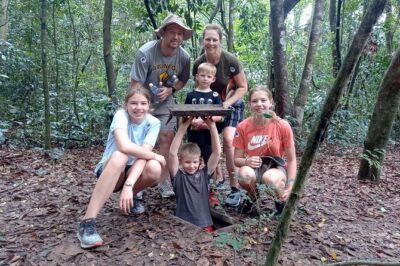
From Ho Chi Minh: Cu Chi Tunnels Half-Day History Tour with Guide
Read our review →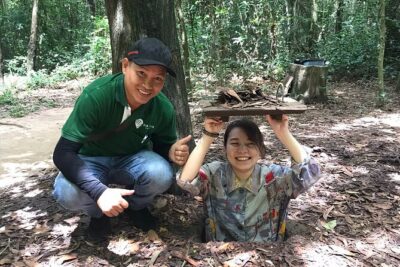
6 Hours Historical Tour in Cu Chi Tunnel with Free Snack
Read our review →
Vung Tau Essential: Beach, Christ Statue & Colonial Heritage
Read our review →
Full-Day Ho Chi Minh City Tour with Colonial Heritage & Chinatown
Read our review →
Private Cu Chi Tunnels Tour – Explore History & Off-the-path Local Sites
Read our review →
From Ho Chi Minh City: Heritage & Culture Half-Day Tour
Read our review →Browse the lists this tour appears in