
Review · ATHENS
Ancient Athens Electric ATV Scooter Tour
Athens is easier to understand when you see how its hills, theaters, public squares, and old neighborhoods fit together. This two-hour electric ATV scooter tour gives you that broad view without asking you to walk every stone street under the Greek sun. You ride from Plaka toward the Acropolis, Areopagus, the Pnyx, Keramikos, the Ancient Agora, and Monastiraki.
I especially like the four-wheel electric scooter, which offers a more unusual way to move through central Athens, and the route’s mix of famous sights and less obvious historical corners. The small group, limited to 10 people, also makes it easier to hear the guide and stop for photos. The tradeoff is that two hours goes quickly, and one guest found the guide’s presentation dull, so the quality of your experience may depend on who leads your group.
Key points to know before booking
- Ride through 3,000 years of Athens: The route links the Acropolis area with the Agora, Pnyx, Roman sites, and old neighborhoods.
- Four-wheel electric transport: You receive training, a helmet, insurance, water, and use of a MIA four-wheel ATV scooter.
- Strong city views: Areopagus and the Pnyx offer wide views toward the Acropolis and across Athens.
- Small group setting: The tour is limited to 10 people, a useful size for questions and quick photo stops.
- Named guides receive warm praise: Bill is noted for patient help and local advice, while Demi is described as pleasant and clear.
- A practical walking break: You cover more ground than on foot, though the tour is still too short for a full archaeological visit.
A quick ride through ancient Athens
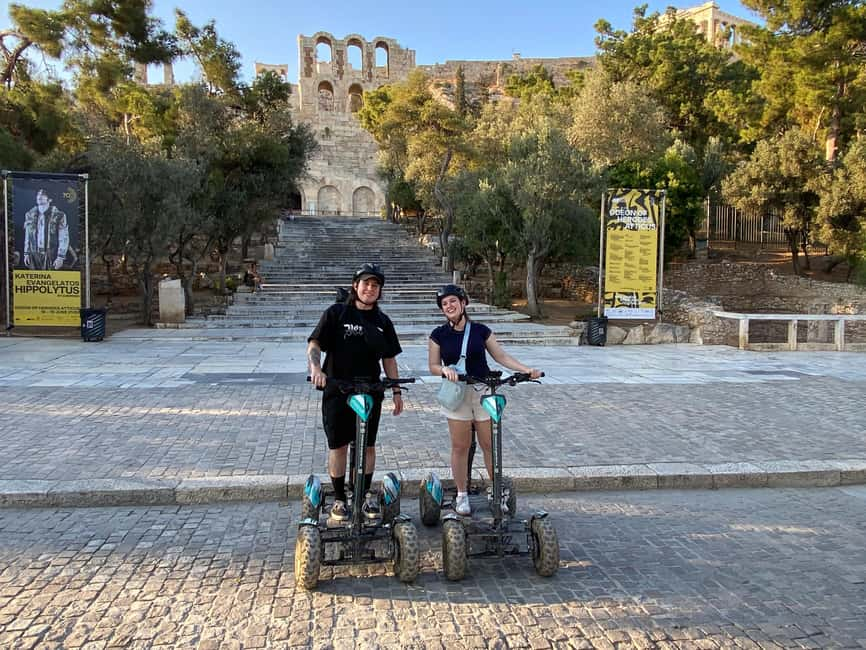
At $58 per person, this is not the cheapest way to see Athens. It is also not simply a vehicle rental. The price covers a guide, training, helmet, insurance, water, WiFi, and a planned route through some of the city’s most important historic areas.
I see the value in the way the tour connects places that can feel scattered on a standard walking route. You move from the Acropolis to the old civic center, then toward Roman monuments and modern street life. That makes the ride useful on a first day in Athens, when you want to get your bearings fast and learn what deserves a longer visit later.
The electric vehicle is part of the appeal. It produces no engine noise or fumes during the ride, and its compact four-wheel design suits narrow historic streets better than a larger vehicle. You still need to pay attention to traffic and the guide, but the ride is presented as an approachable experience rather than a high-speed adventure.
The current score is 4.9 out of 5 from 29 ratings, and the transport receives a perfect score in the supplied activity details. That praise is not universal on every point. One person found the ride pleasant but the guide boring, a useful reminder that the vehicle and route cannot fully make up for a flat presentation.
More Ancient History Tours in Athens
- Athens: Ancient Greek Theater Performance
★ 4.7 · 2,481 reviews - Historical Delphi One Day Tour with Arachova Stop & Expert Guide
★ 4.5 · 1,247 reviews - From Athens: Ancient Corinth Day Trip with Canal & VR Guide
★ 4.6 · 1,073 reviews
Starting in Plaka, Athens’ old quarter
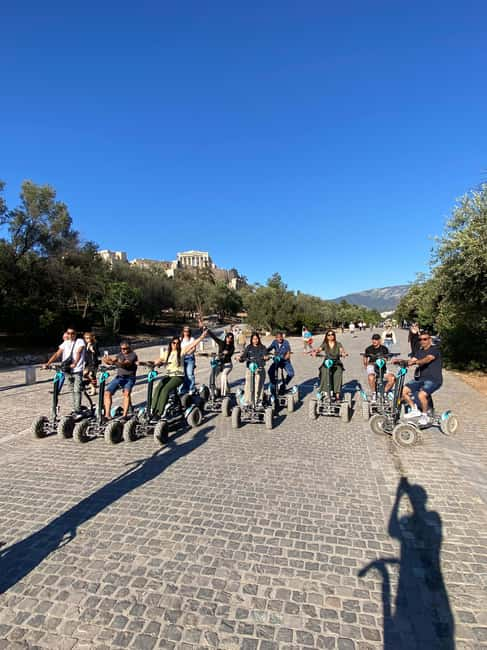
The tour begins in Plaka, the oldest and most picturesque part of central Athens. Its narrow lanes, traditional Greek feel, and location below the Acropolis make it a sensible starting point. You are not beginning in a remote pickup area or spending the first part of the tour getting into the center.
Before riding, you receive training and safety equipment. A helmet, insurance, water, and WiFi are included. The training matters because a four-wheel electric scooter may feel different from a normal bicycle, motorcycle, or rental car. Give yourself a moment to understand the controls before the group sets off.
The group limit of 10 is helpful here. Plaka’s lanes can feel tight, and a smaller group is easier to keep together. It also gives you a better chance to hear the guide during stops instead of standing at the back of a large crowd.
A practical point: the activity is not suitable for children under 8. The supplied information does not give a separate minimum age for driving, so check the booking details if your party includes younger riders or anyone who may need a different arrangement.
The Acropolis and Odeon of Herodes Atticus
The first major section takes you alongside the Acropolis. This gives you a strong visual introduction to Athens, with the rock rising above the surrounding city and the ancient monuments visible from different angles.
The route also reaches the Odeon of Herodes Atticus, the stone theater built into the southern slope of the Acropolis. It is one of Athens’ most striking ancient structures, and its curved seating and dramatic setting make it an excellent photo stop.
Do not expect this two-hour ride to function like a full Acropolis admission visit. The itinerary describes views, rides alongside the monument, and stops at major sites rather than a long interior tour. If you want time inside the Acropolis complex, you should plan a separate visit.
That limitation is actually useful for some schedules. You get the setting and historical explanation without spending the entire tour in one archaeological area. You also save your legs for the steep, uneven walking that comes with a proper Acropolis visit later.
Looking out from Areopagus Hill
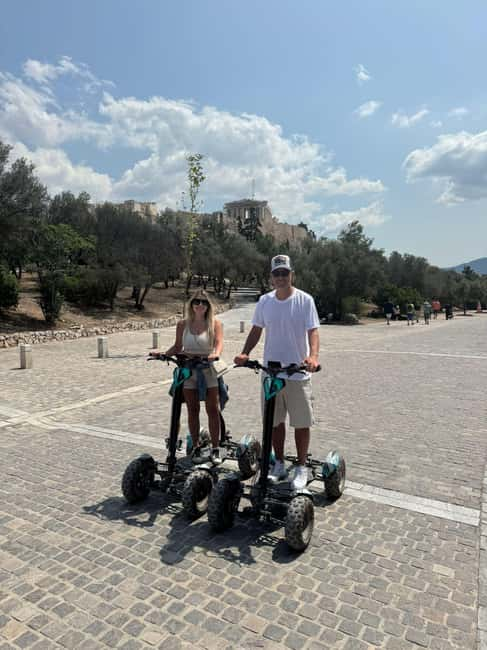
The ride continues to the Hill of Mars, also called Areopagus. In ancient Athens, this rocky rise was linked with judicial proceedings. Today, its main reward is the view.
From here, you can see the Acropolis and understand how the ancient city was arranged around its central high point. This is one of the places where riding helps: you reach a major viewpoint without making the entire outing a hill-climbing exercise.
You should still expect some movement around historic terrain and brief stops rather than a fully seated sightseeing experience. The tour includes photo opportunities, historical explanations, and short breaks for water. Keep your camera ready, since the high points are likely to provide some of the best pictures of the morning or afternoon.
The guide’s role matters especially here. A good explanation can turn a rocky outcrop into a lesson about law, power, and the way Athens used its natural defenses. Bill is specifically praised for being patient, friendly, and helpful with routes and local advice. If he leads your departure, that style should suit anyone who wants both history and practical orientation.
More Ancient History Tours in Greece
- Acropolis, Parthenon & Athens Old City Heritage Walking Tour
★ 4.5 · 876 reviews - Private Biblical Tour Ancient Corinth & Isthmus Canal from Athens
★ 5.0 · 762 reviews - Athens: Ancient Corinth & Nafplio Full Day Trip with Swim
★ 4.8 · 531 reviews - Athens: Ancient Agora E-Ticket and Audio Tour
★ 3.9 · 413 reviews
The Pnyx, where citizens made decisions
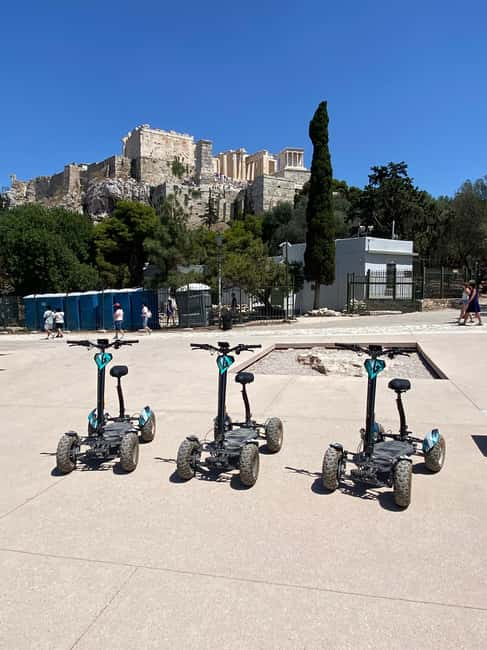
Next comes the Hill of Pnyx, one of the most meaningful stops on the route. This is associated with the early practice of Athenian democracy, where citizens gathered to hear political debate and take part in public decisions.
The site has a quiet force that can be easy to miss if you only visit the grand temples. The Pnyx helps explain that ancient Athens was not just a collection of monuments. It was also a place where public life happened outdoors, on hills and open ground, among citizens arguing about the city’s future.
The tour does not promise a long archaeological lecture or an extended stop. Instead, you get a short introduction, a broad view, and a chance to connect the physical setting with the political ideas that later shaped democratic government.
For me, this is one of the strongest reasons to choose the tour. The Acropolis is the obvious symbol of Athens, but the Pnyx explains the city’s civic identity. If you enjoy history that connects buildings with the people who used them, pay close attention here.
Thissio and the Keramikos archaeological area

From the hills, the route moves through Thissio toward Keramikos. This section shifts the focus from political life to daily life and death in ancient Athens.
Keramikos was both a cemetery and an area linked with pottery production. That combination gives you a more grounded view of the ancient city. You are not only looking at temples for rulers or monuments for famous leaders. You are thinking about craftspeople, families, funerals, workshops, and the practical work that kept the city going.
The ride approaches the Keramikos Archaeological Site as part of the route. The supplied details do not promise entry or a full guided visit inside, so treat it as an outside orientation stop unless your guide tells you otherwise. If you want to examine the excavated remains closely, set aside separate time for the site.
Thissio itself adds a pleasant neighborhood contrast. The ride moves through an area where ancient stones and modern Athens sit close together. That mixture is one of the city’s charms, and an electric scooter lets you cover the distance without turning the day into a long march.
The Ancient Agora, Athens’ public center
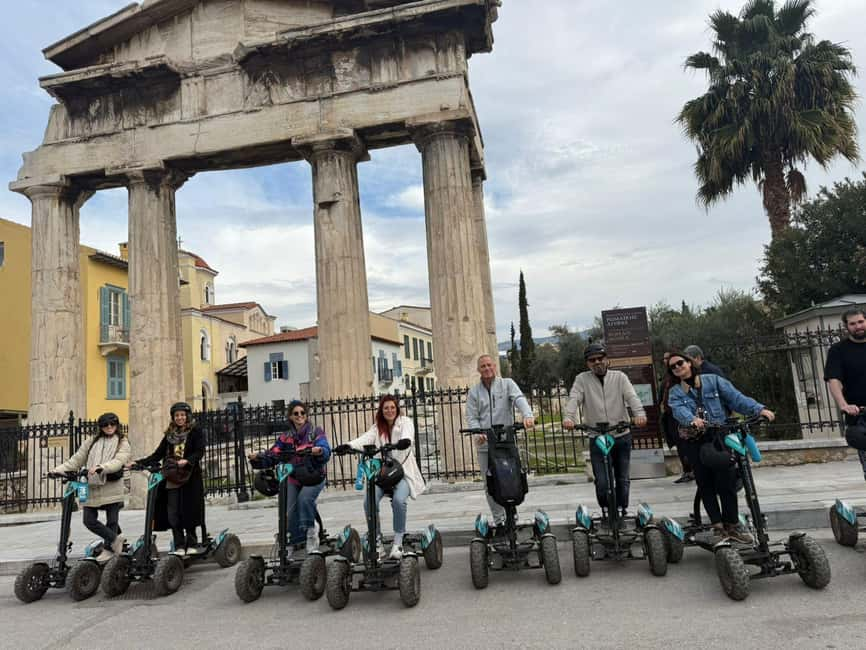
The Ancient Agora is the historical heart of the tour. In classical Athens, this was a center of public life, commerce, politics, and conversation. Philosophers, politicians, merchants, and ordinary citizens crossed this ground.
The Agora makes the route feel connected. At the Acropolis, you see religious and civic power above the city. At the Pnyx, you hear about political participation. At the Agora, you can picture those ideas being argued, traded, and tested in public.
Again, the two-hour schedule limits how long you can spend at each place. You may pass the site or pause for an outside explanation rather than explore every building. That is not a flaw if you use the tour as an introduction. It is a drawback if you want detailed archaeological study during the same outing.
I would use this stop as a planning tool. Notice the location, listen to the guide’s explanation, and return later if the Agora catches your interest. A separate visit lets you explore at a slower pace and see more of the surviving buildings.
Monastiraki, Hadrian’s Library, and the Roman Agora
Before returning to Plaka, the route heads toward Monastiraki Square and its flea market. This is where ancient Athens meets the modern city in the most obvious way.
The market area offers antiques and local goods, although the tour only passes by rather than promising time to shop. You may spot something worth returning for, but do not count on browsing stalls during the ride. The point here is the change of atmosphere, from archaeological ground to one of central Athens’ busiest public areas.
The route also passes the Library of Hadrian and the Roman Agora. These sites show how Athens continued to develop under Roman rule. The city was not frozen in its classical period. Later rulers added their own buildings, uses, and political messages.
This sequence is a smart choice for a short tour because it gives you layers rather than repeating the same type of monument. You see Greek civic life, Roman construction, a working neighborhood, and a modern square within a compact route.
The guide’s commentary makes the difference. Demi is specifically praised for clear explanations and a pleasant manner, with the ride described as a fun way to see the city without causing sore feet. If you want an easy overview with historical context, that is exactly the strength of this section.
Returning through Plaka
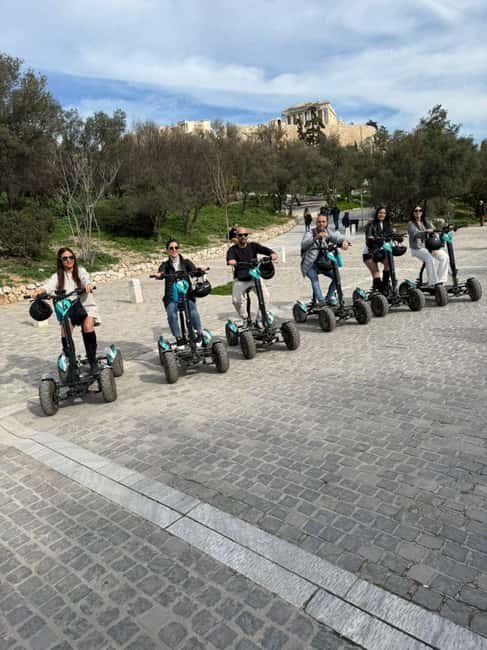
The final ride winds back through Plaka. After the wide views from the hills and the open archaeological areas, the neighborhood’s narrow lanes and traditional atmosphere provide a relaxed finish.
The return is also useful because you now see Plaka with more context. It is not just a pretty district beneath the Acropolis. It sits beside the old civic center, the ancient hills, and the later Roman monuments. The tour helps place the neighborhood within the larger story of Athens.
The activity lasts two hours, so the pace is brisk. You will stop for photos, history, views, and short hydration breaks, but you will not linger everywhere. Wear something comfortable, keep your belongings secure, and think of the tour as a fast-moving introduction rather than a slow archaeological seminar.
How the scooter changes the Athens experience
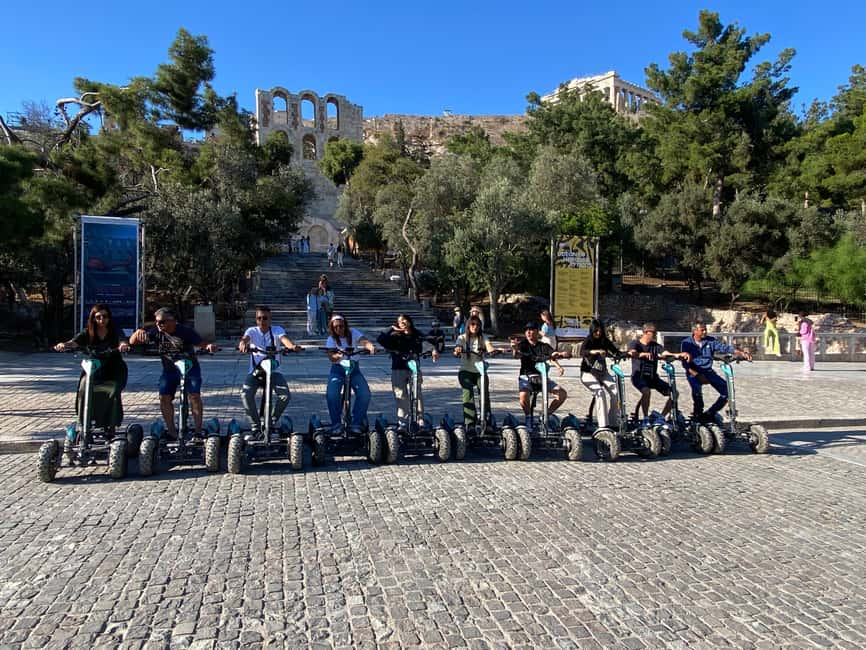
The main practical advantage is coverage. Athens is walkable in many central areas, but the historic sites spread across hills and neighborhoods. A four-wheel electric scooter helps connect them without relying on taxis or spending the whole day on foot.
The ride also gives you a different eye level and pace than a bus. You remain close to the streets, lanes, and neighborhood edges. You can see the transitions between old and new Athens instead of moving from one major stop to another in an enclosed vehicle.
There are limits. A scooter does not remove city traffic, narrow streets, or the need to listen carefully to instructions. The tour includes training and insurance, but you should still feel comfortable following a guide through an urban setting. The information provided does not describe a special route for people with mobility limitations, so ask the operator directly if that is important for you.
The electric format is another plus. It is quieter than a fuel-powered vehicle and fits the tour’s focus on historic streets. The most enthusiastic feedback centers on the scooter being clean, smooth, and easy to ride, with pickup and return described as straightforward. Those details matter because a poor vehicle can turn a sightseeing outing into a chore.
Guides, languages, and group size
The tour runs with live guides in English, Spanish, or Hebrew. That gives you a useful choice if you want explanations in one of those languages.
Guide style is the biggest variable. Bill is praised for patience, local tips, scenic routes, and making riders feel confident from the start. Demi is described as clear, friendly, and pleasant to spend time with. Another account found the ride enjoyable but the guide uninteresting, so you should not assume every departure will have the same energy.
The group is limited to 10 participants. That is small enough for a more personal feel but not private. You can ask questions and hear the guide more easily than on a large coach, though the group still needs to move at a shared pace.
The tour includes WiFi and water, which are small but useful touches during a two-hour ride. The water helps during warm weather, while WiFi can help with quick map checks or messages. Those inclusions do not transform the value of the tour, but they reduce a few common annoyances.
Who should book this Athens tour?
I would recommend it most to first-time visitors who want a fast orientation before choosing which ancient sites deserve more time. It also suits anyone who likes active sightseeing but does not want a long walking tour.
The route works well for couples, friends, and small groups who want photos, views, and a bit of history in one outing. It may also appeal to parents with children aged 8 and older, provided the children can follow the safety instructions and are comfortable with the vehicle.
You may want to skip it if your main goal is detailed access to the Acropolis, Agora, or Keramikos. The tour introduces those places, but it does not replace dedicated archaeological visits. You may also prefer a walking tour if you want long stops, slow observations, and extended historical discussion.
Is $58 a fair price?
At $58, the value depends on how you use the two hours. If you only want transport, it is expensive compared with walking or public transit. If you want a guided route, vehicle, training, helmet, insurance, water, WiFi, and a compact tour through several major areas, the price is easier to justify.
You are paying for time and orientation as much as for the scooter. The tour saves you from planning a route between Plaka, the Acropolis area, the Pnyx, Thissio, Keramikos, the Agora, and Monastiraki. It also gives you a guide who can explain why each place matters.
The best value comes when you treat the ride as the first chapter of your Athens visit. Use it to identify sites for later, learn the shape of the center, and get photo views that would take more effort to reach on foot.
Should you book it?
Book this tour if you want to see many sides of ancient Athens in a short time, enjoy riding, and value views over long archaeological visits. The electric four-wheel scooter, small group, and route through the Pnyx, Areopagus, Agora, and Roman sites give it a clear identity.
Skip it if you want an in-depth visit inside each archaeological site or if you dislike navigating city streets on a vehicle. Also keep your expectations realistic about guide style. The strongest experiences appear to come when you get a guide such as Bill or Demi, who adds patience, local advice, and clear explanations.
For most first-time visitors with two spare hours, I see this as a useful and enjoyable introduction. It will not replace walking Athens slowly, but it can show you where to walk next.
FAQ
How long is the Ancient Athens Electric ATV Scooter Tour?
The tour lasts two hours. Starting times vary, so you need to check availability when booking.
What is included in the tour?
The price includes a tour guide, a MIA four-wheel ATV scooter, helmet, insurance, training, water, and WiFi.
Which languages are available?
Live guides are available in English, Spanish, and Hebrew.
How many people can join the tour?
The activity is offered as a small-group tour with a maximum of 10 participants.
Is the tour suitable for children?
Children under 8 are not permitted on the tour.
Can I cancel for a full refund?
You can cancel up to 24 hours in advance for a full refund. The activity also offers a reserve now and pay later option.
More History Bike, Segway and Tuk-Tuk Tours in Greece
- Ancient Athens Segway Tour
★ 4.9 · 89 reviews - Athens: Bike Tour of Athens Historical Centre
★ 5.0 · 61 reviews
More History Bike, Segway and Tuk-Tuk Tours in Athens
- Historic Athens: Small Group Electric Bike Tour
★ 4.9 · 966 reviews - Athens: Small Group E-Bike Tour of Historic Highlights
★ 4.9 · 154 reviews - Athens Highlights by E-Bike: Small-Group Historic Tour
★ 5.0 · 131 reviews - Ancient Athens Segway Tour with Agora and Kerameikos
★ 5.0 · 94 reviews
Latest history tours reviewed in Athens
- From Athens: Ancient Olympia Full-Day Private Tour★ 4.8 · 22 reviews
- From Athens: Explore Ancient Corinth & Charming Nafplion★ 4.6 · 102 reviews
- From Athens: Explore Ancient Greece 4-Day Tour★ 4.7 · 73 reviews
- Athens: Women in Ancient Greece★ 5.0 · 98 reviews
- Athens: The History of Greek Mythology Private Tour★ 4.7 · 53 reviews
- Athens: Ancient Corinth & Nafplion Guided Premium Tour★ 4.7 · 237 reviews
- Athens: Roman Agora & Ancient Agora E-ticket & 2 Audio Tours★ 4.1 · 107 reviews
- Athens: Kotsanas Ancient Greek Technology Museum Guided Tour★ 5.0 · 29 reviews
Athens History Tours, compared.

Historical Delphi One Day Tour with Arachova Stop & Expert Guide
Read our review →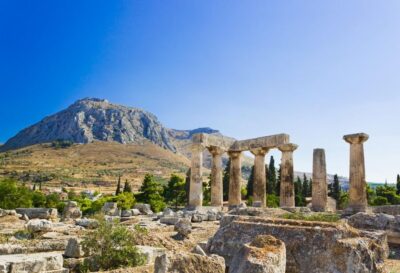
From Athens: Ancient Corinth Day Trip with Canal & VR Guide
Read our review →
Historic Athens: Small Group Electric Bike Tour
Read our review →
Acropolis, Parthenon & Athens Old City Heritage Walking Tour
Read our review →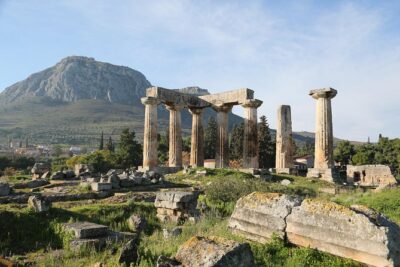
Private Biblical Tour Ancient Corinth & Isthmus Canal from Athens
Read our review →
Athens: Ancient Corinth & Nafplio Full Day Trip with Swim
Read our review →