
Review · ATLANTA
2.5hr Guided Segway Tour of Historic Atlanta
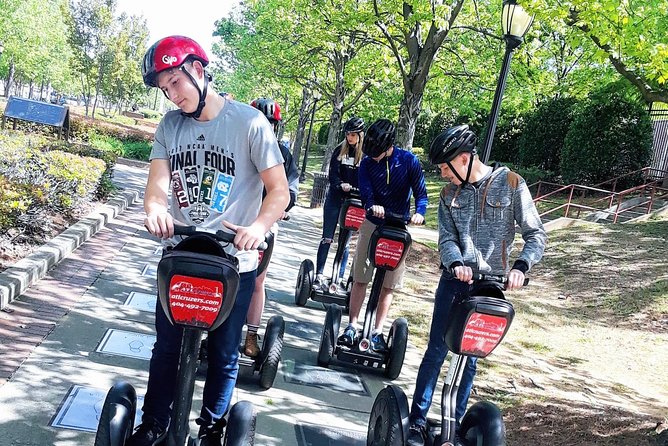
Atlanta reveals itself quickly from a Segway. In one morning, you can roll from the Martin Luther King Jr. National Historic Site to Victorian Inman Park, leafy Oakland Cemetery, Cabbagetown murals, and the Atlanta BeltLine. That gives you a broad sense of the city without spending the whole day on foot or inside a vehicle.
I like the careful training and the route’s mix of serious history and modern redevelopment. I also like the small-group format, capped at 16 people, which lets guides such as Jet, Jett, Jeremy, and Steve offer directions and city stories without turning the outing into a moving lecture. The main consideration is that Segway riding requires balance, attention, and suitable clothing, so it is not as effortless as a bus tour.
Key points to know before you book

- A real training session comes first: Plan on 15 to 30 minutes learning to start, stop, turn, and handle the Segway before heading into the city.
- The route covers several sides of Atlanta: You will see Old Fourth Ward, Inman Park, Cabbagetown, Downtown, Oakland Cemetery, and the BeltLine in about two and a half hours.
- Civil rights history is central: Ebenezer Baptist Church and the Martin Luther King Jr. National Historic Site give the tour its strongest historical focus.
- Krog Street Market is the practical midway break: You have about 10 minutes for a quick drink or bite, not a full meal.
- The best photographs come from Jackson Street Bridge and Oakland Cemetery: Both offer clear views toward the downtown skyline.
- The weight and clothing rules matter: Participants must be at least 100 pounds and no more than 260 pounds, and flat, closed-toed shoes are required.
Why a Segway makes sense in Atlanta
Atlanta is spread out. Its major sights do not sit in one compact old center, and a walking tour can leave you choosing between a few nearby landmarks or a long, hot march between districts. This ride covers more ground while keeping you outdoors and close to the streets.
You are not simply being carried past the city in a bus. You steer, slow down, and stop with the group. That gives you a better feel for how neighborhoods change from one block to the next. The Segway is also quiet and electric, which suits the route through residential streets, cemetery paths, and the BeltLine.
The first part of the morning is especially important if you have never ridden one. The guide works through the controls before the city portion begins. You learn how to lean, turn, stop, and manage the machine around small obstacles. That training is more than a formality. Several people arrive nervous, and patient instruction can make the difference between enjoying the route and spending it gripping the handlebars.
The guides receive strong praise for calm teaching and clear warnings about road obstacles. Jet and Jett are often singled out for being funny, attentive, and reassuring, while Jeremy is noted for taking time with first-time riders. Steve has also led tours with a lively way of connecting the sights. Guides can change, but the teaching style is clearly a major part of the experience.
More History Bike, Segway and Tuk-Tuk Tours in the USA
- Charlotte’s Ultimate Southern Charm Historical City Cart Tour
★ 5.0 · 1,347 reviews - Asheville Historic Downtown Guided Electric Bike Tour with Scenic Views
★ 5.0 · 1,234 reviews - Private Guided Historic Electric Cart Tour of St. Augustine
★ 5.0 · 1,194 reviews
From Downtown to Ebenezer Baptist Church
The tour starts at 160 Ted Turner Drive NW at 10 a.m. After check-in and training, you set out from Downtown toward the historic east side. The precise time spent riding versus stopping can vary, but the full activity lasts about two and a half hours.
Ebenezer Baptist Church is an important early stop. Martin Luther King Jr.’s grandfather and father led the church, and King himself was baptized there and later served as a pastor with his father. The stop is brief, about three minutes, so you should think of it as an introduction rather than a full church visit.
That short pause works best when the guide provides the setting and the meaning behind it. The church is not just another historic building. It connects King’s family, religious life, and public leadership in one place. If you want a long interior visit or quiet time for reflection, this tour will feel too quick. If you want the essential context as part of a larger city circuit, it fits well.
The Martin Luther King Jr. National Historic Site
The nearby Martin Luther King Jr. National Historic Site gives the tour its most important historical focus. The area includes King’s childhood home and the original Ebenezer Baptist Church, along with his tomb. The route is designed to connect the major stages of his life, from childhood through his public work and death.
The scheduled stop is about five minutes, so do not expect to tour every building in detail. This is a guided overview, not a substitute for spending several hours at the national historic site. Still, the guide’s explanation can help you decide if you want to return later for a longer visit.
I value this part of the route because it gives Atlanta’s past a human center. You are not only hearing dates and names. You are seeing the neighborhood, the church tied to the King family, and the place that preserves his early life. The topic deserves attention, and the guide’s tone matters. Strong guides keep the facts clear without turning the stop into a rushed speech.
Oakland Cemetery and the downtown view
Oakland Cemetery is both a historic burial ground and one of Atlanta’s largest green spaces. It is the city’s oldest cemetery, with graves connected to figures such as Mayor Maynard Jackson, writer Margaret Mitchell, golfer Bobby Jones, Civil War soldiers, and singer Kenny Rogers.
The tour allows about three minutes here, plus time for the view. That is enough to understand why the cemetery belongs on the route, but not enough to explore its pathways, monuments, and individual stories at length. You will get a quick look at its leafy setting and a useful contrast between old Atlanta and the modern skyline beyond it.
The skyline view is one of the strongest visual moments of the morning. Oakland Cemetery gives you a broad perspective that is hard to find from street level. Bring your phone, and keep it accessible, since the photo stop is short.
The cemetery also makes the route more varied. After the concentrated civil rights history, you move into a place that reflects Atlanta’s civic, cultural, and wartime past. It is a peaceful pause, although riders should remain alert to uneven surfaces and the need to follow the guide’s movements.
Same old streets, another chapter:
- New York City: American Museum of Natural History Ticket
★ 4.5 · 15,447 reviews - History and Hauntings of Salem Guided Walking Tour
★ 5.0 · 14,564 reviews - Charleston’s Old South Carriage Historic Horse & Carriage Tour
★ 5.0 · 10,023 reviews - Beneath The Streets Underground History Tour
★ 4.5 · 8,006 reviews
Inman Park, Atlanta’s first planned suburb
Inman Park was established in 1890 and is described as Atlanta’s first suburb and one of the nation’s early garden suburbs. The area is known for Victorian homes, tree-lined streets, and its connection to the Battle of Atlanta during the Civil War.
The ride through Inman Park is brief, around two minutes at the named stop, but you see more than a single building. The neighborhood’s houses and street plan show a very different side of Atlanta from Downtown’s towers. You also pass the former home of the founder of Coca-Cola, an unusual detail that helps bring the neighborhood’s business history into the route.
This is one place where the Segway has a clear advantage over a bus. You move slowly enough to notice homes, gardens, and changes in the street, while still covering enough ground to reach the next district. The drawback is that the route does not give you time to wander or browse. If Victorian architecture is your main interest, plan a separate walk through Inman Park later.
The BeltLine and Cabbagetown
The Atlanta BeltLine is a former railway corridor being redeveloped into a connected public route for walking, cycling, art, and neighborhood activity. This tour gives you a look at the Eastside Trail and explains why the project has become such a major part of Atlanta’s present-day identity.
The BeltLine is not presented as a finished attraction. Its value is in showing how an old industrial corridor is being reused. That makes it a good counterpoint to the older churches, homes, and cemetery on the route. You see Atlanta not as a preserved museum, but as a city still changing.
Cabbagetown adds more local character. The former mill town is now known for murals, independent food, and an arts-oriented feel. The route includes Forward Warrior, described as one of Atlanta’s largest public mural projects. This is a quick way to see how industrial neighborhoods have gained new life without losing every trace of their earlier purpose.
The ride may feel more urban here, with other people using the trail and more things competing for your attention. Follow the guide closely, especially if you are still getting used to steering. The ride is enjoyable, but it asks you to stay alert rather than drift along passively.
Krog Street Market and the food stop
Krog Street Market is the midway break, with about 10 minutes to grab a drink or a quick bite. It is described as Atlanta’s oldest food hall and sits along the BeltLine route.
Ten minutes is enough for a fast purchase, not a relaxed meal. I would arrive with modest expectations and avoid ordering anything that takes a long time. The stop gives your feet a break from the Segway and offers a chance to settle your nerves before the second half of the route.
The market also makes practical sense. A food hall lets different people choose different snacks, but the group must leave together. If you are hoping to sample several stalls, save that plan for another visit. The tour’s goal is to keep moving and show you the city, not to turn lunch into the main event.
Jackson Street Bridge and Downtown sights
Jackson Street Bridge is the main skyline photo stop. From here, you get the well-known view toward Downtown, with the city rising beyond the surrounding streets. The group pauses for about five minutes, usually long enough for a shared photograph and a few individual shots.
This is a good reminder that the tour covers more than historic buildings. Atlanta’s story includes its modern skyline, redevelopment, neighborhoods, and public spaces. The bridge ties those pieces together in one frame.
The route also passes a major educational institution in the heart of Downtown, described as the largest educational institution in Georgia. The supplied details do not name it, so treat this as a passing city landmark rather than a planned campus visit. The guide adds local context as you roll through Downtown, but you will not be stopping for a long tour of the institution.
How much value do you get for $69?
At $69 per person, this tour costs more than a basic walking route, but you are paying for equipment, instruction, a local guide, and transportation across several districts. The price makes the most sense if you want a broad first look at Atlanta and enjoy active sightseeing.
The value is strongest for a first visit or a short stay. In two and a half hours, you cover civil rights sites, historic residential streets, a cemetery, a former mill neighborhood, the BeltLine, a food hall, and two skyline viewpoints. Reaching all of those places on foot would take much longer.
The price is less compelling if you already know Atlanta well or prefer long visits inside museums and historic buildings. Most stops are short. You are buying range and interpretation, not deep time at each location.
The group size can reach 16 people, which is still small enough for a guide to watch the riders and answer questions, though it is not a private outing. The best value comes when the guide keeps the group moving safely while still offering useful stories. The very high overall rating and 99 percent recommendation rate suggest that this balance is usually handled well.
What to wear and who should skip it
Wear flat, closed-toed shoes. Do not wear flip-flops or loose clothing that could hang near the equipment. A hat, sunscreen, and sunglasses are sensible, especially because much of the activity takes place outdoors.
The minimum age is 14, and children must be accompanied by an adult. The stated weight limit is 100 to 260 pounds. One overview gives a higher maximum, but the detailed participation rules say 260 pounds, so use the stricter figure and confirm before booking if you are near the limit.
Pregnant participants cannot join because of fall risk. Most people can take part, but you should be comfortable standing, balancing, turning, and paying attention for the duration of the ride. You do not need previous Segway experience, and the training is designed for beginners, but nervous riders should take the instruction seriously and tell the guide if they need extra practice.
Weather matters. The tour requires good conditions and may be moved or canceled if weather is poor. You can cancel for a full refund up to 24 hours before the 10 a.m. start time. Within 24 hours, changes and refunds are not accepted unless the operator cancels for weather, in which case you are offered another date or a full refund.
Should you book the Historic Atlanta Segway Tour?
Book it if you want an active overview of Atlanta, especially if the Martin Luther King Jr. National Historic Site, the BeltLine, and historic neighborhoods are all on your list. It is also a good choice if you are new to Segways and want a guide who takes training and safety seriously.
Skip it if you want long, unhurried visits inside historic buildings, a full meal at Krog Street Market, or a quiet walking tour focused on one neighborhood. The pace is brisk, the stops are short, and you must stay engaged with the machine and the group.
For most visitors with two and a half hours to spare, the route offers a smart introduction to Atlanta’s past and present. Bring closed-toed shoes, arrive ready to practice, and treat the food stop as a snack break. At $69, it earns its price by showing you a wide slice of the city in a morning without putting you on a bus.
FAQ
How long does the Segway tour last?
The tour lasts approximately 2 hours and 30 minutes, including a 15 to 30-minute training session before the city ride.
Where does the tour start and end?
It starts at 160 Ted Turner Drive NW, Atlanta, Georgia 30303, at 10 a.m. The tour ends back at the same meeting point.
Do I need previous Segway experience?
No. A guided training session is included, and the tour is suitable for first-time riders who can meet the participation requirements.
What neighborhoods and sights does the route include?
The route includes Downtown, Old Fourth Ward, Inman Park, Cabbagetown, Oakland Cemetery, the Martin Luther King Jr. National Historic Site, Ebenezer Baptist Church, the Atlanta BeltLine Eastside Trail, Krog Street Market, and Jackson Street Bridge.
What is the weight limit?
Participants must weigh at least 100 pounds and no more than 260 pounds. The detailed participation information gives 260 pounds as the maximum.
What should I wear?
Wear weather-appropriate clothing and flat, closed-toed shoes. Flip-flops and loose or hanging clothing are not allowed. A hat, sunscreen, and sunglasses are recommended.
Can I cancel for a full refund?
Yes. You can cancel at least 24 hours before the experience start time for a full refund. Cancellations or changes made less than 24 hours before the start are not accepted, except when the operator cancels because of poor weather.
Latest history tours reviewed in the USA
- Franklin: Ghost Tour in Historic Franklin★ 4.8 · 65 reviews
- Fort Worth: Stockyards History Tour Pub Crawl★ 4.8 · 39 reviews
- Downtown Flagstaff Haunted History Walking Tour★ 4.7 · 46 reviews
- New York City: Flatiron Food, History, and Architecture Tour★ 4.8 · 43 reviews
- Fairbanks: Gold Dredge 8 Historic Train Tour★ 4.7 · 219 reviews
- Fairbanks: Private Mush on the Historic Yukon Quest Trail★ 5.0 · 30 reviews
- Charleston:Evening Haunted History Horse-Drawn Carriage Tour★ 4.7 · 38 reviews
- Philadelphia: Valley Forge National Historical Park Tour★ 4.9 · 39 reviews
Atlanta History Tours, compared.

Atlanta’s Black History and Civil Rights Tour
Read our review →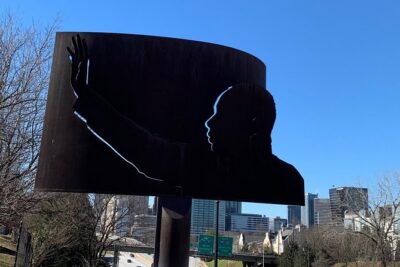

3-Hour Atlanta Beltline Food, Street Art and History Tour
Read our review →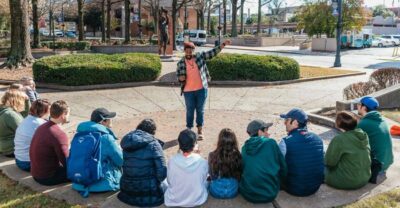
Atlanta: Martin Luther King Historical Park Walking Tour
Read our review →Browse the lists this tour appears in